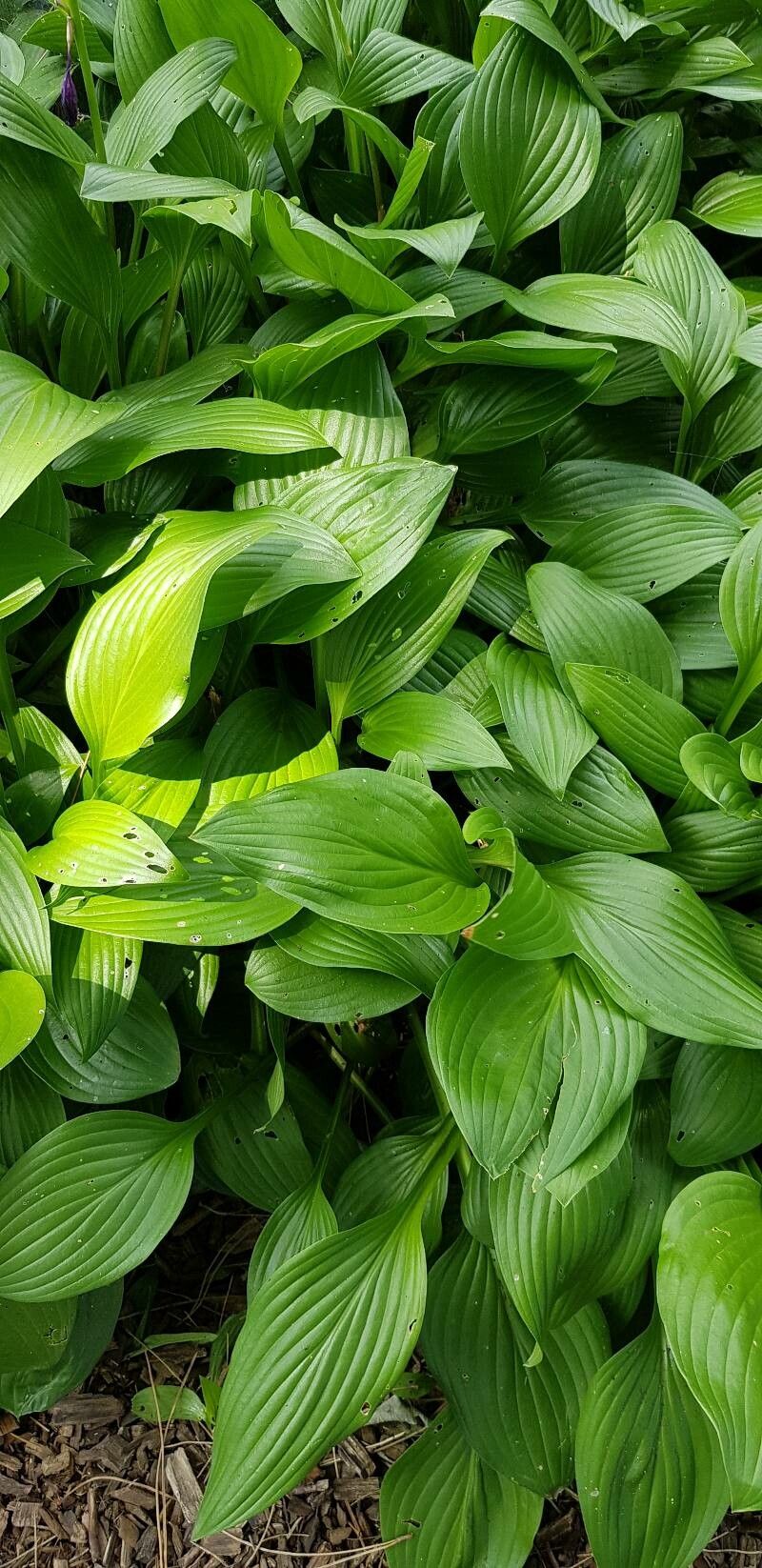
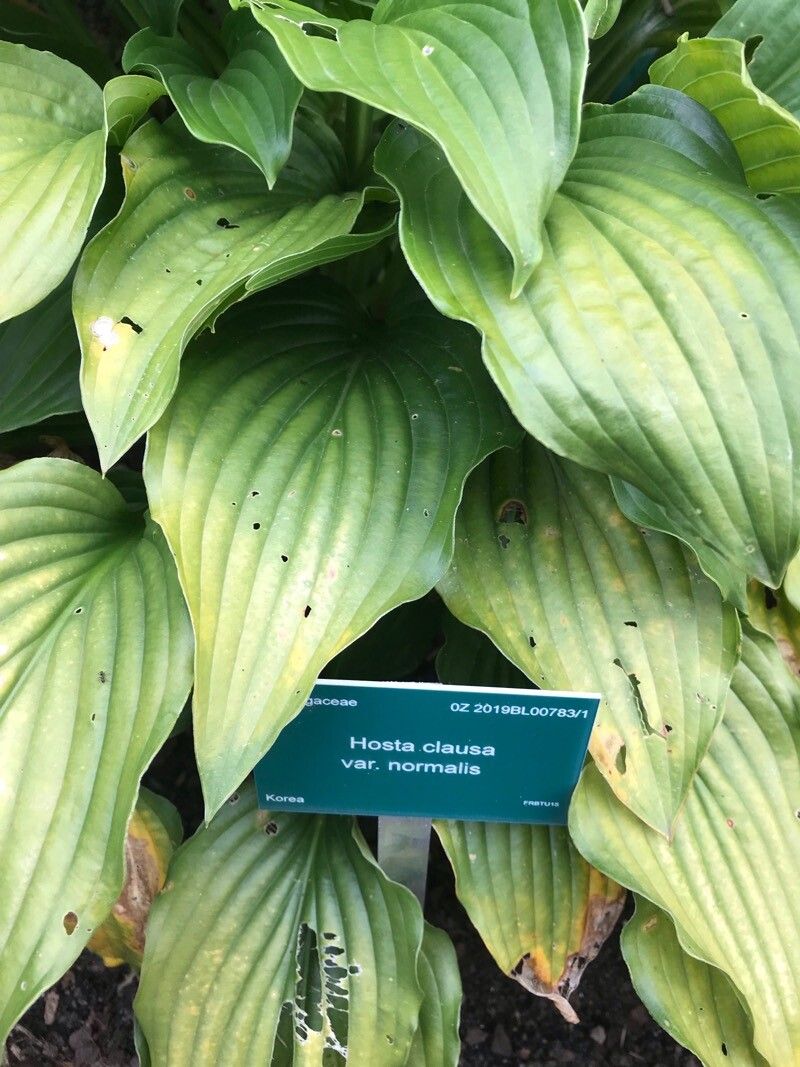
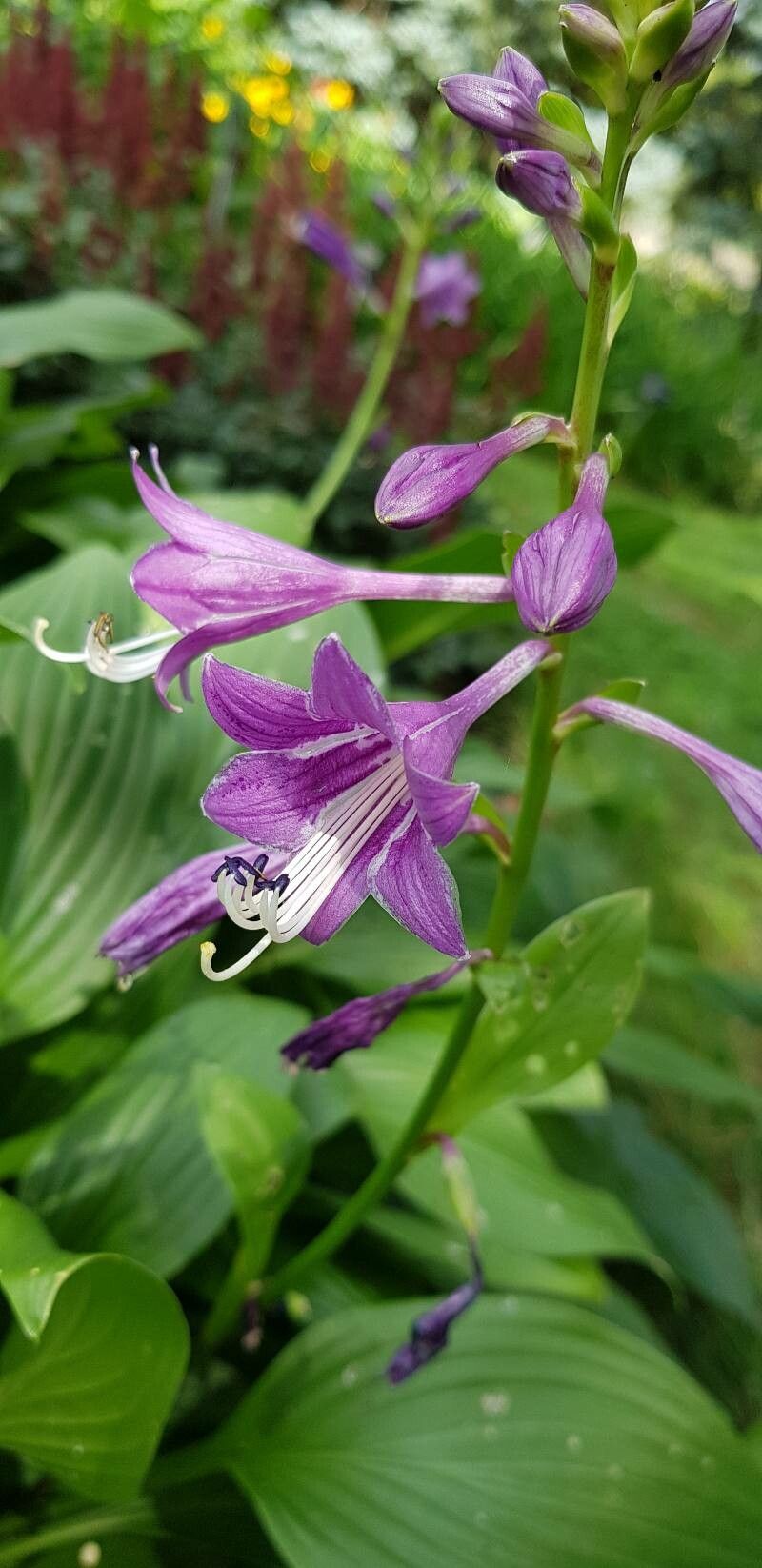
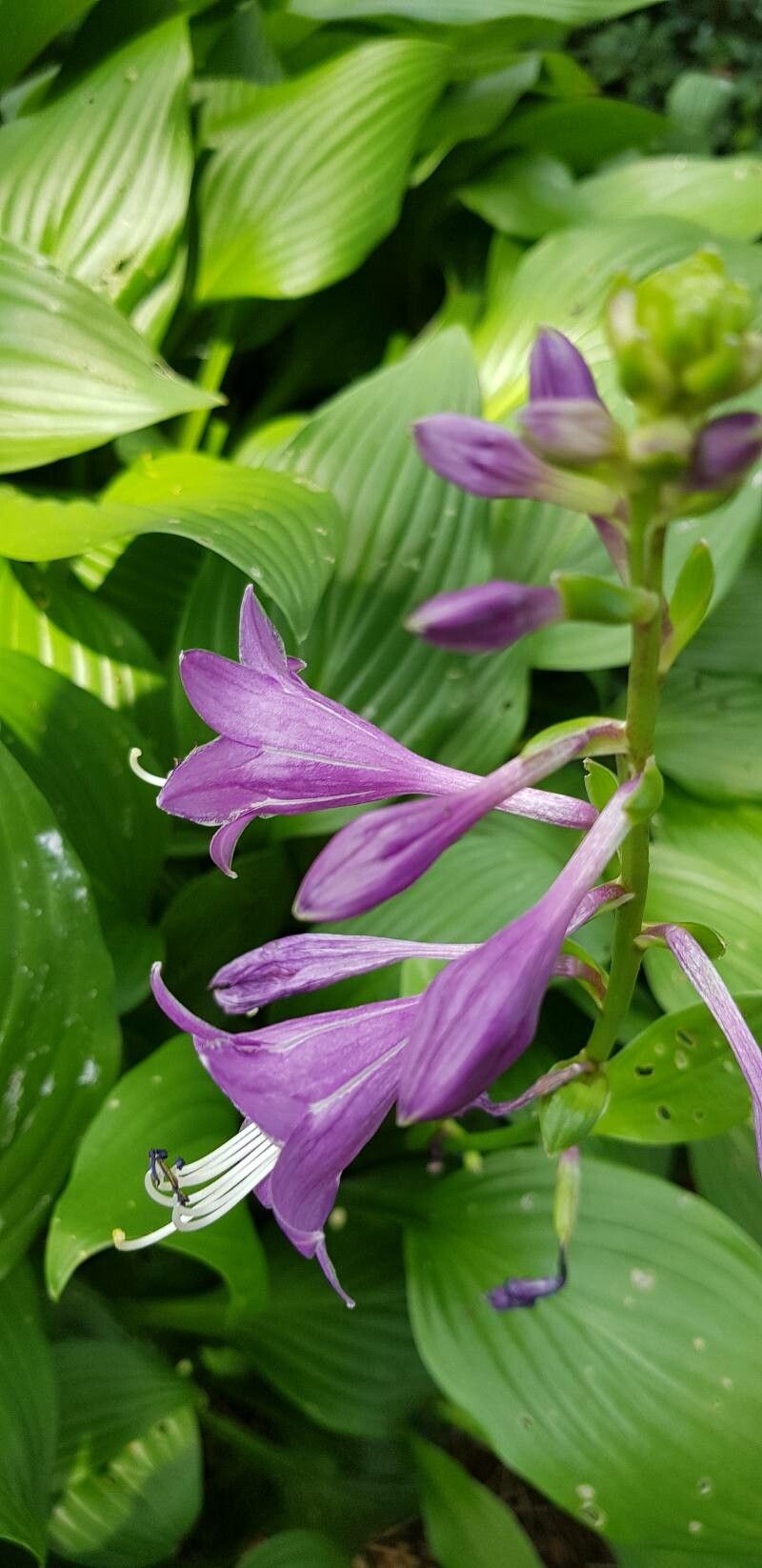
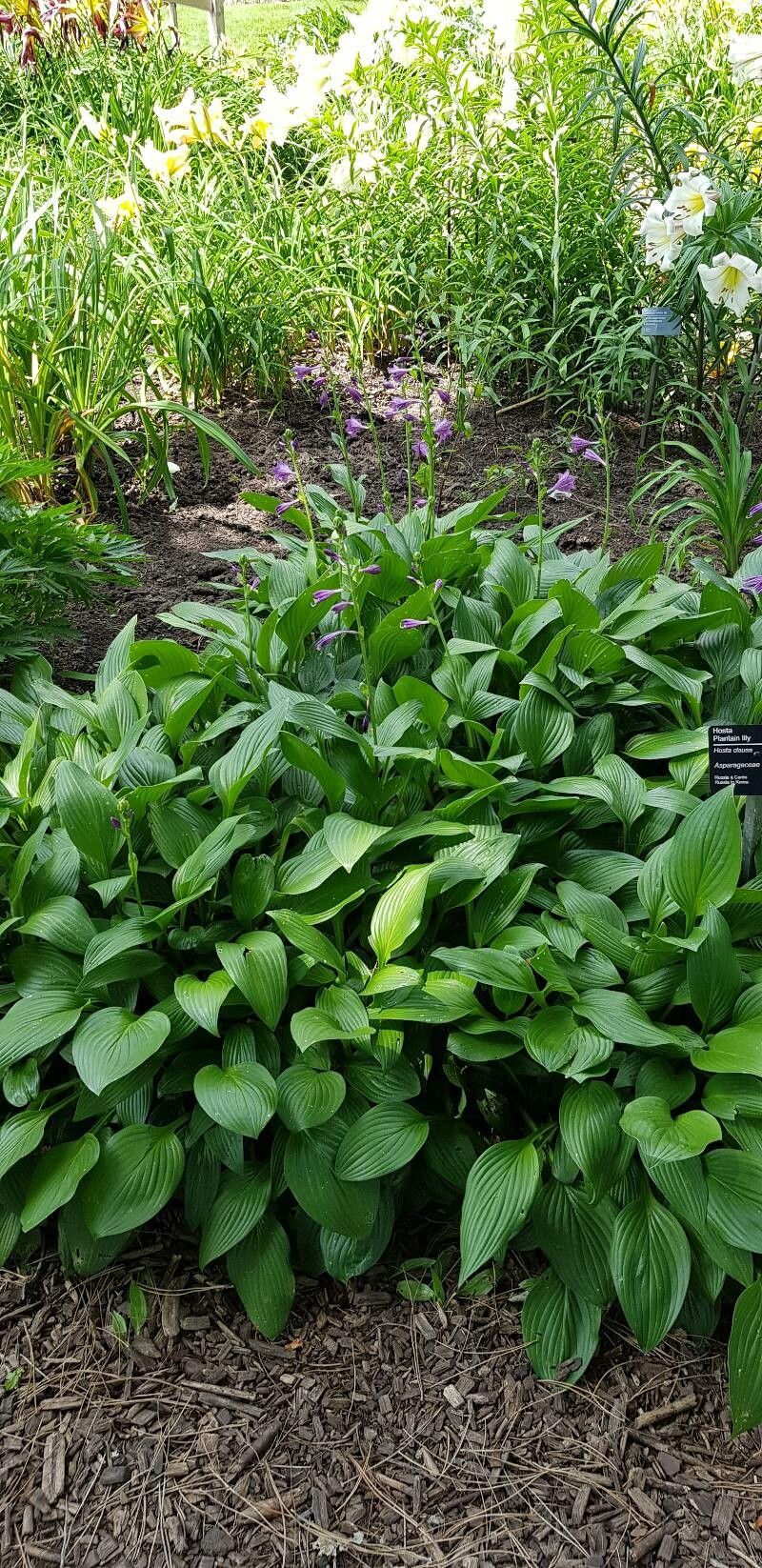
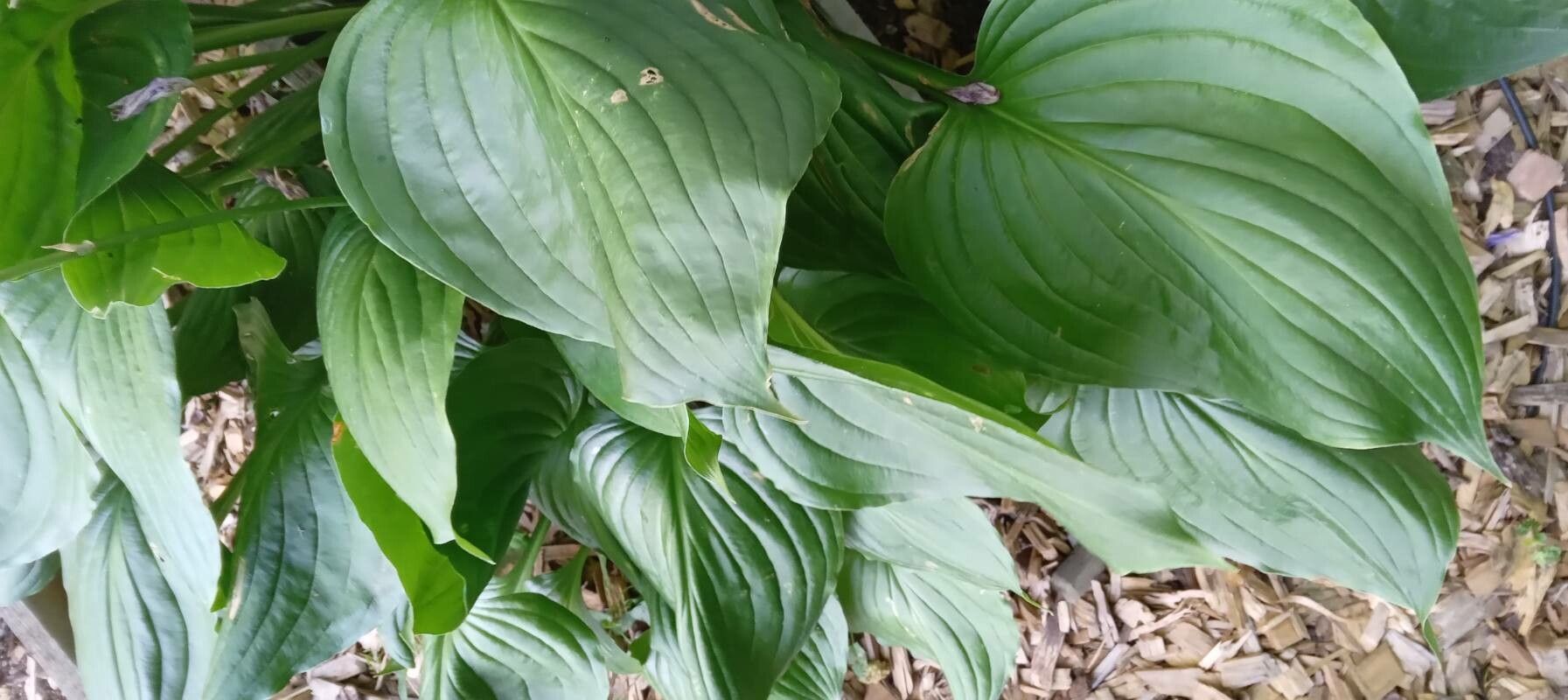
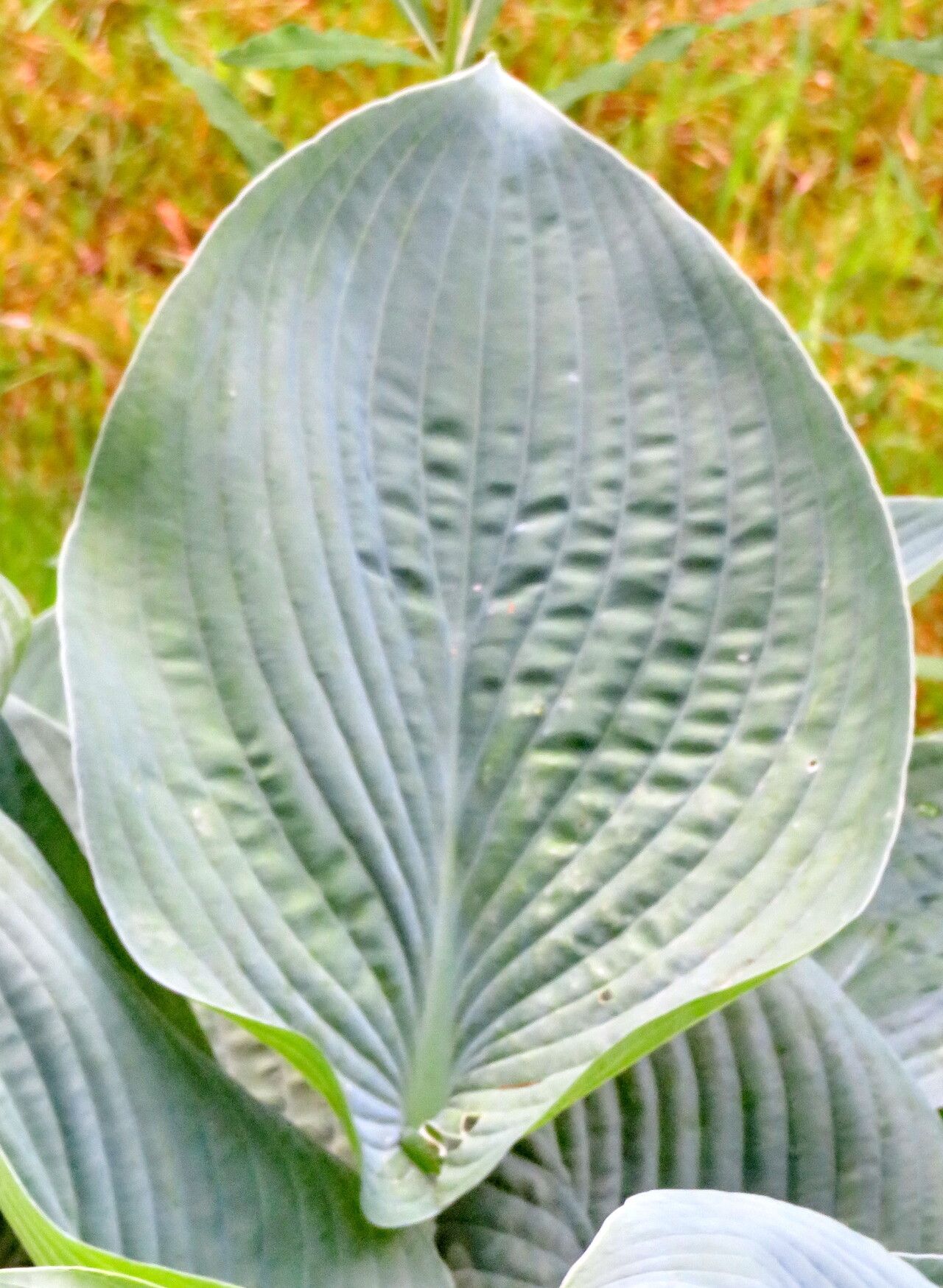
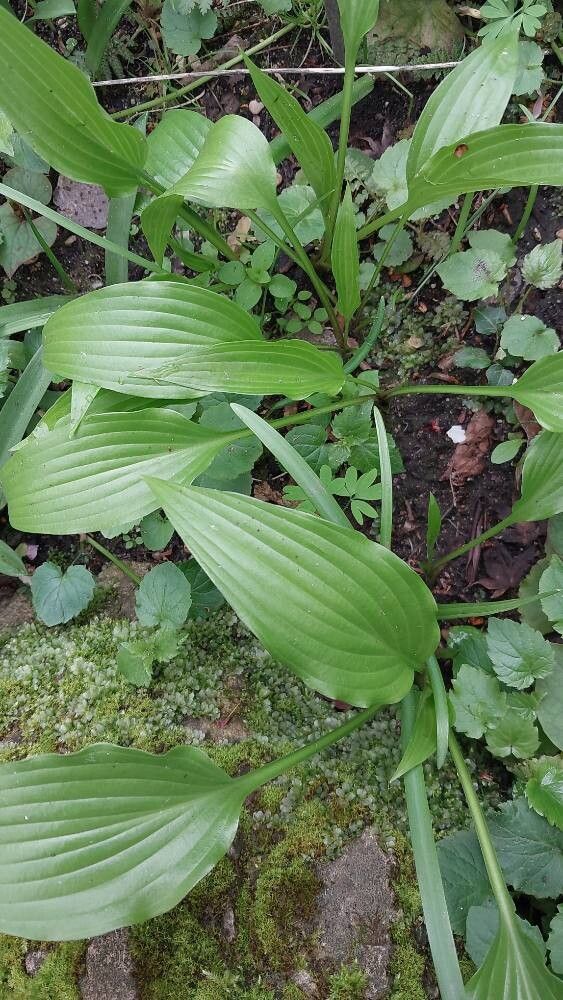
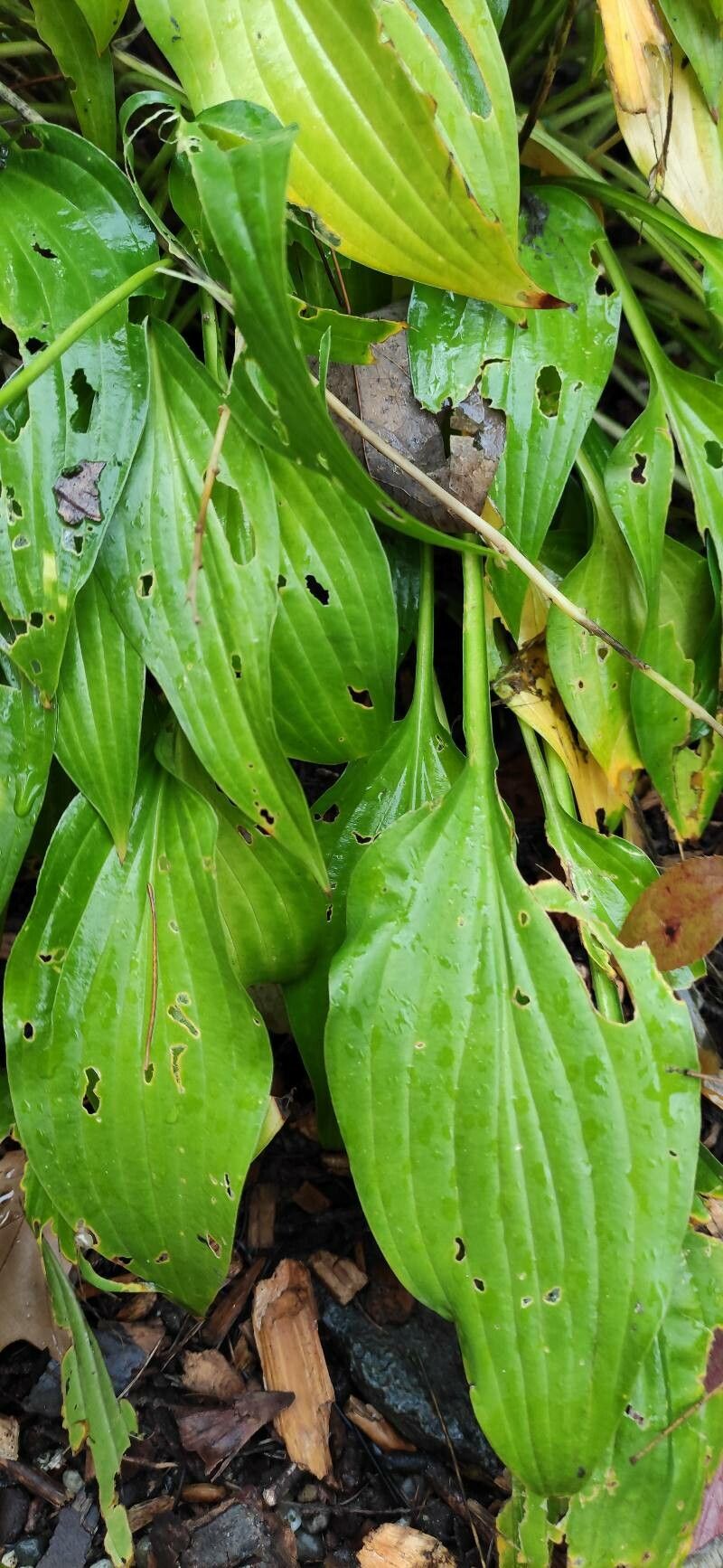
Hosta clausa is a medium-sized flowering plant in the genus Hosta, native to Korea, Manchuria and Primorye in the Russian Far East. It was first identified in 1930.
Hosta clausa has strong disease resistance and is generally not prone to illnesses. However, it can be vulnerable to pests and diseases present in its environment. Such infections are typically not severe. Regarding care, this plant needs moderate maintenance. It should be pruned regularly to keep a tidy appearance and healthy growth. Applying fertilizer can also help encourage flowering. Hosta clausa is appropriate for anyone with an outdoor area, such as a garden or patio, and does not demand extensive care experience. It may need more attention when grown indoors.
How to keep Hosta Clausa.
Light
Hosta clausa occurs naturally in habitats like forest understories and rocky locations, where it is found in natural shade. It favors partial sun but can also tolerate full sun or full shade, showing its adaptable and hardy character.
Water
Hosta clausa thrives in environments that are consistently moist and benefits from regular weekly watering. This plant originates from regions with high humidity. As a deciduous plant, it sheds its leaves each year to conserve water during the colder months.
Temperature
Hosta clausa can tolerate a wide range of temperatures, though its distribution may still be restricted by different combinations of moisture and heat. It does best in warm summer climates with sufficient rainfall or watering. Extended periods of cloudy, rainy weather, as well as prolonged high temperatures, can raise the chance of Hosta clausa dying. In winter, adequate protection from the cold can increase the plant's survival rate.
Fertilizer
The best time to fertilize a Hosta clausa is in early spring, when it is coming out of dormancy and starting active growth. Fertilization supplies essential nutrients for healthy development. Although Hosta clausa needs relatively little fertilizer, yearly feeding can improve its survival and encourage better, longer-lasting flowers.
Pruning
Hosta clausa is a hardy perennial known for its lush foliage and ability to thrive in shaded areas. To encourage growth and improve airflow, prune the plant in early spring by removing any dead leaves. Avoid pruning during the growing season to minimize stress on the plant. Regular pruning helps maintain its shape and prevents overcrowding. When pruning, always use sharp and sanitized tools for the best results.
Pot & Repot
Repot Hosta clausa every 2 to 3 years in early spring to encourage its steady growth. Choose a larger container with good drainage. After repotting, keep the soil consistently moist and protect the plant from direct sunlight to ensure optimal recovery and health.
Botanical profile.
- Plant Type
- Herb
- Life Cycle
- Perennial
- Genus
- Hosta
- Family
- Asparagaceae
- Hardiness Zone
- 3-9
- Mature Height
- 30 cm to 76 cm
- Mature Spread
- 46 cm
- Leaf Color
- Green
- Leaf Type
- Deciduous
- Flower Color
- Lavender, Purple
- Flower Size
- 3.05 cm to 5.08 cm
- Bloom Time
- Early summer, Mid summer
- Planting Time
- Spring, Summer, Autumn
- Harvest Time
- Late summer, Early fall
- Native Area
- Russia, Koppen, South Korea
Other names.