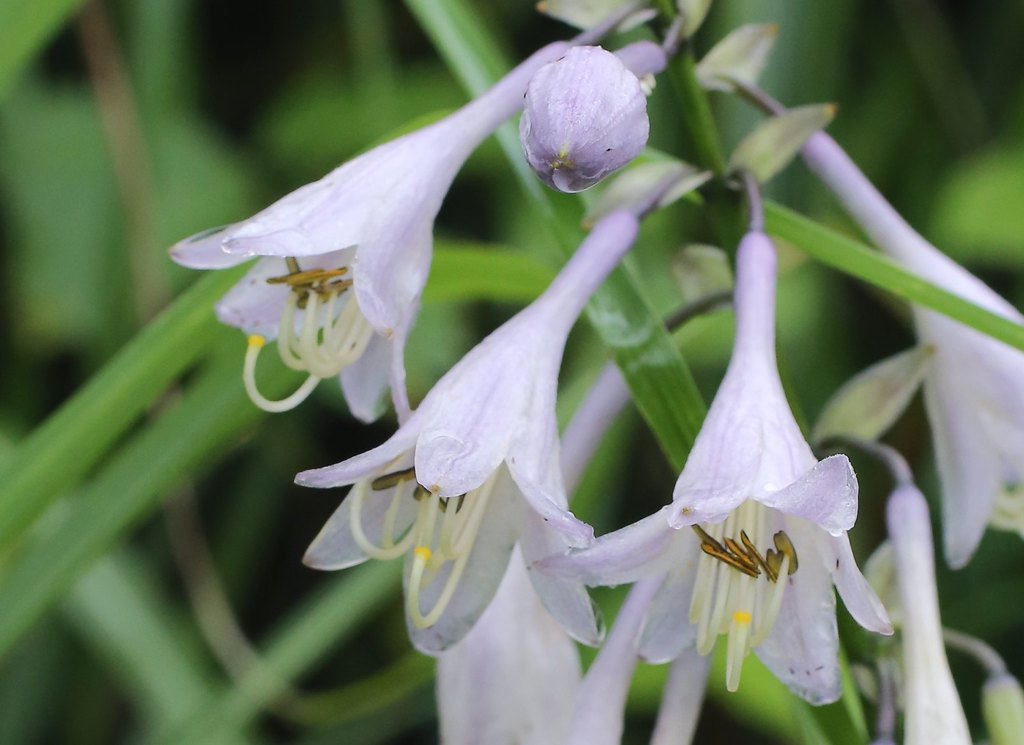
Hosta sieboldiana, commonly known as Siebold's plantain lily, is a herbaceous perennial native to Japan and Korea. Belonging to the Asparagaceae family, it is widely cultivated as an ornamental plant in gardens and landscapes.
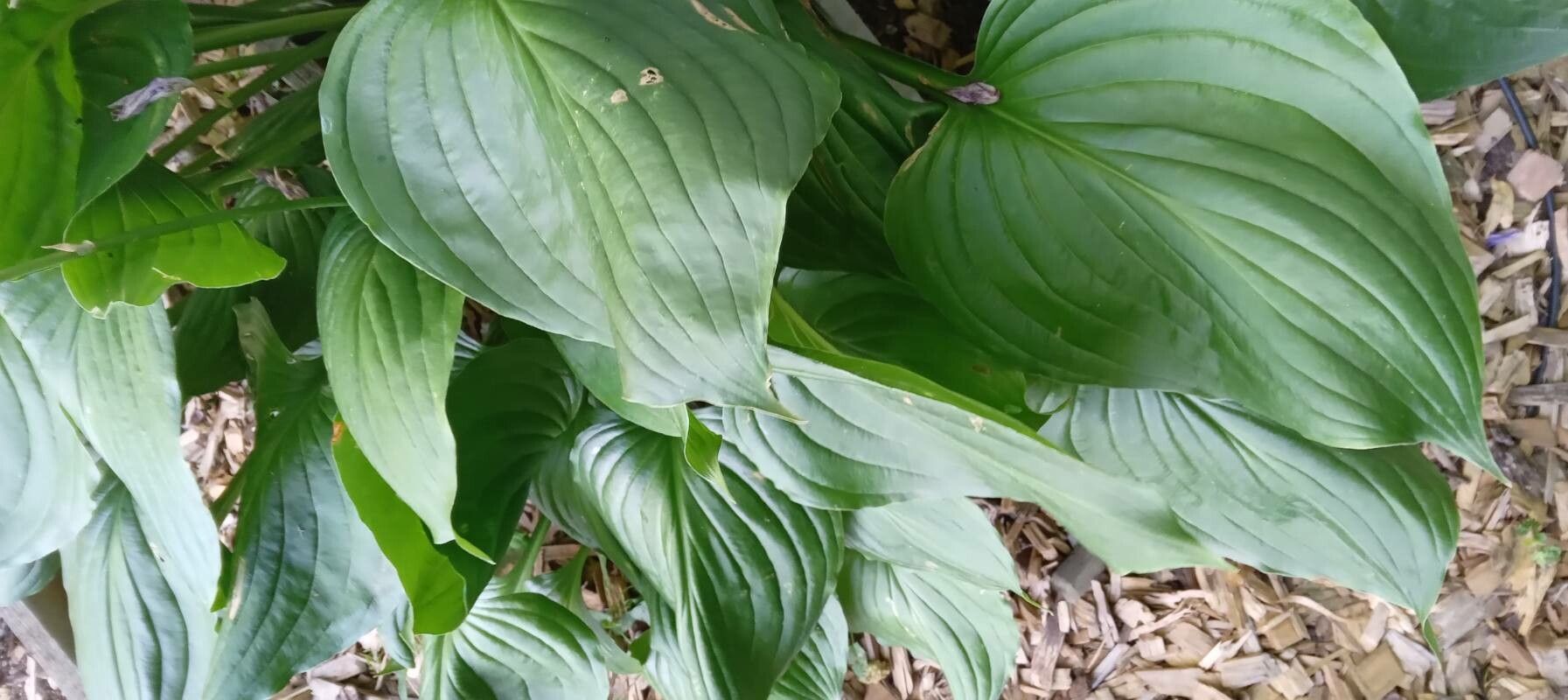
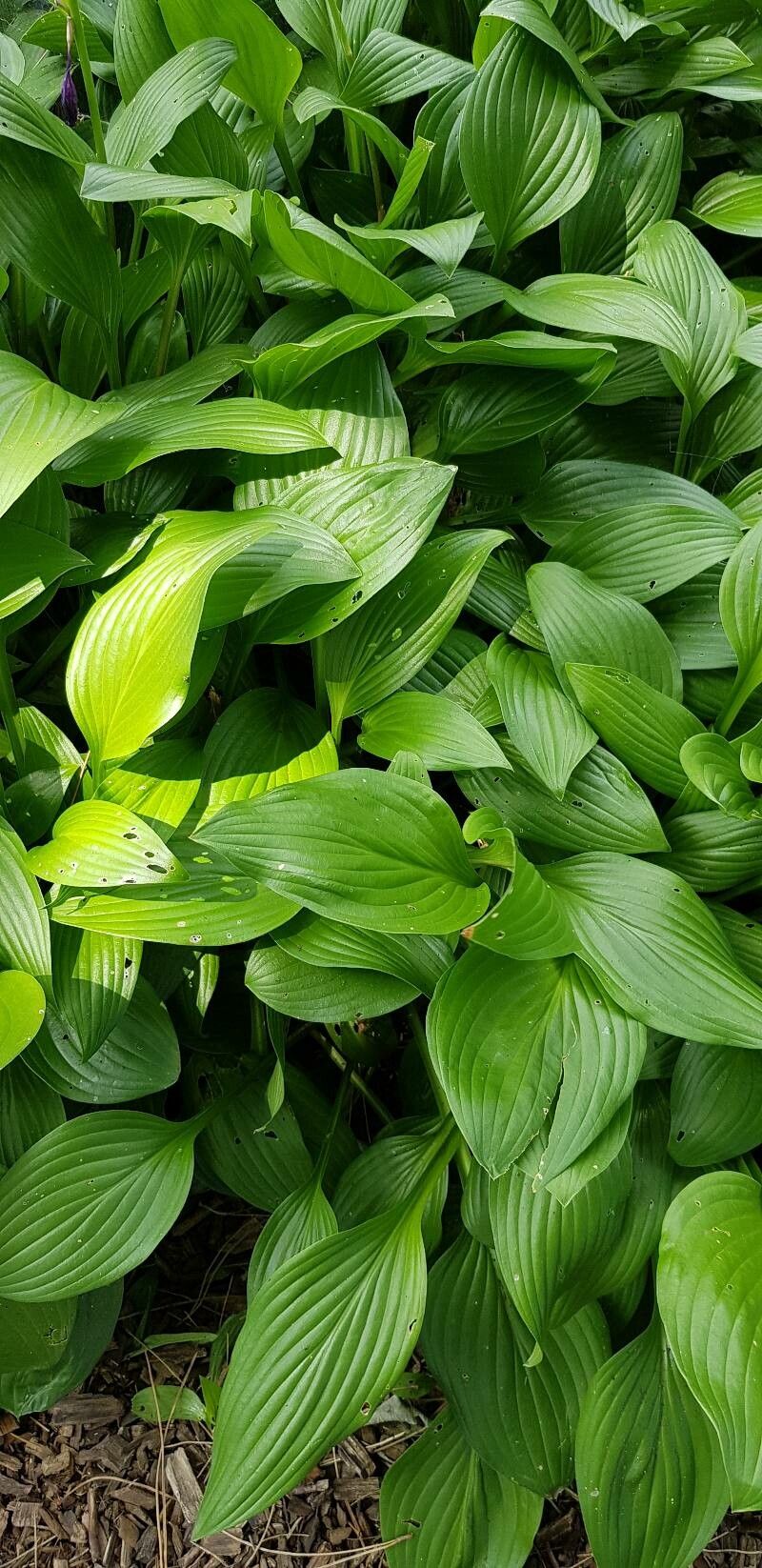
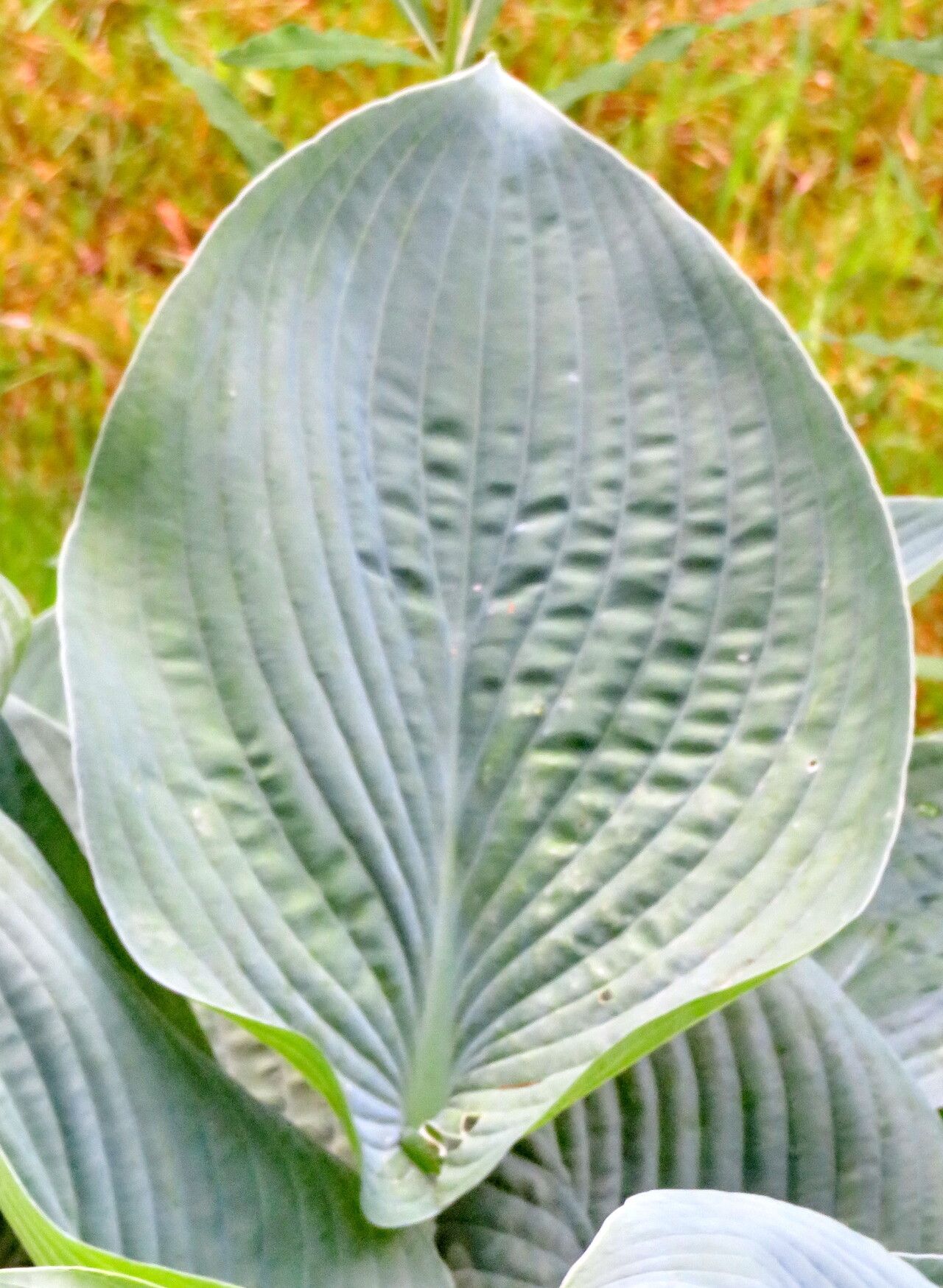
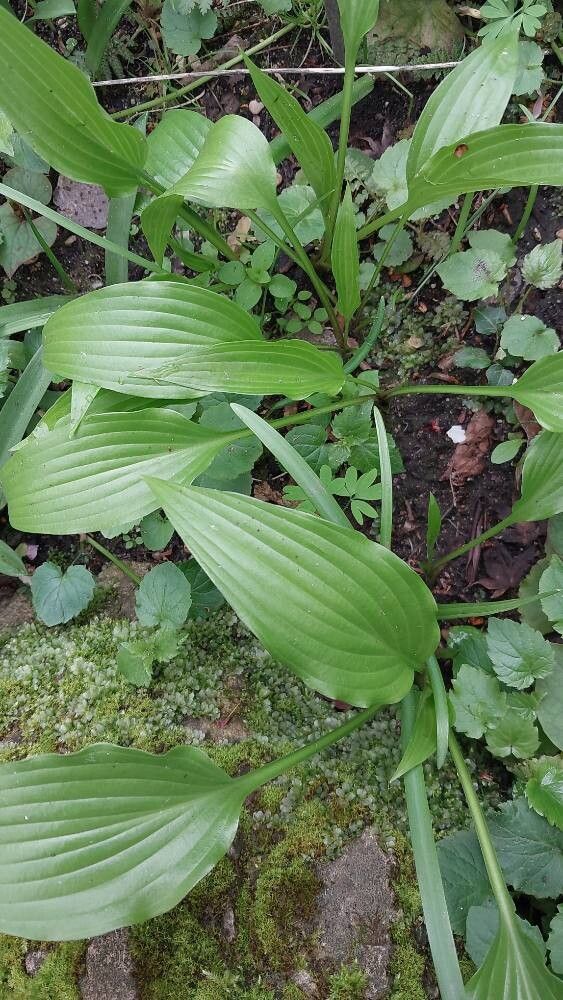
This plant features large, heart-shaped, blue-green leaves with prominent veins. The leaves can grow up to 30 cm long and 20 cm wide, forming a dense clump of foliage that can reach up to 60 cm in height.
In the summer, Hosta sieboldiana produces tall spikes of white or pale lavender flowers on stems that can grow up to 1 meter tall. These fragrant flowers attract pollinators such as bees.
Hosta sieboldiana thrives in partial shade or filtered sunlight and prefers moist but well-drained soil. It is a low-maintenance plant requiring minimal care once established.
Because of its attractive foliage and ease of growth, Hosta sieboldiana has become a popular choice for gardeners seeking an elegant addition to their landscape design.
Siebold's Plantain Lily is fairly resistant to disease and generally does not tend to get sick. That said, it can be vulnerable to pests and diseases present in its environment. Such infections are typically not serious. As for care, this plant needs moderate maintenance. It should be pruned regularly to keep a neat appearance and support healthy growth. Fertilizing can also encourage flowering. Siebold's Plantain Lily is suitable for anyone with outdoor space, like a garden or patio, and does not demand extensive gardening experience. It may require more attention when grown indoors.
How to keep Hosta Sieboldiana.
Light
Siebold's plantain lily prefers a balance of sun and shade, showing flexibility in its light needs. While it can tolerate full shade, some sunlight helps promote healthy growth. These characteristics come from its native woodland habitat. Too much sun can scorch its leaves, while too little can impede its growth.
Water
Plantain lilies thrive in humid environments with consistently moist soil. It's important to water them every 1-2 weeks, taking care not to oversaturate the soil. Although they can tolerate moderate drought conditions, they grow best with balanced soil moisture. Typically cultivated outdoors, plantain lilies benefit from natural rainfall during their active growing season, which supports optimal foliage and growth.
Humidity
This plant needs special care because it loves high humidity levels of 60-80% or more. The best way to achieve this is by placing a humidifier near the plant. Daily misting is also essential! Make sure the room has good ventilation.
Temperature
The Siebold's plantain lily tolerates temperatures from 32 to 95 ℉ (0 to 35 ℃), with the best range being 68 to 77 ℉ (20 to 25 ℃). In its native habitat it prefers cooler conditions and high humidity. During hot summer months it may benefit from afternoon shade or additional watering to prevent heat stress.
Fertilizer
Usually, a single spring application of fertilizer is enough for Siebold's Plantain Lily, though repeated feedings can enhance growth. Apply fertilizer about every month to a month and a half. Fertilizing improves the leaves' appearance and function, helping maintain even color and a healthy texture. It also promotes root development and nutrient uptake, supporting the plant's long-term health.
Pruning
To help your plantain lilies thrive, it's important to use specific pruning techniques. In early spring, prune the plants to remove any dead leaves, and cut back the spent flower stalks after they have bloomed. Thinning the crown improves air circulation, which can help reduce fungal problems. Proper pruning not only encourages healthy growth but also helps deter pests. For the best results, consult horticultural guides to learn about practices specific to your region.
Pot & Repot
When repotting Siebold's Plantain Lily, select a pot 1–2 inches (2.5–5.1 cm) larger that has good drainage. Use a well-draining potting mix. Repot in spring or fall, making sure the root ball sits slightly below the rim of the flower pot. Water thoroughly after repotting and place the pot in a warm spot with indirect sunlight.
Botanical profile.
- Plant Type
- Herb
- Life Cycle
- Perennial
- Genus
- Hosta
- Family
- Asparagaceae
- Hardiness Zone
- 3-10
- Mature Height
- 61 cm
- Mature Spread
- 1.22 m
- Leaf Color
- Blue, Green, Gray
- Leaf Type
- Deciduous
- Flower Color
- White, Violet, Purple
- Flower Size
- 5.08 cm to 10.16 cm
- Bloom Time
- Late spring, Early summer, Mid summer
- Planting Time
- Spring
- Harvest Time
- Mid summer
- Native Area
- Japan
Other names.
Reader questions.
When Should I Water My Plantain Lily?
Timely watering is essential for the health and growth of the plantain lily, as it supports its cycles of growth, bloom, and photosynthesis. You should water your plantain lily when the top inch of the soil feels dry. To check, insert your finger about an inch into the soil; if it’s dry, it’s time to water. Observing the plant’s leaves can also guide you—dark green, firm leaves indicate good hydration, while wilting, drooping, or discoloration suggests the need for water. Be cautious not to water too early or too late in the day to avoid risks like root rot or wilting.
Why should I put fertilizer on my Plantain lily?
The main structure of the Plantain lily is made up of its leaves. One of the most impactful ways to ensure that these leaves look great and serve their purpose is through fertilization. Proper fertilization will help the Plantain lily have leaves with consistent color and a healthy texture. Additionally, fertilization also has a beneficial effect below the soil's surface. It helps the plant generate new roots and maintain its existing root system. This means that fertilization not only keeps the plant healthy in the present, but also improves its ability to absorb nutrients from the soil in the future.
How much sunlight does Plantain lily need to grow?
Plantain lily thrives with 3-6 hours of direct sunlight daily, but it should also have some shade during the hottest parts of the day to avoid sun damage. The ideal time for sunlight is in the morning, but it can handle some afternoon sun if it's not too hot. To achieve the perfect sunlight balance, consider planting Plantain lily in a spot that receives partial sun, like under a tree or on the east side of a building.
What are the optimal growing temperatures for the Plantain Lily?
The Plantain Lily, also known by its botanical name Hosta sieboldiana, thrives in temperatures ranging from 68 to 77 degrees Fahrenheit (20 to 25 degrees Celsius). While it can tolerate a wide temperature range from 32 to 95 degrees Fahrenheit (0 to 35 degrees Celsius), it prefers cooler conditions with high humidity. In its native habitat, it adapts well to cooler temperatures and may require afternoon shade or extra watering during hot summer months to prevent heat stress.
How Should I Water My Plantain Lily?
The plantain lily, known for its unique watering needs, benefits from bottom-watering. This method ensures that the roots receive adequate moisture without over-saturating the soil surface, mitigating the risk of leaf-related fungal diseases. Use a watering can with a narrow spout to direct water to the base of the plant, avoiding excess moisture on the foliage. This targeted hydration approach promotes healthier growth by ensuring the roots absorb water efficiently.
When should I fertilize my Plantain lily?
When you grow your Plantain lily outdoors, it will produce new growth in early spring. This is a signal that it's time to start fertilizing for the year. Typically, a single application of fertilizer in the spring is sufficient for the Plantain lily to thrive. However, if you want to promote maximum growth, you can fertilize it multiple times during the spring and early summer. In this case, you can feed the Plantain lily approximately once every month to a month and a half.
What happens if Plantain lily doesn't get enough sunlight?
To avoid sun damage, it's important to protect the Plantain lily from excessive direct sunlight. When the plant is exposed to too much sun, its leaves may turn yellow, dry out, or burn. Additionally, you may observe wilting or stunted growth. To prevent these issues, provide some shade to the Plantain lily during the hottest times of the day. This can be achieved by using a shade cloth or planting it near taller plants that can offer natural shade.
Does the Plantain Lily require special frost protection in winter?
The Plantain Lily exhibits strong cold resistance and typically does not require special frost protection measures during winter. It is well-adapted to survive cold conditions without additional care. However, if temperatures are expected to drop below -35 degrees Celsius, it is important to protect the plant. This can be done by covering it with soil or straw. Additionally, watering the plant abundantly before the first freeze in autumn, to ensure the soil remains moist and enters a frozen state, can help the plant stave off drought and water scarcity during the colder months.
How Much Water Does Plantain Lily Really Need?
The watering needs of plantain lily depend on factors like pot size, root depth, and plant size. Typically, a mature plantain lily in a 10-inch pot requires about 1 to 1.5 liters of water per session. Healthy plantain lilies exhibit vibrant, turgid leaves without signs of wilting. Underwatering leads to wilted and discolored leaves, while overwatering can cause root rot and foliage damage. It's crucial to strike a balance to ensure the plant's wellbeing.
When should I not add fertilizer to my Plantain lily?
During the late fall and winter, your Plantain lily goes into a dormant phase and stops growing. So, it's best to avoid fertilizing it during this time. In spring and summer, if you choose to fertilize multiple times, start reducing the amount as summer approaches because the growth rate of your Plantain lily will slow down. In general, it's not a good idea to fertilize your Plantain lily during extremely hot weather or when the soil is very dry. Fertilizing in these conditions can stress your Plantain lily and cause it to die prematurely.
What happens if Plantain lily gets too much sunlight?
If the Plantain lily doesn't receive sufficient sunlight, it may become tall and skinny with few leaves. The leaves may also become yellow or pale green, suggesting that the plant lacks enough sunlight to produce sufficient chlorophyll. To fix this issue, consider relocating the Plantain lily to a sunnier area or trimming nearby foliage to allow more light to reach the plant.
How does the Plantain Lily react to low temperatures and what are the solutions?
The Plantain Lily is cold-tolerant, favoring temperatures above 0 degrees Celsius and can be kept above -30 degrees Celsius during winter. When temperatures fall below -35 degrees Celsius, it may not show immediate damage but could experience a decrease in sprouting or fail to sprout at all in the spring. If this happens, it's recommended to remove any parts of the plant that have failed to sprout in spring as part of the plant care regime.