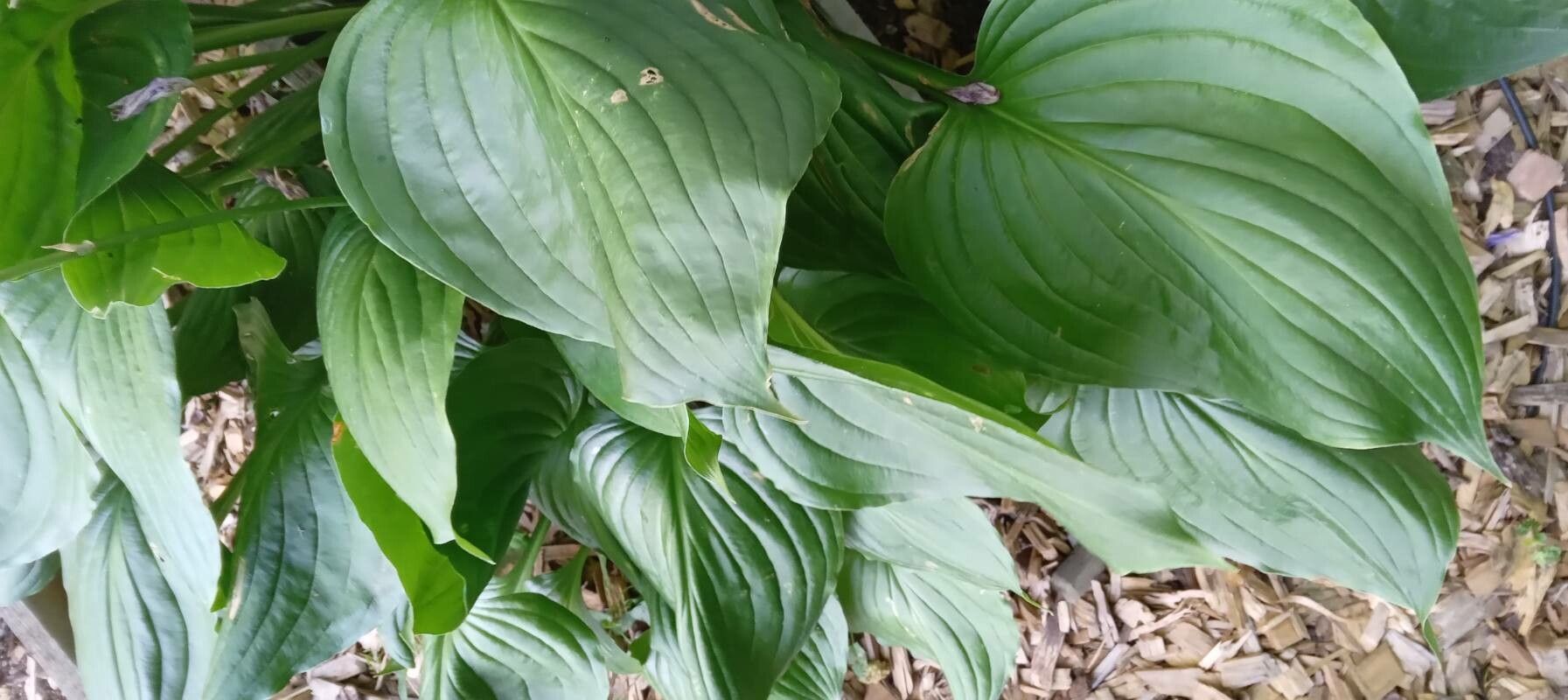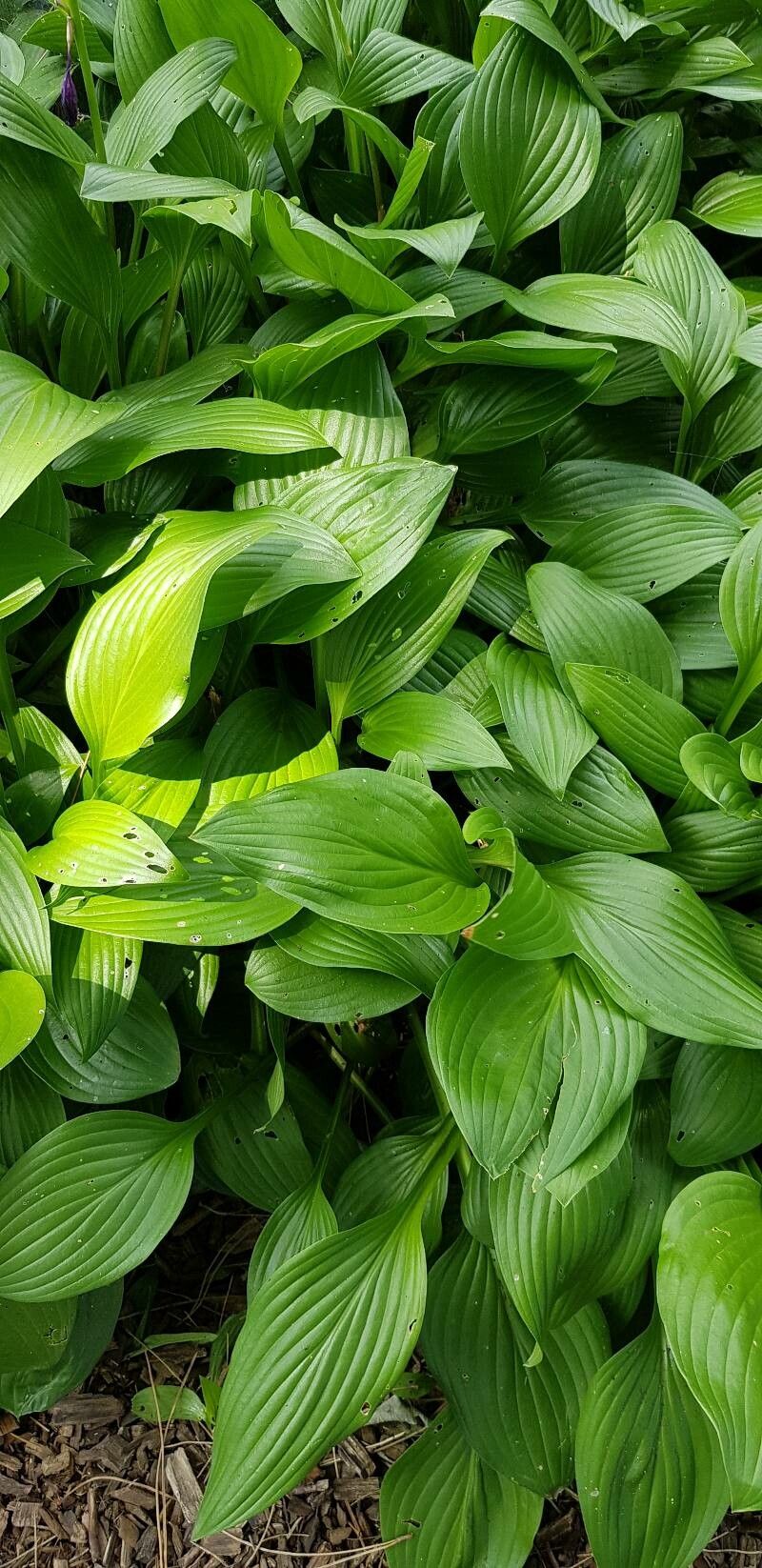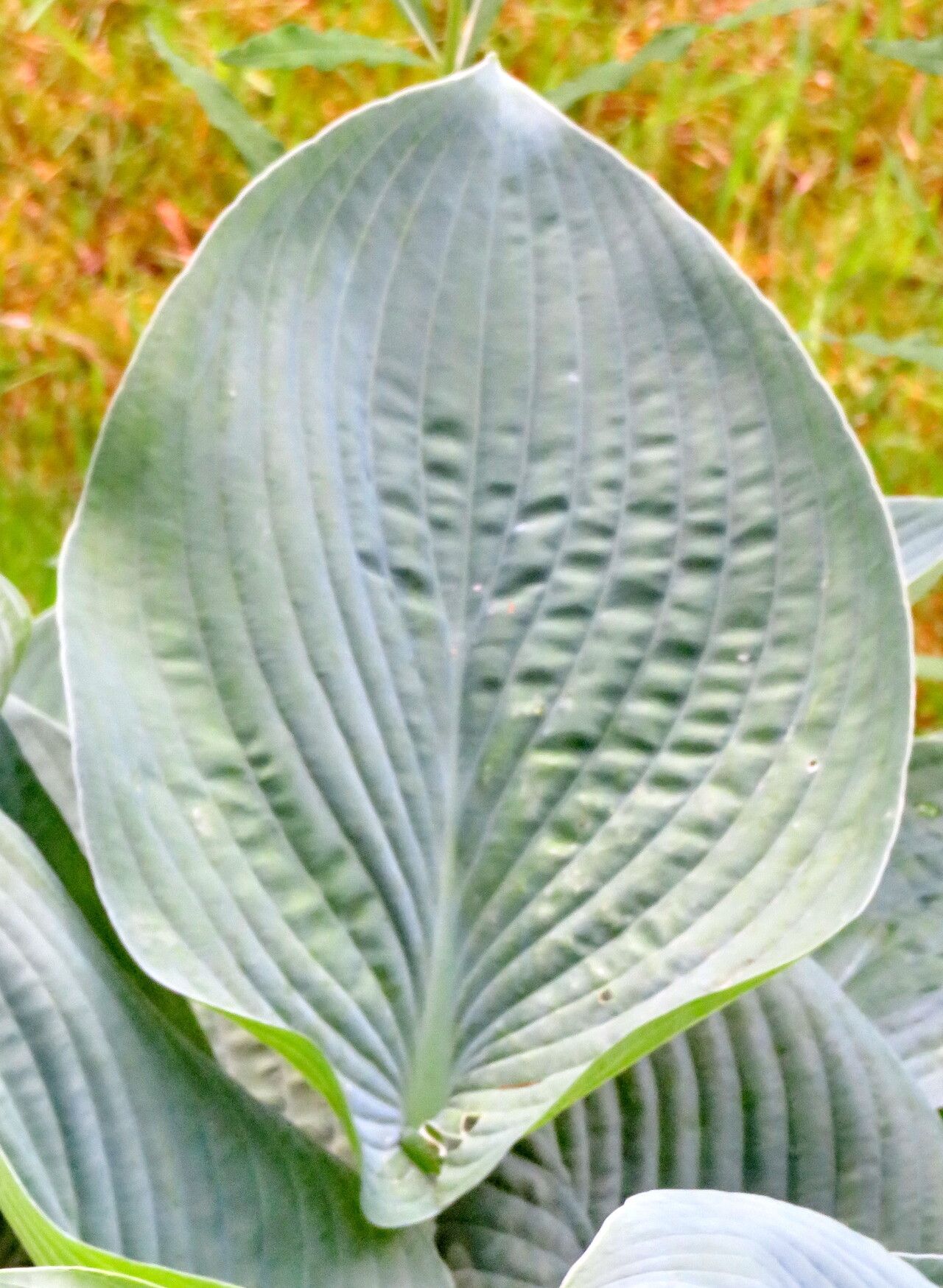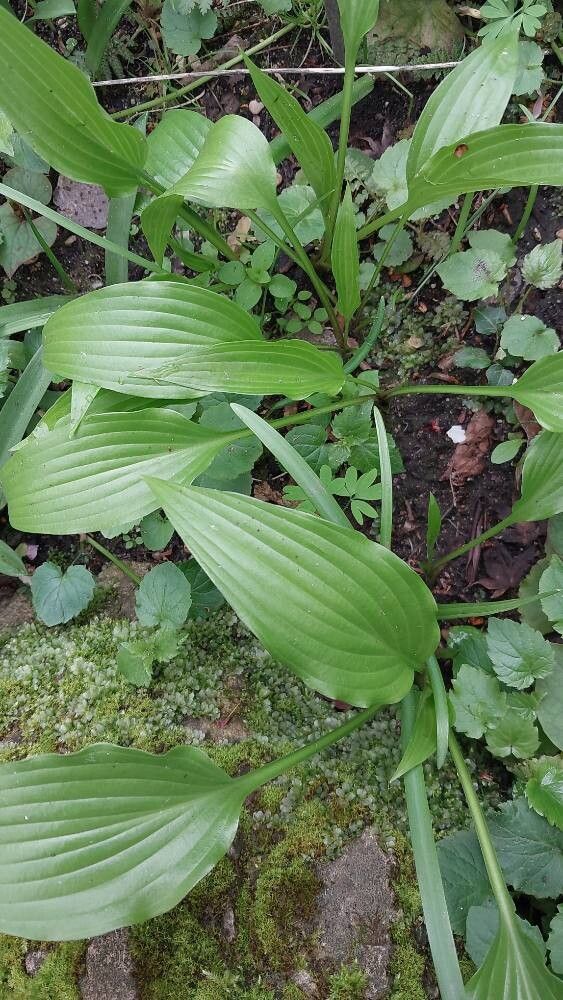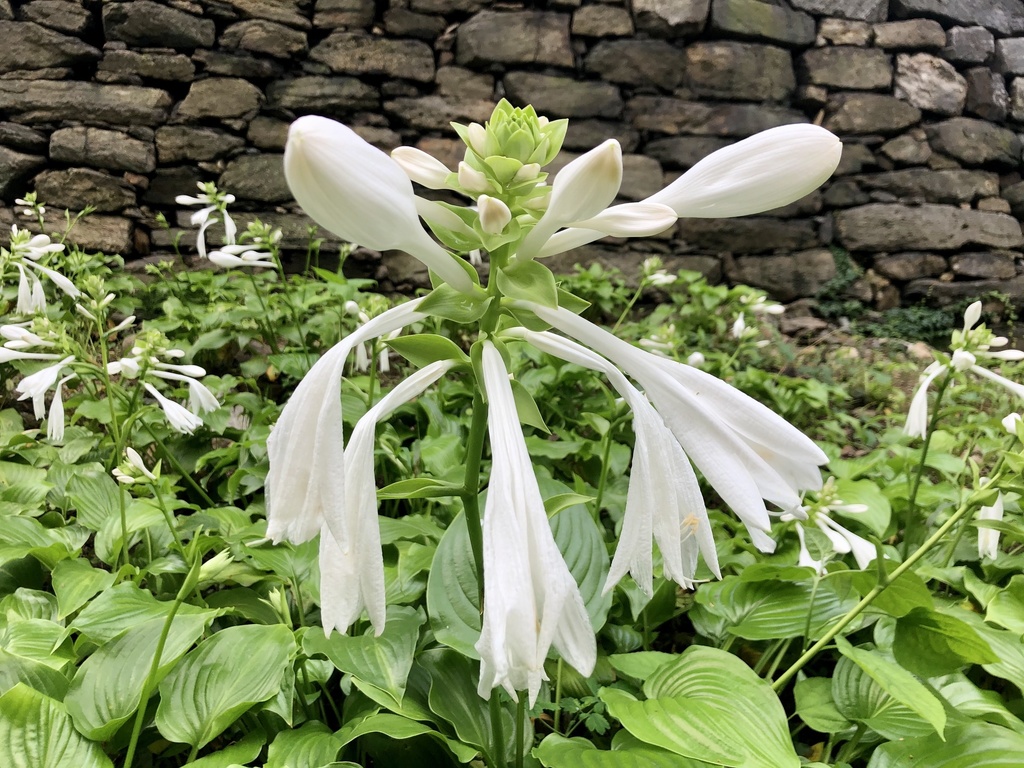
This unique variety is cherished for its highly fragrant double white flowers that bloom on tall stems. Its deep green glossy foliage is both elegant and attractive, making it an excellent addition to hosta beds. Plant it in shaded borders or among mixed plantings under trees for added floral interest. As an herbaceous perennial, it offers beauty year after year.
The Fragrant Plantain Lily is a plant known for its orderly and symmetrical leaves, which resemble those of the Plantago. The parallel-striped veins on its leaves further enhance this symmetry. This plant is named for its pleasant fragrance and its white, lily-shaped flowers.
August lily is largely resistant to disease and typically not prone to illness. However, it can be vulnerable to leaf spots if light and ventilation are poor and if it is overwatered. Its care is rated as easy, since it mainly needs regular watering and little else. August lily is a good choice for people who lack the time and energy to provide consistent care.
How to keep Hosta Plantaginea.
Light
The august lily grows best with a generous amount of filtered or diffused light. Although it can tolerate a darker setting, such conditions tend to slow its growth and may lead to diminished flowering. Because it has roots in shaded woodland environments, the august lily can be scorched or wilt if exposed to too much light.
Water
The August lily, native to the forests of East Asia, thrives in environments with high humidity and consistently moist soil. It grows best in evenly moist conditions but can tolerate moderate drought. During the growing season, it's beneficial to water the plant every 1-2 weeks, using rainwater to promote vibrant summer blooms.
Humidity
This plant will thrive in moderate humidity, which is probably the level in your home. However, misting it a few times a week can be very beneficial. Make sure the room has good ventilation.
Temperature
The fragrant august lily lily is native to habitats where temperatures vary from 0 to 35 ℉ (-17 to 35 ℃). It prefers a temperature range of 60 to 80 ℉ (16 to 27 ℃) during the growing season. In hot summers, afternoon shade or more frequent watering can help prevent stress. In the fall it tolerates cooler temperatures between 45 and 65 ℉ (7 to 18 ℃), and it will go dormant when temperatures drop below 40 ℉ (4 ℃).
Fertilizer
One fertilizer application in spring is generally enough for August lily, though repeated feedings can enhance growth. Apply fertilizer every month to every month and a half. Fertilizing improves the leaves' appearance and function, encouraging even color and a healthy texture. It also promotes root development and nutrient uptake, supporting the plant's long-term health.
Pruning
To keep your August lily healthy and attractive, prune it in early spring. Start by removing any dead or damaged leaves, and cut back the flower stalks after they have finished blooming. This will encourage healthy growth, maintain the plant's shape, and enhance its appearance. Be sure to use clean, sharp tools to prevent infections and boost the plant's resilience against diseases.
Pot & Repot
When repotting August lily, select a pot 1-2 inches (2.5–5.1 cm) larger with ample drainage. Use a well-draining potting mix. Repot in spring or fall, making sure the root ball sits slightly lower than the rim of the flower pot. Water thoroughly after repotting and place it in a warm spot with indirect sunlight.
Botanical profile.
- Plant Type
- Herb
- Life Cycle
- Perennial
- Genus
- Hosta
- Family
- Asparagaceae
- Hardiness Zone
- 3-10
- Mature Height
- 30 cm to 61 cm
- Mature Spread
- 0.49 m to 1.22 m
- Leaf Color
- Green
- Leaf Type
- Deciduous
- Flower Color
- White
- Flower Size
- 2.54 cm to 6.35 cm
- Bloom Time
- Mid summer
- Planting Time
- Spring
- Harvest Time
- Mid summer
- Native Area
- China
Other names.
Reader questions.
When Should I Water My August Lily?
To determine when to water your August Lily (Hosta plantaginea), assess the soil's dryness by checking if the top 1 to 2 inches are dry to the touch. Observing leaf conditions is also vital; leaves that appear wilted or lackluster may indicate the need for watering. Additionally, if the plant exhibits stunted growth or the leaves start drooping, it's likely time to water. Keep in mind that August Lily requires more water during periods of warm temperatures and high sunlight exposure. Avoid watering too early when the soil is still moist to prevent risks like root rot, and watering too late when the soil has been dry for too long could lead to wilting or even death of the plant.
Do I have to put fertilizer on my August lily?
The leaves of the August lily are important for its structure. Proper fertilization is crucial for keeping the leaves looking great and functioning well. It helps the August lily maintain consistent color and a healthy texture in its leaves. Fertilization also benefits the plant below the soil by promoting root growth. This allows the August lily to generate new roots and maintain its existing root system. By fertilizing, you not only keep your plant healthy in the present but also improve its ability to absorb nutrients from the soil in the future.
What are the sunlight requirements for an August lily?
August lilies require specific amounts of sunlight depending on their location in the garden. For partial sun exposure, they need about 3-6 hours of sunlight each day, while full shade areas provide less than 3 hours of sunlight daily. It's important to observe how sunlight moves through your garden, selecting spots that offer the ideal balance of light and shade to ensure the well-being of your plants.
What is the native temperature range for August lily?
The August lily, or Hosta plantaginea, thrives in its native habitat with variable temperatures ranging between 0 to 35°F (-17 to 35°C). Ideally, during the growing season, it prefers temperatures between 60 to 80°F (16 to 27°C). To help the plant manage stress during hot summers, afternoon shade or frequent watering is beneficial. As fall approaches, it can handle cooler temperatures ranging from 45 to 65°F (7 to 18°C), and it will enter a dormant state when temperatures drop below 40°F (4°C). It exhibits strong cold resistance, thus special frost protection measures are not usually necessary. However, if winter temperatures are expected to fall below the plant's growth limit, providing cold protection with materials like soil or straw is important. Additionally, before the first freeze of autumn, abundant watering is recommended to ensure the soil remains moist and enters a frozen state, which helps in preventing drought and water scarcity during winter and early spring.
How Should I Water My August Lily?
Watering your August Lily correctly involves maintaining consistently moist soil without overwatering. A preferred method is bottom-watering, where the plant pot is placed in a tray of water, allowing the soil to absorb moisture from the bottom up. This method reduces the risk of fungal diseases by avoiding excessive moisture on the foliage. Using a watering can with a narrow spout can help direct water to the base of the plant, minimizing foliage wetness. Employing a moisture meter can also guide you in determining the right time to water. The plant’s watering schedule should be adjusted based on temperature, humidity, and soil moisture levels rather than a fixed frequency.
When should I fertilize my August lily for the best results?
If you grow your August lily outdoors, it will start growing new leaves in early spring. This is when you should start fertilizing it for the year. Usually, one application of fertilizer is enough for an August lily. But if you want it to grow as much as possible, you can fertilize it multiple times in spring and early summer. In this case, you can feed it about once every month to a month and a half.
What are the essentials for growing an August lily?
The August lily thrives best in environments with ample filtered or diffused light, typical of its natural shaded woodland origins. While it can tolerate darker conditions, these may lead to slower growth and reduced flowering. Excessive light exposure, on the other hand, can cause scorching or wilting. If natural sunlight is insufficient, artificial lighting, such as LED lights, can be used to supplement the plant's light needs, with the amount and duration varied based on the plant's requirements.
How does low temperature affect August lily, and what are the solutions?
August lily is notably cold-tolerant and fares best when temperatures stay above its minimum suitable growth temperature. Throughout winter, it's essential to keep it above the tolerable growing temperature minimum. If temperatures fall below its growth limit, no immediate changes might be noticeable during the winter. Yet, this could lead to decreased sprouting or even a total lack of sprouting come spring. The solution for any parts that have failed to sprout by spring is to remove them, facilitating energy redirection to the healthy parts of the plant.
How Much Water Does August Lily Really Need?
August Lily thrives in consistently moist but well-drained soil, requiring about 2 inches of water per week on average. This quantity may vary depending on factors such as pot size, root depth, and environmental conditions. Properly hydrated August Lily will display vibrant leaves and strong growth. Overwatering can lead to yellow leaves and root rot, while underwatering might cause wilting and drooping leaves. Using a well-draining potting mix and monitoring the soil's moisture level can help manage the watering needs effectively.
When is the best time to not use fertilizer on my August lily?
During the late fall and winter, the August lily goes into a dormant phase and stops growing new leaves. Consequently, it is recommended to refrain from fertilizing the plant during this period. If fertilization is desired in the spring and summer, it is advisable to gradually decrease the frequency as summer approaches, as the plant's growth rate decreases. In general, it is not wise to fertilize the August lily during excessively hot weather or when the soil is extremely dry. Fertilizing in these conditions can cause stress to the plant, potentially leading to premature death.
What are the important symptoms of light deficiency or excess in August lilies?
When an August lily does not receive adequate light, it may exhibit symptoms such as smaller new leaves, leggy or sparse growth, and premature leaf drop. In extreme cases, growth may halt, and new leaves may appear lighter in color or even develop chlorosis. Excessive sunlight can cause symptoms like sunscald, leaf curling, wilting, and leaf scorching, indicating that the plant is struggling with too much light exposure.
What are the effects of high temperature on August lily and how can they be mitigated?
During the summer, the wellbeing of an August lily requires that its exposure to heat be carefully regulated to stay below its maximum suitable growth temperature. Exceeding the tolerable growing temperature maximum can cause the plant's leaves to lighten in color, curl, become susceptible to sunburn, and in severe cases, lead to the entire plant wilting and drying out. To mitigate these effects, trim away any sunburned and dried-up parts of the plant. Moving the plant to a shaded area during the midday and afternoon or using a shade cloth can protect it from excessive sun. Additionally, watering the plant in the morning and evening will help maintain soil moisture and support the plant's health.