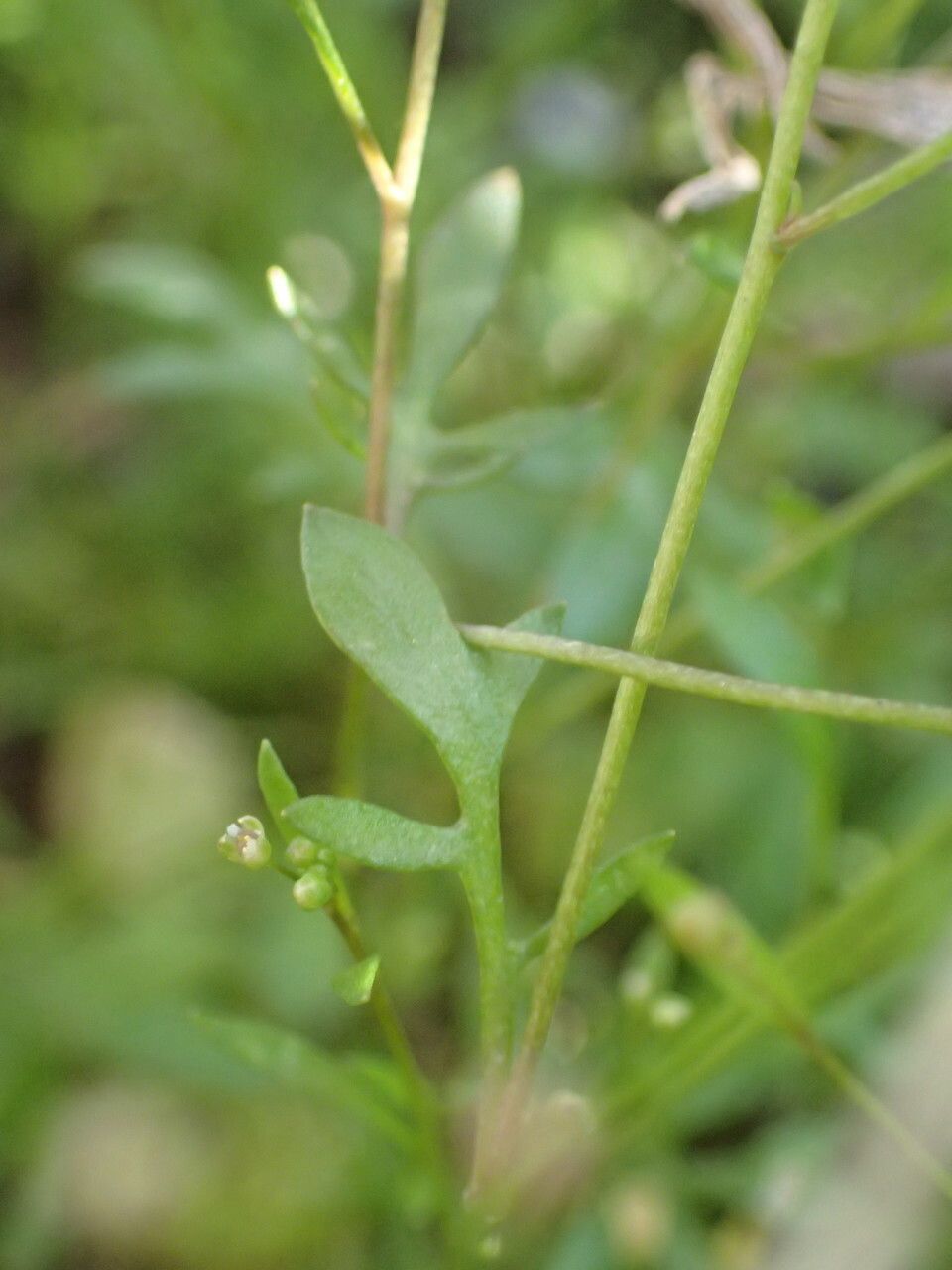
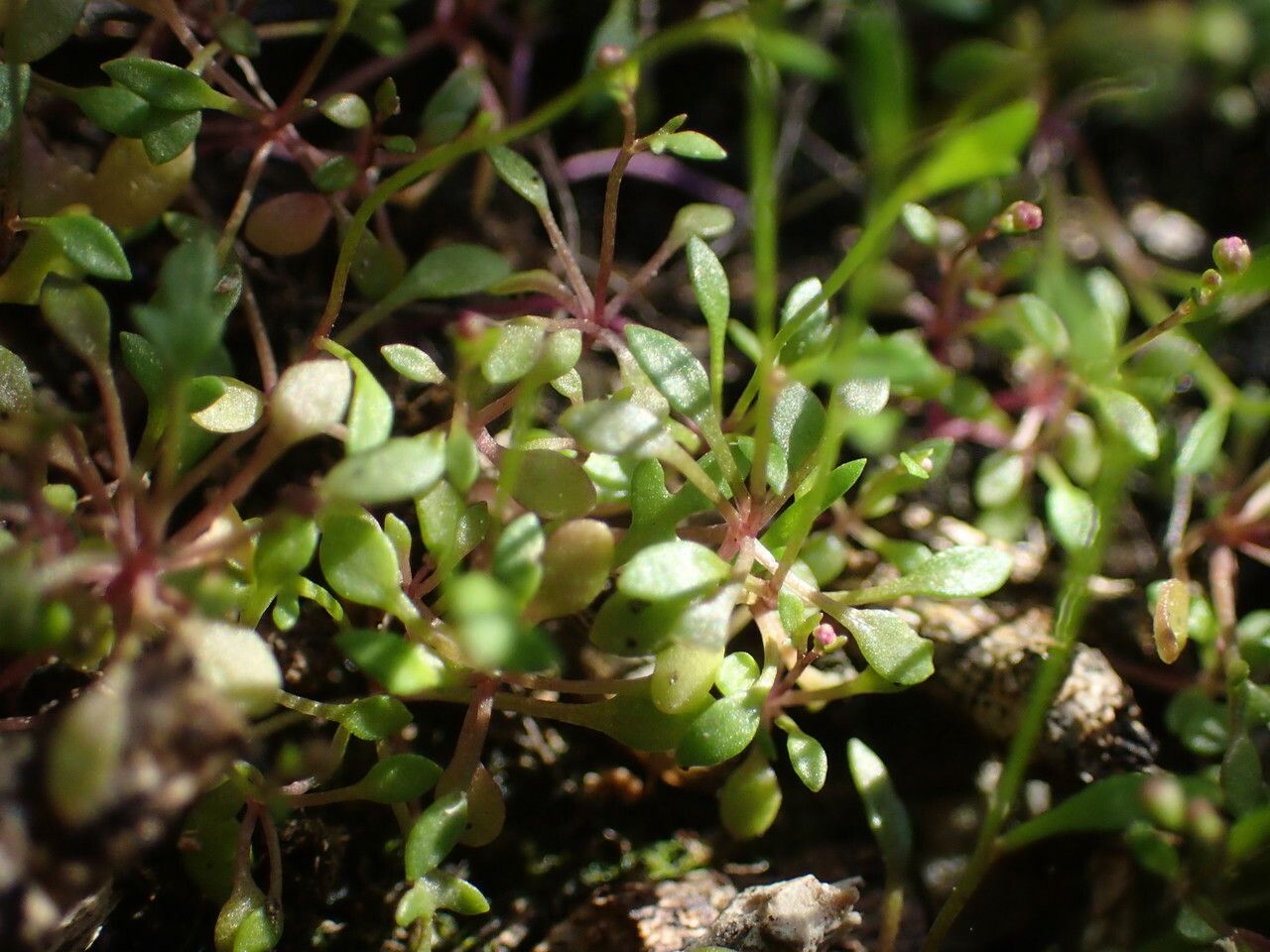
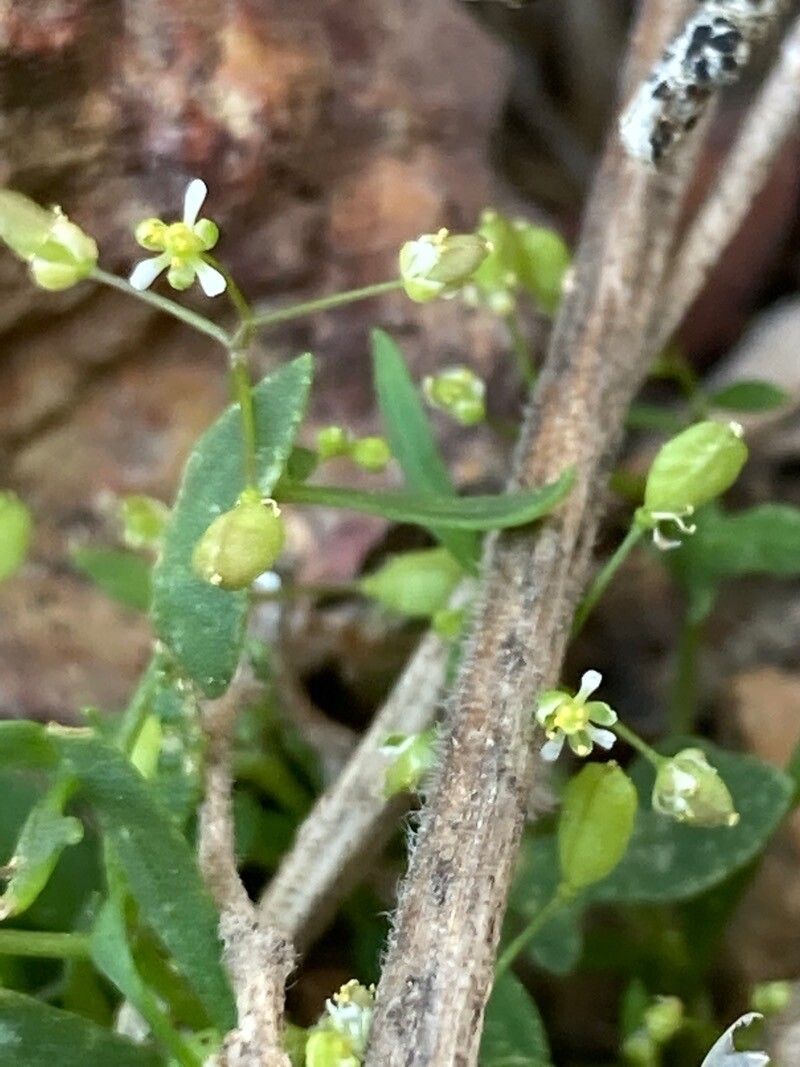
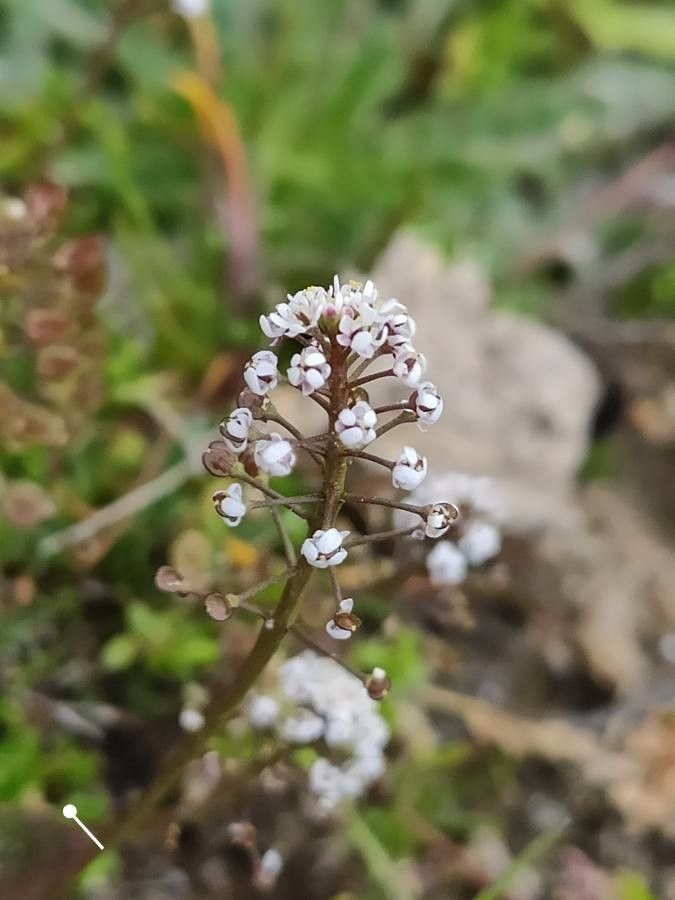
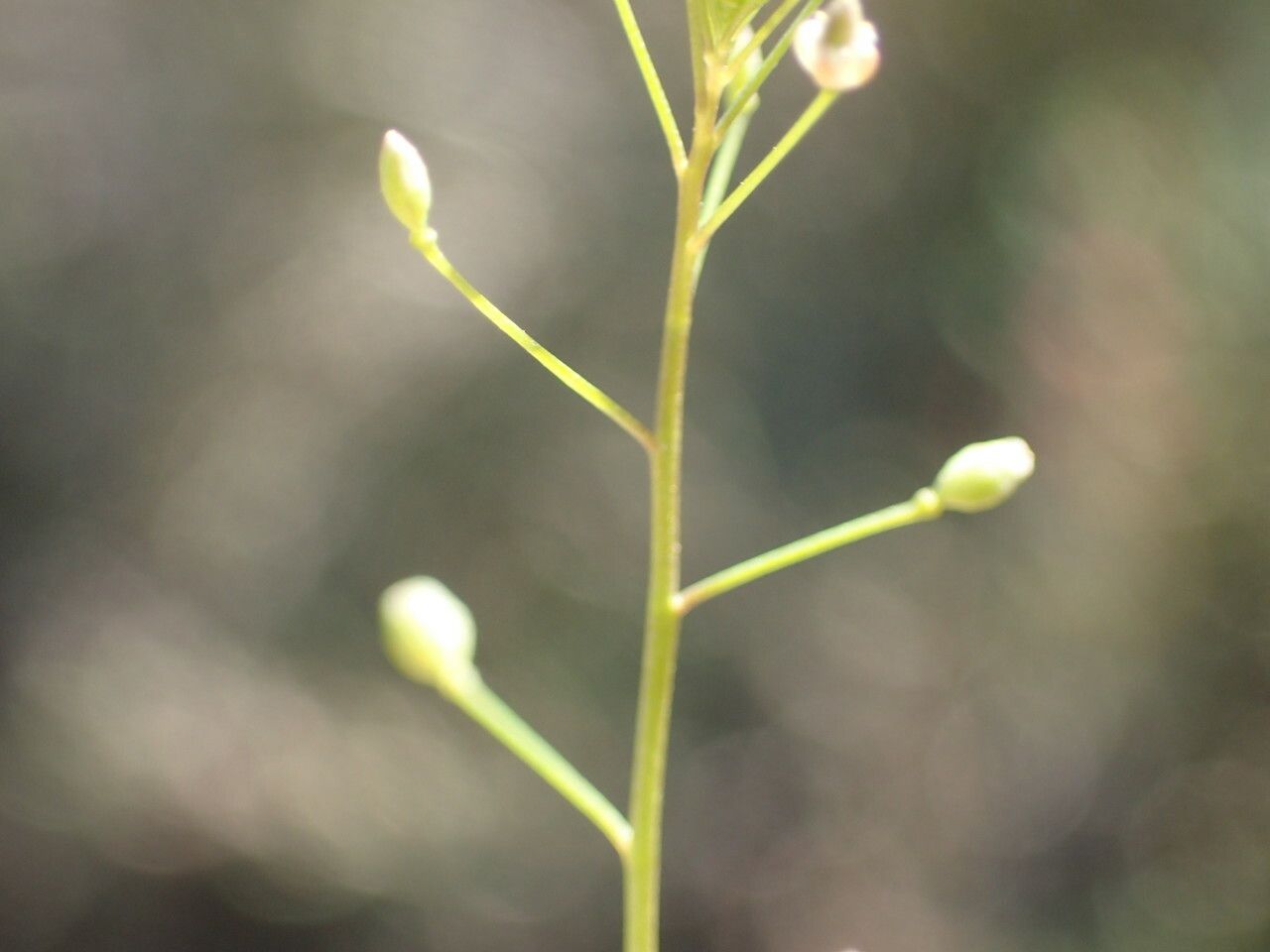
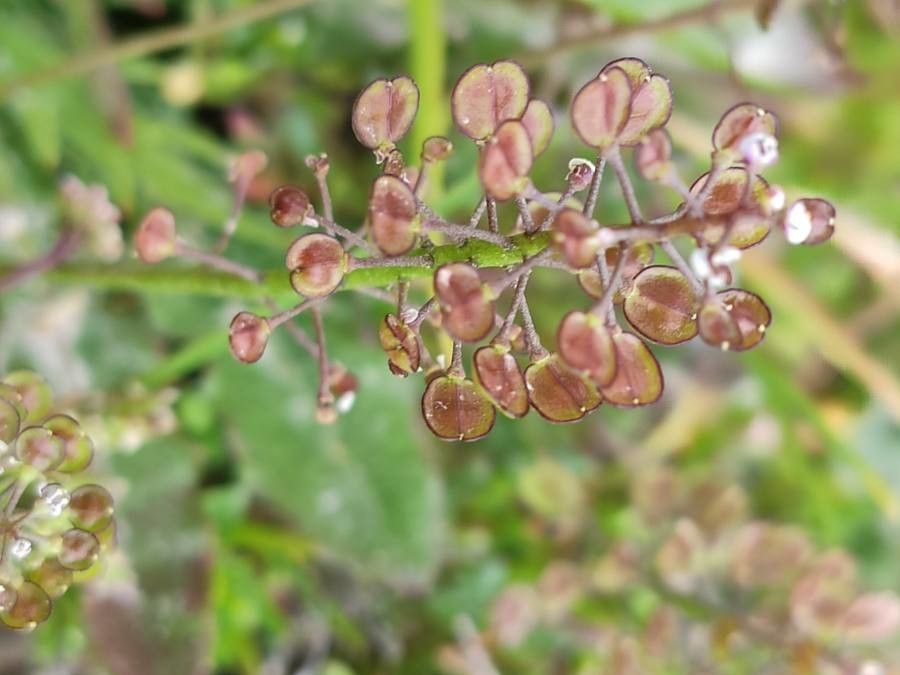
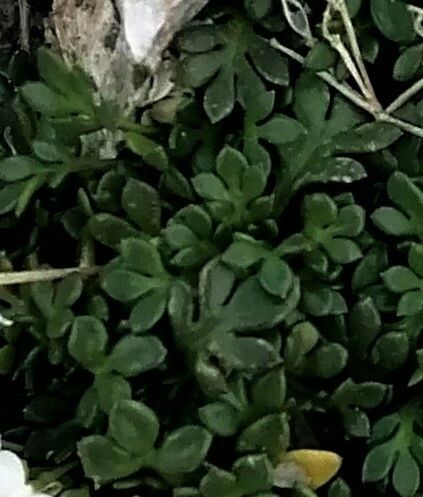
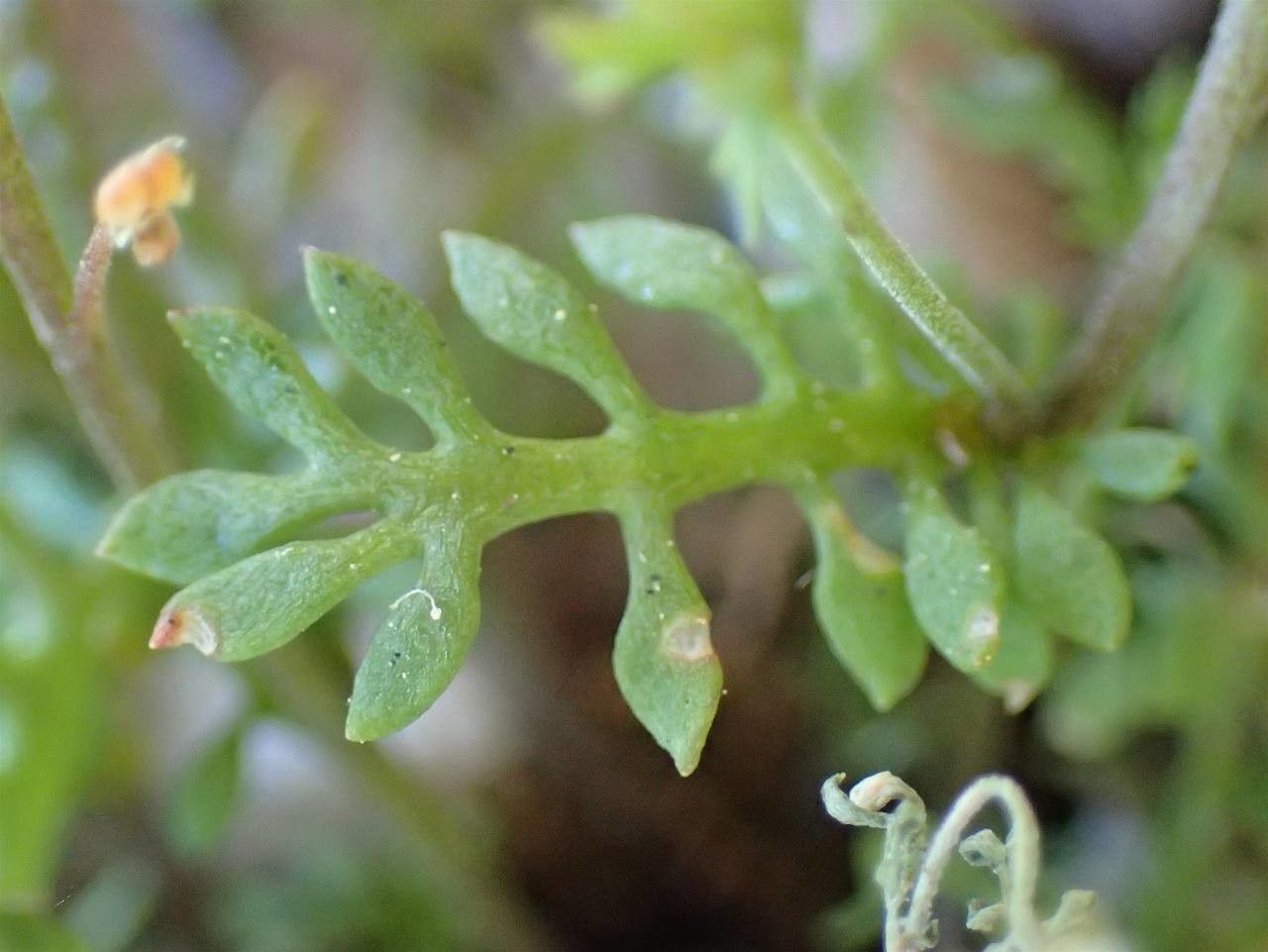
Hornungia procumbens, commonly known as the procumbent pearlwort, is a small, flowering plant in the Brassicaceae family. It is a low-growing annual or biennial herb that can reach up to 10 cm in height. The plant features small, oval-shaped leaves arranged in a rosette at the base of the stem.
The flowers of Hornungia procumbens are tiny and white, with four petals and four sepals. They bloom from May to September and are pollinated by insects such as bees and flies.
Native to Europe, Hornungia procumbens can also be found in North America, Asia, and Africa. It thrives in various habitats, including meadows, fields, lawns, and disturbed areas such as roadsides and waste grounds.
Traditionally, the plant has been used for medicinal purposes, including treating wounds and digestive problems, due to its anti-inflammatory properties.
In summary, Hornungia procumbens is an interesting herbaceous plant with delicate white flowers. It adds beauty wherever it grows and offers medicinal benefits as well.
Prostrate hutchinsia is fairly disease-resistant and generally not prone to illness. However, it can be affected by pests and diseases present in its environment. These problems are usually mild. In terms of care, this plant needs moderate maintenance. It should be pruned regularly to maintain a tidy appearance and healthy growth. Fertilizing can also help encourage flowering. Prostrate hutchinsia is suitable for anyone with outdoor space, such as a garden or patio, and does not demand extensive gardening experience. It may require more attention when grown indoors.
How to keep Hornungia Procumbens.
Light
Prostrate hutchinsia comes from open, well-lit habitats and does best in full sun. Although it can tolerate partial shade, it prefers direct sunlight for optimal growth. This plant, which may be annual or biennial, is recognized for its sun-loving habit.
Water
Prostrate hutchinsia flourishes in temperate regions where there is moderate and consistent moisture. To keep it healthy, water the plant twice a week, taking into account the seasonal rainfall patterns. Since it is an herbaceous species, the growth of prostrate hutchinsia is closely tied to the water supply in its natural habitat.
Temperature
Prostrate hutchinsia can tolerate a wide range of temperatures, though its distribution may still be restricted by various combinations of moisture and heat. It does best in warm summer conditions with sufficient rainfall or watering. Long periods of cloudy, rainy weather, as well as extended high temperatures, increase the chance of Prostrate hutchinsia dying. In winter, adequate protection from cold can raise the plant’s survival rate.
Fertilizer
Prostrate hutchinsia benefits from regular, weak applications of fertilizer to encourage healthy leaf development. You should feed Prostrate hutchinsia roughly once a month throughout the summer. Nitrogen is important for the foliage, and providing nitrogen-rich sources helps Prostrate hutchinsia prosper.
Pruning
Prostrate Hutchinsia is a low-growing, mat-forming plant that is ideal for rock gardens and ground covers. To encourage new growth and improve airflow, prune it lightly from early to late spring, once the risk of frost has passed. Be sure to use clean, sharp tools for pruning to prevent disease and maintain its attractive appearance.
Botanical profile.
- Plant Type
- Herb
- Life Cycle
- Annual
- Genus
- Hornungia
- Family
- Brassicaceae
- Hardiness Zone
- 5-9
- Mature Height
- 5 cm to 15 cm
- Mature Spread
- 10 cm to 20 cm
- Leaf Color
- Green
- Leaf Type
- Semi-evergreen
- Flower Color
- White
- Flower Size
- 0.20 cm to 0.25 cm
- Bloom Time
- Spring
- Planting Time
- Spring, Summer
- Harvest Time
- Late spring, Early summer, Mid summer
- Native Area
- Libya, Egypt, Turkey, India, Austria, Pakistan, Slovenia, Morocco, Croatia, Uzbekistan, Russia, Iraq, Germany, Romania, Portugal, France, Tajikistan, Tunisia, Mauritania, Cyprus, Armenia, Greece, Ukraine, Lebanon, China, Afghanistan, Syria, Kyrgyzstan, Kazakhstan, Italy, Spain, Switzerland, Mongolia, Iran, Azerbaijan, Algeria, Turkmenistan
Other names.