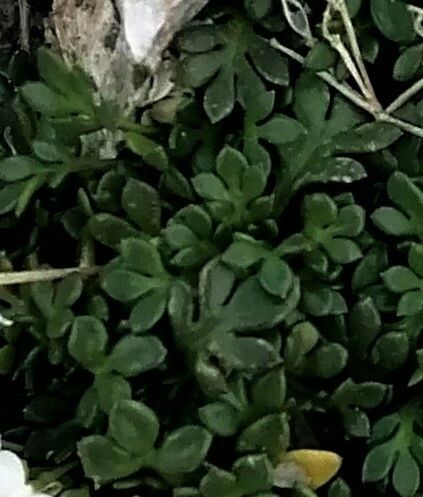
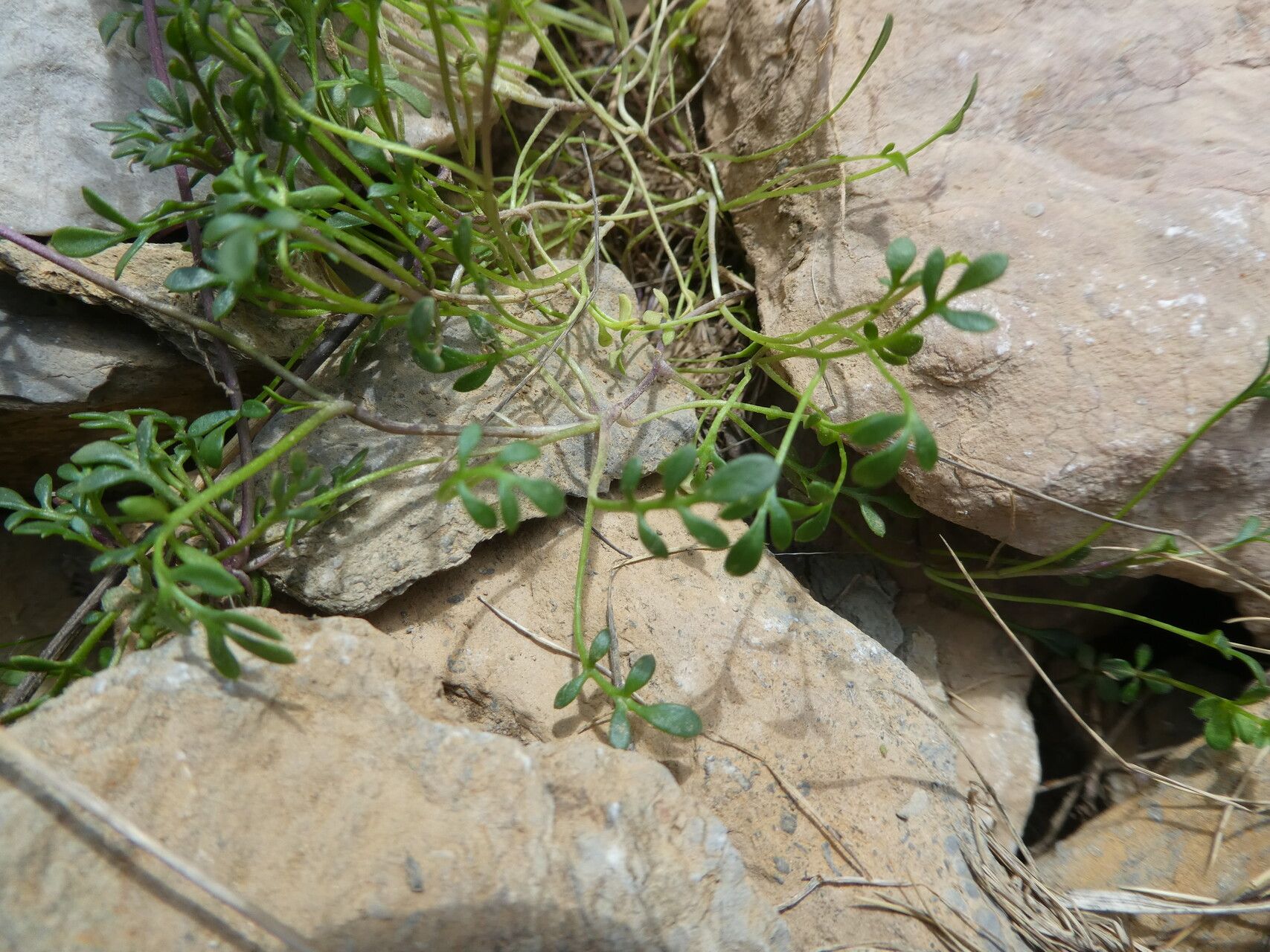
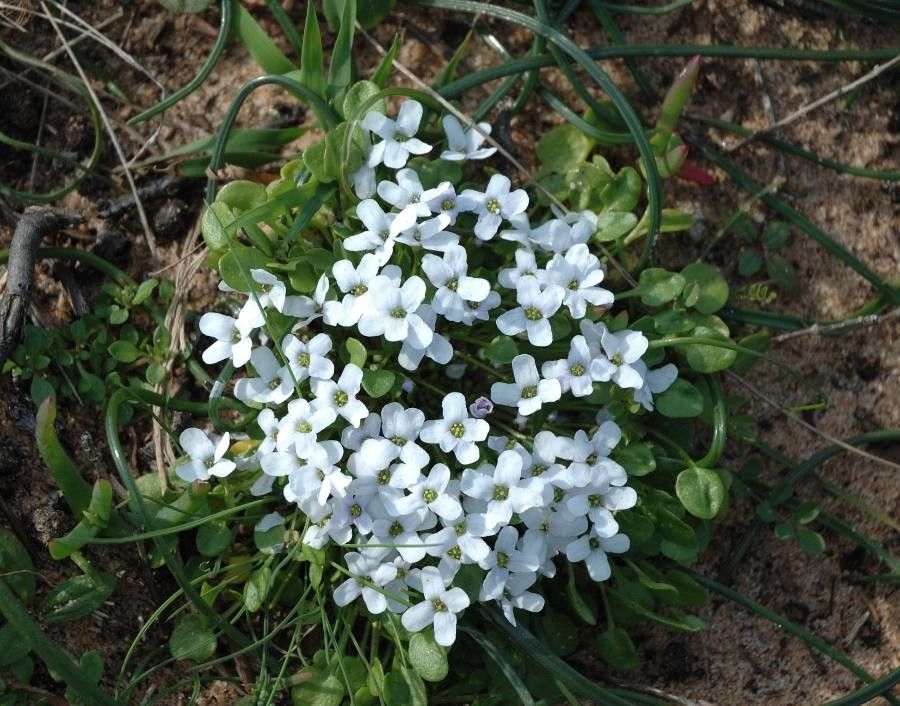
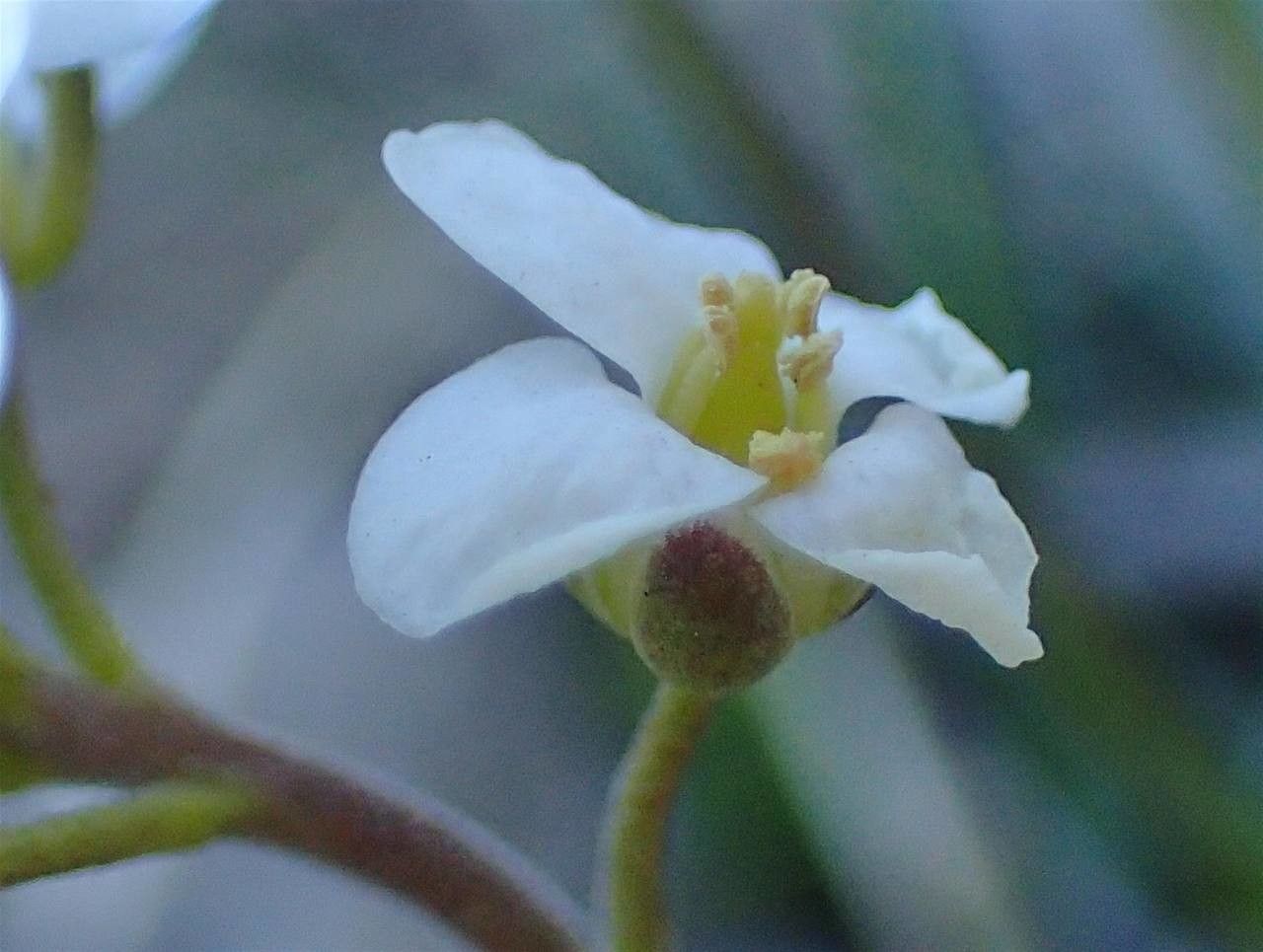
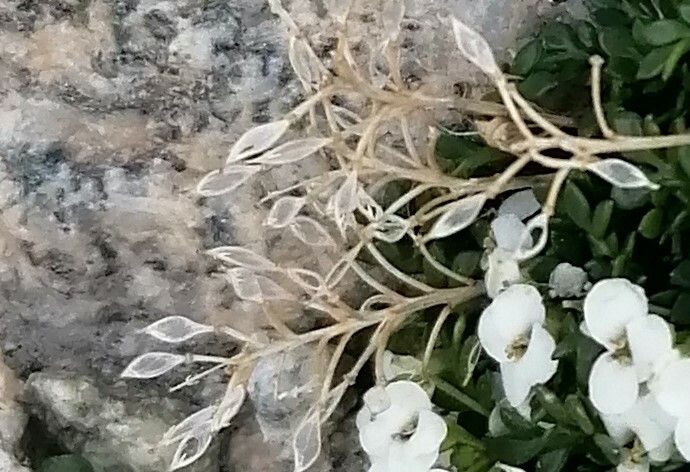
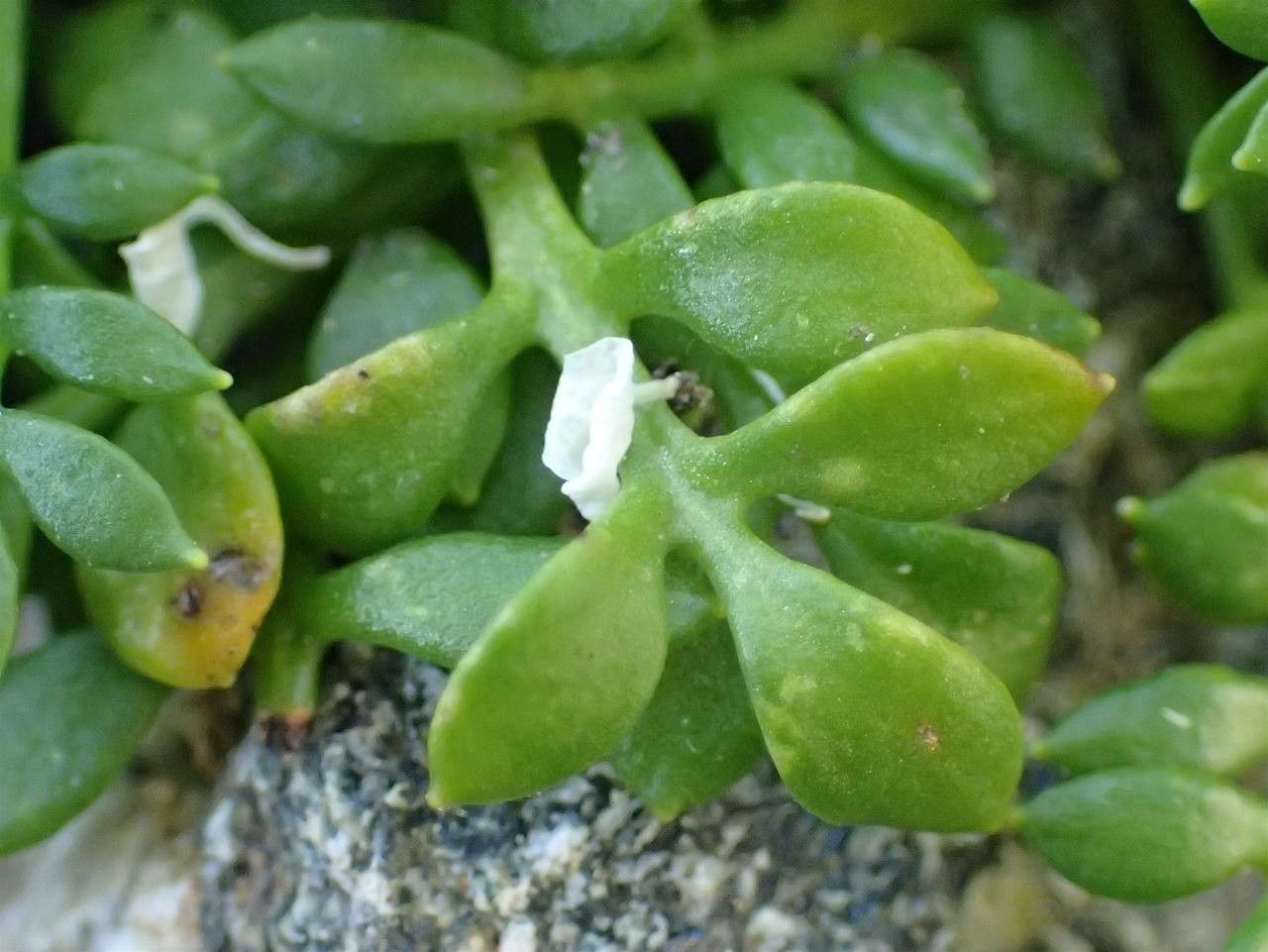
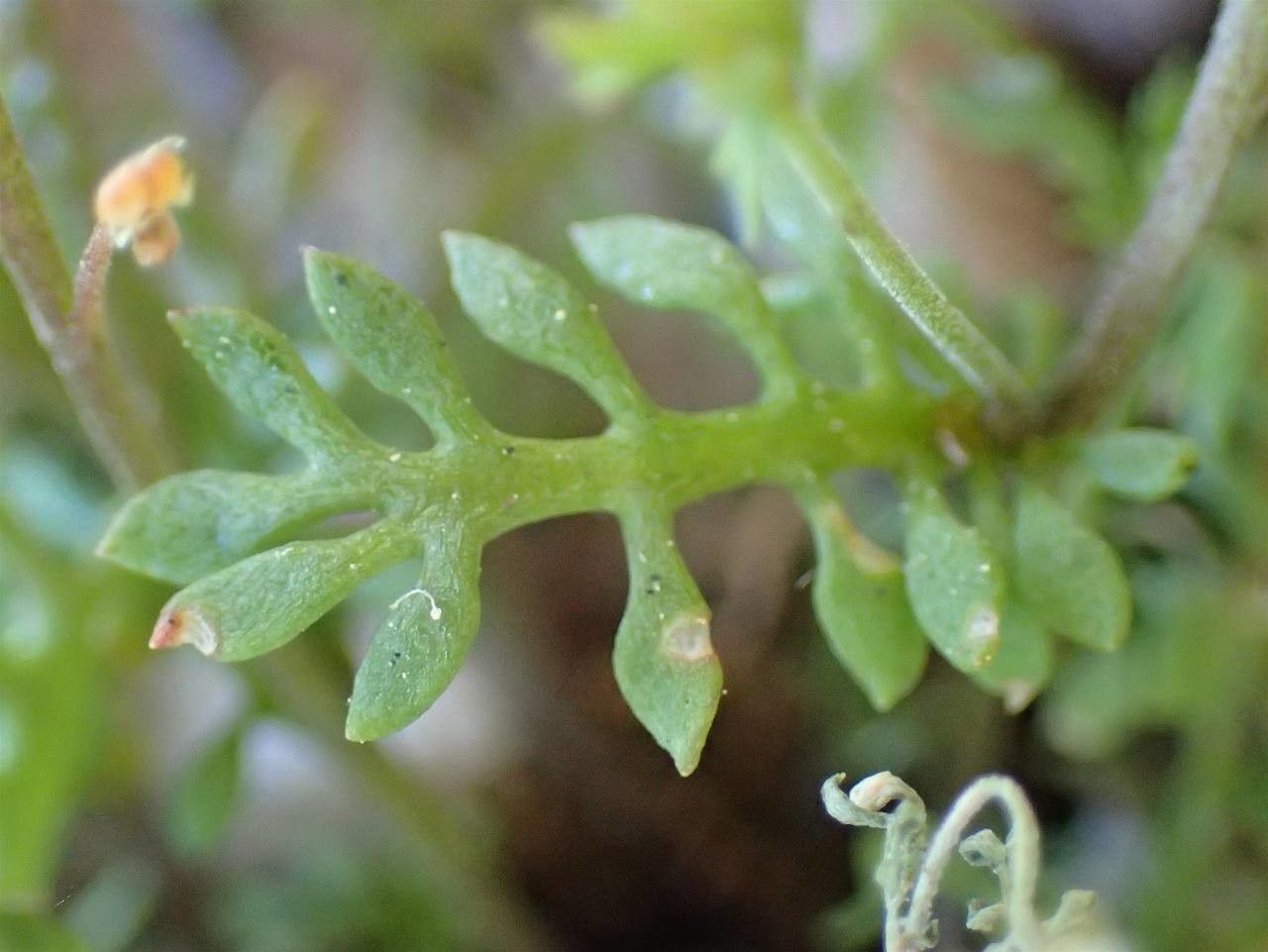
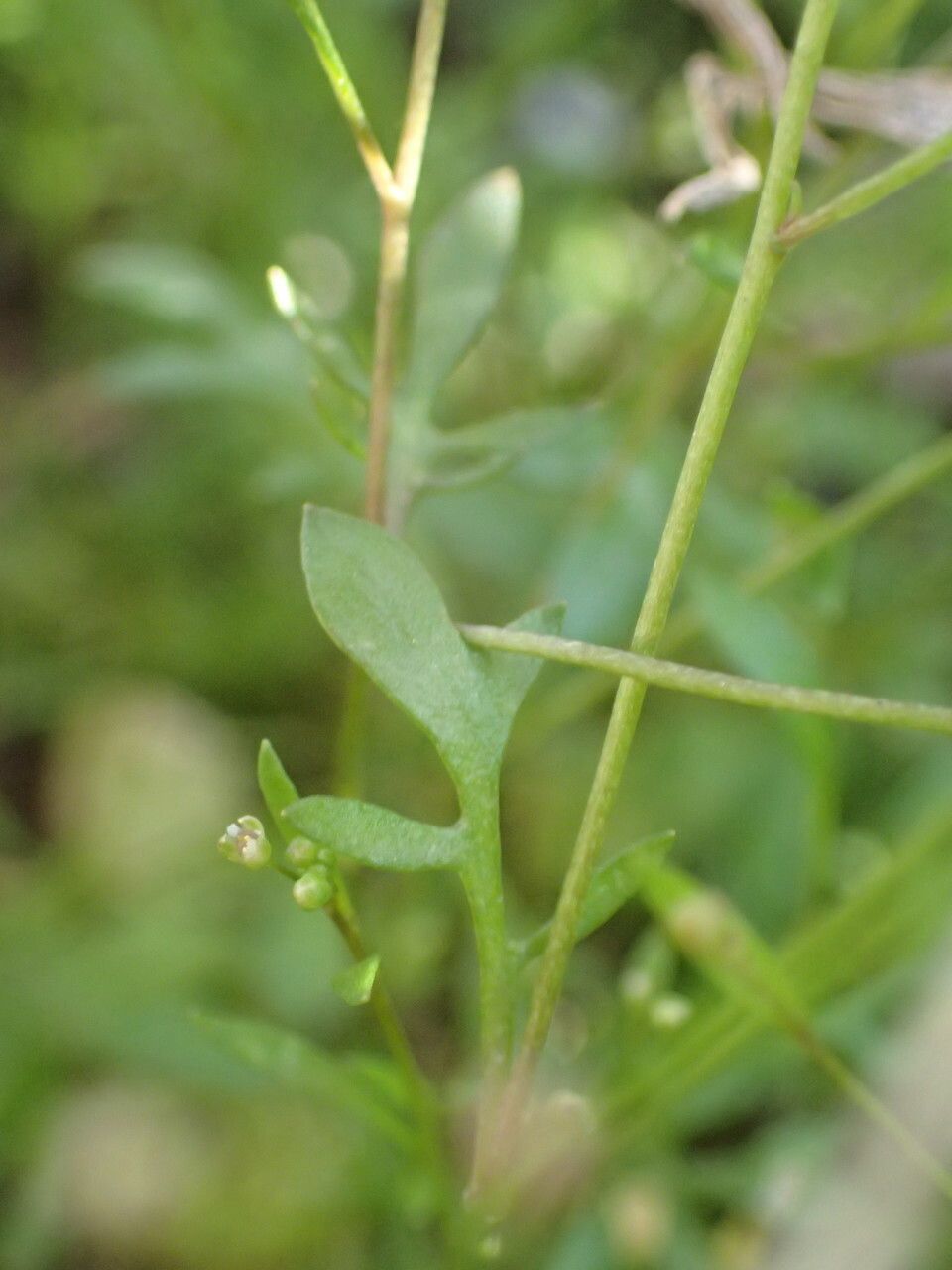
Hornungia alpina (also Hutchinsia alpina or Pritzelago alpina) is a flowering plant in the family Brassicaceae. It is native to the mountains of Southern and Central Europe, as far south as northern Spain (Pyrenees and Cordillera Cantábrica), central Italy and North Macedonia , and is sometimes grown as an ornamental plant in gardens .
Chamois cress has strong disease resistance and is generally not prone to illnesses. Nevertheless, it can be vulnerable to pests and diseases present in its environment, though such infections are typically not serious. Regarding care, this plant needs moderate maintenance. It should be pruned regularly to preserve a neat appearance and healthy growth. Fertilizing can also encourage flowering. Chamois cress is appropriate for anyone with an outdoor area, like a garden or patio, and does not demand extensive care experience. It may need increased attention when kept indoors.
How to keep Hornungia Alpina.
Light
Chamois cress does best in full sun, which reflects its adaptation to its native alpine habitat. Too much shade can hinder its healthy growth and development, although there is no clearly defined light tolerance. A lack of adequate sunlight can possibly cause health problems for the plant.
Water
Chamois cress flourishes in alpine regions where water availability varies. Under typical conditions, it needs to be watered weekly. While it benefits from rainfall, it can also withstand dry periods due to the fluctuating weather in its natural habitat. This makes it well-suited for rocky terrains.
Temperature
Chamois cress is native to temperate regions and prefers temperatures from 41 to 95 °F (5 to 35 ℃). In colder seasons, keeping it warm is vital. During hotter periods, provide shade to prevent thermal stress.
Fertilizer
One fertilizer application in spring is typically enough for Chamois cress, though repeated feedings can maximize growth. Apply fertilizer every month to every month and a half. Fertilization improves the leaves’ appearance and function, yielding even color and a healthy texture. It also promotes root development and nutrient uptake, supporting the plant’s long-term health.
Pruning
Chamois cress flourishes in rocky alpine environments and is known for its delicate white flowers. To encourage healthy growth and remove dead stems, it is best to prune the plant in early spring. Light trimming improves air circulation, supports robust blooming, helps maintain a compact shape, and reduces the risk of disease.
Botanical profile.
- Plant Type
- Herb
- Life Cycle
- Perennial
- Genus
- Hornungia
- Family
- Brassicaceae
- Hardiness Zone
- 4-9
- Mature Height
- 10 cm
- Mature Spread
- 30 cm
- Leaf Color
- Green
- Leaf Type
- Evergreen
- Flower Color
- White
- Flower Size
- 0.25 cm to 0.51 cm
- Bloom Time
- Spring
- Planting Time
- Spring, Autumn
- Harvest Time
- Late spring, Early summer, Mid summer
Other names.
Reader questions.
How should I water my Chamois cress in the best way possible?
To ensure the Chamois cress thrives, it's important to water it properly. Opt for filtered water at room temperature, as tap water may contain harmful particles. Since Chamois cress originates from warm environments, avoid using cold water, which can shock the plant. It's also best to avoid overhead watering as it can lead to foliage issues. Instead, focus on saturating the soil with filtered room temperature water. This helps moisten the roots, aiding in their spread and nutrient absorption.
Why should I add fertilizer to my Chamois cress?
The Chamois cress relies mainly on its leaves for structure, so fertilization is crucial for ensuring that the leaves not only look good but also perform their function effectively. Proper fertilization promotes consistent color and a healthy texture in the leaves. Additionally, fertilization supports the growth of new roots and the maintenance of existing roots below the soil. This not only keeps the plant healthy at present but also enhances its ability to absorb nutrients from the soil in the long run.
What are the sunlight requirements for Chamois cress?
Chamois cress requires full sun exposure, meaning it needs above 6 hours of sunlight daily to thrive. This plant is adapted to its original alpine environment, where it is exposed to full sunlight, indicating that excessive shading can impede its growth and development. Though it doesn’t have a definable light tolerance, insufficient solar exposure can lead to health complications. It's essential to watch how sunlight moves through your garden and choose spots that provide a perfect balance of light and shade, ensuring the plant's happiness.
What is the native environment of Chamois cress and its ideal growing temperatures?
Chamois cress, botanically known as Hornungia alpina, is native to temperate environments. It thrives best in temperatures ranging from 41 to 95 °F (5 to 35 °C). To ensure the plant's health, it's important to maintain warmth during colder seasons and provide shade during hotter times to prevent thermal stress. This balance helps in accommodating the plant's strong cold resistance while also catering to its needs during varying temperatures.
What do I need to do if I give my Chamois cress too much or too little water?
Taking care of your Chamois cress requires avoiding both overwatering and underwatering. However, overwatering is a more common problem. If the plant receives too much water, its stems and leaves may wilt and turn yellow. Overwatering for an extended period can also lead to diseases like root rot, mold, and mildew, which can be fatal for the Chamois cress. On the other hand, underwatering is less common since this plant can tolerate drought well. Still, it's possible, and when it happens, you'll notice brittle, brown leaves. It's important to identify signs of overwatering early because some diseases, like root rot, may be irreversible if not addressed promptly. In case of overwatering, reduce the watering schedule immediately and consider replacing the soil if it drains poorly. If you notice signs of underwatering, simply increase the frequency of watering until the signs subside.
What is the best time to fertilize my Chamois cress?
If you choose to grow your Chamois cress outdoors every year, you can expect new growth to appear in early spring. This is the signal that it's time to start fertilizing. Usually, one application of fertilizer is enough for the plant to thrive during spring. However, if you want to maximize its growth, you can fertilize it multiple times throughout spring and early summer. In this case, you should feed your Chamois cress approximately once a month to once every month and a half.
Are artificial lights beneficial for Chamois cress?
Yes, artificial lighting can be beneficial for Chamois cress, especially for indoor plants or in conditions where natural sunlight is insufficient, such as during winter or in less sunny spaces. Choosing the right type of artificial light is crucial, with LED lights being a popular choice because they can provide specific wavelengths needed by plants. Full sun plants require 30-50W/sq ft of artificial light, partial sun plants need 20-30W/sq ft, and full shade plants need 10-20W/sq ft. The light source should be placed 12-36 inches above the plant to mimic natural sunlight, and most plants need 8-12 hours of light per day to promote faster, healthier growth.
How should Chamois cress be protected during winter?
Chamois cress exhibits strong cold resistance, commonly not requiring special frost protection measures during the winter months. Nonetheless, in cases where winter temperatures are anticipated to plummet below -30°C, it becomes essential to safeguard the plant. Protecting Chamois cress can be effectively done by covering the plant with insulating materials, such as soil or straw, which helps mitigate the cold's impact. Additionally, watering the plant abundantly before the first freeze in autumn is advisable, ensuring the soil remains moist. This practice aids in preventing drought and water scarcity during winter and early spring, affording the plant a better chance at survival and growth once temperatures rise.
How frequently do I need to water my Chamois cress?
If your Chamois cress is in a pot, you can determine if it needs watering by checking the soil. Stick your finger into the soil and if the top two to three inches are dry, it's time to water. If you're growing Chamois cress outdoors in the ground, you can use the same method to test the soil. Once the first few inches of soil have dried out, it's time for water. Typically, in the spring and early fall, watering once a week is sufficient. However, during extremely hot weather, you may need to water two or more times per week. It's worth noting that mature and well-established Chamois cress can withstand drought quite well.
When is the best time to not add fertilizer to my Chamois cress?
During the late fall and winter, your Chamois cress goes into a dormant phase and stops growing. It's best to avoid fertilizing it during this time. In the spring and summer, you can fertilize it multiple times, but as summer approaches and the growth rate slows down, you should start reducing the fertilization rate. It's important to note that fertilizing during extremely hot weather or when the soil is very dry is not recommended. Doing so can stress the Chamois cress and cause it to die prematurely.
What are the symptoms of light deficiency in Chamois cress?
Symptoms of light deficiency in Chamois cress include small leaves, leggy or sparse growth, faster leaf drop, slower or no new growth, lighter-colored new leaves, chlorosis, sunscald, leaf curling, wilting, and leaf scorching. These symptoms indicate the plant's struggle with inadequate lighting, affecting its ability to grow and maintain health. For instance, new leaves might grow smaller, the plant could look weak and stretched-out, and a lack of chlorophyll could lead to pale leaves or chlorosis. Managing light exposure is crucial to avoid these issues.
What are the symptoms of Chamois cress being exposed to low temperature conditions and how can it be managed?
Chamois cress is acknowledged for its cold tolerance, thriving optimally when temperatures stay above 5°C. However, during winter, it's crucial to keep temperatures above -25°C to avoid damaging the plant. Exposure to temperatures below -30°C may not show immediate signs of distress during winter, but it can lead to a decrease in sprouting or complete absence of sprouting during spring. To manage this, it is recommended to remove any parts of the plant that have failed to sprout in the spring as a way to promote new growth and recovery.