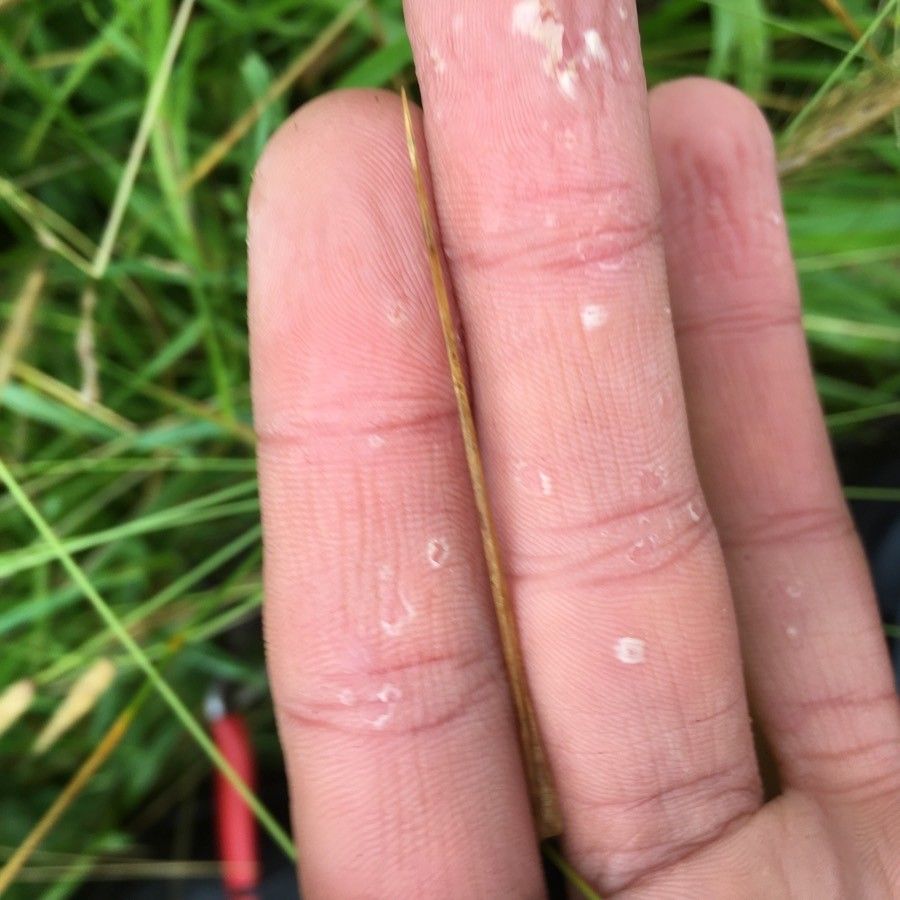
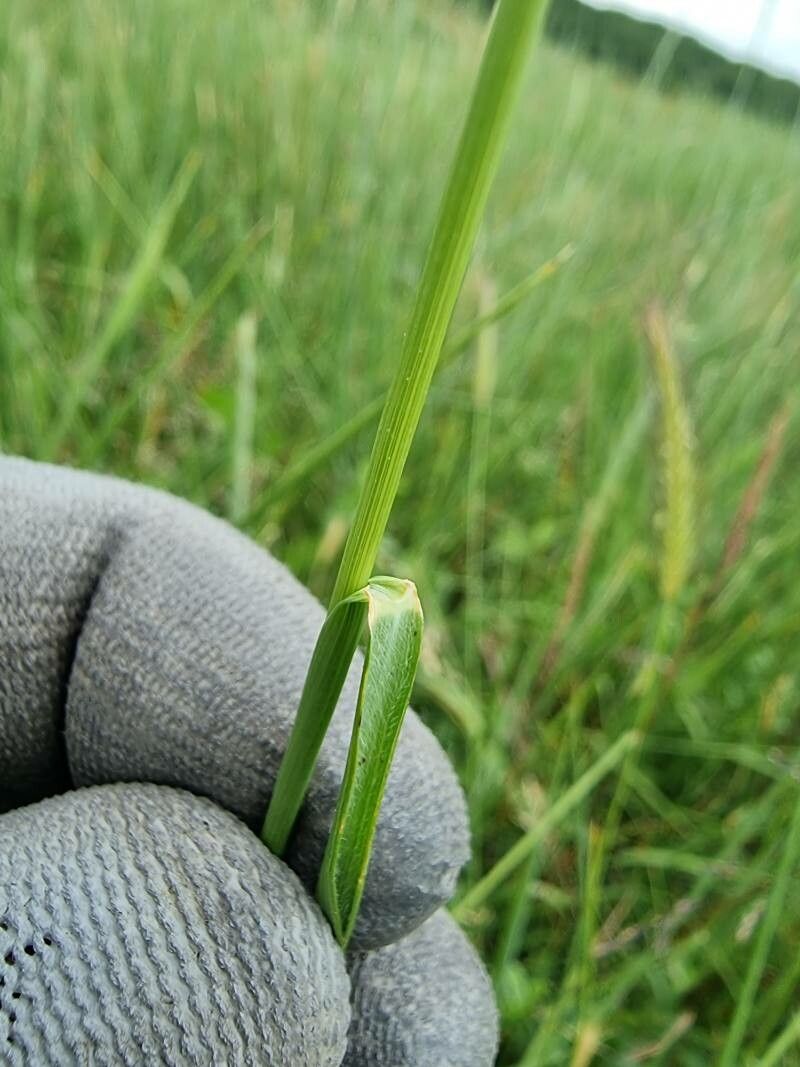
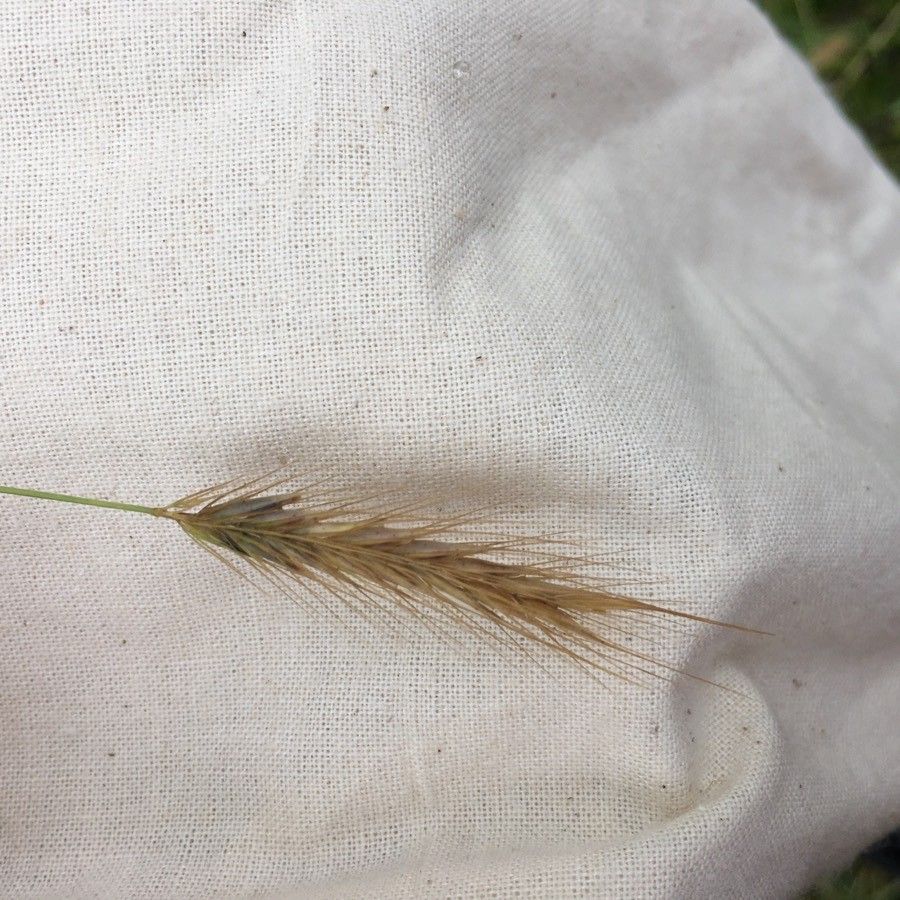
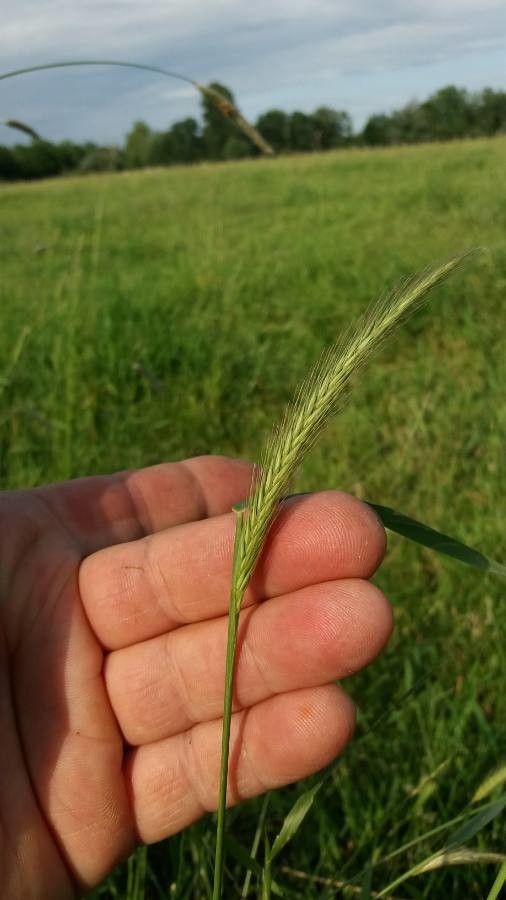
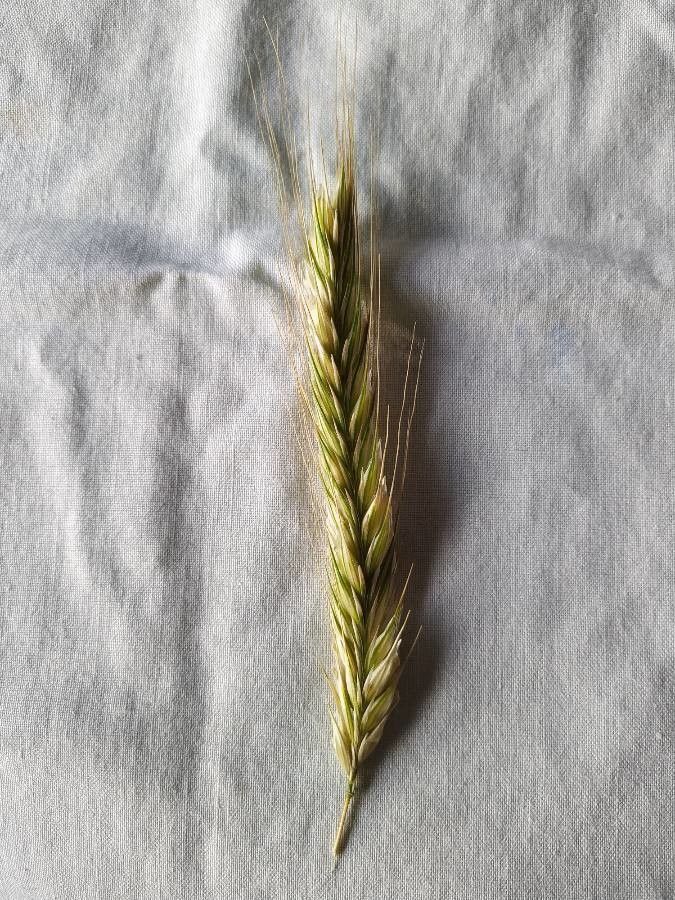
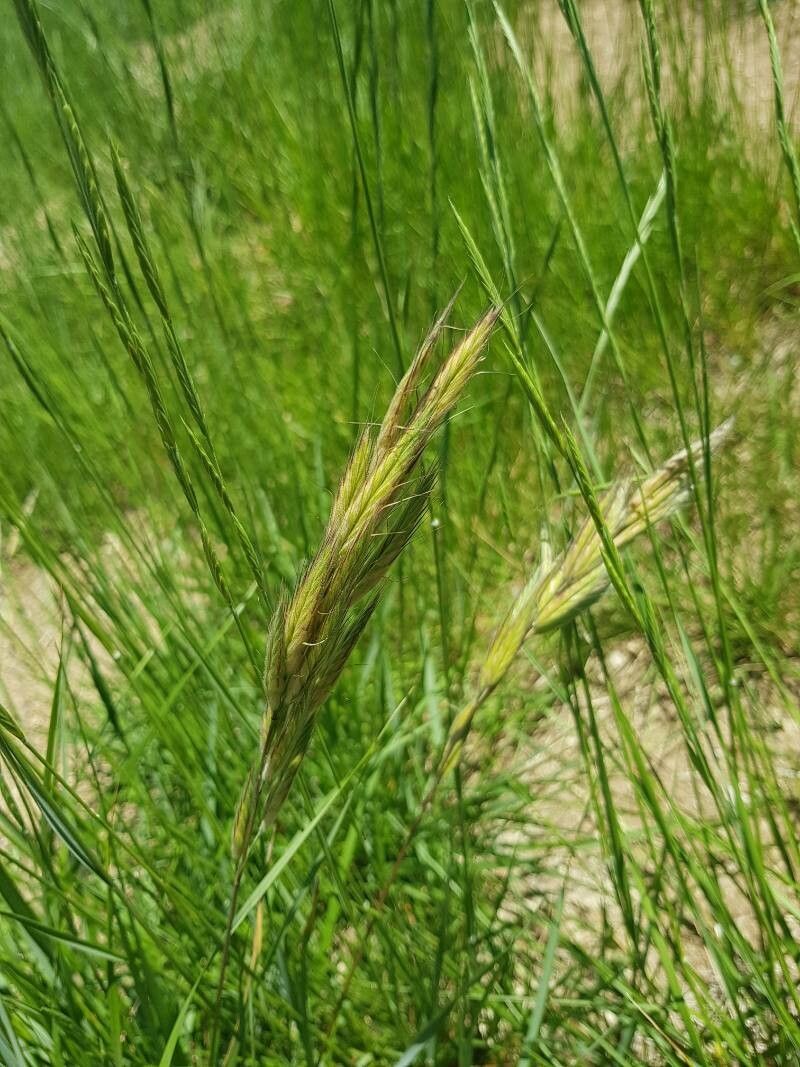
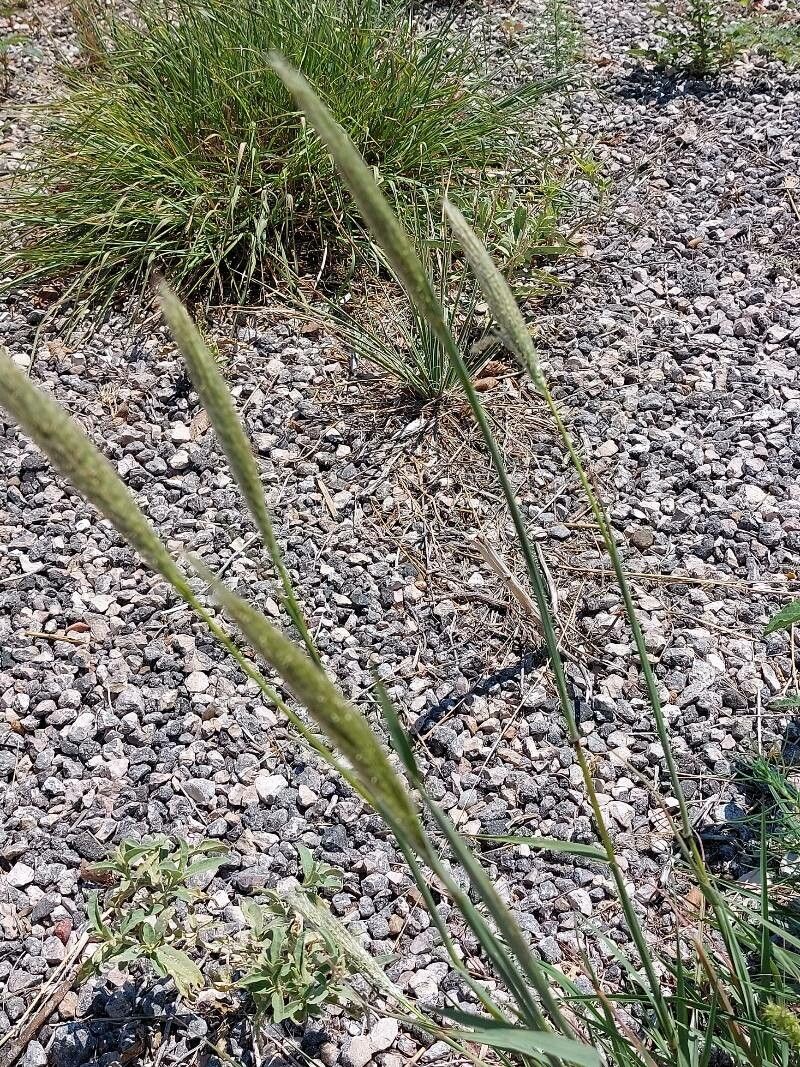
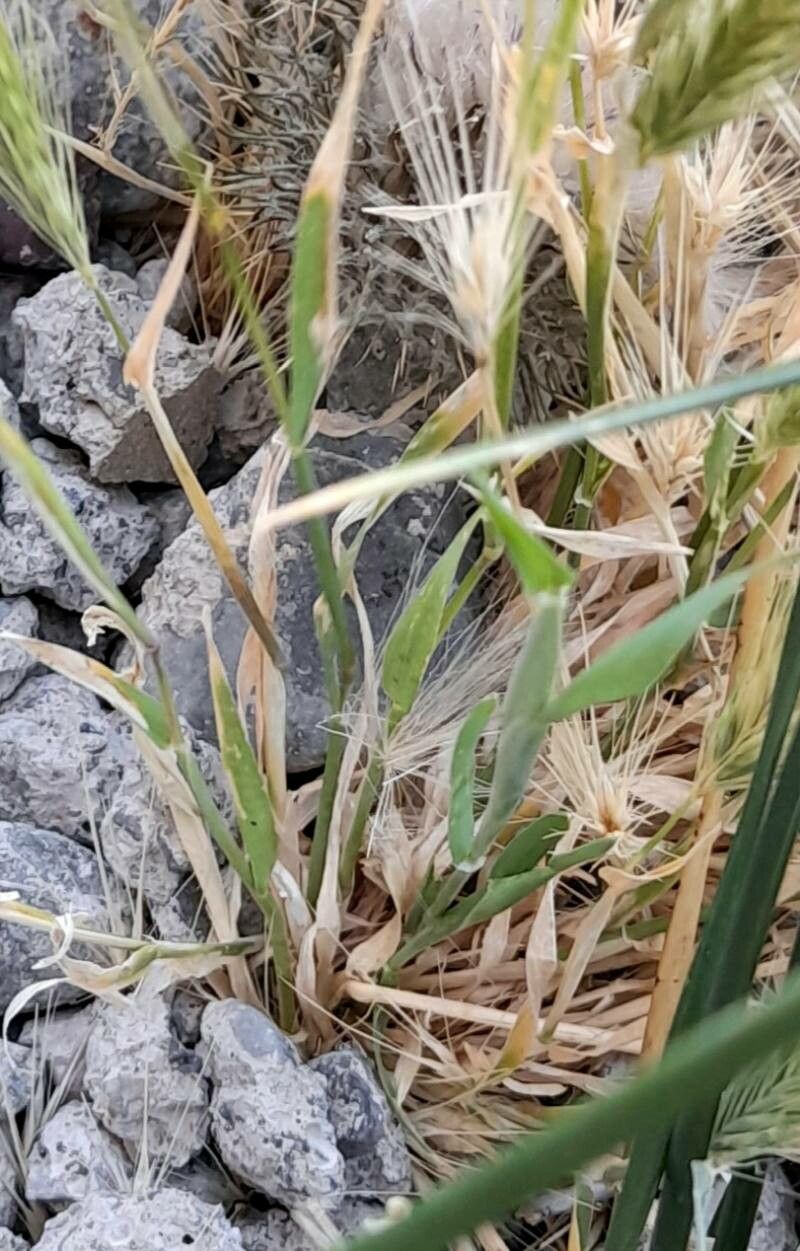
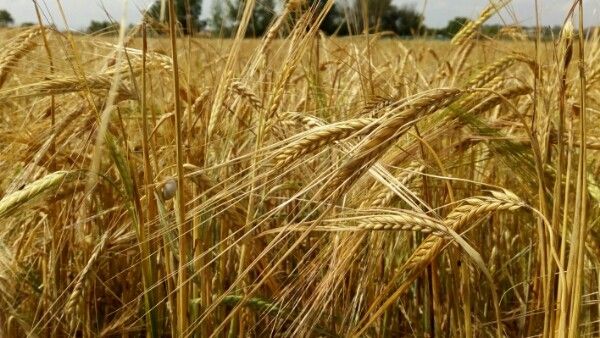
Hordeum secalinum, commonly known as meadow barley or rye barley, is a perennial grass species belonging to the Poaceae family. It typically grows up to 1.5 meters in height and features long, narrow leaves with pointed tips. The plant produces dense clusters of spikelets on its stems, which contain the seeds.
Native to Europe and Asia, meadow barley has been introduced in many other parts of the world, either as a forage crop for livestock or as an ornamental grass in gardens. It thrives in moist soils and can withstand cold temperatures.
Meadow barley has several practical uses. It is used for hay production and grazing by livestock such as cattle and sheep. Its extensive root system makes it effective for erosion control on slopes and along the banks of waterways, helping to stabilize soil structure.
Besides its practical applications, meadow barley also provides ecological benefits. It offers habitat for wildlife, particularly birds that feed on its seeds during winter months when other food sources are scarce.
Overall, Hordeum secalinum is an important species with numerous practical applications and ecological benefits, making it a valuable component of many ecosystems around the world.
Meadow barley has strong disease resistance and is, overall, not prone to diseases. Regarding care, this plant is relatively low-maintenance. When grown outdoors, it needs only minimal watering, and larger plants typically do not require pruning. Smaller plants, however, should be pruned after they finish blooming. Meadow barley is suitable for anyone with an outdoor area, such as a garden or deck, and does not demand extensive plant-care experience.
How to keep Hordeum Secalinum.
Light
Meadow barley does best in areas that receive abundant sunlight throughout the day, although it can tolerate periods of moderate sun. This tendency reflects its origin in habitats with significant daily sunshine. Both excessive and insufficient sun exposure can detrimentally affect its healthy growth.
Water
Meadow barley thrives best in environments similar to its natural habitat, where consistent moisture is present. Weekly watering is ideal, although it can withstand brief periods of dryness. Being an adaptable grass, it benefits from natural rainfall, which lessens its need for manual irrigation during the growing season.
Temperature
Meadow barley can tolerate a wide variety of temperature conditions, but its distribution may still be limited by different combinations of water and heat. It grows best in warm summer climates with sufficient rainfall or irrigation. Prolonged stretches of cloudy, rainy weather, as well as extended high temperatures, can increase the likelihood of Meadow barley dying. In winter, proper protection against cold can improve the plant's survival rate.
Fertilizer
For best growth, Meadow barley needs three fertilizer applications: a pre-planting treatment, a second one one month after seedlings emerge, and a final treatment 1 to 1.5 months after the second. Some Meadow barley types also benefit from extra fertilizer applied at planting to promote rapid growth.
Pruning
To encourage new growth in meadow barley, prune it in early spring. Remove one-third of its height along with any dead stems. Be sure to use sharp, clean tools to prevent the spread of disease. Regular pruning not only improves air circulation but also helps maintain a lush appearance, enhancing the overall health of the meadow barley.
Botanical profile.
- Plant Type
- Grass
- Life Cycle
- Perennial
- Genus
- Hordeum
- Family
- Poaceae
- Hardiness Zone
- 5-9
- Mature Height
- 61 cm
- Mature Spread
- 15 cm to 61 cm
- Leaf Color
- Light Green, Olive Drab
- Leaf Type
- Semi-evergreen
- Flower Color
- Green
- Flower Size
- 0.51 cm to 0.76 cm
- Bloom Time
- Early summer, Mid summer
- Planting Time
- Spring, Summer
- Harvest Time
- Late summer, Early fall
- Native Area
- Sweden, Montenegro, Croatia, Morocco, Slovenia, Russia, Germany, Romania, Belgium, Netherlands, France, Saudi Arabia, Portugal, Tunisia, Bulgaria, Poland, Greece, Serbia, Lebanon, Italy, Spain, Switzerland, Denmark, Ireland, United Kingdom, Hungary, Algeria
Other names.
Reader questions.
Why should I put fertilizer on my Meadow barley?
Fertilizing Meadow barley is necessary because it provides essential nutrients for your plant's health and growth. These nutrients not only contribute to the development of new, healthy growth, but also protect the existing growth and enhance your plant's ability to resist diseases and pests.
What are the sunlight requirements for Meadow Barley?
Meadow barley requires full sun exposure for optimal growth, thriving in environments with more than 6 hours of sunlight daily. It can also manage in partial sun, with about 3-6 hours of sunlight. However, sufficient sunlight is crucial as both overexposure and underexposure can hinder its healthy development. Observing how sunlight moves through your garden is important to ensure your plants get the right balance of light and shade.
What is Meadow barley?
Meadow barley, scientifically known as Hordeum secalinum, is a species of barley. Unfortunately, the provided information does not include further details about this plant, such as its specific characteristics, habitat, or uses. Typically, barley species are important in various domains, including agriculture and food production, where they may be cultivated for grains or used as forage crops. Each species, including Meadow barley, has unique attributes that contribute to its ecological or agricultural role.
What is the right time to fertilize my Meadow barley?
To ensure the survival of Meadow barley in the garden, it is crucial to understand the right time to fertilize it. Meadow barley is not a heavy feeder and does not need extra nutrients when it is dying back. Instead of using diluted fertilizer at the beginning of the growing season, it is better to apply mulch or compost around the base of the plant.
How should I use artificial lighting for Meadow Barley?
When natural sunlight is insufficient for Meadow Barley, especially during winter or in spaces with less sunlight, artificial lighting can be a vital solution. LED lights are recommended as they can be tailored to provide specific wavelengths needed by plants. Full sun plants need 30-50W/sq ft, partial sun plants require 20-30W/sq ft, and full shade plants only need 10-20W/sq ft of artificial light. Place the light source 12-36 inches above the plant, and mimic natural daylight hours, generally 8-12 hours per day, for optimal growth.
When is the best time to not add fertilizer to my Meadow barley?
If you are not using packaged fertilizers, you don't need to worry about stopping feeding Meadow barley. Simply applying a layer of compost or mulch in the spring will be sufficient to keep Meadow barley happy all year. No mulching or composting is necessary in the winter when the plant is dormant, so you can relax and not worry about it.
What are common symptoms of inadequate lighting for Meadow Barley?
Common symptoms of light deficiency in Meadow Barley include having smaller new leaves, leggy or sparse growth, faster leaf drop, slower or no new growth, lighter-colored or irregular patterned leaves, chlorosis, and symptoms of excessive sunlight exposure like sunscald, leaf curling, wilting, and leaf scorching. These issues indicate a need to adjust the plant's exposure to suitable light levels.
Which fertilizer should I use for my Meadow barley?
Instead of rushing out to buy fertilizer from the garden center, you can simply put down a layer of compost in the spring. Meadow barley doesn't require additional nutrients, and the compost will provide it with what it needs. Additionally, if you mulch your garden annually, the bark will also keep your plant well-nourished and content.
What solutions exist for light-related issues in Meadow Barley?
To address light-related issues in Meadow Barley, gradually increase sunlight exposure by moving plants to sunnier locations weekly until achieving at least 6 hours of direct sunlight daily. Utilize south-facing windows or consider artificial lighting for at least 8 hours a day. Outdoor plants should also be moved gradually to prevent sunburn. Address sunlight obstructions by pruning or transplanting plants to sunnier spots with good drainage. Note that parts of the plant already affected may not recover, but new growth should be healthy with improved light conditions.
How can I make my Meadow barley grow better?
For planting Meadow barley, the process is the same whether you use mulch or compost. Begin by placing a layer of either material, ensuring that it covers the plant's base. If you choose to use both mulch and compost, decrease the amount of compost used. The addition of mulch serves two functions – retaining soil moisture and providing nutrients to the plant.
What will happen if I use too much fertilizer on my meadow barley?
If you don't use liquid or granulated plant food, you don't have to be concerned about over-fertilizing Meadow barley. However, if you're adding fertilizer to the soil, be cautious about root burn. Excessive nitrogen and other nutrients in the soil can burn the delicate roots, leading to the plant's decline.