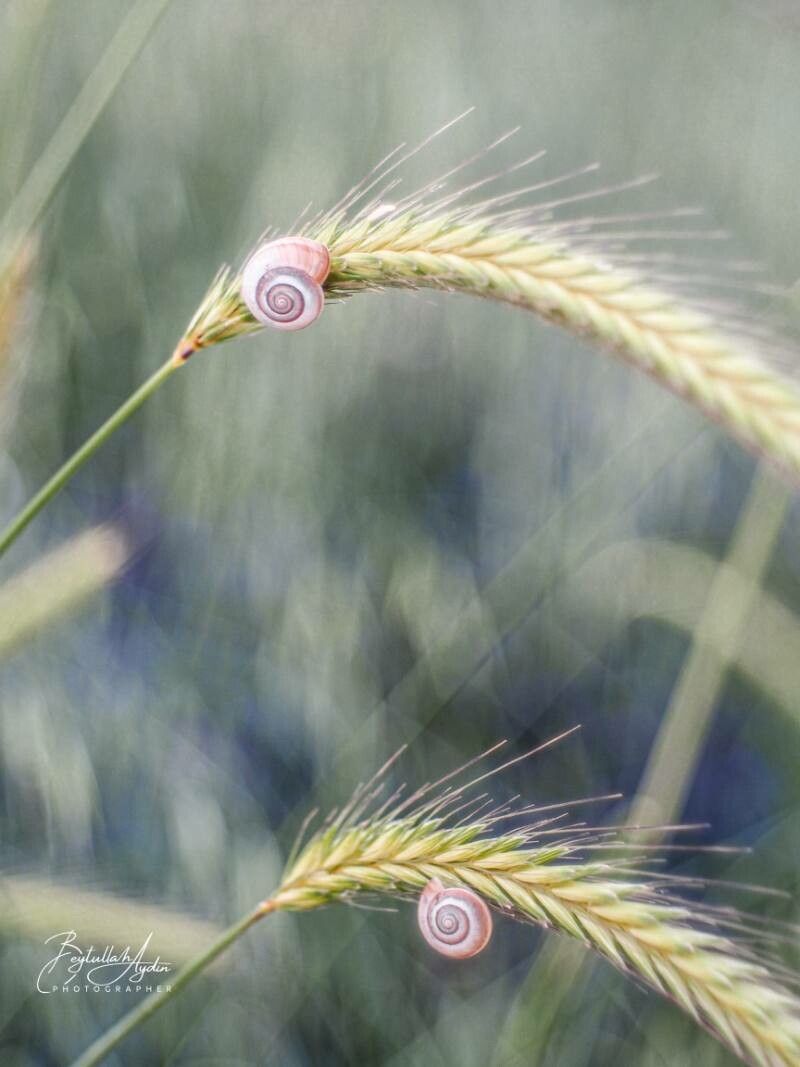
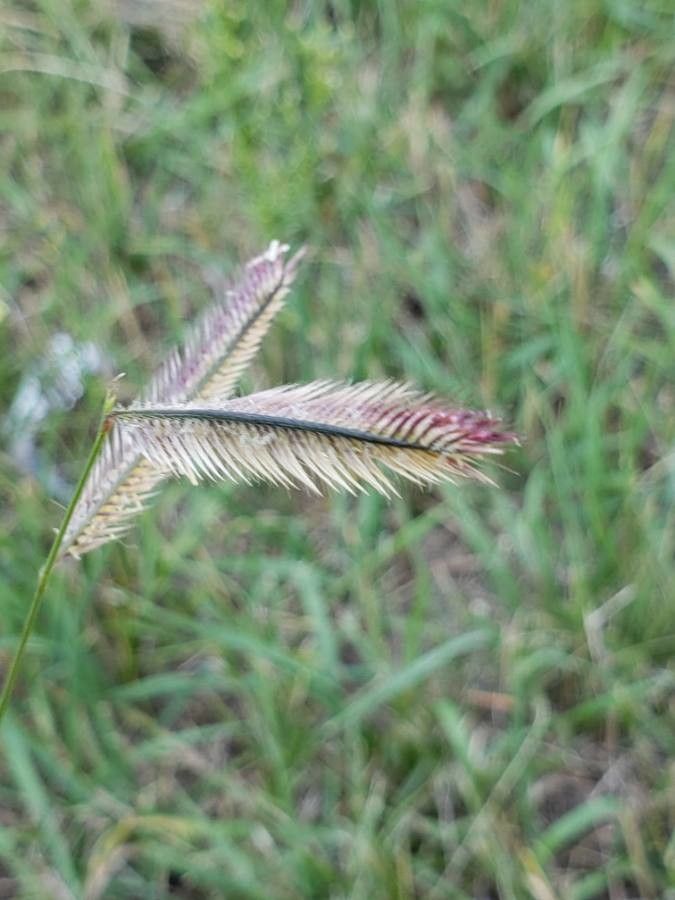
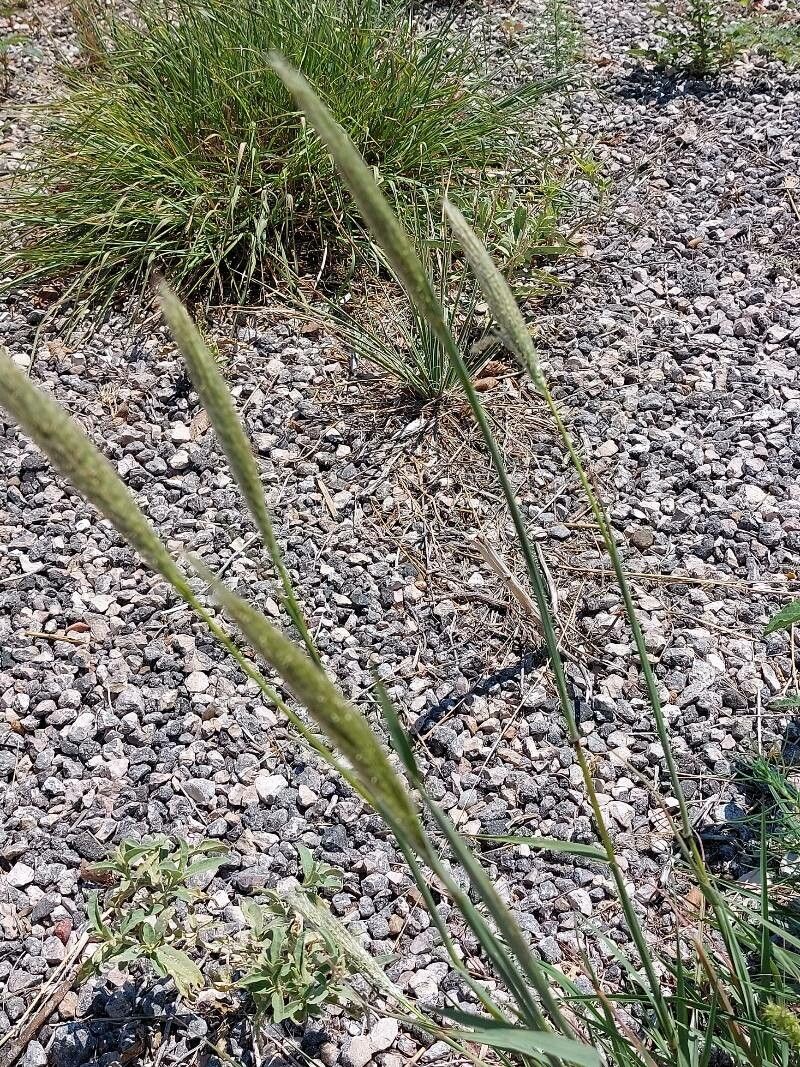
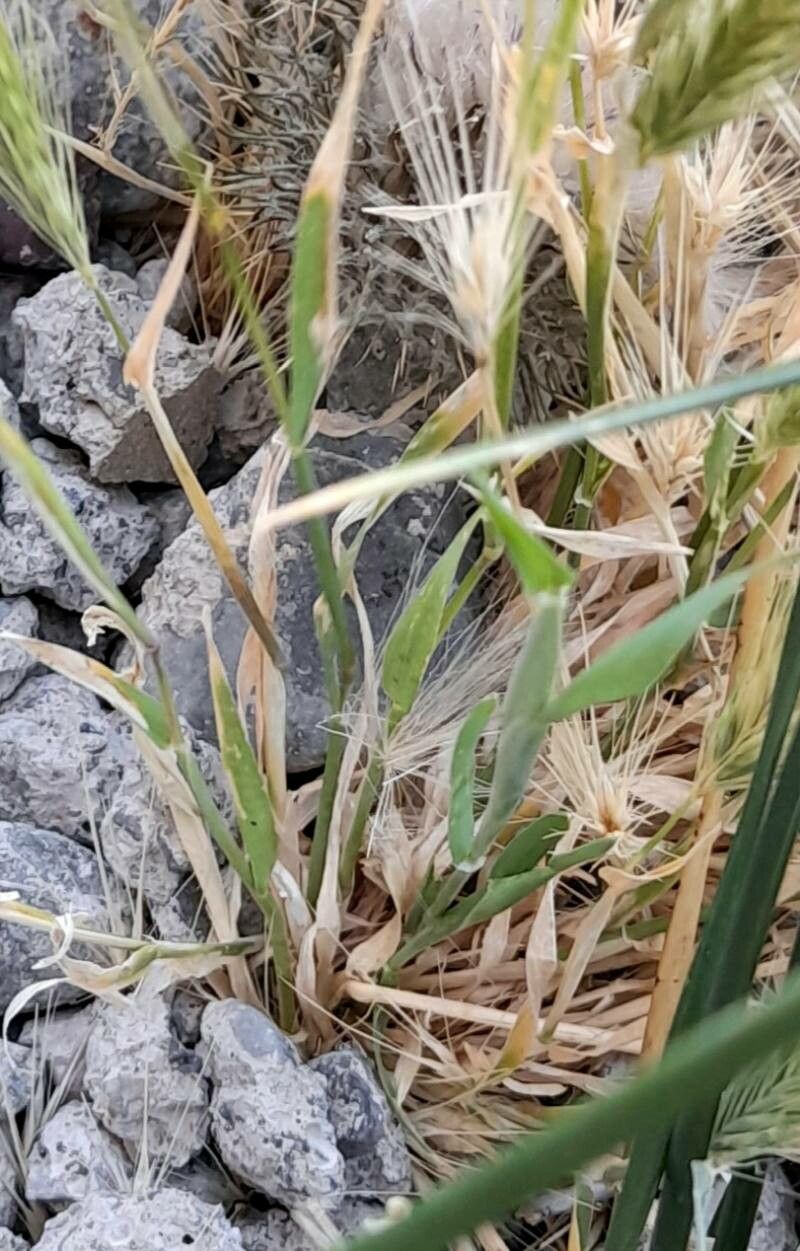
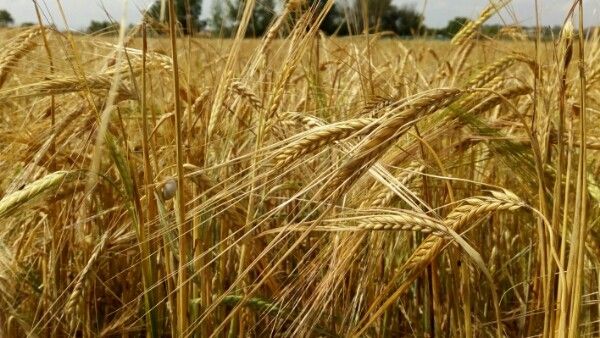
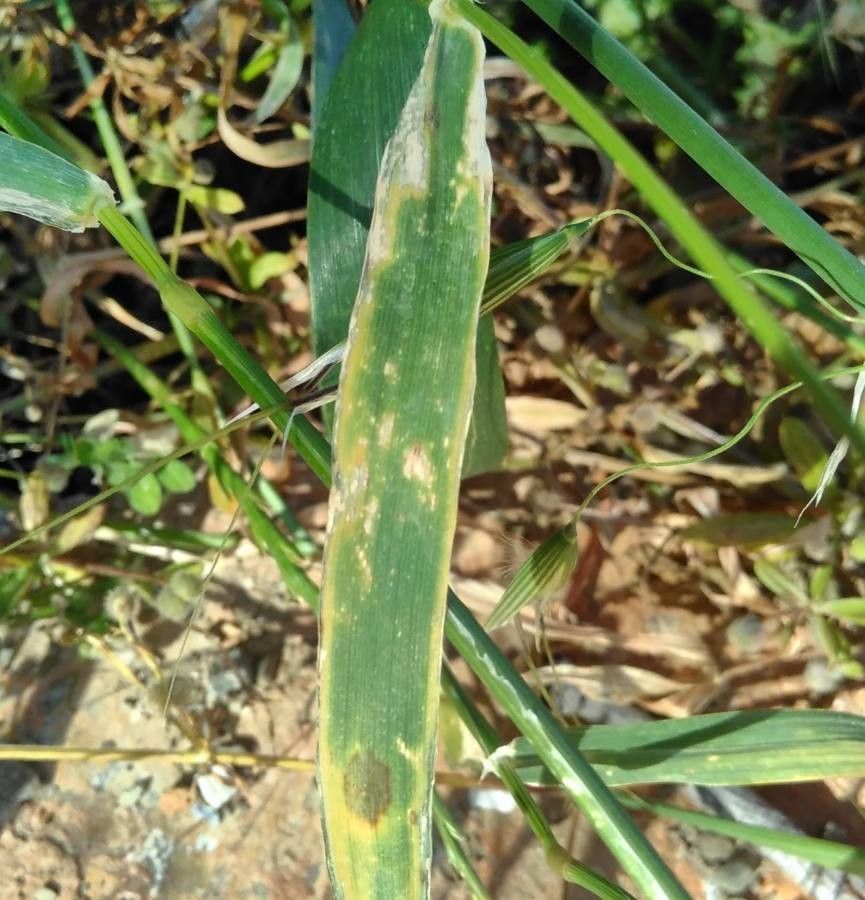
Hordeum brachyantherum, known by the common name meadow barley, is a species of barley. It is native to western North America from Alaska to northern Mexico, coastal areas of easternmost Russia (Kamchatka), and a small area of coastal Newfoundland. The diploid cytotype occurs only in California, throughout the state, while everywhere else plants are tetraploid. This is a tufting perennial bunchgrass approaching a meter in maximum height. It produces compact, narrow inflorescences 8 to 10 centimeters long and purplish in color. Like other barleys the spikelets come in triplets. It has two small, often sterile lateral spikelets on pedicels and a larger, fertile central spikelet lacking a pedicel.
Meadow barley has strong disease resistance and is, overall, not prone to diseases. Regarding care, this plant is relatively low-maintenance. When grown outdoors, it needs only minimal watering, and larger plants typically do not require pruning. Smaller plants, however, should be pruned after they finish blooming. Meadow barley is suitable for anyone with an outdoor area, such as a garden or deck, and does not demand extensive plant-care experience.
How to keep Hordeum Brachyantherum.
Light
Meadow barley grows best in unobstructed sunlight. It can grow reasonably well in moderate shade. However, too much or too little sunlight can result in suboptimal growth.
Water
Meadow barley, native to temperate regions, flourishes with moderate moisture and consistent soil hydration. To mimic its natural environment, it's best to water it weekly. This adaptable grass enters dormancy during the colder months, which reduces its water requirements and highlights its seasonal adaptability.
Temperature
Meadow barley is naturally suited to conditions ranging from 32 to 90 °F (0 to 32 °C). It performs best within this temperature range. In different seasons, the plant may need adjustments in care to avoid exposure to extreme cold or heat.
Fertilizer
For best growth, Meadow barley needs three fertilizer applications: a pre-planting treatment, a second one one month after seedlings emerge, and a final treatment 1 to 1.5 months after the second. Some Meadow barley types also benefit from extra fertilizer applied at planting to promote rapid growth.
Pruning
Meadow barley benefits greatly from pruning in early spring. This process removes dead stems and encourages new growth. When trimming, cut just above the nodes to promote denser foliage. This practice improves air circulation, reduces pests, and maintains a tidy appearance. It also aligns with the natural growth cycle of meadow barley, promoting optimal health and vigor.
Botanical profile.
- Plant Type
- Grass
- Life Cycle
- Perennial
- Genus
- Hordeum
- Family
- Poaceae
- Hardiness Zone
- 3-7
- Mature Height
- 25 cm to 76 cm
- Mature Spread
- 20 cm to 40 cm
- Leaf Color
- Green
- Leaf Type
- Deciduous
- Flower Color
- Yellow, Green, Purple, Brown
- Flower Size
- 0.20 cm to 0.25 cm
- Bloom Time
- Mid spring, Late spring, Early summer
- Planting Time
- Spring, Summer, Autumn
- Harvest Time
- Summer
Other names.
Reader questions.
What should I do if I give my Meadow barley too much or too little water?
This beautiful ornamental grass needs proper watering to perform well. When planted in the ground, watering issues can be solved. However, in a container, Meadow barley can easily be killed by both overwatering and underwatering. Insufficient water can cause it to stop growing, while overwatering can lead to yellow leaves with brown tips. Underwatering, on the other hand, can result in drooping leaves, weak seed head production, and browned leaves. If you suspect your Meadow barley has been incorrectly watered, the first step is to determine if it's receiving too much or too little water. If it's getting too much, stop watering immediately and allow the soil to naturally dry out. Once you notice new growth, test the soil for moisture and decide if it needs more water. To address insufficient watering, simply give the grass a deep drink and observe if it perks up. Always remember that a long, deep watering is more beneficial than frequent shallow waterings. This encourages the grass to develop deep roots, increasing its resistance to drought and minimizing water-related issues.
What kind of sunlight does Meadow barley require?
Meadow barley requires full sun daily, with at least six hours of sunlight to maintain healthy leaves, roots, and blooms. While most perennials also need six hours of sunlight each day, certain plants like the Orange Daylily or Giant Coreopsis can survive with only three hours of direct sun. However, they will not flourish as they would in sunnier environments.
What temperature is best for Meadow barley?
Meadow barley grows best in cooler weather, and there is an ideal temperature range for maximum growth. To keep Meadow barley as healthy as possible, try to maintain temperatures between 65~75℉(18~25℃). While Meadow barley can tolerate both higher and lower temperatures, it is best to keep the growing area within a few degrees of 65~75℉(18~25℃). If it is not possible to maintain this exact range, Meadow barley will still continue to grow, but there may be some damage or reduced growth. The upper range is between 75~85℉(25~30℃), and temperatures above this may slow down growth or even cause the plant to die. On the other hand, Meadow barley can tolerate temperatures as low as 5℉(-15℃). Nevertheless, it is more important to pay attention to avoiding excessively high temperatures, as Meadow barley prefers cooler environments.
How frequently should I give water to my Meadow barley?
The watering needs of Meadow barley depend on where it is planted. In general, watering this grass once a week is recommended. However, in hot climates, watering once or twice a week in the summer may be necessary. In moderate climates, watering once every seven days or more may be sufficient. Meadow barley grown in containers usually requires more frequent watering than grasses in the ground. The location also matters, as shaded grasses need less frequent watering compared to in-ground grasses. It is important to water Meadow barley only when the soil is dry. You can determine this by pressing your finger a couple of inches into the soil or weighing the grass with a portable scale. Inadequate water can cause folded blades and thinner appearance. Although Meadow barley is drought-tolerant, regular and deep waterings will enhance its color. Despite its resilience, consistent water is still necessary to ensure optimum growth. When newly planted, Meadow barley needs more frequent watering until it establishes deep roots. For potted Meadow barley, test the soil every 3 to 4 days and water only if it feels dry. Meadow barley planted in the ground generally requires less watering, but this depends on the soil type. Clay soil may appear dry at the surface while retaining moisture below, while sandy soils that drain quickly will need more frequent watering.
Can the sun harm Meadow barley? How can Meadow barley be shielded from sunlight and heat damage?
In warm climates, some Perennial Flowering Plants may struggle with excessive heat and suffer from sun damage. They can wilt, dry out, or even experience growth problems if they are consistently exposed to the intense afternoon sun. However, not all plants require protection from the light afternoon sun. For those that are harmed by intense afternoon exposure, it is recommended to provide them with some shade in warmer climates. Gardeners can achieve this by planting these plants in areas that do not receive direct heat during the afternoon, such as under trees or behind bushes.
Does Meadow barley need different temperatures for different stages of growth?
In order to maintain a healthy appearance, it is essential to control the heat when Meadow barley is in its early growing stages. Keeping the growing space between 65-75℉ (18-25℃) is recommended. It is important to note that staying on the colder end of this range is more preferable for Meadow barley. However, it should not be exposed to temperatures below -5℉ (-20℃). While extremely cold temperatures can hinder growth at any stage, they are not as damaging as extremely hot temperatures. If the temperature is too high during the budding stage, Meadow barley may not be able to flower at all.
What do I need to be careful about when watering my Meadow barley in different seasons, climates, or during different stages of growth?
You can determine if you are watering adequately by observing the growth rate of your grasses. For example, meadow barley tends to double in size during the hottest months of the year. If it's hot outside but the grass is not growing vigorously, you may need to adjust your watering schedule. In winter, you might be able to get away with watering only once a month. However, it's still important to check the soil for moisture. Generally, during the warmest months, the grass will require more water. But during winter and cooler months, the need for water will decrease significantly. Remember that for meadow barley, it's crucial to allow the soil to dry out completely before adding water.
Do I need to keep Meadow barley away from the sun?
Certain perennial plants require ample sunlight to reach their maximum bloom. However, in warmer climates, some of these plants actually benefit from less sun. For instance, individuals residing in hotter regions might find it beneficial to shade their flowering perennials during the intense afternoon sun, especially during summer months. Although many perennial flowering plants prefer partial shade in the hottest climates, there are exceptions. Take the Giant Coreopsis, for example, as it is not bothered by excessive sun exposure. These plants can flourish even when placed in the full sun during scorching weather.
Here are three ways to manage the temperature of Meadow barley.
Here are some tips to help you grow Meadow barley indoors successfully: Tip #1: Choose the Coldest Room of Your Home for Growing When selecting a room to grow Meadow barley, opt for the coldest area in your house. Typically, this will be on the side of your house that doesn't get too hot during the middle of the day. However, it's essential to ensure that the chosen room receives an adequate amount of sunlight. While you should protect your plants from the brightest and hottest part of the day, completely depriving them of sunlight can hinder their growth. Tip #2: Avoid Excessive Heat to Promote Proper Flowering Meadow barley's growing season is in spring and early summer, which can often come with high temperatures. These temperature fluctuations can negatively impact the growing stage of Meadow barley, causing the buds to transform into non-flowering ones. These buds may only partially open or not open at all, affecting the plant's aesthetic appeal. Maintaining a temperature range of 65~75℉(18~25℃) is crucial to allow Meadow barley to flower to its fullest potential. Tip #3: Protect Against Frost Damage While Meadow barley can withstand lower temperatures as low as -5℉(-20℃), it cannot tolerate significant frost. Leaving the plant exposed to the colder temperatures of late fall or winter will result in frost damage. To recognize frost damage, look for certain visual changes. First, the affected areas of the Meadow barley will begin to wilt. Then, they will gradually discolor, eventually turning brown or black as they die. Unfortunately, any parts of the plant that develop these colors cannot be salvaged and must be pruned if you want to keep the plant alive.
What will happen if the Meadow barley doesn't get enough sunlight?
If you're growing Meadow barley and not getting enough sunlight, you'll see signs of insufficient plant needs. Inadequate sun exposure reduces the number of blooms. While some plants may develop dry spots on leaves, they will still bloom, albeit smaller and less full flowers.
Does Meadow barley require varying temperatures for each season?
Maintaining a steady temperature in your growing area is crucial, regardless of the season. If you live in an area with extreme winters or scorching summers, it is advisable to bring your plants indoors. This way, you can provide them with an ideal environment in a cool room for optimal growth of Meadow barley. If you choose to leave your plants outside, closely monitor the temperature. In hot summer weather, particularly if temperatures exceed 85℉(30℃), ensure your plants are not exposed to such heat. High temperatures can quickly dehydrate and harm Meadow barley, eventually leading to their demise.
Does Meadow barley need additional attention regarding sunlight at various stages of its growth?
Meadow barley is a lovely flower for gardens, and it thrives when it receives at least six hours of sunlight each day. However, to help the flowers last longer, some shade during the hottest parts of the day can be beneficial. For young meadow barley plants, it's important to ensure they receive ample sunlight but are protected from intense afternoon heat. On the other hand, mature plants should be provided with plenty of sunlight to support their growth.