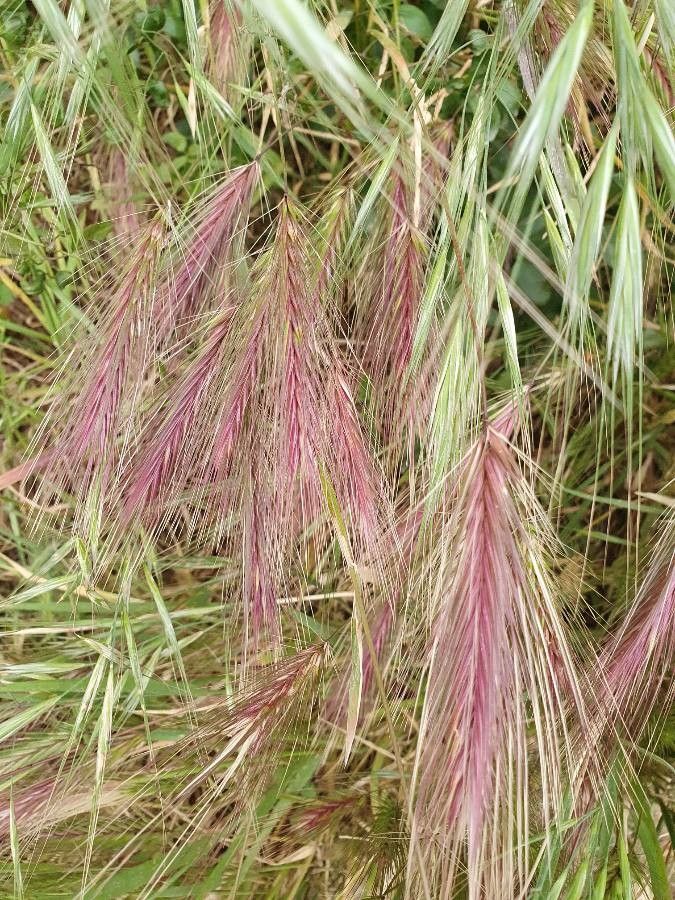
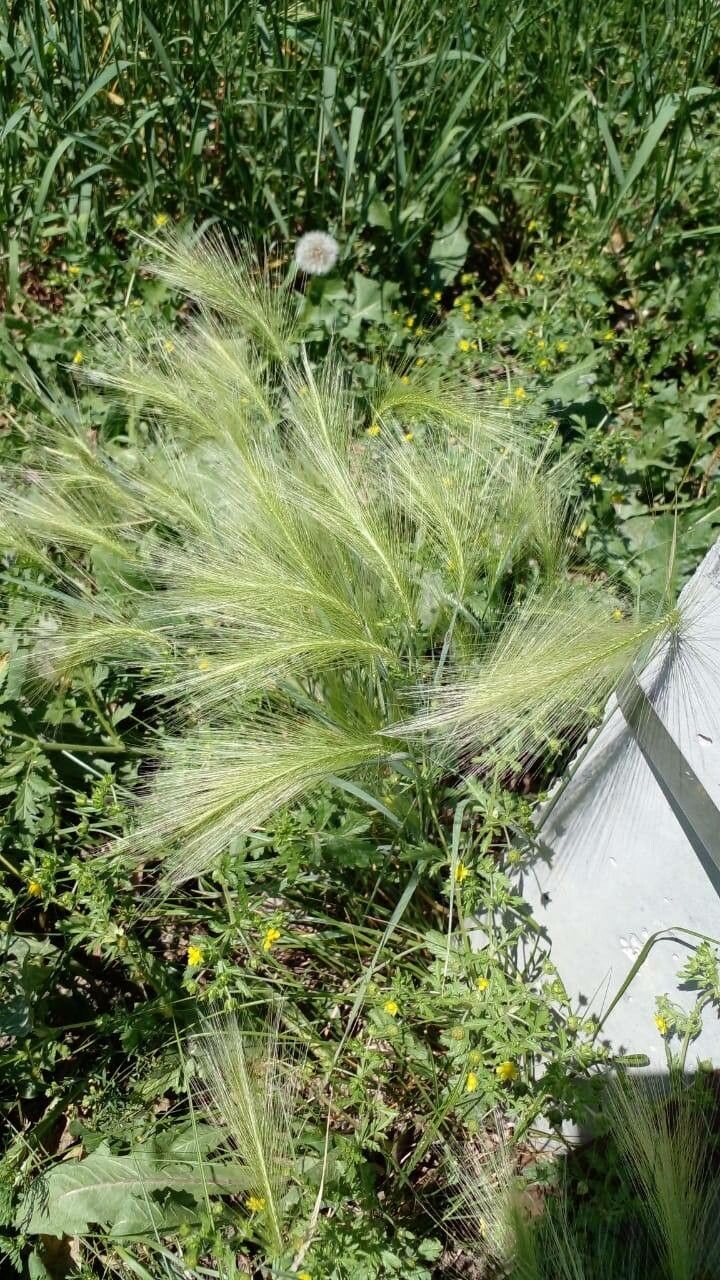
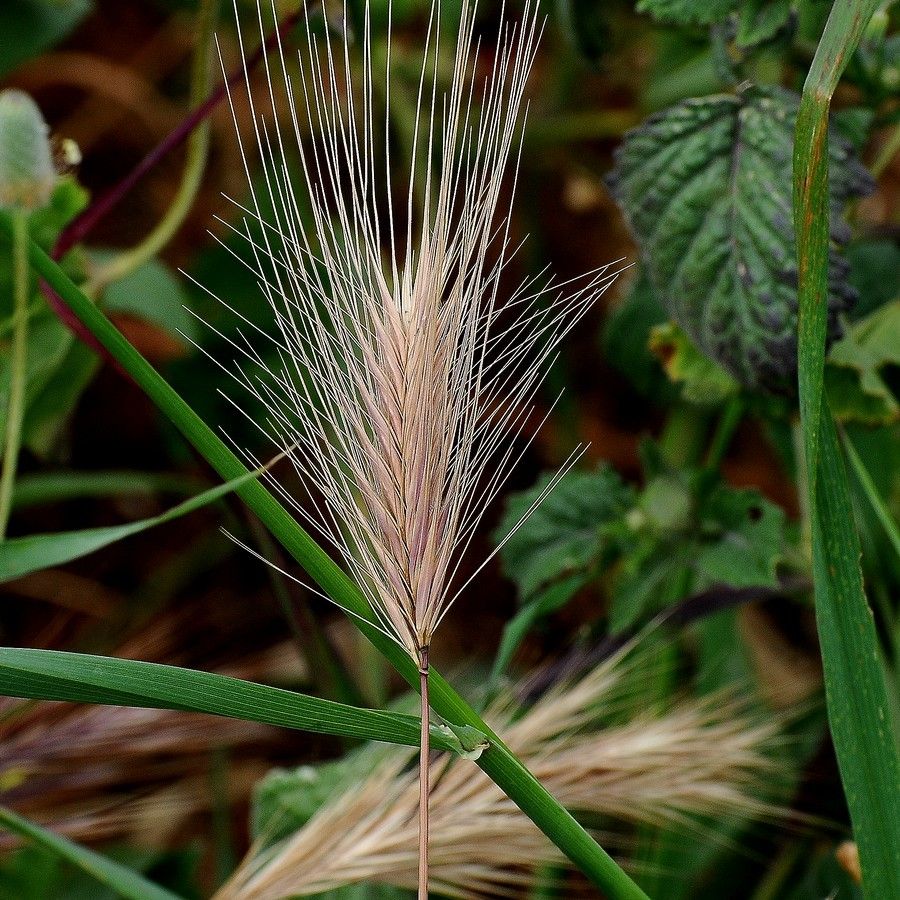
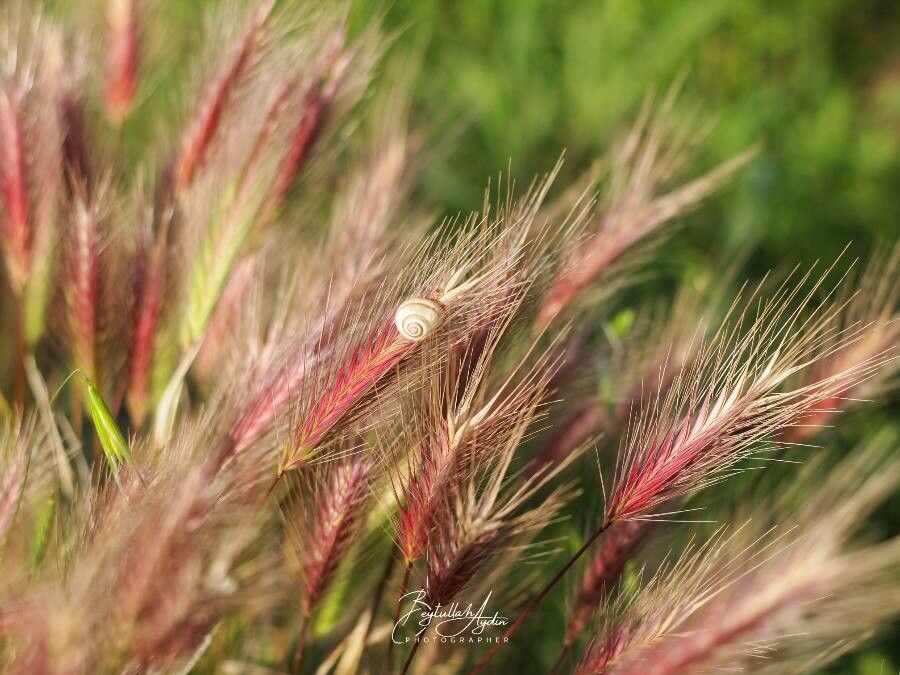
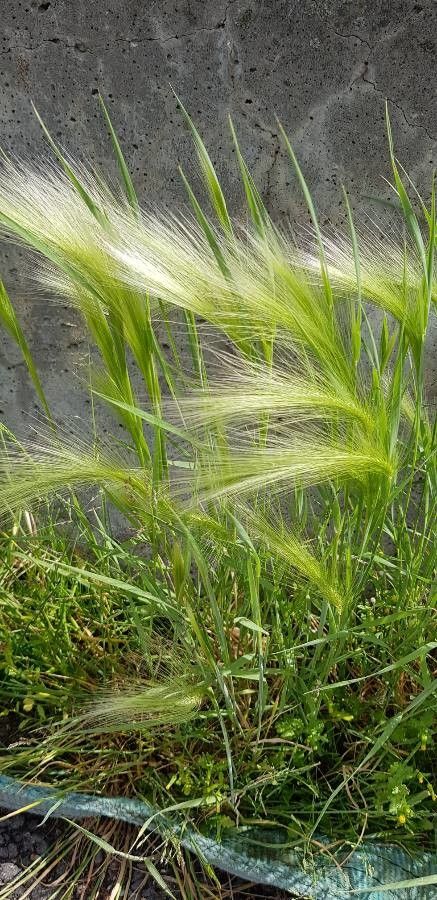
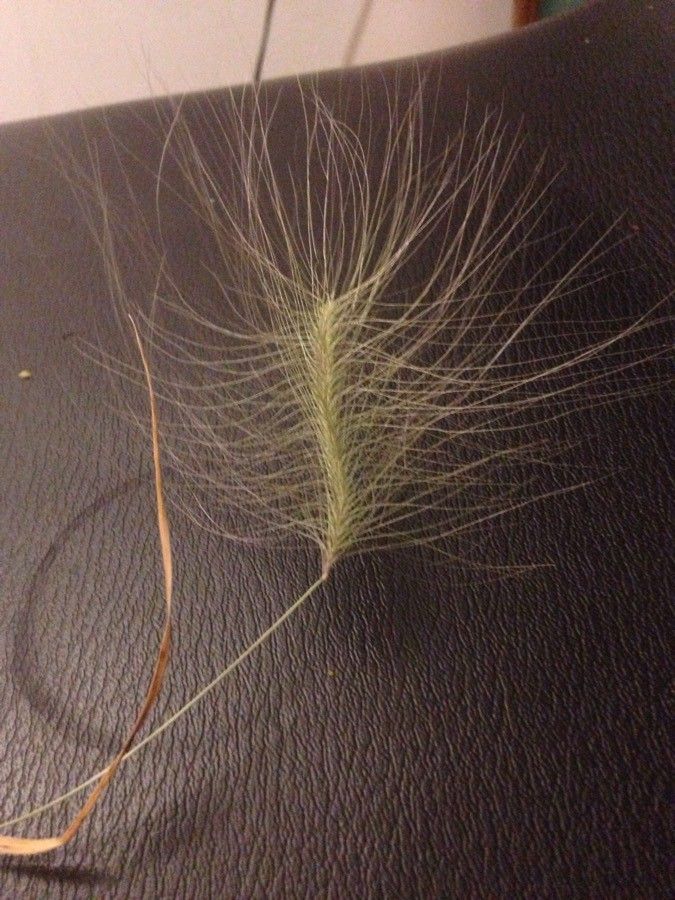
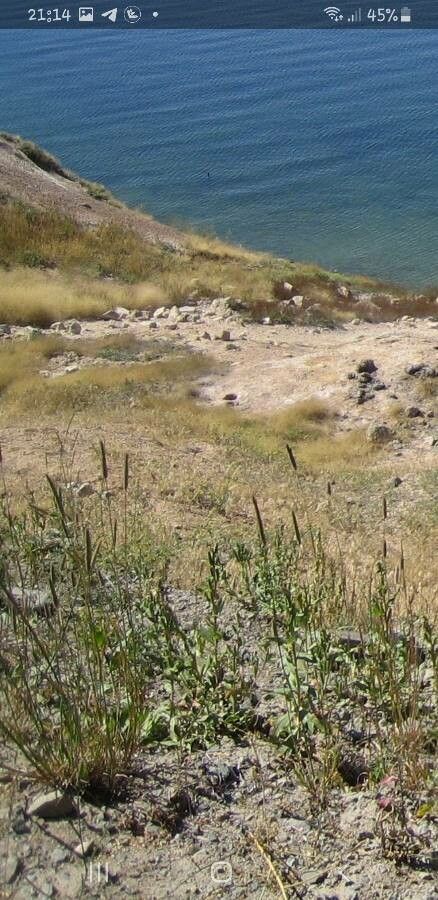
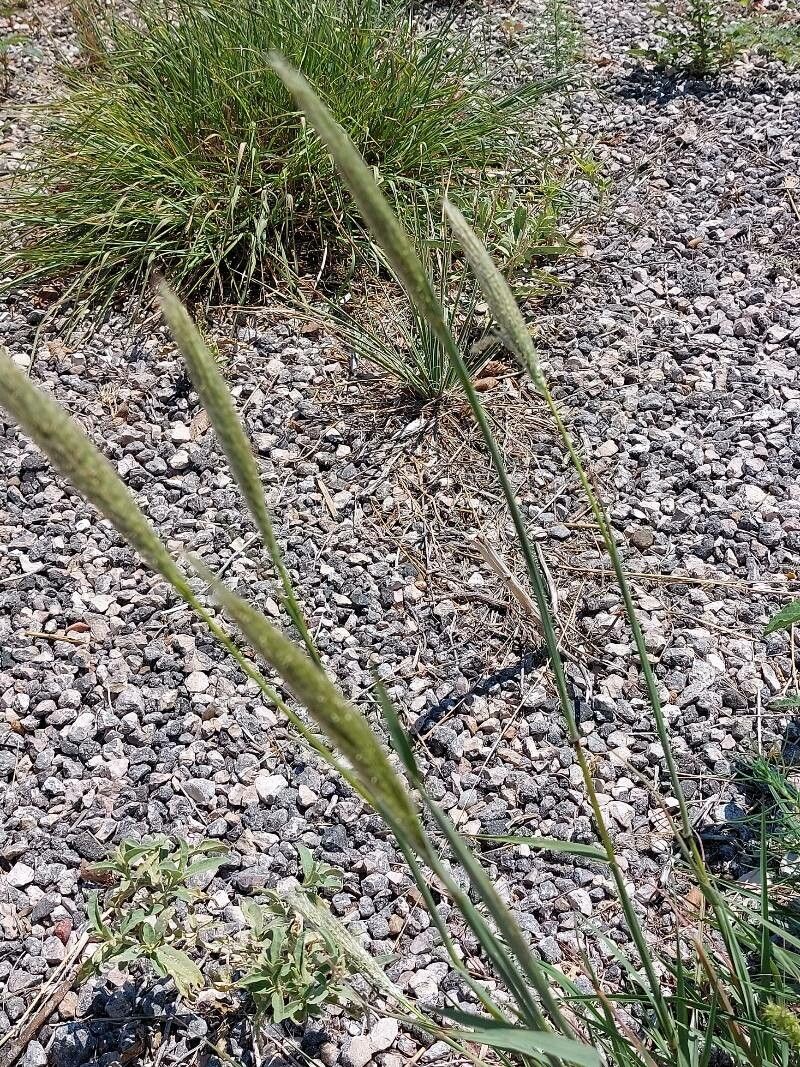
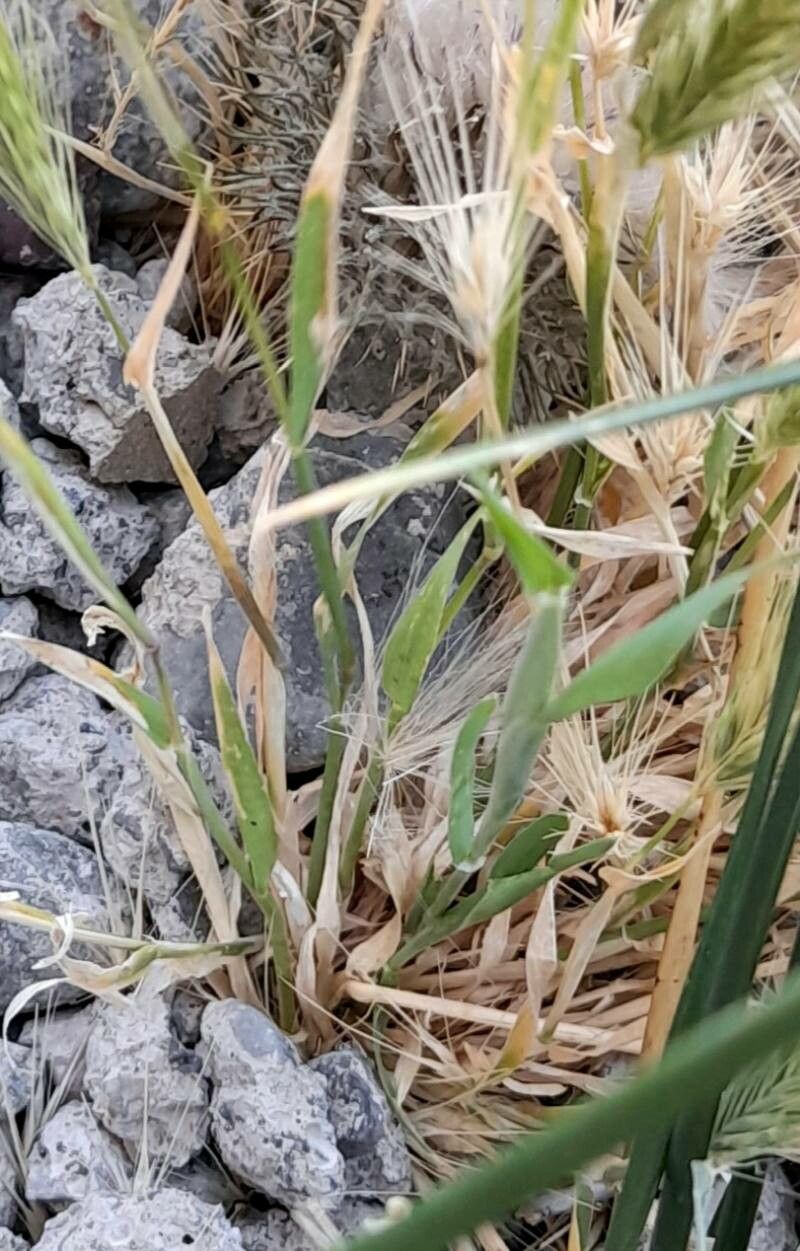
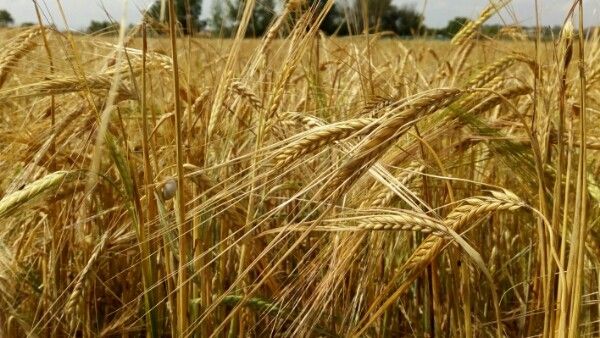
Hordeum jubatum, with common names foxtail barley, bobtail barley, squirreltail barley, and intermediate barley, is a perennial plant species in the grass family Poaceae. It occurs wild mainly in northern North America and adjacent northeastern Siberia. However, as it escaped often from gardens it can be found worldwide in areas with temperate to warm climates, and is considered a weed in many countries. The species is a polyploid and originated via hybridization of an East Asian Hordeum species with a close but extinct relative of Californian H. brachyantherum. It is grown as an ornamental plant for its attractive inflorescences and when done flowering for its infructescence.
Foxtail Barley is resistant to many diseases and is generally not prone to illness. However, it can be affected by pests and diseases present in its environment, though these problems are typically mild. For care, this plant needs moderate maintenance. It should be pruned regularly to preserve a neat appearance and support healthy growth. Fertilizing can also help encourage flowering. Foxtail Barley is suitable for anyone with outdoor space, such as a garden or patio, and does not demand a great deal of care experience. It may need more attention when grown indoors.
How to keep Hordeum Jubatum.
Light
Foxtail Barley flourishes in full sun, reflecting its origins in open habitats. Throughout its various growth stages, consistent sunlight remains essential. Excessive or insufficient light can impede its growth, producing stunted development or wilting, respectively.
Water
Foxtail barley originates from semi-arid regions and is known for its drought tolerance, requiring only moderate moisture to thrive. For optimal growth, water foxtail barley twice a week. As an outdoor plant, it thrives under varying soil moisture conditions and adapts well to fluctuations in water availability across different climates.
Temperature
Foxtail Barley is native to regions with moderate temperatures, typically between 68 and 95 °F (20 and 35 °C). During cooler months, consider a winter mulch to help regulate soil temperatures.
Fertilizer
The best time to fertilize Foxtail Barley is in early spring, when it is coming out of dormancy and starting active growth. Fertilizer supplies essential nutrients needed for healthy development. Although Foxtail Barley has relatively low fertilizer requirements, an annual application can help its survival and encourage better, longer-lasting flowers.
Pruning
Foxtail Barley is a perennial grass known for its bushy seed heads and slender leaves. For healthy growth and improved shape, it is best to prune it from early to late spring. Regular pruning helps enhance air circulation, prevent overcrowding, and reduce disease, which all contribute to the plant's overall health and appearance.
Botanical profile.
- Plant Type
- Herb
- Life Cycle
- Perennial, Annual
- Genus
- Hordeum
- Family
- Poaceae
- Hardiness Zone
- 4-8
- Mature Height
- 61 cm
- Mature Spread
- 49 cm
- Leaf Color
- Green
- Leaf Type
- Deciduous
- Flower Color
- Green, Red, Pink, Purple
- Flower Size
- 5.08 cm to 7.62 cm
- Bloom Time
- Late spring, Early summer, Mid summer
- Planting Time
- Spring, Summer, Autumn
- Harvest Time
- Mid summer
Other names.
Reader questions.
How should I water my Foxtail Barley plant?
To ensure the health of the Foxtail Barley plant, it's important to water it correctly. Using filtered water at room temperature is recommended because tap water can contain harmful particles. Since the Foxtail Barley originates from warm environments, it's best to avoid cold water, which can be a shock to the plant. Additionally, overhead watering should be avoided to prevent foliage complications. Instead, simply apply filtered room temperature water directly to the soil until it is completely saturated. This helps the plant by moistening the roots and aiding their spread through the soil to absorb necessary nutrients.
Why do I have to put plant food on my Foxtail Barley?
Fertilization is important for Foxtail Barley and other plants as it provides essential nutrients for growth. Although Foxtail Barley has relatively low fertilization needs and can sometimes survive without it, annual fertilization can greatly benefit the plant. Regular fertilization helps keep Foxtail Barley alive and may improve the quality and longevity of its flowers. Those wanting their Foxtail Barley to thrive should consider annual fertilization as part of their plant care routine.
What are the sun requirements for Foxtail Barley?
Foxtail Barley thrives in full sun, necessitating more than 6 hours of sunlight daily. It can also grow in partial sun, requiring about 3-6 hours of sunlight. It's crucial to observe how sunlight moves through your garden to find spots that offer the right balance of light and shade, ensuring the plants' well-being.
What is the native environment of Foxtail Barley?
Foxtail Barley thrives in environments with moderate temperatures, specifically thriving in the range between 68 to 95°F (20 to 35°C). It is a plant that has adapted well to conditions that offer a moderate climate, highlighting its preference for neither too hot nor too cold weather.
What do I do if I give too much or too little water to my Foxtail Barley?
Overwatering is a common issue that can harm your Foxtail Barley plant. When it receives excess water, its stems and leaves may wilt and turn yellow. Overwatering for a long time can even lead to diseases like root rot, mold, and mildew, which can be fatal. On the other hand, underwatering is less common for Foxtail Barley because it can tolerate drought. However, if it does happen, the leaves may become brittle and brown. It's essential to identify signs of overwatering early on. Some diseases caused by overwatering, like root rot, may not be treatable if you wait too long. If you notice early signs, reduce your watering schedule and check the soil quality. Replace poorly draining soil with a loose, well-draining potting mix. If you notice signs of underwatering, water your plant more regularly until the signs go away.
When should I fertilize my Foxtail Barley plant?
The best time to fertilize a Foxtail Barley is in late winter to early spring when it is transitioning from dormancy to active growth. Fertilizing during this time promotes healthy growth and sets the plant up for a successful season. Fertilizing in the early spring is generally the most beneficial, but fall is also an option. However, it is not recommended to fertilize during summer or winter.
How essential is sunlight for the growth of Foxtail Barley?
Sunlight is critical for the growth of Foxtail Barley, reflecting its natural habitat's conditions. This plant requires complete exposure to sunlight throughout its different growth stages. Insufficient or excessive light can lead to stunted development, wilting, or other growth issues. When natural sunlight is not enough, especially indoors or during winter, artificial lighting can be a vital supplement to promote healthier growth.
How does Foxtail Barley cope with colder months and what are the special cold protection measures?
During cooler months, Foxtail Barley benefits from a winter mulch to help regulate soil temperatures, thanks to its strong cold resistance. While special frost protection measures are not typically necessary, if temperatures are expected to plummet below -30°C, providing cold protection by covering the plant with soil or straw is important. Additionally, abundantly watering the plant before the first freeze in autumn ensures the soil remains moist and enters a frozen state, helping prevent drought and water scarcity during winter and early spring.
How regularly should I water my Foxtail Barley?
If your Foxtail Barley plant is in a pot, the most precise way to determine if it needs water is to insert your finger into the soil. If the top two to three inches of soil are dry, it is time to water it. If you are growing your Foxtail Barley outdoors in the ground, you can use a similar method to check the soil. Once the top few inches of soil have dried out, it is time to water. During spring and early fall, watering once a week is often sufficient. However, in extremely hot weather, you may need to water two or more times a week. It is worth noting that mature and well-established Foxtail Barley plants are able to withstand drought well.
When is it not a good idea to fertilize my Foxtail Barley?
To properly care for your Foxtail Barley, it's best to only fertilize during late winter and early spring. This plant doesn't require much fertilizer, so one feeding per year is enough. Avoid fertilizing during spring, summer, and fall to prevent overfertilization and the associated problems. However, if you skipped fertilizing in spring, you can fertilize in fall. Furthermore, there's no need to fertilize during winter when the Foxtail Barley is dormant and not actively growing.
What are the symptoms of light deficiency or excess in Foxtail Barley?
Symptoms of light deficiency in Foxtail Barley include smaller new leaves, leggy or sparse growth, faster leaf drop, slowed or halted growth, lighter-colored new leaves, and symptoms of excess light include chlorosis, sunscald, leaf curling, wilting, and leaf scorching. These symptoms indicate either a lack or excess of sunlight, each affecting the plant's health in various ways.
What are the important symptoms and solutions regarding temperature for Foxtail Barley?
Foxtail Barley is notably cold-tolerant, ideally kept when temperatures stay above 20°C and should remain above 0°C during winter. Exposure to temperatures below -30°C might not show immediate changes but can lead to decreased sprouting or no sprouting in spring. The recommended solution is to remove parts that did not sprout. In contrast, high temperatures above 35°C, especially exceeding 38°C, can cause leaves to lighten in color, curl, and become susceptible to sunburn, with the entire plant potentially wilting and drying. Solutions include trimming away sunburned and dried parts, moving the plant to a shaded location during midday and afternoon sun, or using a shade cloth, coupled with watering the plant in the morning and evening to maintain soil moisture.