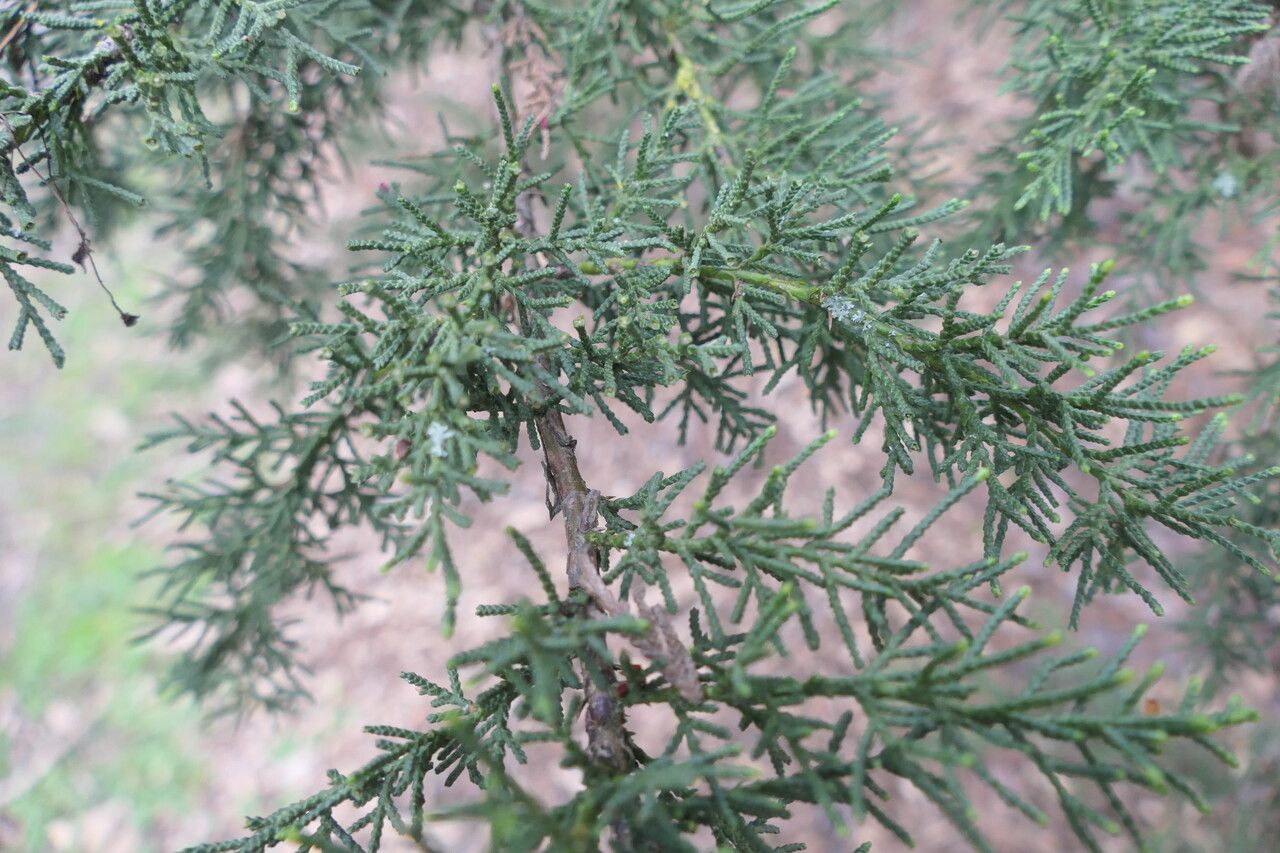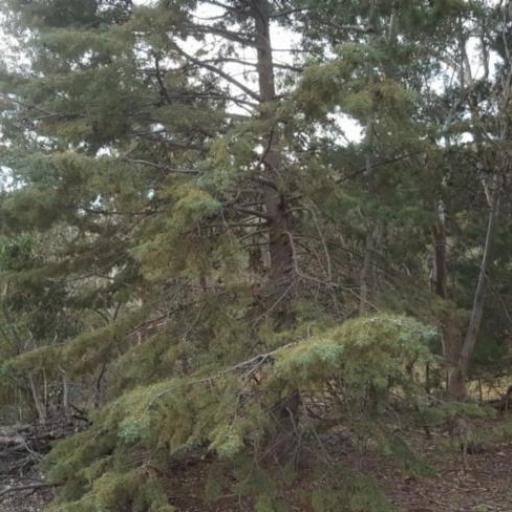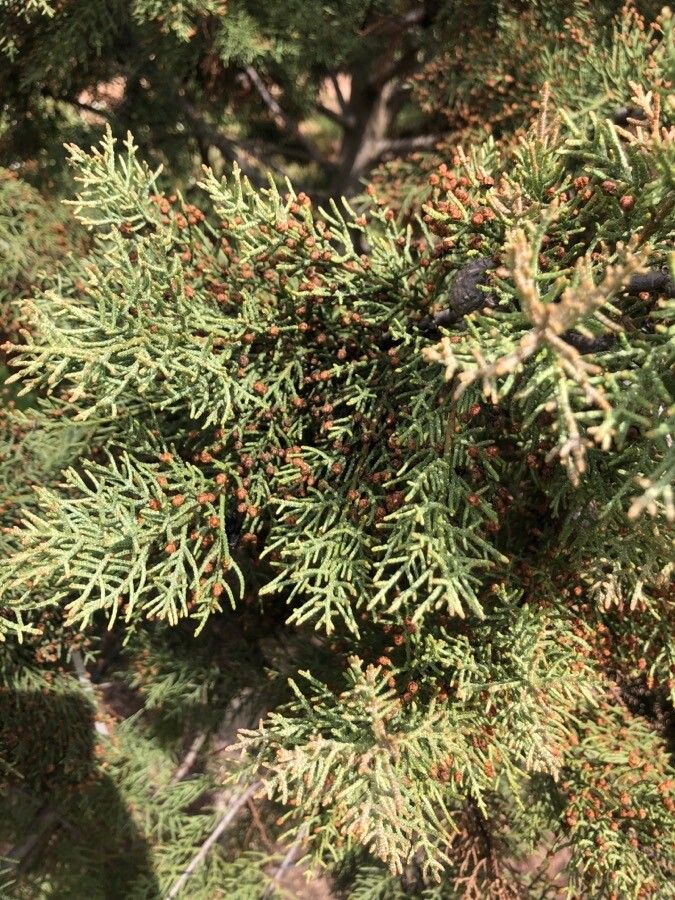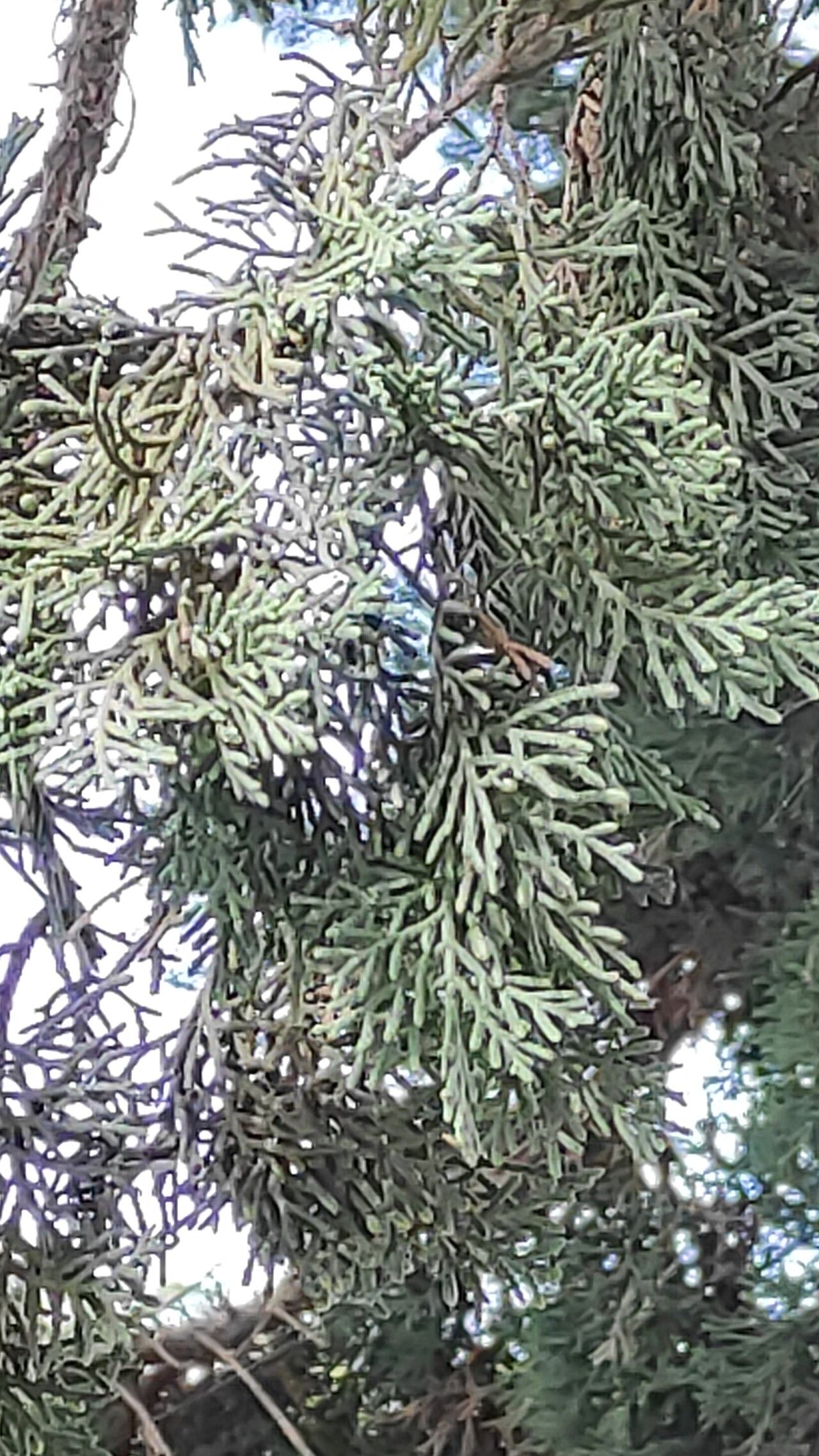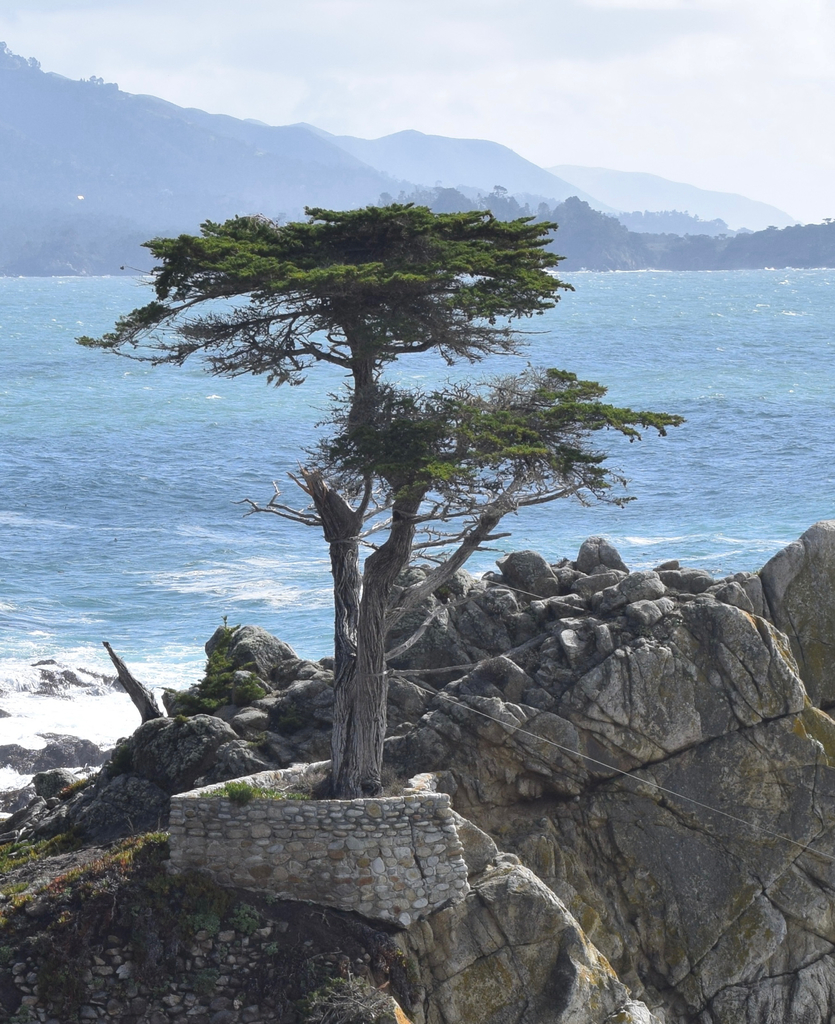
Hesperocyparis macrocarpa is a coniferous tree. It is commonly known as the Monterey cypress and is one of several species of cypress trees endemic to California. In New Zealand, where it is also widespread, it is simply known as "macrocarpa". The Monterey cypress is found naturally only on the Central Coast of California. The natural distributional range of the species during modern times is confined to two small relict populations near Carmel, California, at Cypress Point in Pebble Beach and at Point Lobos. Historically during the peak of the last ice age, Monterey cypress would have likely comprised a much larger forest that extended to the continental shelf.
Monterey cypress tends to be disease-resistant and is generally not prone to diseases. As for care, this plant is relatively low-maintenance. When grown outdoors, it requires minimal watering, and larger specimens usually do not need pruning. However, smaller plants should be pruned after they have bloomed. Monterey cypress is suitable for anyone with an outdoor area, such as a garden or deck, and does not require extensive care experience.
How to keep Hesperocyparis Macrocarpa.
Light
Monterey cypress requires abundant daily sunlight to grow well and stay healthy. It can tolerate some shade at times during the day, but a lack of consistent daily sun can potentially impair its development. Coming from regions with plentiful sun, Monterey cypress may display signs of poor growth or ill health if its sunlight is significantly reduced.
Temperature
The monterey cypress is indigenous to the coastal regions of California and Mexico, where it grows in mild temperatures ranging from 15 to 35 ℃ (59 to 95 ℉). It generally prefers moderate conditions and cannot endure extreme heat or cold. In winter, it is important to protect the plant from frost and other cold weather conditions.
Fertilizer
Monterey cypress has specific nutrient needs and does not require heavy fertilization. Spring is the best time to apply fertilizer for optimal growth. Supplying nutrients enhances its health, increases resistance to pests and diseases, and helps sustain its long lifespan.
Pot & Repot
When repotting a Monterey cypress, select a pot 1-2 inches (2.5–5.1 cm) larger with ample drainage. Use a well-draining potting mix. Repot in spring or fall, making sure the root ball sits slightly below the rim of the flower pot. Water thoroughly after repotting and place the plant in a warm spot with indirect sunlight.
Botanical profile.
- Plant Type
- Tree
- Life Cycle
- Perennial
- Genus
- Hesperocyparis
- Family
- Cupressaceae
- Hardiness Zone
- 7-10
- Mature Height
- 39.93 m
- Mature Spread
- 6.1 m to 24.08 m
- Leaf Color
- Green
- Leaf Type
- Evergreen
- Flower Color
- Yellow
- Flower Size
- 0.20 cm to 0.25 cm
- Bloom Time
- Late spring, Early summer, Mid summer
- Planting Time
- Spring, Autumn
- Harvest Time
- Mid summer, Late summer, Early fall
- Native Area
- United States