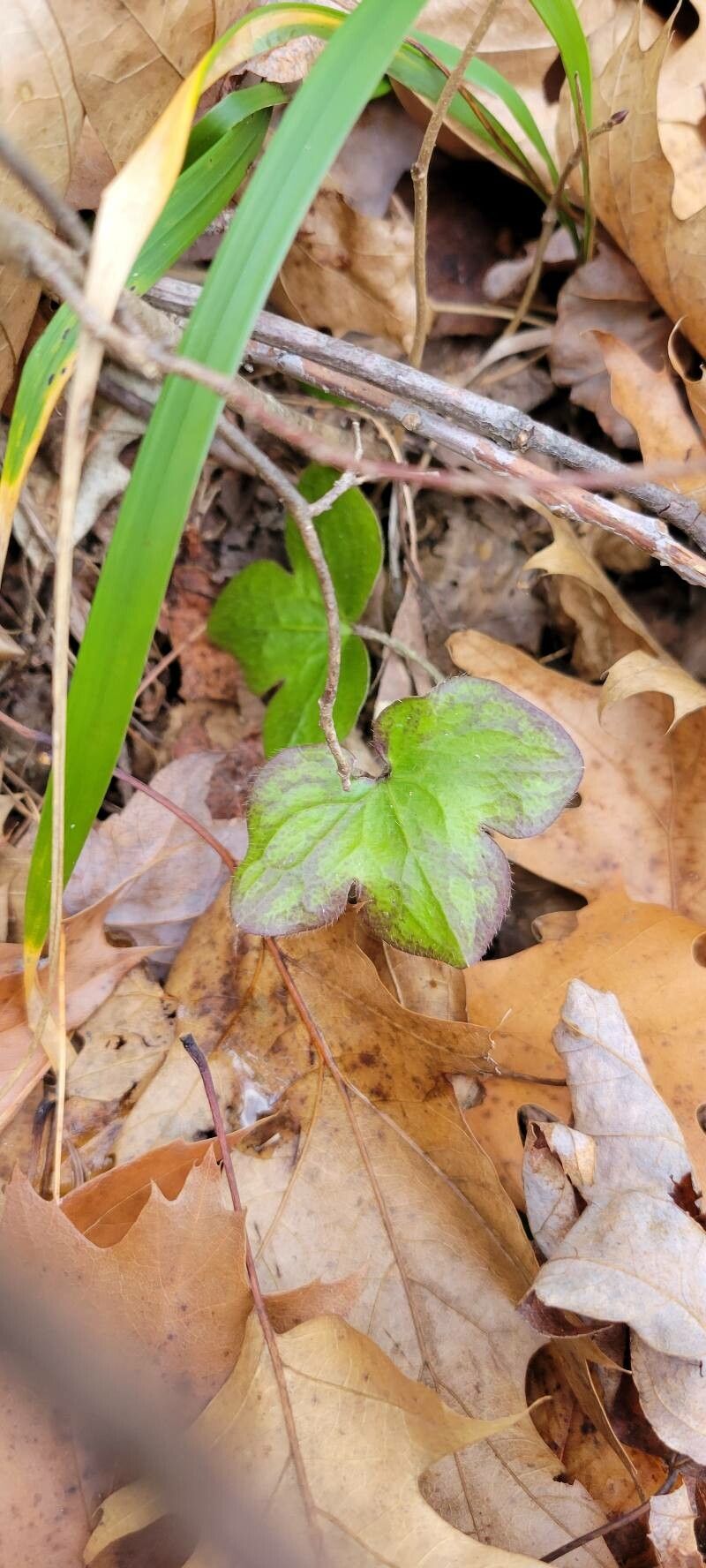
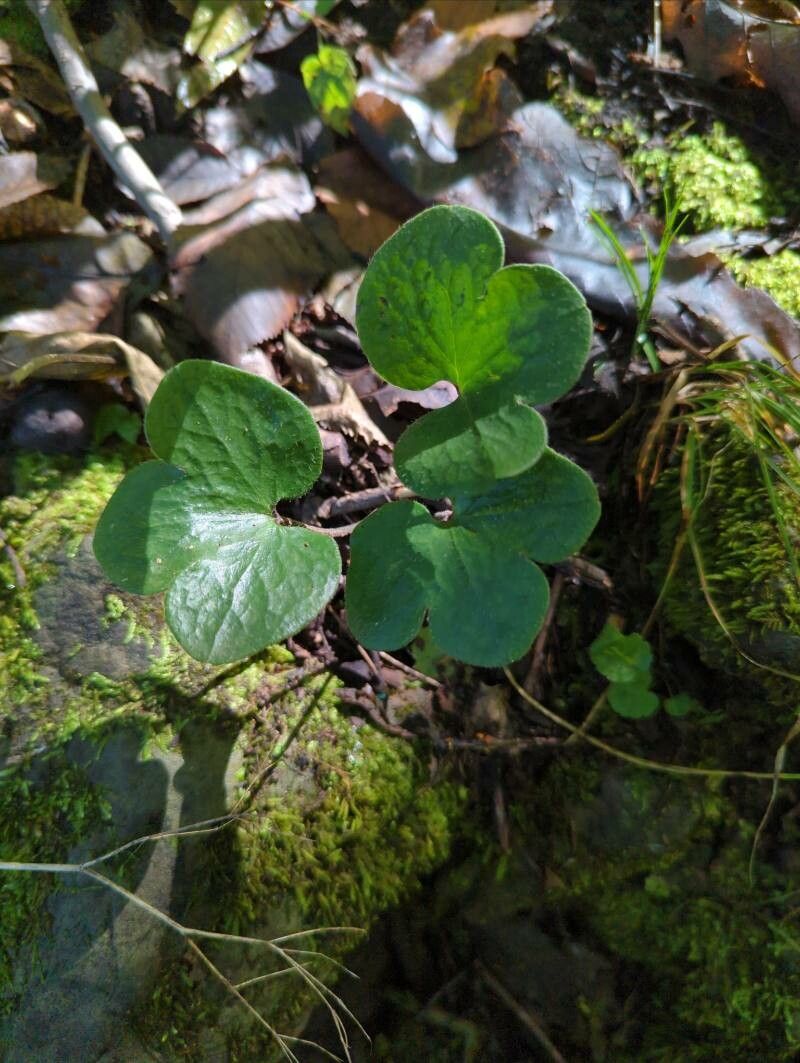
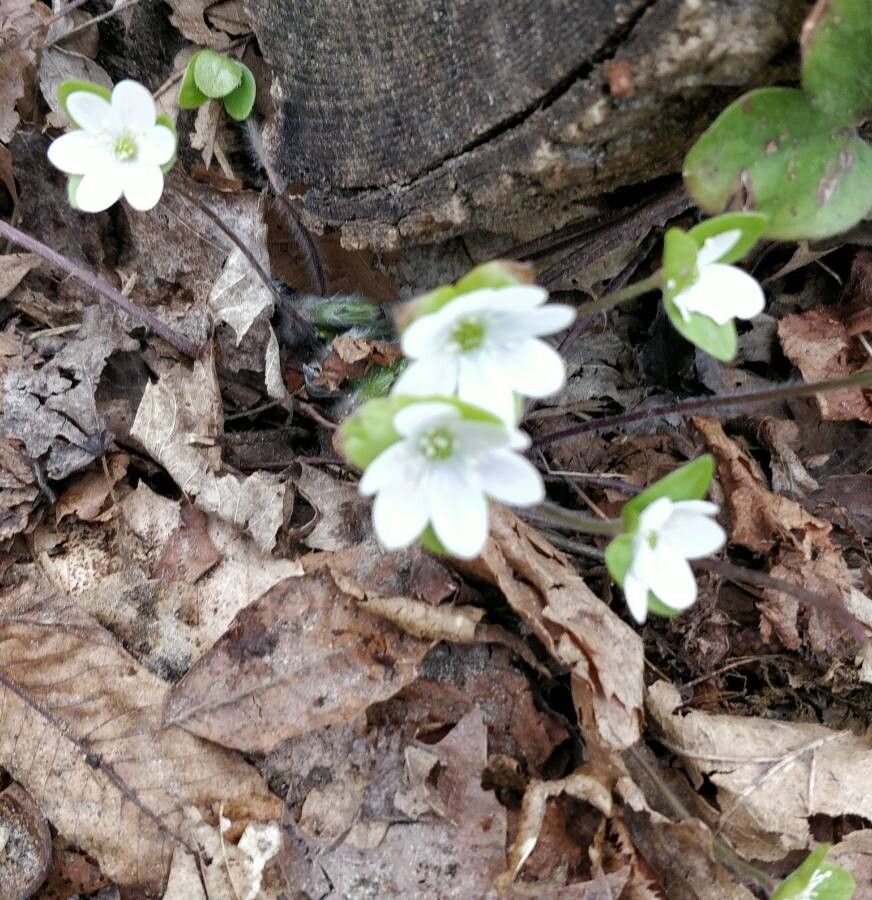
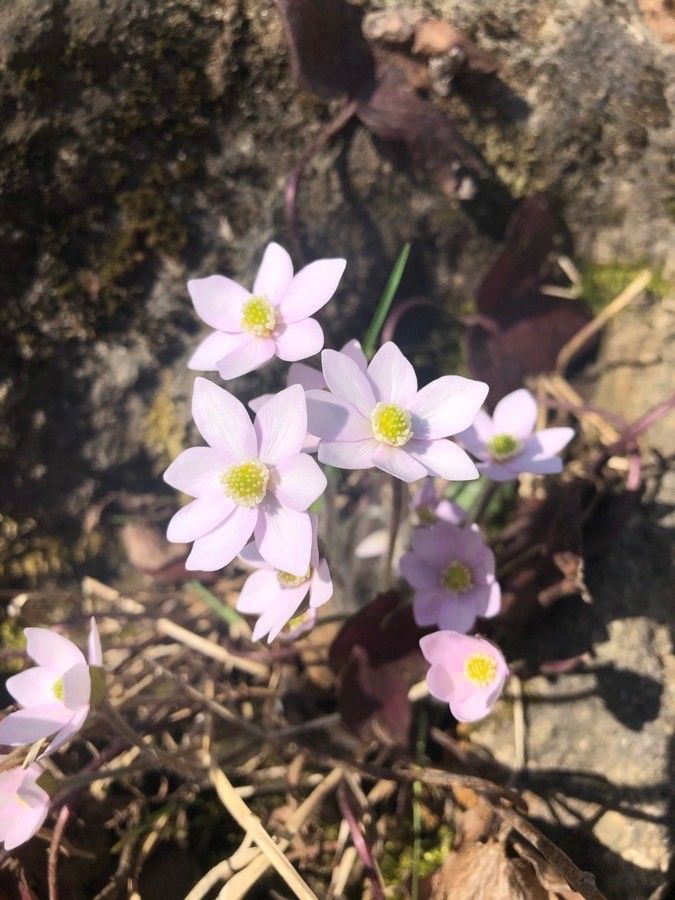
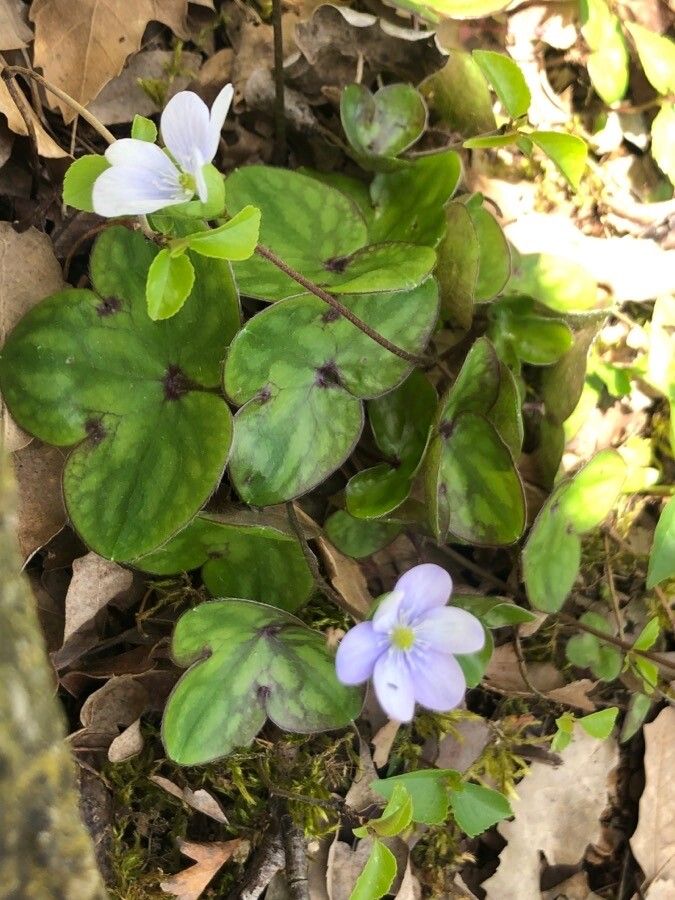
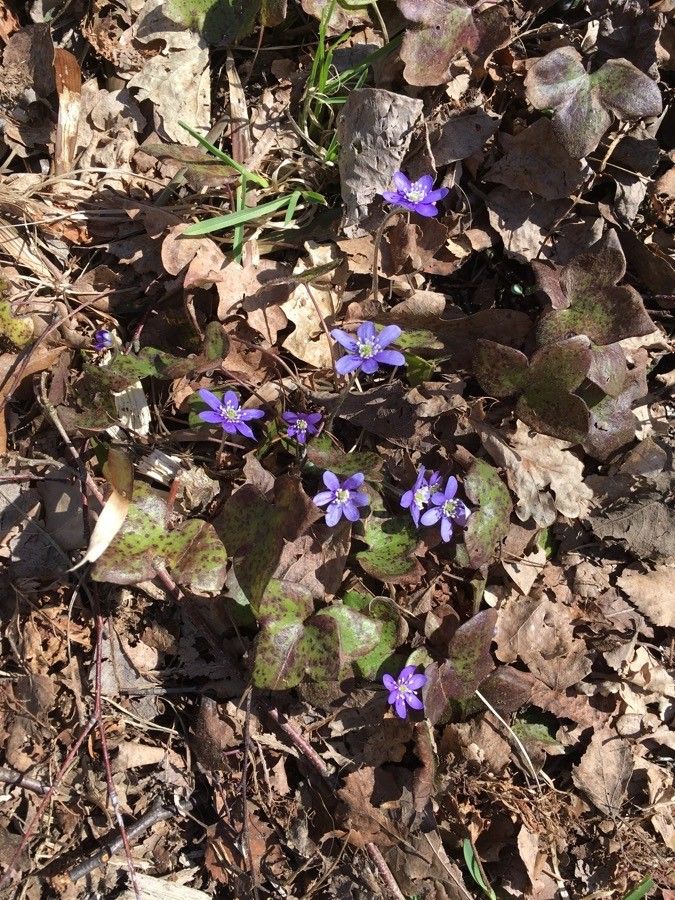
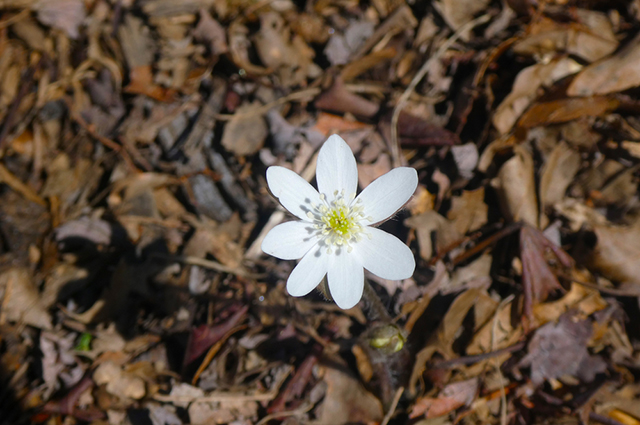
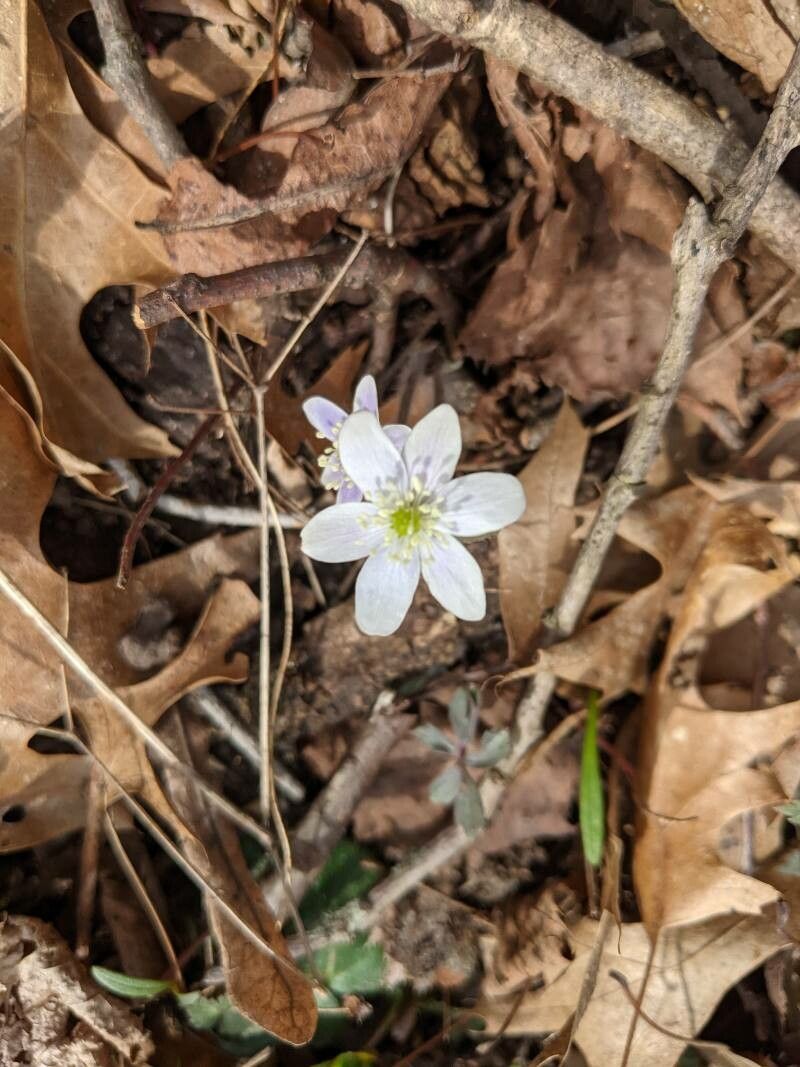
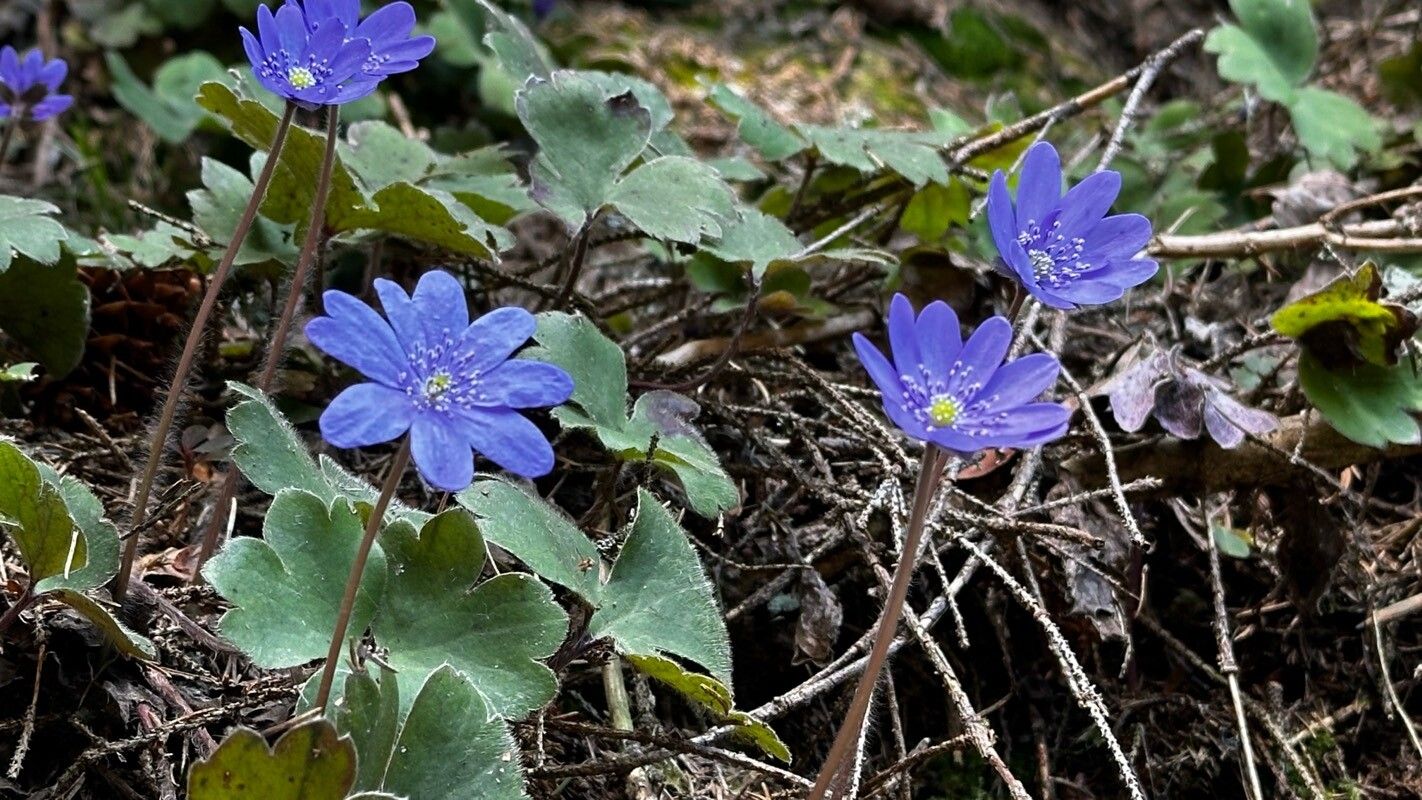
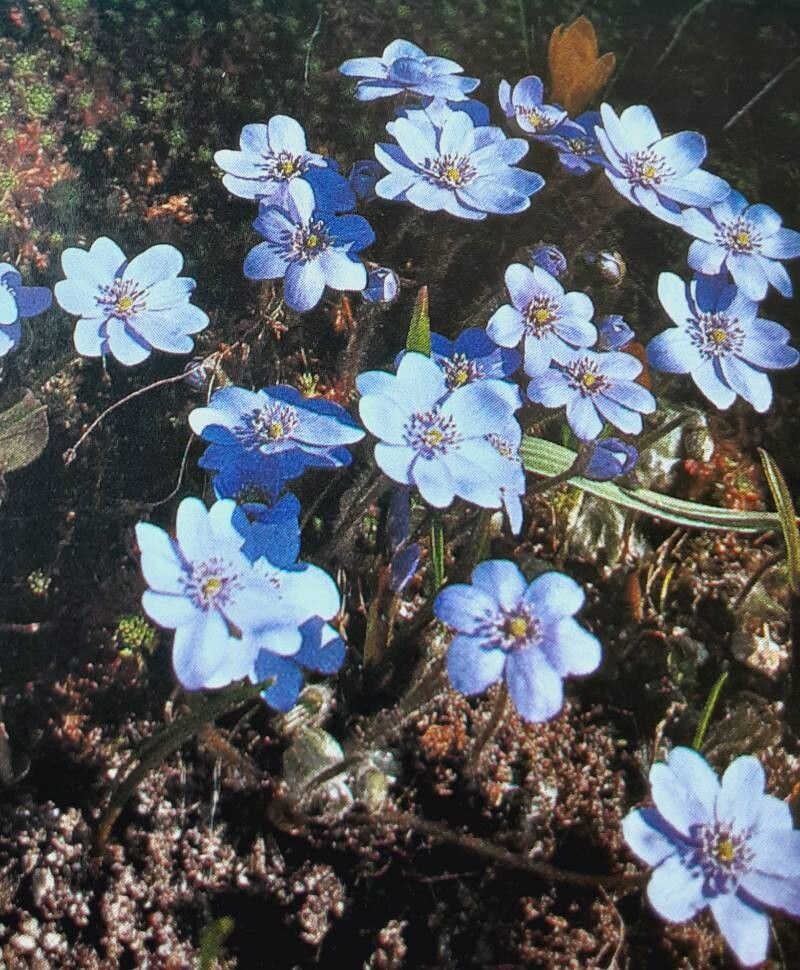
Hepatica nobilis, commonly known as liverwort or noble liverwort, is a perennial herbaceous plant in the buttercup family. Native to Europe and Asia, it thrives in woodlands, meadows, and rocky areas. This low-growing plant features leathery, three-lobed leaves and typically boasts flowers in shades of blue or purple, though pink or white variations also exist.
For centuries, Hepatica nobilis has been valued for its medicinal properties, particularly its anti-inflammatory effects. Traditionally, it was used to treat liver ailments but has also been employed to alleviate respiratory issues such as coughs and bronchitis.
Gardeners appreciate Hepatica nobilis for its early blooming in the spring, a time when few other plants are in flower. It thrives in moist soil with good drainage and partial shade.
In summary, Hepatica nobilis is a beautiful plant with both medicinal and ornamental value, capable of adding vibrant color to any garden during the early spring months.
Liverwort is quite resistant to disease and generally not susceptible to illnesses. Still, it can be affected by pests and diseases present in its environment, though these infections are usually mild. For care, this plant needs a moderate level of upkeep. It should be trimmed regularly to maintain a neat appearance and support healthy growth. Fertilizing can also help encourage flowering. Liverwort is suitable for anyone with outdoor space, such as a garden or patio, and does not demand much prior plant-care experience. It may need more attention when grown indoors.
How to keep Hepatica Nobilis.
Light
Liverwort benefits from moderate sunlight, with those conditions promoting healthy growth. It can also tolerate areas with low light. Its preference for certain light levels arises from characteristics of its native habitat. Insufficient or excessive sunlight may inhibit its growth or impair its health.
Water
Liverwort flourishes in moist, temperate woodlands, where it prefers consistently humid environments and evenly moist soil. To support its flowering, it is essential to water it weekly, especially during the growing season. It's important to avoid both waterlogged and dry conditions to maintain the delicate moisture balance it requires.
Temperature
Liverwort is indigenous to habitats with moderate temperatures, approximately 41 to 89.6 °F (5 to 32 ℃). It tolerates light frost but cannot endure prolonged freezing. In hotter periods, providing shade is recommended to help control temperatures.
Fertilizer
For Liverwort, the primary time to apply fertilizer is in early spring as the flowers begin to form. Using the proper fertilizer promotes better blooms and helps Liverwort produce attractive flowers. Fertilizing in early spring ensures strong flowering during the season and supplies energy for dormant growth phases.
Pruning
Liverwort is known for its early spring blooms and compact growth. To promote healthier growth and prevent disease, it's beneficial to do some light pruning. This includes removing dead stems and thinning out congested areas to improve air circulation. However, avoid heavy pruning, as it can stress the plant. By sticking to light pruning, you can help the plant maintain its vigorous appearance.
Pot & Repot
To encourage growth, repot liverwort every 2-3 years in early spring. Choose a slightly larger container and place it in bright, indirect light. Be careful not to overwater. This care routine supports liverwort's recovery and helps it thrive, resulting in healthy foliage and blooms. Happy repotting!
Botanical profile.
- Plant Type
- Herb
- Life Cycle
- Perennial
- Genus
- Hepatica
- Family
- Ranunculaceae
- Hardiness Zone
- 4-8
- Mature Height
- 5 cm to 15 cm
- Mature Spread
- 10 cm to 11 cm
- Leaf Color
- Green, Silver
- Leaf Type
- Evergreen
- Flower Color
- Lavender, White
- Flower Size
- 2.54 cm to 5.08 cm
- Bloom Time
- Early spring, Mid spring
- Planting Time
- Spring
- Harvest Time
- Late spring, Early summer
- Native Area
- Austria, Sweden, Slovakia, Montenegro, Croatia, Slovenia, Belarus, Russia, Germany, Canada, Estonia, Koppen, Romania, South Korea, Latvia, France, Czech Republic, Bulgaria, Poland, Greece, Serbia, Lithuania, Norway, Italy, Spain, Switzerland, Denmark, Japan, Finland, Albania, Hungary
Other names.
Reader questions.
How should I water my Liverwort plant?
To properly water the Liverwort, it's important to use filtered water at room temperature. Tap water may contain harmful particles, so filtered water is preferred. The reason for using room temperature water is that the Liverwort is used to warm environments and cold water can be a shock to its system. Additionally, it's best to avoid overhead watering as it can cause issues with the foliage. Instead, apply the filtered room temperature water directly to the soil until it is completely soaked. This helps to moisten the roots and allows them to spread through the soil to collect the necessary nutrients.
Why is it important to add fertilizer to my Liverwort?
Liverwort leaves are a crucial part of its structure. Proper fertilization is key in maintaining their look and function. Fertilization supports consistent leaf color and healthy texture. It also benefits the plant beneath the soil by promoting new root growth and maintaining the existing root system. This not only ensures the plant's current health but also enhances its ability to absorb soil nutrients in the future.
What are the sunlight requirements for Liverwort?
Liverwort thrives under conditions of moderate sunlight and can tolerate low light levels, which mirrors the traits of its native habitat. For optimal growth, it's important to provide it with about 3-6 hours of sunlight daily (partial sun). However, it can also survive in full shade, where it receives less than 3 hours of sunlight. It's crucial to observe how sunlight moves through your garden throughout the day to find the perfect balance of light and shade, ensuring the wellbeing of your Liverwort plants. Inadequate or extreme sunlight exposure may negatively impact the plant’s health or stunt its growth.
What is the ideal temperature range for Liverwort?
Liverwort thrives in moderate temperature environments, with an ideal temperature range between 41°F (5°C) and 89.6°F (32°C). Although it has strong cold resistance and can handle slight frost, it is not suited for extended periods of freezing. In contrast, during hotter seasons, it is advisable to provide strategic shading to manage temperature control effectively.
What can I do if I give my Liverwort too much or too little water?
It's important to avoid both overwatering and underwatering your Liverwort, but overwatering is a more common problem. When the plant receives too much water, its stems and leaves may wilt and turn yellow. Overwatering can also lead to diseases like root rot, mold, and mildew, which can be fatal for your plant. While underwatering is less common because the Liverwort has good drought tolerance, it's still possible. In such cases, the leaves may become brittle and brown. It's crucial to recognize the signs of overwatering early on. Diseases like root rot may become irreversible if not addressed promptly. Reduce your watering schedule if you notice early signs of overwatering and consider replacing poorly draining soil with a loose, well-draining potting mix. If signs of underwatering are present, simply water your plant more regularly until the signs subside.
What is the best time to add fertilizer to my Liverwort plant?
If you have Liverwort growing outdoors, it will start to grow new leaves in early spring. This is a signal to start fertilizing the plant for the year. Generally, one application of fertilizer in spring is sufficient for healthy growth. However, if you want to maximize growth, you can feed the Liverwort multiple times in spring and early summer. In this case, you can fertilize the plant every month to a month and a half.
How should artificial lighting be used for indoor Liverwort plants?
For indoor Liverwort plants, particularly when natural sunlight is insufficient, such as during winter or in dimly lit spaces, artificial lighting can be crucial for promoting healthy growth. LED lights are recommended because they can be tailored to provide specific wavelengths needed by your plants. The intensity of the light should be adjusted according to the type of plant: full sun plants require 30-50W/sq ft, partial sun plants need 20-30W/sq ft, and full shade plants need 10-20W/sq ft. The artificial light source should be placed 12-36 inches above the plant and be kept on for 8-12 hours per day to mimic natural daylight conditions.
How should Liverwort be protected during winter?
While Liverwort typically does not require special frost protection measures due to its cold resistance, precautions should be taken if winter temperatures are expected to drop below -30°C. Cold protection can be implemented by covering the plant with soil or straw. Additionally, it is beneficial to water the plant abundantly before the first freeze in autumn to ensure the soil remains moist and enters a frozen state, thereby preventing drought and water scarcity for the plant during winter and early spring.
How often should I give water to my Liverwort?
If your Liverwort plant is in a pot, the most precise way to determine if it needs water is by checking the soil. Stick your finger into the soil and if the top two to three inches are dry, it's time to water it. If you have your Liverwort planted outdoors in the ground, you can use a similar method. Once the first few inches of soil have dried out, it's time to water. Usually, this means watering about once a week during spring and early fall. However, during extremely hot weather, you may need to water twice a week or even more. It's worth noting that mature, established Liverwort plants can tolerate drought fairly well.
When should I not add fertilizer to my Liverwort?
During the late fall and winter, your Liverwort goes into a dormant phase and stops producing new growth. So, it's best to avoid fertilizing it during this time. In spring and summer, if you decide to fertilize multiple times, it's important to reduce the fertilization rate as summer approaches because the Liverwort's growth rate slows down. In general, it's not a good idea to fertilize your Liverwort when the weather is unusually hot or the soil is extremely dry. Fertilizing in these conditions can put stress on your Liverwort and cause it to die prematurely.
What are the symptoms of inappropriate light conditions for Liverwort?
Liverwort may exhibit several symptoms if it's not receiving the appropriate amount of light. Symptoms of insufficient light include smaller new leaves, leggy or sparse growth, faster leaf drop, slower or no new growth at all, and lighter-colored or pale new leaves. Excessive sunlight exposure can lead to chlorosis (leaves turning yellow due to chlorophyll breakdown), sunscald (damage from intense sunlight), leaf curling (as a defense mechanism to reduce surface area exposed to sunlight), wilting (loss of turgor pressure), and leaf scorching (brown, dry, and crispy leaf edges). These signs indicate that the plant's health could be at risk and adjustments in light exposure may be necessary.
What are the signs of temperature stress in Liverwort and how can they be mitigated?
Signs of low temperature stress in Liverwort include the absence of noticeable changes during winter but a potential decrease in sprouting or even no sprouting during springtime, especially if temperatures fall below -30°C. The solution is to remove any parts that have failed to sprout in spring. For high temperature stress, symptoms include leaves becoming lighter in color, curling, susceptibility to sunburn, and in severe cases, wilting and drying of the entire plant when temperatures exceed 35°C. Mitigation involves trimming away sunburned and dried-up parts, moving the plant to a shaded location or using a shade cloth, and watering in the morning and evening to keep the soil moist.