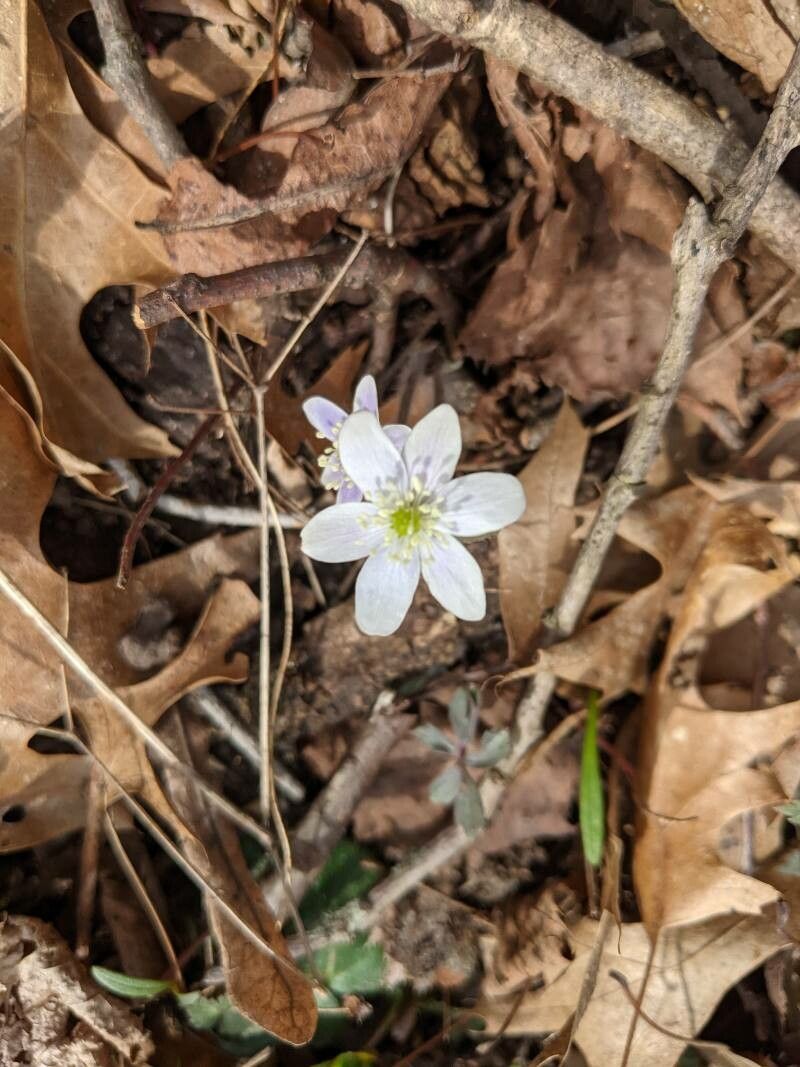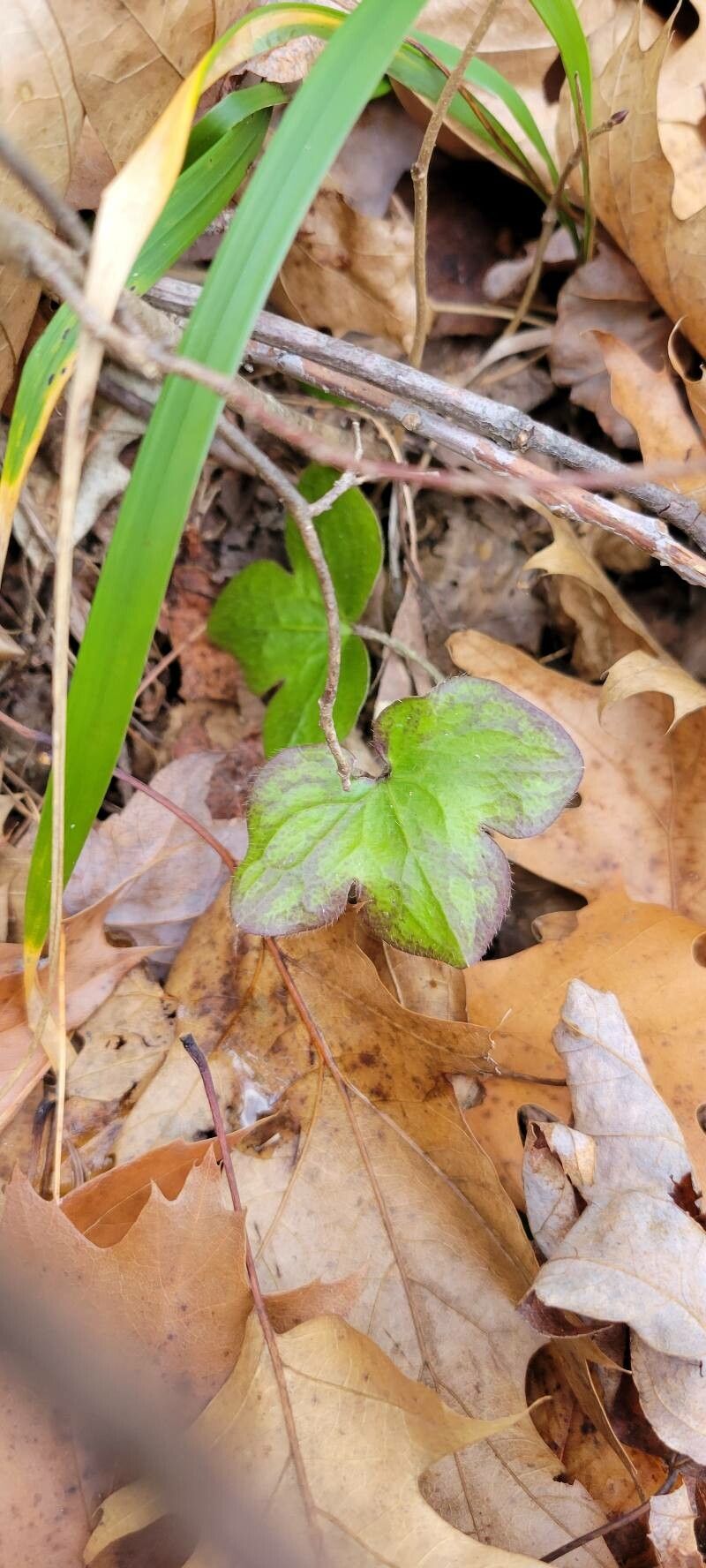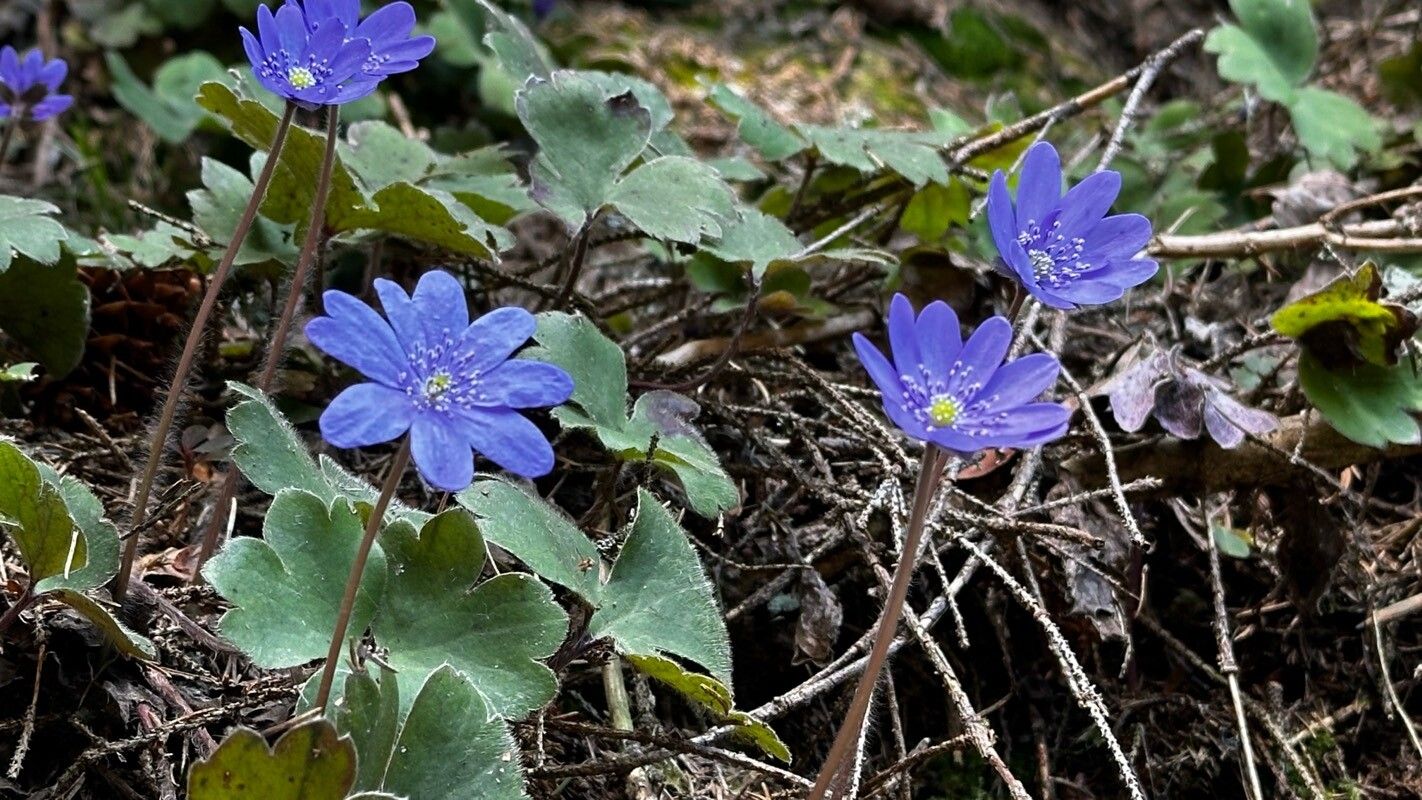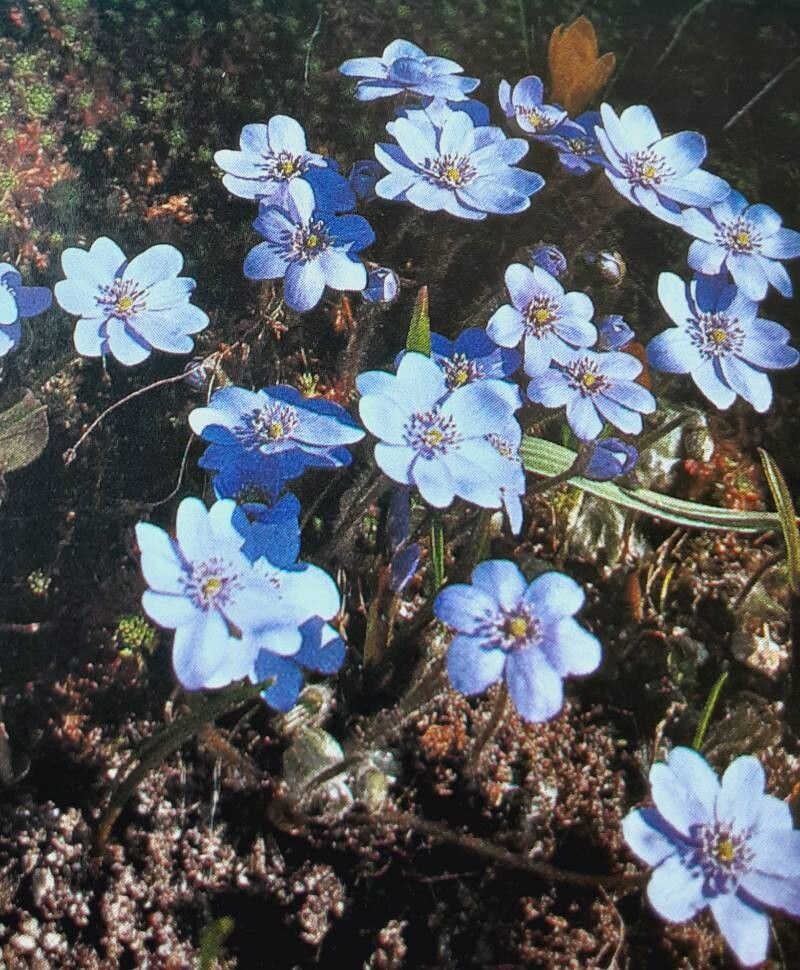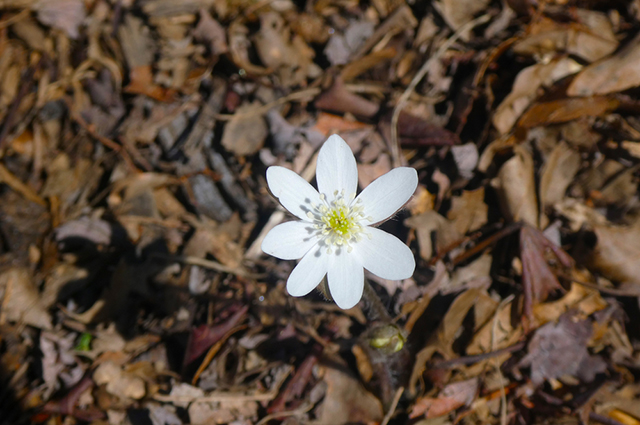
The Hepatica acutiloba is a semi-evergreen perennial known as the Sharp-lobed Hepatica. This woodland wildflower produces small, bowl-shaped blooms in white, pale pink, or pale lavender colors. Its spring blossoms are rich in nectar and attract many pollinators. During the night or on cloudy days, the flowers close and upon again in the morning. The leaves are deeply lobed, dividing it into three sharply pointed sections. They take on a russet red and deep purple hue in the fall and persist year-round as an evergreen in shady spots.
Sharplobe hepatica has strong resistance to disease and is generally not susceptible to illnesses. However, it can be vulnerable to pests and diseases present in its surroundings. Such infections are typically mild. Regarding care, this plant requires moderate upkeep. It should be pruned regularly to preserve an attractive appearance and healthy growth. Applying fertilizer can also encourage flowering. Sharplobe hepatica is appropriate for anyone with an outdoor area, such as a garden or patio, and does not demand extensive care experience. It may need more attention when grown indoors.
How to keep Hepatica Acutiloba.
Light
Sharplobe hepatica does best in spots with moderate sunlight, for example beneath the dappled shade of taller vegetation. This promotes healthy growth while preventing sunscald. Native to areas with a tree canopy, it can tolerate not receiving full sun all day. Too much or too little light can cause the plant to decline.
Water
This isn't a drought-resistant plant. It does best in consistently moist soils. If you have a dry spell, you will need to water the plant, and mulching can help to retain this moisture.
Temperature
Sharplobe hepatica is native to cooler climates and does best at temperatures between 41 and 90 °F (5 to 32 ℃). It tolerates low temperatures in winter but requires cooler summer months to grow healthily.
Fertilizer
The best time to fertilize a Sharplobe hepatica is in early spring, as it comes out of dormancy and begins active growth. Fertilizing supplies essential nutrients for healthy growth. While Sharplobe hepatica has relatively low fertilizer needs, yearly fertilization can improve its survival and encourage better, longer-lasting flowers.
Pruning
Sharp-lobed Hepatica can be pruned of dead, damaged, or diseased parts. You may also remove spent flowers to prevent vigorous spreading.
Botanical profile.
- Plant Type
- Herb
- Life Cycle
- Perennial
- Genus
- Hepatica
- Family
- Ranunculaceae
- Hardiness Zone
- 4-8
- Mature Height
- 10 cm to 23 cm
- Mature Spread
- 20 cm to 30 cm
- Leaf Color
- Green, Red, Purple
- Leaf Type
- Semi-evergreen
- Flower Color
- White, Pink, Purple, Blue
- Flower Size
- 2.54 cm
- Bloom Time
- Late winter, Early spring
- Planting Time
- Autumn
- Harvest Time
- Mid spring, Late spring