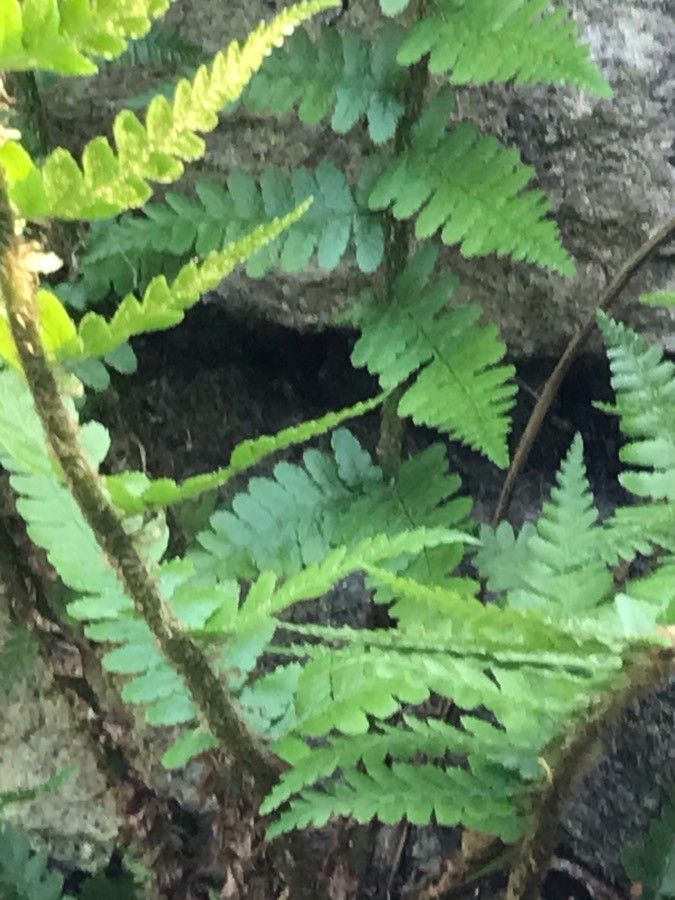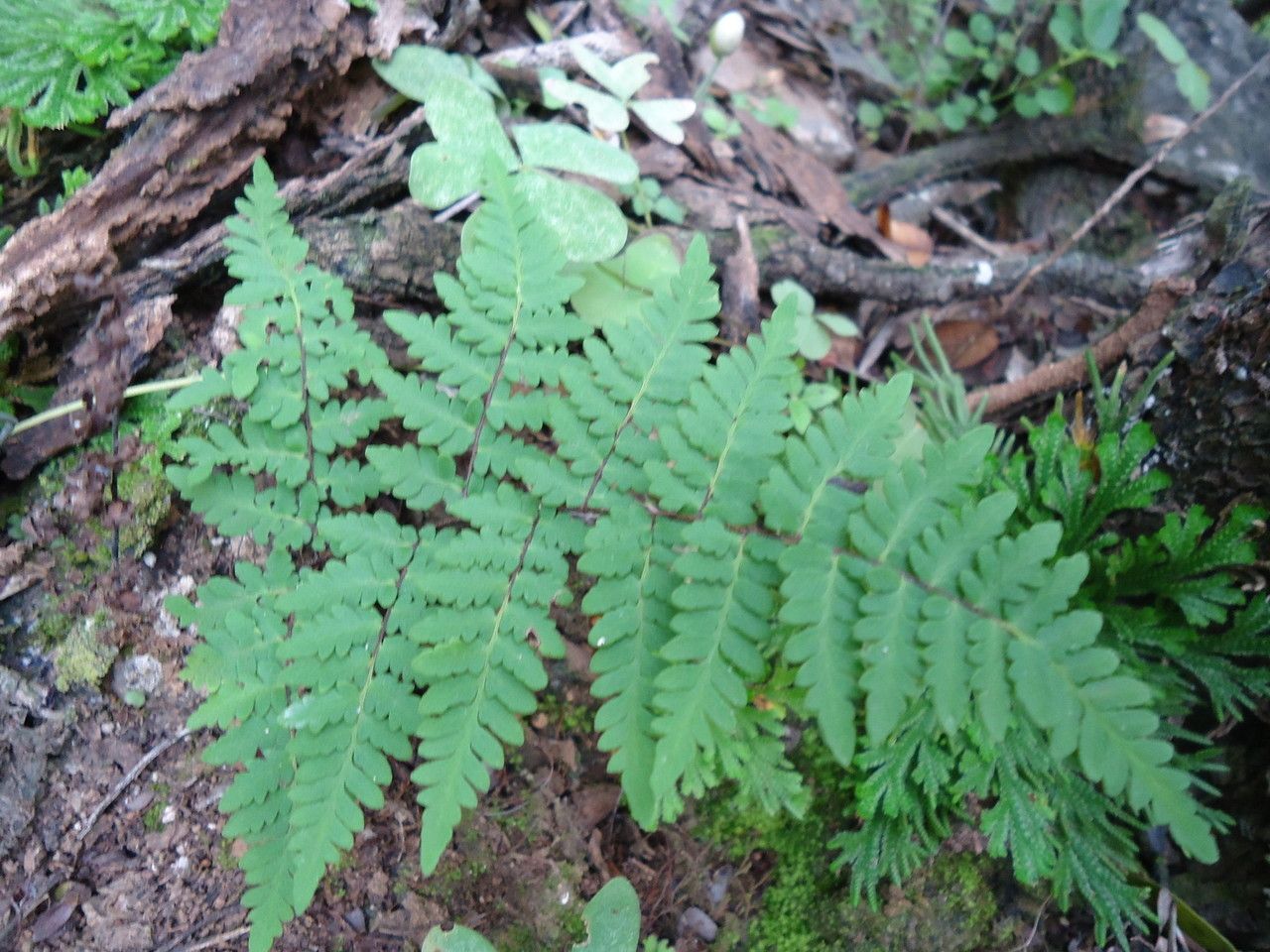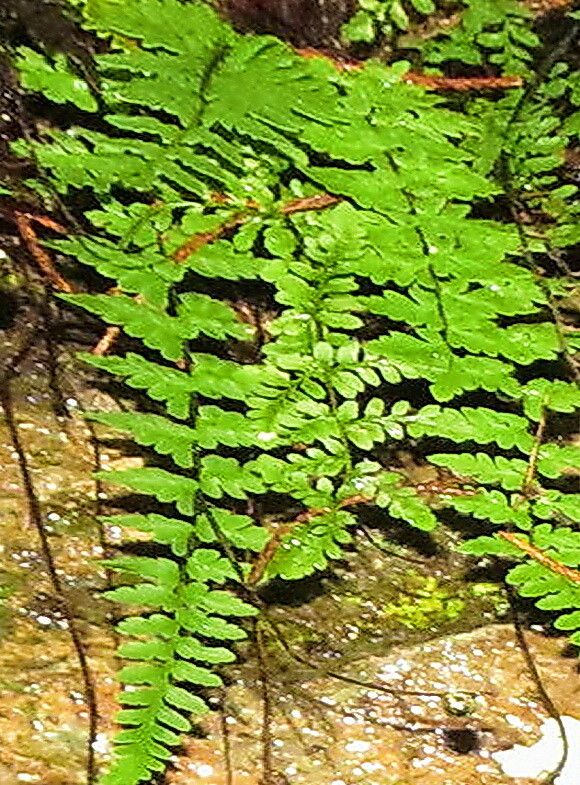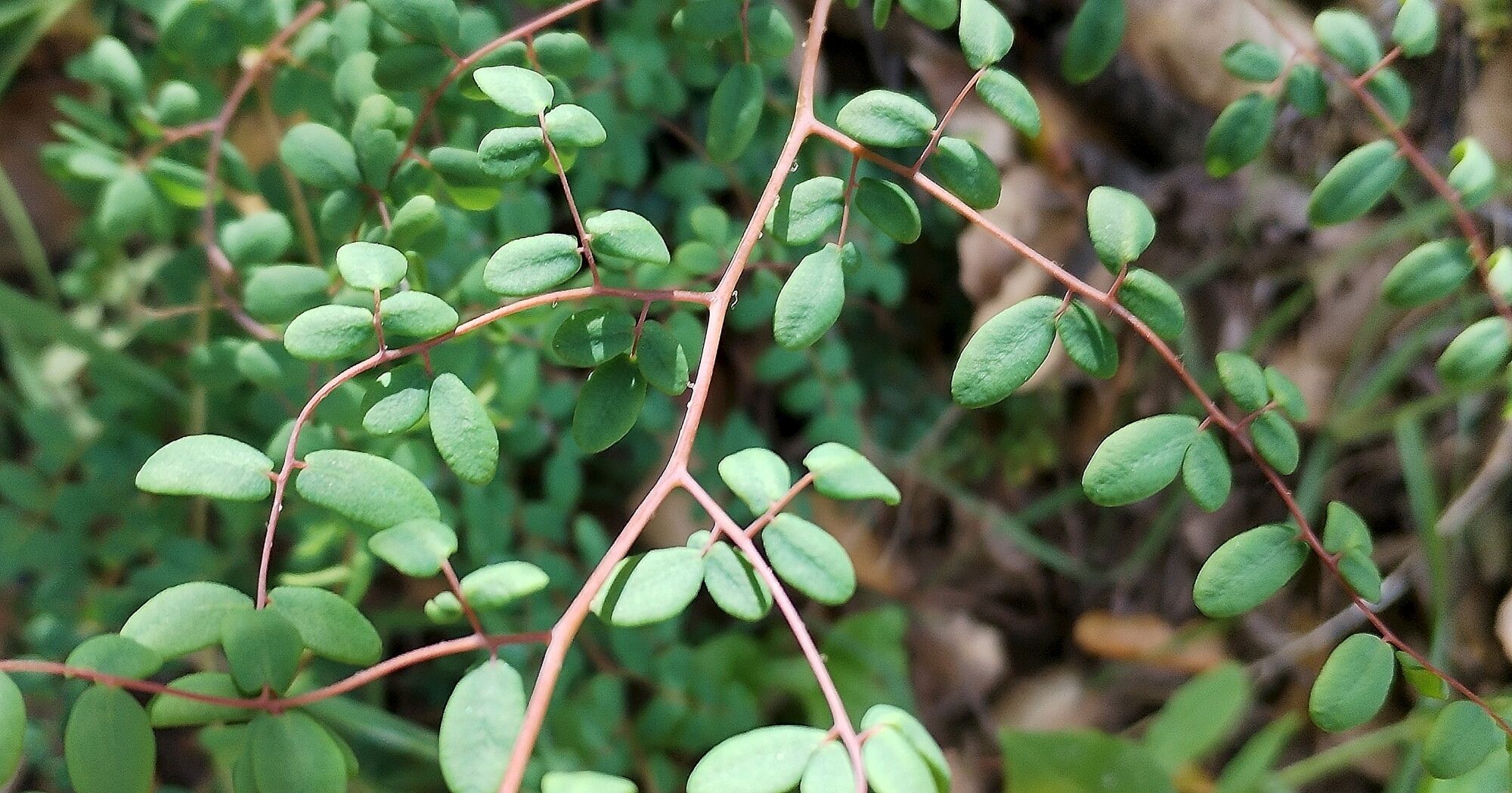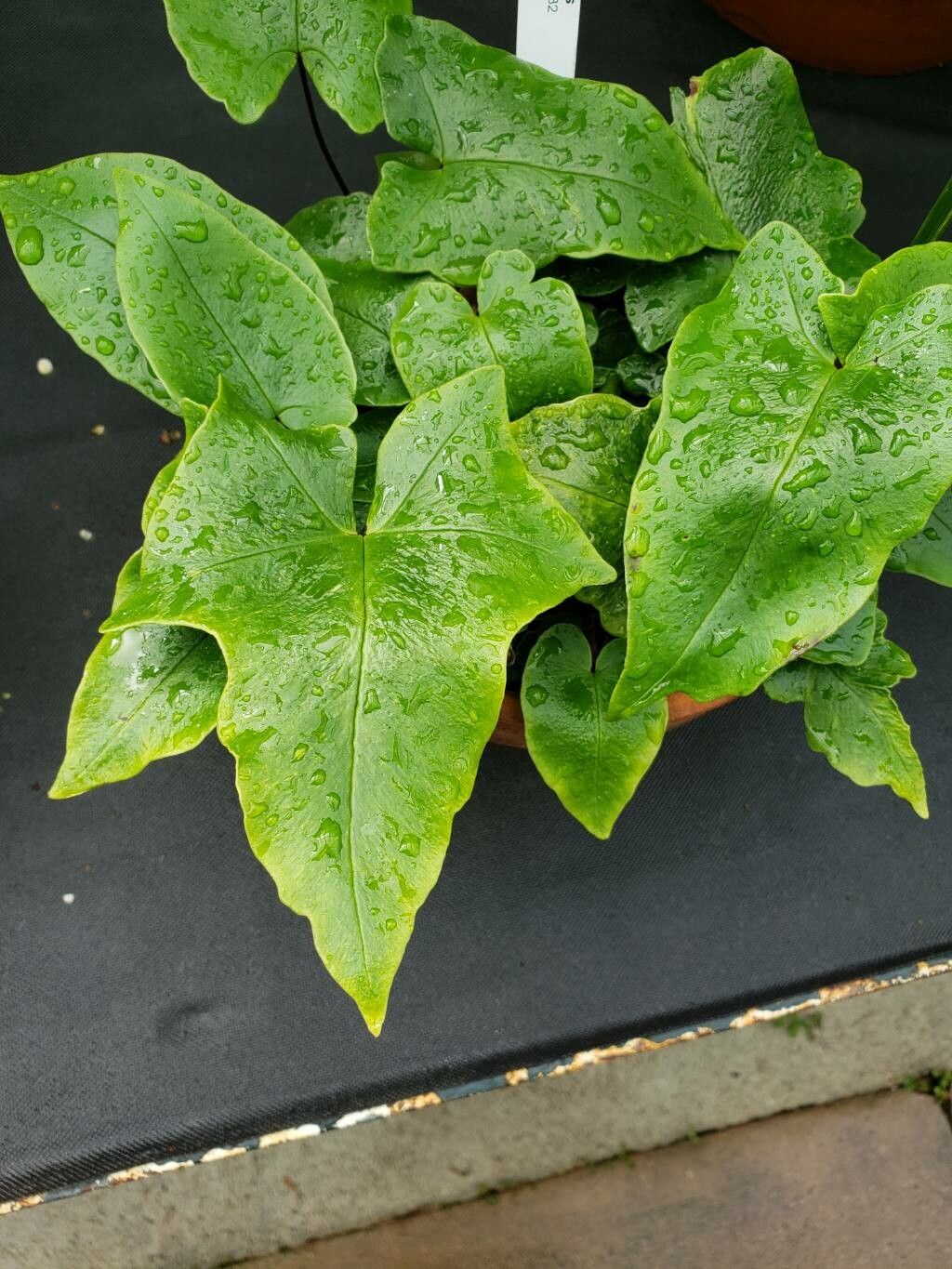
Fern is largely resistant to disease and faces relatively few insect pests. Its care is rated difficult because it needs a moist environment and frequent watering. The roots can rot if the plant is overwatered or kept in poorly ventilated conditions. Fern is best for growers with some experience — many people can keep it alive for a time, but it may struggle to thrive and its leaves can dry out and deteriorate over time.
How to keep Hemionitis Ludens.
Light
The fern does well in well-lit areas and does not require complete exposure. In its natural setting it prospers where light and shade alternate. Too much exposure can be damaging, and too little light will impede its healthy growth.
Temperature
The fern comes from tropical areas where the climate is generally warm and humid. Consequently, it is well adapted to high heat and moisture. It is sensitive to abrupt temperature shifts and prefers a steady thermal environment, so avoiding temperature fluctuations indoors is important. It typically cannot tolerate cold conditions and needs warmer temperatures to grow. If the surrounding temperature falls too low, the plant’s growth may stop or it may die.
Botanical profile.
- Plant Type
- Fern
- Life Cycle
- Perennial
- Genus
- Hemionitis
- Family
- Pteridaceae
- Hardiness Zone
- 10-12
- Mature Height
- 20 cm to 61 cm
- Mature Spread
- 20 cm to 40 cm
- Leaf Color
- Green
- Leaf Type
- Evergreen
- Planting Time
- Spring, Summer, Autumn
- Native Area
- Nepal, India, Malaysia, Cambodia, Vietnam, Myanmar, Philippines, Bangladesh, Laos, Thailand, China