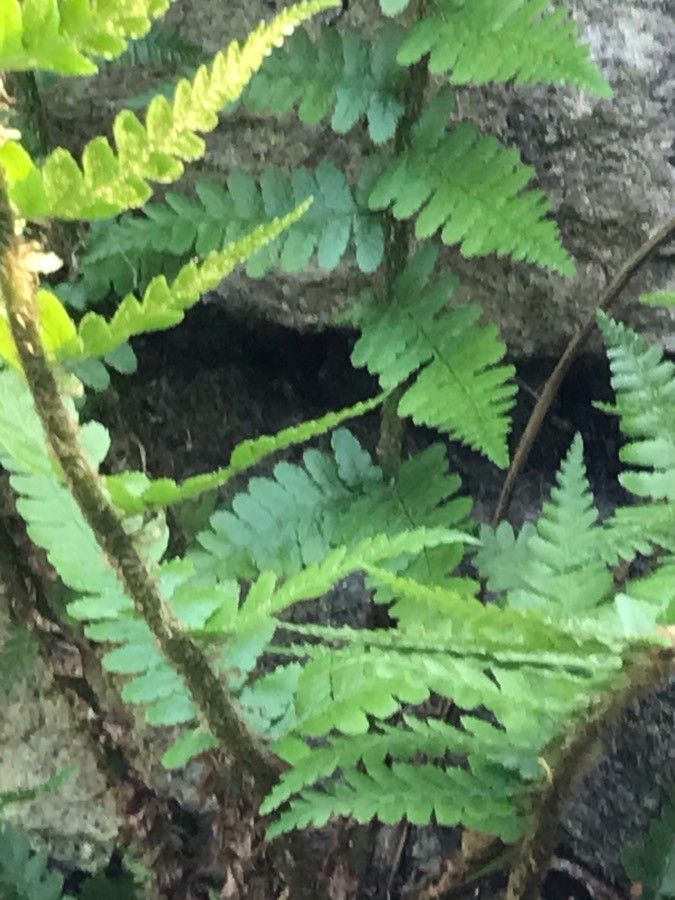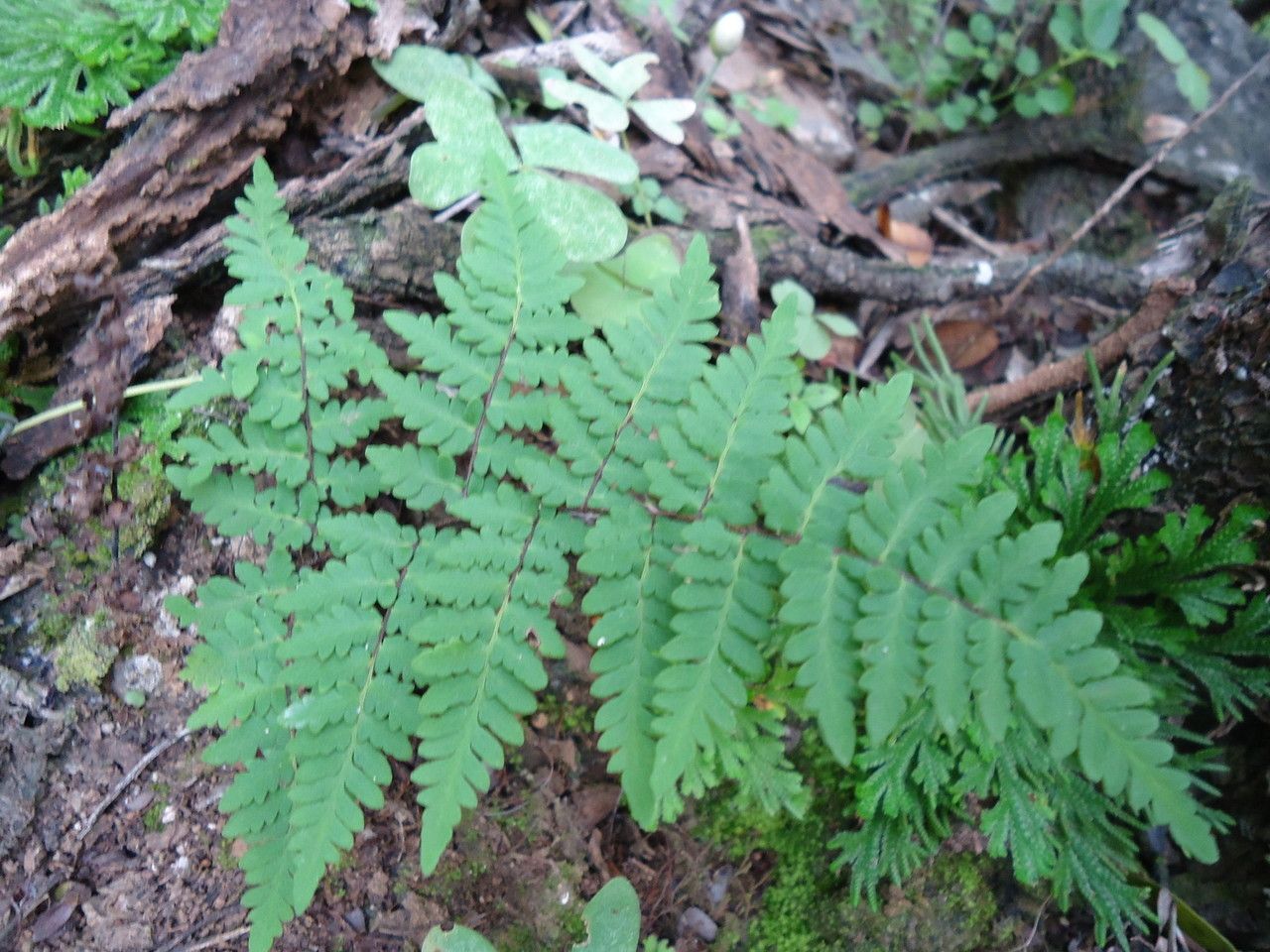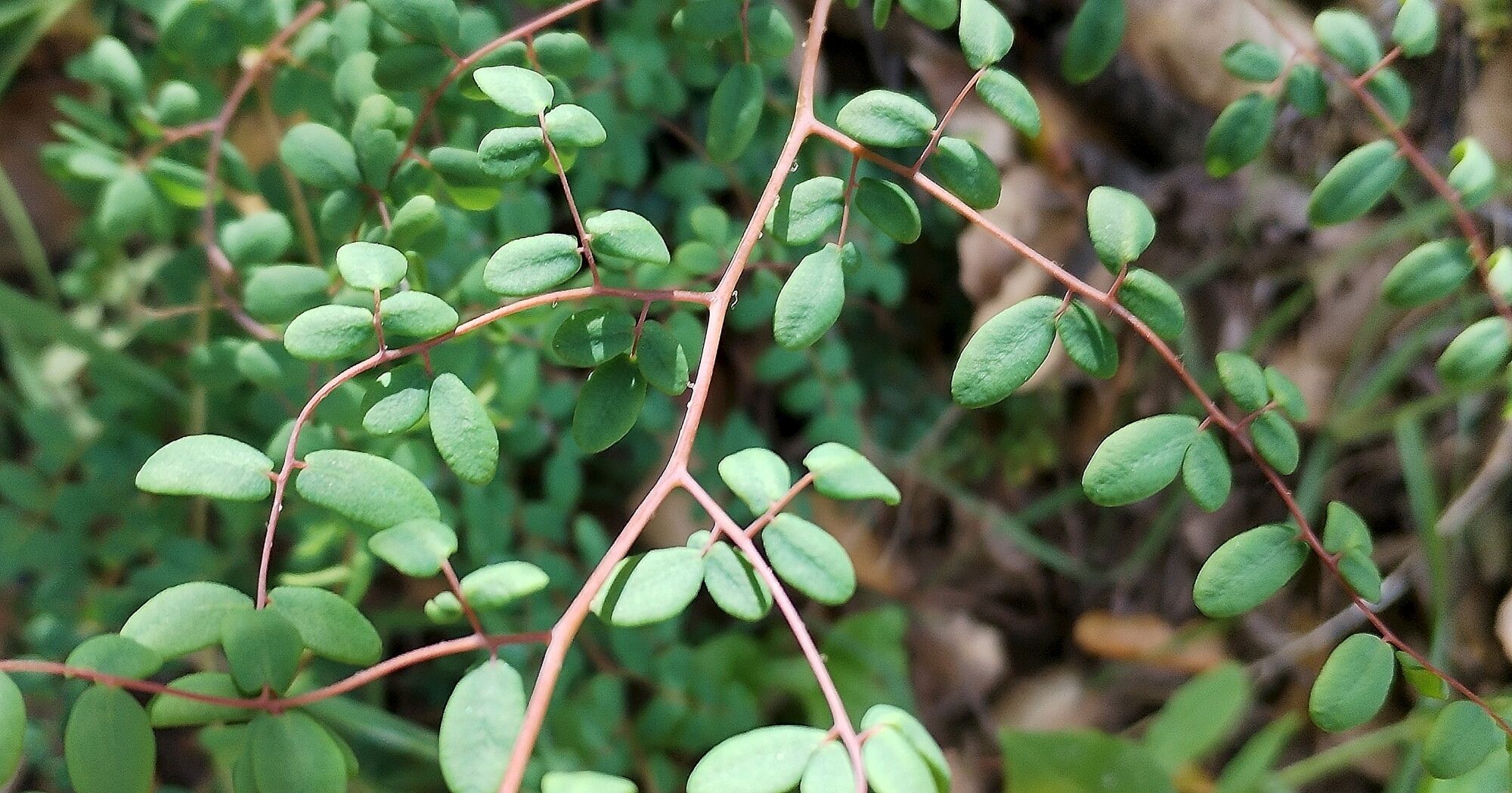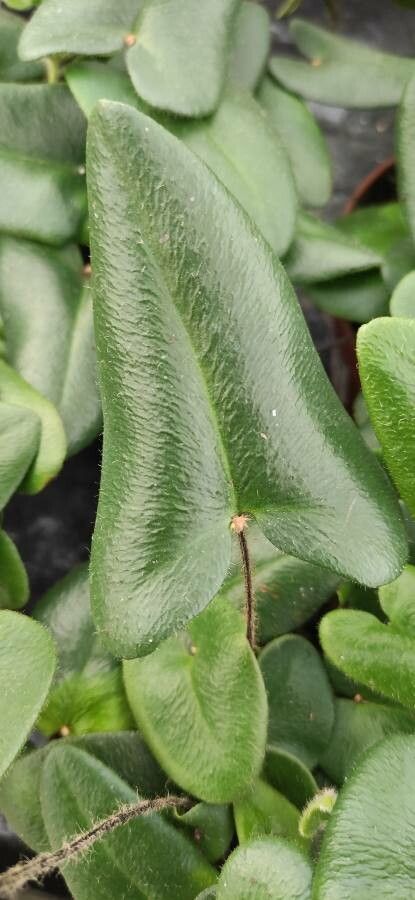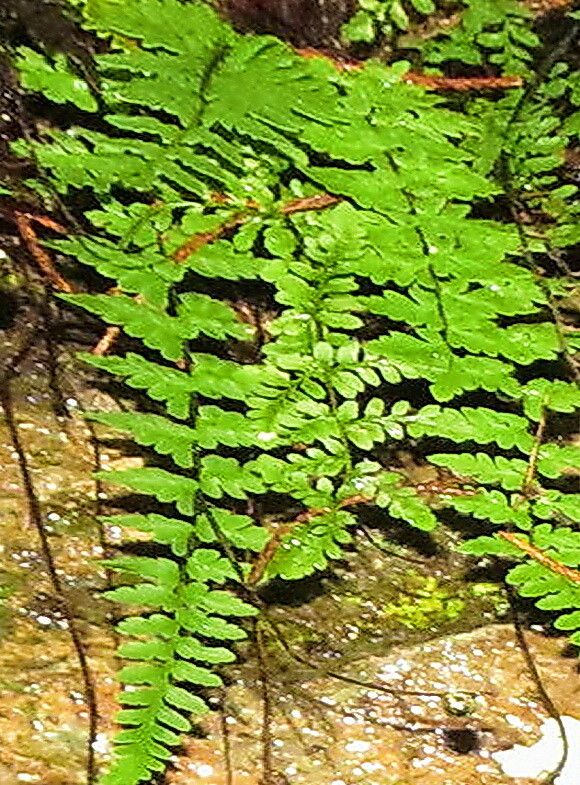
Myriopteris alabamensis, the Alabama lip fern, is a medium-sized fern of the southern United States and Mexico. The leaf is up to twice dissected into elliptical or long-triangular segments. Unlike many members of its genus, its leaves have only a few hairs on upper and lower surfaces, or lack them entirely. One of the cheilanthoid lip ferns, it was usually classified in the genus Cheilanthes as Cheilanthes alabamensis until 2013, when the genus Myriopteris was again recognized as separate from Cheilanthes. It typically grows in shade on limestone outcrops. It is named for the state of Alabama, where the type specimen was collected.
Alabama lipfern is fairly disease-resistant and typically not prone to illnesses. However, it can be affected by pests and diseases present in its environment. These problems are usually not severe. As for care, this plant requires moderate maintenance. It should be pruned regularly to keep a good appearance and support healthy growth. Fertilizing can also help encourage flowering. Alabama lipfern is appropriate for anyone with outdoor space, such as a garden or patio, and does not demand a lot of care experience. It may need more attention when grown indoors.
How to keep Hemionitis Alabamensis.
Light
The Alabama lipfern naturally occurs in habitats like forest understories and rocky areas, where it receives natural shade. It prefers partial sun but can tolerate full sun or deep shade, illustrating its adaptable, hardy character.
Temperature
Alabama lipfern is adapted to a native growing environment with temperatures between 59 and 95°F (15 to 35℃). Its preferred temperature falls within that span. Seasonal temperature fluctuations should be monitored and adjustments made as necessary.
Fertilizer
Generally, one fertilizer application in spring is enough for Alabama lipfern, though multiple feedings can maximize growth. Feed every month to month and a half. Fertilization improves the leaves' appearance and function, helping maintain even color and a healthy texture. It also promotes root development and nutrient uptake for long-term plant health.
Botanical profile.
- Plant Type
- Herb
- Life Cycle
- Perennial
- Genus
- Hemionitis
- Family
- Pteridaceae
- Hardiness Zone
- 7-10
- Mature Height
- 30 cm
- Mature Spread
- 20 cm
- Leaf Color
- Dark Green, Forest Green
- Leaf Type
- Semi-evergreen
- Planting Time
- Spring, Summer, Autumn
- Native Area
- Mexico, Jamaica