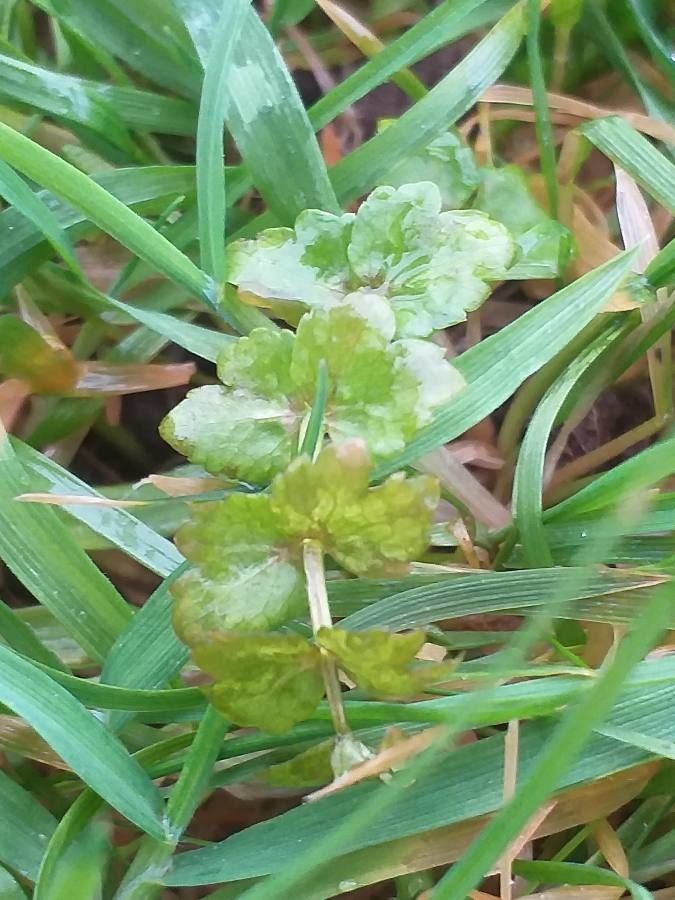
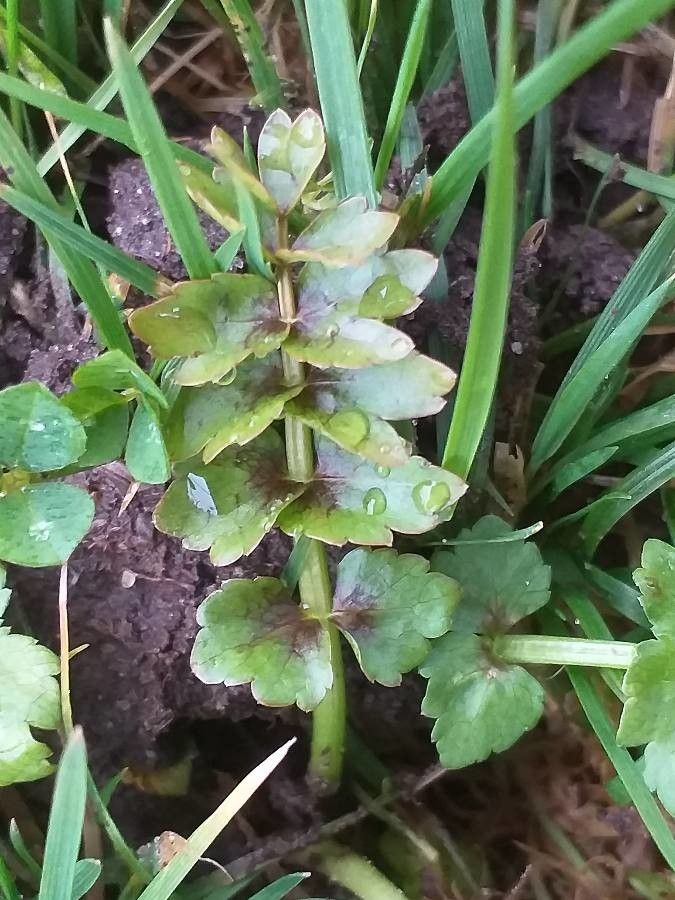
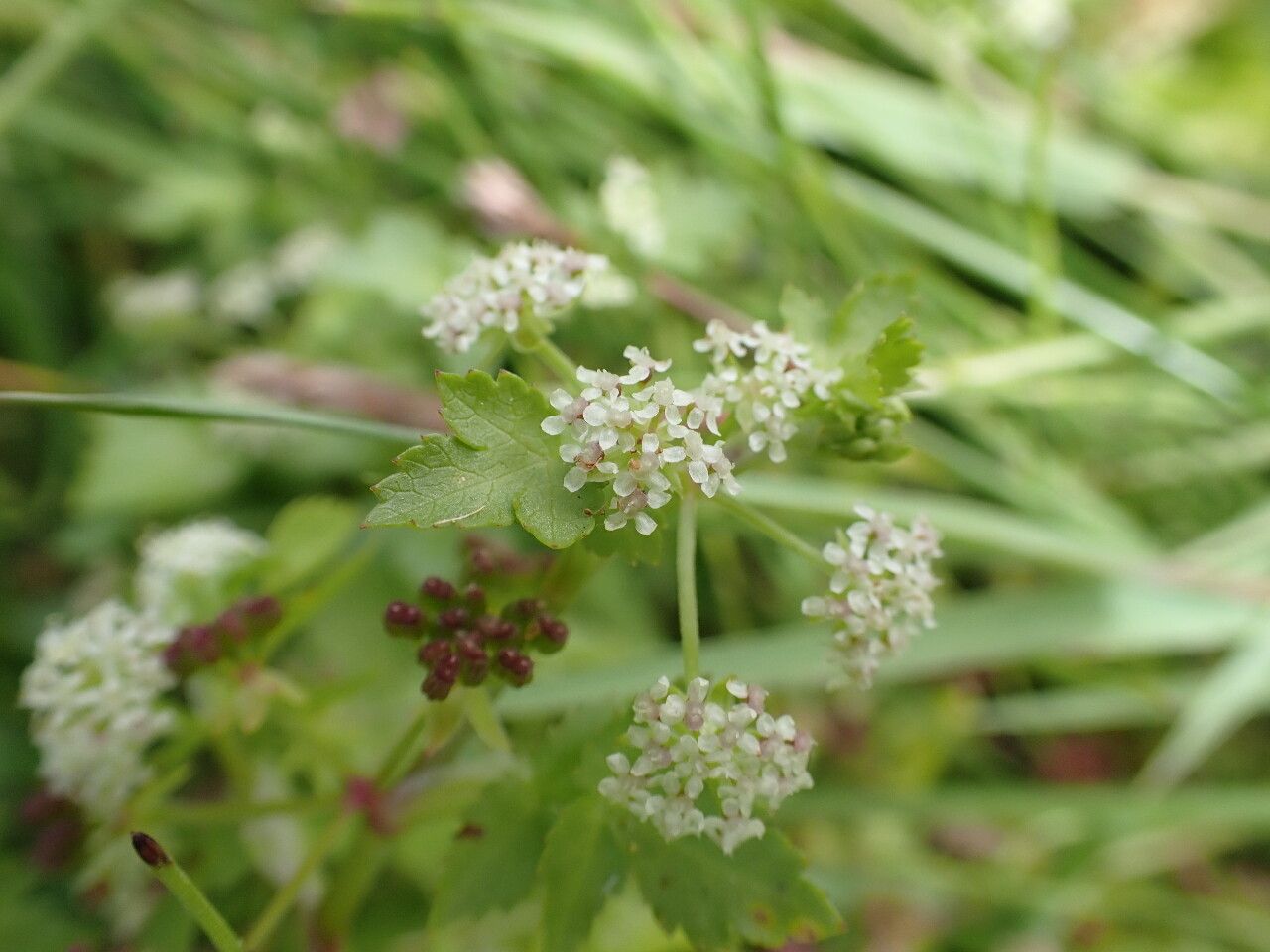
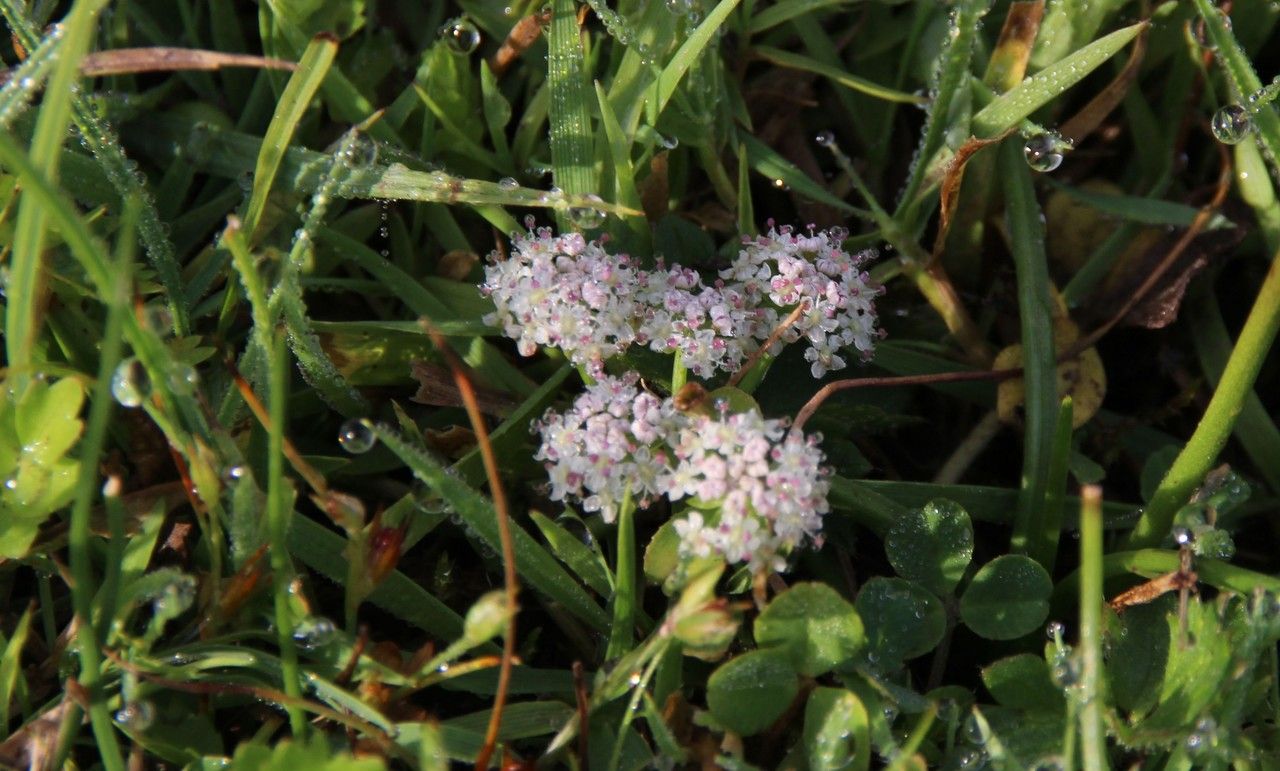
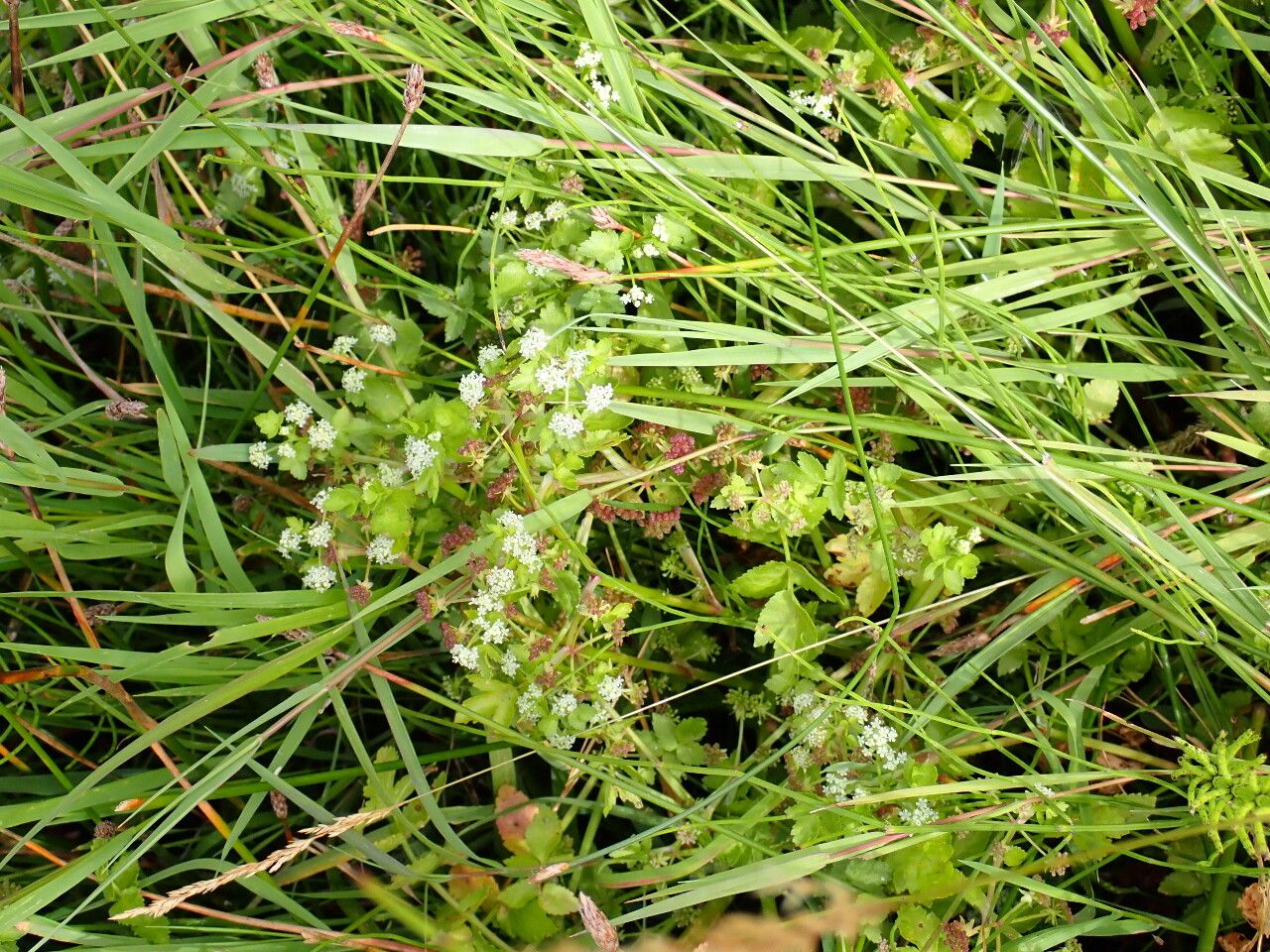
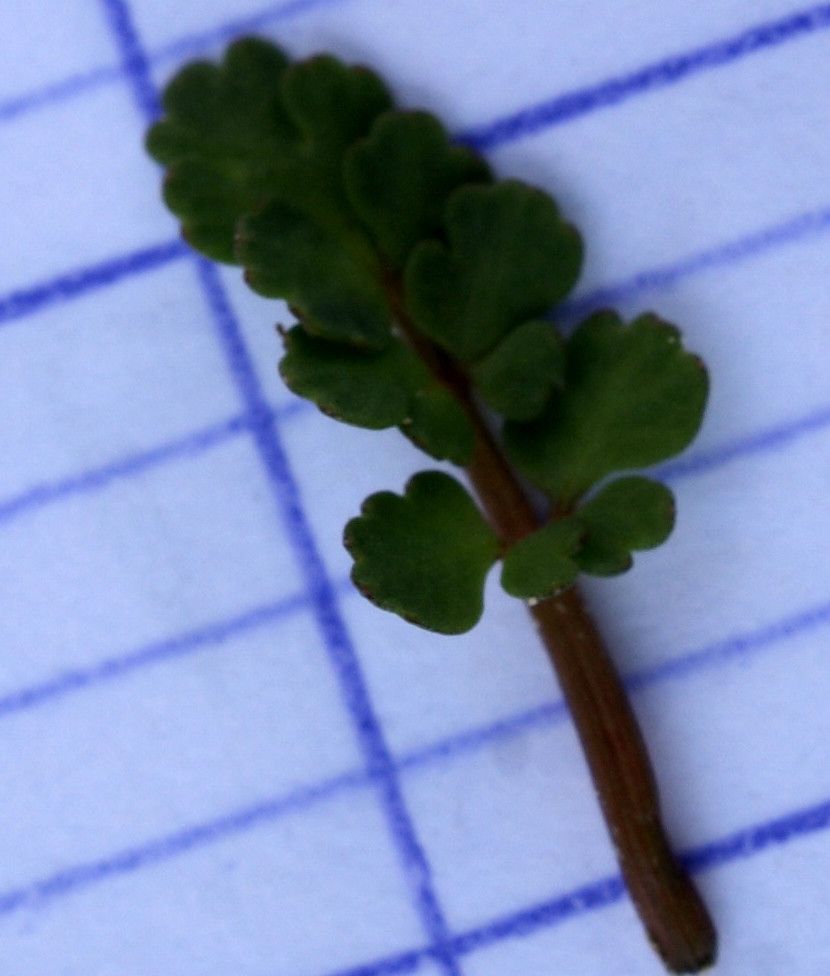
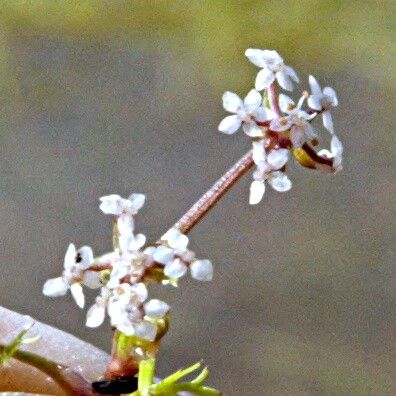
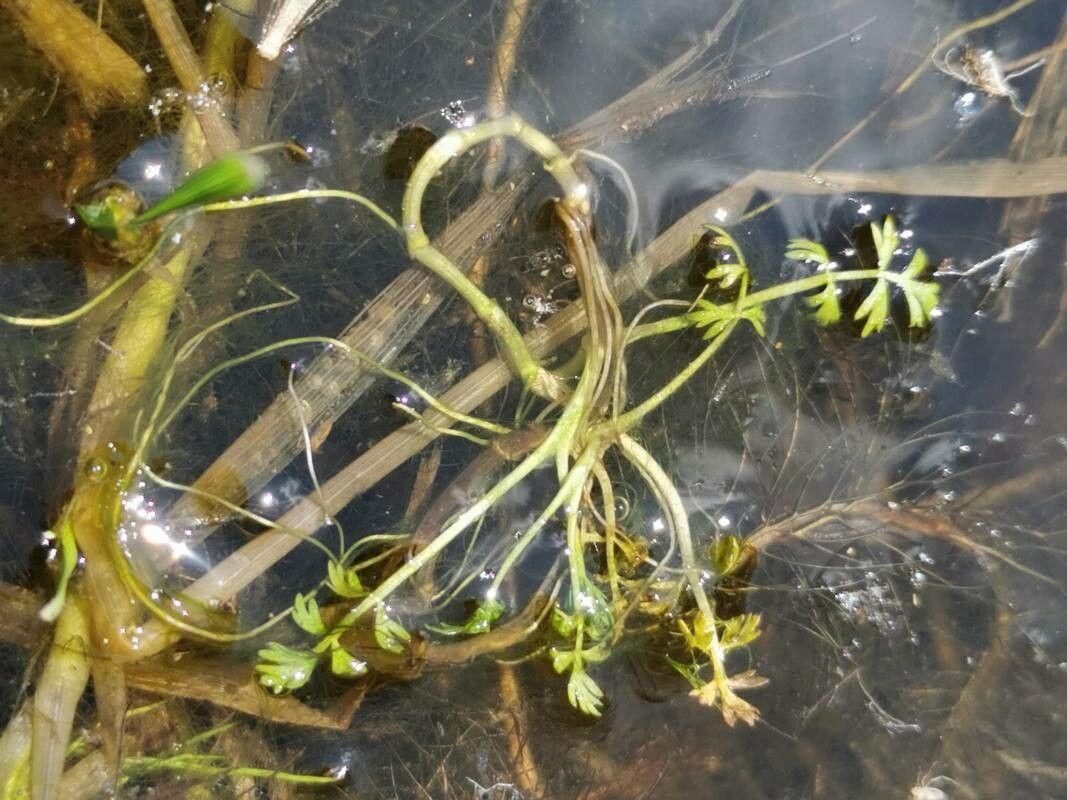
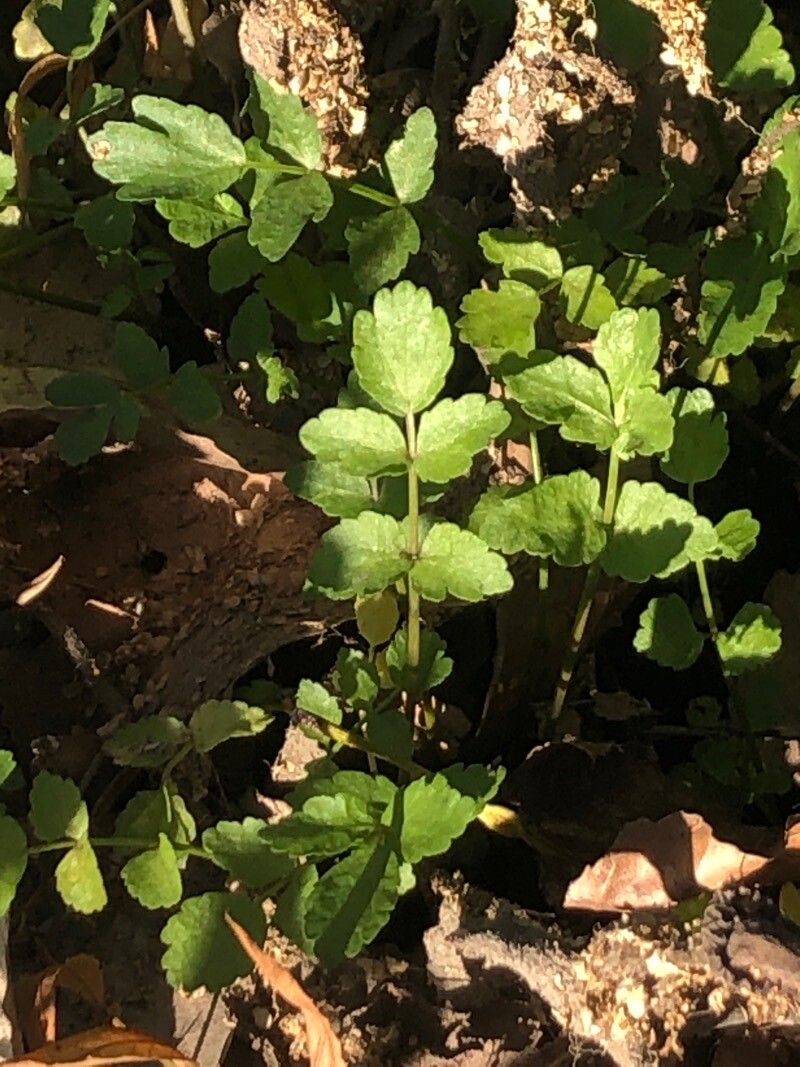
Helosciadium repens, commonly known as creeping marshwort, is a perennial herbaceous plant that belongs to the Apiaceae family. It is native to Europe and Asia and typically grows in wetlands, marshes, and along riverbanks. The plant has a creeping growth habit with long stems that can reach up to 50 cm in length. Its leaves are pinnate with toothed leaflets that are dark green in color. The flowers are small, white or pinkish-white, and are arranged in umbels at the ends of the stems.
Helosciadium repens is an important food source for wetland birds such as ducks and waders, which feed on its seeds during the winter months when other food sources are scarce. It also provides habitat for various aquatic insects, including dragonflies.
Traditionally, the plant has been used for its medicinal properties, particularly as a diuretic to help increase urine production and aid kidney function. However, caution is advised when using it medicinally, as it may cause allergic reactions or interact with other medications.
Overall, Helosciadium repens is an important component of wetland ecosystems, offering both ecological benefits and medicinal properties. This valuable species deserves conservation efforts wherever possible.
Creeping marshwort shows strong disease resistance and is generally unlikely to develop illnesses. Still, it can be vulnerable to pests and diseases present in its surroundings. These problems are usually minor. Regarding care, the plant requires a moderate level of maintenance. Regular pruning is necessary to keep a neat appearance and promote healthy growth. Fertilizing can also encourage flowering. Creeping marshwort is suitable for anyone with outdoor space, such as a garden or patio, and does not need extensive care experience. It may demand more attention when grown indoors.
How to keep Helosciadium Repens.
Temperature
Creeping marshwort can adapt to a wide range of temperatures, but its distribution may still be constrained by various combinations of water and heat conditions. It performs best in warm summer climates with sufficient rainfall or watering. Extended periods of cloudy, rainy weather or prolonged high temperatures can raise the chances of Creeping marshwort dying. In winter, adequate protection from the cold can increase the plant's survival rate.
Botanical profile.
- Plant Type
- Herb
- Life Cycle
- Perennial
- Genus
- Helosciadium
- Family
- Apiaceae
- Hardiness Zone
- 5-9
- Mature Height
- 10 cm to 30 cm
- Mature Spread
- 20 cm to 40 cm
- Leaf Color
- Green, Dark Green
- Leaf Type
- Semi-evergreen
- Flower Color
- White
- Flower Size
- 0.20 cm to 0.25 cm
- Bloom Time
- Summer
- Planting Time
- Spring, Summer
- Harvest Time
- Late summer, Early fall, Mid fall
- Native Area
- Austria, Slovakia, Montenegro, Poland, Croatia, Slovenia, Morocco, Germany, Italy, Spain, Switzerland, Denmark, Netherlands, France, United Kingdom, Hungary, Belgium, Portugal
Other names.