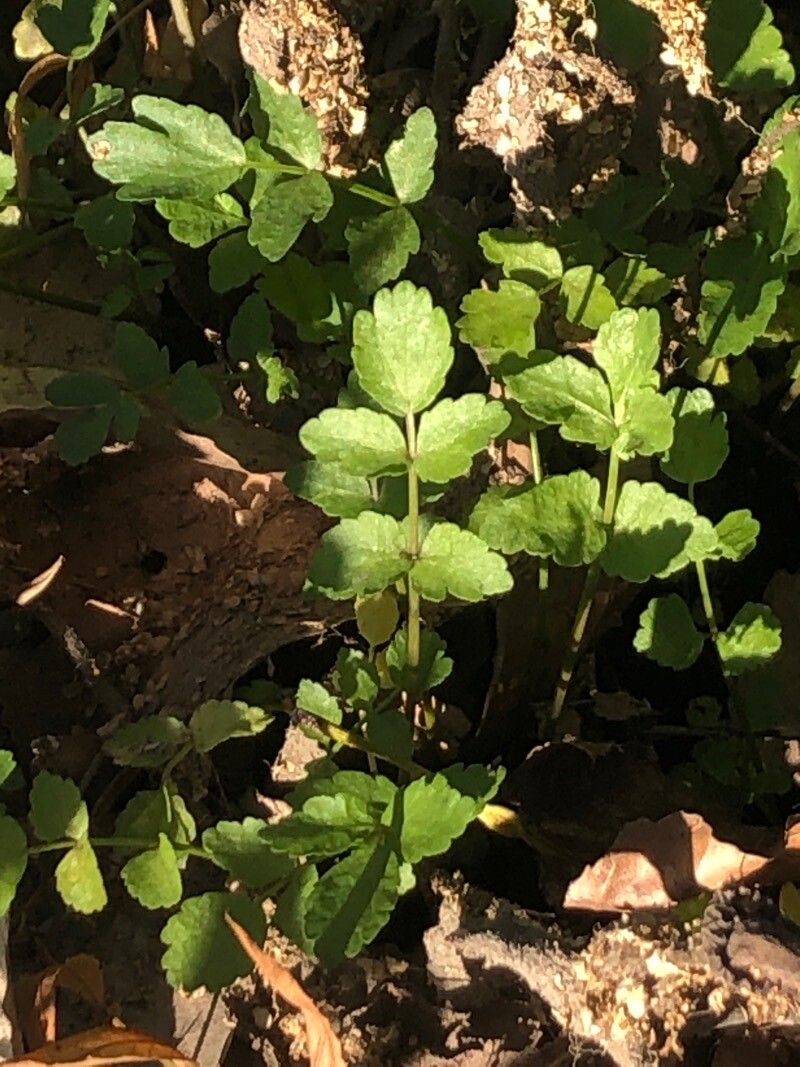
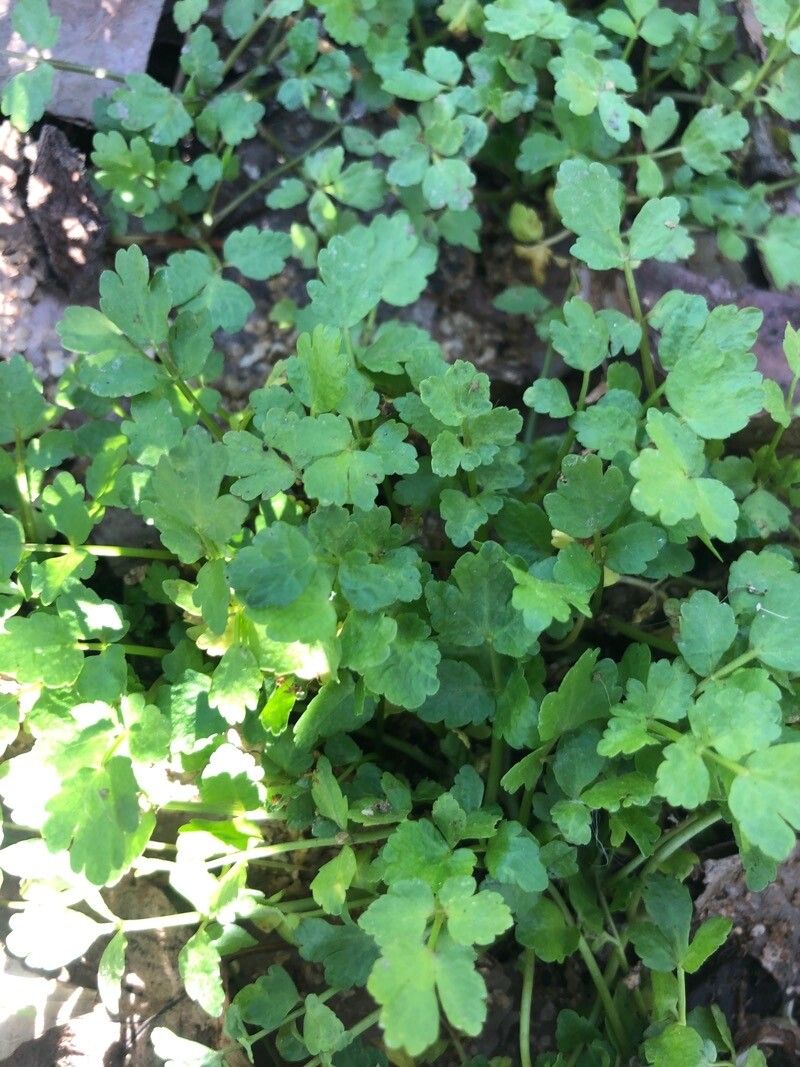
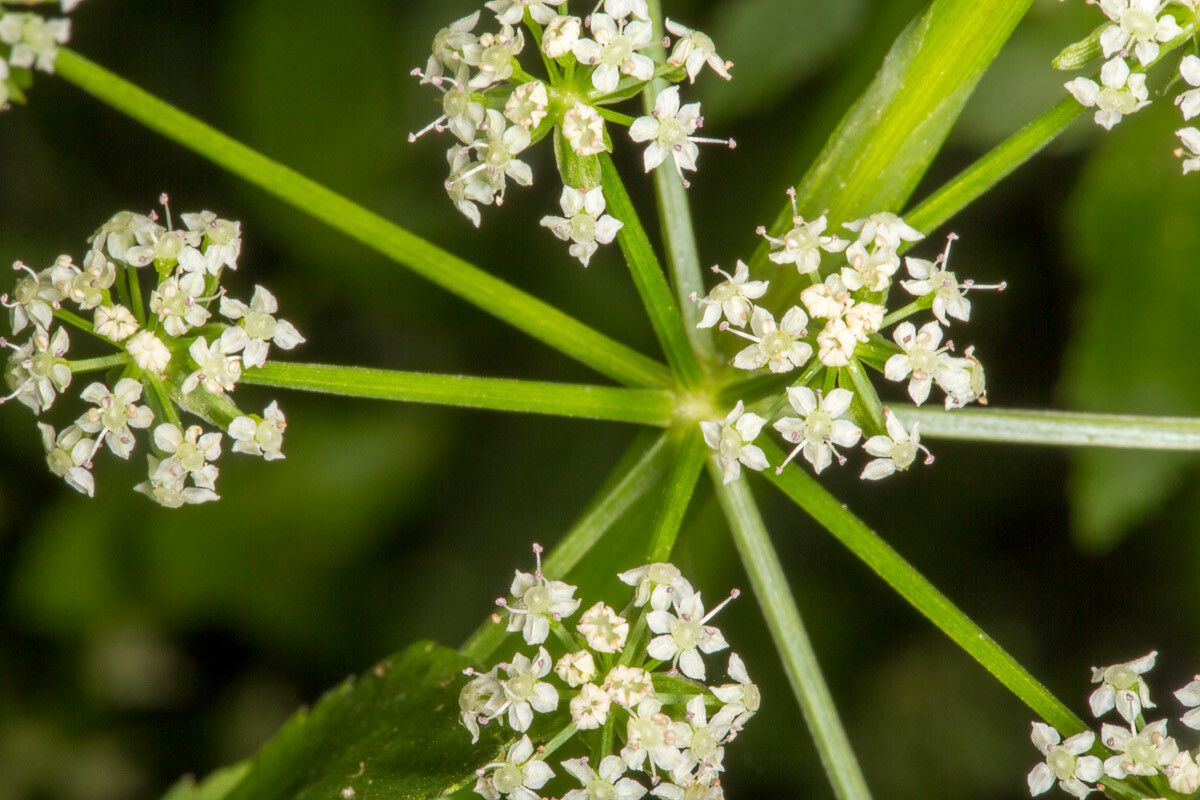
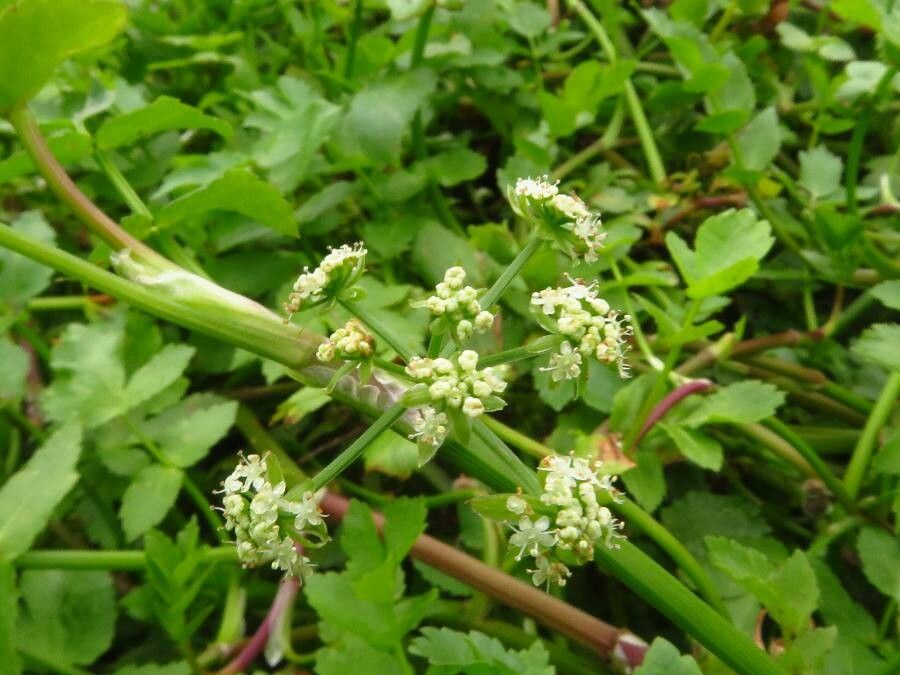
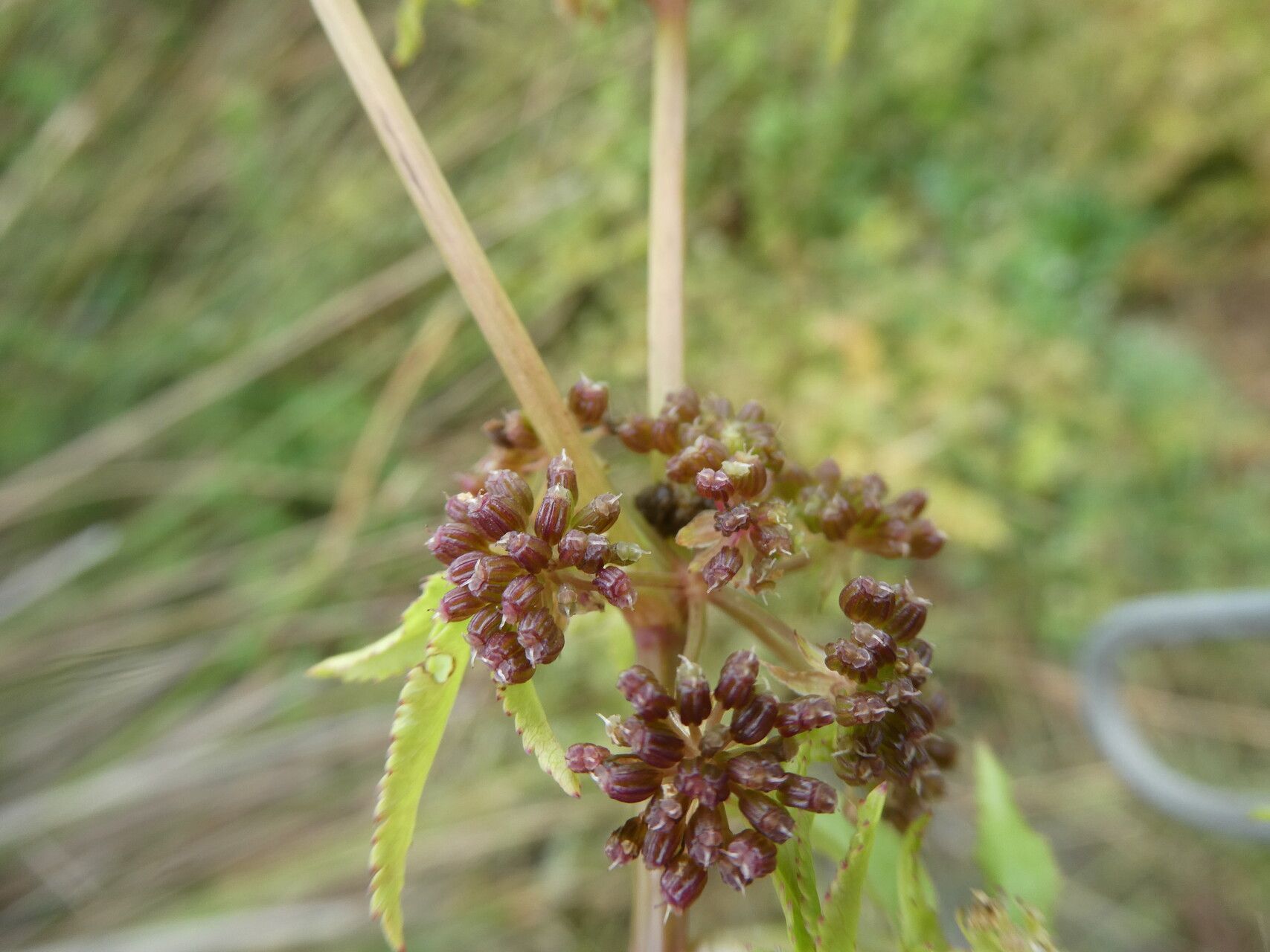
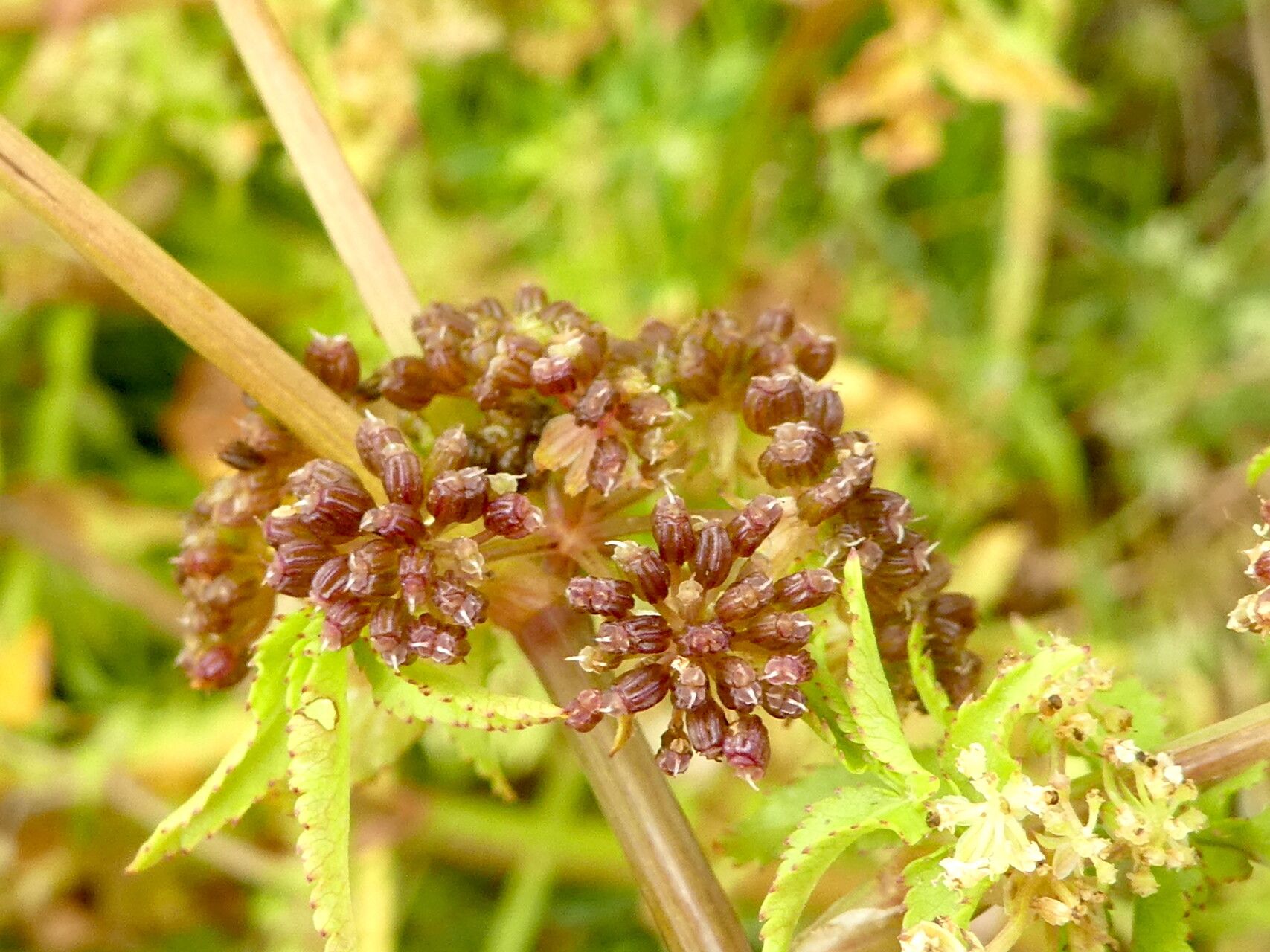
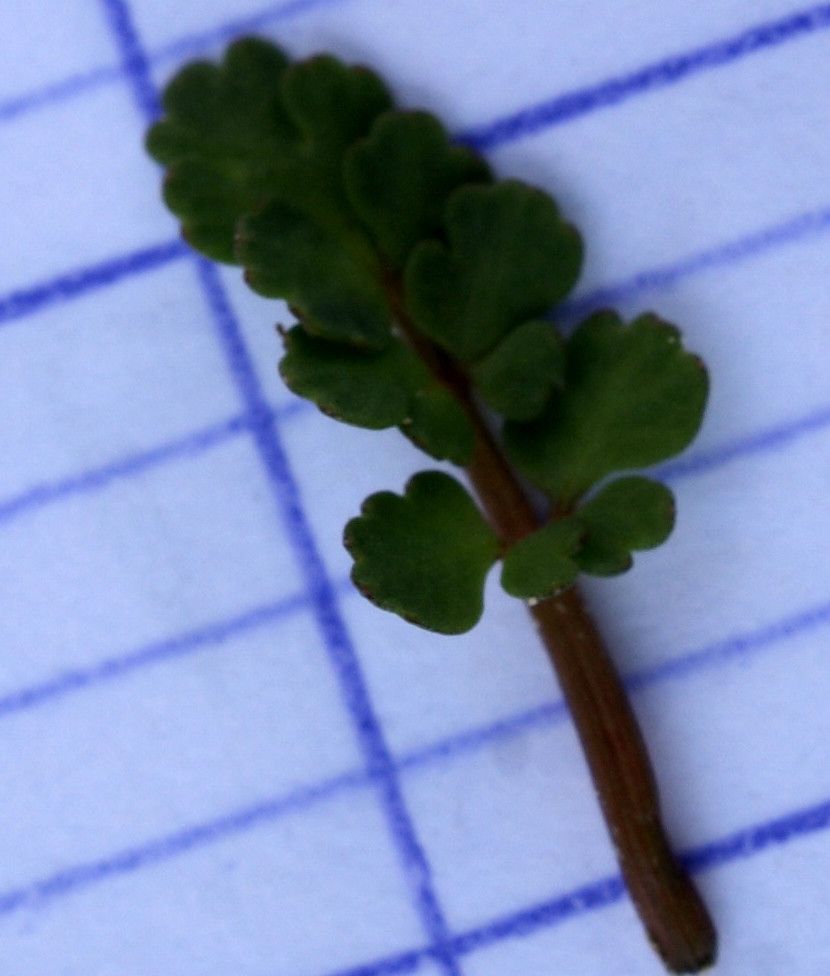
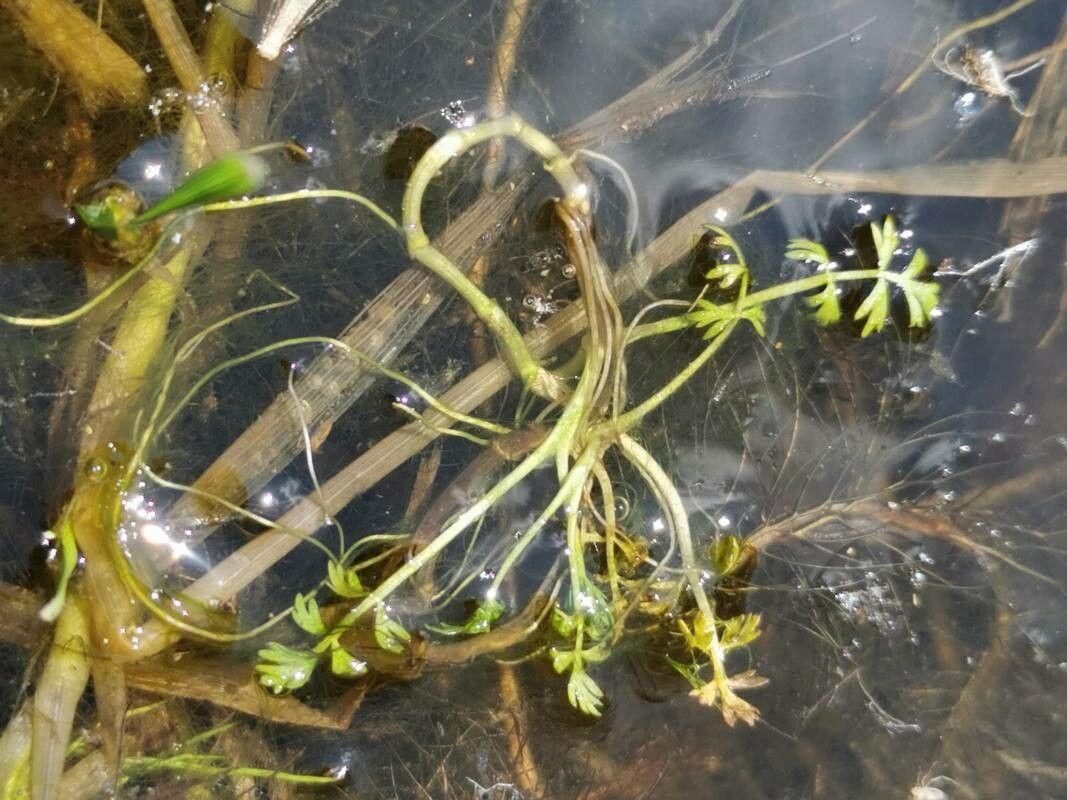
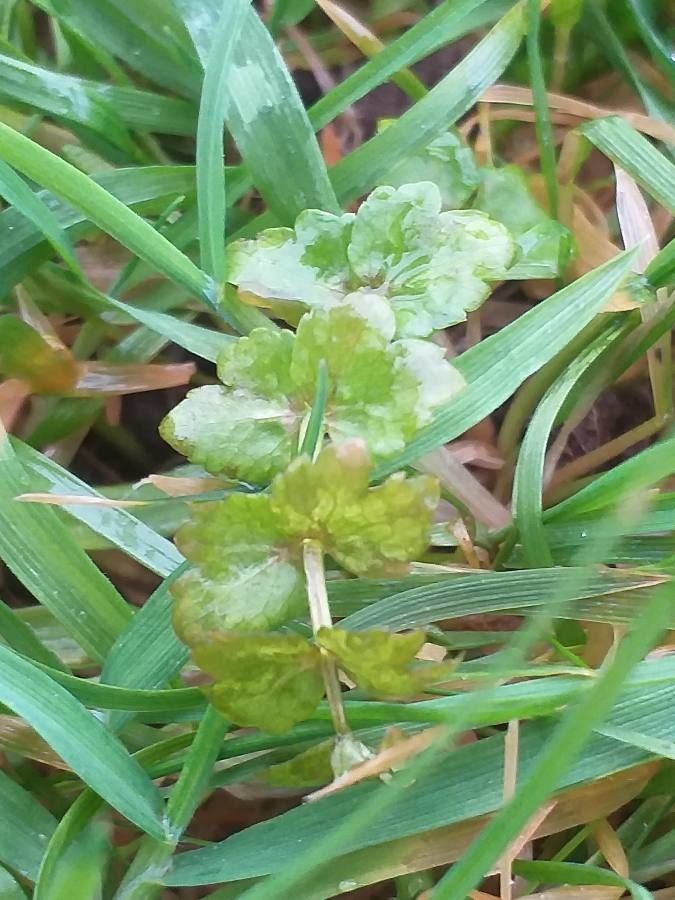
Apium nodiflorum (synonym: Helosciadium nodiflorum), fool's watercress, is a flowering plant found in ditches or streams, as well as fresh and brackish-water wetlands native to western Europe. It is not poisonous to humans but it could be easily confused with the allegedly poisonous lesser water parsnip.
European marshwort is fairly disease-resistant and generally not prone to illnesses. Still, it can be affected by pests and diseases present in its environment, though such infections are usually mild. Regarding care, this plant needs moderate maintenance. It should be pruned regularly to maintain an attractive appearance and healthy growth. Fertilizing can also help encourage flowering. European marshwort is appropriate for anyone with outdoor space, like a garden or patio, and does not demand extensive care experience. It may need more attention if grown indoors.
How to keep Helosciadium Nodiflorum.
Light
European marshwort does best in locations that receive uninterrupted sunlight throughout the day. The strength of the sun promotes the plant's healthy development. In its natural setting the plant needs unfiltered, all-day sun for optimal growth. Both too little and too much light can hinder its growth and overall health.
Water
European marshwort thrives in wetland habitats, where it prefers consistent moisture and high humidity. To maintain balanced hydration, water the plant weekly. This species is often found along riverbanks, where periodic flooding benefits its growth by replenishing nutrients and maintaining adequate soil moisture levels.
Temperature
European marshwort is naturally adapted to temperate areas, thriving best at temperatures of 50 to 95°F (10 to 35℃). During colder months, the plant’s temperature needs close monitoring to prevent sharp drops.
Fertilizer
Usually one fertilizer application in spring is enough for European marshwort, though repeated feedings can maximize its growth. Apply fertilizer about once a month to every six weeks. Fertilization improves the leaves' appearance and function, encouraging even color and a healthy texture. It also promotes root development and nutrient uptake, supporting the plant's long-term health.
Pruning
European marshwort flourishes in wet environments and benefits from pruning between early and late spring. This pruning helps prevent the plant from becoming invasive and promotes healthy growth. By removing dense clusters and damaged stems, you can improve air circulation and reduce the risk of disease, ensuring the plant remains vigorous and well-shaped while also managing its spread effectively.
Botanical profile.
- Plant Type
- Herb
- Life Cycle
- Perennial
- Genus
- Helosciadium
- Family
- Apiaceae
- Hardiness Zone
- 6-10
- Mature Height
- 1.22 m
- Mature Spread
- 13 cm
- Leaf Color
- Green
- Leaf Type
- Evergreen
- Flower Color
- White
- Flower Size
- 2.03 cm to 4.06 cm
- Bloom Time
- Summer
- Planting Time
- Spring, Summer, Autumn
- Harvest Time
- Late summer, Early fall, Mid fall
Other names.
Reader questions.
How should I water my European marshwort properly?
To properly water the European marshwort, it's important to follow a few guidelines. First, use filtered water instead of tap water to avoid any harmful particles. Additionally, ensure that the water is at room temperature or slightly warmer as the plant is accustomed to a warm environment and cold water can be a shock to its system. Instead of overhead watering, apply the filtered room temperature water directly to the soil until it's completely soaked. This method helps moisturize the roots, allowing them to spread through the soil and obtain necessary nutrients.
Why should I put fertilizer on my European marshwort?
The main structure of the European marshwort is made up of its leaves. Fertilization is crucial for keeping these leaves looking great and functioning properly. By fertilizing correctly, you can ensure that the leaves maintain consistent color and a healthy texture. Additionally, fertilization also benefits the European marshwort's root system. It helps in generating new roots and maintaining existing ones beneath the soil's surface. This not only keeps the plant healthy in the present, but also improves its ability to absorb nutrients from the soil in the future.
What kind of sunlight does European marshwort require?
European marshwort requires at least six hours of full sun daily to maintain the health of its leaves, roots, and blooms. While most perennials also need six hours of sunlight each day, certain plants such as the Orange Daylily or Giant Coreopsis can tolerate as little as three hours of direct sunlight. However, it's important to note that these flowering perennials won't thrive to their fullest potential without sunnier conditions.
What is the ideal growth temperature for European marshwort?
European marshwort, also known by its botanical name Helosciadium nodiflorum, thrives in temperate regions with ideal growth temperatures ranging between 50 to 95°F (10 to 35°C). These conditions are essential for the plant to grow optimally.
What should I do if I either give my European marshwort too much water or too little water?
Overwatering is a more common issue than underwatering for the European marshwort. When overwatered, the plant's stems and leaves may wilt and turn yellow. Excessive watering for a long time can also cause diseases like root rot, mold, and mildew, which can be fatal for the plant. The European marshwort has decent tolerance for drought, so underwatering is less likely. However, if the plant is underwatered, the leaves may become brittle and brown. It's important to recognize the signs of overwatering early, as some diseases like root rot cannot be reversed if action is delayed. If you notice signs of overwatering, reduce your watering schedule and check the drainage of the soil. Replace poorly draining soil with a loose, well-draining potting mix. If you suspect underwatering, water more regularly until the signs improve.
When should I fertilize my European marshwort for the best results?
If you grow your European marshwort outdoors, it will send out new growth in early spring, indicating that it's time to fertilize. Typically, it's enough to fertilize the plant once when spring arrives. But if you want maximum growth, you can fertilize multiple times throughout the spring and early summer, ideally every month to a month and a half.
Can the sun harm European marshwort? How can I keep European marshwort safe from the sun and heat?
In warm climates, some Perennial Flowering Plants may struggle with excessive heat and suffer from sun damage. They can wilt, dry out, or even experience growth problems if they are consistently exposed to the intense afternoon sun. However, not all plants require protection from the light afternoon sun. For those that are harmed by intense afternoon exposure, it is recommended to provide them with some shade in warmer climates. Gardeners can achieve this by planting these plants in areas that do not receive direct heat during the afternoon, such as under trees or behind bushes.
How does European marshwort cope with cold temperatures?
European marshwort possesses strong cold resistance, which typically negates the need for special frost protection measures during winter. However, if temperatures are forecasted to plunge below -25°C, it's crucial to safeguard the plant by covering it with soil or straw. Additionally, watering the plant abundantly before the first freeze in autumn helps keep the soil moist and prevents drought, ensuring the plant remains hydrated during winter and early spring.
How frequent should I water my European marshwort?
If your plant is in a pot or grown outdoors in the ground, you can check if your European marshwort needs water by sticking your finger into the soil. If the top two to three inches of soil are dry, it's time to water the plant. In the spring and early fall, watering once a week is usually sufficient. However, during hot weather, you may need to water the plant twice or more per week. Despite this, mature and well-established European marshwort has a remarkable ability to withstand drought.
When is it not a good idea to add fertilizer to my European marshwort?
During the late fall and winter, your European marshwort goes into a dormant phase and stops producing new growth. It is advisable not to fertilize it during this time. If you decide to fertilize during spring and summer, gradually decrease the amount as summer nears because the growth rate of your European marshwort will also slow down. It is not recommended to fertilize your European marshwort when the weather is exceptionally hot or the soil is overly dry as it can cause stress and premature death.
Do I need to shield European marshwort from sunlight?
Certain perennial plants require ample sunlight to reach their maximum bloom. However, in warmer climates, some of these plants actually benefit from less sun. For instance, individuals residing in hotter regions might find it beneficial to shade their flowering perennials during the intense afternoon sun, especially during summer months. Although many perennial flowering plants prefer partial shade in the hottest climates, there are exceptions. Take the Giant Coreopsis, for example, as it is not bothered by excessive sun exposure. These plants can flourish even when placed in the full sun during scorching weather.
What are the symptoms of European marshwort being exposed to low temperatures?
While European marshwort can tolerate cold well and ideally should be kept above -15°C during winter, exposure to temperatures below -25°C may not show immediate changes but can lead to a decrease in sprouting or even no sprouting at all in spring. The recommendation for such cases is to remove any parts that have failed to sprout once spring arrives.