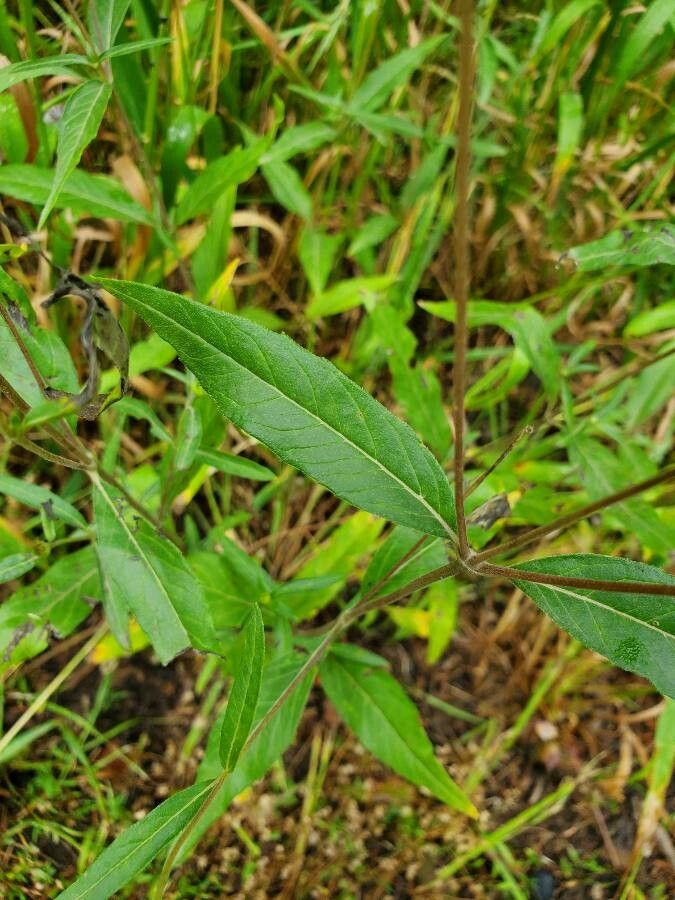
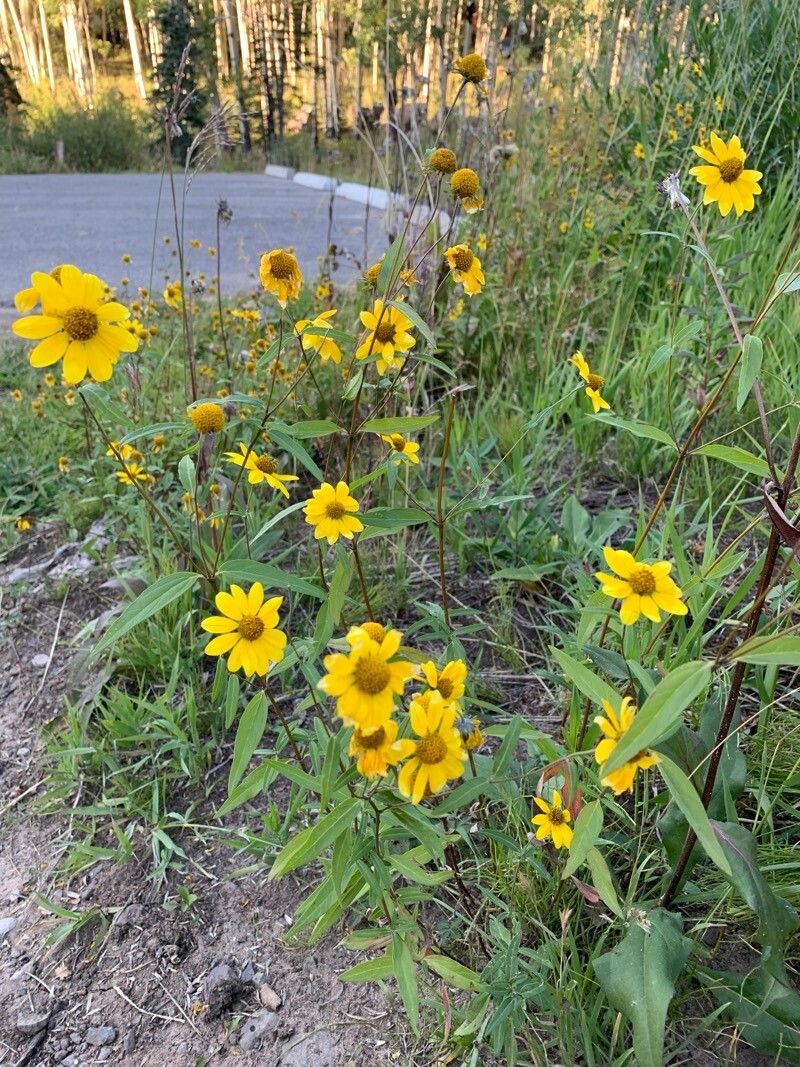
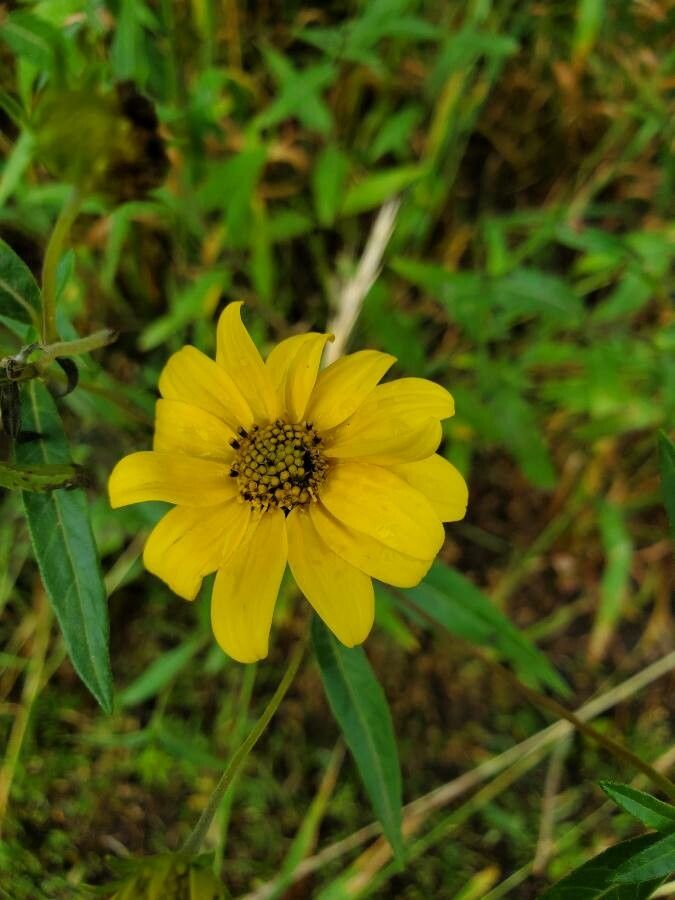
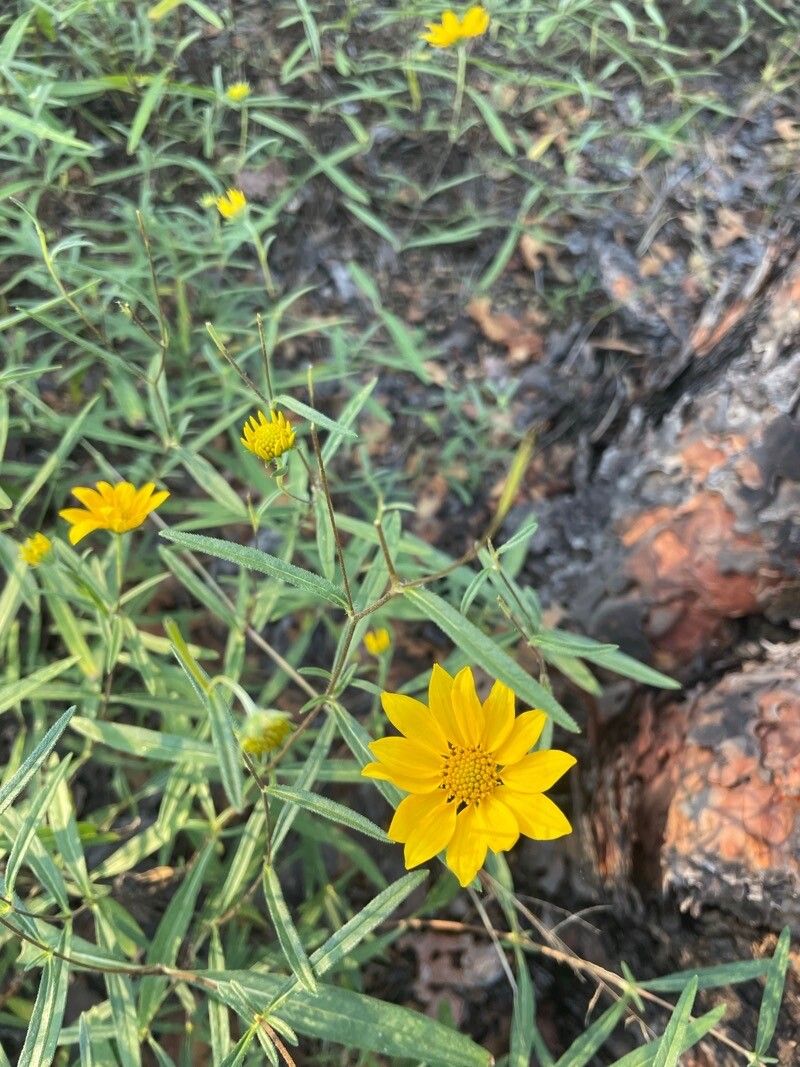
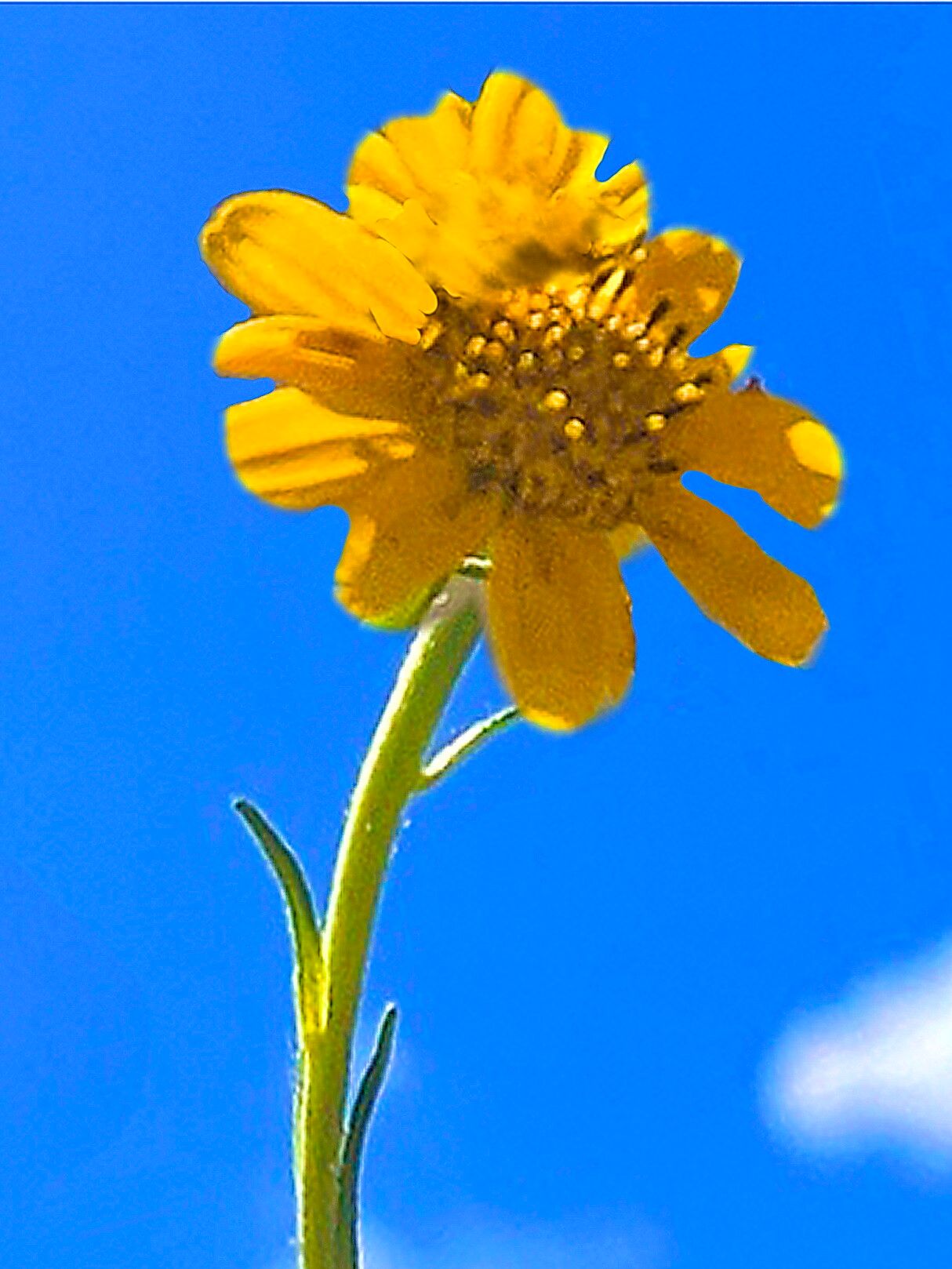
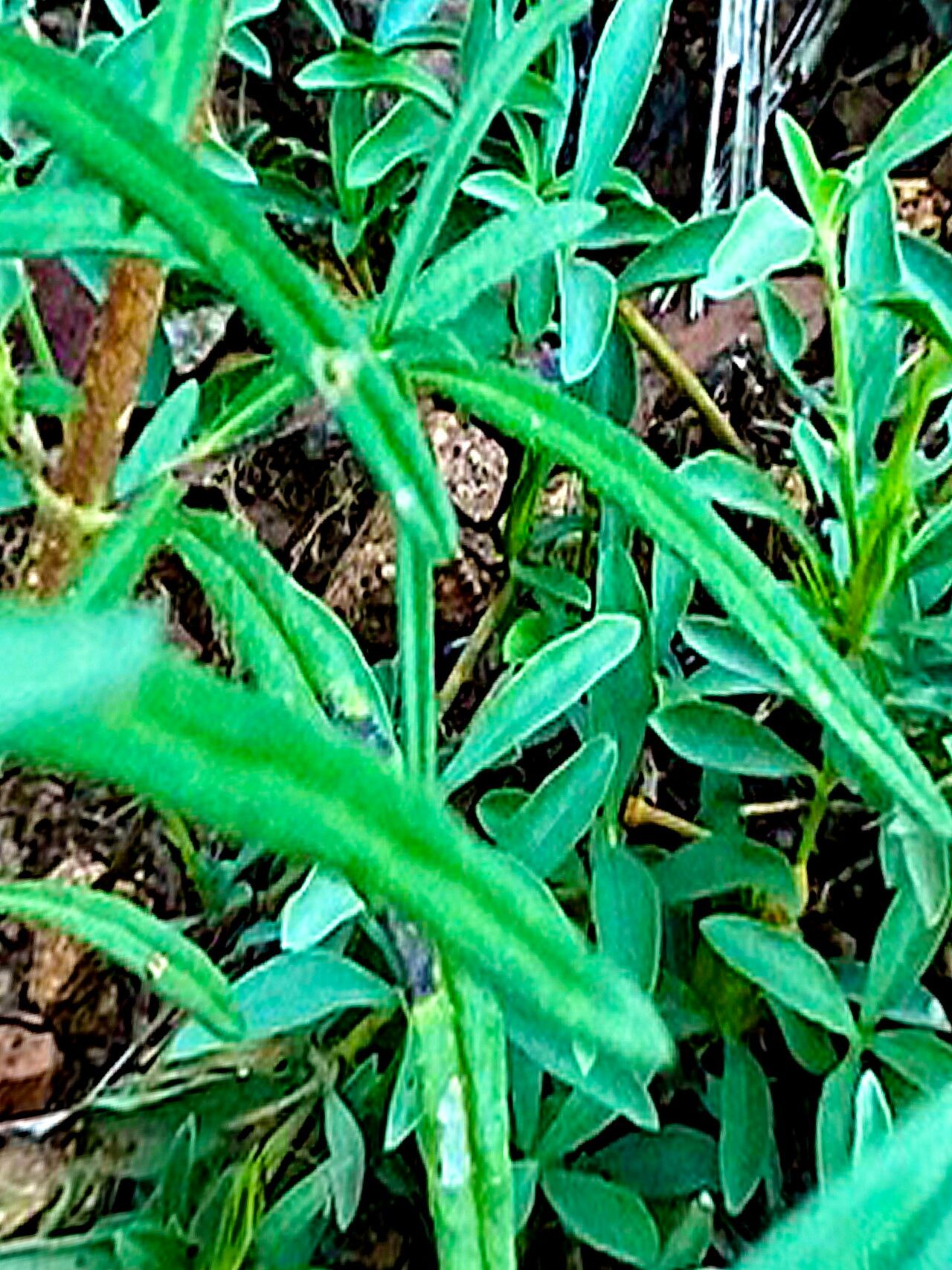
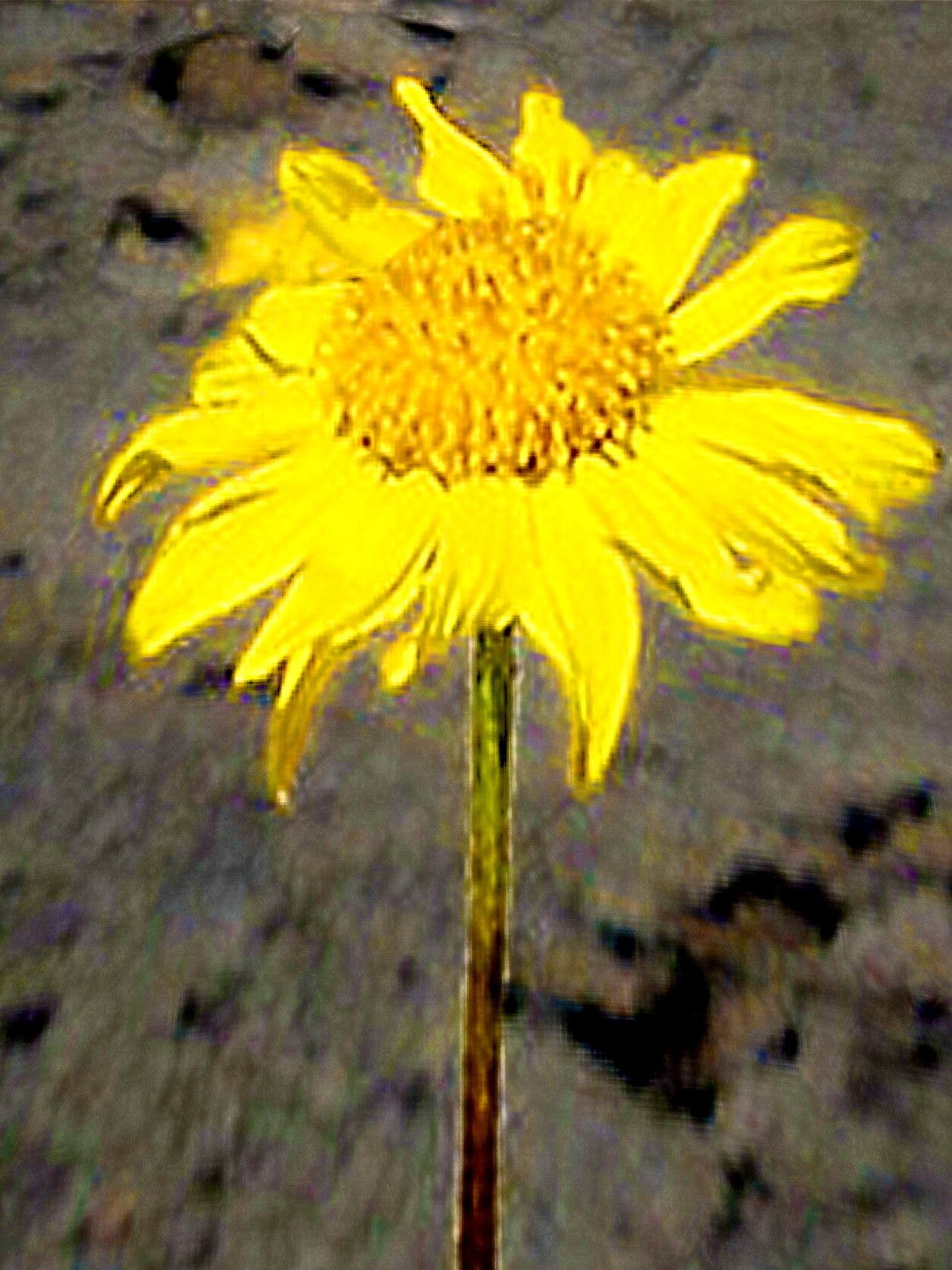
Heliomeris multiflora is a North American species of flowering plants in the family Asteraceae called the showy goldeneye. It grows in Mexico and the western United States from Montana to Jalisco.Heliomeris multiflora is a perennial herb up to 15 cm (5.9 in) tall, with a large taproot. Leaves are up to 16 cm (6.3 in) long, with hairs along the edges. One plant can produce 25 or more yellow flower heads, each head with 12-14 ray flowers surrounding 50 or more tiny disc flowers. VarietiesHeliomeris multiflora var. brevifolia (Greene ex Wooton & Standl.) - Arizona, New Mexico, Utah Heliomeris multiflora var. multiflora - from Idaho and Montana south to Durango Heliomeris multiflora var. nevadensis (A.Nelson) W.F.Yates - from California east to Utah and south to Jalisco
Showy goldeneye is fairly disease-resistant and is generally unlikely to develop illnesses. However, it can still be affected by pests and diseases present in its environment. Such infections are typically mild. Care-wise, the plant needs moderate maintenance. Regular pruning is required to maintain a neat appearance and support healthy growth. Fertilizing can also encourage flowering. Showy goldeneye is suitable for anyone with outdoor space, such as a garden or patio, and does not demand extensive plant-care experience. It may need more attention if grown indoors.
How to keep Heliomeris Multiflora.
Light
For best growth, showy goldeneye requires a substantial amount of daily sunlight. This need is the same from young seedling through full maturity. Native to regions with plentiful daylight, the species performs best under those light conditions. Insufficient light or too much sun can respectively cause withering or sunburn.
Water
Native to arid regions, showy goldeneye is highly drought-tolerant and thrives with minimal moisture. For optimal health, it needs to be watered weekly. It flourishes in full sunlight, which enhances its water efficiency during the active growing season.
Temperature
The showy goldeneye is native to habitats with a wide temperature range, from 41 to 95 °F (5 to 35 °C). It prefers moderate temperatures but can tolerate hotter conditions during the peak summer months.
Fertilizer
The best time to fertilize a Showy goldeneye is in early spring, as it emerges from dormancy and starts active growth. Fertilization supplies essential nutrients for healthy development. While Showy goldeneye has relatively low fertilizer requirements, applying fertilizer annually can improve its survival and encourage better, longer-lasting flowers.
Pruning
Showy goldeneye is a perennial plant known for its vibrant yellow flowers. Pruning it between early and late spring can foster new growth, increase blooming, and enhance airflow, which helps reduce the risk of disease. To ensure effective pruning and quick recovery, always use clean, sharp tools.
Botanical profile.
- Plant Type
- Herb, Shrub
- Life Cycle
- Perennial
- Genus
- Heliomeris
- Family
- Asteraceae
- Hardiness Zone
- 4-10
- Mature Height
- 15 cm
- Mature Spread
- 30 cm to 91 cm
- Leaf Color
- Green
- Leaf Type
- Deciduous
- Flower Color
- Yellow, Gold
- Flower Size
- 2.03 cm to 5.08 cm
- Bloom Time
- Mid summer, Late summer, Early fall
- Planting Time
- Spring, Summer
- Harvest Time
- Early fall, Mid fall
- Native Area
- Mexico
Other names.
Reader questions.
How should I water my Showy goldeneye?
To properly water the Showy goldeneye, it is recommended to use filtered water at room temperature. Tap water may contain harmful particles that the plant cannot tolerate. The temperature of the water should be slightly warm or at room temperature because the Showy goldeneye is accustomed to a warm environment, and cold water may be too stressful for its system. Additionally, it is best to avoid watering the plant from above as this can lead to issues with the foliage. Instead, gently pour the filtered room temperature water onto the soil until it is thoroughly soaked. This method helps the roots remain moist and enables them to spread throughout the soil, absorbing the necessary nutrients.
Why should I put fertilizer on my Showy goldeneye?
The Showy goldeneye relies on its leaves for structure, and fertilization is important for keeping those leaves looking great. Proper fertilization leads to consistent color and a healthy texture in the leaves. Fertilization also benefits the plant below the surface, promoting the growth of new roots and maintaining existing ones. This not only keeps the plant healthy presently, but also enhances its ability to absorb nutrients from the soil in the long run.
What are the sunlight requirements for Showy Goldeneye?
Showy Goldeneye requires above 6 hours of sunlight daily to thrive ideally, emphasizing the need for full sun exposure for optimal growth. It is essential to watch how sunlight moves through your garden to choose spots that offer a perfect balance of light and shade, ensuring the plants' happiness and health.
What is the ideal temperature range for Showy goldeneye?
Showy goldeneye thrives in a wide temperature range, ideally between 41 to 95 °F (5 to 35 °C). It is well-adapted to moderate temperatures but can also tolerate the hotter climates encountered during peak summer months. Despite its resilience to cold, requiring no special frost protection measures under normal winter conditions, it's important to take extra precautions if temperatures are expected to plunge below -30°C.
What do I do if I give too much or too little water to my Showy goldeneye?
Overwatering is a more common issue for Showy goldeneye plants and can cause wilting, yellowing leaves, and various diseases. These diseases, like root rot, can be fatal if not addressed promptly. Underwatering is less common but can result in brittle, brown leaves. It is crucial to recognize signs of overwatering early to prevent irreversible damage. Reduce watering and improve drainage if overwatering is suspected. In the case of underwatering, simply increase watering until signs improve.
When should I put fertilizer on my Showy goldeneye?
To ensure optimal growth for your Showy goldeneye, start fertilizing the plant when new leaves begin to emerge in early spring. While a single application of fertilizer is typically sufficient, you can enhance the growth by feeding the plant multiple times during the spring and early summer. If you choose this approach, fertilize your Showy goldeneye approximately once every month to a month and a half.
What are the essentials for growing Showy Goldeneye successfully?
For successful growth, Showy Goldeneye demands considerable sun exposure daily, consistent from seedling to maturity. Originating from sunny areas, it thrives under abundant daylight conditions. The use of artificial lighting, such as LED lights providing 30-50W/sq ft for full sun plants, becomes crucial in winter or less sunny spaces to promote faster, healthier plant growth. Indoor plants may require lights to be placed 12-36 inches above the plant for 8-12 hours per day to mimic natural sunlight and encourage proper growth.
How can you protect Showy goldeneye in extremely cold winters?
To protect Showy goldeneye in extremely cold winters, especially when temperatures are expected to drop below -30°C, it is advised to cover the plant with insulating materials such as soil or straw. Additionally, before the onset of the first freeze in autumn, water the plant abundantly to ensure the soil is moist and enters a frozen state. This strategy helps prevent drought and reduces water scarcity for the plant during winter and early spring.
How frequently do I need to water my Showy goldeneye?
If your Showy goldeneye plant is in a pot, the best way to check if it needs water is by feeling the soil with your finger. If the top two to three inches of soil are dry, then it's time to water it. If you have your Showy goldeneye growing outdoors in the ground, you can use the same method to test the soil. Once you find that the top few inches of soil have dried out, it's time to add water. Usually, during spring and early fall, you'll need to water this plant about once a week using this method. However, when it gets extremely hot, you may need to water it twice a week or even more. It's worth noting that mature, well-established Showy goldeneye plants can handle dry periods quite well.
When is the best time to not fertilize my Showy goldeneye plant?
During the late fall and winter, your Showy goldeneye will go into a dormant phase and stop growing. It is important to avoid fertilizing your Showy goldeneye during this time. If you decide to fertilize in the spring and summer, you should gradually reduce the amount as summer approaches because the growth rate of your Showy goldeneye will slow down. It is never a good idea to fertilize your Showy goldeneye when the weather is extremely hot or when the soil is very dry. Fertilizing in these conditions can cause stress and premature death of your Showy goldeneye.
What are important symptoms of insufficient sunlight in Showy Goldeneye?
Showy Goldeneye shows several symptoms when lacking sufficient sunlight, including smaller new leaves, leggy or sparse growth, early leaf drop, halted or no new growth, lighter-colored new leaves, chlorosis, sunscald, leaf curling, wilting, and leaf scorching. These symptoms can indicate too little or too much sunlight, affecting the plant's health by reducing chlorophyll, essential nutrients, and overall growth potential.
What should you do if Showy goldeneye is exposed to temperatures below 5°C or above 35°C?
For Showy goldeneye exposed to temperatures below 5°C, ensure it remains above -25°C. If temperatures fall below -30°C, you may not notice immediate changes during winter, but there could be a decrease in sprouting, or the plant may not sprout at all in spring. In this case, remove any parts that failed to sprout. For high-temperature exposure, above 35°C and especially exceeding 41°C, the leaves may become lighter, prone to curling, susceptible to sunburn, and, in severe cases, the plant may wilt and dry out completely. Trim away the sunburned and dried-up parts, move the plant to a shaded location, or use shade cloth to protect it from midday and afternoon sun. Additionally, water the plant in the morning and evening to keep the soil moist.