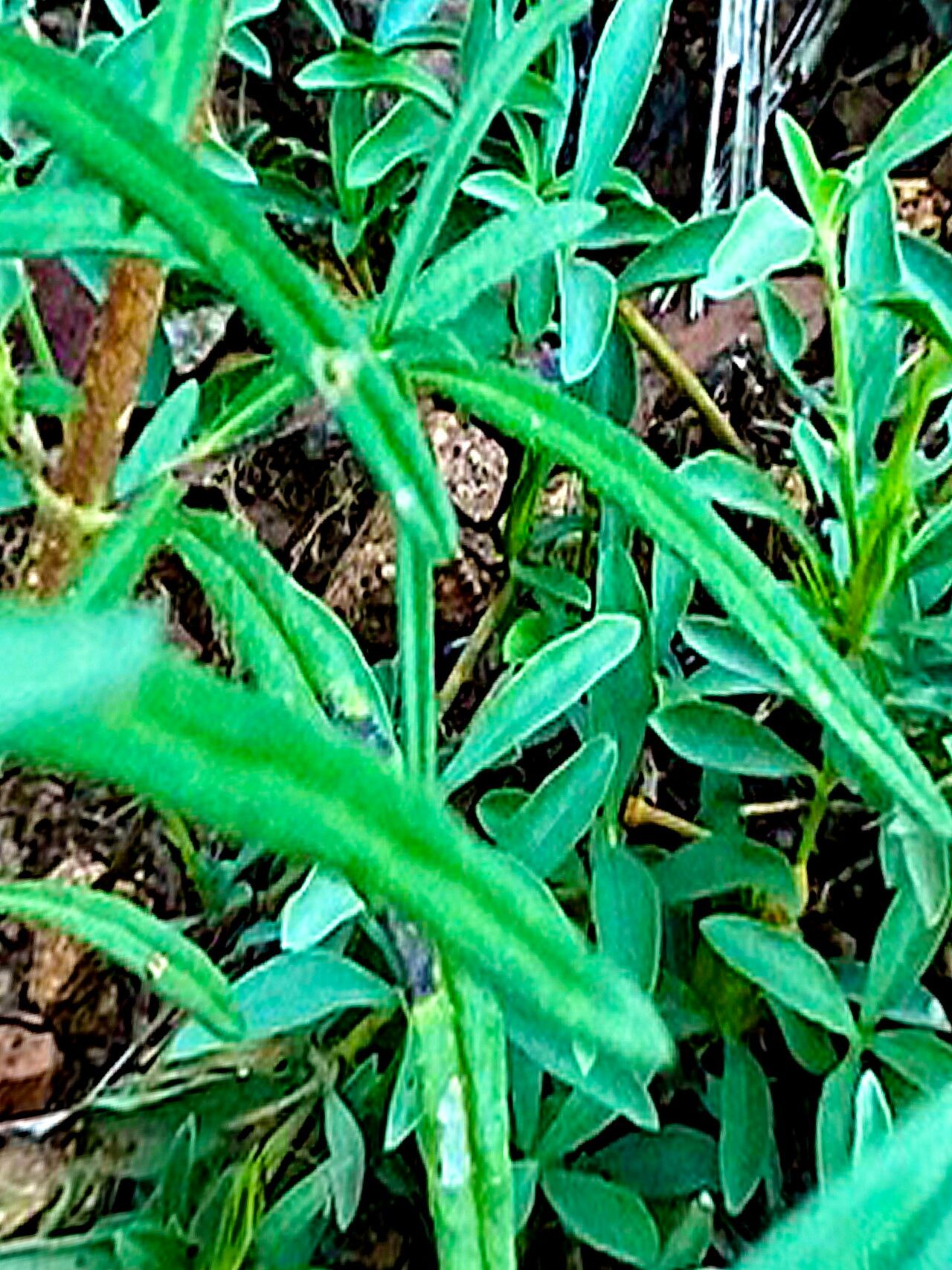
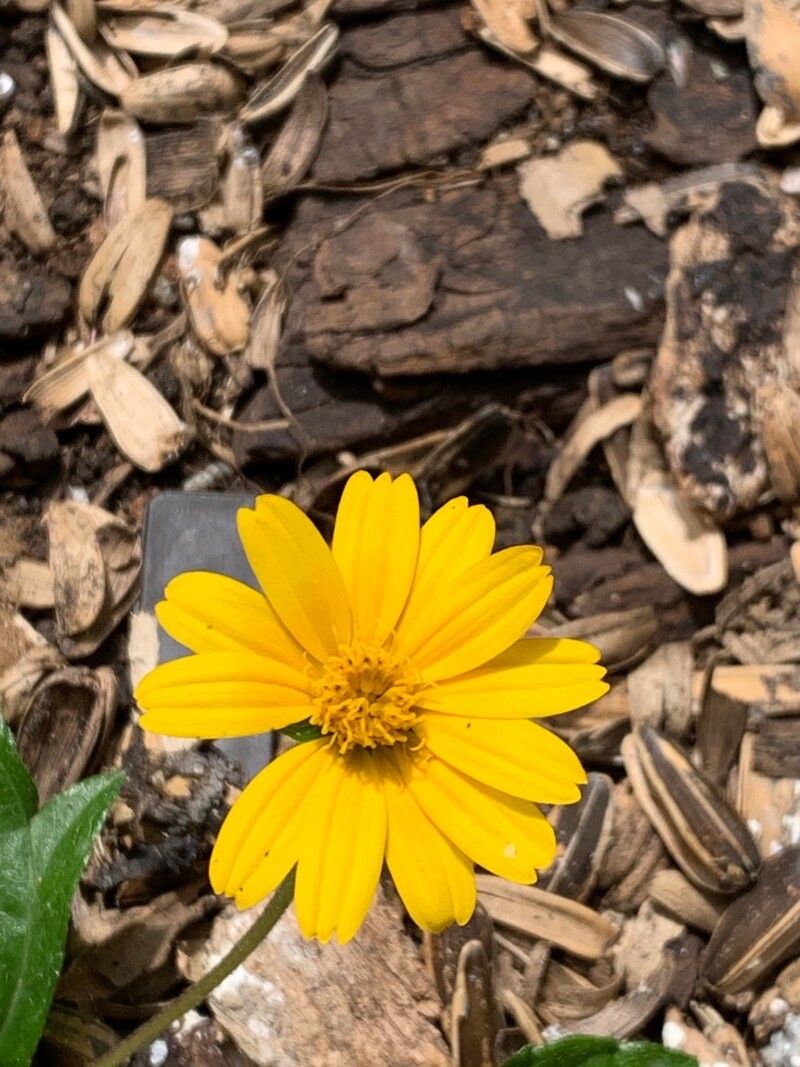
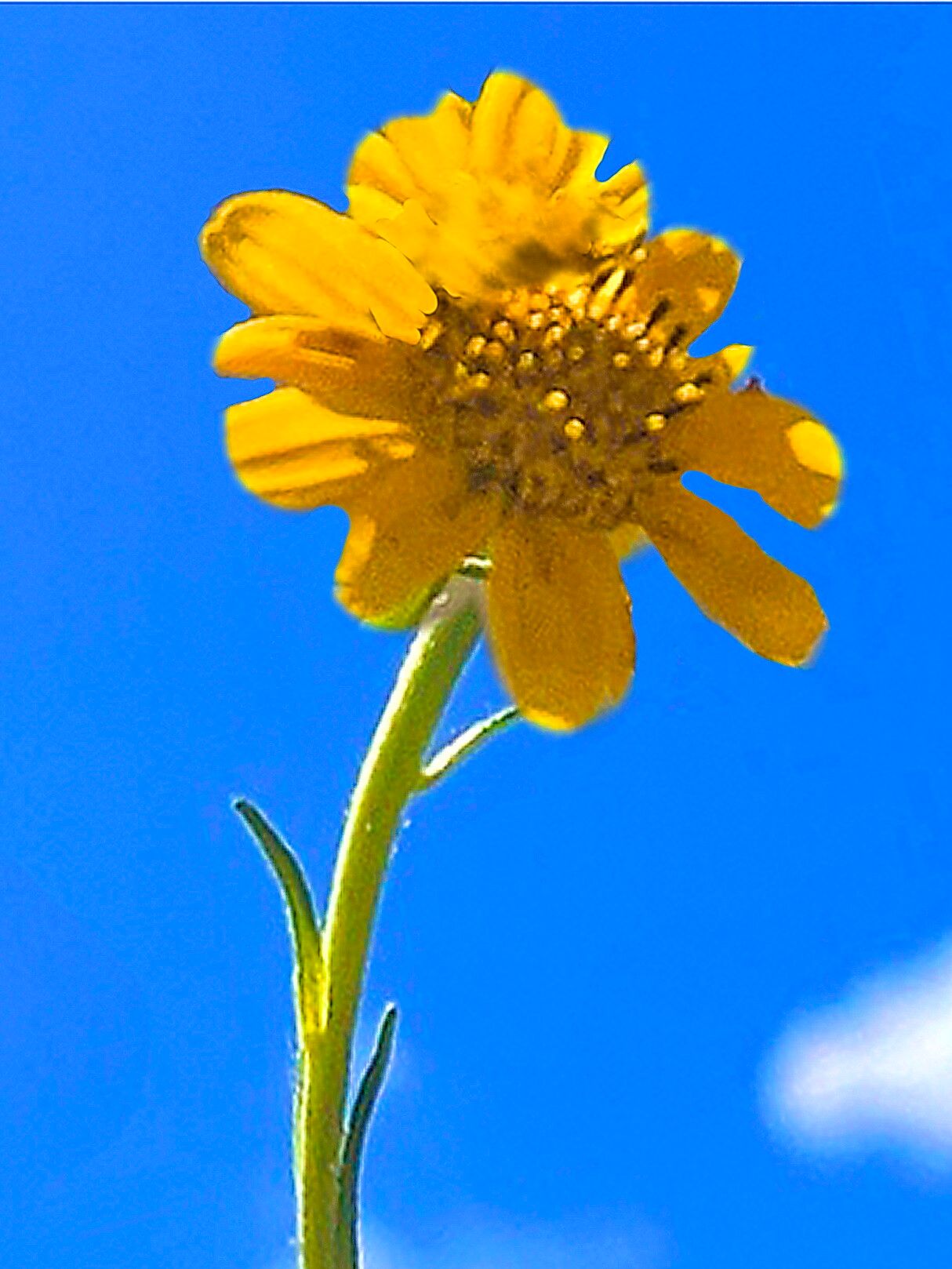
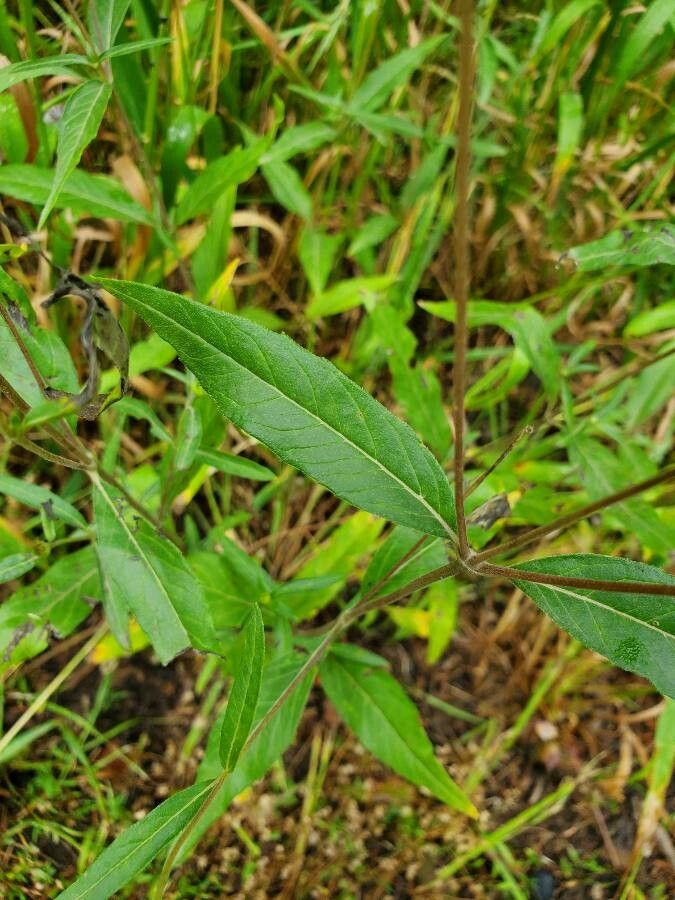
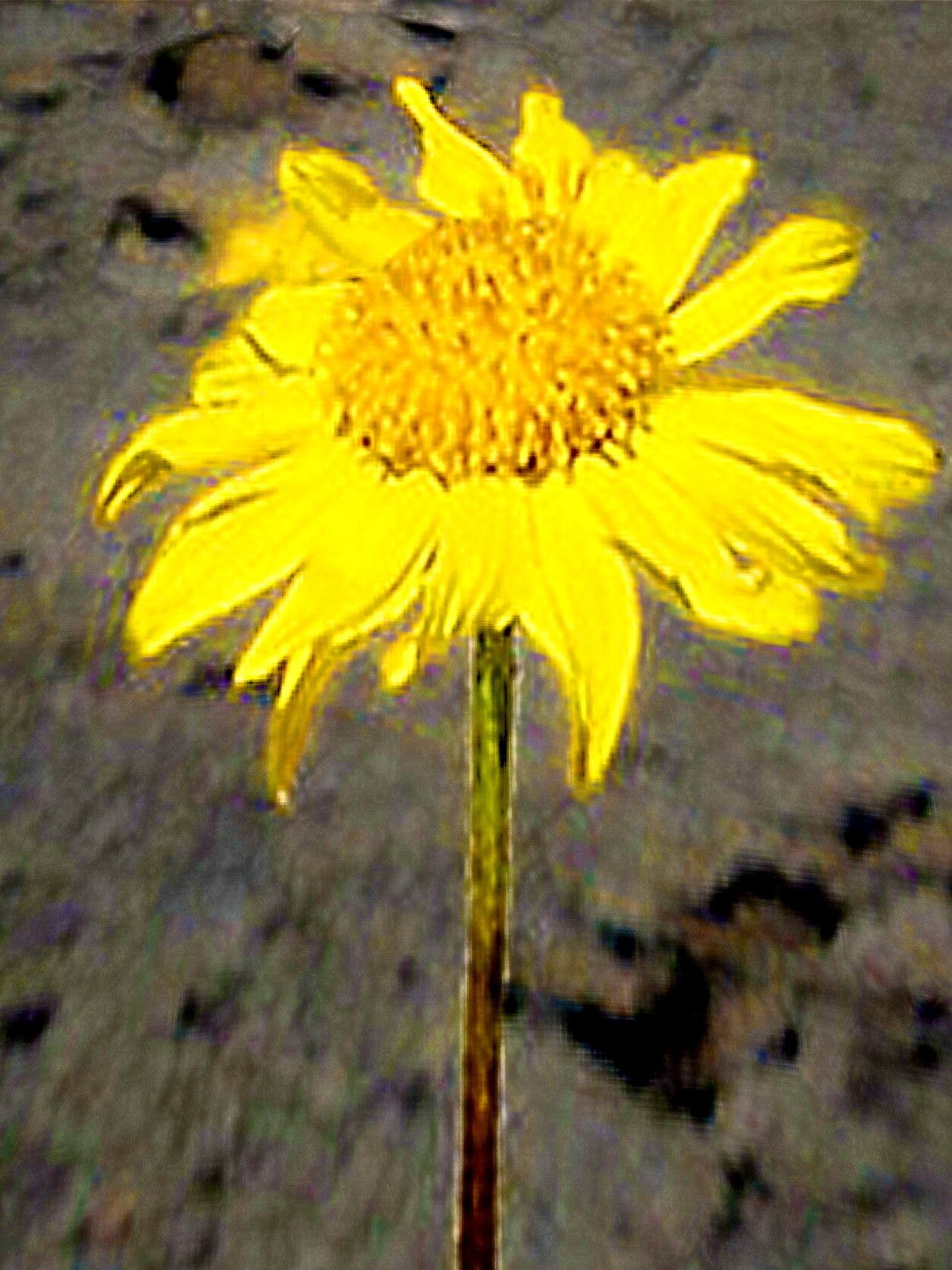
Heliomeris longifolia is a North American species of flowering plants in the family Asteraceae called the longleaf false goldeneye. It is widespread across much of Mexico from Chihuahua and Sonora south to Chiapas, and found also in the southwestern United States from Nevada to western Texas.Heliomeris longifolia is an annual herb up to 15 cm (5.9 in) tall, with a large taproot. Leaves are up to 16 cm (6.3 in) long, with hairs along the edges. One plant can produce 25 or more yellow flower heads, each head with 12-14 ray flowers surrounding 50 or more tiny disc flowers. VarietiesHeliomeris longifolia var. annua (M.E.Jones) W.F.Yates Heliomeris longifolia var. longifolia
Longleaf false goldeneye is fairly disease-resistant and generally not prone to illness. However, it can be vulnerable to pests and diseases present in its environment. Such infections are typically not severe. Regarding care, this plant requires moderate maintenance. It should be pruned regularly to maintain an attractive appearance and encourage healthy growth. Fertilizing can also help stimulate flowering. Longleaf false goldeneye is appropriate for anyone with an outdoor area, such as a garden or patio, and does not require much prior care experience. It may need more attention when grown indoors.
How to keep Heliomeris Longifolia.
Light
Longleaf false goldeneye comes from bright, open habitats and does best in full sun. It can tolerate partial sun but prefers direct sunlight for optimal growth. This annual and biennial plant is known for its preference for sunny conditions.
Temperature
Longleaf false goldeneye shows good temperature adaptability, tolerating higher heat and larger temperature fluctuations. In hot weather, attention should be paid to watering and providing suitable shade to avoid sunburn. However, Longleaf false goldeneye is relatively sensitive to low temperatures. While it can endure some cold, excessively cold conditions can cause frost damage.
Fertilizer
Once Longleaf false goldeneye has opened most of its blooms to full size, resume fertilizing. Around peak bloom, apply fertilizer once every three to four weeks, as weather permits. When Longleaf false goldeneye begins to set fewer new blooms, cease fertilizing; there is no need to fertilize when the plant can no longer produce more blooms.
Pruning
The Longleaf False Goldeneye showcases vibrant yellow blooms and elongated foliage. To encourage growth and enhance flowering, prune the plant from early to late spring. Focus on trimming damaged stems, shaping the plant for fullness, and removing spent flowers to prolong its blooming period. Regular pruning helps prevent legginess and rejuvenates the plant. Be sure to adhere to horticultural guidelines for proper cutting techniques.
Botanical profile.
- Plant Type
- Herb
- Life Cycle
- Annual
- Genus
- Heliomeris
- Family
- Asteraceae
- Hardiness Zone
- 4-9
- Mature Height
- 0 cm to 30 cm
- Mature Spread
- 30 cm to 61 cm
- Leaf Color
- Green
- Leaf Type
- Deciduous
- Flower Color
- Yellow
- Flower Size
- 3.05 cm to 5.08 cm
- Bloom Time
- Mid summer, Late summer, Early fall
- Planting Time
- Spring, Summer
- Harvest Time
- Early fall, Mid fall
- Native Area
- Mexico
Other names.