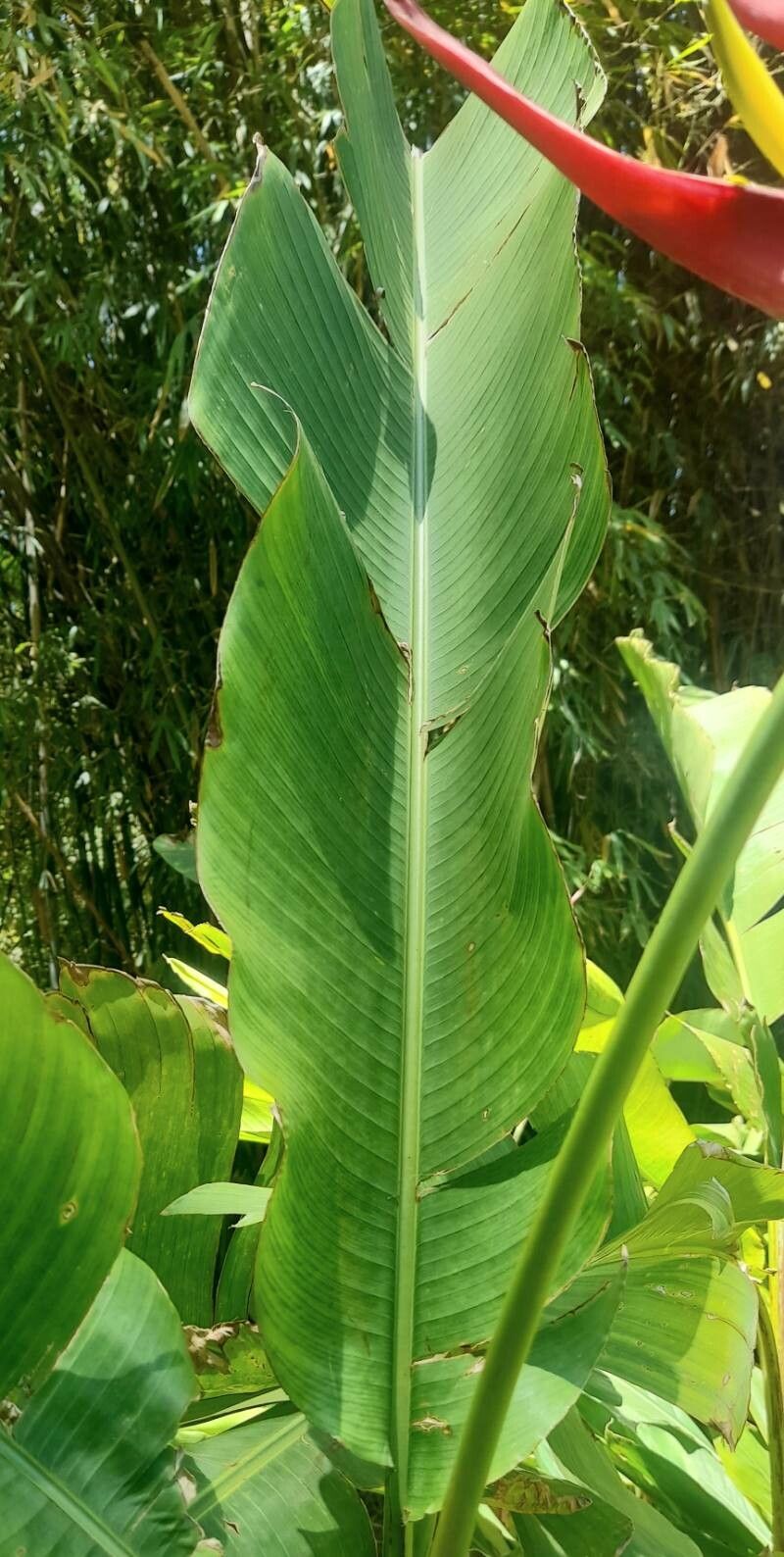
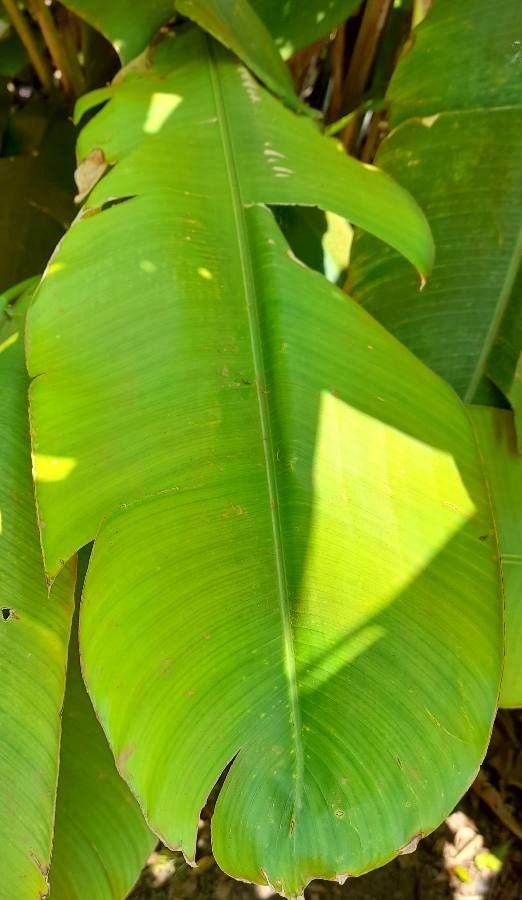
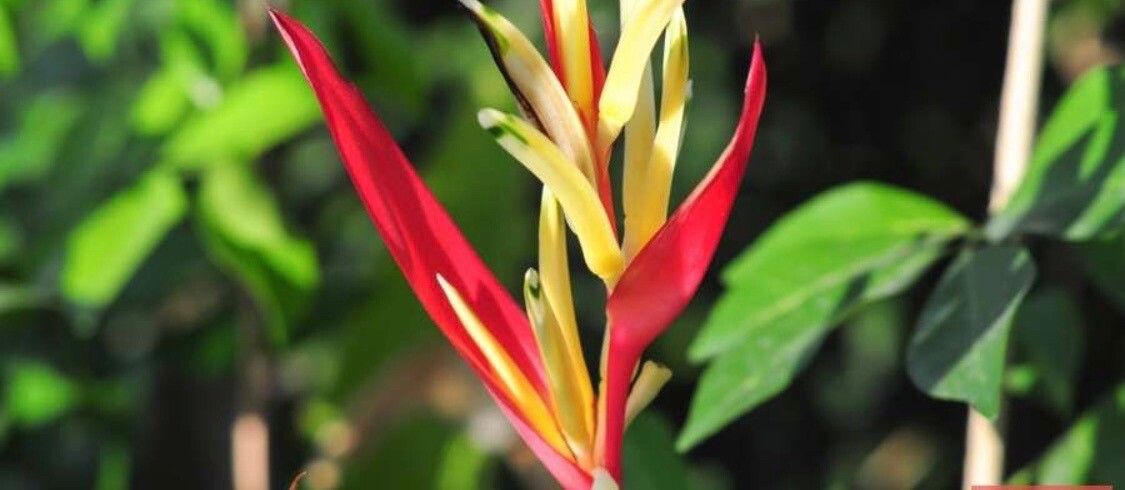
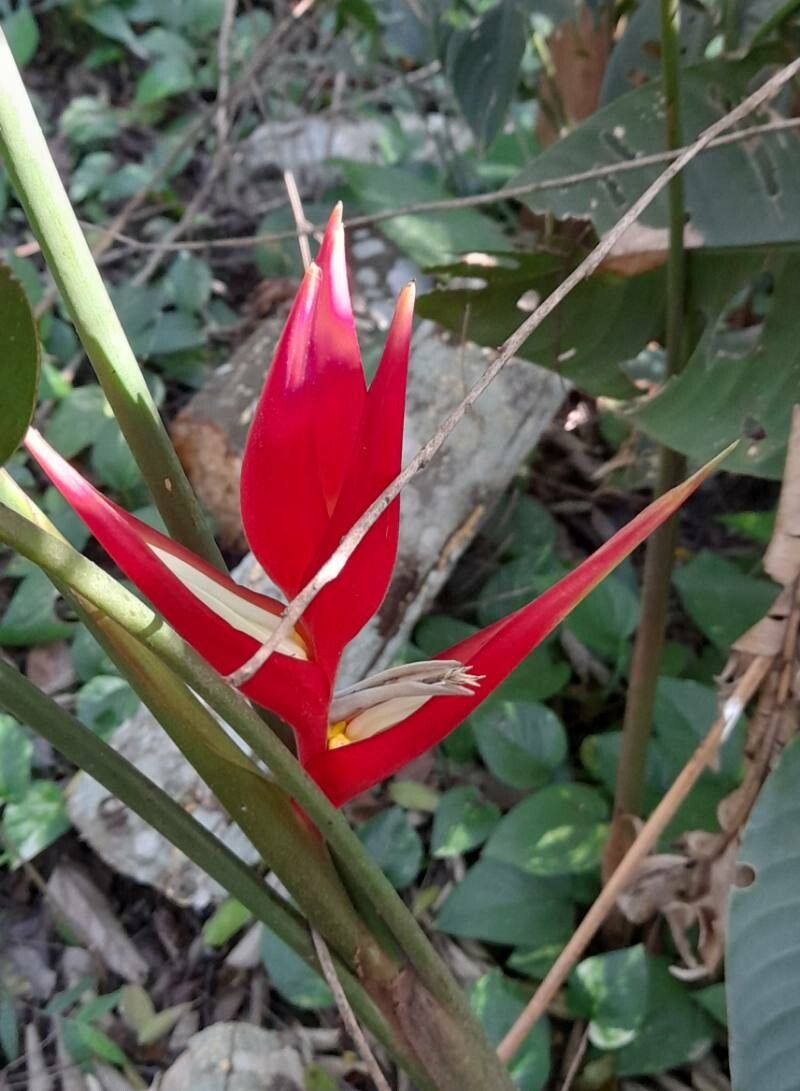
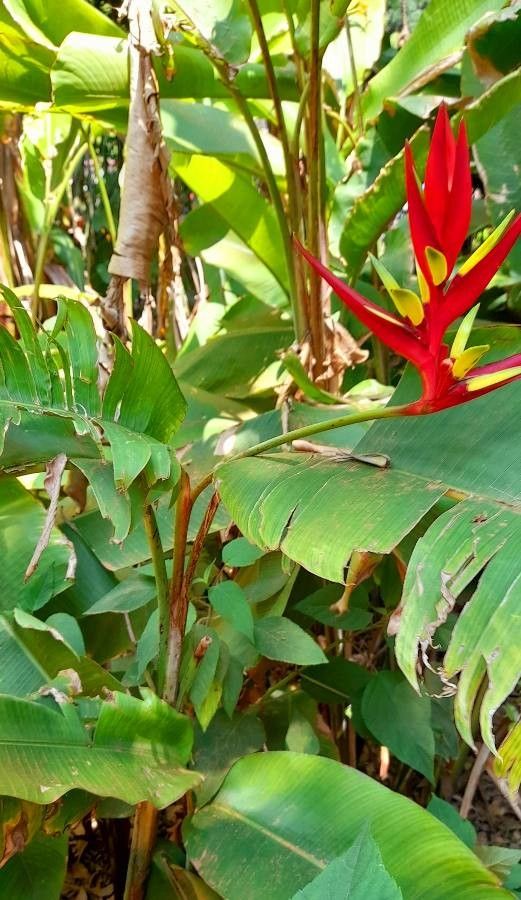
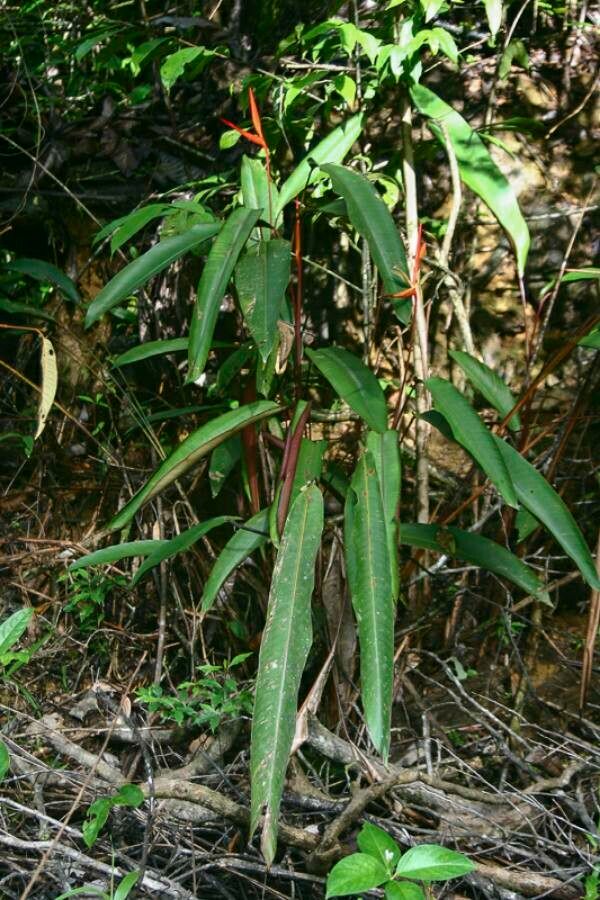
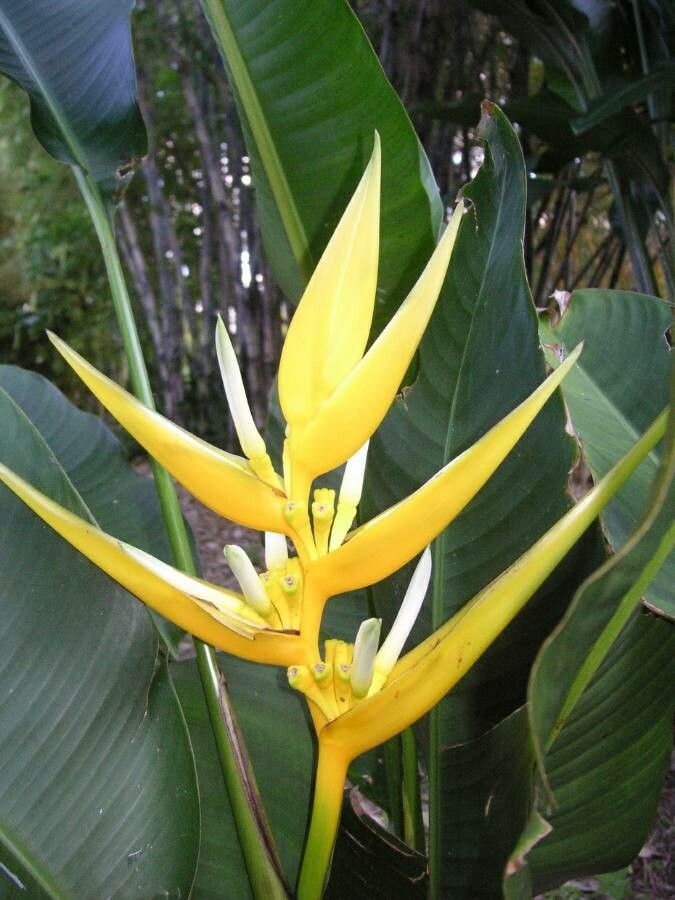
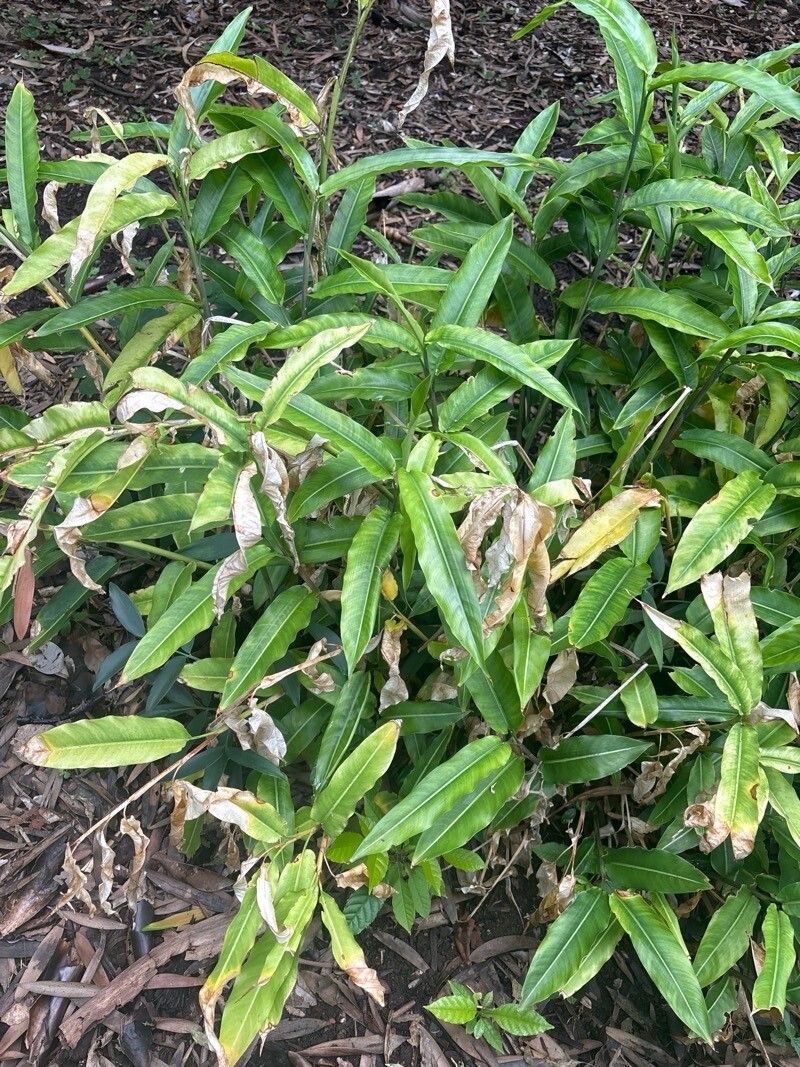
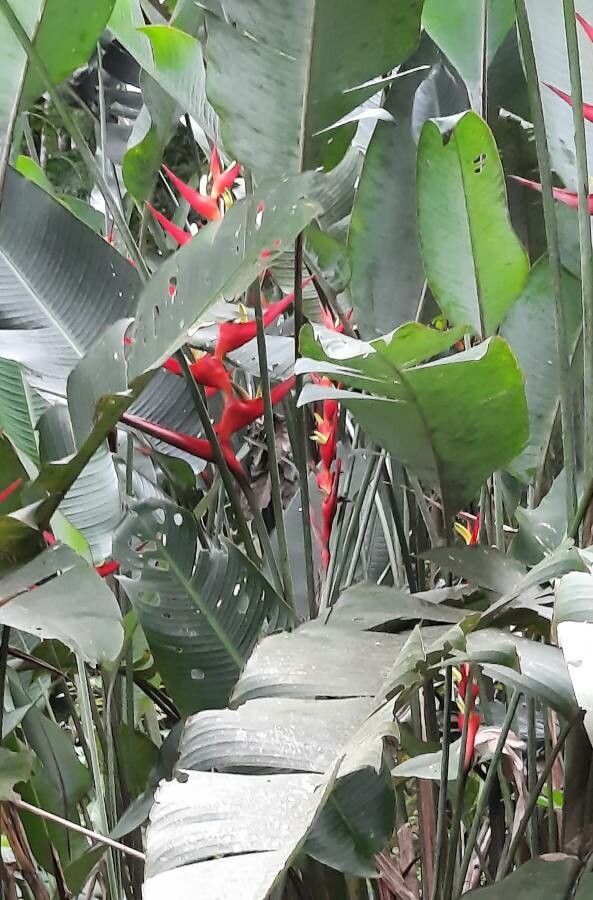
The Guatemalan bird of paradise has strong resistance to disease and is typically not susceptible to illnesses. Still, it can be affected by pests and diseases present in its environment. These problems are generally mild. Regarding upkeep, this plant needs moderate care. It should be pruned regularly to preserve a neat appearance and encourage healthy growth. Applying fertilizer can also help stimulate flowering. The Guatemalan bird of paradise is appropriate for anyone who has outdoor space, such as a garden or patio, and does not demand extensive care experience. It may need more attention if kept indoors.
How to keep Heliconia Subulata.
Light
Guatemalan bird of paradise occurs naturally in habitats like forest understories and rocky areas, where it grows in natural shade. It prefers partial sun but can adjust to full sun or full shade, reflecting its versatile and hardy nature.
Temperature
The Guatemalan bird of paradise is native to tropical regions, where the climate is typically warm and humid. As a result, it is well adapted to high temperatures and humidity. It dislikes sudden temperature changes and prefers a stable temperature environment, so it is important to avoid temperature fluctuations indoors. It usually does not tolerate cold temperatures and requires higher temperatures for growth. If the environmental temperature drops too low, the plant may stop growing or even die.
Fertilizer
Proper fertilization is vital for the Guatemalan bird of paradise's health and appearance. Fertilize the Guatemalan bird of paradise in summer, repeating the application monthly throughout the season. Nutrients fuel growth and help maintain the plant's components. Fertilization enhances the Guatemalan bird of paradise's flower display, ensuring the best blooms.
Pruning
The Guatemalan bird of paradise is known for its vibrant bracts and lush foliage. To promote healthy growth, prune the plant in early spring, removing any damaged stems in the process. It's important to thin out overcrowded areas to improve air circulation and allow more light to reach the plant. Regularly trimming spent flowers will encourage blooming and maintain the plant's neat appearance. Always use clean tools to prevent infections, which helps enhance the vigor and appeal of the Guatemalan bird of paradise.
Botanical profile.
- Plant Type
- Herb
- Life Cycle
- Perennial
- Genus
- Heliconia
- Family
- Heliconiaceae
- Hardiness Zone
- 10-12
- Mature Height
- 2.13 m to 3.05 m
- Mature Spread
- 0.91 m to 1.52 m
- Leaf Color
- Forest Green, Dark Green
- Leaf Type
- Evergreen
- Flower Size
- 7.62 cm to 11.43 cm
- Bloom Time
- All year round
- Planting Time
- Summer, Autumn
- Harvest Time
- All year round
Other names.
Reader questions.
What are the sunlight requirements for the Guatemalan bird of paradise (Heliconia subulata)?
The Guatemalan bird of paradise, known botanically as Heliconia subulata, thrives under specific sunlight conditions to ensure its growth and health. For optimal development, it requires full sun exposure, which amounts to more than 6 hours of sunlight daily. However, it can also grow well under partial sun, defined as about 3-6 hours of sunlight each day. When cultivating this plant, it's crucial to observe the movement of sunlight through your garden meticulously. This observation helps in selecting the ideal locations that offer an adequate balance of light and shade, catering perfectly to the needs of your Guatemalan bird of paradise and promoting its well-being.
What is the Guatemalan bird of paradise?
The Guatemalan bird of paradise is a plant known botanically as Heliconia subulata. Information about its essentials, such as care instructions, and any known symptoms it might cause or have, is not provided here.