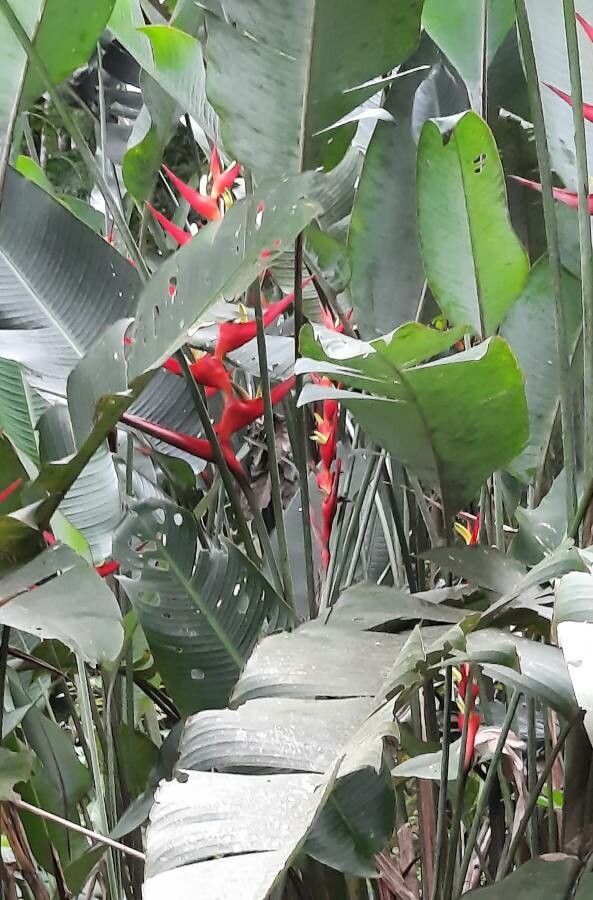
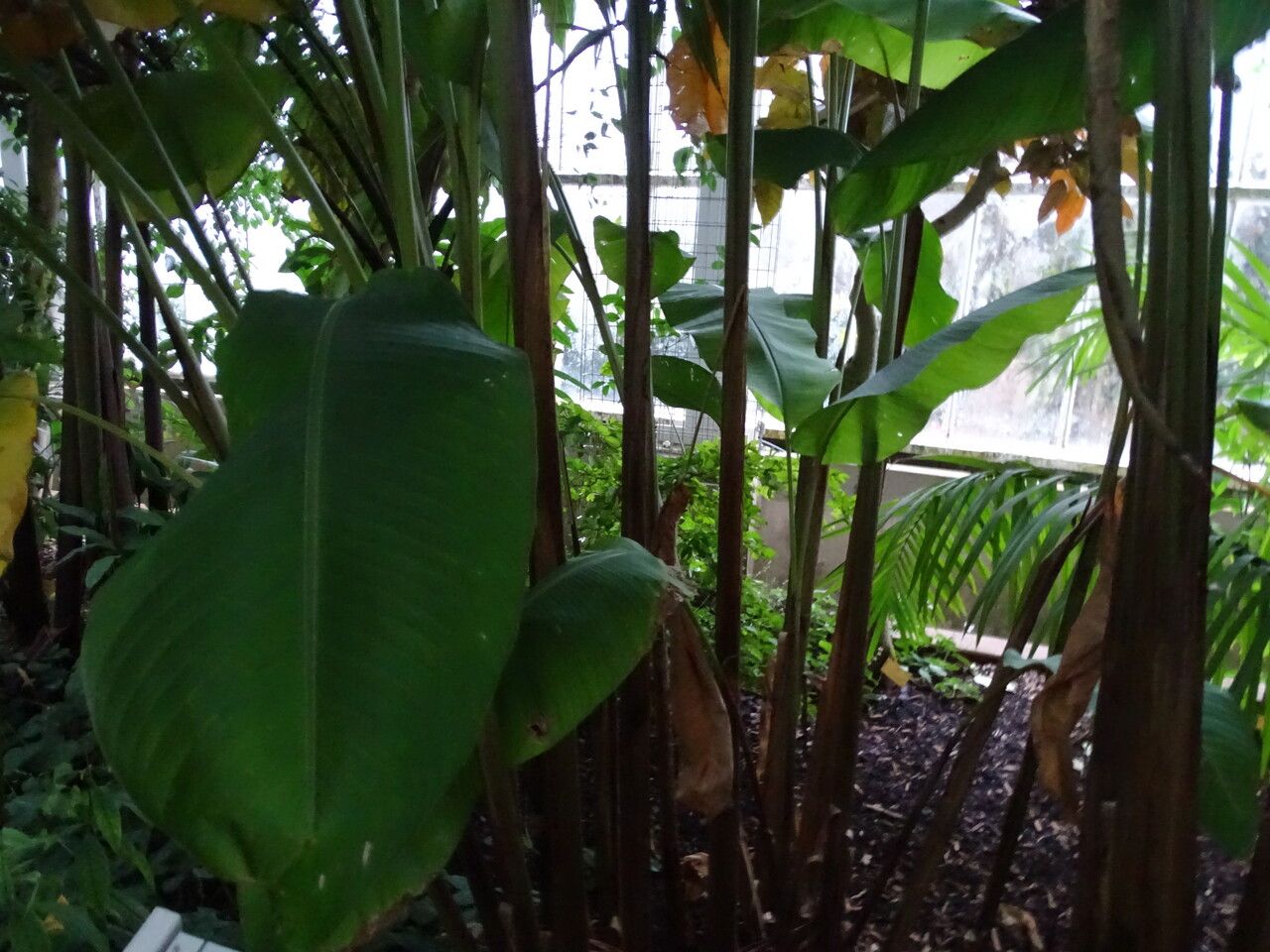
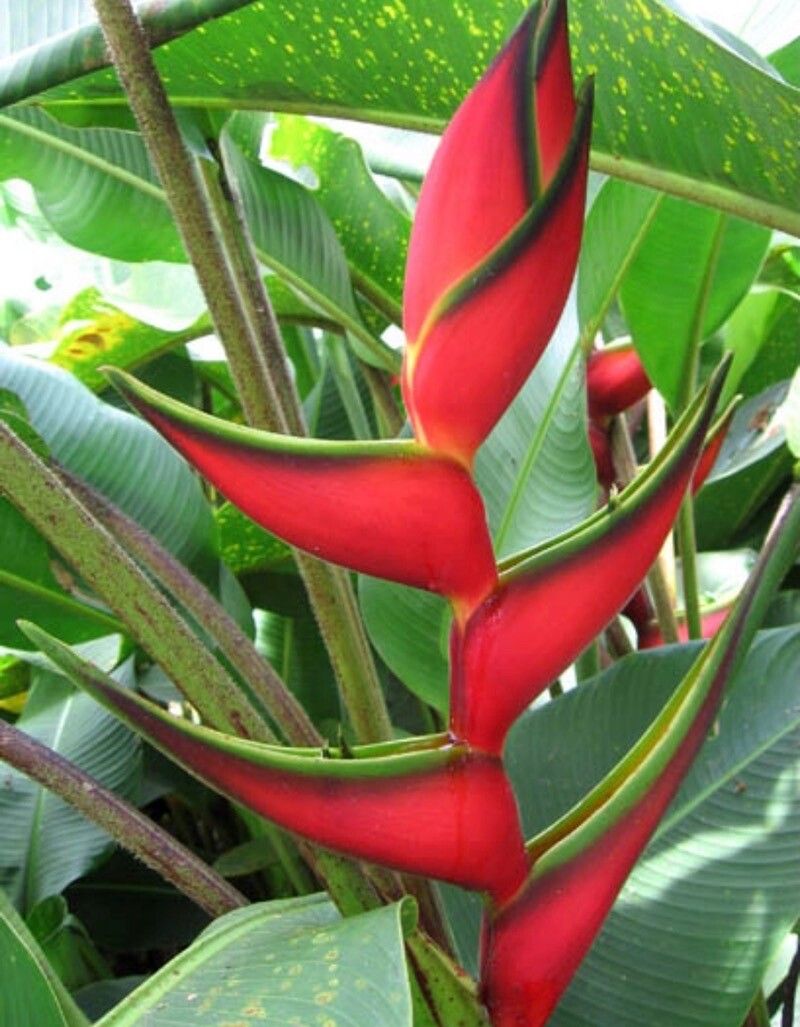
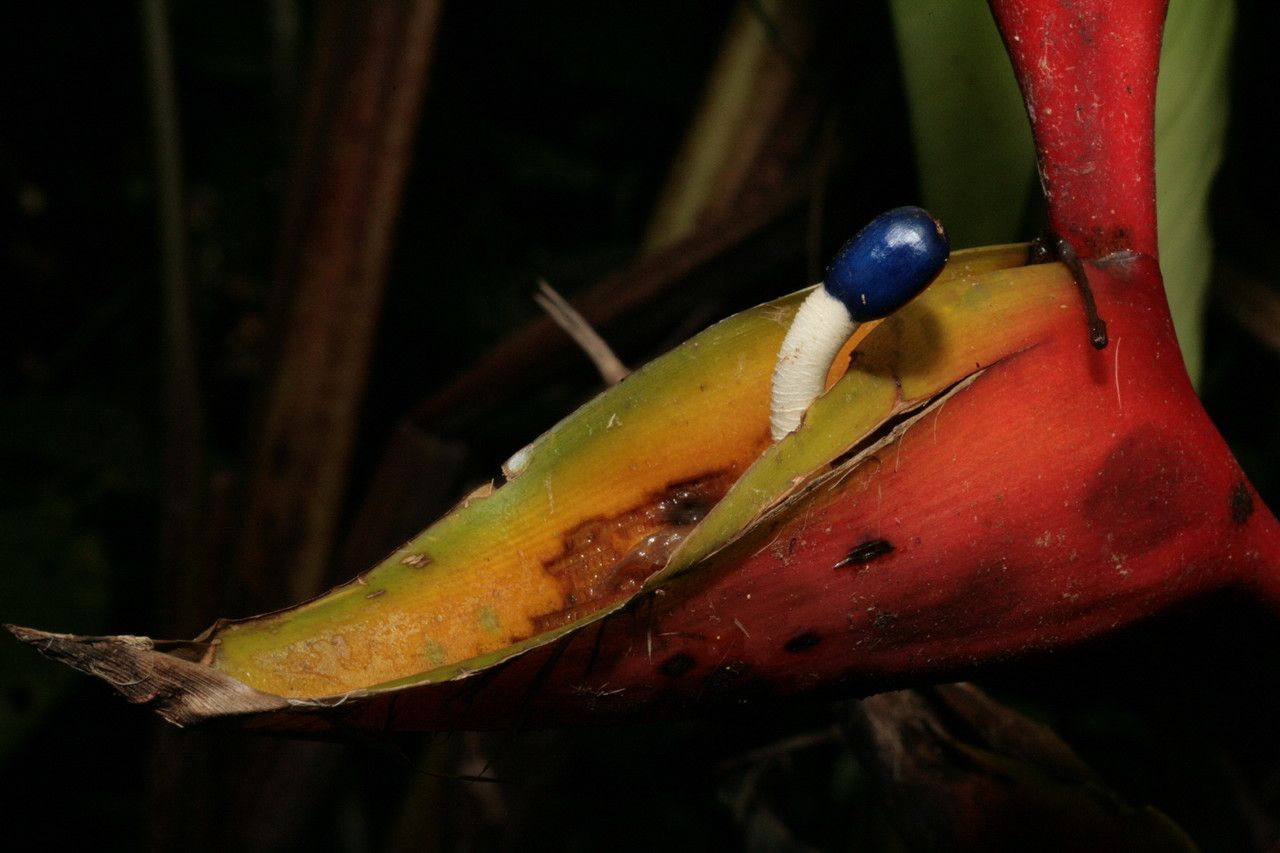
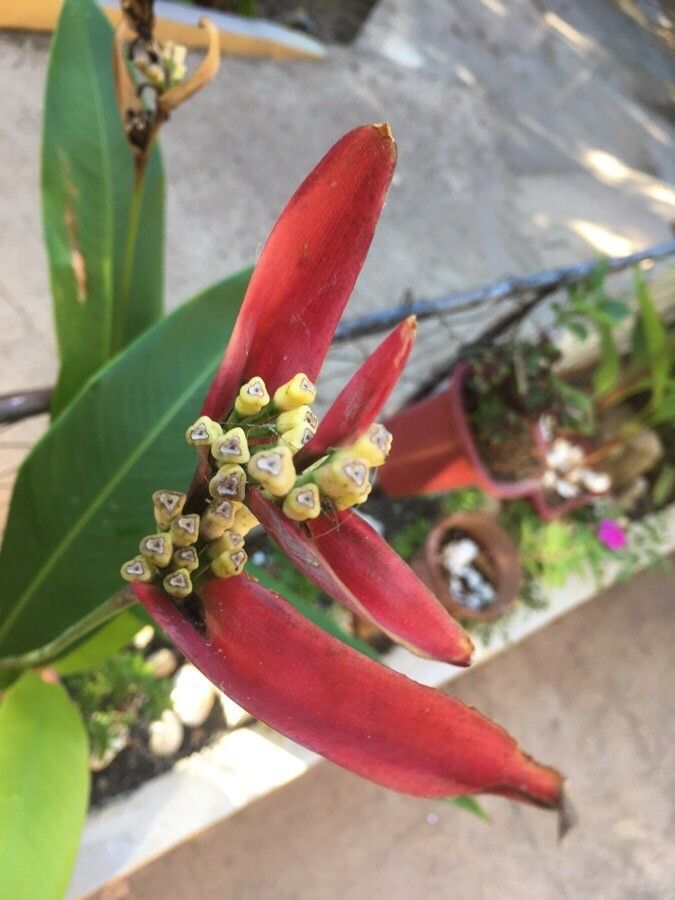
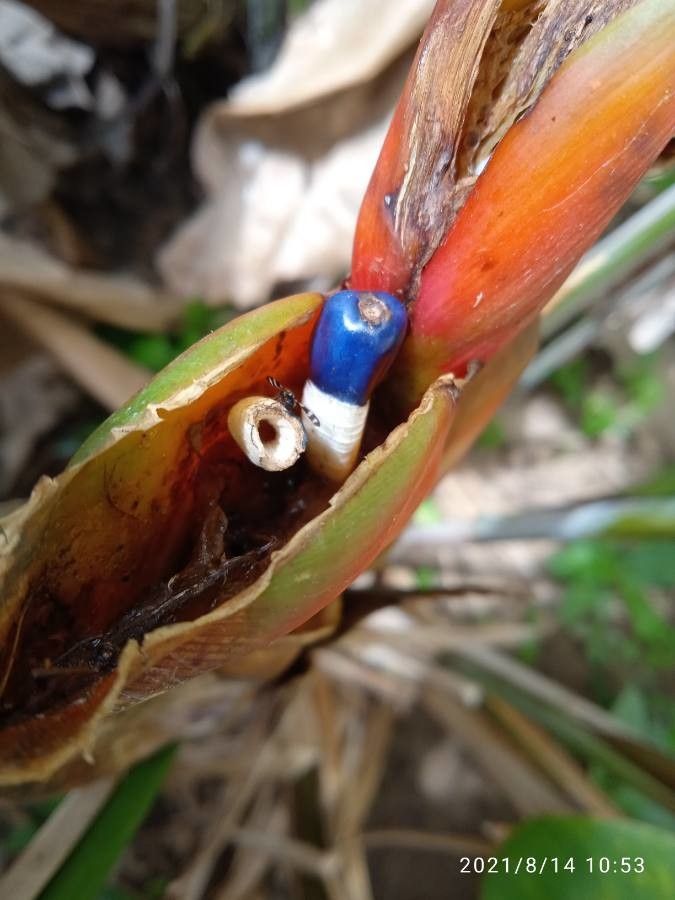
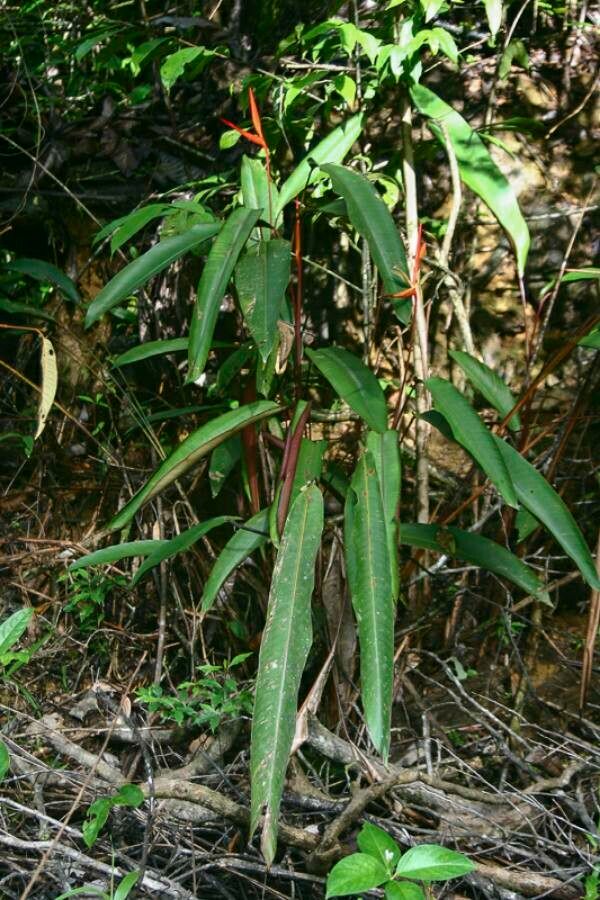
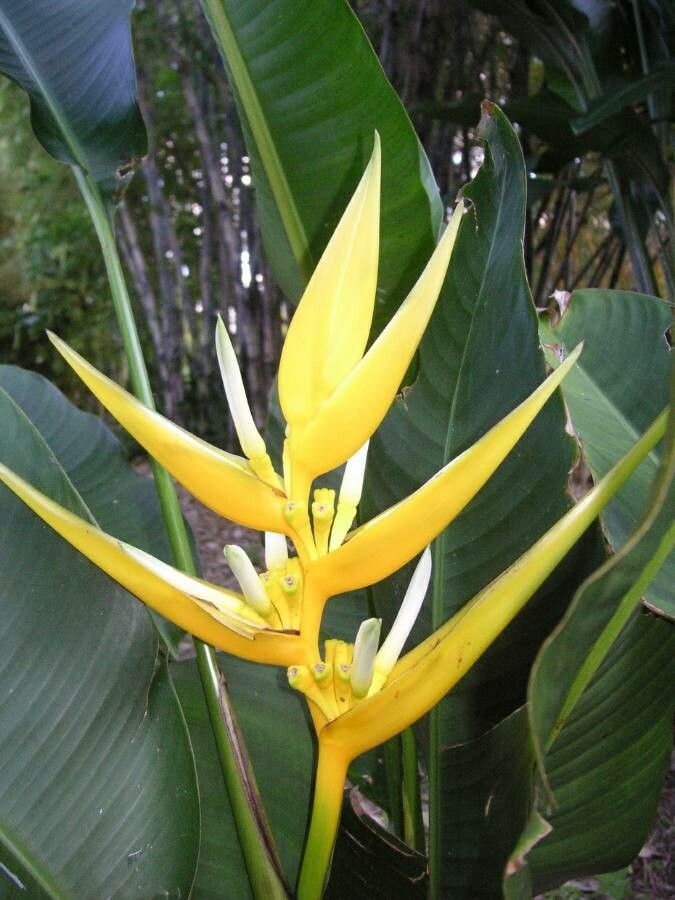
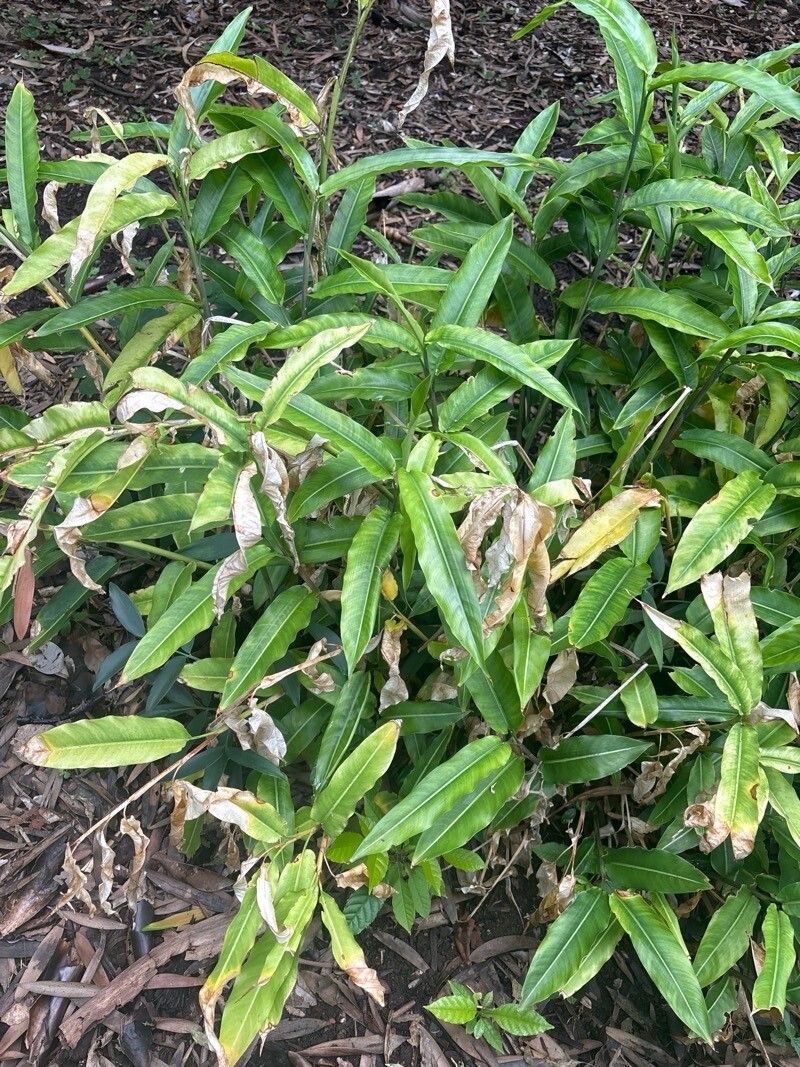
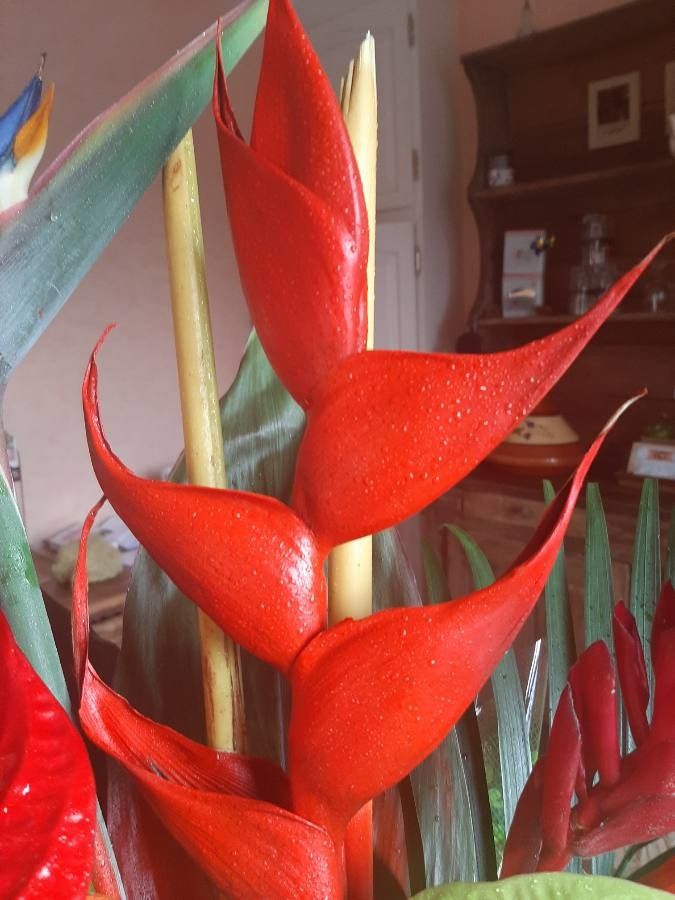
Heliconia bihai (red palulu) of the family Heliconiaceae is an erect herb typically growing taller than 1.5 m. It is native to northern South America and the West Indies. It is especially common in northern Brazil and the Guianas but also found in Hispaniola, Jamaica, the Lesser Antilles, Puerto Rico, Trinidad, Venezuela and Colombia. Other names by which the plant is commonly known include balisier and macawflower.
Bird of paradise has strong resistance to disease and is generally not prone to illness. However, it can be vulnerable to leaf spots if light and ventilation are poor and watering is excessive. The plant's care level is considered easy, since it mainly requires regular watering and little else. Bird of paradise is suitable for people who lack the time and energy to devote to regular care.
How to keep Heliconia Bihai.
Light
Bird of paradise performs best with plenty of sunlight, though it can cope with moderate light levels. Native to areas with abundant sun, too little light can cause poor growth and a failure to flower. Conversely, too much sun can scorch the leaves.
Water
The macaw-flower, native to tropical rainforests, thrives in high humidity and needs consistent moisture without becoming waterlogged. It benefits from being watered weekly, and its foliage remains lush throughout the year. This makes it an excellent choice for indoor cultivation, where humidity levels can be controlled.
Humidity
This plant will thrive in moderate humidity, which is probably the level in your home. However, misting it a few times a week can be very beneficial. Make sure the room has good ventilation.
Temperature
The bird of paradise does best in moderate to warm conditions, with temperatures ranging from 68 to 100 °F (20 to 38 °C). In its native habitat it prospers in warm coastal regions where temperatures rarely drop below 50 °F (10 °C). In winter, keep it above 50 to 55 °F (10 to 13 °C) to avoid frost damage. In summer it can tolerate somewhat higher temperatures but should be kept out of direct sun during the hottest part of the day.
Fertilizer
Appropriate fertilization is essential for the Bird of Paradise's health and appearance. Fertilize the Bird of Paradise in summer, repeating the application monthly throughout the season. Nutrients fuel growth and sustain the plant's structures. Fertilizing improves the Bird of Paradise's floral display, ensuring the best blooms.
Pruning
The Macaw-flower, known for its vibrant blossoms, benefits from regular pruning between early spring and late winter. Removing dead leaves during this period not only promotes air circulation and pest control but also enhances blooming. To maintain the plant's health, always use sharp, sterilized tools when pruning.
Pot & Repot
When repotting Bird of paradise, pick a pot 1-2 inches (2.5–5.1 cm) larger that provides good drainage. Use a well-draining potting mix. Repot in spring or fall, making sure the root ball sits slightly lower than the rim of the flower pot. Water thoroughly after repotting and place it in a warm spot with indirect sunlight.
Botanical profile.
- Plant Type
- Herb
- Life Cycle
- Perennial
- Genus
- Heliconia
- Family
- Heliconiaceae
- Hardiness Zone
- 10-12
- Mature Height
- 1.22 m to 1.83 m
- Mature Spread
- 30 cm to 91 cm
- Leaf Color
- Green, Gray, Silver, Blue
- Leaf Type
- Evergreen
- Flower Color
- Orange, Blue
- Flower Size
- 7.62 cm to 10.16 cm
- Bloom Time
- All year round
- Planting Time
- Spring
- Harvest Time
- All year round
- Native Area
- South Africa
Other names.
Reader questions.
How should I water my Macaw-flower to keep it healthy?
To properly water the Macaw-flower, it's important to follow a few guidelines. First, always use filtered water that is at room temperature. Tap water may contain harmful particles that could negatively affect the plant's health. Additionally, the Macaw-flower prefers warmer water, as it originates from a warm environment, and cold water can shock its system. Avoid overhead watering to prevent foliage complications. Instead, focus on thoroughly soaking the soil with your filtered room temperature water. This method helps to moisten the roots and allows them to spread and absorb necessary nutrients from the soil.
Why do I have to give my Macaw-flower fertilizer?
Fertilizer and soil nutrients are like fuel for your Macaw-flower. They are necessary for its healthy growth. Plants, in general, use the nutrients in the soil to develop new plant material and maintain their existing components. For the Macaw-flower, fertilization is essential to showcase its best flowers. Gardeners prioritize the appearance of the flowers, so they do everything possible to ensure they look their best. Fertilization is one of the most effective methods to help your Macaw-flower produce its most beautiful blooms.
What are the sunlight requirements for the Macaw-flower?
The Macaw-flower, also known as Heliconia bihai, thrives with plentiful yet moderated sun exposure. It benefits from partial sun, which is about 3-6 hours of sunlight, but can also tolerate full sun, meaning above 6 hours of sunlight daily. Its ideal growing conditions mimic its natural habitat, where light filters through the canopy of denser vegetation. It's important to observe the movement of sunlight through your garden to find spots that offer a balance of light and shade, ensuring the plant's health and vibrancy. Over-exposure to sunlight can stress the plant, while insufficient light may impede its growth.
What is the ideal temperature range for the Macaw-flower?
The Macaw-flower thrives in environments where the temperature ranges between 68 to 100 °F (20 to 38 °C). It is extremely heat-loving, and it is crucial to adapt its growing conditions to maintain temperatures within this range for optimal health. For those living in more temperate climates, seasonal adjustments may be necessary to accommodate the Macaw-flower's preference for warmth. During winter, it is beneficial to keep the plant in conditions above 20°C, ensuring that temperatures do not approach 0°C to avoid harming the plant.
What should I do if I give my Macaw-flower plant too much or too little water?
Overwatering is a more common issue than underwatering for the health of your Macaw-flower. When this species receives too much water, its stems and leaves may wilt, turn yellow, and it can lead to diseases like root rot, mold, and mildew, which can be deadly. Underwatering is less common due to the plant's drought tolerance, but it can still happen and result in brittle, brown leaves. It's important to recognize the signs of overwatering early on. Diseases caused by overwatering can be difficult to fix if left untreated for too long. If you notice early signs of overwatering, reduce your watering schedule immediately. Check the quality of the soil, and if it drains poorly, replace it with a well-draining potting mix. If your Macaw-flower is receiving too little water, simply water it more regularly until the signs subside.
What is the ideal time to add fertilizer to my Macaw-flower?
The Macaw-flower has two main phases each year: dormant and active growth. During the dormant phase in winter, the plant has minimal new growth. The active growth phase occurs in spring and fall, when fertilization is most needed. It is recommended to start fertilizing your Macaw-flower in spring and repeat feeding once a month in spring and most of summer. As fall approaches, you can reduce the frequency of fertilization.
How can artificial lighting be used for the Macaw-flower indoors?
Indoor Macaw-flowers require adequate lighting for healthy growth, especially when natural sunlight is insufficient. Artificial lights, such as LED lights, can provide essential wavelengths for the plant. For optimal growth, full sun plants need 30-50W/sq ft of artificial light, partial sun plants need 20-30W/sq ft, and full shade plants should get 10-20W/sq ft. The light source should be placed 12-36 inches above the plant to simulate natural sunlight conditions. Most plants will benefit from 8-12 hours of light per day, mimicking natural daylight hours.
How should I care for my Macaw-flower in cold temperatures?
Macaw-flowers prefer warm temperatures and do not tolerate cold well, thriving best when temperatures are above 20°C. To protect your Macaw-flower from cold damage, especially during the winter when temperatures can drop below 0°C, the plant should be moved indoors. If the temperature falls below -5°C, the leaves may begin to lighten in color, eventually turning brown or black after frost damage, accompanied by wilting and drooping. To mitigate frost damage, it's recommended to trim off the frost-damaged parts and move the plant to a warm environment indoors, near a south-facing window if possible, to ensure it receives ample sunlight. Additionally, avoid placing the plant near heaters or air conditioning vents to prevent air from becoming excessively dry.
How frequently should I give water to my Macaw-flower?
If your Macaw-flower is in a pot, the most precise way to determine if it needs water is by checking the soil. Stick your finger into the soil and if the top two to three inches are dry, it's time to water it. If you have your Macaw-flower planted in the ground outdoors, you can use a similar method to check the soil. Once again, if the top few inches of soil are dry, it's time to water. Generally, during spring and early fall, you'll need to water the plant about once a week using this method. However, during extremely hot weather, you may need to water it about twice a week or even more frequently. It's worth noting that mature and well-established Macaw-flowers can endure periods of drought quite well.
When should I not put fertilizer on my Macaw-flower?
To support the growth of Macaw-flowers without causing root burn, it is important to consider the plant's growth cycle. During the active growth phase in the spring and summer, extra nutrients are beneficial. However, in the fall and winter, when the plant enters its dormancy stage, it is best to halt fertilization.
What are the symptoms of inadequate light for a Macaw-flower?
Macaw-flower shows several symptoms when it doesn't receive adequate light. These include smaller new leaves compared to mature ones, leggy or sparse growth, faster leaf drop, slower or halted new growth, and lighter-colored or irregularly patterned new leaves. Conditions such as chlorosis, where leaves lose their green color, and sunscald, characterized by pale or necrotic areas on leaves, can occur. Leaf curling, wilting, and leaf scorching are also symptoms that may arise from excessive sunlight exposure or inadequate light.
What steps should I take if my Macaw-flower experiences high temperatures?
During the summer, ensure that your Macaw-flower's environment does not exceed 38°C to protect it from high temperature stress. If temperatures surpass 43°C, the plant may start showing signs of stress, such as a lighter leaf color and increased susceptibility to sunburn. To address sunburn or damage from high temperatures, trim away the affected areas and relocate the plant to a spot that is shaded from the intense midday and afternoon sun. Additionally, to assist the Macaw-flower in coping with heat, water the plant during cooler times of the day, like the morning and evening, to maintain soil moisture.