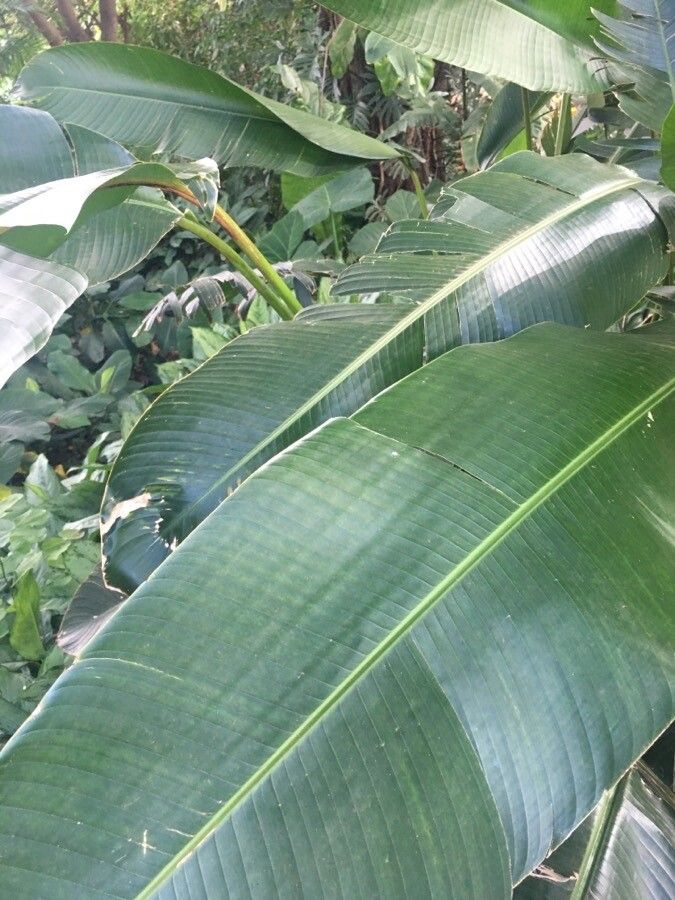
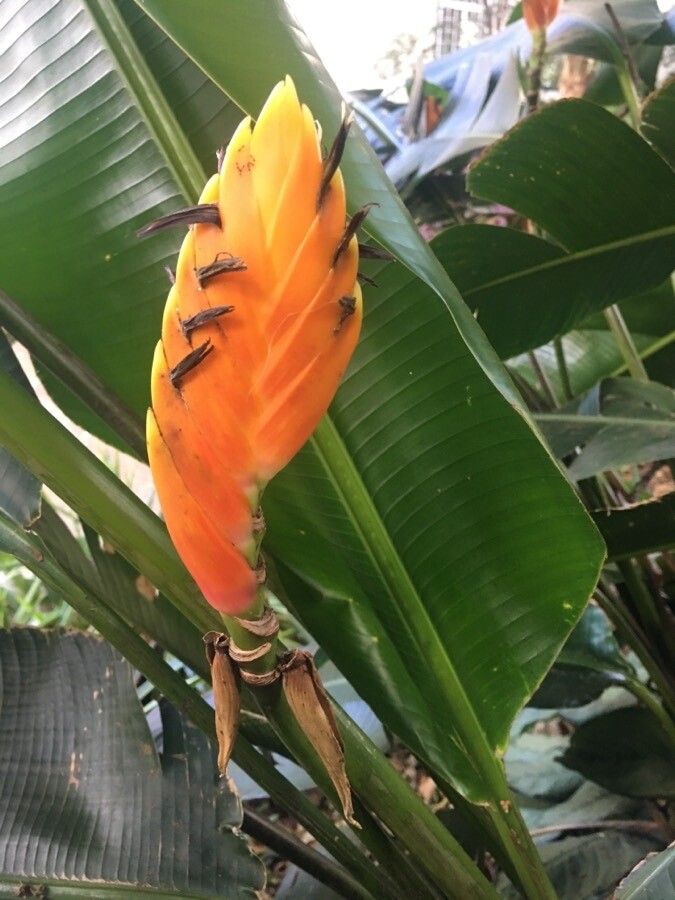
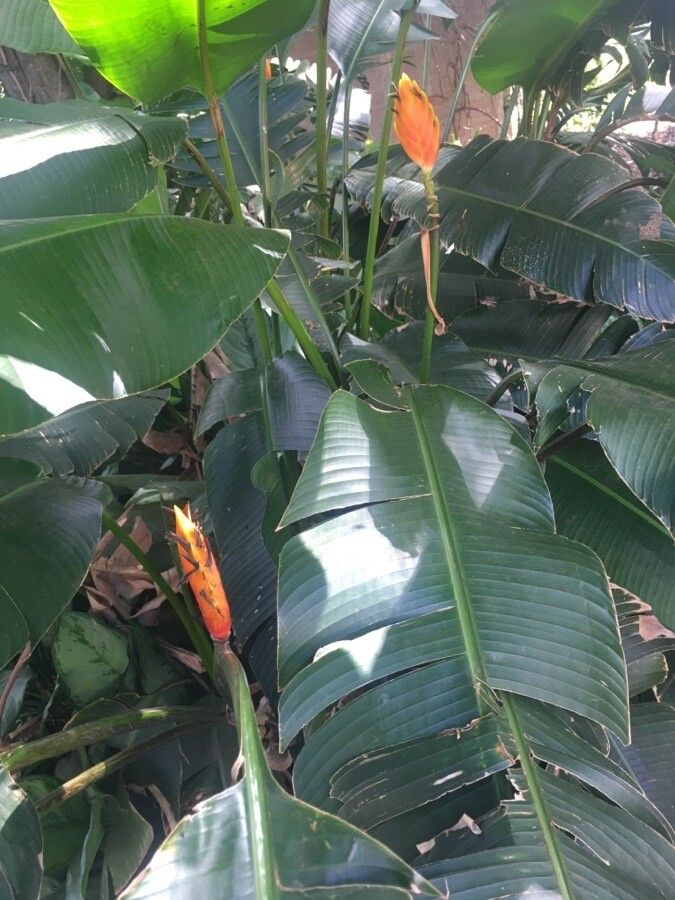
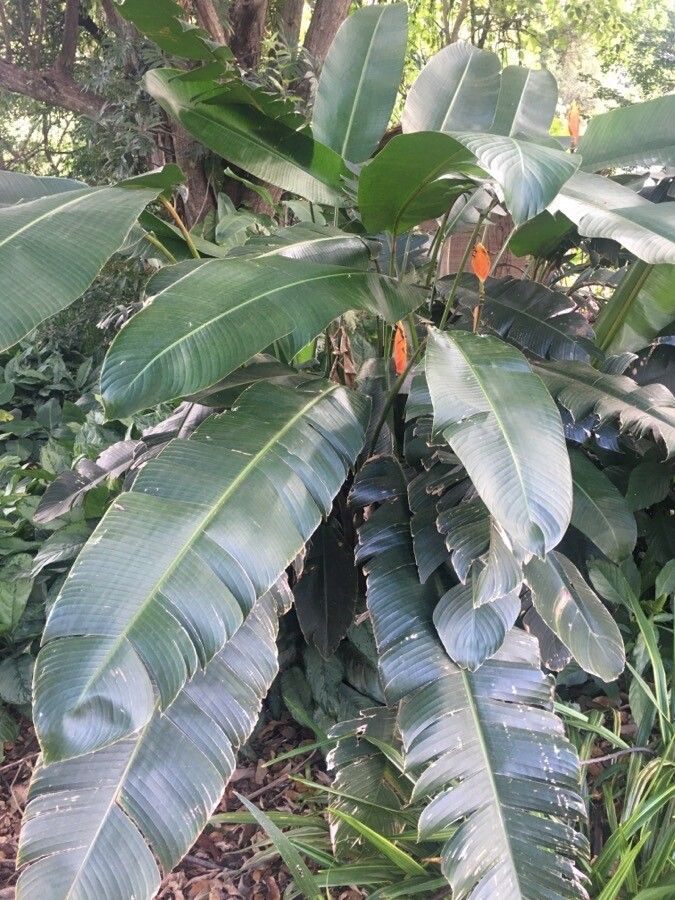
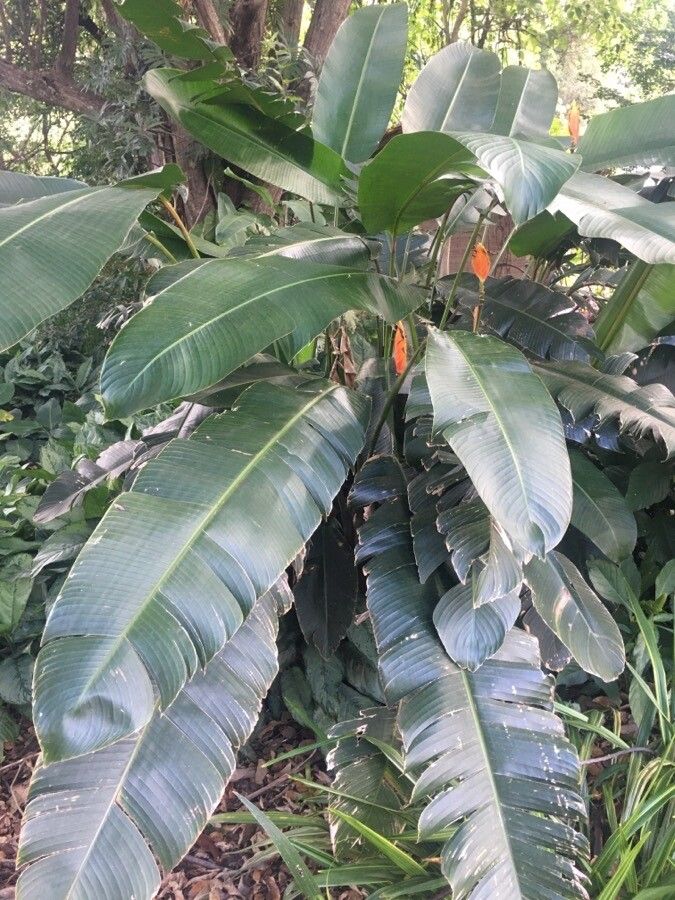
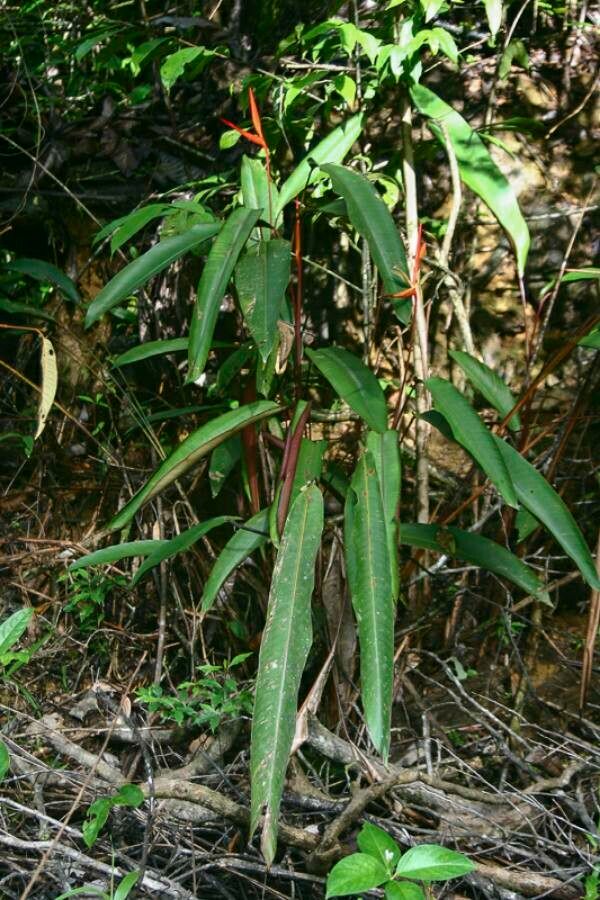
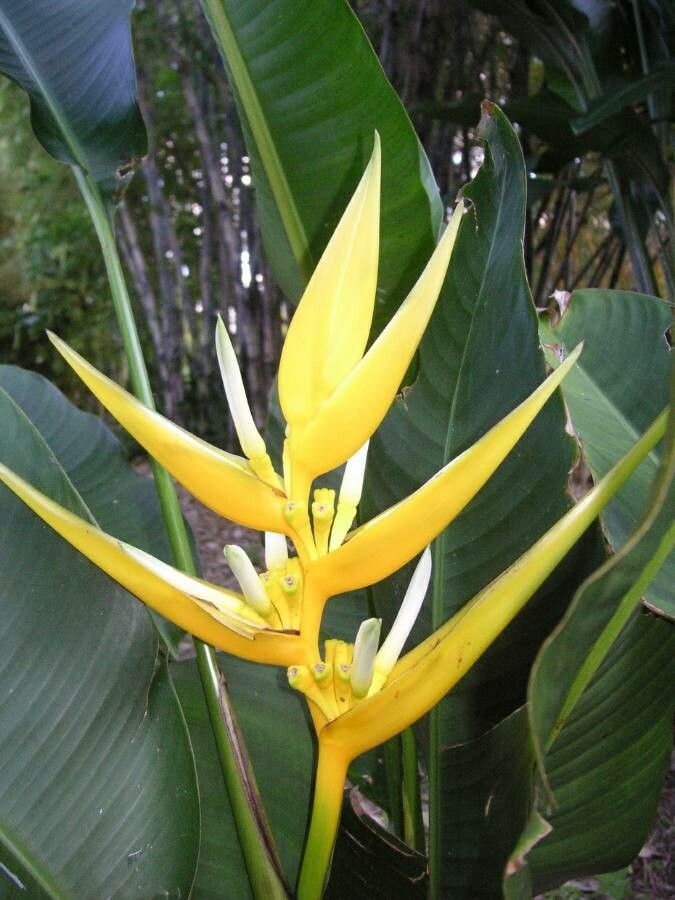
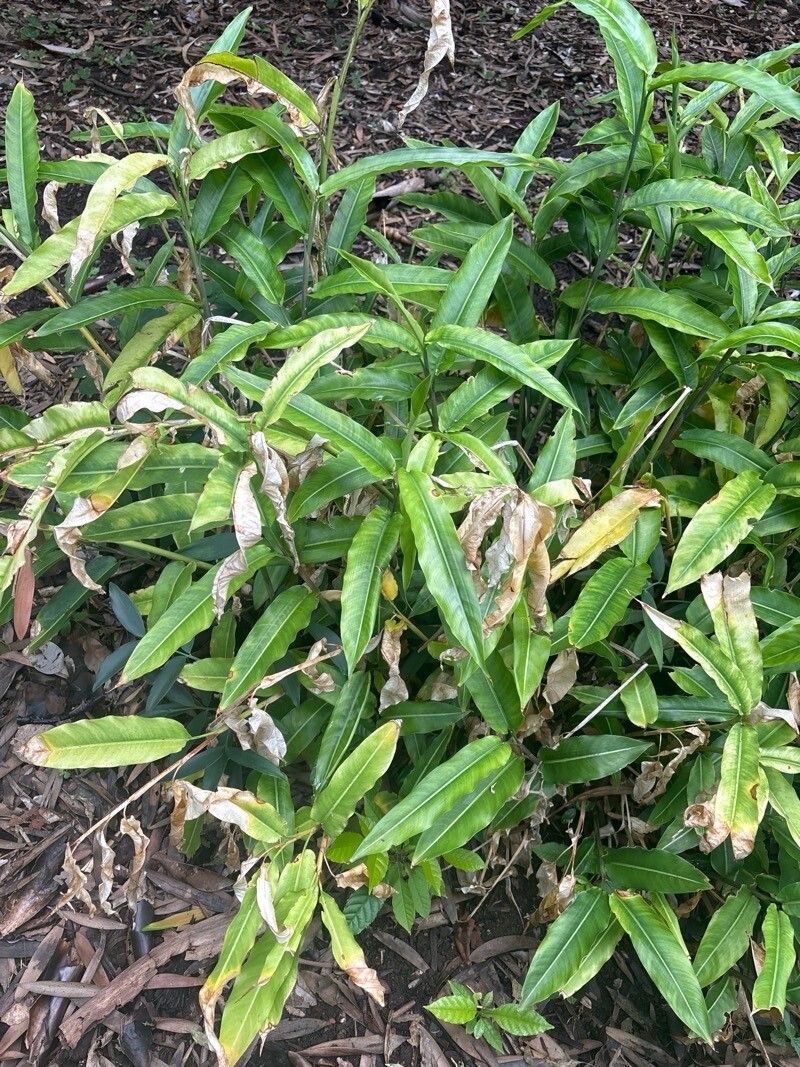
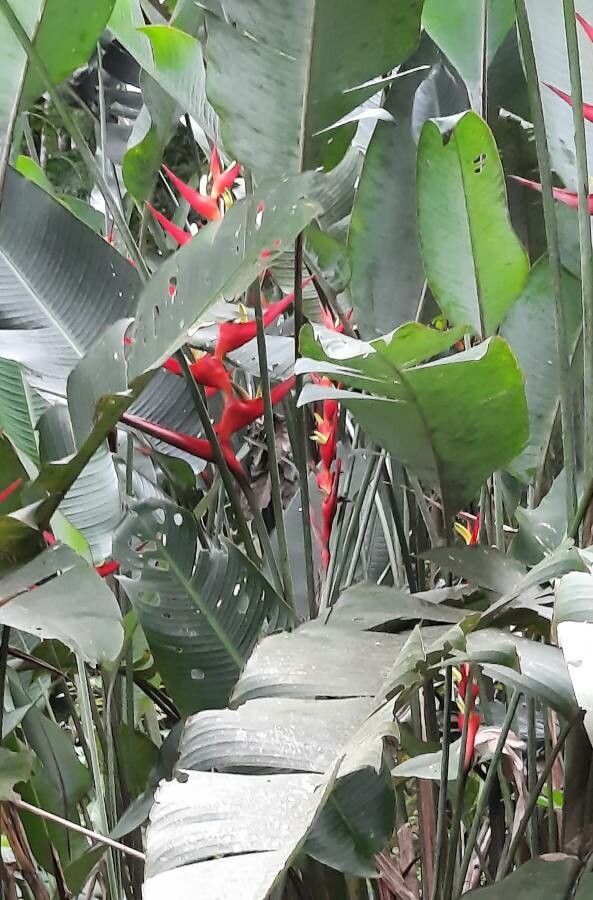
Heliconia episcopalis is a species of plant in the family Heliconiaceae. It is an erect herb typically grows up to 2 meters tall, native to the Amazon Rainforest, in Colombia, Venezuela, Guyana, French Guiana, Suriname, Brazil, Ecuador, and Peru in South America.
Heliconia episcopalis shows good resistance to diseases and is usually not susceptible to them. That said, it can be affected by pests and pathogens present in its surroundings. These problems are typically not serious. In terms of upkeep, the plant needs moderate care. It should be pruned regularly to keep a neat appearance and support healthy growth. Fertilizing can also encourage blooming. Heliconia episcopalis is appropriate for anyone with outdoor space, such as a garden or patio, and does not demand extensive experience with plant care. It may need more attention if grown indoors.
How to keep Heliconia Episcopalis.
Light
Heliconia episcopalis occurs naturally in habitats like forest understories and rocky areas, where it grows in natural shade. It prefers partial sun but can tolerate full sun or full shade, showing its versatility and hardiness.
Water
Heliconia episcopalis, native to tropical climates, thrives in environments with high humidity and consistently moist, well-draining soil. Water it every 1-2 weeks, allowing the soil to partially dry between waterings. Often cultivated outdoors because of its impressive size and foliage, heliconia episcopalis benefits from mulching, which helps retain moisture and regulate temperature.
Temperature
Heliconia episcopalis comes from tropical areas, where conditions are generally warm and humid. Consequently, it is adapted to high heat and humidity. It does not tolerate sudden shifts in temperature and favors a steady thermal environment, so avoiding temperature swings indoors is important. It typically cannot withstand cold and needs higher temperatures to grow. If the surrounding temperature falls too low, the plant may stop growing or even perish.
Fertilizer
Appropriate fertilization is essential for the health and appearance of Heliconia episcopalis. Fertilize Heliconia episcopalis during summer, repeating the application monthly throughout the season. Nutrients drive growth and help maintain the plant’s parts. Fertilization improves Heliconia episcopalis’s floral display, ensuring the best blooms.
Pruning
Heliconia episcopalis is known for its vibrant flowers and tall stalks. To keep the plant healthy, prune it in early spring by removing dead leaves and spent blooms. This encourages new growth and helps prevent disease. It's important to maintain an open structure for better air circulation. Be careful not to over-prune, as this can stress the plant. With proper care, you'll ensure a healthy and attractive presence in your garden.
Botanical profile.
- Plant Type
- Herb
- Life Cycle
- Perennial
- Genus
- Heliconia
- Family
- Heliconiaceae
- Hardiness Zone
- 10-12
- Mature Height
- 2.13 m to 3.05 m
- Mature Spread
- 0.91 m to 1.52 m
- Leaf Color
- Dark Green, Forest Green
- Leaf Type
- Evergreen
- Flower Color
- Red, Orange, Yellow
- Flower Size
- 15.24 cm to 20.32 cm
- Bloom Time
- All year round
- Planting Time
- Summer
- Harvest Time
- All year round
- Native Area
- Colombia, Bolivia, Venezuela, Peru, Brazil, Ecuador
Reader questions.
What are the sunlight requirements for Heliconia episcopalis?
Heliconia episcopalis requires full sun, which means it needs above 6 hours of sunlight a day, or partial sun, which is about 3-6 hours of sunlight a day. It's essential to observe how sunlight moves through your garden to find the perfect balance of light and shade for your plants, ensuring their happiness and health. This careful selection assists in the flourishing of Heliconia episcopalis.