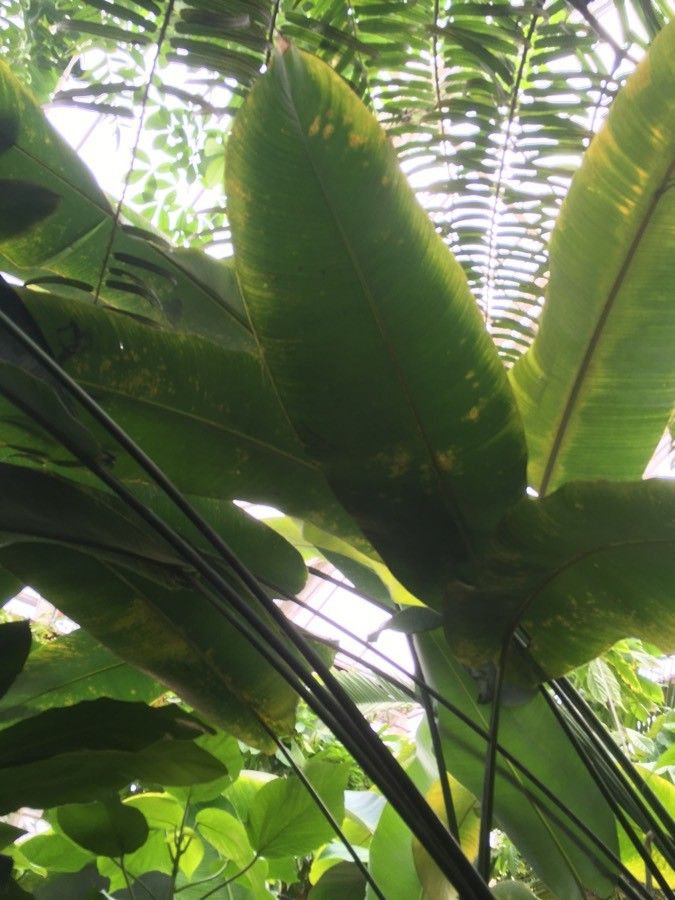
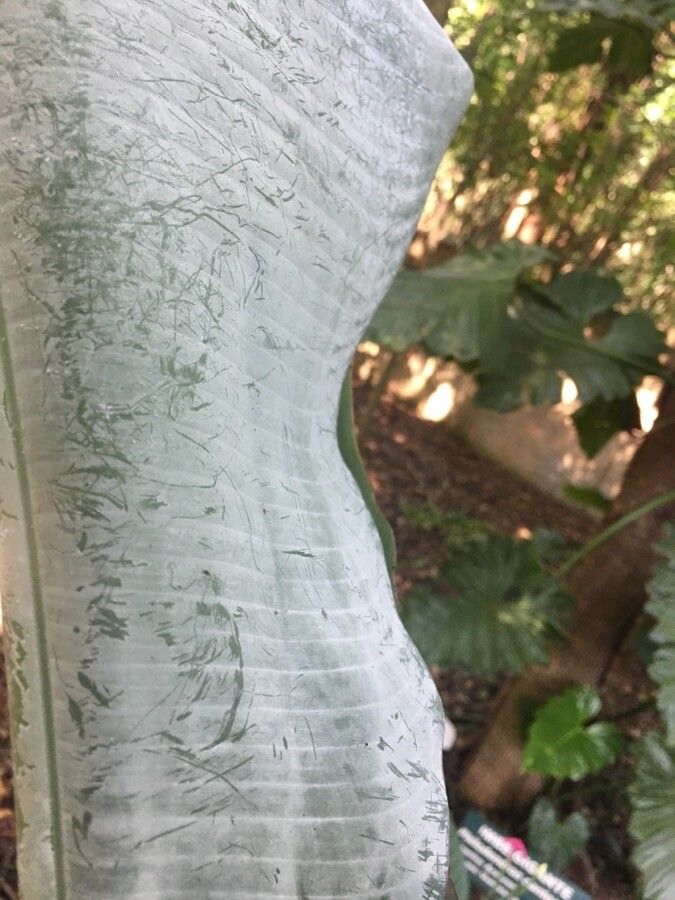
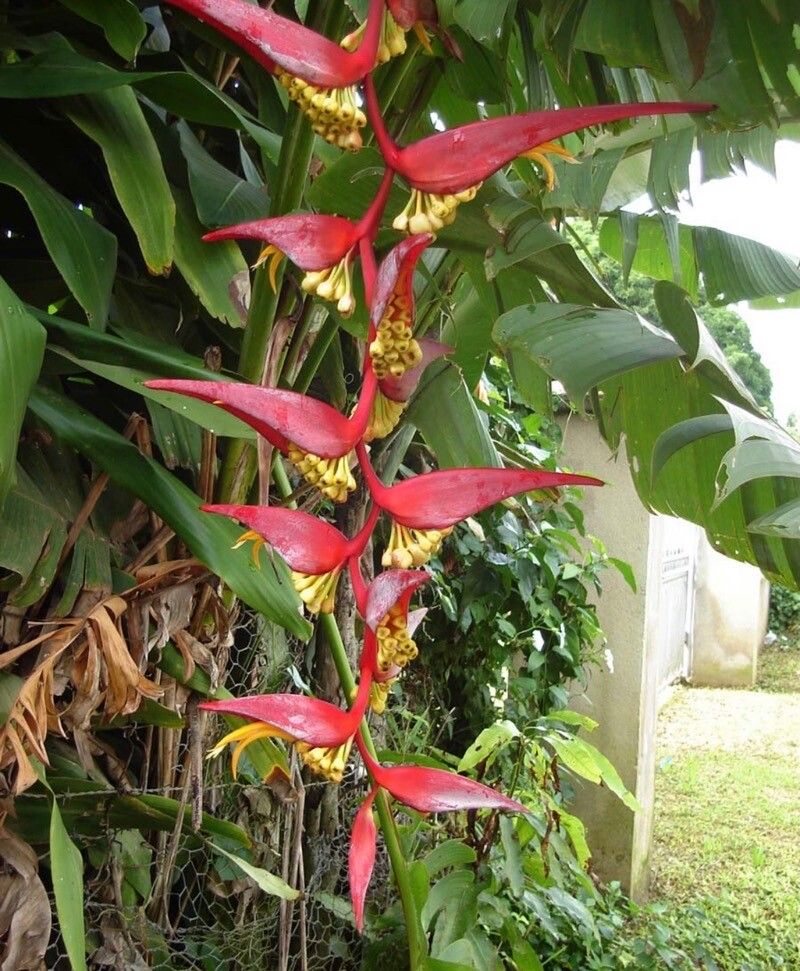
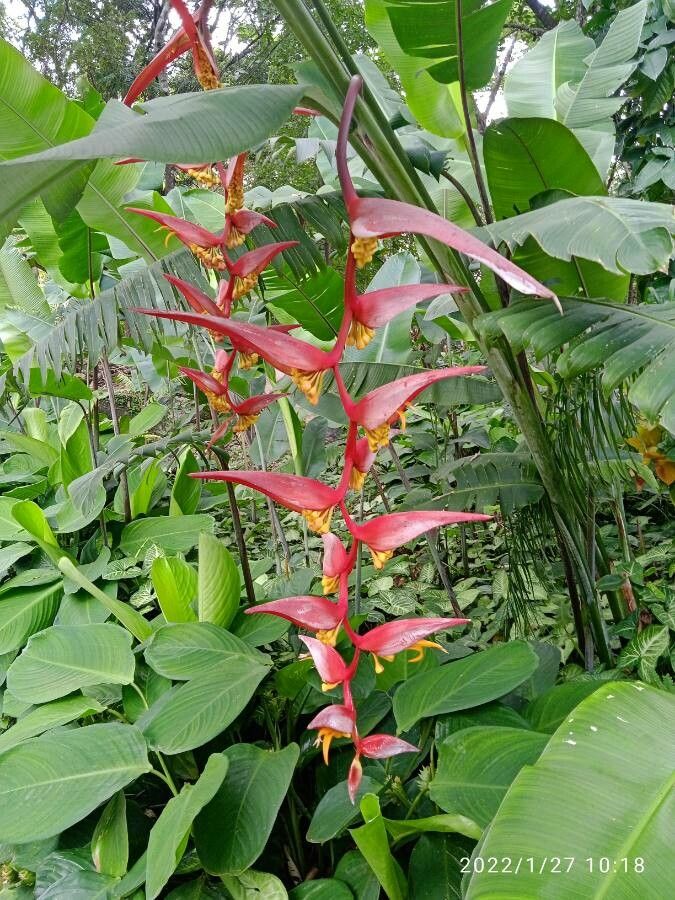
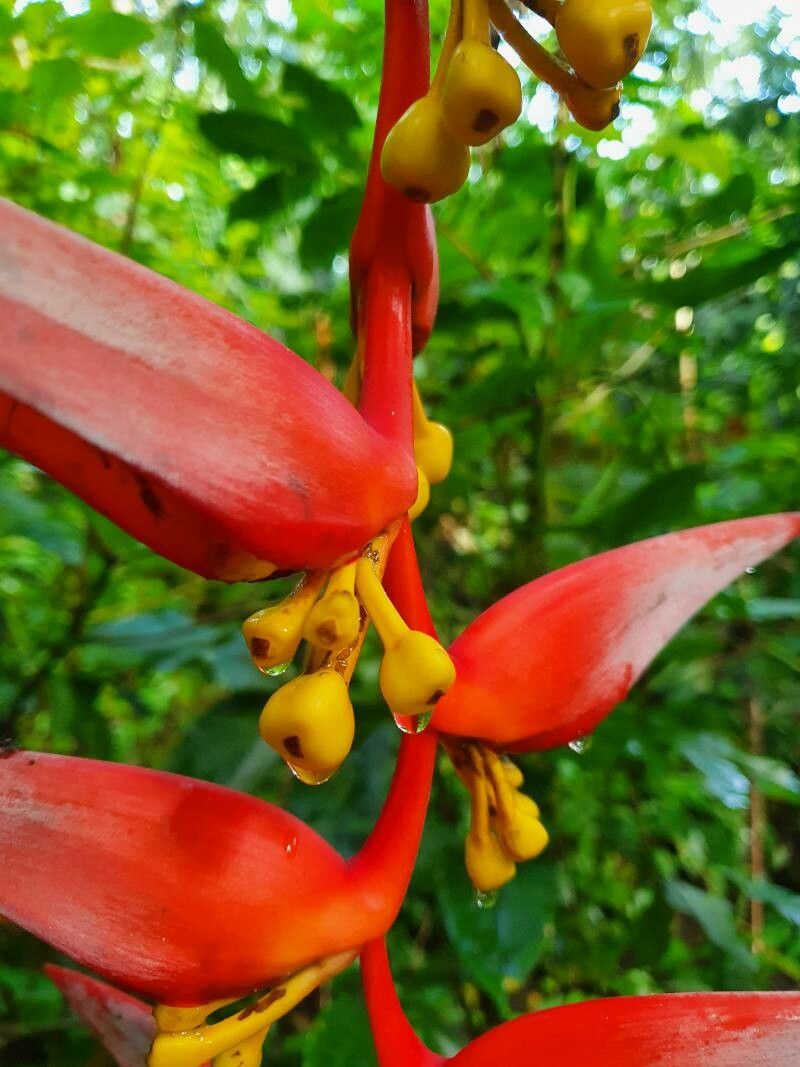
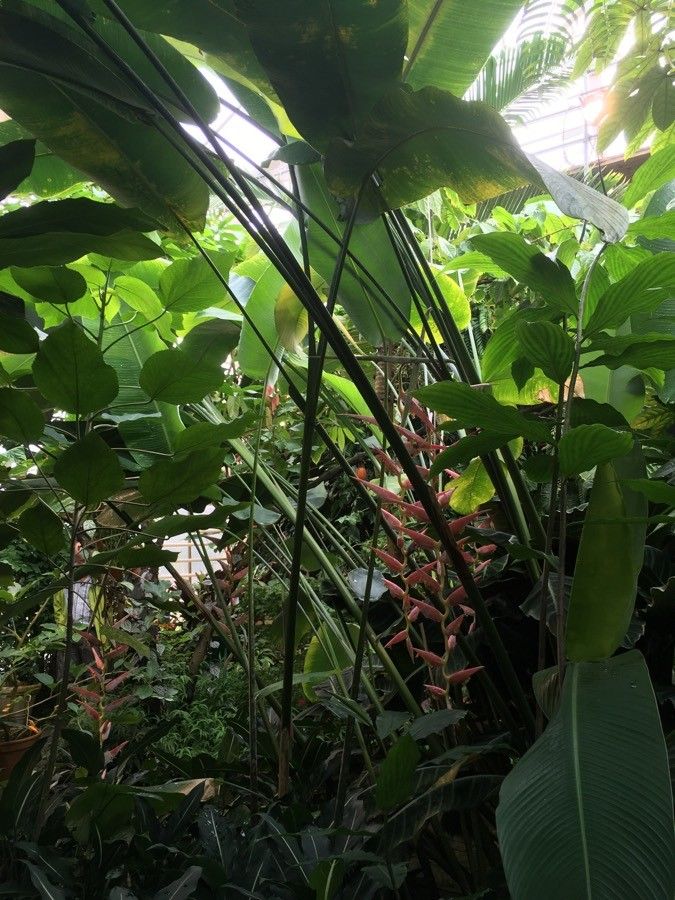
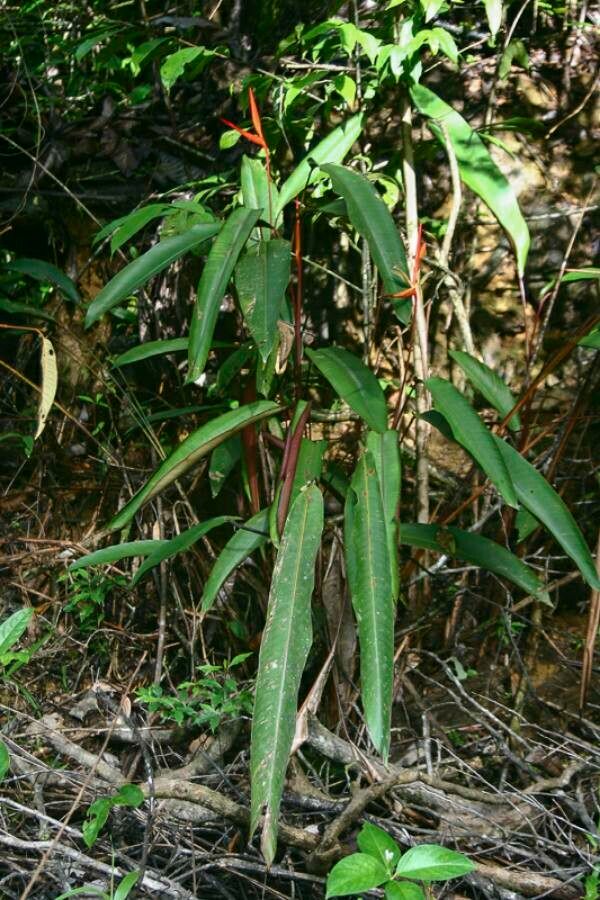
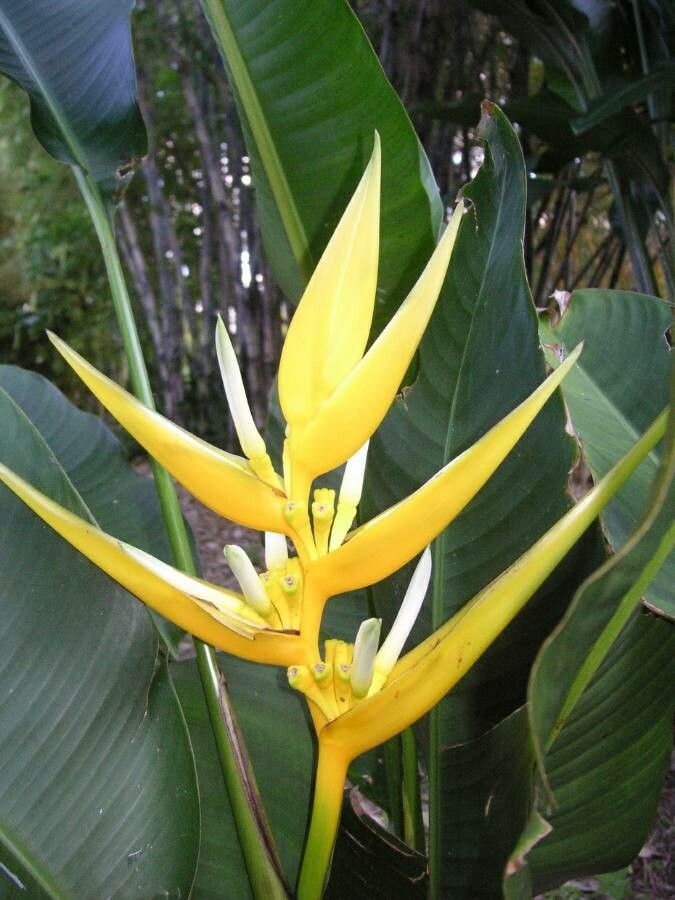
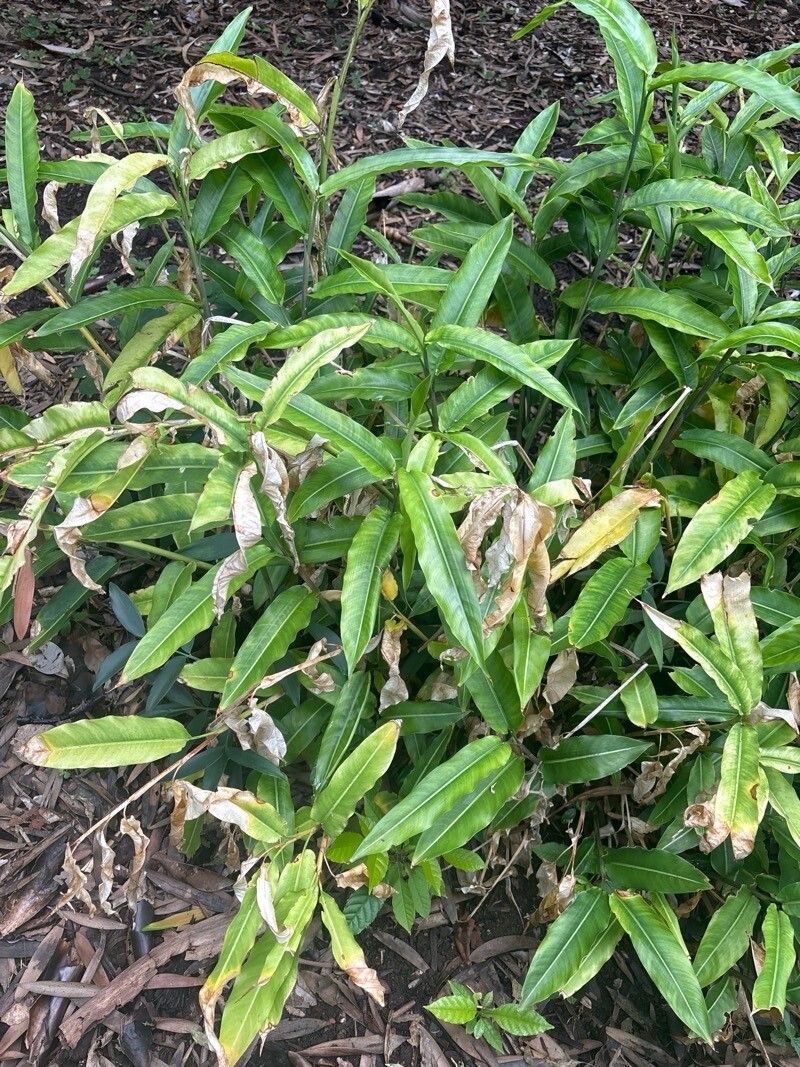
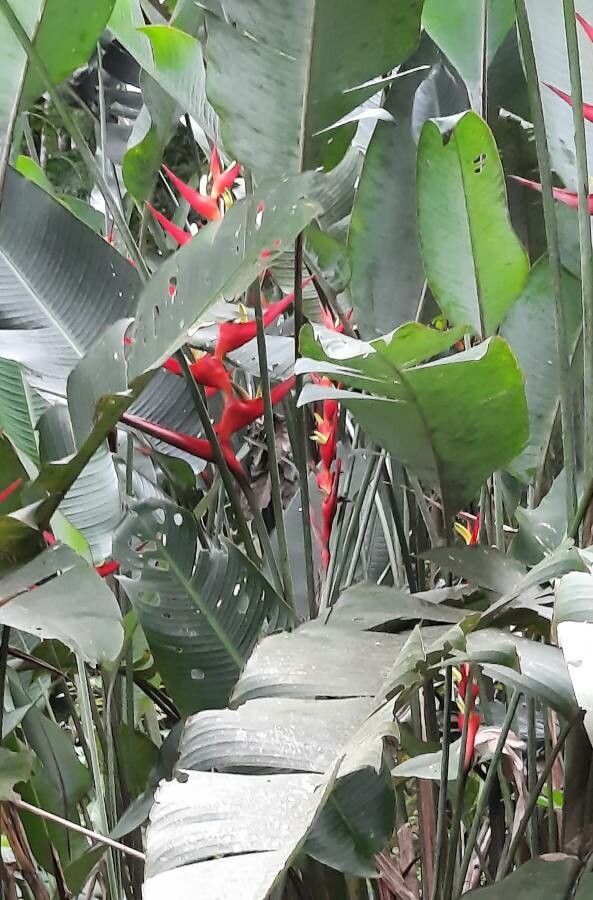
Heliconia collinsiana (platanillo) of family Heliconiaceae is an erect herb typically growing 10–15 feet (3.0–4.6 m) tall, native to Guatemala, Honduras, El Salvador, Nicaragua and southern Mexico (Chiapas, Oaxaca, Guerrero, Tabasco, Nayarit, Jalisco, Veracruz, Michoacán).
Platanillo has strong resistance to disease and typically does not suffer from illnesses. Nevertheless, it can be vulnerable to pests and diseases present in its environment. Such infections are generally mild. Regarding care, this plant needs a moderate level of upkeep. Regular pruning is necessary to preserve an attractive appearance and encourage healthy growth. Applying fertilizer can also aid in enhancing flowering. Platanillo is appropriate for anyone with outdoor areas like a garden or patio and does not demand extensive plant-care experience. It may need more attention if cultivated indoors.
How to keep Heliconia Collinsiana.
Light
Platanillo is naturally found in habitats like forest understories and rocky areas, where it grows under natural shade. It prefers partial sun but can adapt to full sun or full shade, illustrating its versatile, hardy nature.
Water
Platanillo thrives in environments with high humidity and consistent moisture. It requires soil that remains evenly moist and benefits from weekly watering. This evergreen plant also gains from natural rainfall, which enhances its vibrant foliage and robust growth. Consequently, Platanillo is best suited for outdoor cultivation.
Temperature
Platanillo comes from tropical areas where the climate is usually warm and humid. Therefore, it is adapted to high heat and humidity. It does not tolerate sudden temperature shifts and prefers a consistent temperature, so avoiding indoor temperature fluctuations is important. It typically cannot endure cold and needs warmer conditions to grow. If the ambient temperature falls too low, the plant may stop growing or even die.
Fertilizer
Proper fertilization is vital for Platanillo's health and appearance. Fertilize Platanillo during summer, repeating the treatment monthly throughout the season. Nutrients supply energy for growth and help maintain the plant's components. Fertilization improves Platanillo's flower display, ensuring the best blooms.
Pruning
Platanillo is known for its large, colorful bracts. To keep the plant healthy, it's best to prune it in early spring. During this time, remove any dead canes and thin out overcrowded areas to improve airflow and allow more sunlight to reach the plant. Additionally, trim off any spent flower stalks to encourage new blooms. This not only enhances the plant's appearance and vigor but also helps prevent disease.
Botanical profile.
- Plant Type
- Herb
- Life Cycle
- Perennial
- Genus
- Heliconia
- Family
- Heliconiaceae
- Hardiness Zone
- 10-12
- Mature Height
- 2.13 m to 3.96 m
- Mature Spread
- 0.91 m to 2.13 m
- Leaf Color
- Green, Dark Green
- Leaf Type
- Evergreen
- Flower Size
- 15.24 cm to 20.32 cm
- Bloom Time
- All year round
- Planting Time
- Spring, Summer
- Harvest Time
- All year round
- Native Area
- Belize, Honduras, Mexico, Guatemala, El Salvador, Nicaragua
Other names.
Reader questions.
What are the sunlight requirements for Platanillo (Heliconia collinsiana)?
Platanillo, or Heliconia collinsiana, thrives best when it receives the correct amount of sunlight. It requires 'full sun' exposure, meaning it needs above 6 hours of sunlight daily to grow optimally. Alternatively, it can also grow in 'partial sun' conditions, which entail receiving about 3-6 hours of sunlight daily. It's important to observe the way sunlight moves through your garden to find spots that offer the right mix of light and shade, ensuring the plants remain happy and healthy.
What is Platanillo?
Platanillo, known botanically as Heliconia collinsiana, is a species of plant with distinctive characteristics. The specific details regarding its essentials and symptoms were not provided in the data.