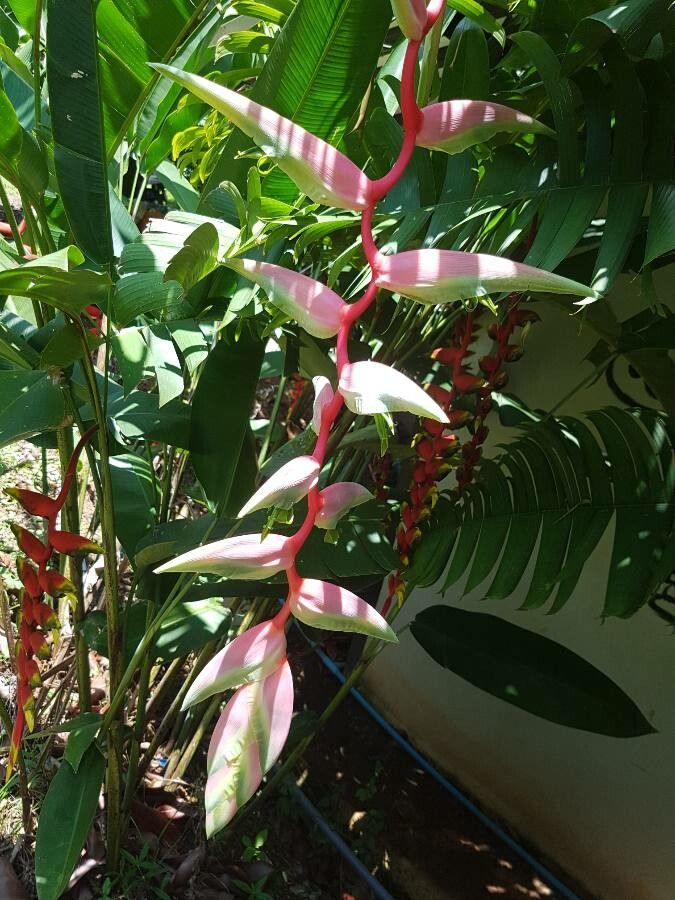
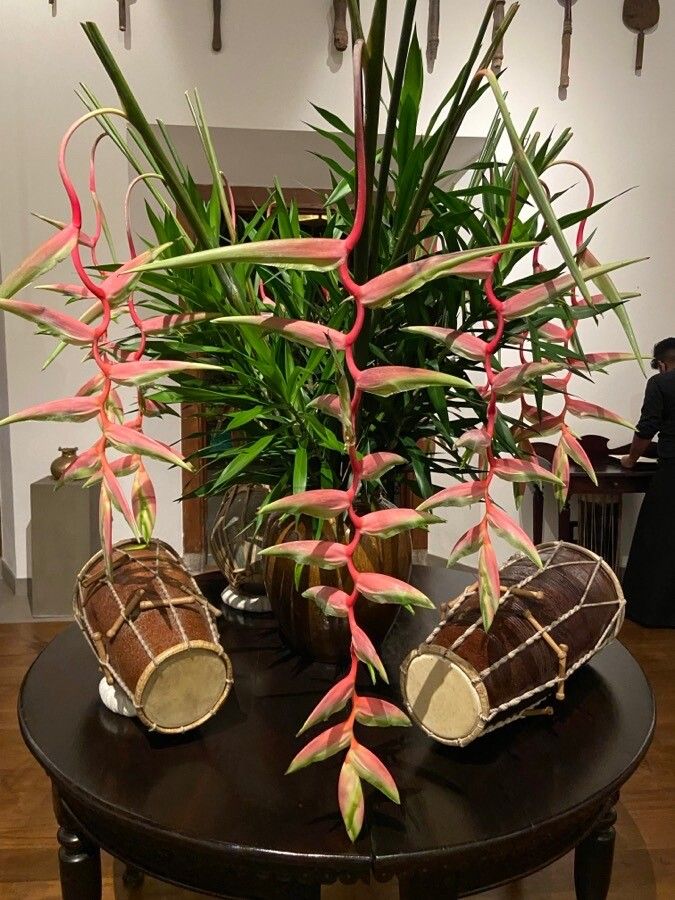
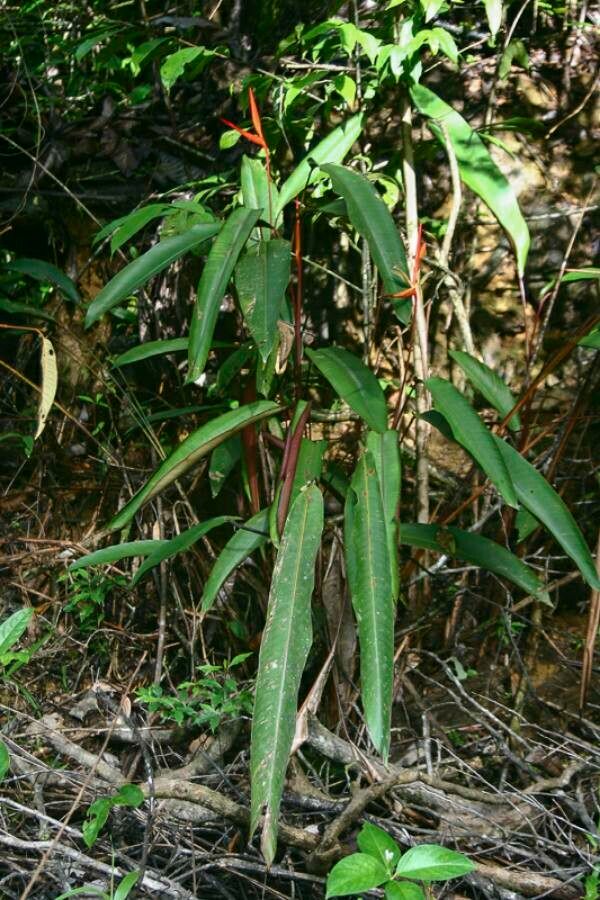
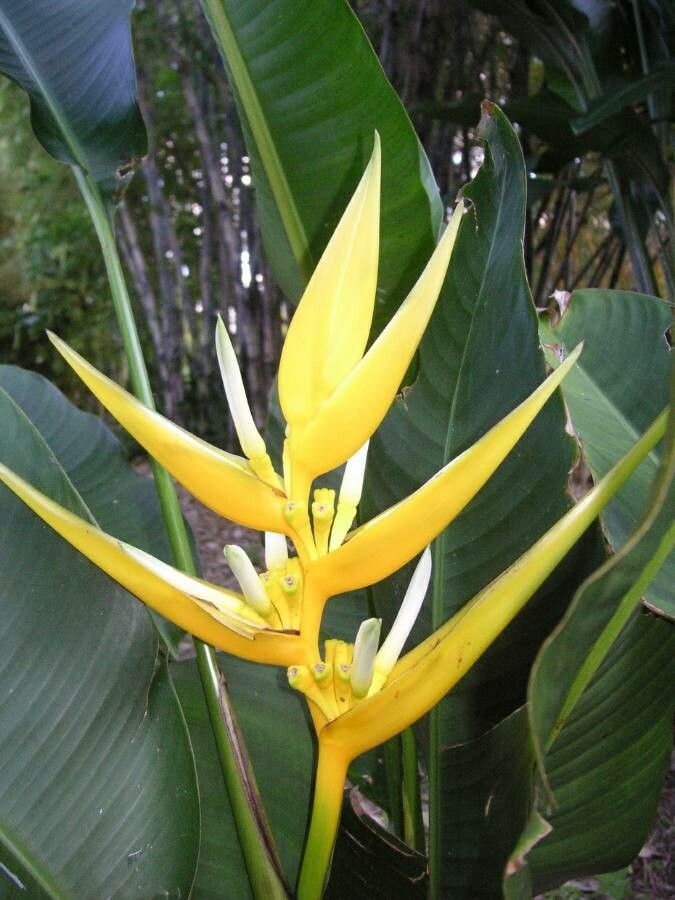
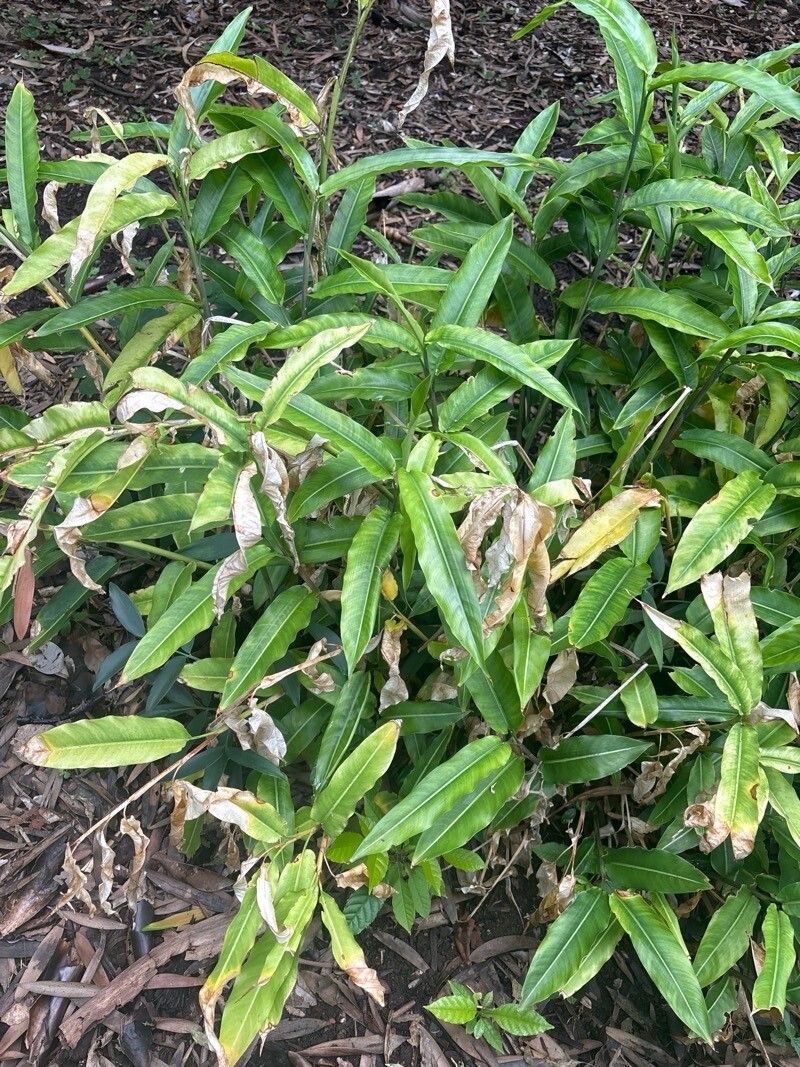
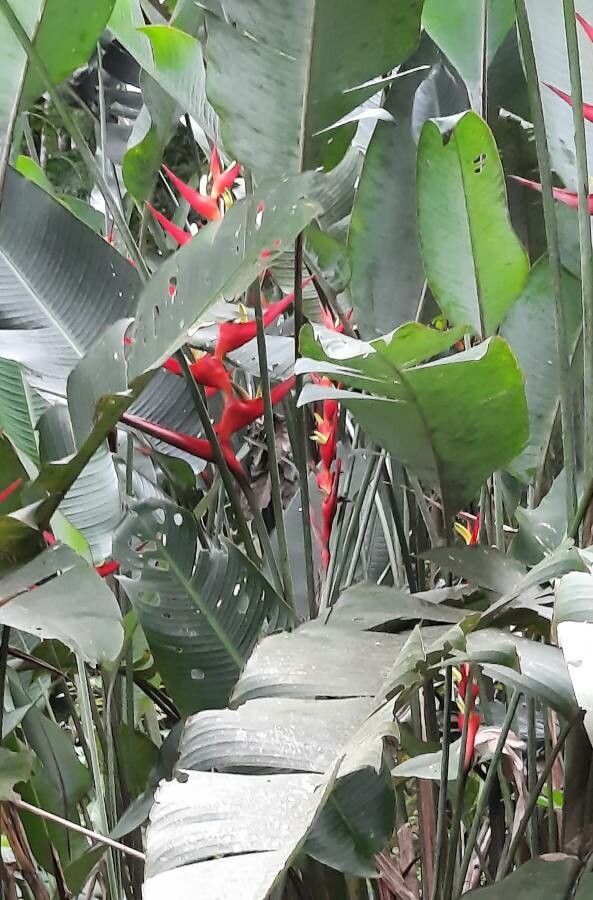
Heliconia chartacea is a species of Heliconia native to tropical South America (Brazil, Venezuela, French Guiana, Suriname, Guyana, Ecuador and Peru).
Pink flamingo heliconia is fairly disease-resistant and typically not prone to illness. Still, it can be affected by pests and diseases found nearby. Such problems are generally mild. Regarding upkeep, this plant needs moderate care. Regular pruning is necessary to preserve its appearance and promote healthy growth. Applying fertilizer can also encourage flowering. This heliconia is well suited for anyone with outdoor areas like a garden or patio and does not demand extensive gardening experience. It may need extra attention if cultivated indoors.
How to keep Heliconia Chartacea.
Light
Pink flamingo heliconia performs best when provided with a large amount of light, reflecting the conditions of its original thriving habitats. This light promotes healthy growth, bright leaf color, and flower production. It can tolerate less consistent sun, but that may lead to reduced flowering or weakened health. Excessive or insufficient sunlight can negatively affect the plant's well-being.
Water
The pink flamingo heliconia, native to tropical rainforests, flourishes in environments with high humidity and consistently moist soil. Watering it weekly suits its needs and prevents waterlogging. As an evergreen plant, it benefits from indoor cultivation, which helps maintain humidity levels similar to those of its natural habitat.
Temperature
Pink flamingo heliconia comes from tropical areas where the climate is usually warm and humid. Consequently, it is adapted to high heat and humidity. It does not tolerate abrupt temperature changes and prefers a steady thermal environment, so avoiding temperature fluctuations indoors is important. It generally cannot withstand cold conditions and requires warmer temperatures for growth. If the surrounding temperature drops too low, the plant may stop growing or even die.
Fertilizer
Proper fertilization is essential for Pink flamingo heliconia's health and appearance. Fertilize Pink flamingo heliconia in summer, applying treatment monthly during the season. Nutrients supply energy for growth and help maintain the plant's parts. Fertilization improves Pink flamingo heliconia's floral display, ensuring the best blooms.
Pruning
The Pink Flamingo Heliconia is known for its striking pink bracts. To ensure its optimal health, it requires regular pruning. This should be done from late winter to early spring, during which you should remove any dead foliage and spent flowers. Always use clean tools to prevent infections, which will also help in maintaining the plant's size and keeping it tidy. For additional guidance, consult reputable horticultural guides.
Botanical profile.
- Plant Type
- Herb
- Life Cycle
- Perennial
- Genus
- Heliconia
- Family
- Heliconiaceae
- Hardiness Zone
- 10-12
- Mature Height
- 2.13 m to 3.96 m
- Mature Spread
- 0.91 m to 2.13 m
- Leaf Color
- Green, Blue
- Leaf Type
- Evergreen
- Flower Color
- Pink, Red
- Flower Size
- 15.24 cm to 20.32 cm
- Bloom Time
- All year round
- Planting Time
- Spring, Summer, Autumn
- Harvest Time
- All year round
- Native Area
- Colombia, Venezuela, Peru, Guyana, Brazil, Ecuador
Other names.
Reader questions.
How should I water my Pink flamingo heliconia?
To care for the Pink flamingo heliconia, it is recommended to use filtered water at room temperature. Tap water may contain harmful particles. The plant prefers warmer water as it is accustomed to a warm climate and cold water may be a shock. Avoid overhead watering to prevent foliage issues. Instead, water the soil until completely soaked. This helps the roots to spread and absorb nutrients.
Why should I put fertilizer on my Pink flamingo heliconia?
Fertilization is important for the Pink flamingo heliconia and other plants because it provides essential nutrients for both above and below-ground growth. Although the Pink flamingo heliconia has relatively low fertilization needs and can sometimes survive without it, annual fertilization can greatly benefit the plant. It helps maintain the plant's health and improve the longevity and quality of its flowers. Therefore, those wanting their Pink flamingo heliconia to thrive should make sure to fertilize it every year.
What are the sunlight requirements for Pink Flamingo Heliconia?
Pink Flamingo Heliconia requires full sun, which is defined as more than 6 hours of sunlight a day, to thrive. It can also tolerate partial sun, about 3-6 hours of sunlight daily. Exposure to less constant sun is tolerable but might lead to reduced flowering or weakened health. The balance of light and shade is crucial for the plant's happiness, so monitor the sunlight patterns in your garden to find the ideal spot.
What should I do if I give my Pink flamingo heliconia plant too much or too little water?
Overwatering is a common issue that can harm your Pink flamingo heliconia. When this plant receives too much water, its stems and leaves may wilt and turn yellow. Overwatering for a long time can also lead to diseases like root rot, mold, and mildew, which can be fatal to your plant. Underwatering is less likely, as the Pink flamingo heliconia is fairly tolerant to drought. However, it can still happen, and when it does, the leaves may become brittle and brown. It's important to recognize the signs of overwatering early on. Some diseases caused by overwatering, like root rot, may be irreversible if not addressed promptly. If you notice early signs, reduce your watering schedule and check the soil drainage. Replace the soil if it drains poorly. If you see signs of underwatering, simply water more regularly until the symptoms improve.
When should I fertilize my Pink flamingo heliconia?
The best time to fertilize a Pink flamingo heliconia is in late winter to early spring. This is when the plant transitions from its dormant phase to active growth, so fertilizing at this time helps promote healthy growth for the season. Fertilizing in early spring is generally recommended, but it is also okay to fertilize in the fall. However, it is not advisable to fertilize in the summer or winter seasons.
How does artificial lighting benefit indoor Pink Flamingo Heliconia plants?
Artificial lighting is essential for indoor Pink Flamingo Heliconia plants, especially when natural sunlight is inadequate. It promotes faster, healthier growth by mimicking natural sunlight conditions. LED lights are a popular choice, capable of providing specific wavelengths needed for the plant. The intensity of artificial light should range between 10-50W/sq ft, depending on whether the plant requires full sun, partial sun, or shade, with the source placed 12-36 inches above the plant. Typically, 8-12 hours of light per day is sufficient, mimicking natural daylight hours.
How frequently should I water my Pink flamingo heliconia plant?
If your Pink flamingo heliconia plant is in a pot, the most precise way to determine if it needs water is by checking the moisture of the soil. Insert your finger into the soil and if you find that the first two to three inches are dry, then it's time to water it. If you are growing your Pink flamingo heliconia plant outdoors in the ground, you can use a similar method to check the soil moisture. Once again, if the first few inches of soil have dried out, it's time to water it. Typically, during the spring and early fall, following this method will lead you to water the plant approximately once a week. However, in extremely hot weather, you may need to increase the frequency to about twice or more per week. It's worth noting that mature, well-established Pink flamingo heliconia plants have the ability to withstand drought.
When is the best time to not put fertilizer on my Pink flamingo heliconia?
To ensure proper growth and avoid complications, it is recommended to fertilize your Pink flamingo heliconia only in late winter and early spring. This plant has low fertilization needs, so a single annual feeding is enough. Overfertilizing during spring, summer, and fall should be avoided. However, if you missed fertilizing in spring, it is acceptable to feed the plant in fall. Additionally, it is unnecessary to fertilize the plant during the winter, when it is in a dormant growth phase and not putting forth new growth.
What are the symptoms of incorrect lighting for Pink Flamingo Heliconia?
Incorrect lighting can lead to several issues for Pink Flamingo Heliconia. Insufficient light may cause smaller leaves, leggy or sparse growth, faster leaf drop, slowed or ceased new growth, and pale or irregularly colored new leaves. Too much sunlight can result in chlorosis (yellowing leaves due to breakdown of chlorophyll), sunscald, leaf curling (as a defense mechanism to reduce surface area exposed to sunlight), wilting, and leaf scorching. Observing these symptoms can help determine if your plant's lighting conditions need adjustment.
How much water does my Pink flamingo heliconia plant need?
To water your Pink flamingo heliconia effectively, don't hold back on the amount of water you give. Make sure the top two to three inches of soil are dry before watering, and then give it a good, deep watering that saturates the entire soil. You should add enough water so that there's excess water flowing out of the pot's drainage holes. If you don't see any excess water draining, it means you haven't watered it enough. However, be careful not to let the water accumulate in the soil, as that can harm the plant. On the other hand, if water isn't draining through the pot, it could mean that the soil doesn't drain well, which is bad for the plant's health. If the plant is outside, it should receive about 1 inch of rain per week, which is enough.
What kind of fertilizer does my Pink flamingo heliconia plant need?
When choosing a fertilizer for your Pink flamingo heliconia, any general-purpose fertilizer with a balanced amount of the three main plant nutrients will work well. However, there are some nutrient blends that can offer even greater benefits. For example, a higher amount of phosphorus is believed to promote stronger roots and better flower growth, which is important for a flowering plant like the Pink flamingo heliconia. Whether you choose a granular or liquid form, make sure the fertilizer is nutrient-rich. In addition to manufactured fertilizers, you can also improve the soil for your Pink flamingo heliconia using organic materials like compost and manure. These natural materials contribute to a healthy growing environment for your plant.
How can I improve the lighting conditions for my Pink Flamingo Heliconia?
Improving the lighting conditions for your Pink Flamingo Heliconia involves several strategies. Indoors, gradually move your plant to a sunnier spot or use artificial lighting, like desk or professional plant grow lights, ensuring it gets at least 6 hours of direct sunlight daily. Outdoors, move your plant gradually to avoid shock and sunburn. Removing obstructions and possibly transplanting the plant to a sunnier location can also help. For plants with signs of insufficient sunlight, these changes should promote healthy new growth even if previously affected parts don't recover.