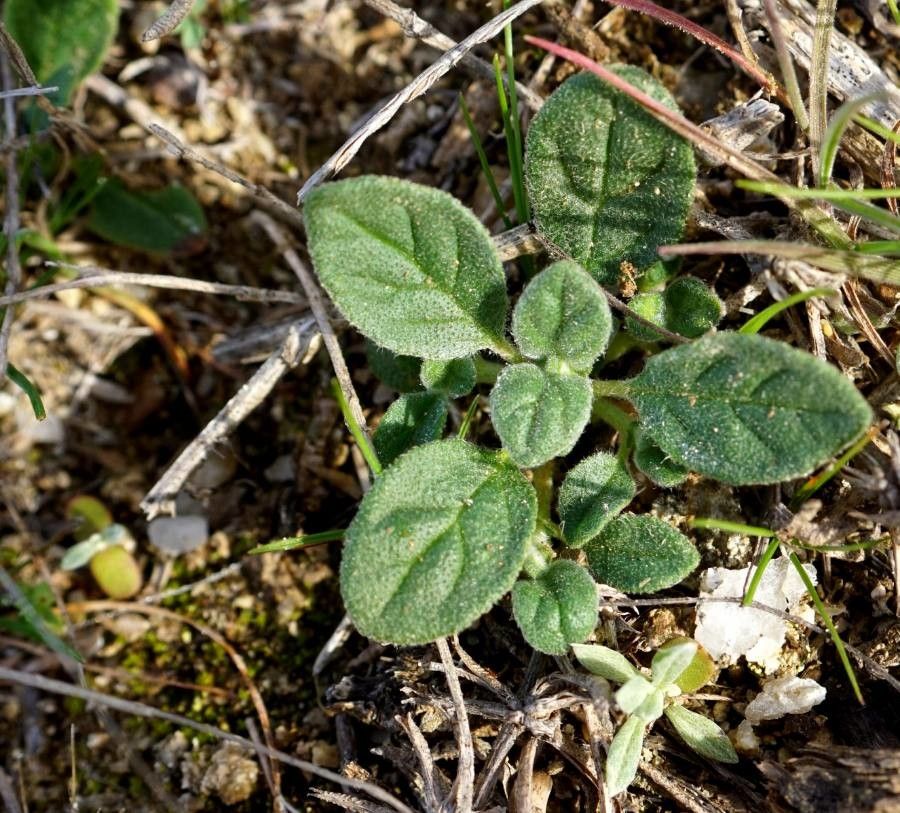
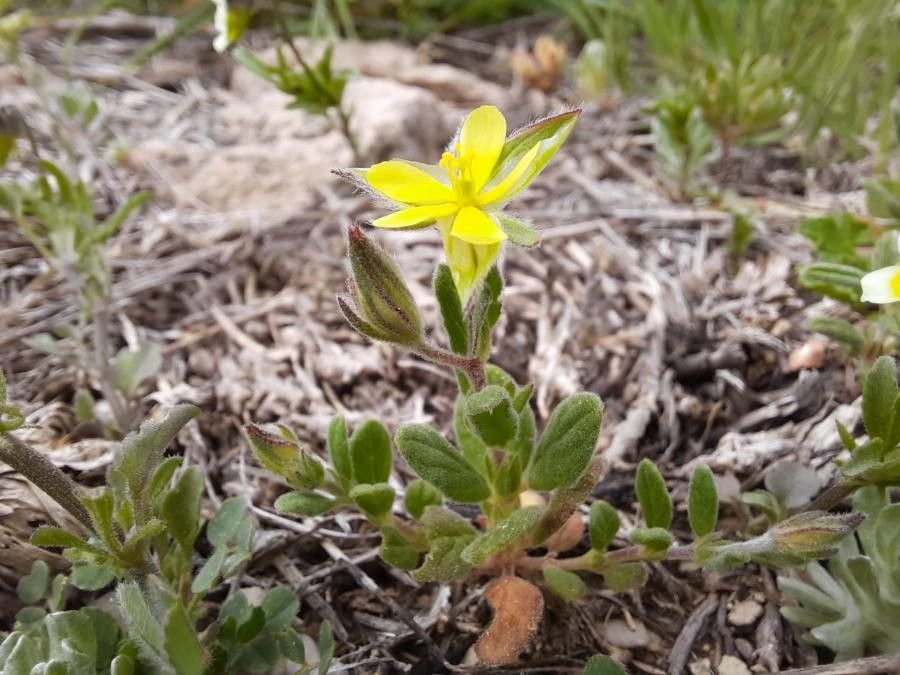
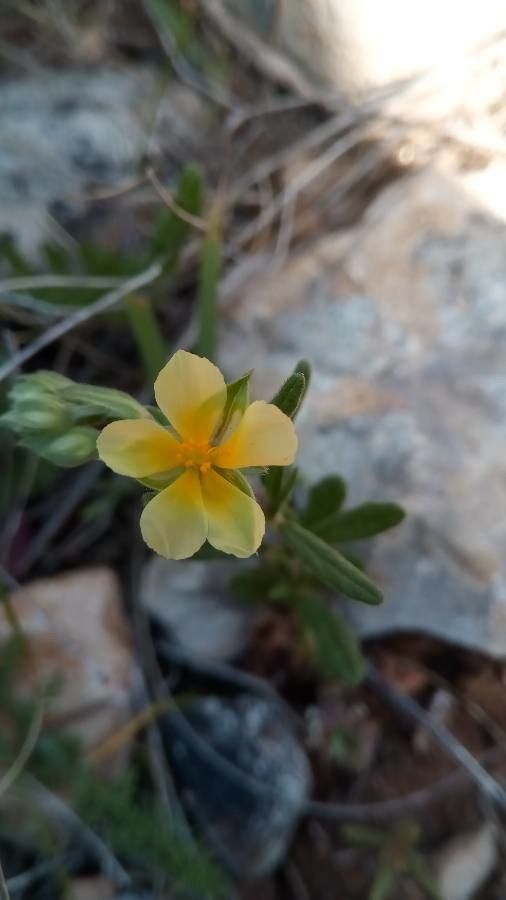
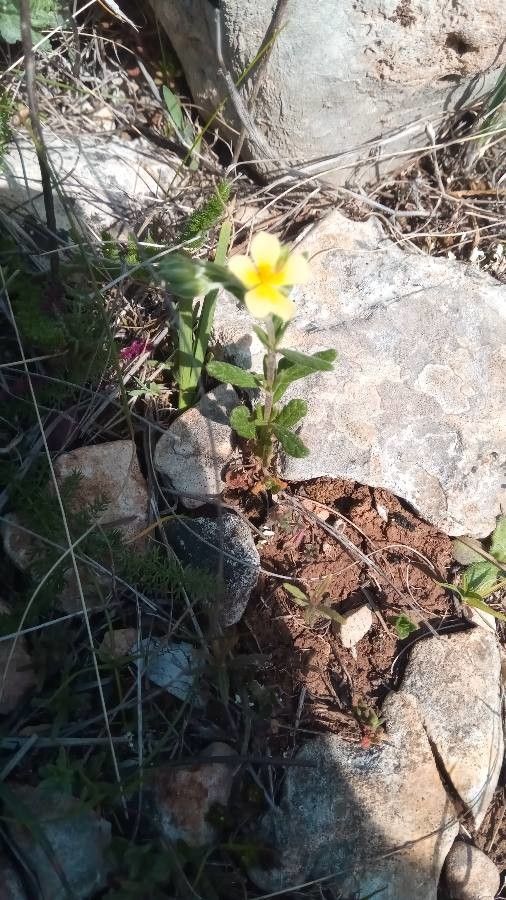
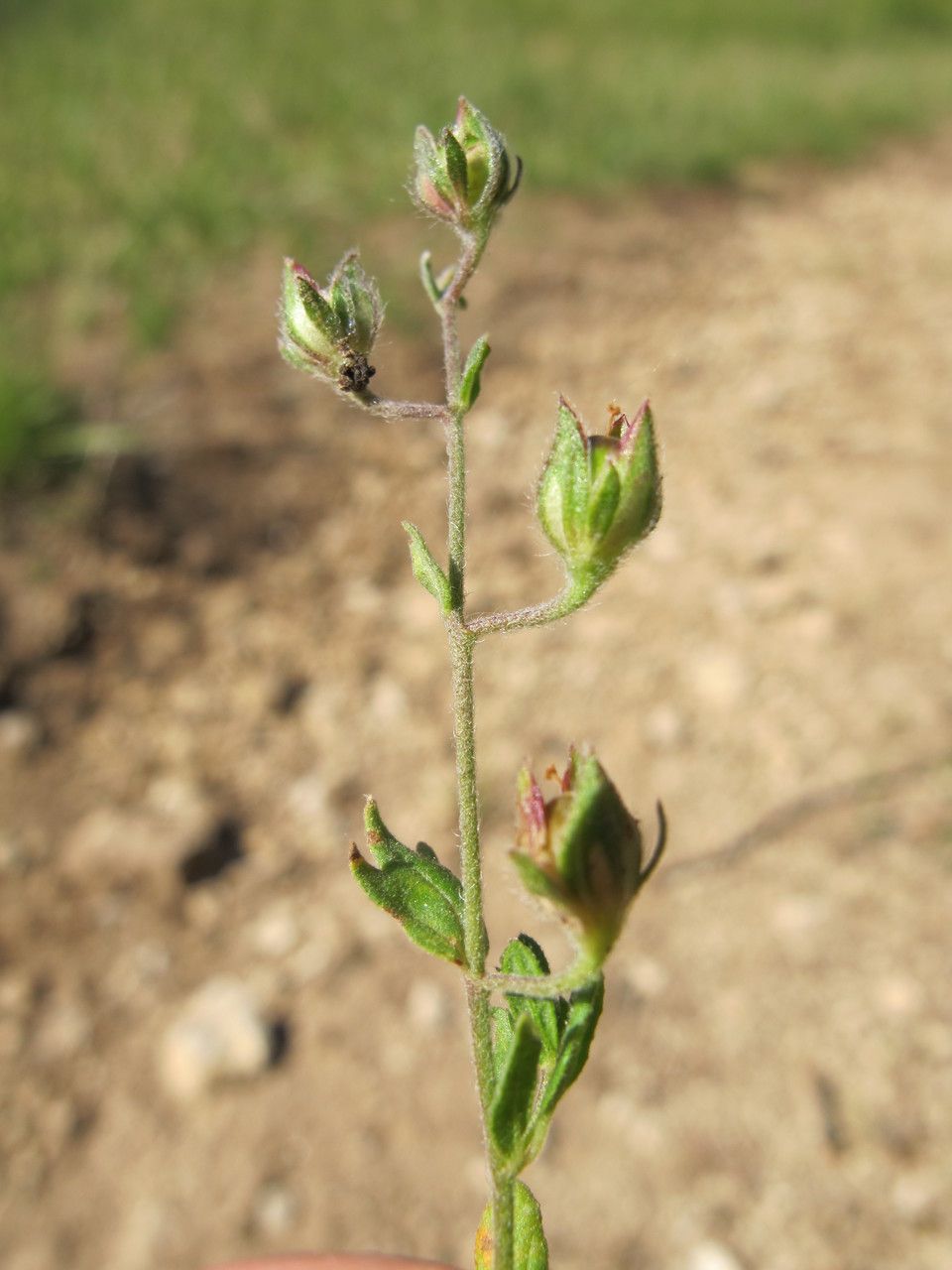
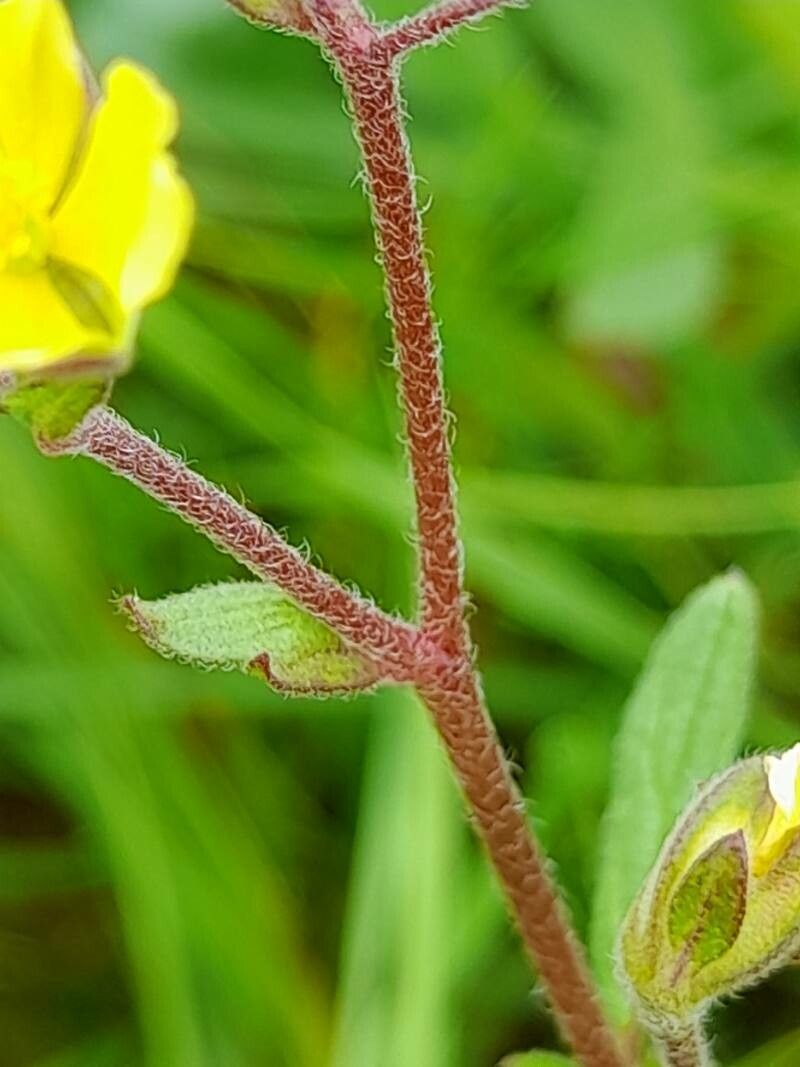
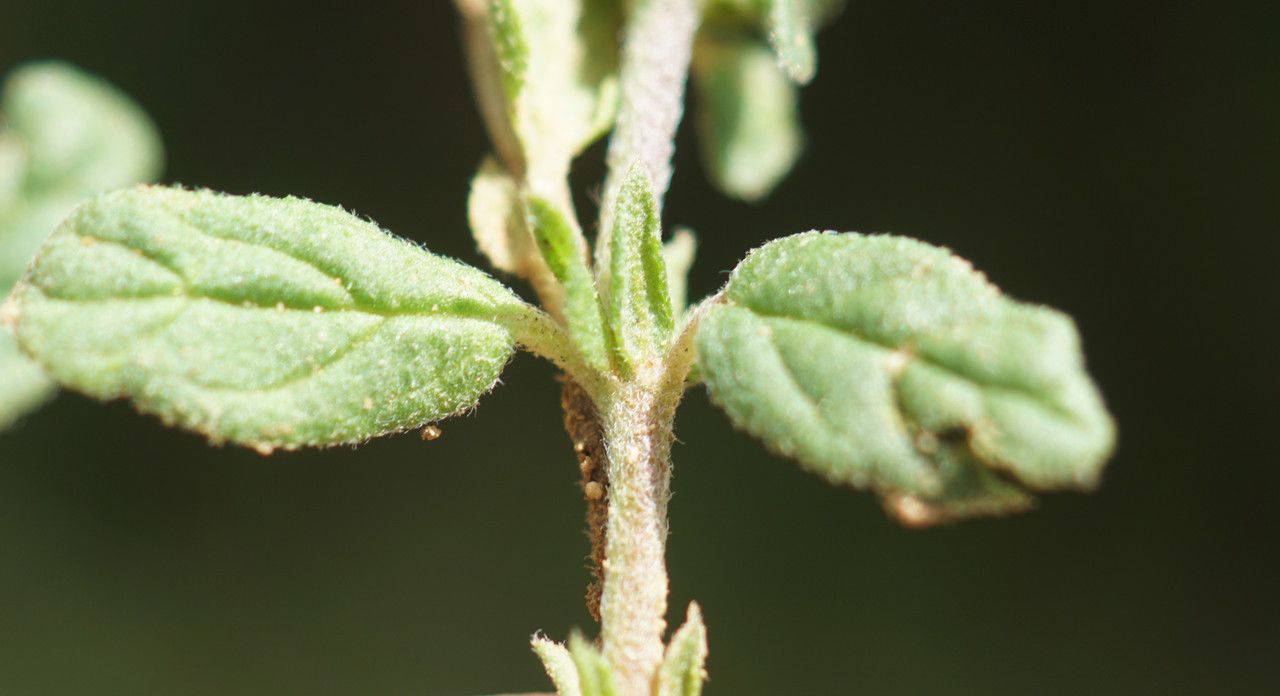
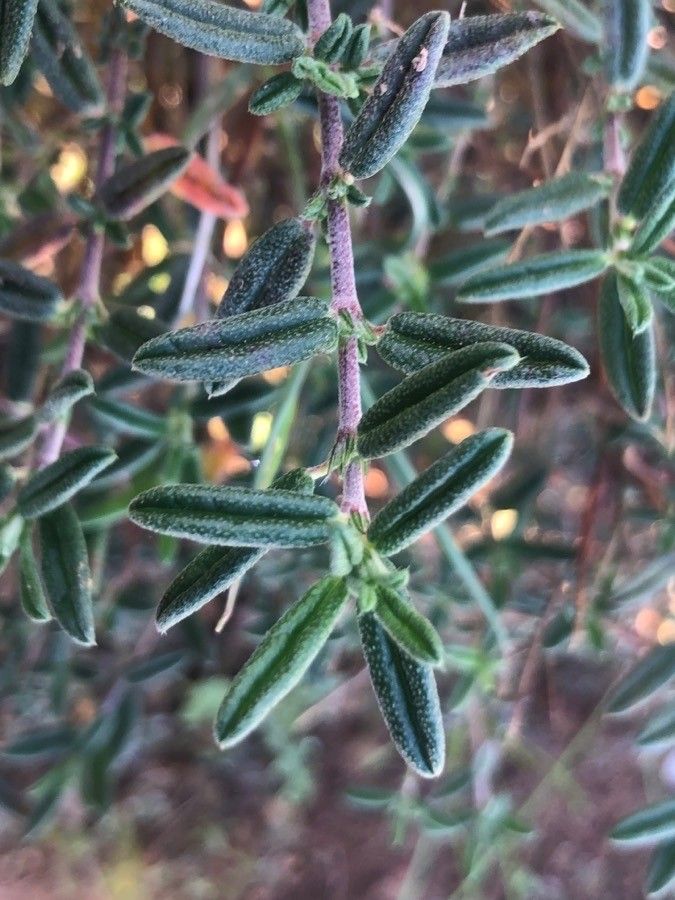
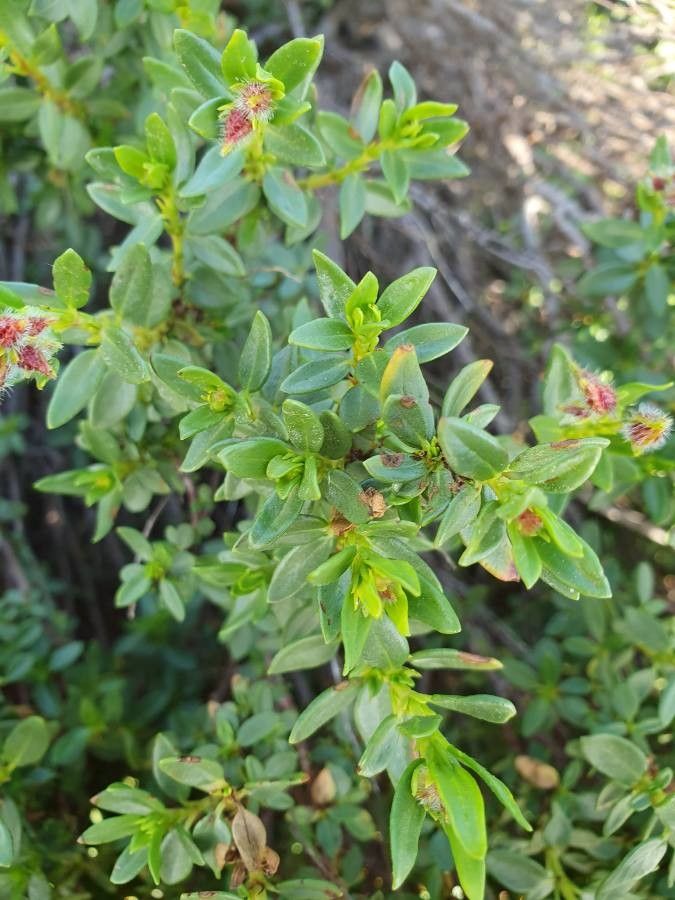
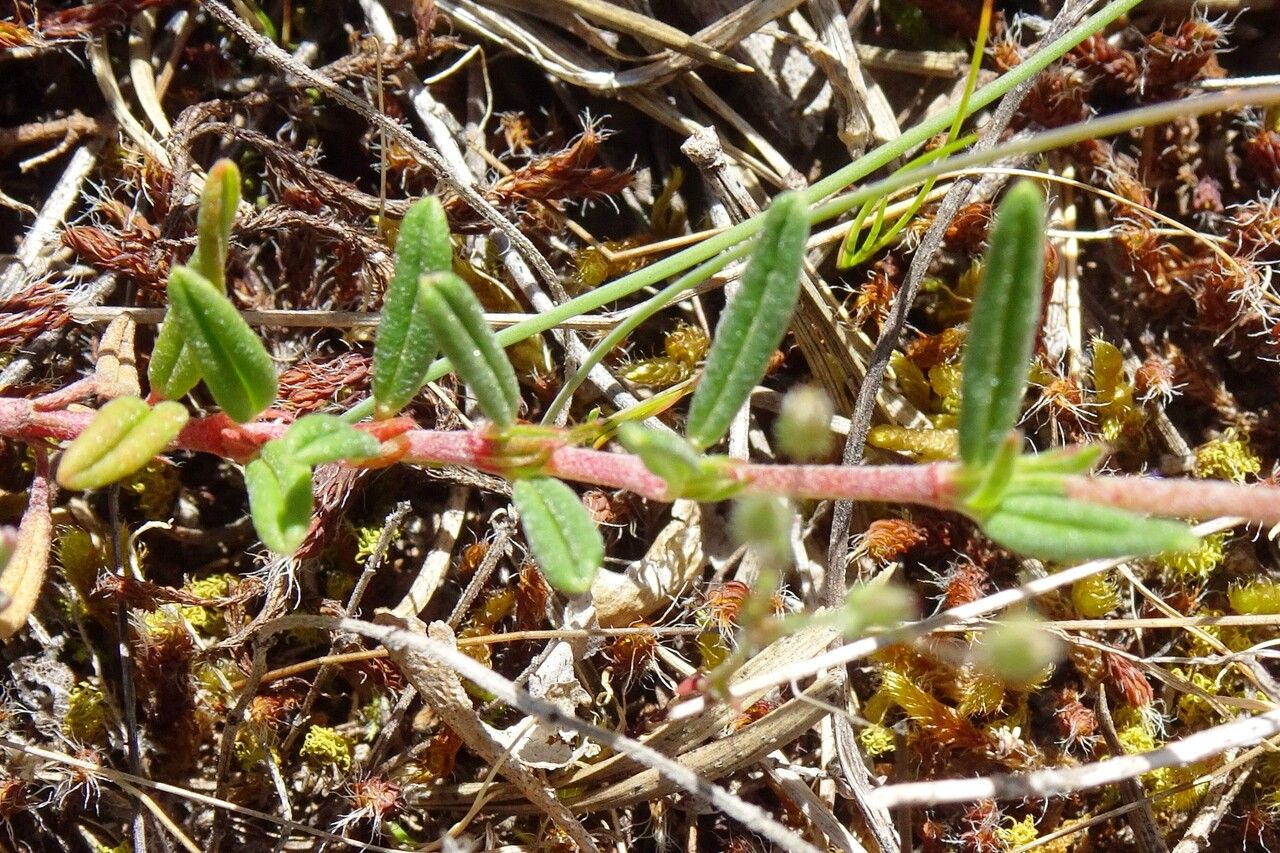
Willowleaf frostweed is fairly resistant to disease and generally not prone to health problems. Still, it can be affected by pests and diseases present in its environment. These issues are typically minor. For care, the plant requires moderate maintenance. It should be pruned regularly to maintain a tidy appearance and healthy growth. Fertilizing can also help encourage flowering. Willowleaf frostweed is suitable for someone with outdoor space, such as a garden or patio, and does not demand extensive gardening experience. It may need more care when grown indoors.
How to keep Helianthemum Salicifolium.
Light
Willowleaf frostweed comes from bright, open habitats and prospers in full sun. It tolerates partial sun but favors direct sunlight for best growth. This plant, which can be annual or biennial, is known for its sun-loving nature.
Water
Willowleaf frostweed is well-suited for dry, rocky environments due to its strong drought tolerance. It requires weekly watering but prefers well-drained soil and is prone to damage from overwatering. This plant is ideal for outdoor growth, thriving in full sun while conserving water during hot weather, which makes it an excellent choice for xeriscaping.
Humidity
This plant prefers dry conditions, so don't mist it. However, watering it less often can also thrive in higher humidity.
Temperature
Willowleaf frostweed is a plant that grows best in regions where temperatures range from 68 to 95°F (20 to 35℃). It is native to temperate environments. Occasional seasonal adjustments may be needed to keep it within its optimal temperature range.
Fertilizer
When most of Willowleaf frostweed's blooms have opened to full size, resume fertilizing. At the peak bloom period, apply fertilizer every three to four weeks, as weather permits. Once the plant begins producing fewer new blooms, stop fertilizing; there is no need to feed it when it cannot produce additional blooms.
Pruning
Willowleaf frostweed is a low-growing perennial that features vibrant yellow flowers and willow-like leaves. To maintain its health and appearance, prune it in early to late spring. Remove any dead stems and lightly trim overgrown branches. This practice encourages new growth, improves aesthetics, and promotes air circulation, thereby extending the plant's lifespan.
Botanical profile.
- Plant Type
- Herb
- Life Cycle
- Annual
- Genus
- Helianthemum
- Family
- Cistaceae
- Hardiness Zone
- 6-9
- Mature Height
- 11 cm
- Mature Spread
- 15 cm to 25 cm
- Leaf Color
- Green, Dark Green
- Leaf Type
- Evergreen
- Flower Color
- Yellow
- Flower Size
- 1.02 cm to 1.52 cm
- Bloom Time
- Mid spring, Late spring, Early summer
- Planting Time
- Spring, Autumn
- Harvest Time
- Summer
- Native Area
- Saudi Arabia, Libya, Egypt, Turkey, Tunisia, Montenegro, Cyprus, Bulgaria, Armenia, Greece, Croatia, Morocco, Lebanon, Russia, Serbia, Iraq, Syria, Italy, Spain, Switzerland, France, Iran, Albania, Azerbaijan, Algeria, Romania, Kuwait, Turkmenistan, Portugal
Other names.
Reader questions.
What should I do if I give my Willowleaf frostweed too much or too little water?
To prevent underwatering your Willowleaf frostweed, simply water it regularly when you notice its lack of moisture. Overwatering, on the other hand, can be a more serious problem. This can lead to diseases and even death for your plant. To avoid this, choose a location with ample sunlight to dry the soil and good drainage to prevent water from pooling. If you have overwatered your potted Willowleaf frostweed, it may be necessary to transfer it to a new pot with better drainage. Make sure to use loose soil and a pot that drains efficiently when repotting.
What are the sunlight requirements for Willowleaf frostweed?
Willowleaf frostweed, known botanically as Helianthemum salicifolium, thrives in environments that offer full sun, necessitating more than 6 hours of sunlight daily. It can also tolerate partial sun, preferring around 3-6 hours of sunlight. However, for optimal growth, it favors direct sunlight. Observing how sunlight moves through your garden and choosing locations that provide a balance of light and shade are crucial for the plant's well-being.
What is the optimal temperature range for Willowleaf frostweed?
Willowleaf frostweed (Helianthemum salicifolium) thrives best in areas where the temperature ranges between 68 to 95°F (20 to 35°C). Native to temperate climates, this plant has a high tolerance for cold, usually not requiring special frost protection measures. However, adjustments to its environment might be necessary seasonally to keep it within its optimum temperature range. Even during the colder months, it often does not need additional frost protection unless winter temperatures are expected to fall below -25°C. In such cases, protecting the plant with covering materials like soil or straw can be beneficial. To prepare for winter and early spring, watering the plant abundantly before the first freeze of autumn is recommended so that the soil stays moist and enters a frozen state, helping to prevent drought and water scarcity.
How often do I need to water my Willowleaf frostweed?
To keep your Willowleaf frostweed healthy, it is important to water it regularly throughout the growing season. In the spring, watering once a week should be sufficient. As the season progresses and the weather gets warmer, you may need to increase the watering frequency to two or three times per week. However, be careful not to overwater, as this can harm the plant. The soil should be kept relatively moist but not wet, regardless of how often you water. If your Willowleaf frostweed is in a pot, you will need to water it more frequently compared to a plant in the ground. Potted plants tend to dry out faster because the soil can heat up more quickly. In most cases, watering a container-grown Willowleaf frostweed a few times per week should be enough, whereas an in-ground plant only needs to be watered once per week.
What does Willowleaf frostweed need to grow successfully?
To grow successfully, Willowleaf frostweed requires bright, open environments where it can receive full sun. Although it can tolerate partial sun, direct sunlight is preferable for its optimal growth. This sun-loving annual and biennial plant originates from such conditions.
How should Willowleaf frostweed be cared for in low temperatures?
Willowleaf frostweed exhibits strong cold tolerance, performing best when temperatures remain above 20°C and should ideally stay above 0°C during winter. If temperatures dip below -25°C, the plant may not show immediate distress, but you might notice a reduction in sprouting or even a lack of sprouting come springtime. To address this, in spring, it's advisable to remove any parts of the plant that have failed to sprout, facilitating healthier growth for the rest of the season.
How much water does my Willowleaf frostweed require?
When determining how much water to give your Willowleaf frostweed, there are a few ways to go about it. Some gardeners prefer to rely on the moisture level of the soil to guide their watering. This method suggests watering until the top six inches of soil feel moist. Alternatively, you can use a standard measurement of around two gallons per week for your Willowleaf frostweed, adjusting based on temperature and soil dryness. However, be cautious with these guidelines, as they may result in overwatering if your plant needs less water. When growing Willowleaf frostweed in a container, a different approach is necessary. Ensure all layers of dry soil are moistened, which you can assess by sticking your finger in the soil or looking for excess water draining from the pot's holes.
How can artificial lighting benefit indoor Willowleaf frostweed plants?
Indoor Willowleaf frostweed plants benefit significantly from adequate artificial lighting, especially when natural sunlight is insufficient. This is common in winter or in spaces that do not receive enough sunlight. Artificial lights, such as LED lights which can be customized to provide specific wavelengths needed by plants, promote faster and healthier growth. For full sun plants, 30-50W/sq ft of artificial light is needed; partial sun plants require 20-30W/sq ft; and full shade plants need 10-20W/sq ft. The light should be placed 12-36 inches above the plant and turned on for 8-12 hours per day to mimic natural sunlight conditions.
What to do if Willowleaf frostweed experiences high temperatures?
During the summer, it's crucial to keep Willowleaf frostweed below 35°C to prevent heat stress. Should temperatures climb above 38°C, the plant's leaves may begin to lighten, curl, become prone to sunburn, or, in severe cases, the entire plant could wilt and dry out. To mitigate these issues, trim away the sunburned and dried-up parts of the plant. Relocating the plant to a shadier location or employing shade cloth to protect it from the midday and afternoon sun can also be very effective. Additionally, watering the plant in the morning and evening will help maintain soil moisture and support the plant's needs.
How do I know if I'm giving enough water to my Willowleaf frostweed?
Avoiding overwatering your Willowleaf frostweed can be somewhat challenging. These plants have deep roots that require weekly watering, but they are prone to root rot and browning if overwatered. Underwatering is less of a concern as these plants can survive without supplemental watering for a while. However, if you neglect to water them for too long, they may wilt and their leaves may become dry.
What are the common symptoms of light deficiency in Willowleaf frostweed?
Common symptoms of light deficiency in Willowleaf frostweed when cultivated indoors or under inadequate sunlight include smaller new leaves, leggy or sparse growth, faster leaf drop, slower or no new growth, lighter-colored new leaves, chlorosis (leaf yellowing), sunscald, leaf curling, wilting, and leaf scorching. These symptoms indicate the plant's struggle with insufficient light, affecting its growth and overall health.
How do I water my Willowleaf frostweed throughout the year?
As the seasons change, the water needs of your Willowleaf frostweed will fluctuate. In the spring, watering once a week is typically sufficient. However, once the summer heat sets in, you may need to increase the frequency of watering to about three times per week, especially if your Willowleaf frostweed is in a container. This is because containers tend to dry out faster than ground soil during warm weather. As autumn arrives and the temperature cools, your Willowleaf frostweed may require slightly less water, since the sun is not as intense as it was during the summer, even though it is still in bloom.