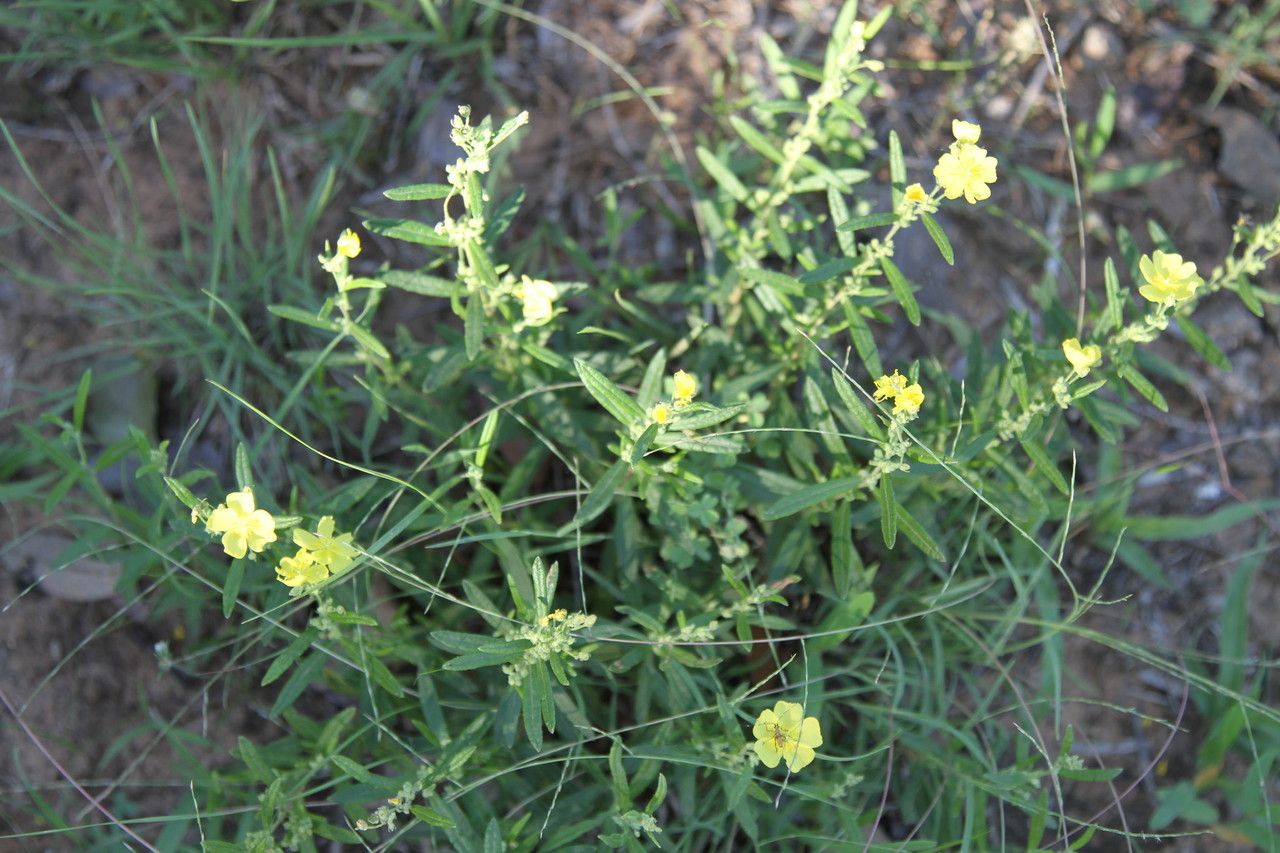
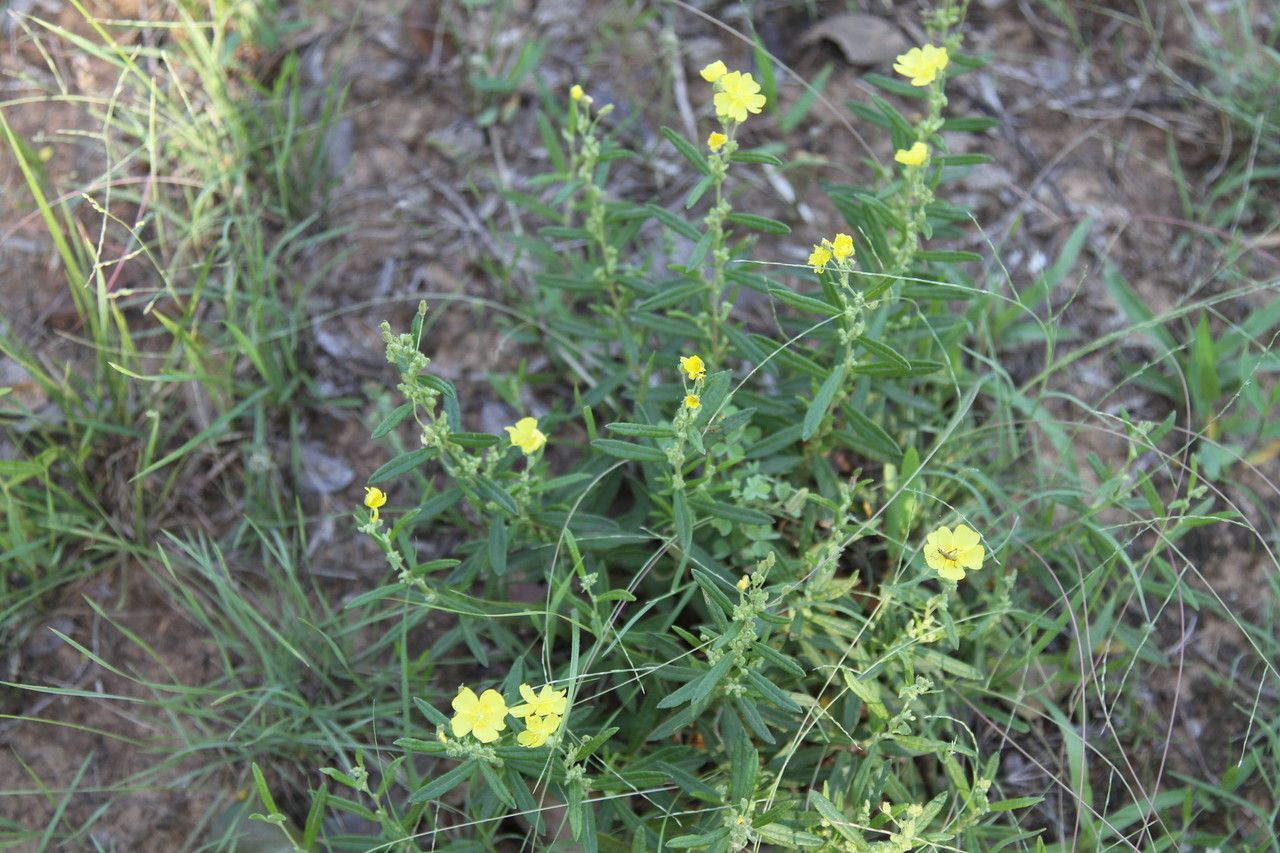
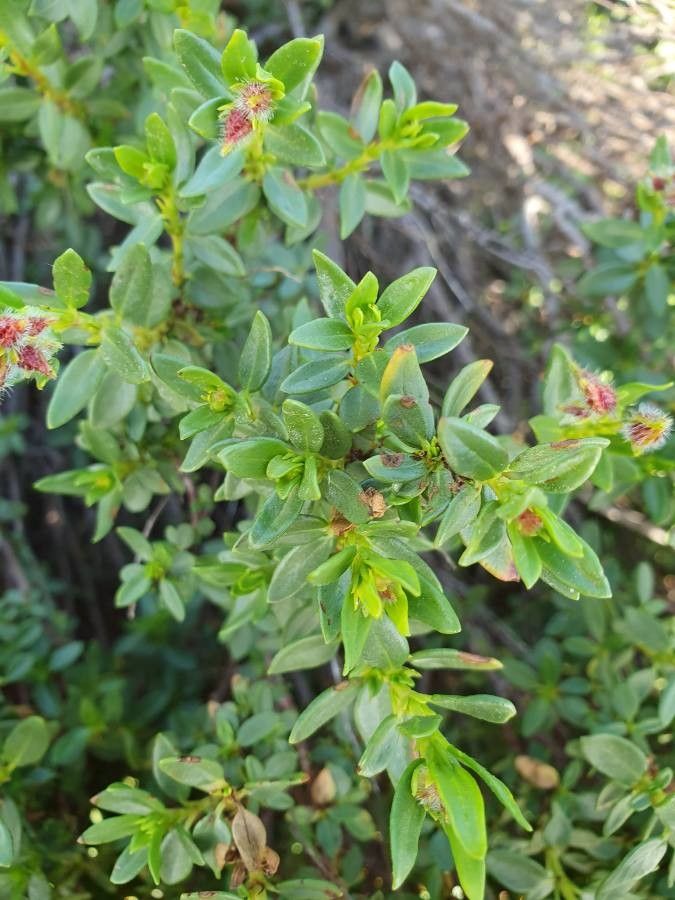
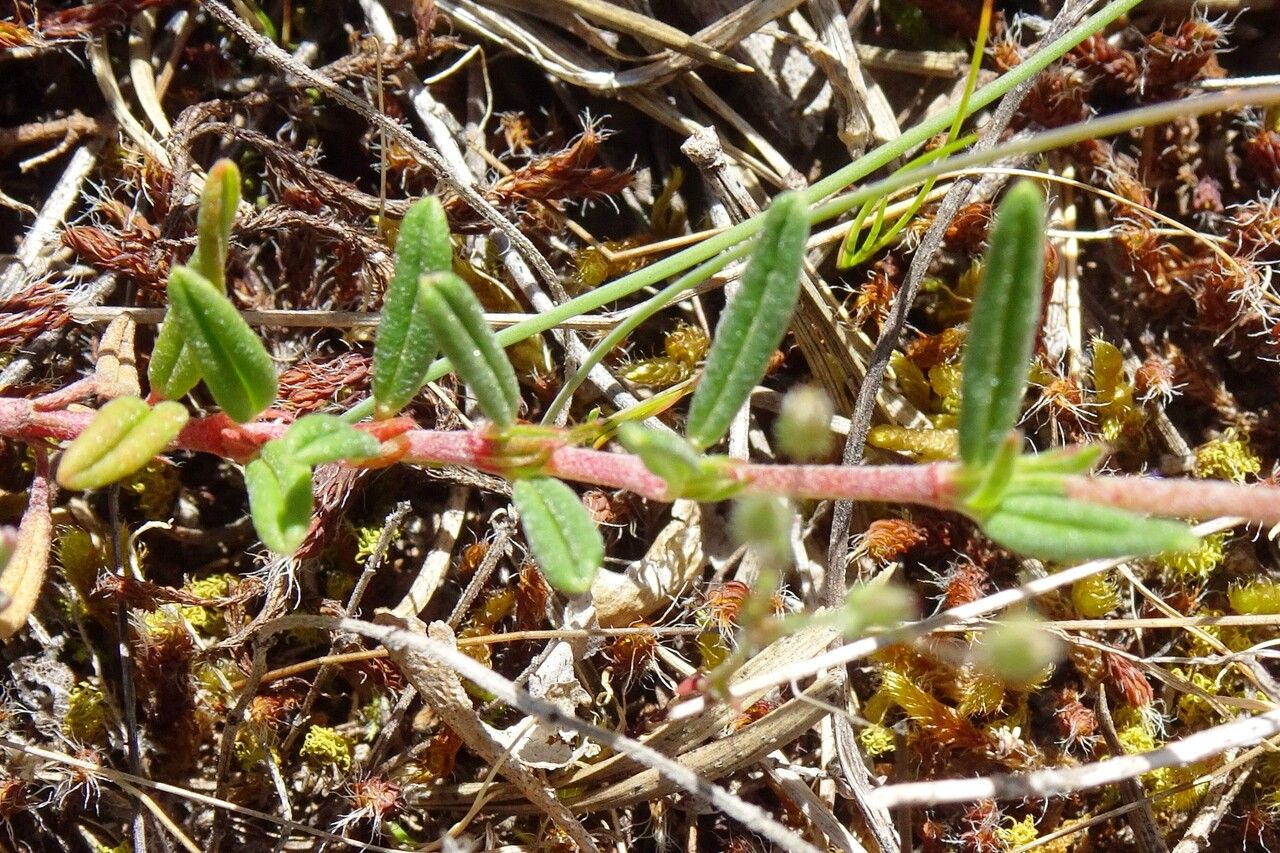
Lavender-leaved rockrose is resistant to disease and is generally not prone to illnesses. In terms of care, this plant is relatively low maintenance. When planted outdoors it needs minimal watering, and larger plants generally do not require pruning. Smaller plants, however, should be pruned after they have bloomed. Lavender-leaved rockrose is suitable for anyone with an outdoor space, such as a garden or deck, and does not require a lot of care experience.
How to keep Helianthemum Rosmarinifolium.
Light
The lavender-leaved rockrose hails from open and well-lit areas, like sunny fields and edges of forests. It prefers full sunlight exposure but can still survive under partial sun, demonstrating adaptability to different levels of sunlight.
Temperature
The Lavender-leaved rockrose is originally adapted to temperate ecosystems, flourishing in temperatures ranging from 50 to 95°F (10 to 35℃). Given its home environment's adaptability within this range, it may not typically require adjustments for seasonal changes.
Fertilizer
The timing for fertilizing Lavender-leaved rockrose is key. Start applying fertilizer during the early spring and continue on a monthly basis until the early summer. Fertilizer not only assists in creating beautiful blossoms but also supplies energy during both the dormant and active growth stages.
Botanical profile.
- Plant Type
- Shrub
- Life Cycle
- Perennial
- Genus
- Helianthemum
- Family
- Cistaceae
- Hardiness Zone
- 6-9
- Mature Height
- 2 cm to 76 cm
- Mature Spread
- 30 cm to 61 cm
- Leaf Color
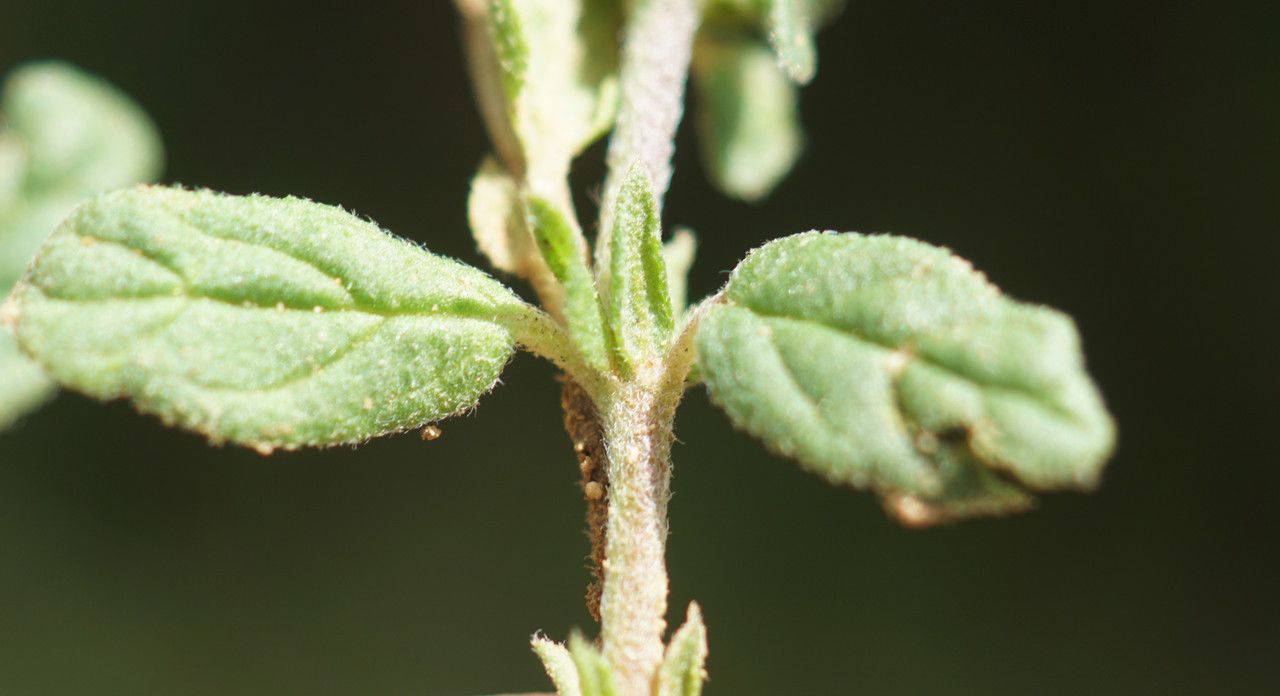
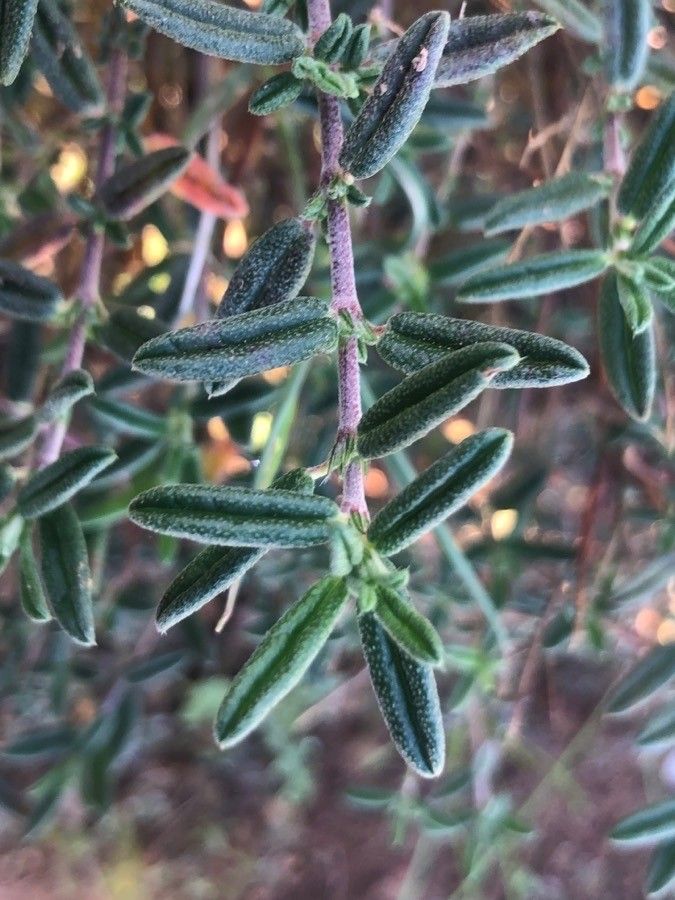
- Gray, Silver
- Leaf Type
- Evergreen
- Flower Color
- Yellow
- Flower Size
- 2.03 cm to 3.05 cm
- Bloom Time
- Mid spring, Late spring, Early summer
- Planting Time
- Spring, Summer, Autumn
- Harvest Time
- Summer
- Native Area
- Libya, Turkey, Tunisia, Syria, Italy, Spain, Cyprus, Algeria, Greece, Lebanon, Morocco, France
Other names.