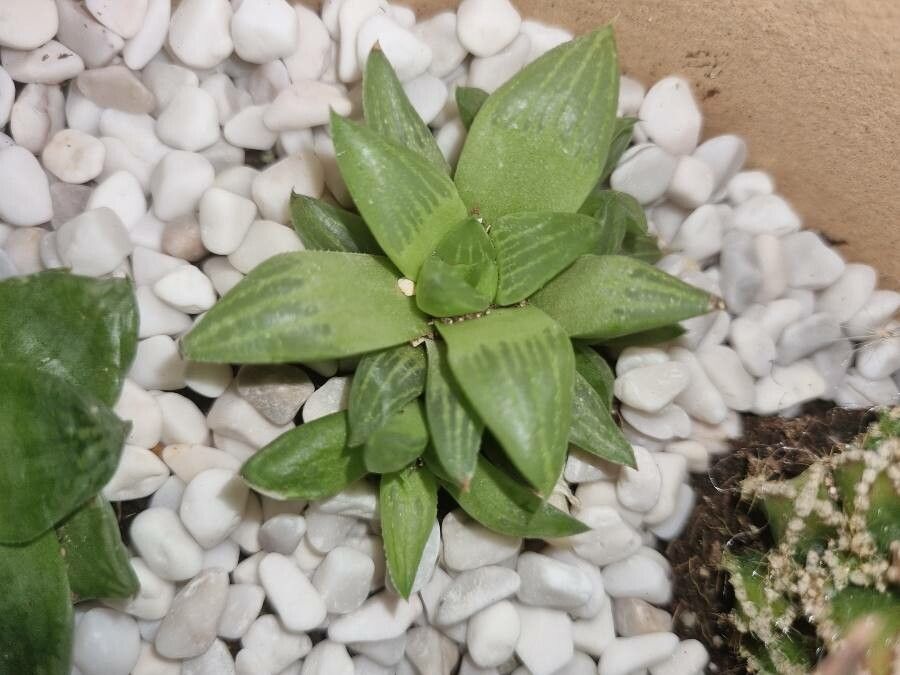
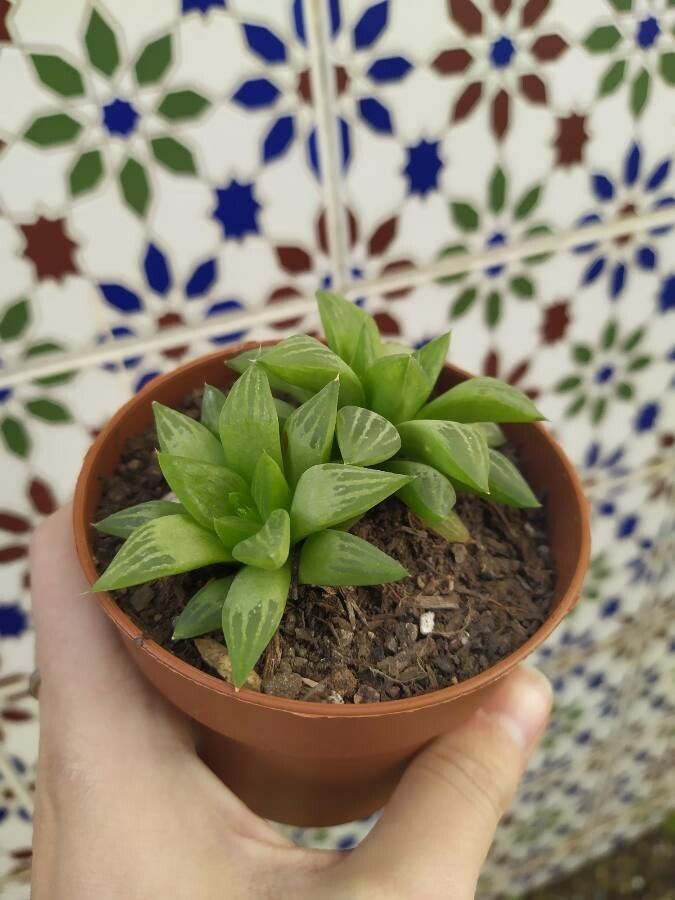
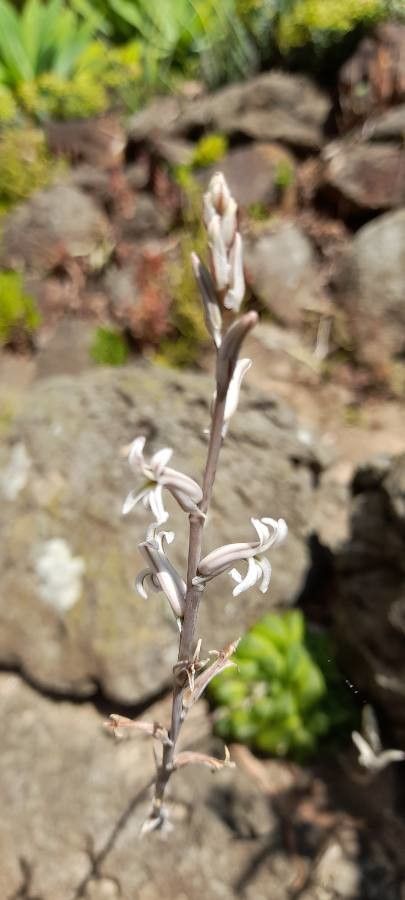
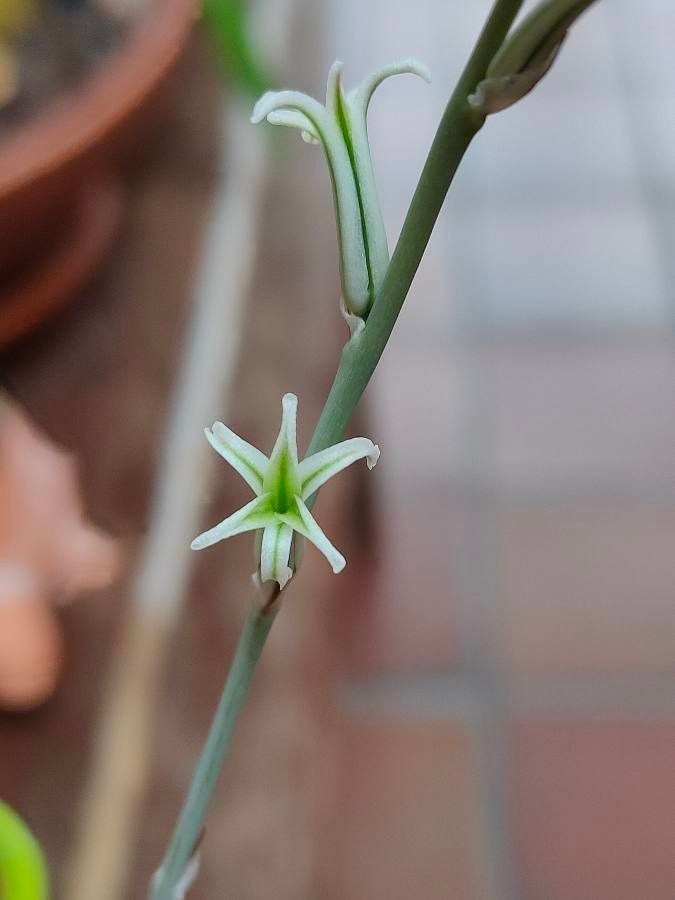
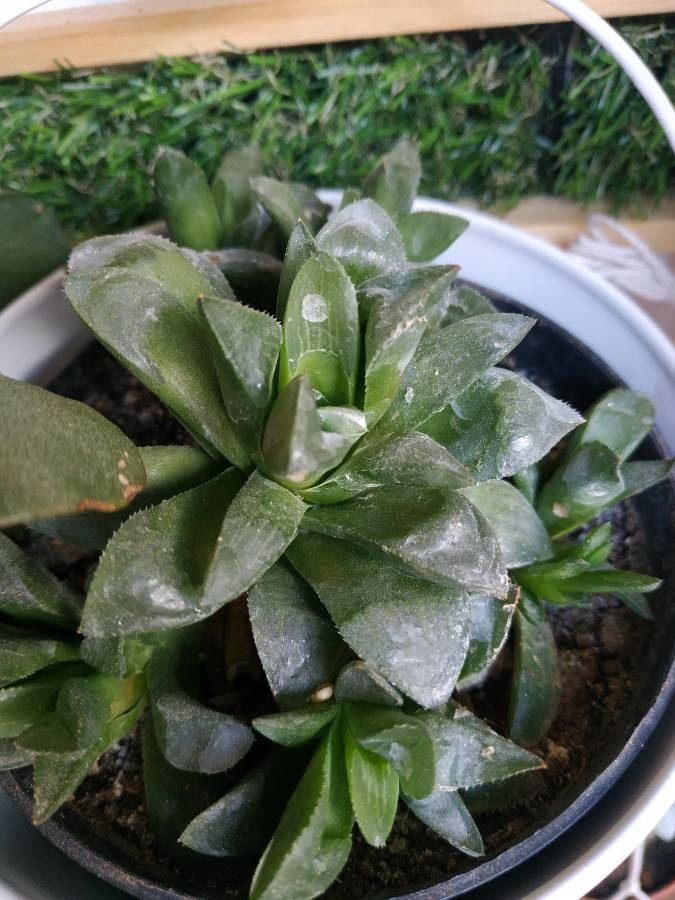
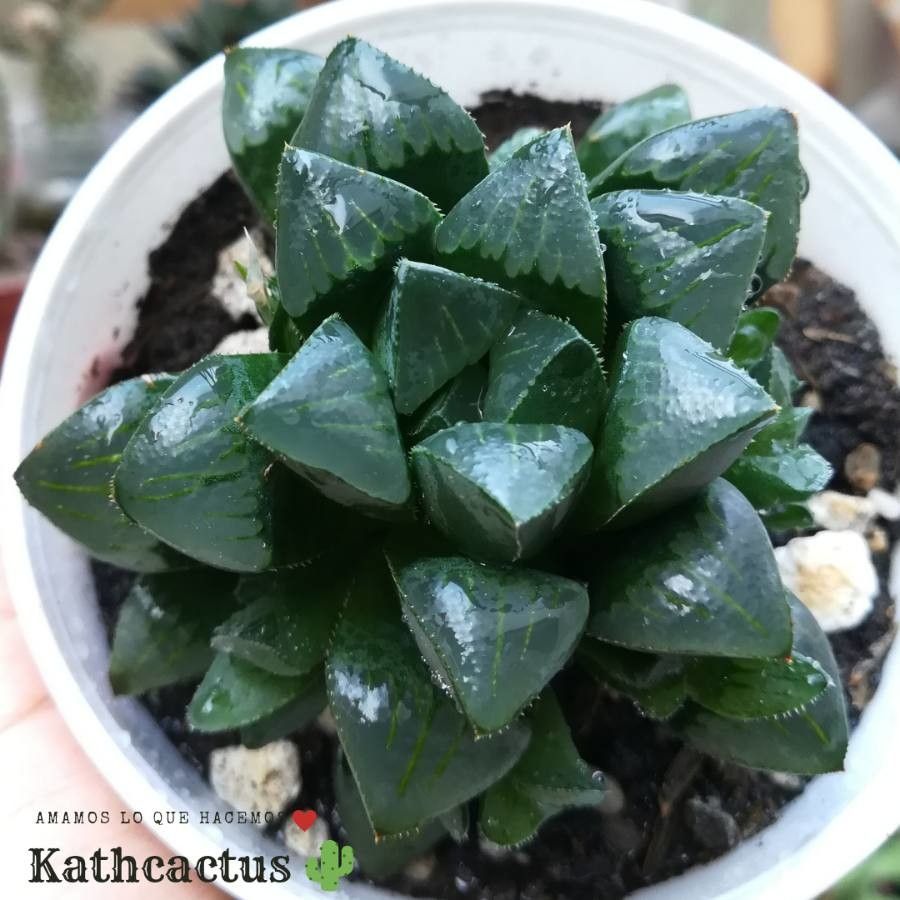
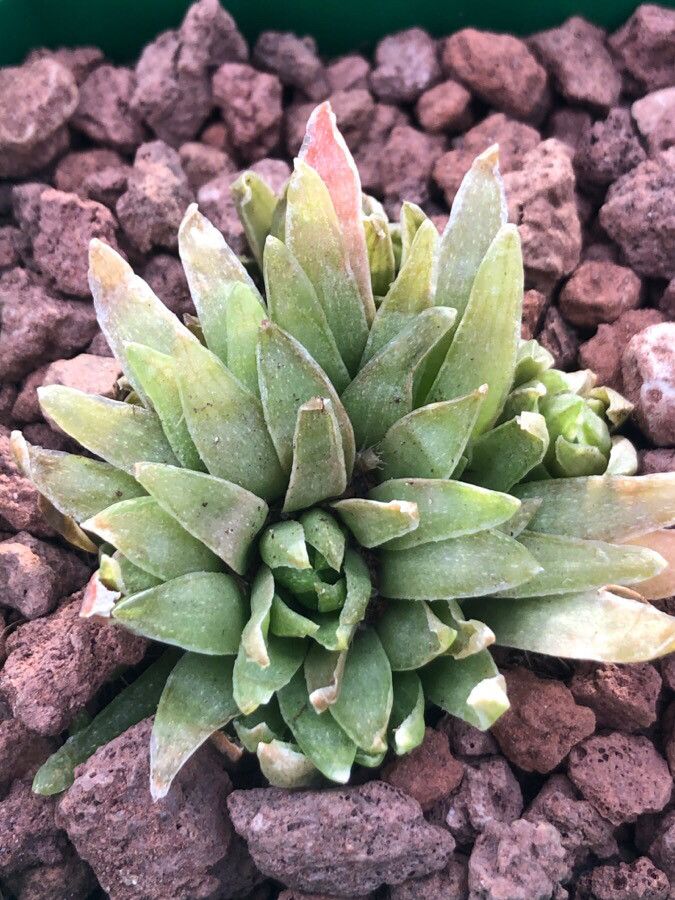
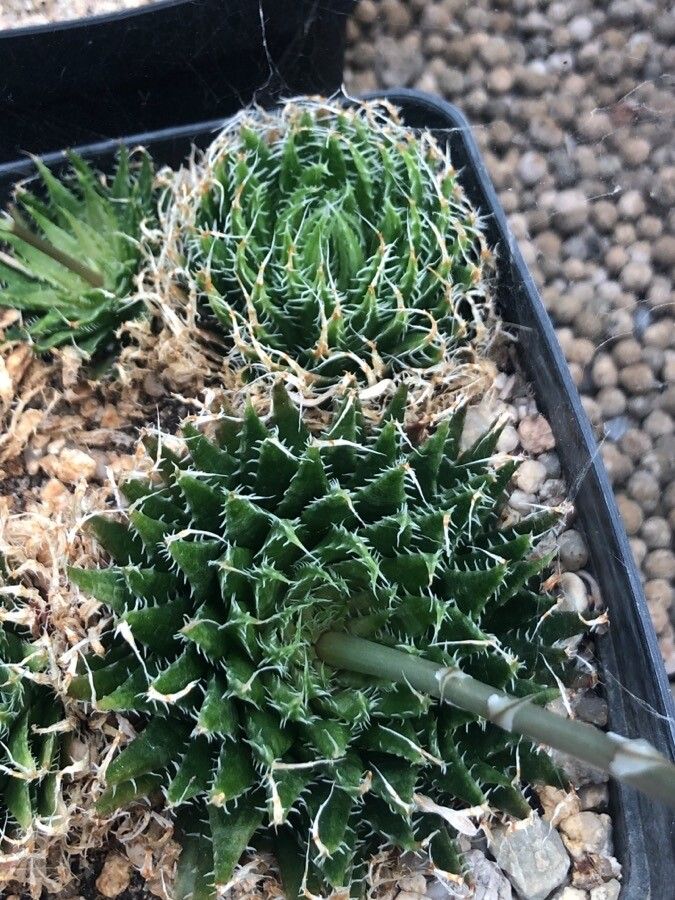
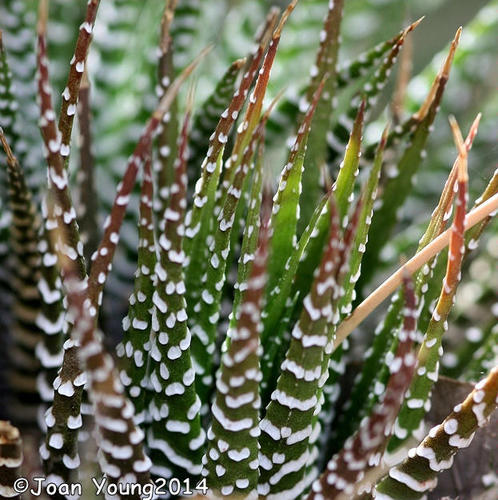
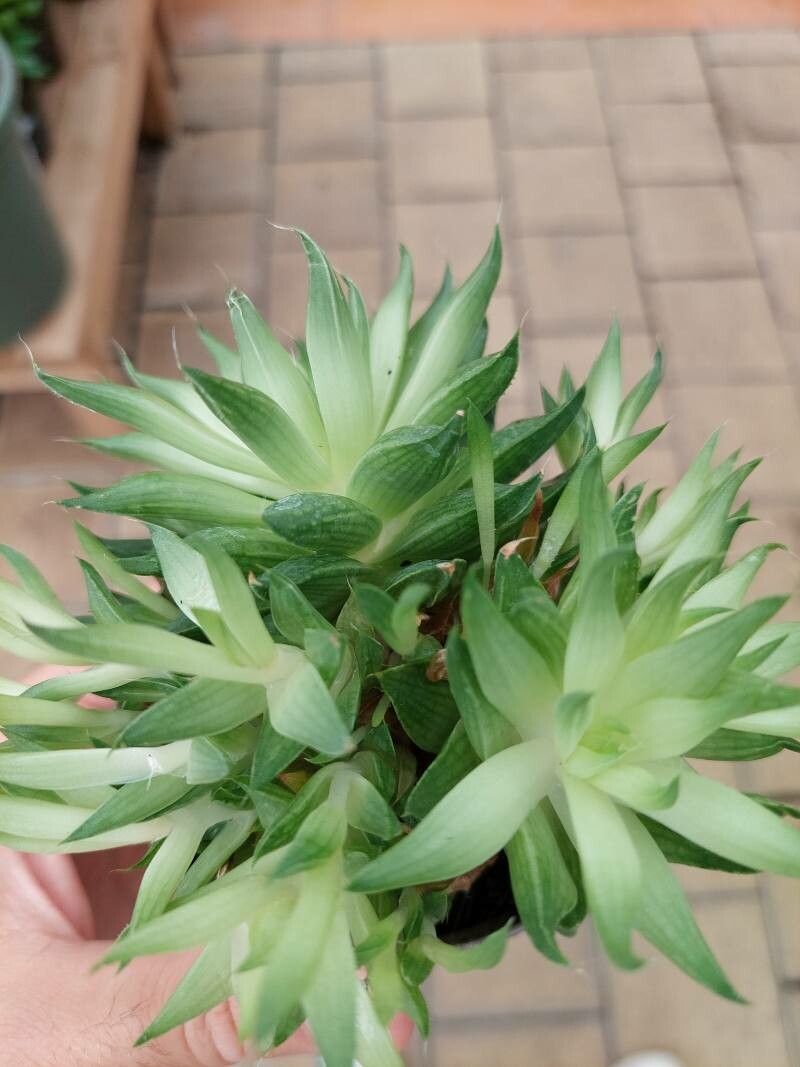
Haworthia retusa is a species of flowering plants of the genus Haworthia in the family Asphodelaceae, endemic to a very small area around Riversdale, in the Western Cape Province in South Africa. Growing to 10 cm (3.9 in) tall and broad, it is a perennial succulent with thick triangular leaves and small white tubular flowers held in 50 cm (20 in) tall racemes.
The star cactus has moderate disease resistance and is relatively sensitive to humidity. It becomes vulnerable to disease in high humidity and is prone to root rot during dormancy. In terms of care, the star cactus is drought tolerant but requires more water in the growing season. Watering should be greatly reduced or stopped entirely during the dormant period. The star cactus is best for growers with some experience, though it can be challenging to maintain, particularly during dormancy. It is especially suited to people who can devote time to its care in the winter months.
How to keep Haworthia Retusa.
Light
The star cactus generally does best in spots that get dappled light for part of the day. It can tolerate conditions from nearly complete shade to full sun, but maintaining the right light balance is essential for its health. Too much light can scorch the leaves, while too little can hinder growth. It naturally thrives in settings where light levels vary.
Water
The star cactus is well-suited to arid environments, boasting high drought tolerance and thriving with minimal moisture. To care for it, water every three weeks, making sure the soil dries out completely between waterings. Although often grown indoors, the star cactus prefers well-draining soil to prevent root rot, which is essential for maintaining healthy hydration levels.
Humidity
This plant prefers dry conditions, so don't mist it. However, watering it less often can also thrive in higher humidity.
Temperature
The star cactus originates from regions where average temperatures range from 20 to 38 ℃ (68 to 100.4 ℉). It favors a warm, sunny environment and should be kept in well-lit areas with good ventilation. In winter, it is recommended to place the plant in a cooler location with temperatures of 10 to 15 ℃ (50 to 59 ℉) to encourage proper dormancy.
Fertilizer
For Star cactus, light applications of fertilizer once or twice a year during the growing season are enough. Do not fertilize in winter or summer when it is dormant. Use less fertilizer for plants that have been repotted and wait a couple of months after repotting before fertilizing. Fertilizing promotes healthy growth and encourages flowering.
Pot & Repot
When repotting a Star cactus, choose a pot slightly larger than the current one with good drainage. Use a gritty, well-draining succulent or cactus mix. Gently take the plant out of its old pot, dust off any excess soil, and replant it at the same depth. Wait for a few days before watering to allow any root damage to heal. Repot in spring or fall, and place the plant in a brightly lit area.
Botanical profile.
- Plant Type
- Succulent, Herb
- Life Cycle
- Perennial
- Genus
- Haworthia
- Family
- Asphodelaceae
- Hardiness Zone
- 9-11
- Mature Height
- 10 cm
- Mature Spread
- 15 cm
- Leaf Color
- Green
- Leaf Type
- Evergreen
- Flower Color
- White
- Flower Size
- 2.54 cm
- Bloom Time
- Spring, Winter
- Planting Time
- Spring
- Harvest Time
- Spring, Early summer
- Native Area
- South Africa
Other names.
Reader questions.
How should I water my Star cactus?
To properly water your Star cactus, it is important to follow a few steps. Firstly, wait until spring, when new leaves begin to grow, before adding water to the plant's pot. Once the season arrives, water the plant when the soil inside the pot is completely dry. Use either tap water or distilled water for watering, but avoid overhead watering. Instead, water the plant at the base by applying water slowly and evenly across the entire soil surface. This method ensures all parts of the soil are moistened without dampening the above-ground portions of the plant. Your Star cactus will appreciate this. You can continue watering until you see a light stream of excess water draining from the pot's hole.
Why should I put plant food on my Star cactus?
Applying plant food to Star cactus during the growing season adds nutrients to the soil, supporting healthy growth. While the cactus does store water and nutrients, fertilizing can further encourage bloom production in mature plants.
What are the sunlight requirements for a Star Cactus?
A Star Cactus requires about 3-6 hours of sunlight daily, characterized as partial sun. However, it can also thrive in full sun (above 6 hours of sunlight) or full shade conditions, depending on its environment. It's crucial to observe how sunlight moves through your garden to pick the best spot for your plant, ensuring it gets a balanced amount of light and shade to thrive. The ideal scenario involves a location where the cactus can receive dappled light for part of the day, capable of enduring almost complete shadow to full sun. Excessive exposure can lead to leaf scorching, while insufficient light might impede growth.
What are the ideal temperature conditions for a Star cactus?
The Star cactus thrives in temperatures ranging from 20°C to 38°C (68°F to 100.4°F), preferring a warm and sunny environment with good ventilation. During winter, temperatures should be kept between 10°C to 15°C (50°F to 59°F) to encourage dormancy. It's vital to maintain temperatures above 20°C during its growing season in winter. When temperatures fall below 0°C, it's advisable to move the cactus indoors to a well-lit area, increasing watering in higher temperatures and reducing it as temperatures approach 0°C. For outdoor overwintering, a sheltered spot with ample sunlight is recommended, or consider a temporary greenhouse for consistent low temperatures, keeping the plant adequately moist.
What should I do if I give my Star cactus too much or too little water?
Overwatering is a common problem for Star cacti, and it can quickly lead to their death. To avoid overwatering, it is important to let the soil dry completely before watering. Many people mistakenly water their Star cactus too often, especially when it goes into dormancy. If you notice signs of overwatering, it is recommended to repot the cactus and remove any rotten or diseased roots. Some roots may just need cleaning and will recover. When repotting, use well-draining soil to prevent future overwatering. While less common, underwatering can also occur. In this case, you should water your plant slightly more frequently, being careful not to overcorrect and overwater it.
When should I put fertilizer on my Star cactus?
Star cactus, unlike other plants, only requires a small amount of fertilizer during its growing season. It is recommended to fertilize the Star cactus 1-2 times a year, specifically in the spring and autumn, while avoiding fertilization in the dormant winter and summer periods. Take caution when it comes to repotted plants, as the amount of fertilizer should be reduced. It is also advisable to wait a couple of months after repotting before starting to apply fertilizer.
How do you use artificial lighting for Star Cactus?
When natural sunlight is insufficient for a Star Cactus, especially during winter or in less sunny spaces, artificial lighting becomes essential. LED lights are recommended for their ability to be customized to the specific wavelengths needed by plants. Full sun plants require 30-50W/sq ft, partial sun plants need 20-30W/sq ft, and full shade plants need 10-20W/sq ft of artificial light. The artificial light source should be placed 12-36 inches above the plant to simulate natural sunlight, and the duration should mimic natural daylight hours, with most plants needing 8-12 hours of light per day.
How does low temperature affect Star cactus and what are the remedies?
Star cactus is sensitive to cold temperatures and thrives best between 20°C and 38°C. Exposure to temperatures below 0°C can lead to damage, and below -5°C, the cactus shows water-soaked necrosis and wilting. Initial symptoms of frost damage might not be immediate but lead to significant wilting and leaf drop within a week. To remedy this, trim off frostbitten areas and relocate the plant to a warm environment indoors near a south-facing window for ample sunlight. If using a makeshift greenhouse, ensure good ventilation to avoid plant decay from poor airflow.
How frequently should I water my Star cactus?
Star cactus, being a succulent plant from a hot and dry region, requires very little water compared to other plants. To properly care for this plant species, you should allow its soil to completely dry out between waterings. Generally, it takes around two weeks to a month for the soil to fully dry, at which point you can water the plant. The frequency of watering depends on the season. During spring and summer, when the plant is in a growing state, it may take 2-3 weeks for the soil to dry completely, so you can follow this watering frequency. In the summer, the soil may dry out faster. However, when the temperature drops below 60 degrees or goes above 85 degrees Fahrenheit, the plants will enter a dormant or semi-dormant state, meaning they don't need more water at that time. Instead, you should reduce or stop watering to maintain a dry soil until the temperature becomes suitable for the Star cactus to grow again, and then resume watering.
When is it best not to add fertilizer to my Star cactus?
The Star cactus, like other plants, goes through a dormancy period. During this time, it is best to avoid using fertilizer. The plant stops growing in both the summer and winter, which is also a good time to stop applying fertilizer. Additionally, it is recommended to pause fertilization for the first few months after repotting in the spring.
What are common symptoms of inadequate lighting in Star Cactus?
Common symptoms of inadequate lighting in Star Cactus include lighter-colored or irregularly patterned pale new leaves, indicating a lack of chlorophyll and essential nutrients. Leggy or sparse growth, with longer spaces between leaves or stems, and chlorosis, where leaves lose their green color and turn yellow, signify light deficiency. Sunscald, showing as pale, bleached, or necrotic spots due to intense light exposure, leaf curling as a defense against excessive sunlight, wilting from loss of water through transpiration, and leaf scorching characterized by brown, dry edges on leaves, are also signs of improper light conditions.
What should be done if a Star cactus is exposed to high temperatures?
During summer, the Star cactus should be protected from temperatures exceeding 38°C, as it may enter a dormant state and become prone to rot in high humidity if temperatures surpass 43°C. The recommended actions include removing dry and rotten parts and moving the plant to a partially shaded area to shield it from intense midday and afternoon sun. Watering should be paused until the weather cools down to reduce the risk of root rot.