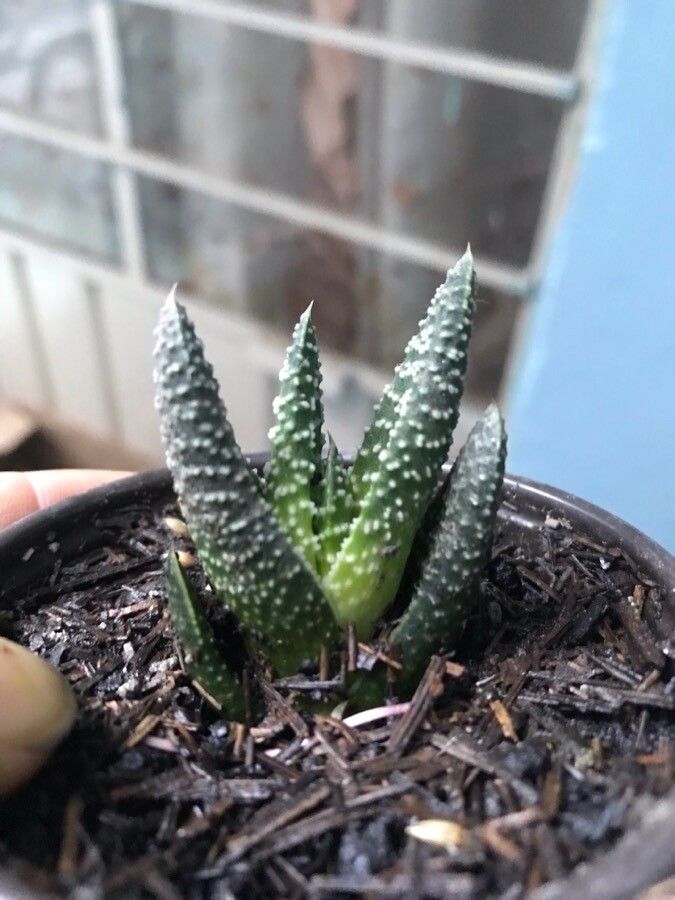
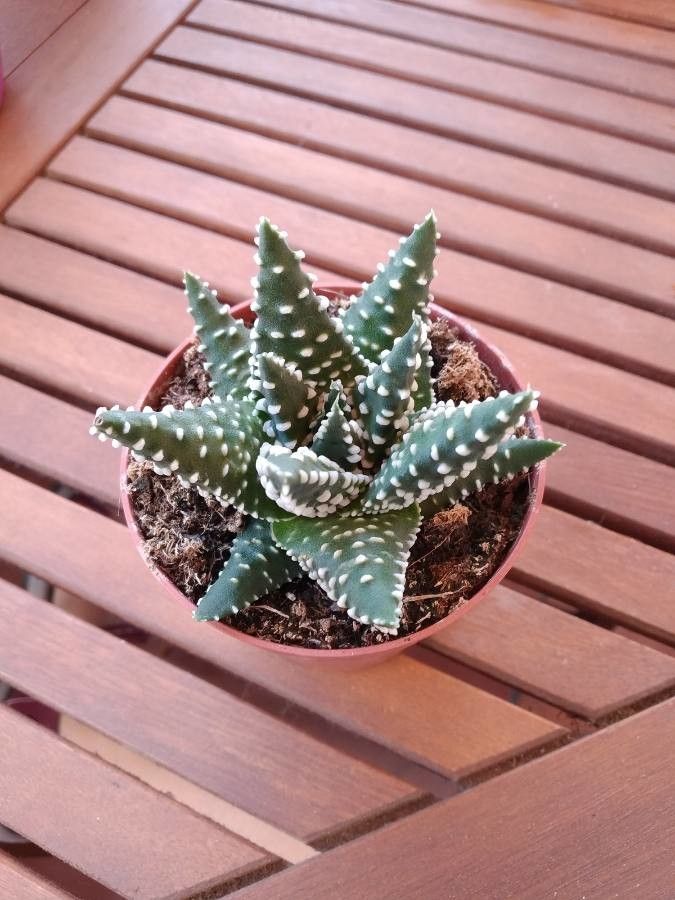
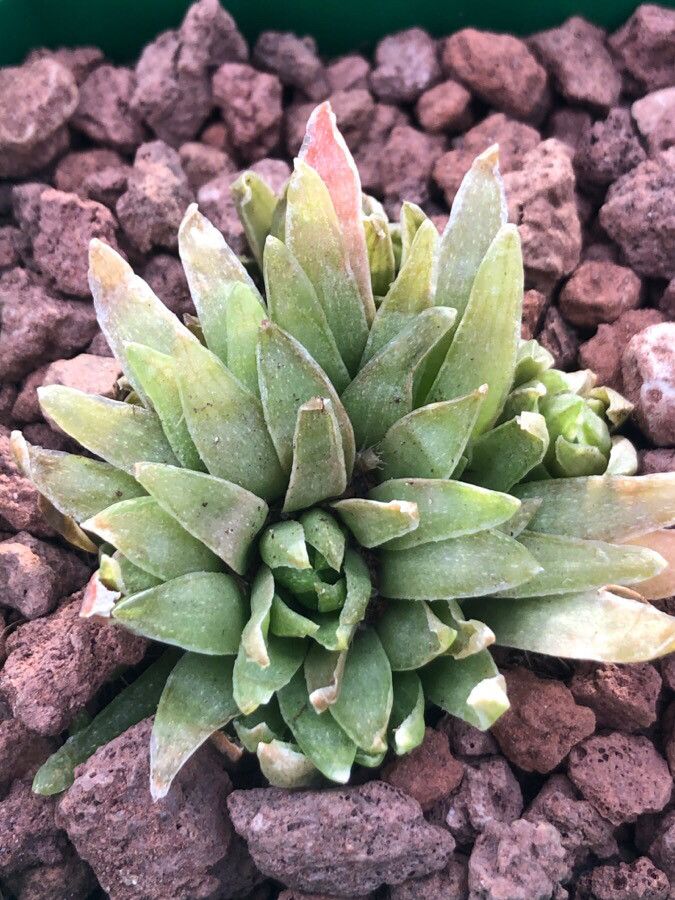
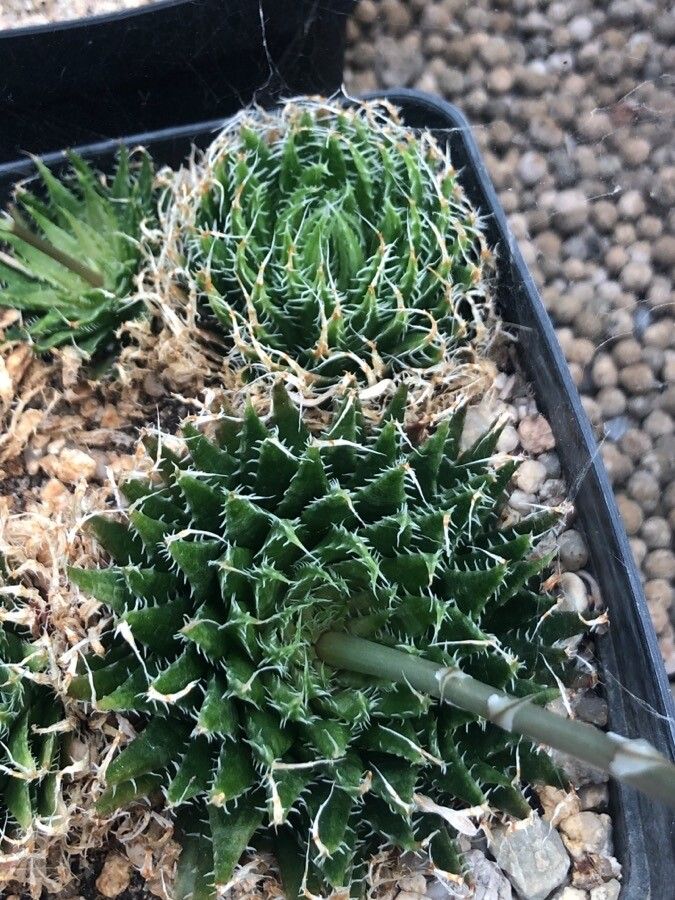
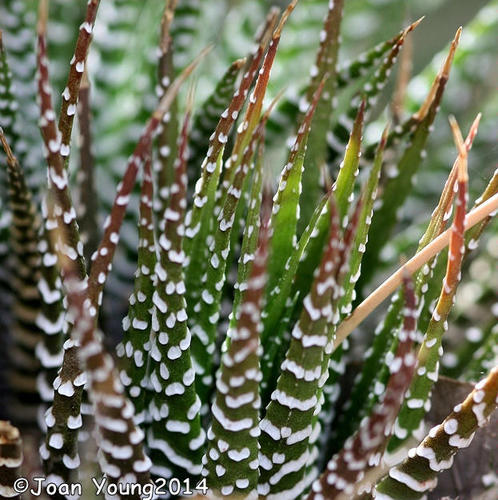
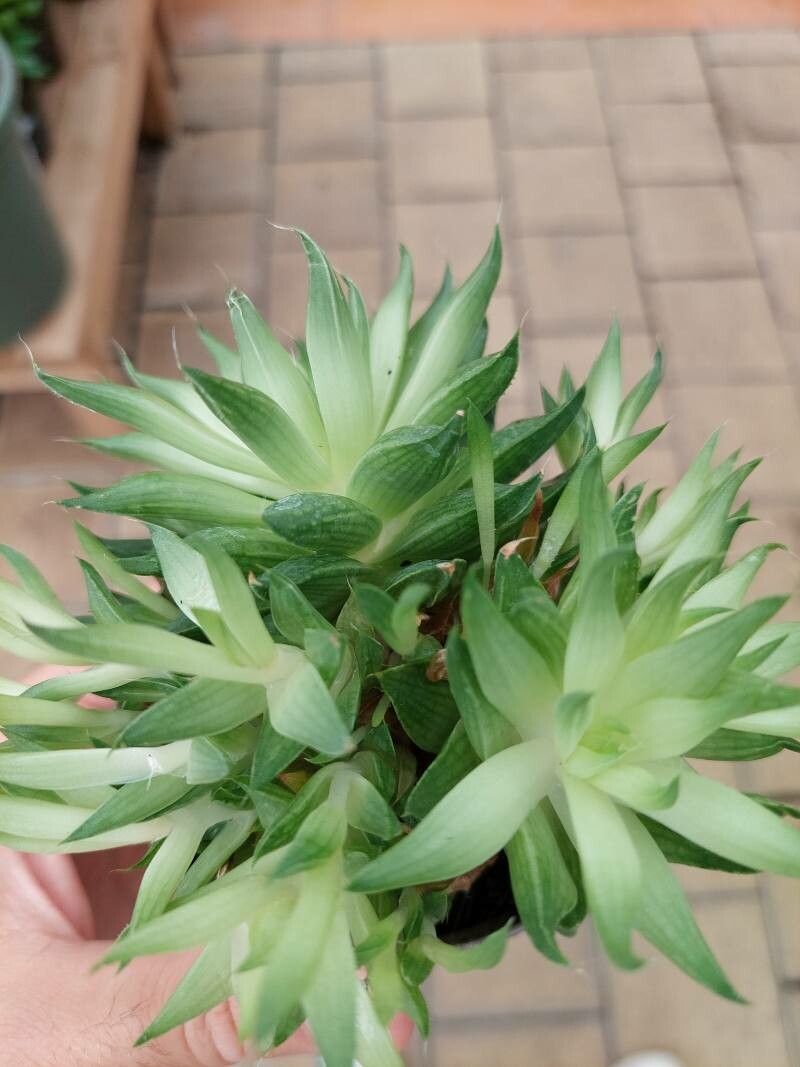
Haworthia pumila is a small succulent native to South Africa, belonging to the Asphodelaceae family. It is commonly found in rocky areas and on cliffs. The plant features rosettes of fleshy, green leaves that are triangular in shape and adorned with white, translucent markings. These leaves are arranged in a spiral pattern around the center of the rosette.
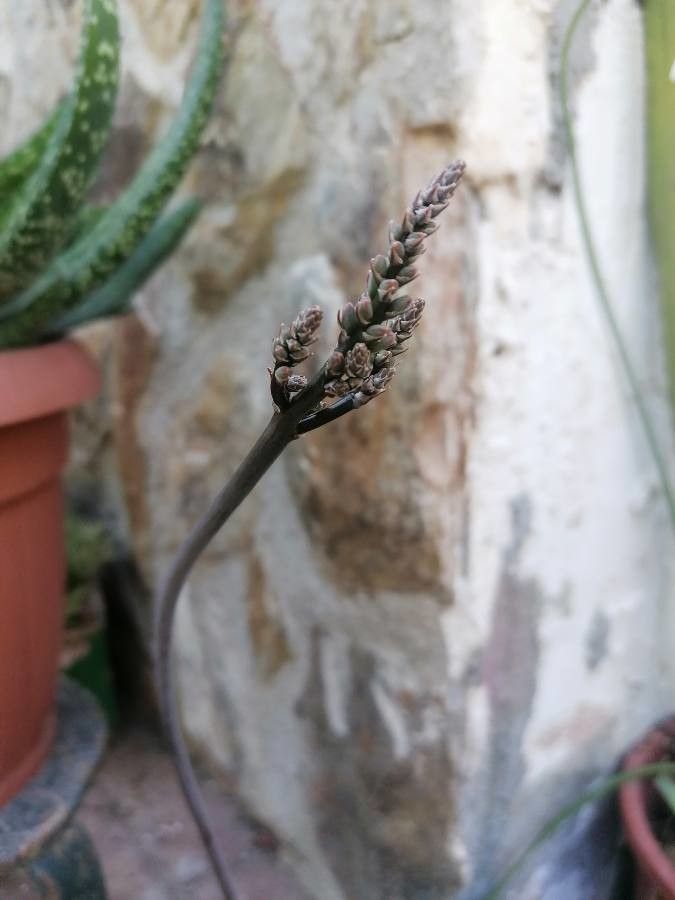
During the summer months, Haworthia pumila produces small white flowers on long stalks that emerge from the center of the rosette. The flowers are tubular and have six petals.
This plant is easy to care for, requiring minimal watering and thus making it an ideal choice for those who prefer low-maintenance indoor plants. It thrives in bright but indirect sunlight and well-draining soil.
Haworthia pumila also has several medicinal uses; its gel-like sap can be used to treat burns, cuts, insect bites, and other skin irritations due to its anti-inflammatory properties.
Overall, Haworthia pumila is an attractive succulent with unique leaf markings, making it a popular choice among indoor plant collectors.
The miniature aloe has moderate disease resistance and is fairly sensitive to humidity. It is prone to disease under high humidity and can develop root rot during dormancy. In terms of care, the miniature aloe tolerates drought but needs more frequent watering during the growing season. Watering should be greatly reduced or stopped entirely while it is dormant. The miniature aloe is appropriate for growers with some experience, though it can be challenging to care for, particularly during the dormant period. It is especially suitable for those who can spend time tending to it through the winter months.
How to keep Haworthia Pumila.
Light
Miniature aloe prefers sites that receive a lot of sunlight. However, it can also thrive with only moderate sun. This characteristic comes from its ancestral growing environment, where sunlight was plentiful. Too much or too little light can negatively affect the plant's growth.
Water
Miniature aloe plants are well-suited to arid climates, as they are drought-tolerant and thrive with minimal watering, needing only about every three weeks. When grown indoors, it's important to manage watering carefully to prevent overwatering and root rot. Their succulent leaves efficiently retain water, allowing them to thrive even in low-humidity conditions.
Temperature
Miniature aloe originates from areas where temperatures range from 20 to 38 ℃ (68 to 100.4 ℉). It prefers warm conditions and does well indoors when the temperature stays consistently warm. In winter, it is recommended to keep temperatures above 15 ℃ (59 ℉) for optimal growth.
Fertilizer
Miniature aloe only needs light fertilizer applications once or twice a year during the growing season. Do not fertilize in winter or during summer dormancy. Cut back on fertilizer for recently repotted plants and wait a couple of months after repotting before feeding. Fertilizing promotes healthy growth and encourages flowering.
Pruning
As with most succulents, the Pearl Plant does not require extensive pruning to stimulate healthy growth. You can simply trim off any dead or damaged leaves as you see them, keeping the plant neat. When it starts to outgrow its pot, transfer the Pearl Plant to a new, slightly larger but shallow pot with fresh soil. Repotting these plants is best done during the spring or early summer.
Pot & Repot
When repotting a miniature aloe, choose a pot only slightly larger than the current one that has good drainage. Use a gritty, well-draining succulent or cactus potting mix. Gently remove the plant from its previous pot, brush away excess soil, and place it back at the same planting depth. Delay watering for a few days to allow any damaged roots to recover. Repot during spring or fall and situate the plant in a brightly lit location.
Toxicity
Tulista pumila, also known as the Pearl Plant, is generally considered non-toxic to people and pets. This succulent can coexist happily as a houseplant with children and pets.
Further reading →
The toxicity and danger assessments provided are for reference only. We do not assure their accuracy, so it's crucial not to depend on them. Seek professional advice when necessary for accurate guidance.
Botanical profile.
- Plant Type
- Succulent, Herb
- Life Cycle
- Perennial
- Genus
- Haworthia
- Family
- Xanthorrhoeaceae
- Hardiness Zone
- 9-11
- Mature Height
- 5 cm to 20 cm
- Mature Spread
- 5 cm to 15 cm
- Leaf Color
- Green, White, Bronze, Brown
- Leaf Type
- Evergreen
- Flower Color
- White
- Flower Size
- 2.54 cm
- Bloom Time
- Spring, Winter
- Planting Time
- Spring
- Harvest Time
- Spring, Early summer
- Native Area
- Southern Africa
Other names.
Reader questions.
How should I water my Miniature aloe plant?
To properly water your Miniature aloe, follow these steps: 1. Wait until spring when new leaves are growing before watering. 2. Only add water when the soil inside the pot is completely dry. 3. Choose either tap water or distilled water for watering. 4. Avoid watering from overhead. 5. Water at the base of the plant by applying water slowly and evenly across the soil surface. 6. Make sure to moisten all parts of the soil without dampening the above-ground parts of the plant. 7. Add water until you see a light stream of excess water draining from the pot's hole.
Why should I add fertilizer to my Miniature aloe?
Fertilizing Miniature aloe plants provides necessary nutrients for healthy growth. Although they store water and nutrients, applying plant food during the growing season helps support their development. Additionally, fertilizing can promote flowering in mature specimens during the growing season.
How much sunlight does a Miniature aloe plant need in order to grow?
Miniature aloe plants thrive in at least 6 hours of daily sunlight, although more sunlight is preferable. The specific minimum hours required may vary based on factors like sunlight intensity and environment. Despite this, it is rare for miniature aloe plants to receive excessive sunlight, as they can tolerate up to 14 hours of sun each day without any issues.
What is the best temperature for Miniature aloe?
In order to create the best environment for Miniature aloe, it is recommended to grow them in temperatures between 60-75℉ (15-25℃). While they can tolerate slightly higher or lower temperatures, this range will ensure optimal growth. If Miniature aloe is exposed to temperatures below 40℉(10℃) or above 95℉(35℃), they will enter a dormant state and stop growing. Additionally, extended periods of temperatures above 95℉ (35℃) can potentially harm or even kill these plants.
What can I do if I give my Miniature aloe plant too much or too little water?
Overwatering is a more common problem than underwatering for Miniature aloes. Overwatering can quickly kill a Miniature aloe and is detrimental to its health. To avoid overwatering, it is important to let the soil dry completely before watering. Many people mistakenly water their Miniature aloe too often, especially during dormancy. This article focuses on how to address the problem of overwatering. When signs of overwatering appear, it is best to remove the plant from its current pot. Inspect the roots for any signs of rot or other moisture-related diseases and remove them. Some roots may recover after cleaning. Afterward, repot the Miniature aloe in well-draining soil to prevent future overwatering. While less likely, underwatering can also occur. In this case, water the plant more frequently, being careful not to overcorrect and overwater.
When should I put fertilizer on my Miniature aloe?
Miniature aloe plants require a minimal amount of fertilizer during their growing season. It is recommended to fertilize them only 1-2 times a year, preferably in the spring and autumn when they are active. Avoid fertilizing in the winter and summer when the plant is dormant. If you have recently repotted your Miniature aloe, be cautious with the amount of fertilizer you use. It is advisable to wait a few months after repotting before beginning to fertilize the plant.
What kind of sunlight does Miniature aloe need?
Miniature aloe plants require ample bright sunlight to thrive. They are adapted to full-sun conditions and can flourish with either direct light or bright indirect sun. Although certain types may tolerate partial sun, they generally benefit from increased sunlight exposure.
Does Miniature aloe need different temperatures at different times of growth?
Miniature aloe plants have specific temperature requirements for different phases of their life. During the summer, they enter a dormant phase, while during winter, they go through a growing phase. To actively grow, miniature aloes need cooler temperatures, but not extreme cold below 40℉ (10℃), which triggers dormancy regardless of the season. Conversely, high temperatures can also induce dormancy by limiting growth and reducing watering needs. It's important to avoid overwatering during dormancy to prevent drowning the plant and causing root rot. Only water the soil when it feels dry.
How frequently should I water my small aloe plant?
The watering needs of Miniature aloe, being a succulent plant, are quite low due to its origin in a hot and dry region. To properly care for this plant, you should let the soil completely dry out before watering it again. Typically, it takes about two weeks to a month for the soil to dry completely, at which point you can water it. The frequency of watering depends on the season. During spring and summer, when the plant is in a growing state, it may take 2-3 weeks for the soil to dry out completely, so you can water it accordingly. In the summer, the soil may dry out faster. However, when the temperature drops below 60 degrees or goes above 85 degrees Fahrenheit, the plant will enter a dormant or semi-dormant state, and watering is not necessary. Instead, you should reduce or stop watering to keep the soil dry until the temperature becomes suitable for Miniature aloe to grow again, and then resume watering.
When should I not add fertilizer to my Miniature aloe?
Miniature aloe, like other plants, goes through a dormancy period. During this time, it is best to avoid fertilizing the plant. The plant stops growing in both summer and winter, which is another indication to halt fertilizer applications. Additionally, it is advisable to refrain from fertilizing for a few months after repotting in the spring.
Should I keep Miniature aloe away from the sun?
Miniature aloe plants thrive in hot and sunny environments, so they do not require sun protection. However, if you are moving your Miniature aloe to a location with intense sunlight, it is important to proceed gradually. Plants need time to adjust to new conditions, so start by exposing the plant to a couple of hours of sunlight each day, then gradually increase the exposure time. Once the plant has adapted, most types of Miniature aloe can handle full sun and no longer need protection.
Here are three suggestions for managing the temperature of your Miniature aloe plant.
Here are some tips to take care of your Miniature aloe: 1. Don't over-water during high temperatures: Surprisingly, Miniature aloe actually need less water in the summer. Check the soil by inserting your finger two inches below the surface to feel if it's dry. Excessive watering can lead to root rot. 2. Don't worry about occasional temperature fluctuations: Miniature aloe can withstand temperature drops or rises without dying instantly. They can survive at temperatures below 0℃ for short periods of time by going into a dormancy state. Just ensure to return them to the correct temperature range as soon as possible. 3. Avoid extreme heat exposure: Prolonged exposure to very high temperatures can cause damage to Miniature aloe. Initially, the leaves may change color to shades of red, yellow, and orange, which may seem appealing. However, continued exposure will cause the leaves to wither, halt growth, and eventually lead to the death of your Miniature aloe.