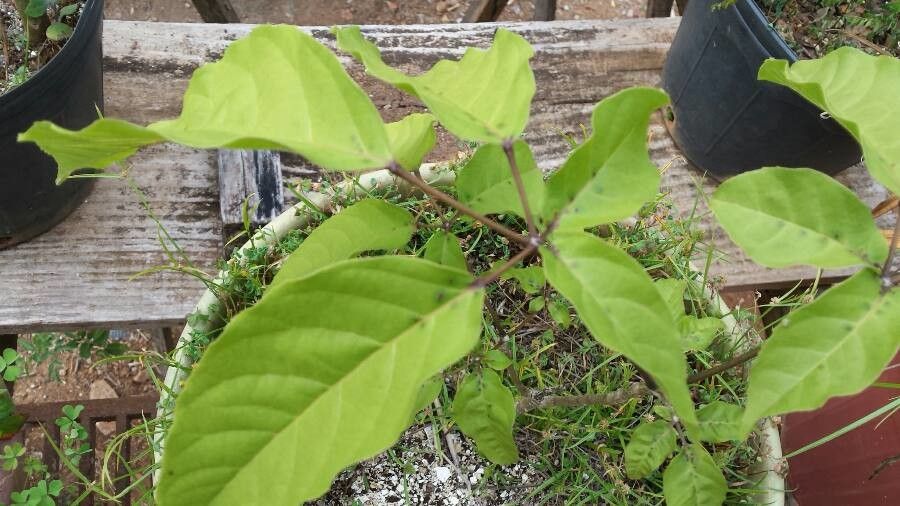
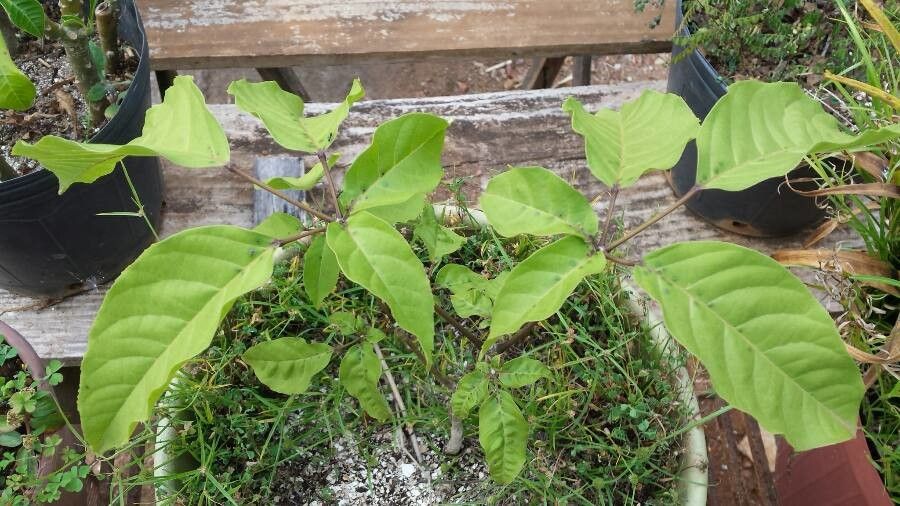
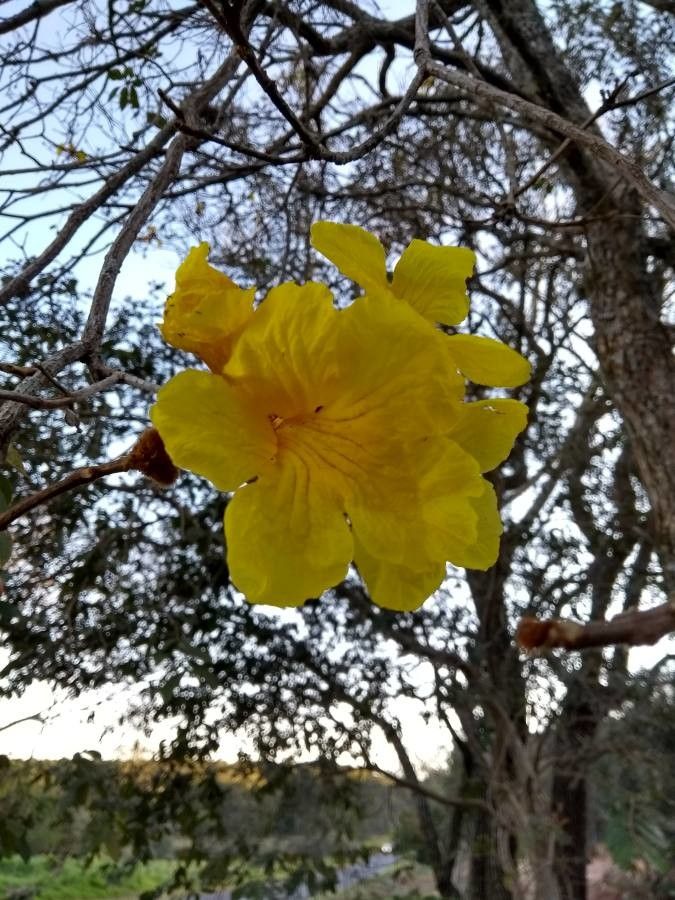
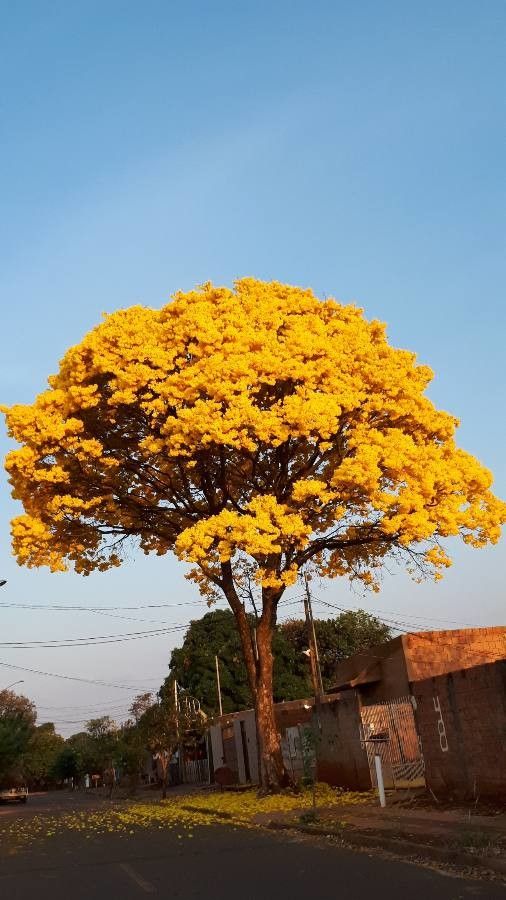
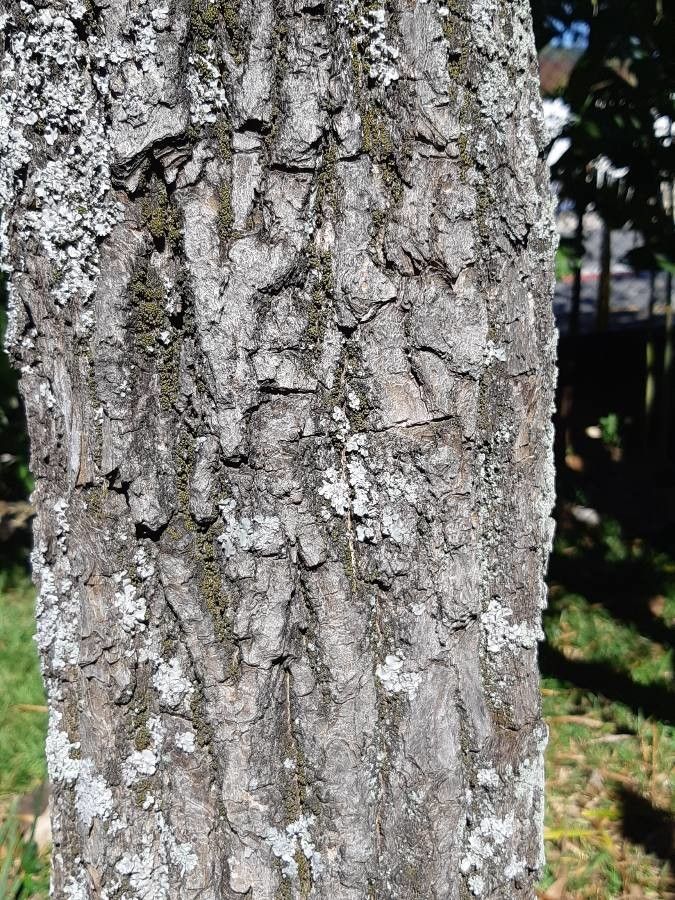
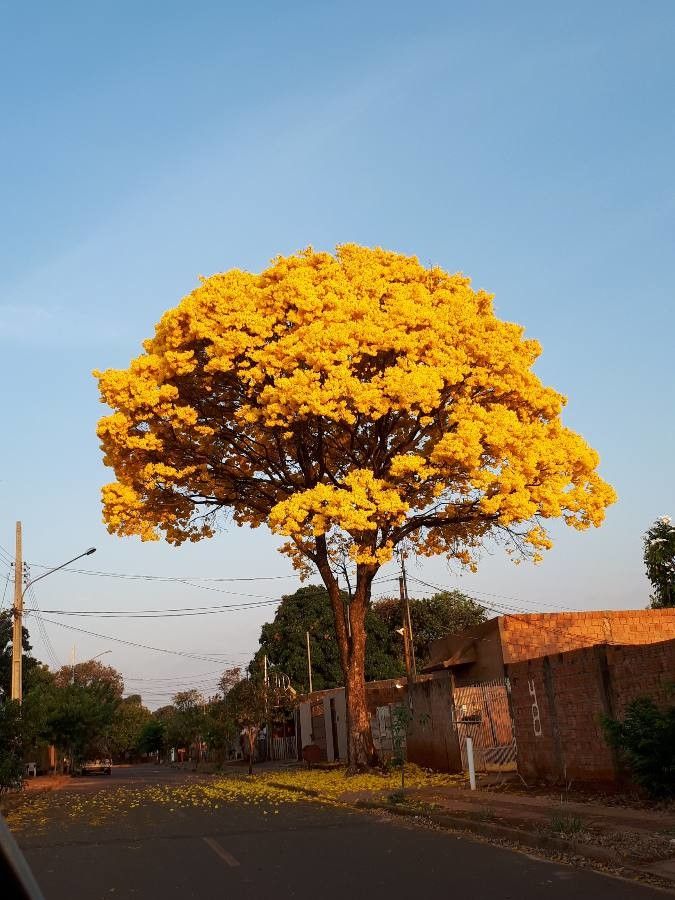
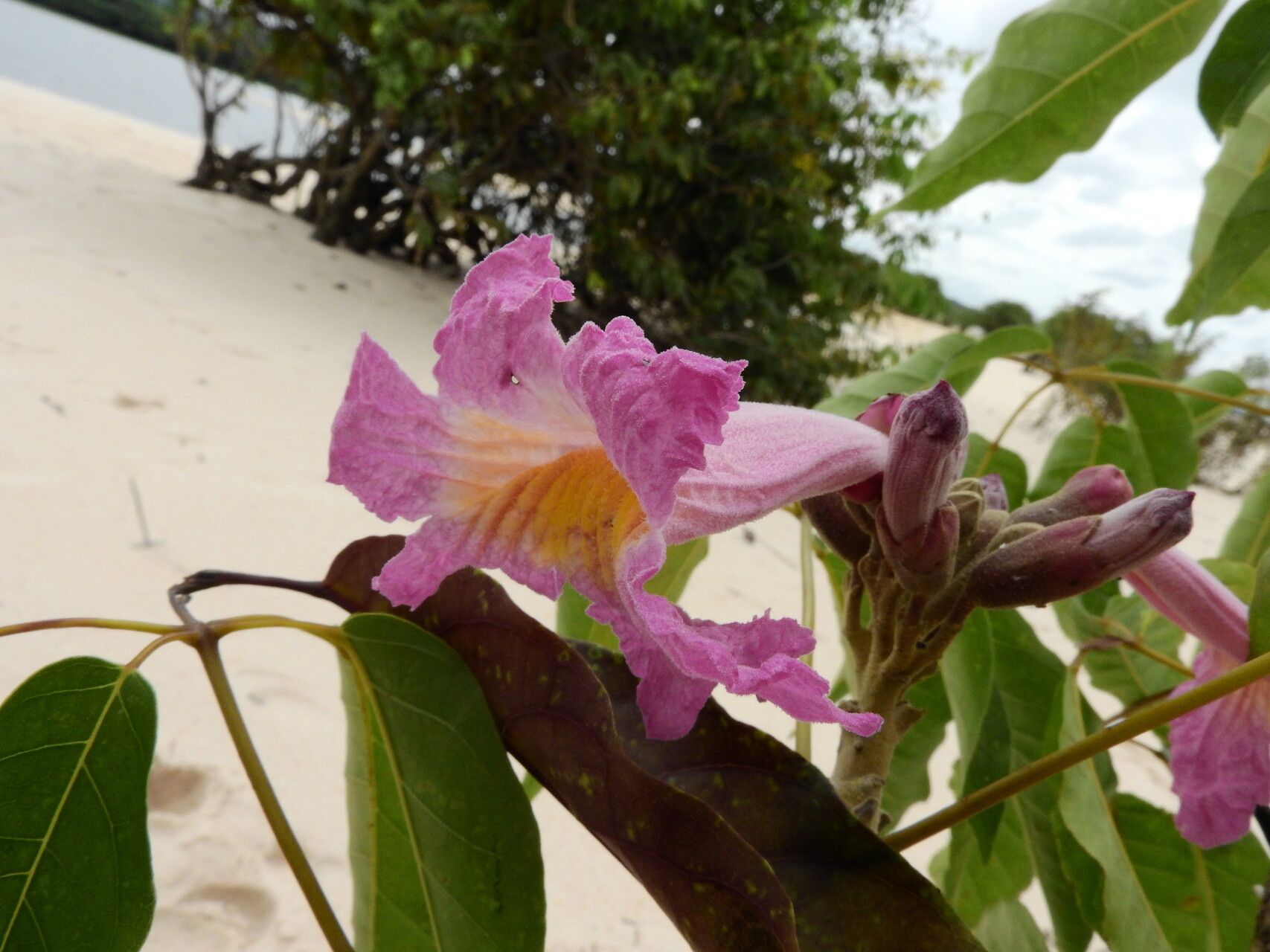
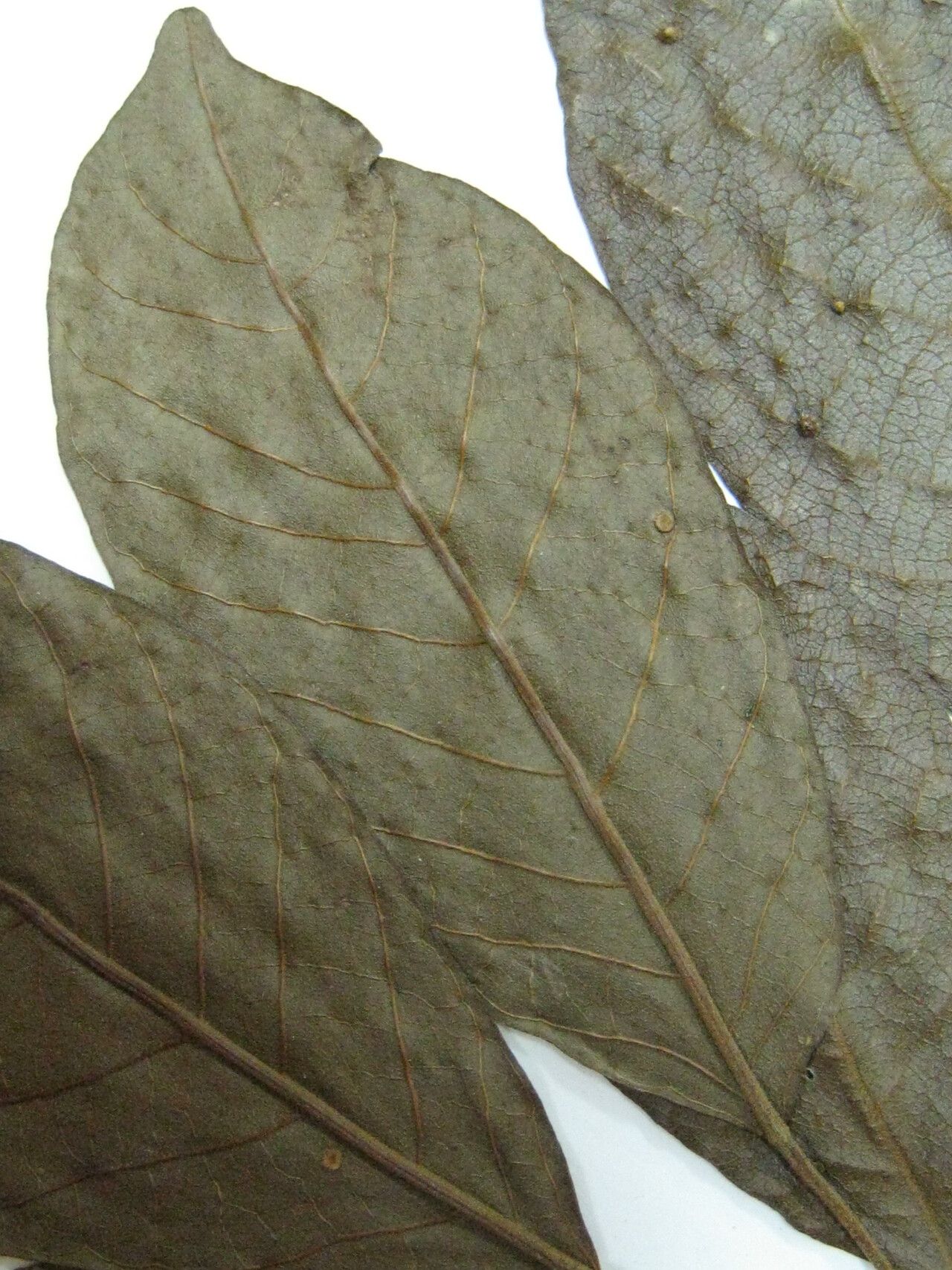
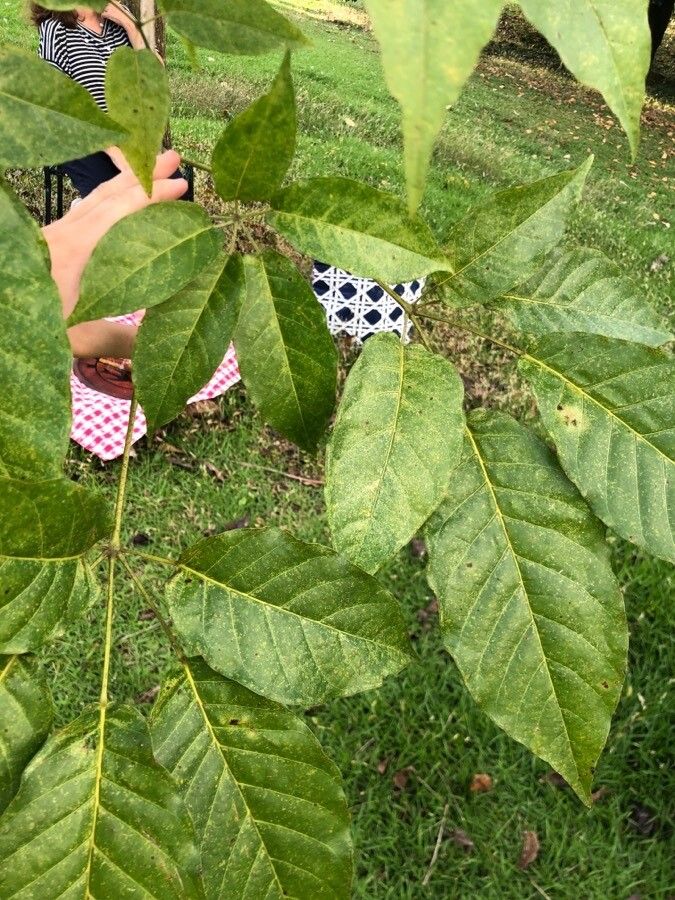
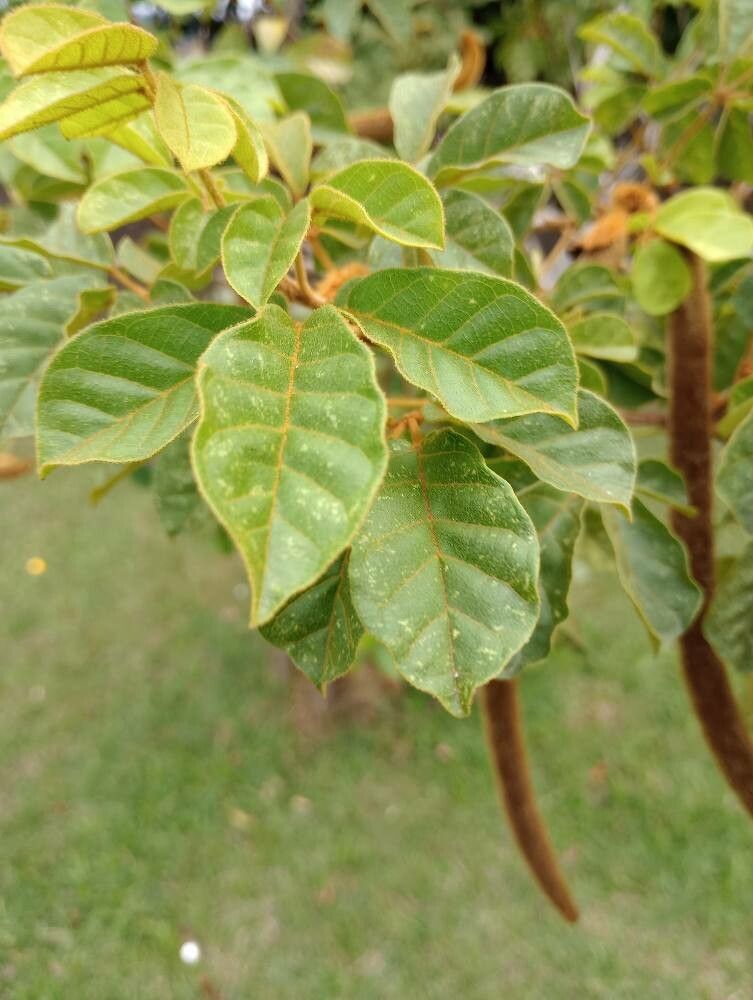
Handroanthus albus, commonly known as the White Trumpet Tree, is a species of flowering tree native to South America. It belongs to the Bignoniaceae family and can grow up to 20 meters tall. The tree features a straight trunk with grayish-brown bark and produces large, trumpet-shaped white flowers that bloom in clusters during the spring. The leaves are compound and can reach up to 30 cm in length, consisting of five leaflets that are dark green on top and lighter underneath.
Handroanthus albus is often used as an ornamental plant due to its striking flowers and attractive foliage. Additionally, it possesses medicinal properties and is used to treat respiratory issues such as asthma and bronchitis. The tree prefers full sun exposure but can tolerate partial shade. It thrives in well-drained soil conditions and requires moderate watering once established.
Handroanthus albus is resistant to diseases and is usually not vulnerable to them. Regarding care, this plant is fairly low-maintenance. Planted outdoors, it needs only occasional watering, and larger specimens typically do not require pruning. Smaller plants, however, should be trimmed after they finish blooming. Handroanthus albust is suitable for anyone with an outdoor area, such as a garden or a deck, and does not demand extensive care experience.
How to keep Handroanthus Albus.
Light
Handroanthus albus comes from open habitats, such as sunny meadows and forest edges, which offer plenty of light. It performs best in Full Sun but can also tolerate Partial Sun, adapting well to different light conditions.
Temperature
Handroanthus albus comes from tropical areas, where the climate is generally warm and humid. Consequently, it is well suited to high temperatures and humidity. It does not tolerate sudden temperature changes and prefers a stable thermal environment, so avoiding temperature fluctuations indoors is important. It usually cannot withstand cold and needs higher temperatures to grow. If the surrounding temperature falls too low, the plant may stop growing or even die.
Fertilizer
The best time to fertilize a Handroanthus albus is in early spring as it comes out of dormancy. Doing so supports overall growth and the development of flowers. Fertilizing improves the leaves, stems, and branches, and encourages flowers that are large, vibrant, and long-lasting. It also helps move nutrients from the roots to the blooms and enhances the plant’s health and resistance to disease.
Botanical profile.
- Plant Type
- Tree
- Life Cycle
- Perennial
- Genus
- Handroanthus
- Family
- Bignoniaceae
- Hardiness Zone
- 9-11
- Mature Height
- 14.94 m to 20.12 m
- Mature Spread
- 10.06 m to 14.94 m
- Leaf Color
- Green, Dark Green
- Leaf Type
- Deciduous
- Flower Color
- White, Yellow
- Flower Size
- 5.08 cm to 6.35 cm
- Bloom Time
- Mid spring, Late spring
- Planting Time
- Spring, Summer, Autumn
- Harvest Time
- Summer
Other names.