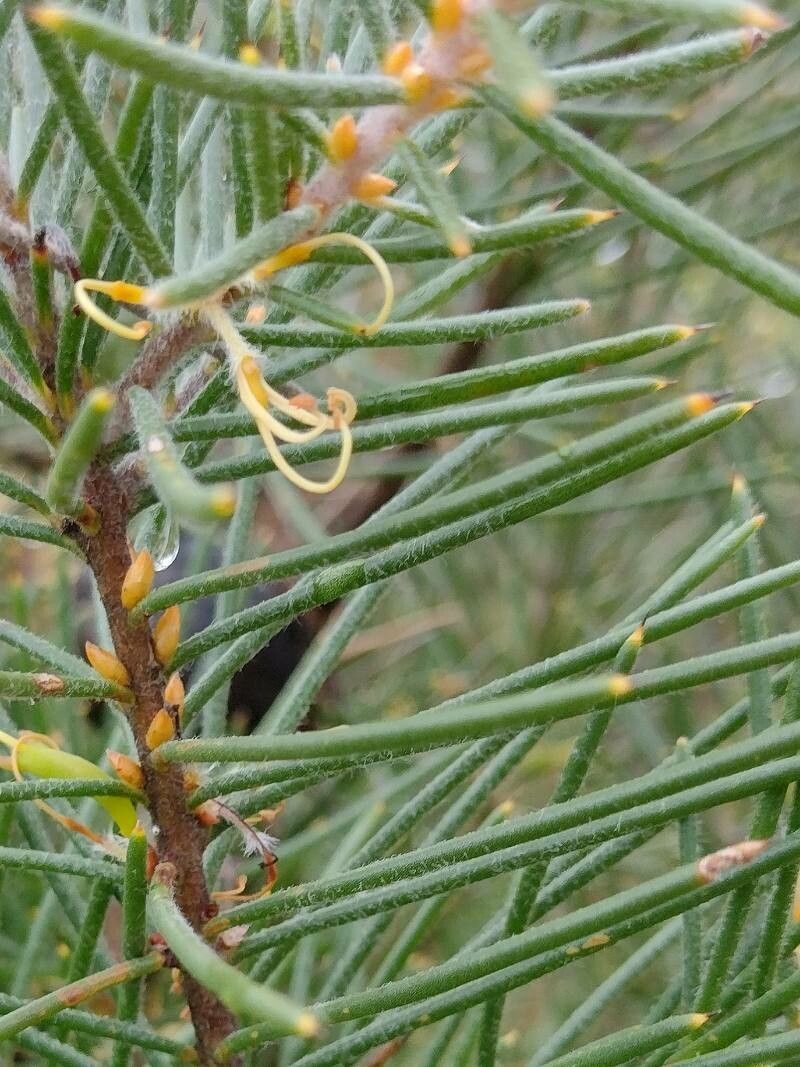
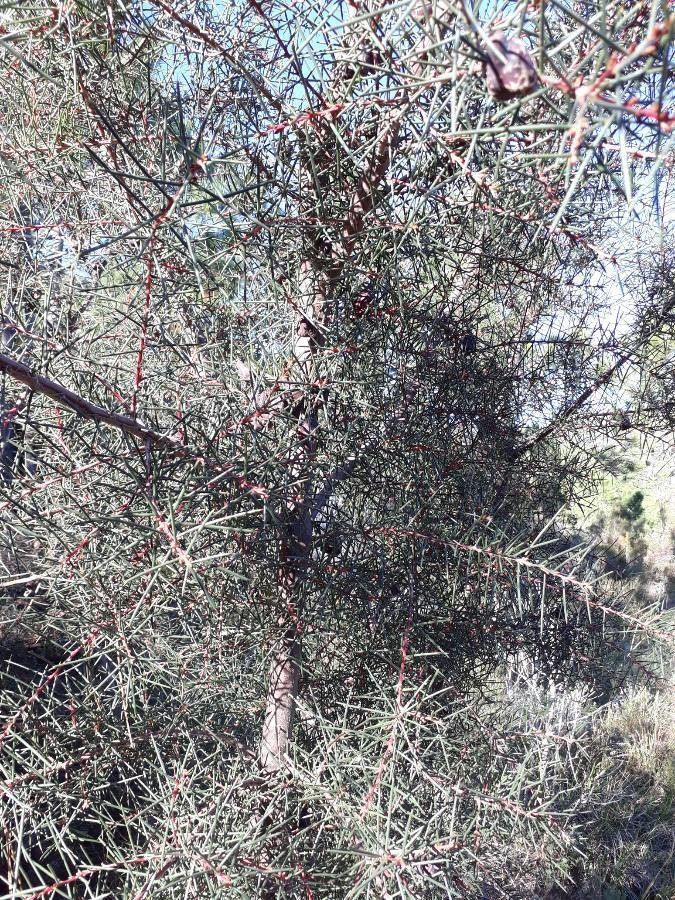
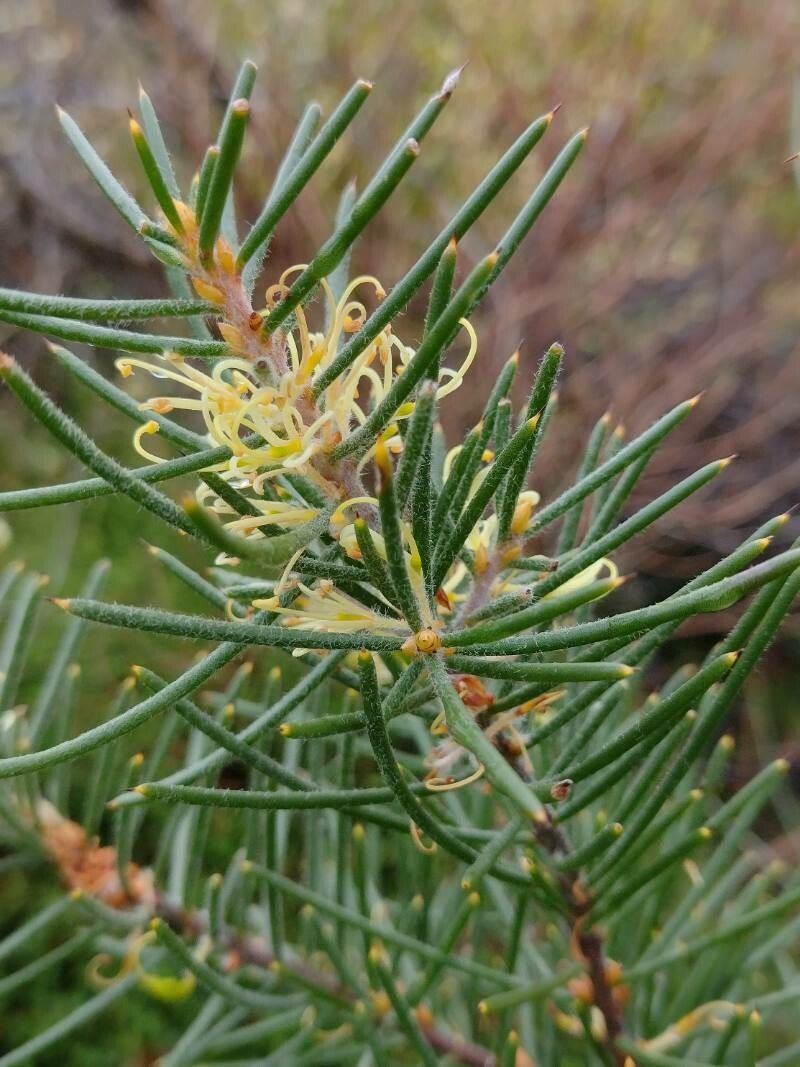
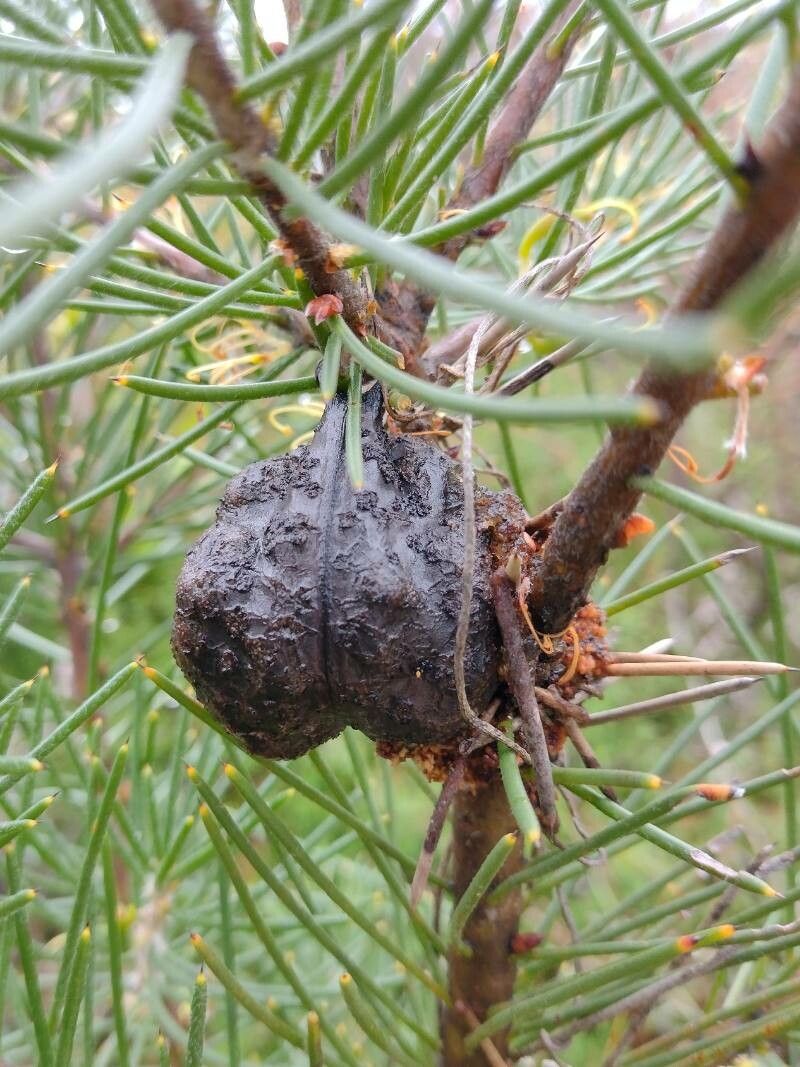
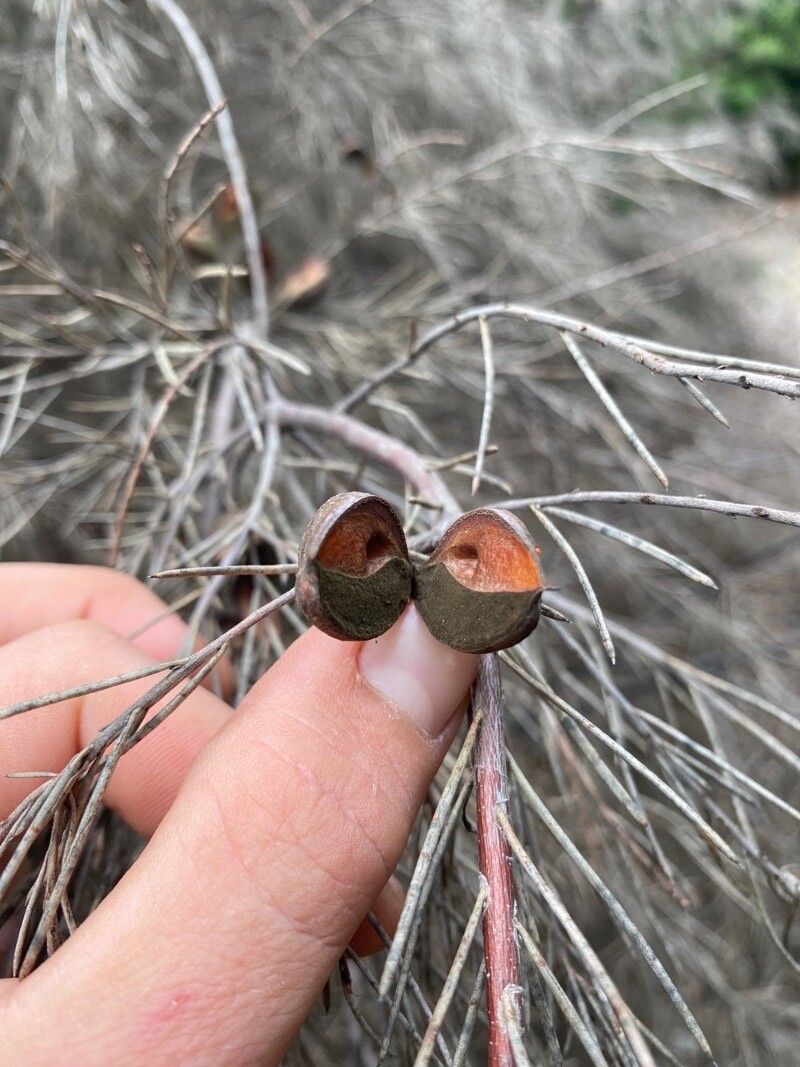
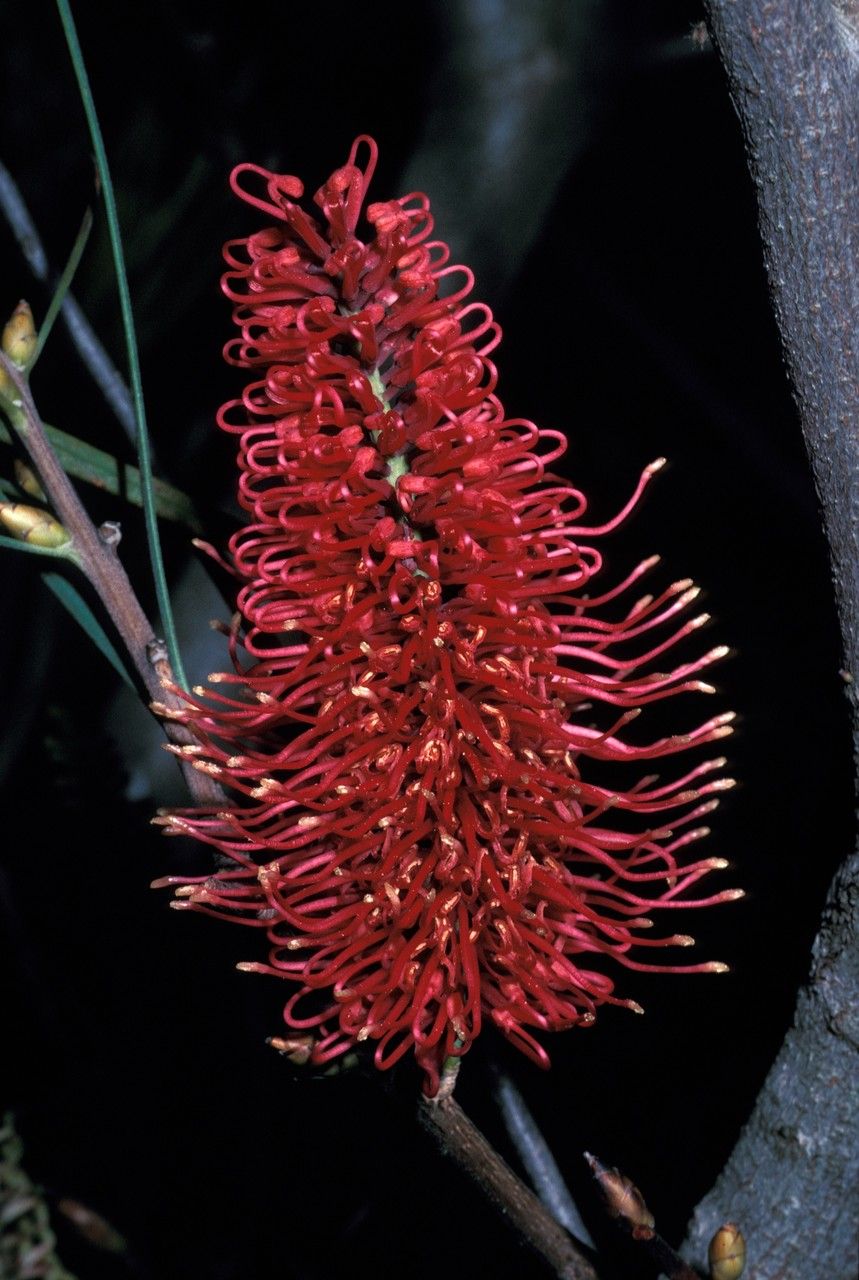
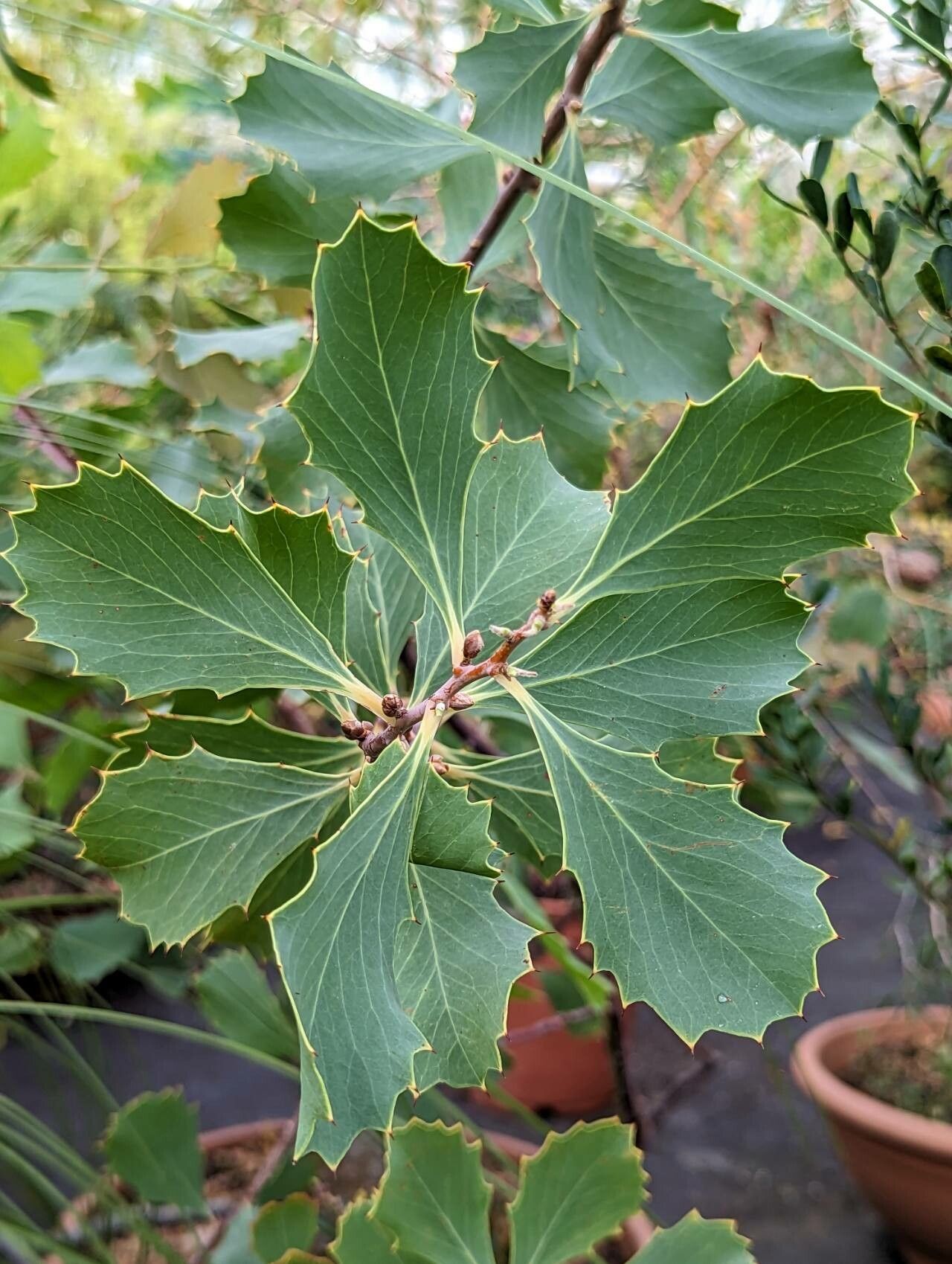
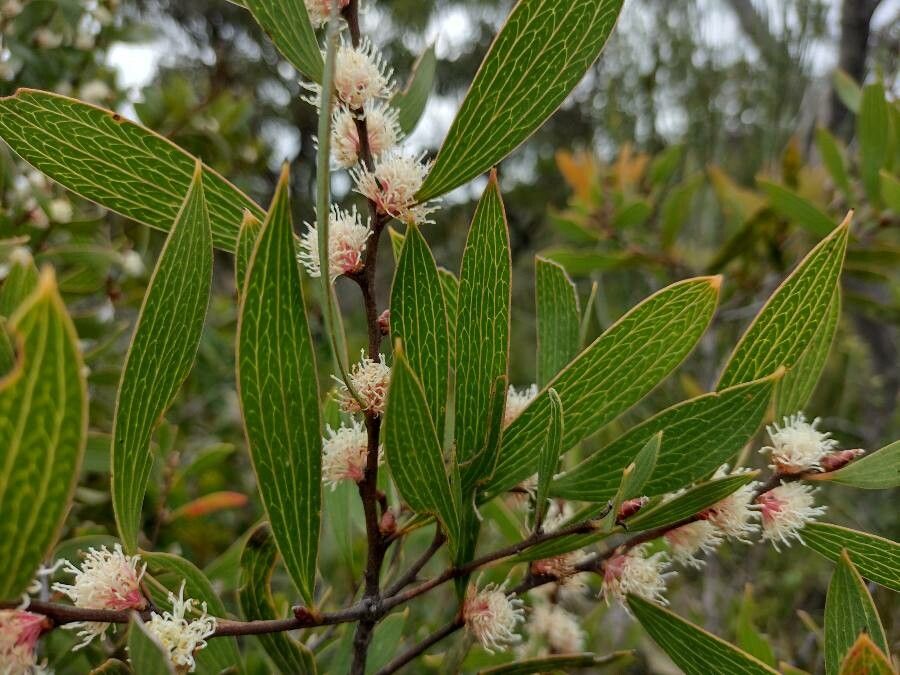
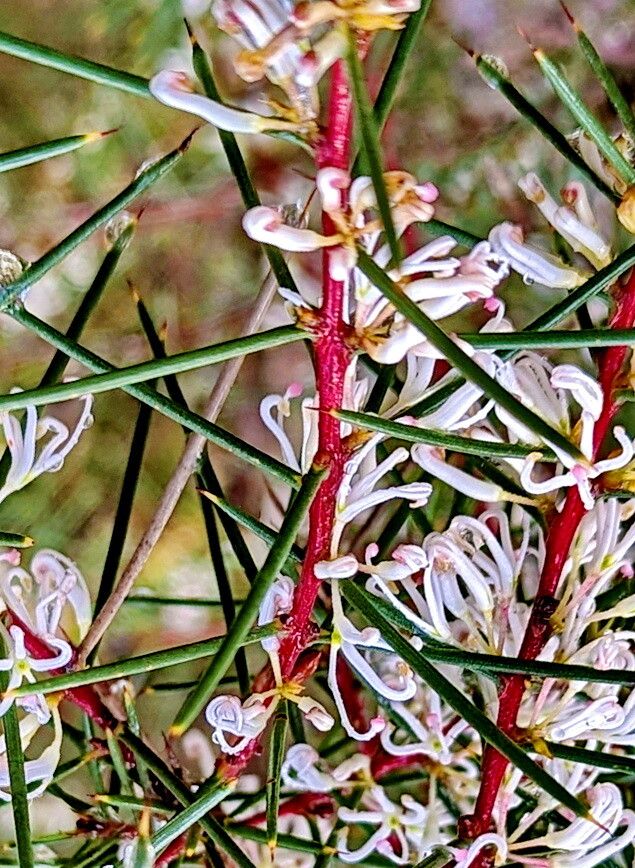
Hakea gibbosa, commonly known as hairy hakea or needlebush hakea, is a shrub of the family Proteaceae, and is endemic to south eastern Australia. It has very prickly foliage, cream-yellowish flowers from April to July, and provides shelter for small birds. It has become an environmental weed in South Africa and New Zealand, where it had been introduced for use as a hedge plant.
Hairy hakea-needlebush is resistant to disease and is generally unlikely to be affected by illnesses. In terms of care, the plant is fairly low maintenance. Planted outdoors it needs only minimal watering, and larger specimens typically do not require pruning. Smaller plants, however, should be pruned after they finish flowering. Hairy hakea-needlebusht is appropriate for anyone with outdoor space, such as a garden or deck, and does not demand much prior care experience.
How to keep Hakea Gibbosa.
Light
Hairy hakea-needlebush is native to open habitats, such as sunlit meadows and the margins of forests, which supply abundant light. It grows well in Full Sun but can also tolerate Partial Sun, adapting readily to a range of sunlight conditions.
Water
The Hairy Hakea-Needlebush, a plant native to Australia, is extremely drought-tolerant and thrives in arid conditions. It needs watering only once every 2 to 3 weeks and grows best in well-draining soil. This makes it an excellent choice for xeriscaping in other dry climates.
Temperature
Hairy hakea-needlebush is highly adaptable to a wide range of climatic conditions, from very hot summers to cold winters. Still, it has a preferred temperature range for optimal growth. If temperatures climb too high, the plant becomes vulnerable to heat and humidity stress, which can lead to its death. In areas where temperatures near the lower edge of its cold tolerance, providing insulation to protect the plant is necessary.
Fertilizer
Timing is important when fertilizing the Hairy hakea-needlebush. Apply fertilizer in early spring and continue monthly up to early summer. Fertilizer encourages attractive blooms and supplies energy during both dormant and active growth phases.
Pruning
The hairy hakea, also known as the needlebush, has needle-like leaves and benefits from pruning between early and late winter to encourage healthy growth. Key pruning techniques involve removing damaged branches and thinning out dense areas to improve airflow. Regular pruning not only boosts plant vigor but also reduces the risk of disease.
Botanical profile.
- Plant Type
- Shrub
- Life Cycle
- Perennial
- Genus
- Hakea
- Family
- Proteaceae
- Hardiness Zone
- 9-11
- Mature Height
- 0.91 m to 3.05 m
- Mature Spread
- 1.52 m
- Leaf Color
- Dark Green
- Leaf Type
- Evergreen
- Flower Color
- White, Yellow
- Flower Size
- 0.51 cm to 0.76 cm
- Bloom Time
- Winter
- Planting Time
- Spring, Summer, Autumn
- Harvest Time
- Spring
Other names.
Reader questions.
How should I water my Hairy hakea-needlebush?
The Hairy hakea-needlebush is not picky about how you water it. You can use any common watering tool like cans, hoses, or cups. It's best to water directly on the soil and make sure all areas are evenly moistened for the root system. Using filtered water is recommended to avoid harmful particles. It's also better to use water at room temperature. The Hairy hakea-needlebush generally responds well to any type of water.
What are the sunlight requirements for the Hairy Hakea-Needlebush?
The Hairy Hakea-Needlebush thrives in environments with a significant amount of sunlight. It requires full sun, which is defined as more than 6 hours of sunlight daily, but it can also tolerate partial sun, receiving about 3 to 6 hours of sunlight. This adaptability makes it a versatile plant for various garden spots, ensuring it receives the right balance of light and shade for optimal growth. The plant's origin in open environments like sunny meadows and forest edges predisposes it to prefer ample light conditions.
What is Hairy Hakea-needlebush?
Hairy Hakea-needlebush, botanically known as Hakea gibbosa, is a plant species recognized by its unique name and botanical classification.
What should I do if I give too much or too little water to my Hairy hakea-needlebush?
Outdoor plants, especially newly planted ones or seedlings, can often suffer from lack of watering. It's important to consistently water them for a few months while they are small or have just been planted. Once the roots are established, the Hairy hakea-needlebush can rely on rain most of the time. When the Hairy hakea-needlebush is planted in pots, overwatering becomes more likely. If you accidentally overwater your plant, take immediate action to address the issue. Stop watering the plant to minimize the impact of overwatering. Then, remove the plant from its pot and check the roots. If you find no signs of root rot, it's safe to return the plant to its container. However, if there are signs of root rot, trim away the affected roots and consider applying a fungicide to prevent further damage. Finally, repot the Hairy hakea-needlebush in soil that drains well. In the case of underwatering, simply water the Hairy hakea-needlebush more frequently. Underwatering is often an easy problem to fix. If you notice the plant's leaves drooping, drying out, or falling off, it means it needs more water. Once you water it sufficiently, the leaves will quickly return to their fullness. Make sure to adjust your watering schedule promptly when underwatering occurs.
How can artificial lighting be used for Hairy Hakea-Needlebush indoors?
When natural sunlight is not sufficient, especially during winter or in spaces that do not receive enough sunlight, artificial lighting can be a vital solution for growing Hairy Hakea-Needlebush indoors. LED lights are recommended due to their ability to be customized to provide specific wavelengths needed for plant growth. Full sun plants need 30-50W/sq ft, partial sun plants require 20-30W/sq ft, and full shade plants need 10-20W/sq ft of artificial light. The light source should be placed 12-36 inches above the plant, with the duration mimicking natural daylight hours, typically 8-12 hours per day, to promote faster and healthier growth.
How frequently should I water my Hairy hakea-needlebush?
Here are some tips to follow when watering your plants: 1. Most outdoor plants can rely on rainfall for their water needs. However, if your area doesn't receive enough rain, you should water them every 2 weeks during spring and fall, and more frequently in summer. 2. During winter, when plants grow slower and require less water, you can reduce watering. In fact, you may not need to water them at all. 3. If you have a young or newly planted Hairy hakea-needlebush, it's important to water it more often to help it establish and grow. As it matures, it will become more adaptable and drought-tolerant. 4. For potted plants, you have two options for determining watering frequency. One is to stick to a predetermined schedule, such as watering once a week or every other week. Keep in mind that this may not always be suitable for your Hairy hakea-needlebush, as it doesn't consider the specific growing conditions. 5. Another approach is to check the soil moisture before watering. Wait until the top 2 to 4 inches of soil have completely dried out before giving more water. This method allows you to adjust the watering frequency based on the season and the plant's needs.
What symptoms indicate the Hairy Hakea-Needlebush is receiving inadequate light?
When Hairy Hakea-Needlebush is subjected to suboptimal lighting conditions, it may exhibit several symptoms indicating light deficiency. These include smaller new leaf growth, leggy or sparse growth due to longer spaces between leaves or stems, faster leaf drop, slower or no new growth, lighter-colored new leaves lacking chlorophyll, chlorosis leading to yellowing leaves, sunscald with pale or necrotic areas on leaves, leaf curling as a defense against extreme sunlight, wilting from excessive water loss, and leaf scorching characterized by brown, dry edges on leaves.
How much water does my Hairy Hakea-Needlebush plant need?
When watering your Hairy hakea-needlebush, you don't always need to use a lot of water. If just a few inches of soil have dried since your last watering, giving the plant about five to ten ounces of water each time will support healthy growth. You can also gauge the water volume based on soil moisture. Keep track of how many inches of soil have dried out between waterings. To ensure your Hairy hakea-needlebush gets enough moisture, water it enough to dampen all the dry soil layers since the last watering. If more than half of the soil is dry, you might need to give more water. In those cases, keep adding water until excess water drains from the pot's holes. If your Hairy hakea-needlebush is planted in a rainy area, it may not need extra watering. When it's young or establishing, aim for 1-2 inches of rain per week. As it grows and establishes, it can rely solely on rainwater. Only during hot weather with no rainfall for 2-3 weeks should you consider giving it a full watering to prevent stress.
What solutions are available for addressing light deficiency in Hairy Hakea-Needlebush?
To address light deficiency in Hairy Hakea-Needlebush, several strategies can be employed. For indoor plants, gradually increasing sunlight exposure by moving them closer to a south-facing window or using artificial lights such as desk lamps or grow lights for at least 8 hours daily can significantly help. Outdoors, the gradual relocation of plants to sunnier spots helps them adapt without the risk of sunburn. Reducing obstructions by pruning trees or moving plants to locations with better sunlight and drainage is beneficial. It's crucial to understand that while affected parts may not recover, new growth will be healthy with improved light exposure.
How can I know if I'm giving enough water to my Hairy hakea-needlebush?
The Hairy hakea-needlebush is commonly affected by overwatering, which is indicated by yellowing leaves and leaf drop. Overwatering can also cause the plant's overall structure to shrivel and promote root rot. On the other hand, an underwatered Hairy hakea-needlebush will wilt and have brown or brittle leaves. If you notice signs of overwatering or underwatering, it's important to take action and restore the plant's health.
How do I provide water for my Hairy hakea-needlebush as it grows?
To ensure the proper growth of a young Hairy hakea-needlebush, especially during the seedling stage, it is important to provide adequate watering. In the early stages of this plant's life, it is crucial to maintain consistent moisture in the soil to promote root development. This rule also applies to a Hairy hakea-needlebush that has been transplanted to a new location. Additionally, if you want your Hairy hakea-needlebush to produce beautiful flowers and fruits, it will require extra watering during these phases to support these structures.
How do I make sure my Hairy hakea-needlebush gets enough water all year round?
The frequency of watering your Hairy hakea-needlebush will be influenced by the seasons. In the hottest summer months, especially if the plant is exposed to abundant sunlight, you will likely need to increase the amount of water you give it. This is because strong summer sunlight can cause the soil to dry out faster than usual. On the other hand, during winter when the plant is not actively growing, it will require less water. You can usually water it once every 2 to 3 weeks or even skip watering altogether. If you are growing this plant indoors, be cautious of appliances like air conditioners as they can cause the plant to dry out more quickly, necessitating more frequent watering.