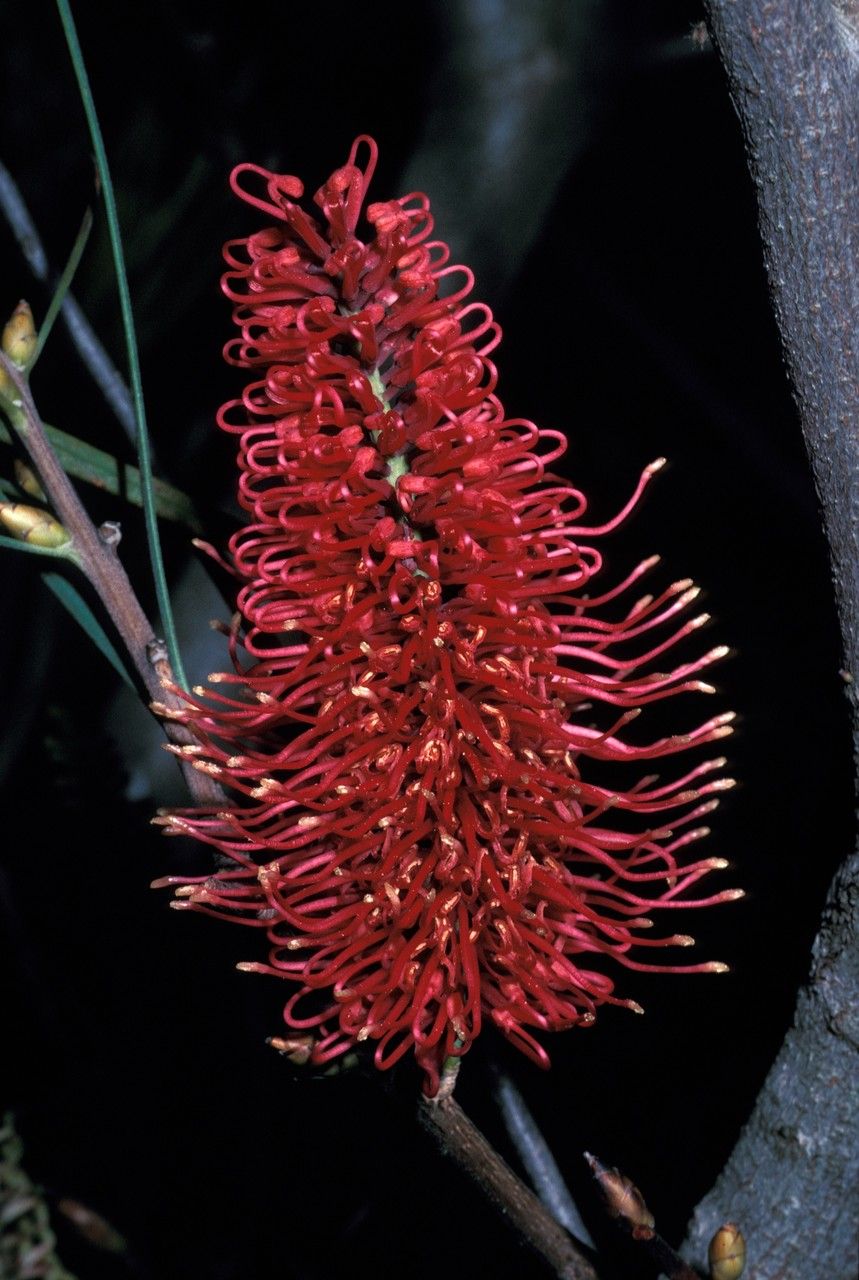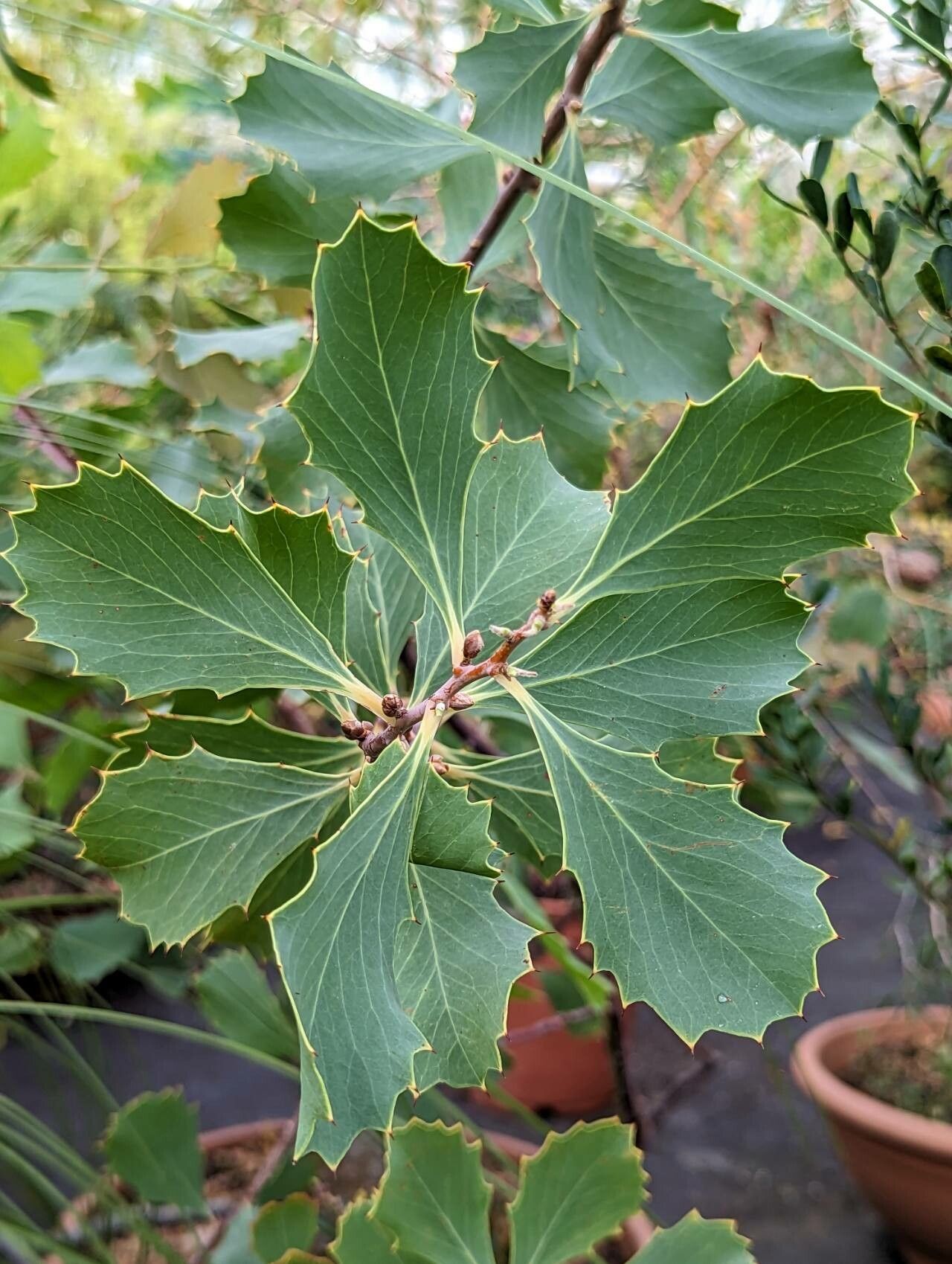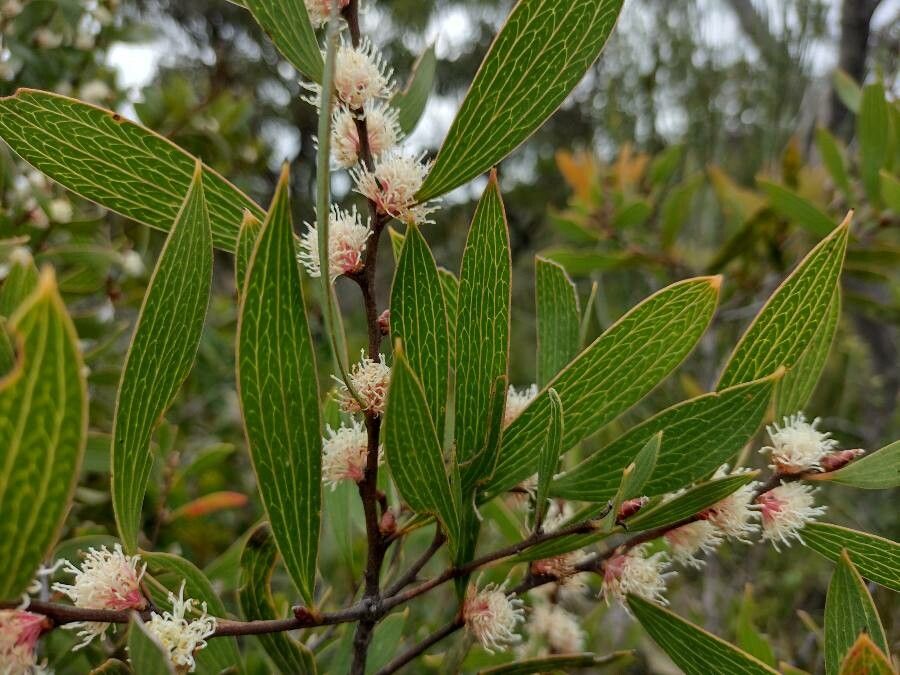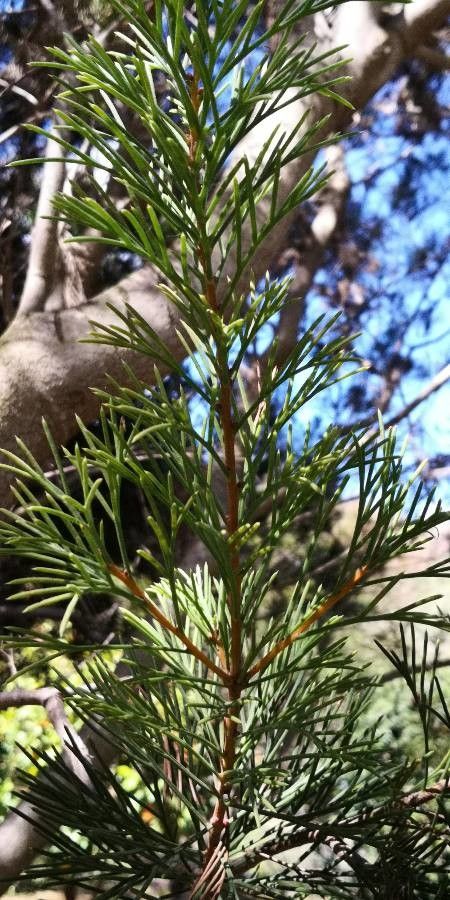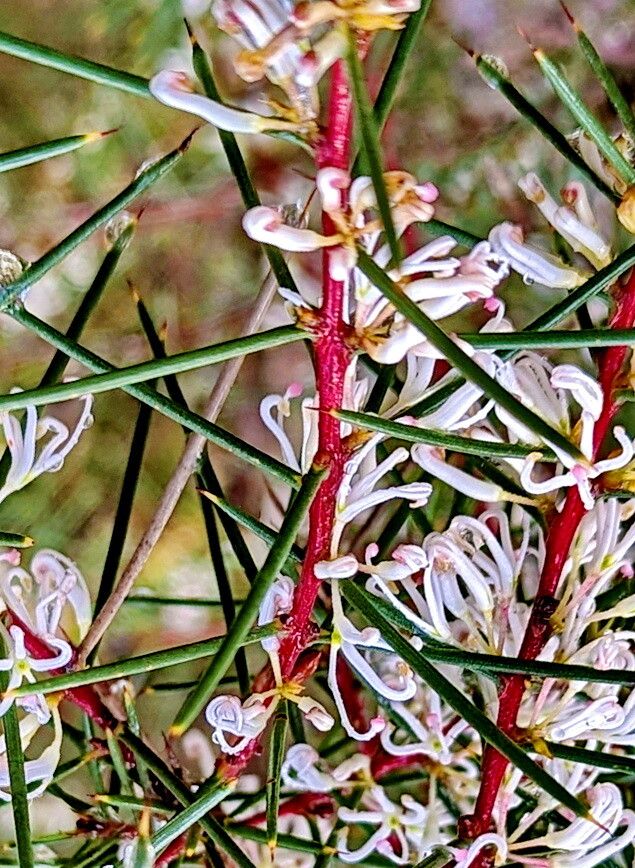
Hakea decurrens, commonly known as bushy needlewood, is a species of shrub or small tree in the family Proteaceae.
Bushy needlewood has strong disease resistance and is generally not susceptible to illnesses. In terms of care, this plant is relatively low-maintenance. When planted outdoors it needs minimal watering, and larger plants typically do not require pruning; smaller plants should, however, be pruned after they have finished blooming. Bushy needlewoodt is suitable for anyone with an outdoor space, such as a garden or deck, and does not require extensive care experience.
How to keep Hakea Decurrens.
Light
Bushy needlewood is native to open areas, like sunlit fields and the perimeters of forests, that offer plenty of light. It flourishes in areas with full sunlight, but can also withstand areas with partial sunlight, demonstrating a strong adaptability to different amounts of sunlight.
Temperature
Bushy needlewood is highly adaptable to a variety of climates, from blistering summers to frosty winters. Still, it has a preferred temperature range for healthy growth. If temperatures climb too high, the plant can suffer from heat and humidity stress, which may kill it. In locations where temperatures reach the lower boundary of its cold tolerance, providing insulation to protect the plant is advisable.
Fertilizer
The scheduling of fertilization for Bushy needlewood is critical. Begin fertilization in the early spring and proceed on a monthly basis until the start of summer. By providing the necessary nutrients, fertilizer aids in creating beautiful flowers and supplying energy for both dormant and active periods of growth.
Pruning
Bushy needlewood, known for its needle-like foliage, thrives with regular pruning in early spring. Pruning encourages vigorous growth and abundant blooms. To improve airflow and shape, remove any dead stems. Thinning the branches reduces the risk of disease and helps promote a dense, healthy structure in accordance with established horticultural practices.
Botanical profile.
- Plant Type
- Shrub
- Life Cycle
- Perennial
- Genus
- Hakea
- Family
- Proteaceae
- Hardiness Zone
- 9-11
- Mature Height
- 2.13 m to 3.96 m
- Mature Spread
- 1.52 m to 3.05 m
- Leaf Color
- Dark Green
- Leaf Type
- Evergreen
- Flower Color
- White, Cream
- Flower Size
- 0.51 cm to 0.76 cm
- Bloom Time
- Late summer, Early fall, Mid fall
- Planting Time
- Spring, Summer, Autumn
- Harvest Time
- Late fall, Early winter, Mid winter