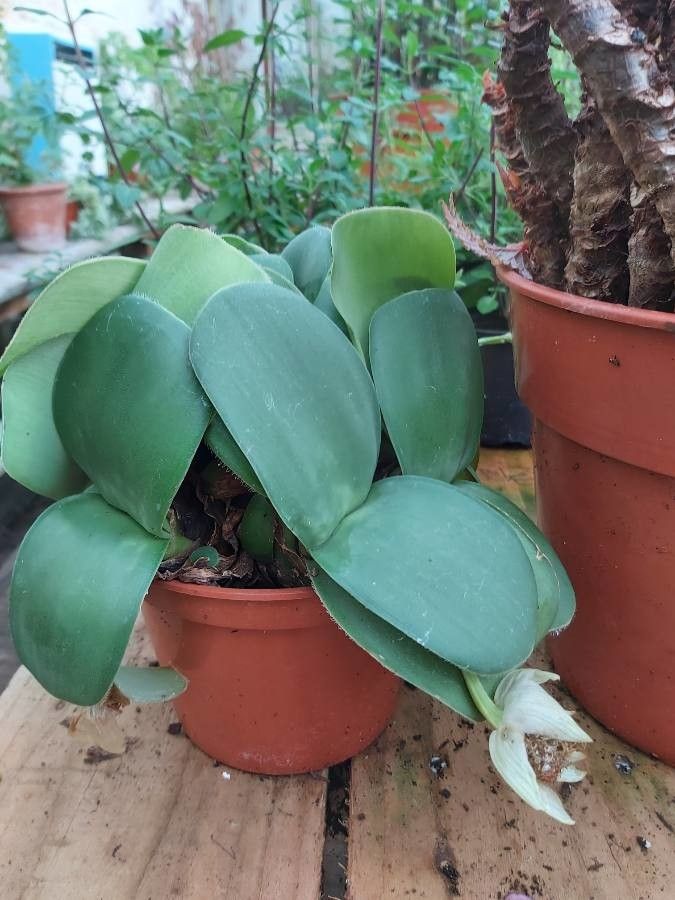
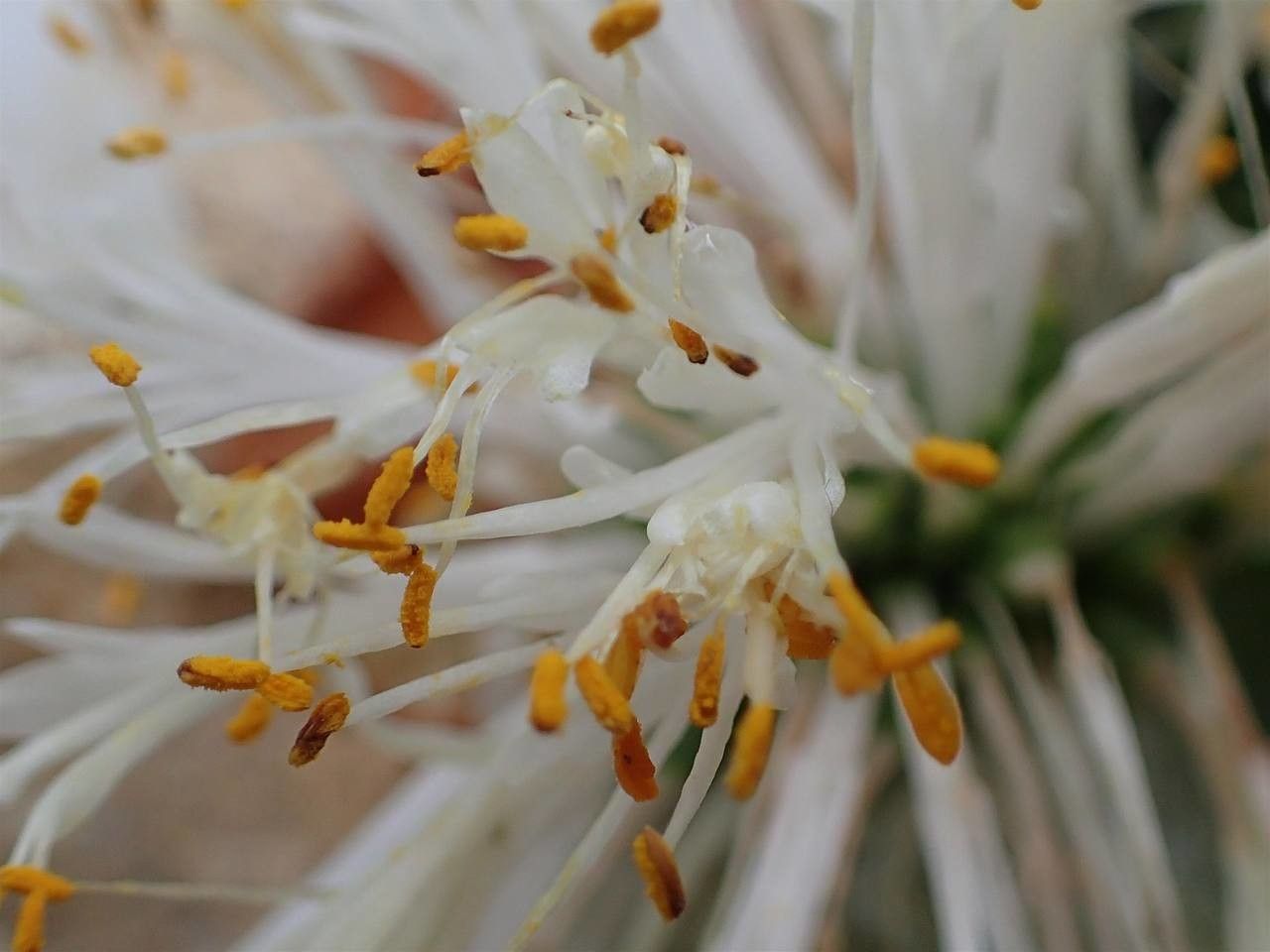
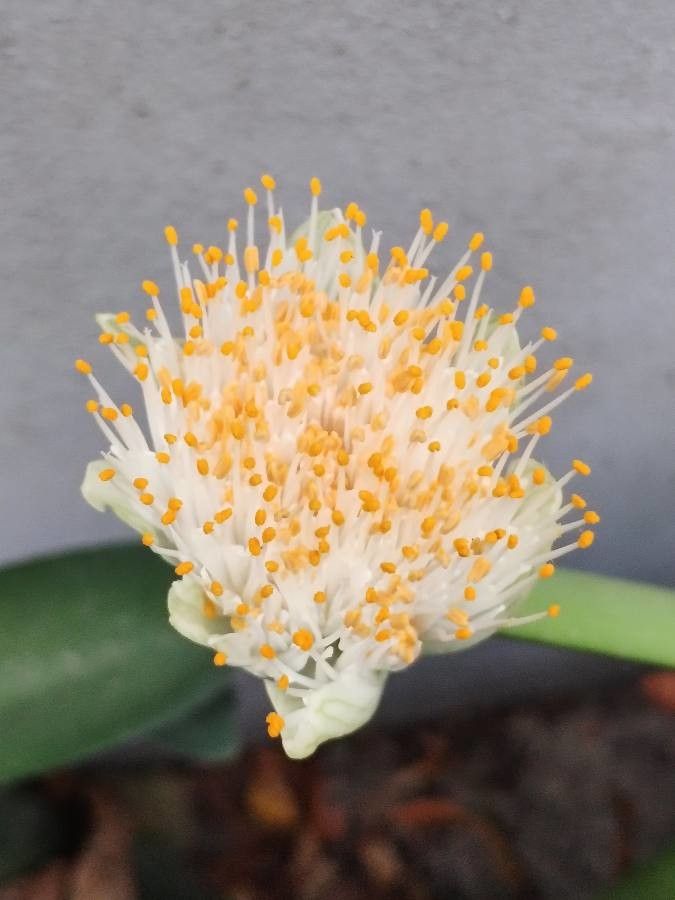
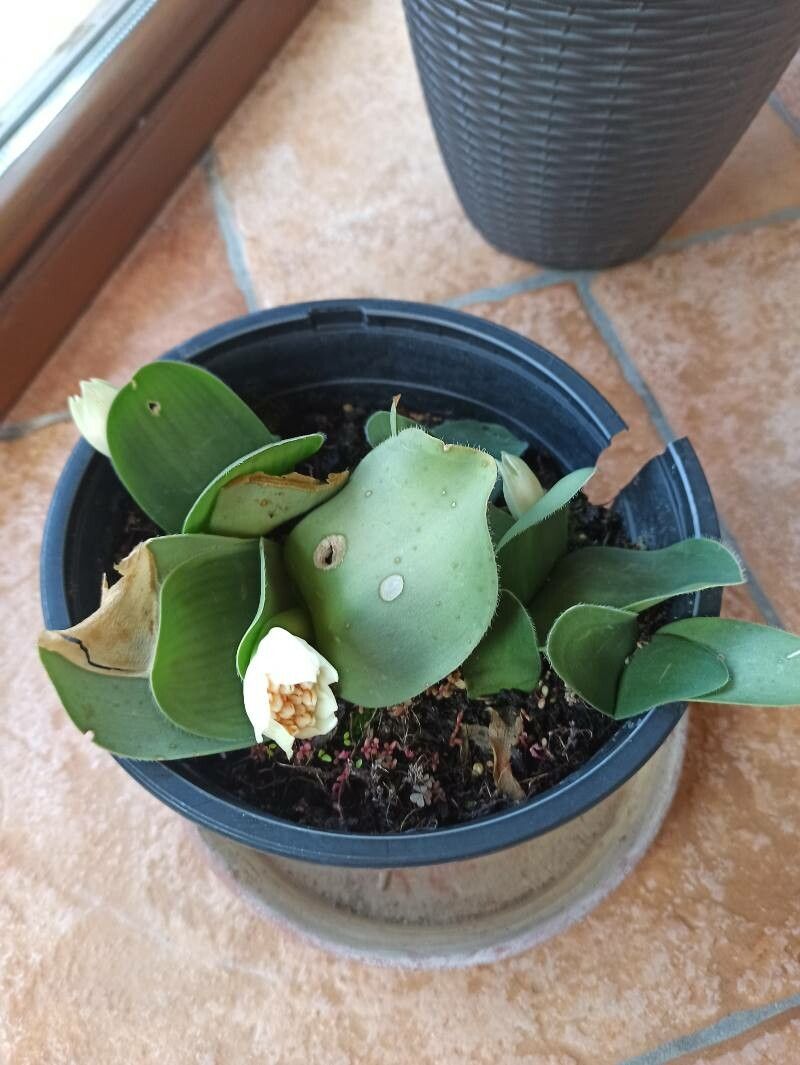
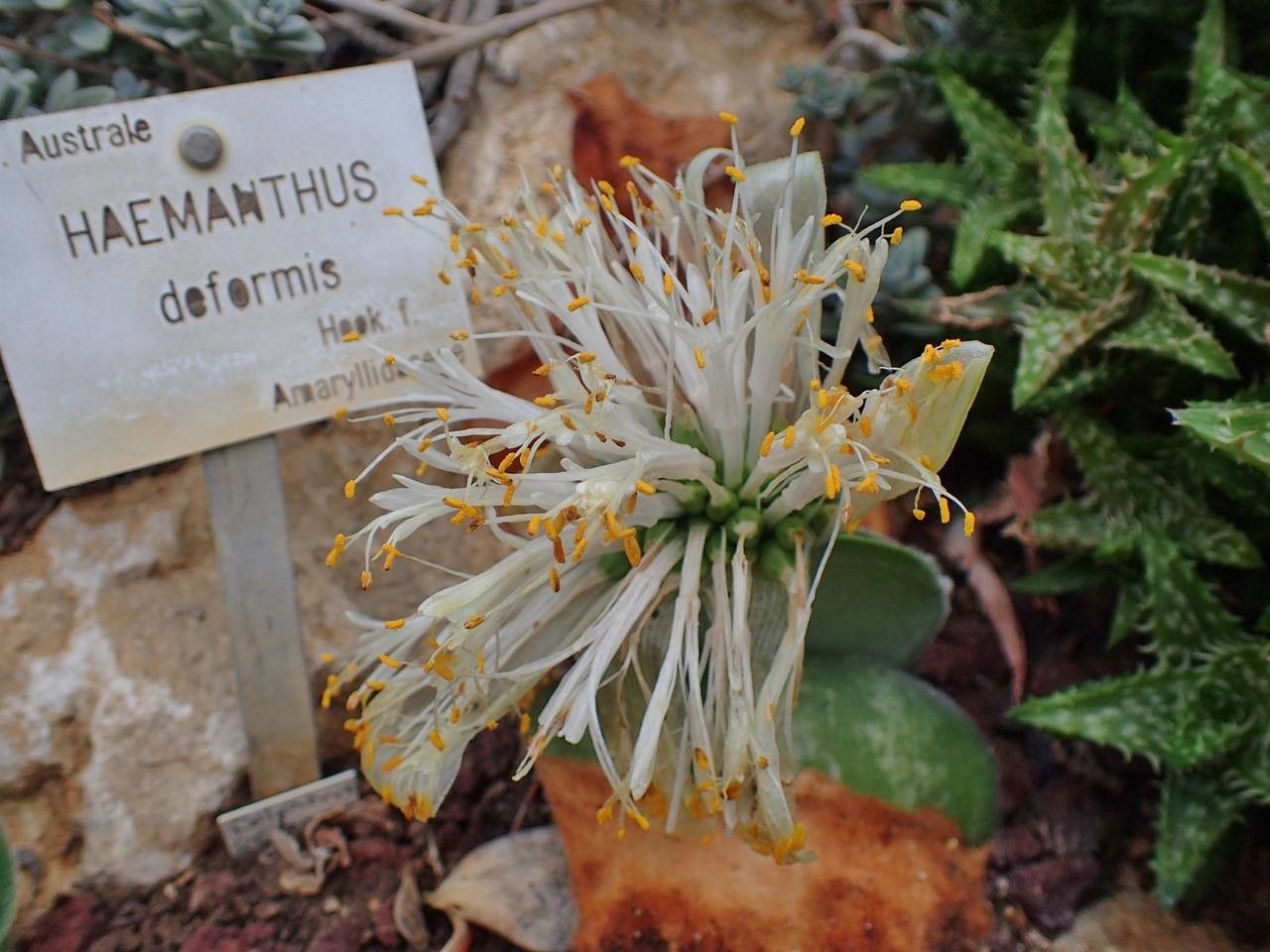
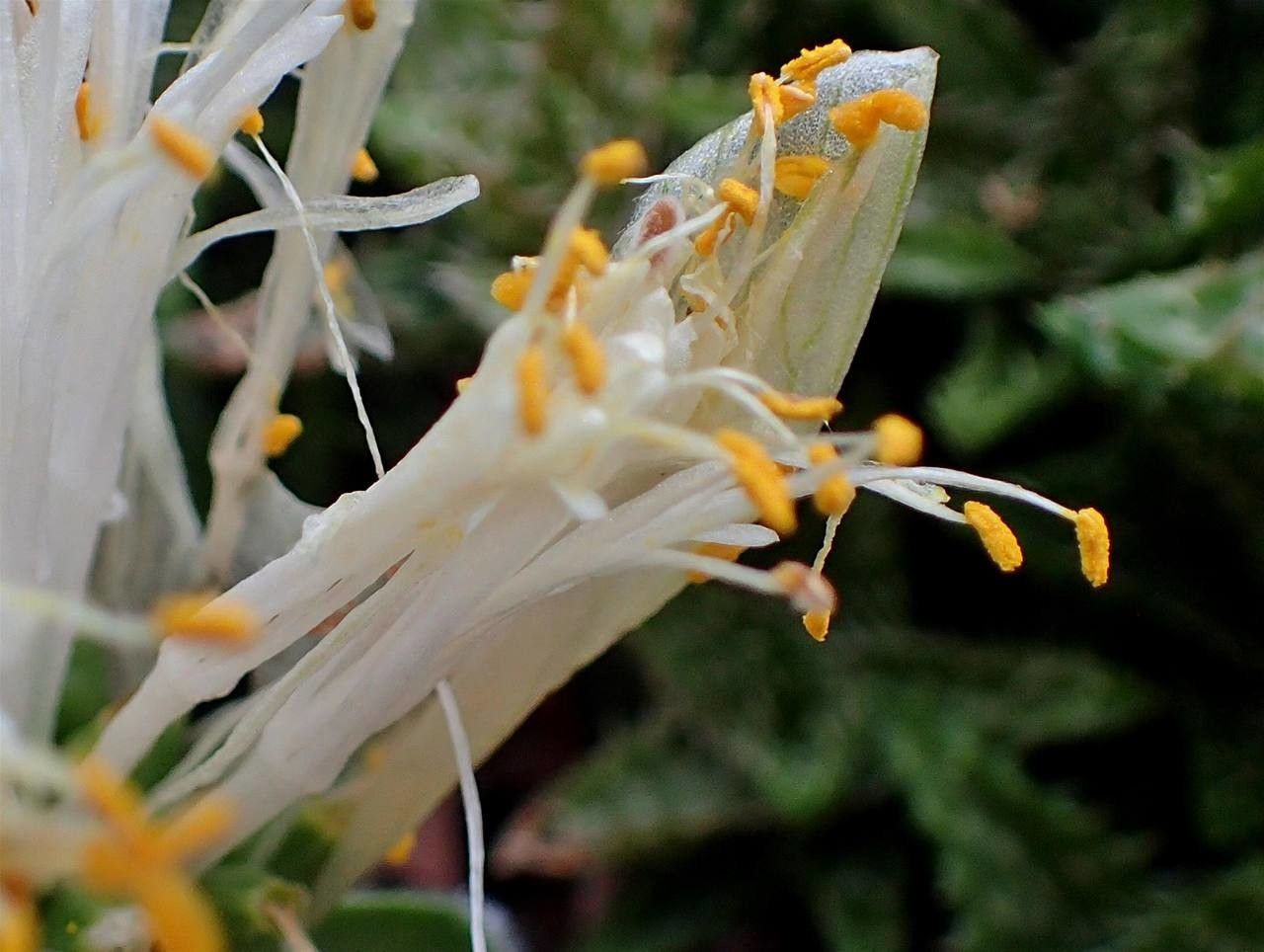
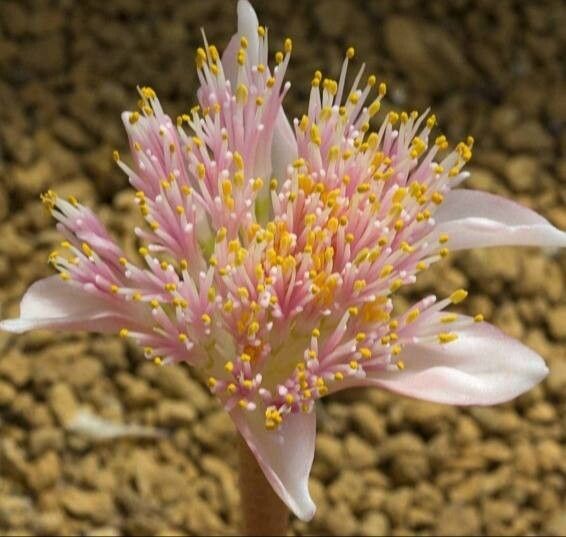
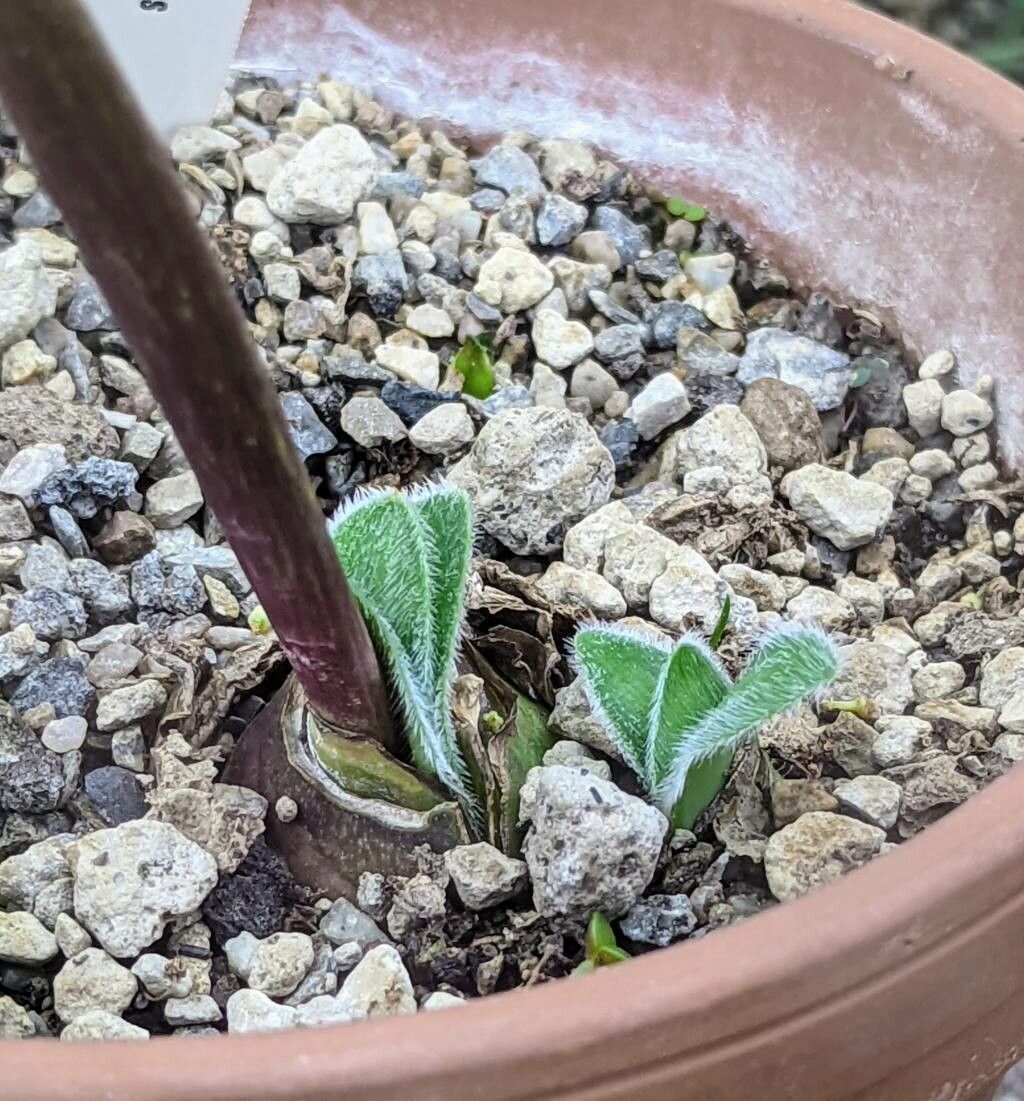
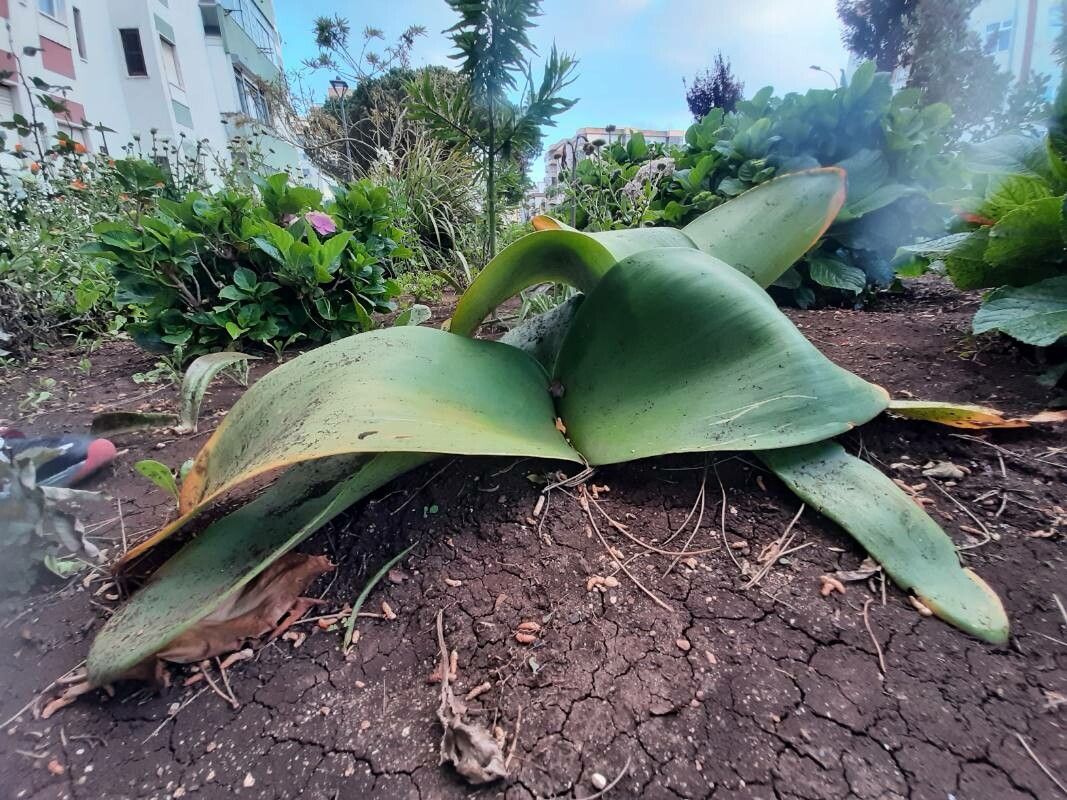
Haemanthus deformis is a perennial flowering plant and geophyte belonging to the genus Haemanthus, in the family Amaryllidaceae. The species is endemic to the Eastern Cape and KwaZulu-Natal and occur from Umtata to Durban. The plant only grows in the forests near the coast and is threatened by the traditional medicine industry.
Dwarf Bloodlily has good resistance to disease and is generally not prone to illnesses. However, it can be susceptible to pests and diseases present in its surroundings. These infections are usually not severe. In terms of care, this plant requires moderate maintenance. It should be pruned regularly to maintain a neat appearance and promote healthy growth. Fertilization can also help encourage flowering. Dwarf Bloodlily is suitable for anyone with an outdoor space, such as a garden or patio, and does not demand extensive care experience. It may require more attention when grown indoors.
How to keep Haemanthus Deformis.
Light
Dwarf Bloodlily occurs naturally in habitats like forest understories and rocky areas, where it grows in natural shade. It prefers partial sun but can tolerate full sun or full shade, reflecting its versatile, hardy nature.
Temperature
Dwarf Bloodlily is fairly adaptable to temperature, capable of tolerating heat and fairly large temperature fluctuations. In hot weather, attention should be paid to watering and providing suitable shade to avoid sunburn. On the other hand, Dwarf Bloodlily is less tolerant of low temperatures; it can endure some cold, but extremely cold conditions can cause frost damage.
Fertilizer
For Dwarf Bloodlily, the primary time to fertilize is in early spring when the flowers are forming. Using the proper fertilizer promotes improved blooms and helps the Dwarf Bloodlily produce attractive flowers. Fertilizing in early spring ensures strong flowering through the season and supplies energy for dormant growth phases.
Pruning
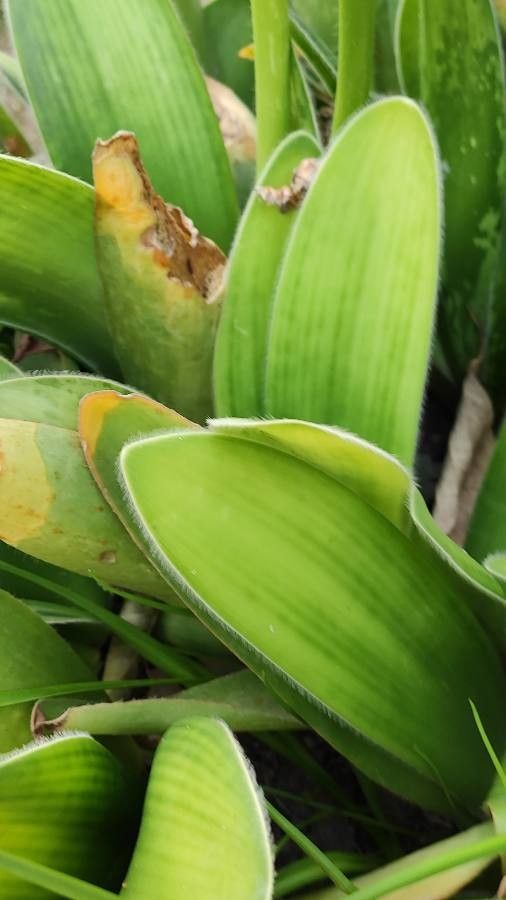
The Dwarf Bloodlily displays broad leaves and striking red flowers. Early spring pruning is advisable to remove dead foliage, which promotes healthy growth and maintains the plant's shape. Minimal intervention helps support its natural growth, reduces the risk of disease, and enhances the blooms. For personalized care advice, consider consulting local extension services.
Botanical profile.
- Plant Type
- Herb
- Life Cycle
- Perennial
- Genus
- Haemanthus
- Family
- Amaryllidaceae
- Hardiness Zone
- 9-11
- Mature Height
- 20 cm to 30 cm
- Mature Spread
- 30 cm to 40 cm
- Leaf Color
- Dark Green
- Leaf Type
- Evergreen
- Flower Color
- White
- Flower Size
- 5.08 cm to 7.62 cm
- Bloom Time
- Late summer, Early fall
- Planting Time
- Spring, Summer
- Harvest Time
- Mid fall, Late fall
- Native Area
- South Africa
Reader questions.
What are the sunlight requirements for a Dwarf Bloodlily (Haemanthus deformis)?
The Dwarf Bloodlily (Haemanthus deformis) thrives under specific sunlight conditions to maintain its health and growth. It requires 'full sun,' which means the plant should receive above 6 hours of sunlight daily. However, it can also tolerate 'partial sun,' needing about 3 to 6 hours of sunlight every day. It's crucial to observe the pattern of sunlight movement through your garden, aiming to find spots that offer the right mix of light and shade. This ensures the plants are kept in optimum conditions, contributing to their overall well-being.
What is the botanical name of the Dwarf Bloodlily?
The botanical name of the Dwarf Bloodlily is Haemanthus deformis. This name aids in the scientific identification and classification of the plant, ensuring clarity among botanists and gardeners alike.