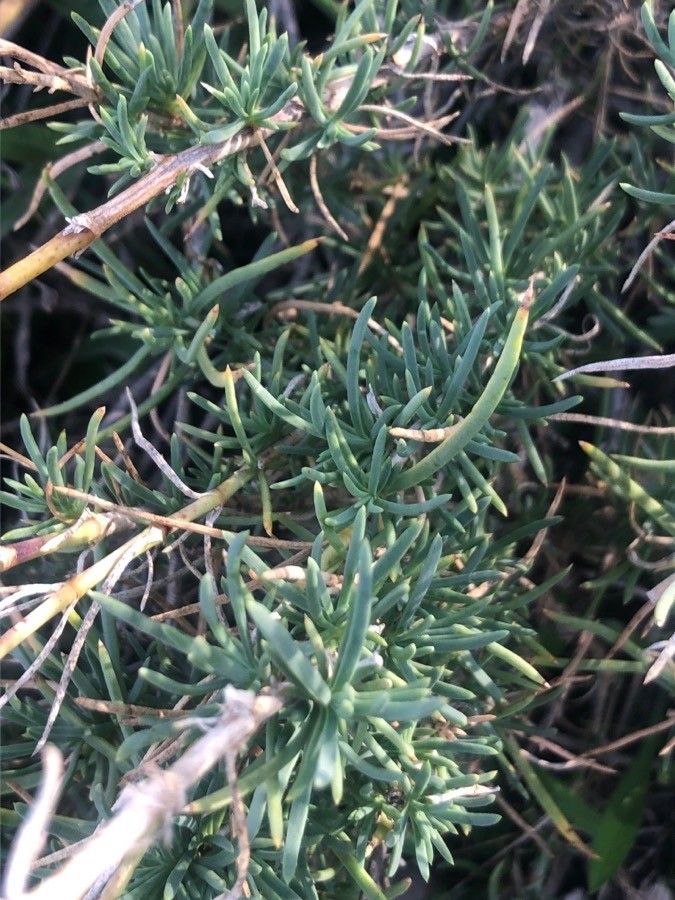
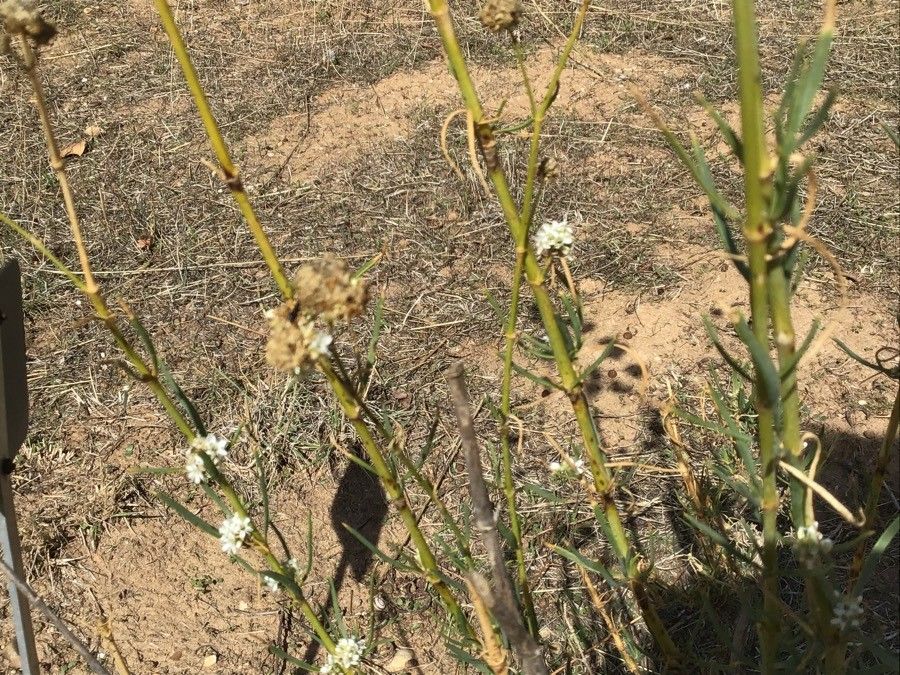
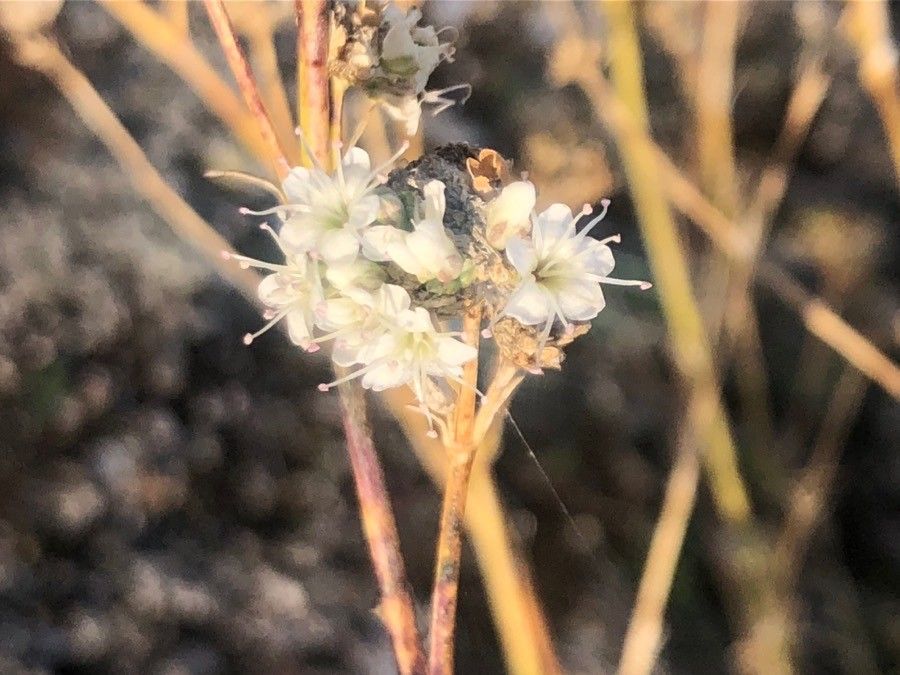
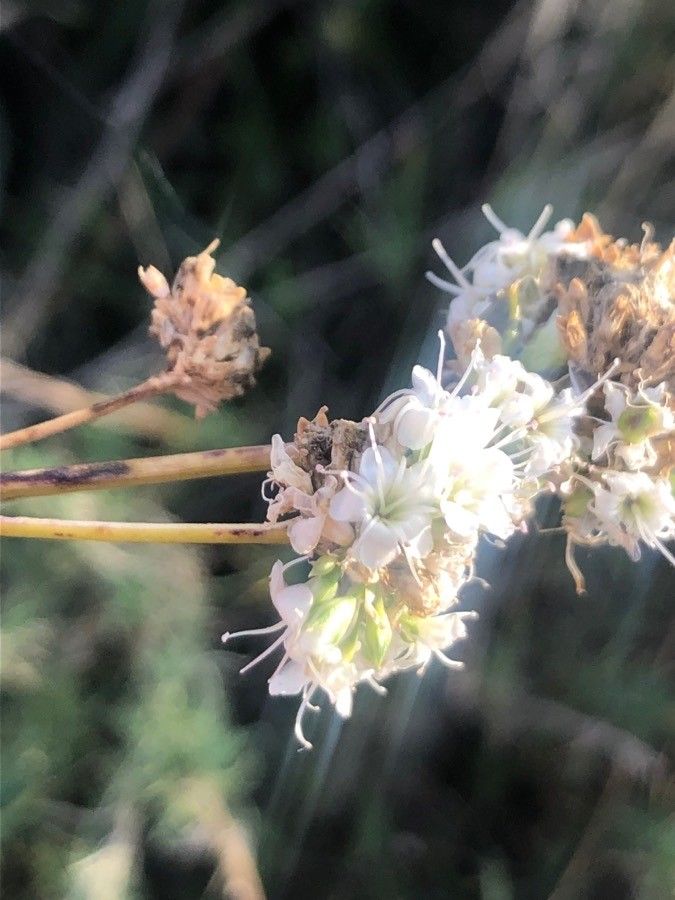
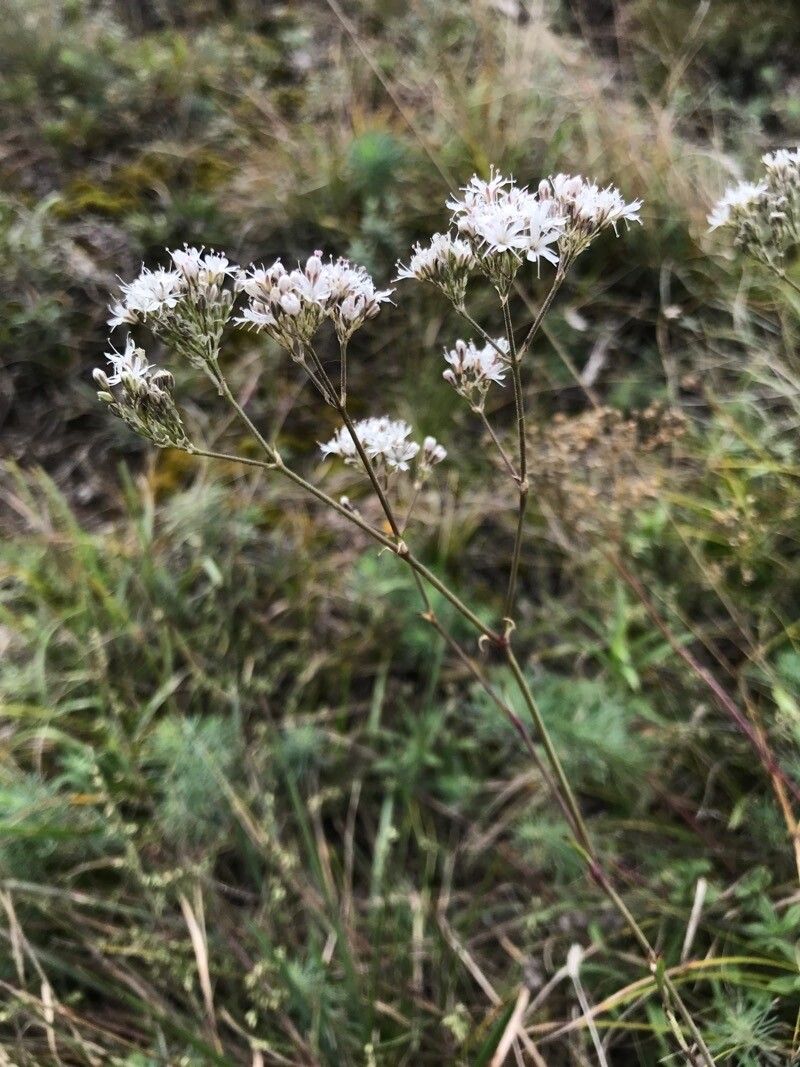
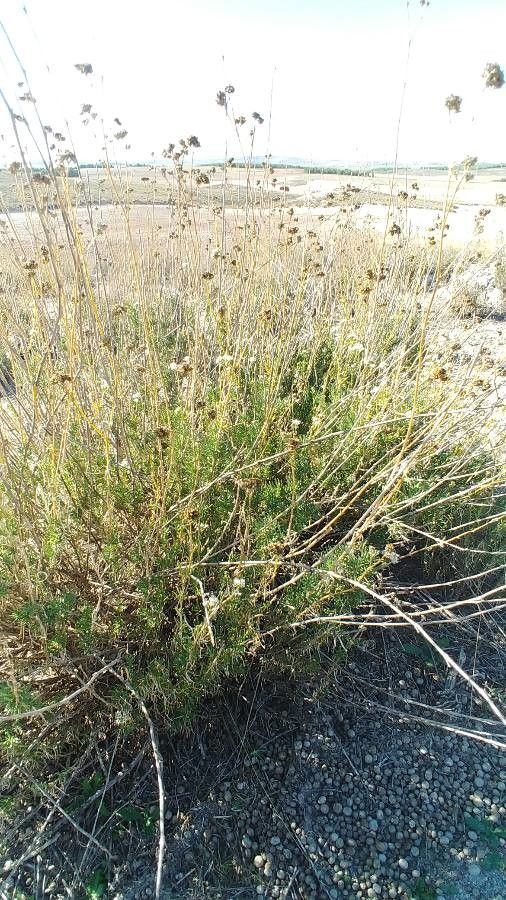
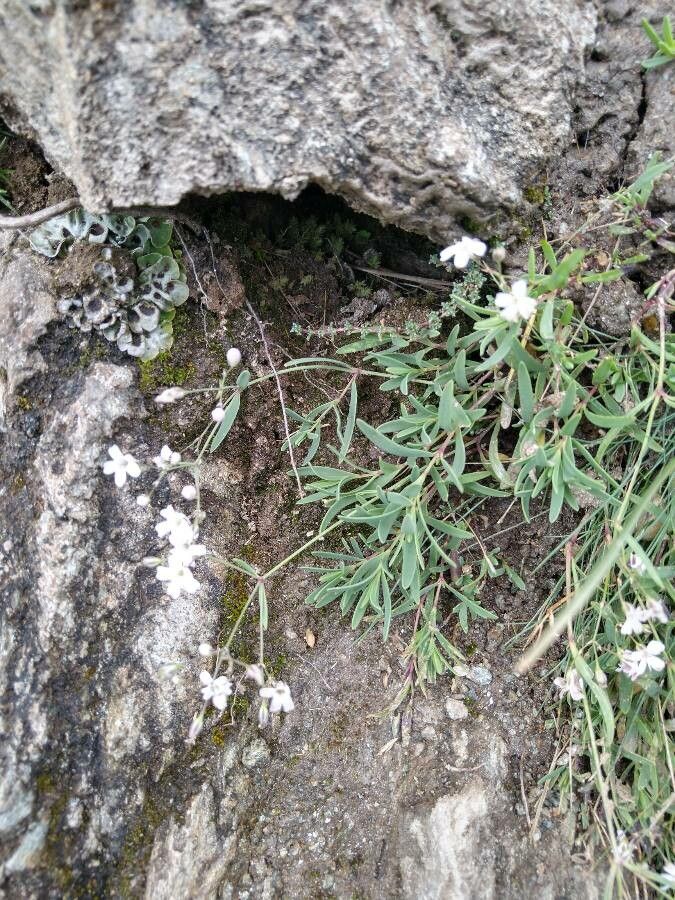
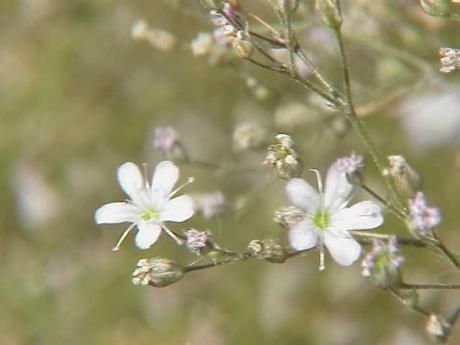
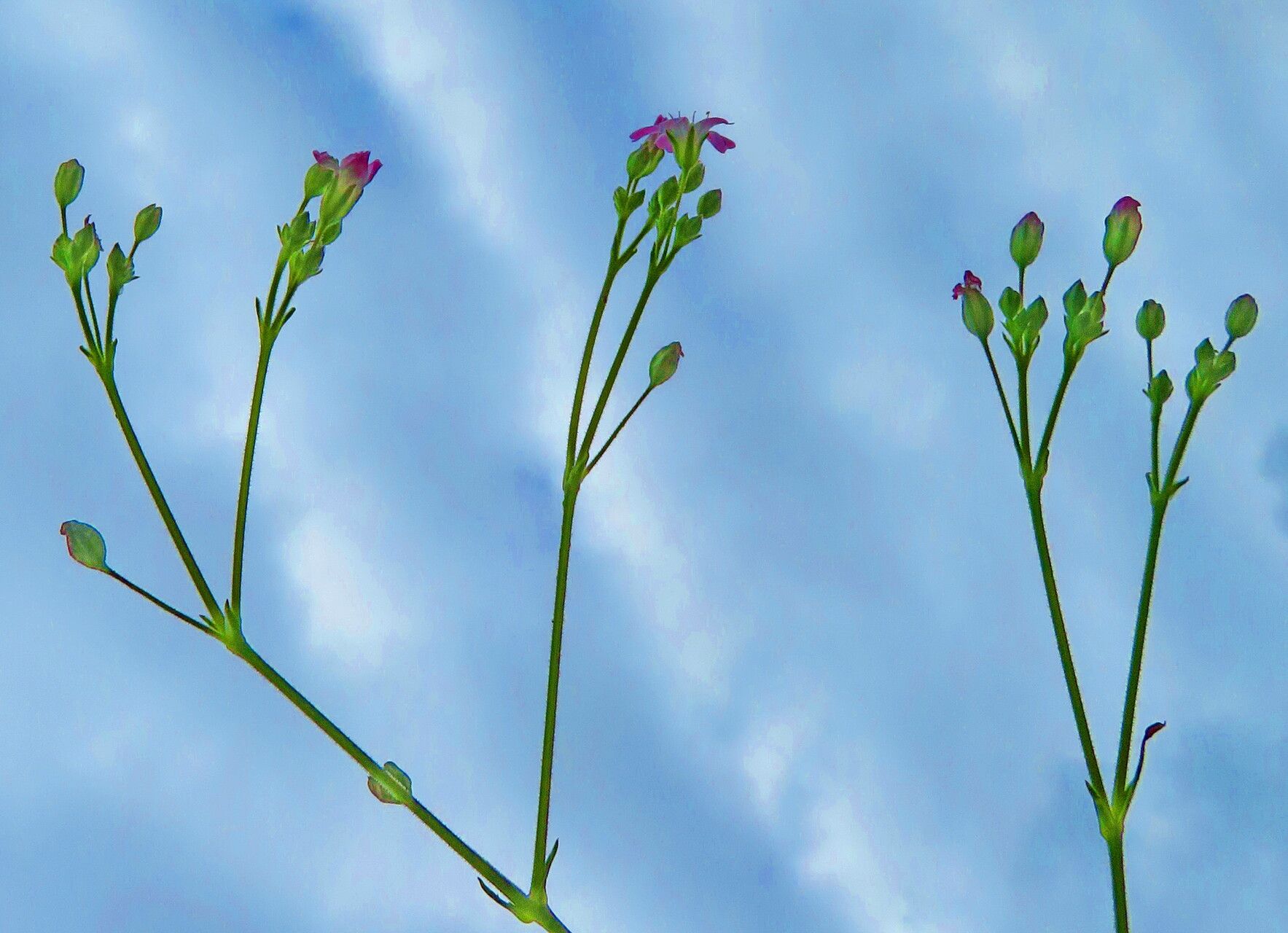
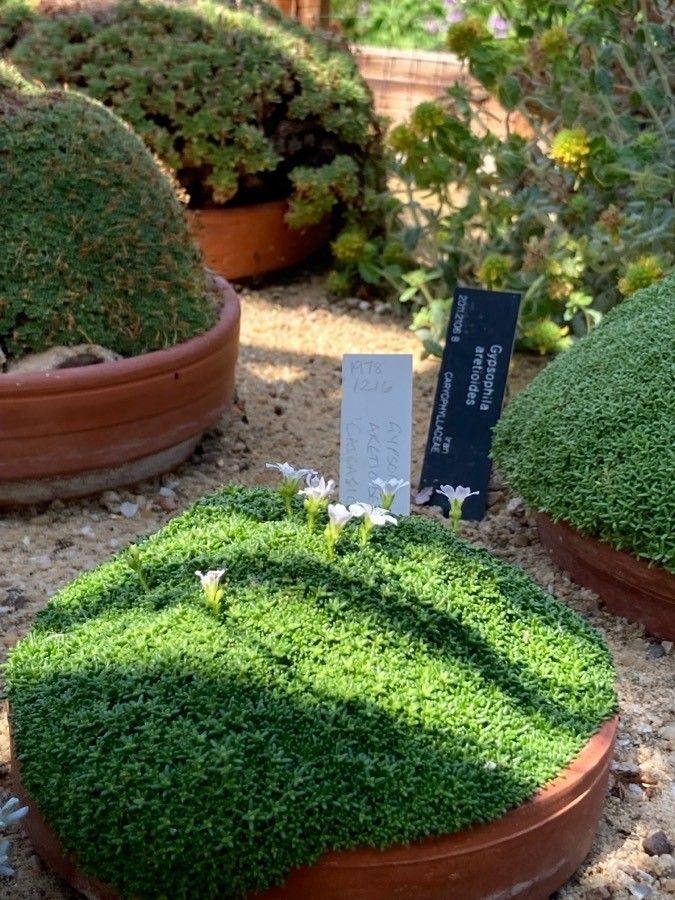
Baby’s Breath (Gypsophila) produces five-petaled white or pink blooms that bloom for several weeks in the summer. The blossoms are known to attract pollinators such as butterflies and bees. This plant has leaves that are tiny and slender with gray-green to blue-green in color. This genus has around 100 annual and perennial plants with a wide range of looks. Some have a creeping growth tendency that produces a lovely flowered ground cover. Others form tall, enclosed mounds with abundant branching of their slender stems, giving the plants a bright, airy appearance.
Fastigiate gypsophila is fairly resistant to disease and generally not prone to illness. Nevertheless, it can be affected by pests and diseases present in its environment. Such infections are typically mild. Regarding care, this plant needs moderate maintenance. It should be pruned regularly to preserve its appearance and support healthy growth. Applying fertilizer can also encourage flowering. Fastigiate gypsophila is appropriate for anyone with outdoor space, such as a garden or patio, and does not demand extensive gardening experience. It may need more attention when grown indoors.
How to keep Gypsophila Struthium.
Light
Fastigiate gypsophila is a sun-loving, perennial herbaceous plant that comes from open habitats and often flourishes in meadows and grasslands. It prefers full sun but can also tolerate partial sun.
Water
Baby's breath requires little water and grows well on dry soil. For young plants, keep the soil wet but not soggy. However, unless there is an extended period of drought, you will not need to water established plants. Overwatering can destroy a plant by causing root rot.
Temperature
Fastigiate gypsophila can tolerate a wide range of temperatures, but its distribution may still be restricted by particular combinations of moisture and heat. It grows best in warm summer conditions with sufficient rainfall or watering. Extended periods of cloudy, rainy weather, as well as prolonged high heat, can increase the chance of Fastigiate gypsophila dying. In winter, shielding the plant from cold can improve its survival.
Fertilizer
The best time to fertilize a Fastigiate gypsophila is in early spring, when it is coming out of dormancy and beginning active growth. Fertilizing supplies essential nutrients needed for healthy development. Although Fastigiate gypsophila has relatively low fertilizer requirements, applying fertilizer annually can improve its survival and encourage better, longer-lasting flowers.
Pruning
To stimulate more blooms throughout the summer, cut off spent flower clusters and stems after they bloom down to a set of two leaves. Deadheading is the practice of cutting off flowers before they go to seed at any time during the year.
Botanical profile.
- Plant Type
- Herb
- Life Cycle
- Perennial
- Genus
- Gypsophila
- Family
- Caryophyllaceae
- Hardiness Zone
- 4-9
- Mature Height
- 10 cm to 30 cm
- Mature Spread
- 20 cm to 40 cm
- Leaf Color
- Green
- Leaf Type
- Deciduous
- Flower Color
- White, Pink
- Flower Size
- 0.51 cm to 1.02 cm
- Bloom Time
- Early summer, Mid summer
- Planting Time
- Spring
- Harvest Time
- Late summer, Early fall
- Native Area
- Sweden, Austria, Czech Republic, Slovakia, Romania, Poland, Croatia, Belarus, Ukraine, Serbia, Russia, Lithuania, Germany, Finland, Estonia, Hungary, Latvia