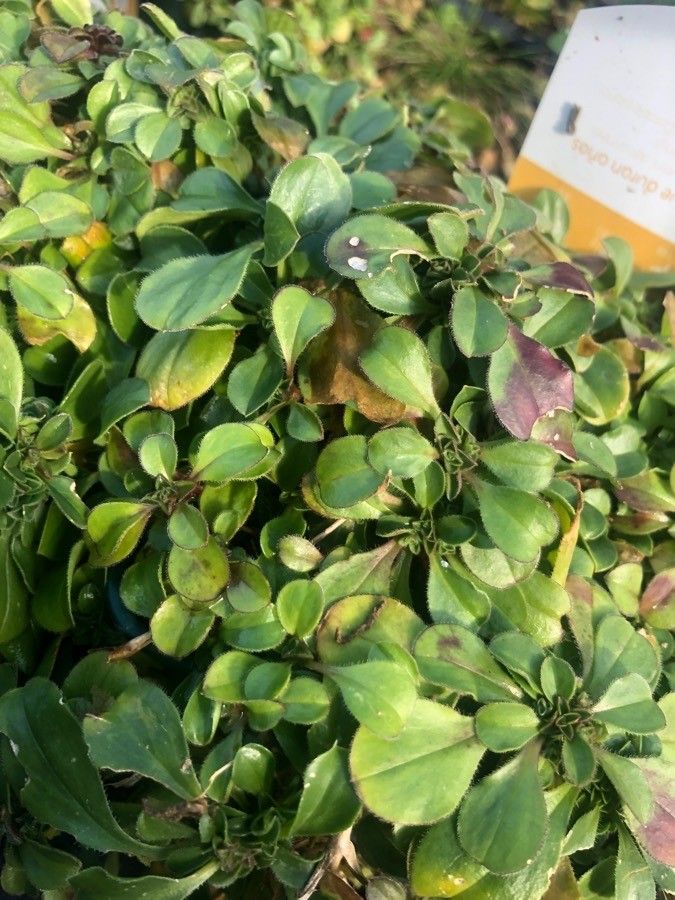
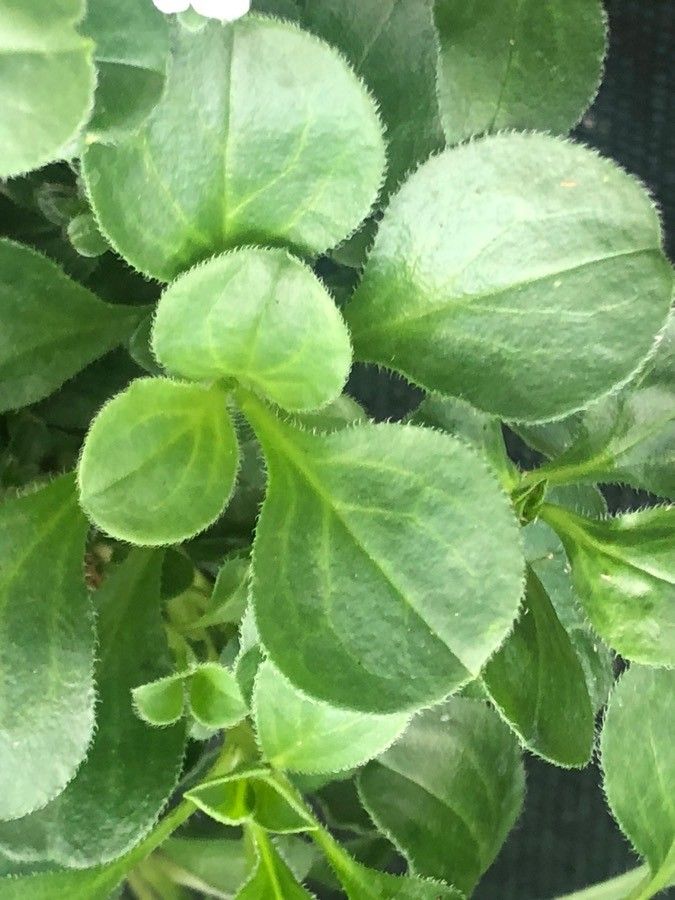
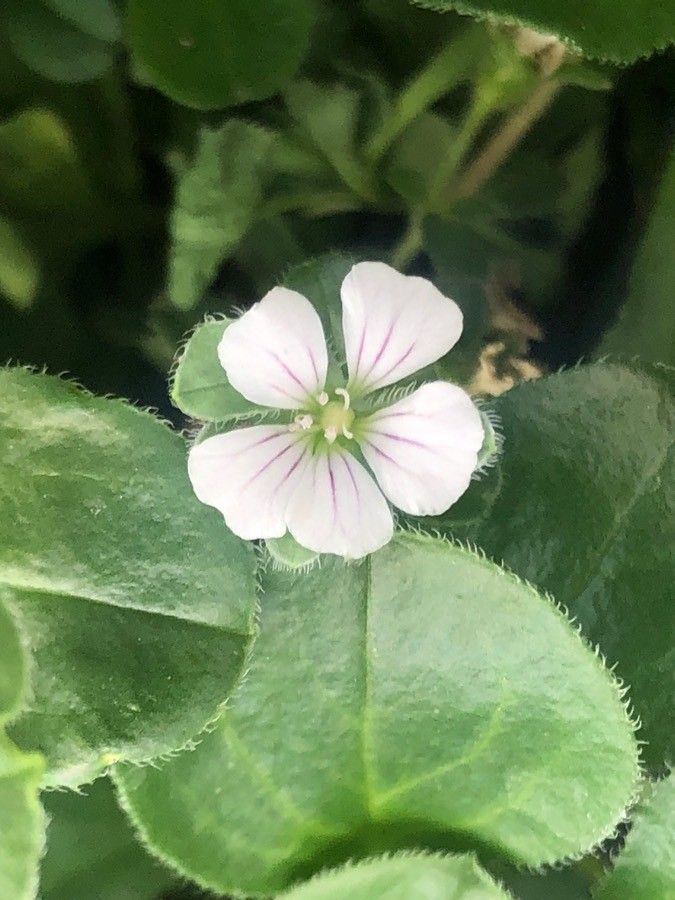
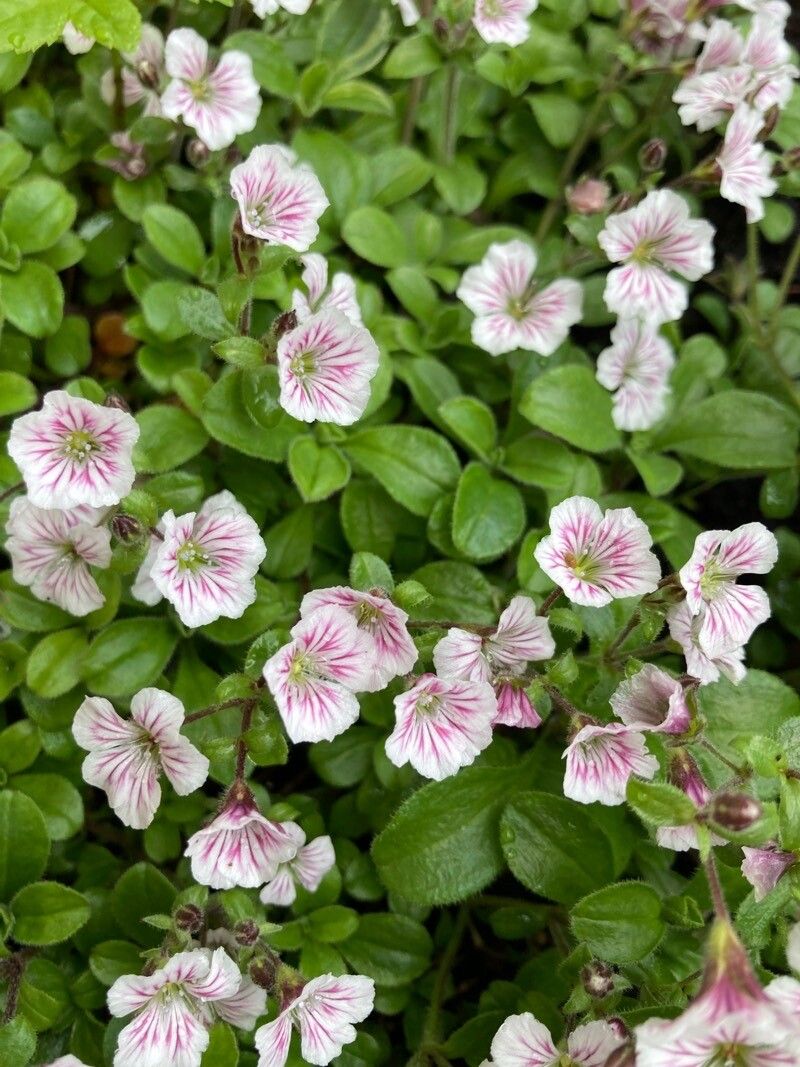
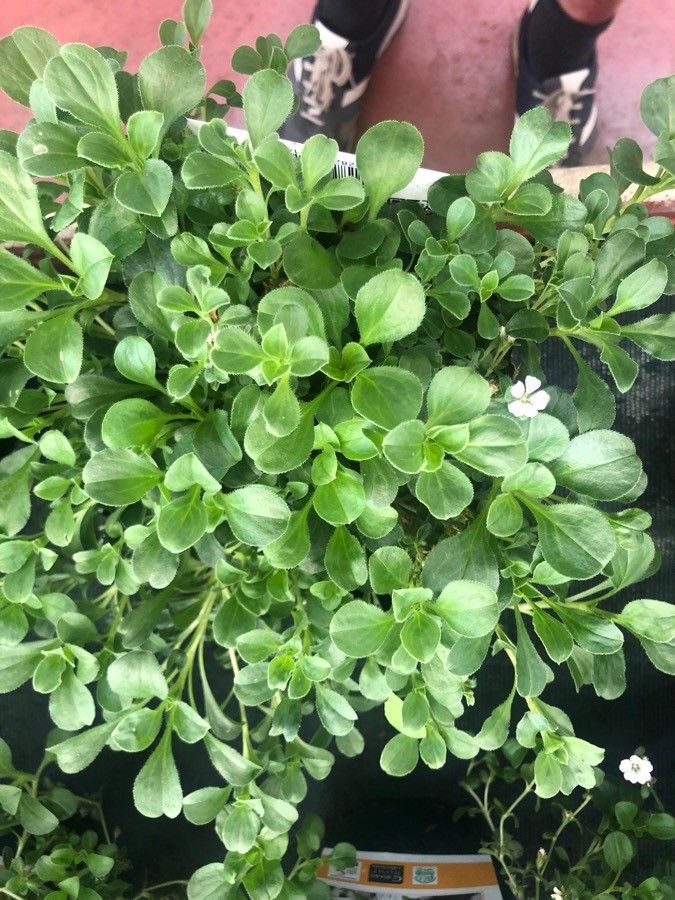
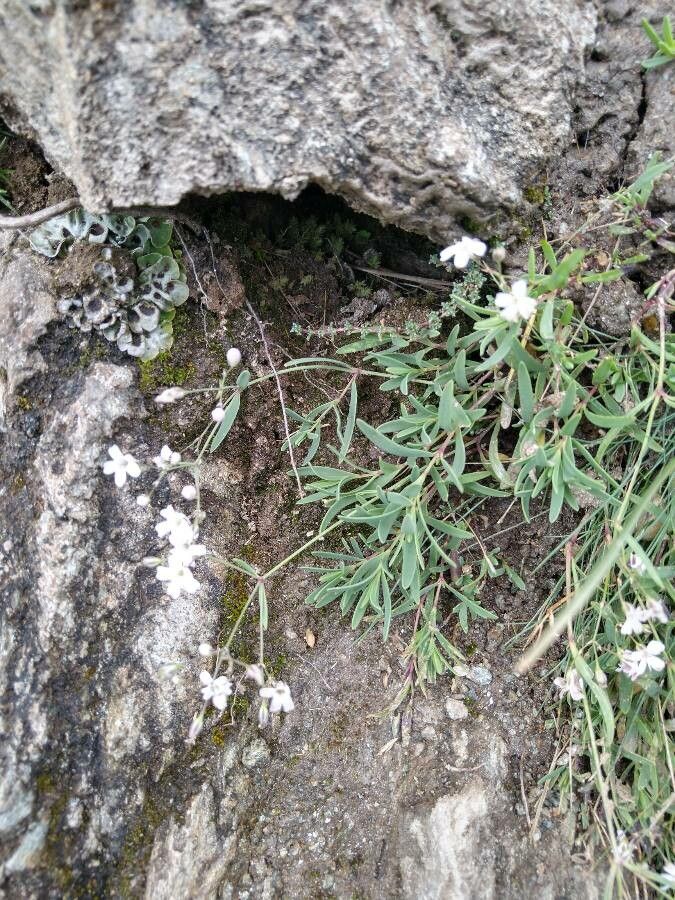
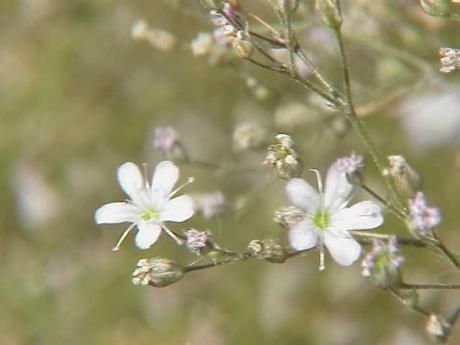
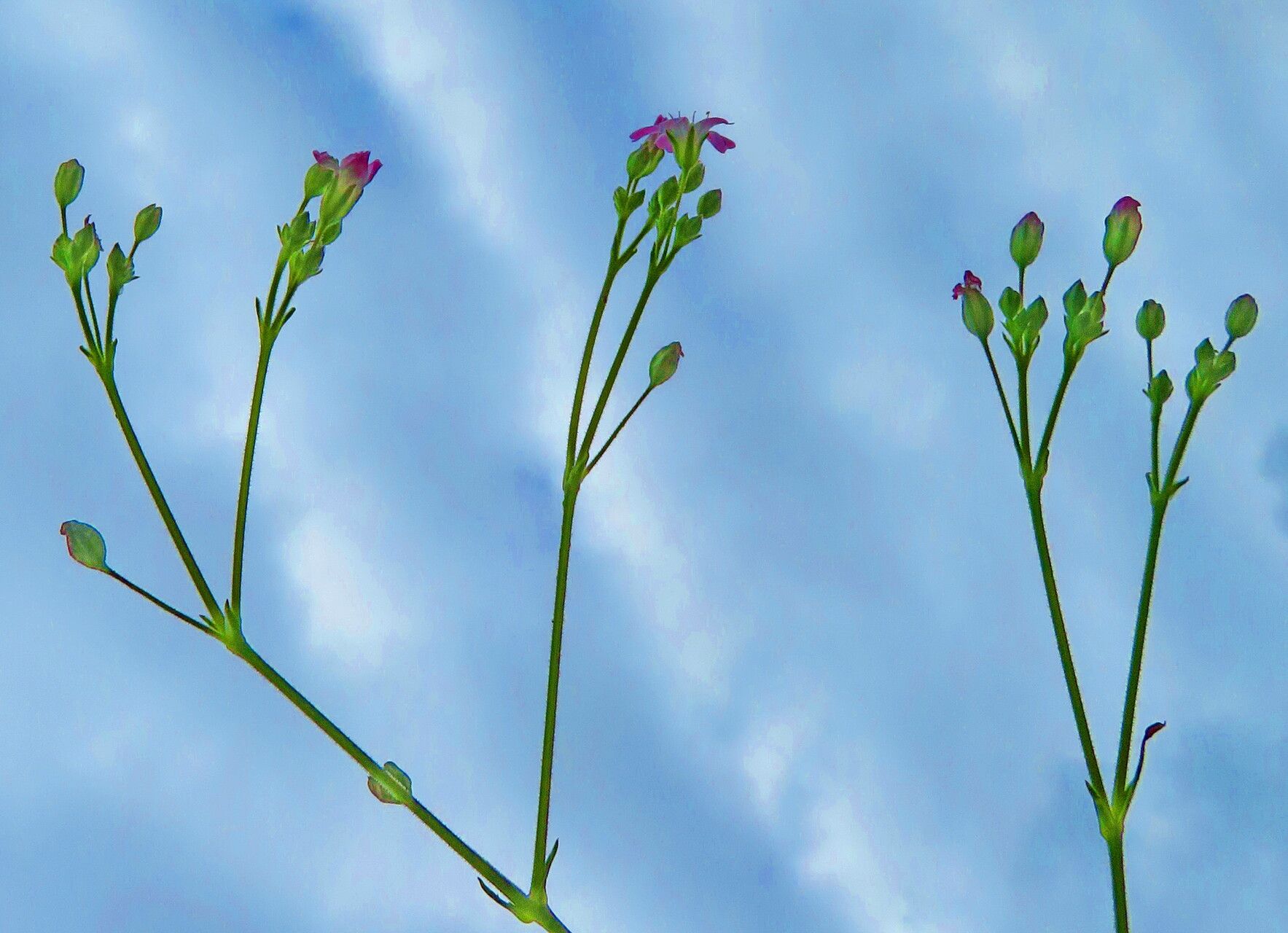
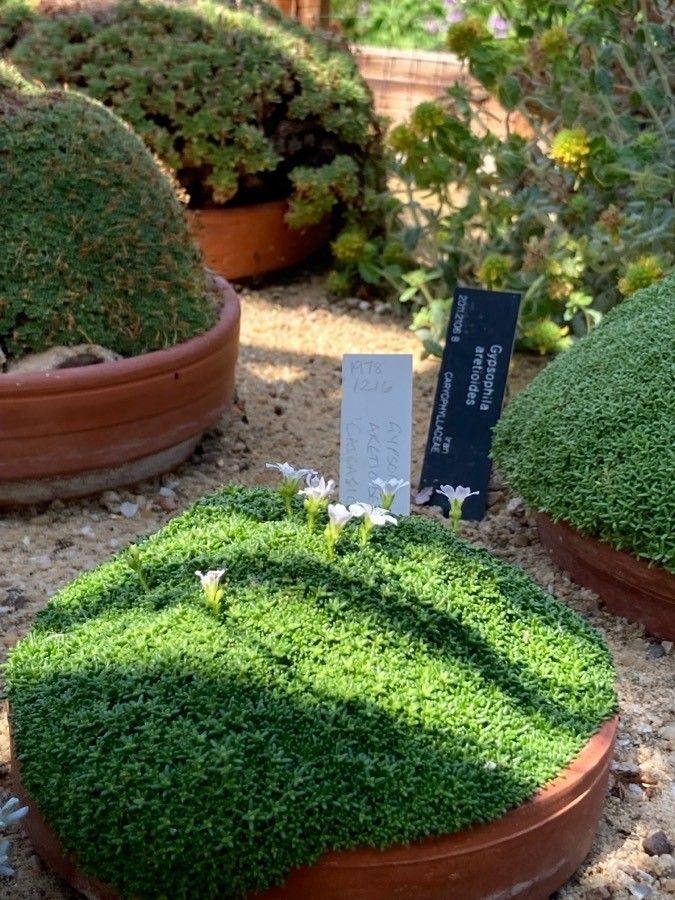
Baby’s Breath (Gypsophila) produces five-petaled white or pink blooms that bloom for several weeks in the summer. The blossoms are known to attract pollinators such as butterflies and bees. This plant has leaves that are tiny and slender with gray-green to blue-green in color. This genus has around 100 annual and perennial plants with a wide range of looks. Some have a creeping growth tendency that produces a lovely flowered ground cover. Others form tall, enclosed mounds with abundant branching of their slender stems, giving the plants a bright, airy appearance.
How to keep Gypsophila Cerastoides.
Water
Baby's breath requires little water and grows well on dry soil. For young plants, keep the soil wet but not soggy. However, unless there is an extended period of drought, you will not need to water established plants. Overwatering can destroy a plant by causing root rot.
Temperature
Within its growth zones, the baby's breath can withstand a wide range of temperatures. Some species are more resistant to cold than others. A dry climate is preferable to a humid one for these plants. If you have a lot of humidity, make sure your plants have good soil drainage and aren't sitting in water all the time.
Fertilizer
Too much fertilizer can produce floppy growth in these plants, which aren't substantial feeders. Simply work some compost into the planting spot each spring to promote healthy growth and abundant blooms.
Pruning
To stimulate more blooms throughout the summer, cut off spent flower clusters and stems after they bloom down to a set of two leaves. Deadheading is the practice of cutting off flowers before they go to seed at any time during the year.
Botanical profile.
- Plant Type
- Annual, perennial
- Genus
- Gypsophila
- Family
- Caryophyllaceae
- Hardiness Zone
- 4 to 9
- Bloom Time
- Summer
- Native Area
- Eastern Europe and Turkey
Other names.