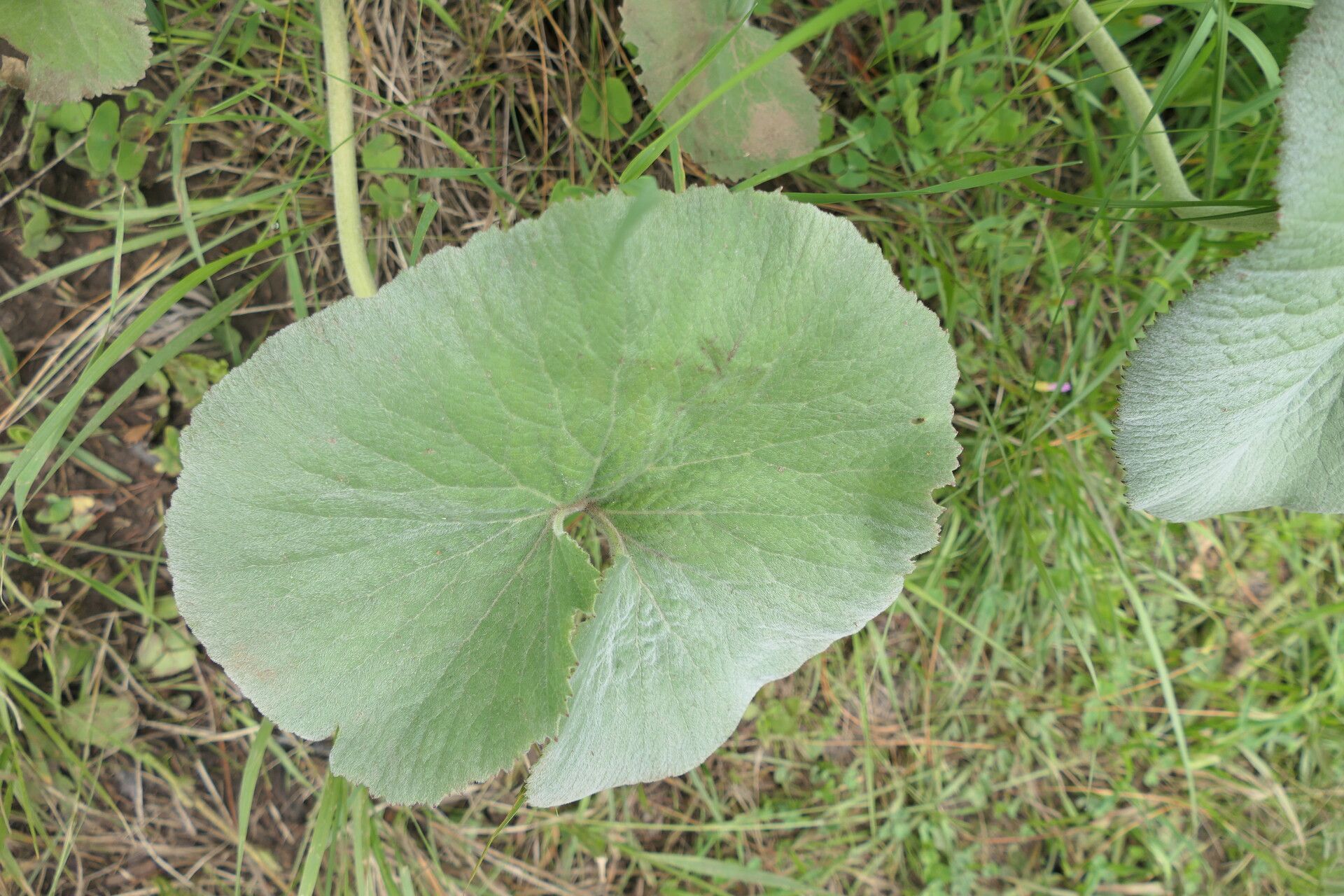
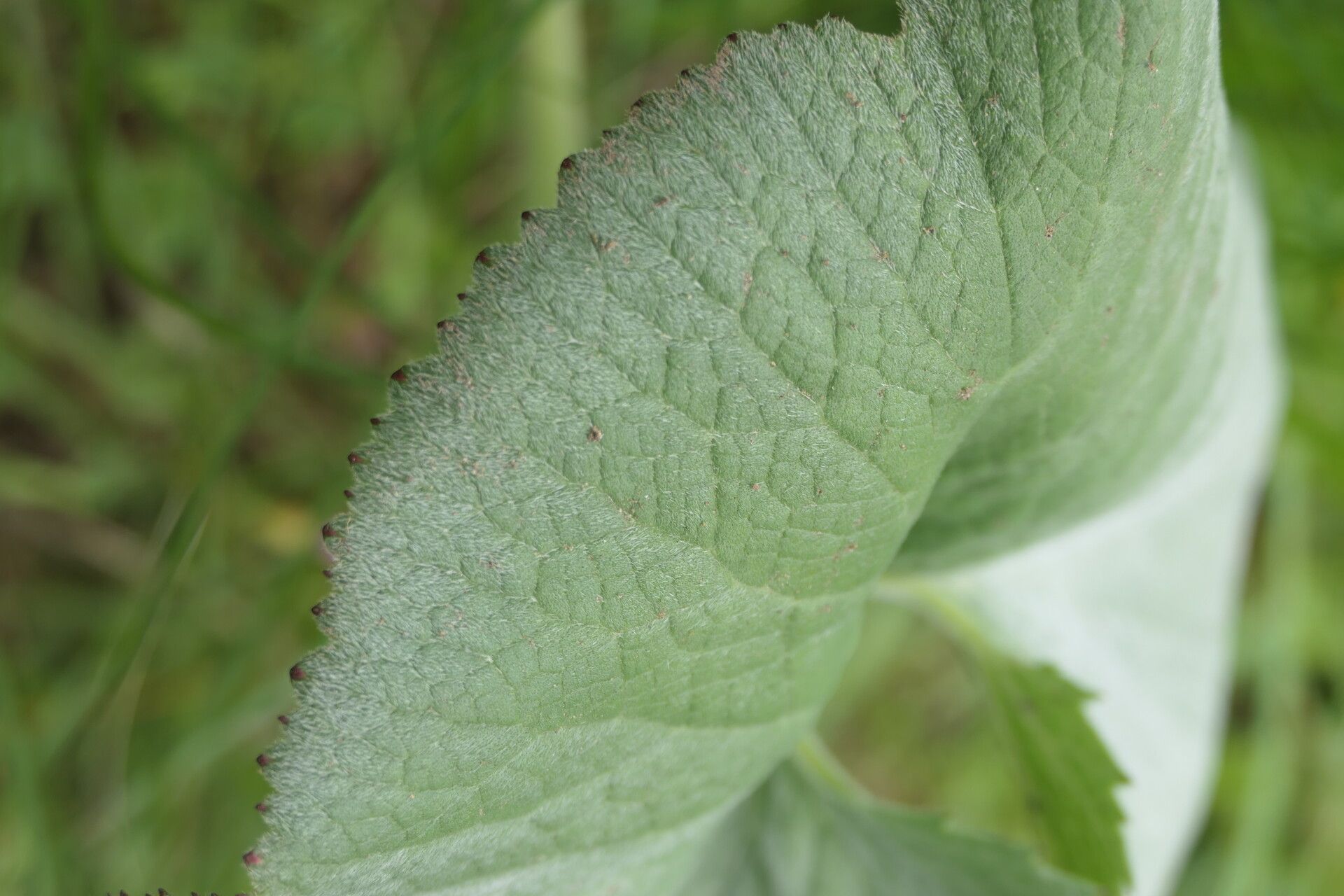
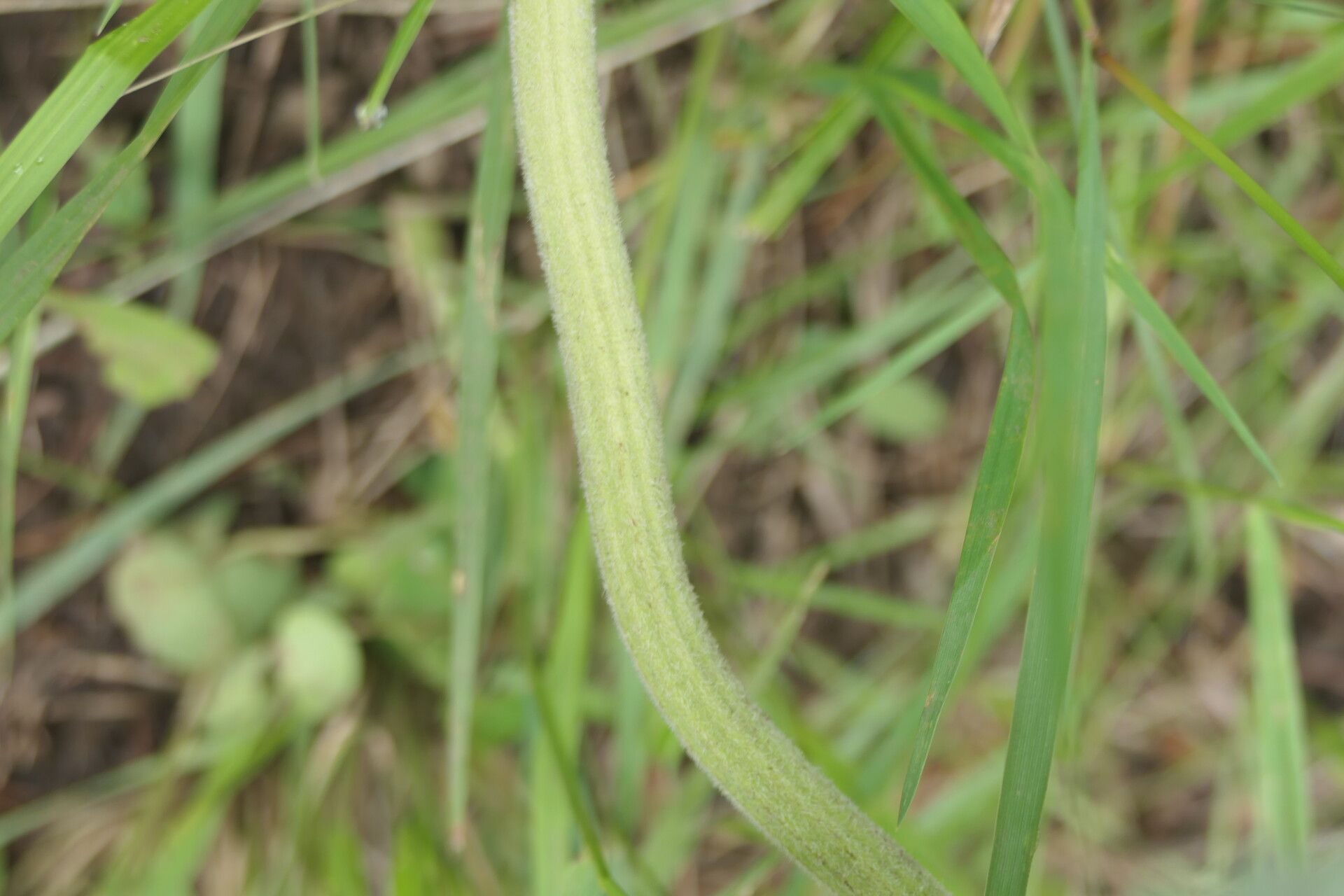
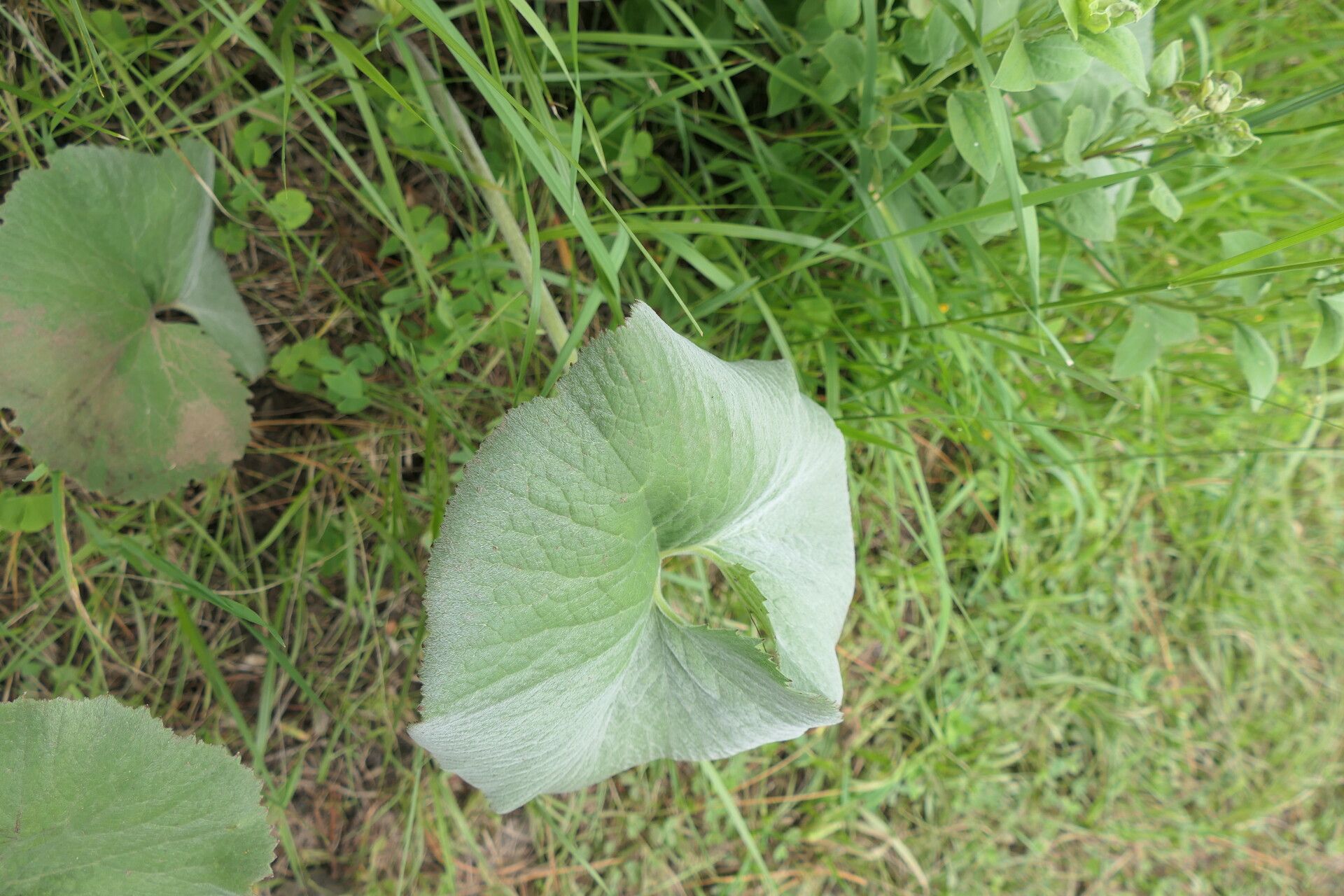
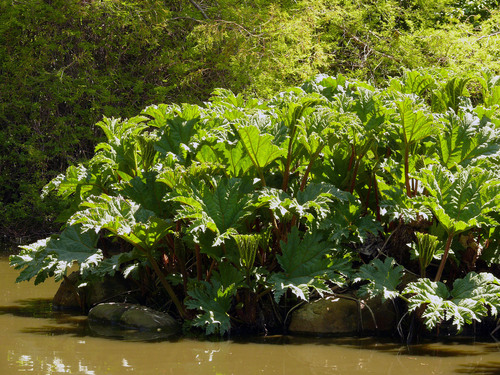
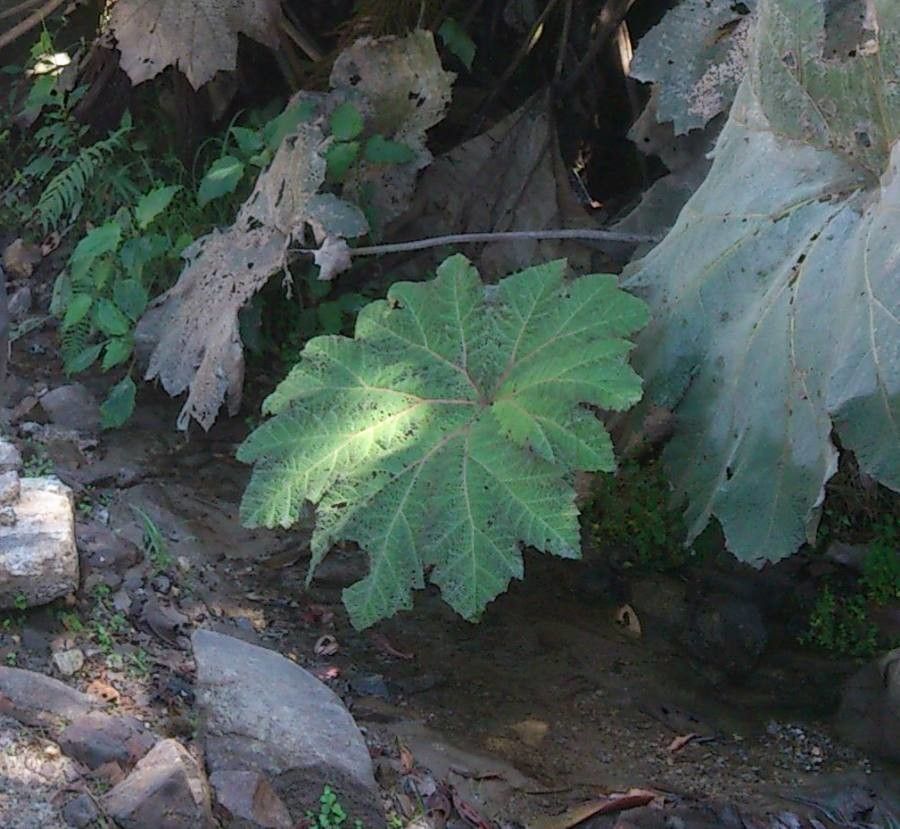
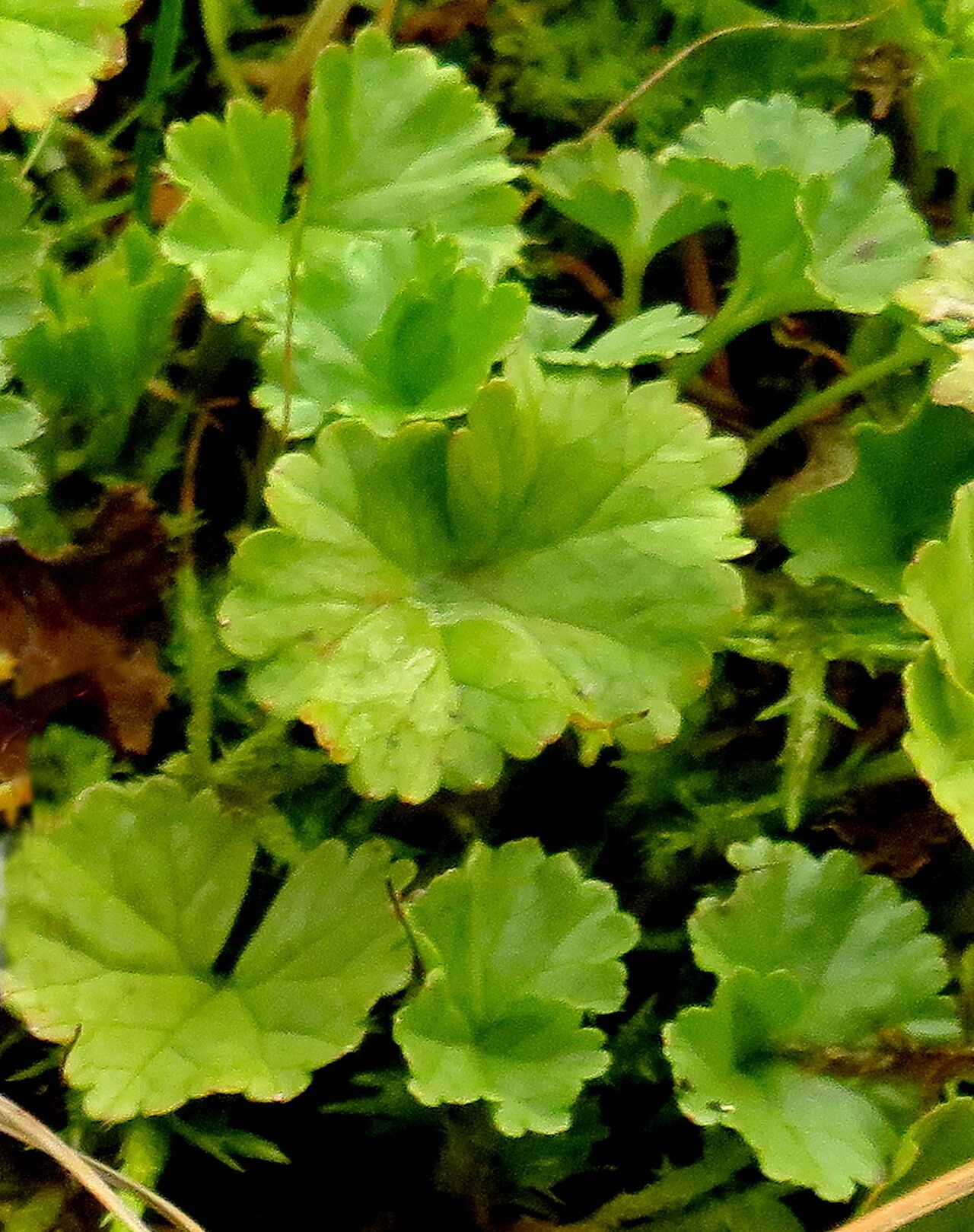
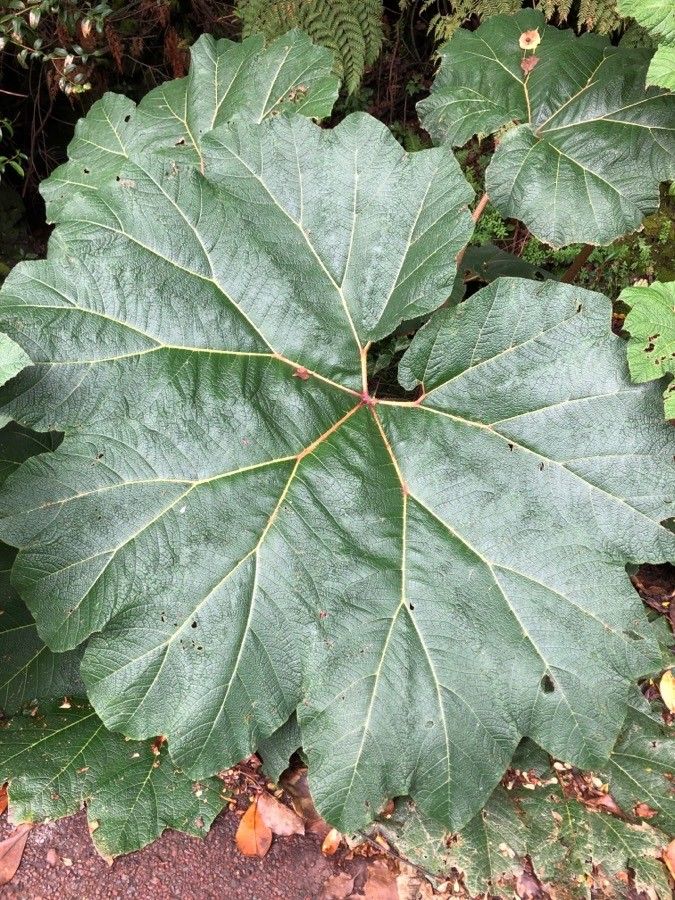
Gunnera perpensa is a species of Gunnera native to much of eastern and southern Africa, from Sudan south to South Africa, and also in Madagascar. It is a perennial herbaceous wetland plant growing to 1 m tall, with kidney-shaped leaves with an irregularly lobed and serrated margin.
River pumpkin is fairly disease-resistant and typically not prone to illness. However, it can be affected by pests and diseases present in its surroundings. Such infections are usually not severe. As for care, this plant needs moderate maintenance. Regular pruning is required to preserve a neat appearance and support healthy growth. Fertilizing can also aid in encouraging flowering. River pumpkin is suitable for anyone with outdoor space, like a garden or patio, and does not demand extensive experience in plant care. It may need more attention when grown indoors.
How to keep Gunnera Perpensa.
Light
River pumpkin thrives mainly in fully lit settings, though it can also tolerate areas where sunlight is partly blocked. Its native habitat is mostly exposed to abundant light. While too much or too little light can influence its growth, the plant generally copes well with sunlight.
Water
Originating along riverbanks, river pumpkin flourishes in consistently moist soil and requires weekly watering, ensuring the soil is damp but not waterlogged. It benefits from natural rainfall, which enhances its lush growth and strengthens its robust perennial nature.
Temperature
River pumpkin is highly temperature-adaptive, able to endure high heat and wide temperature fluctuations. In hot periods, attention should be paid to irrigation and providing suitable shade to avoid sunburn. Conversely, River pumpkin has relatively limited cold tolerance. Although it can tolerate a certain amount of cold, overly low temperatures can result in frost damage.
Fertilizer
Generally, one fertilizing in spring is adequate for River pumpkin, though repeated feedings can enhance growth. Fertilize about once a month to six weeks. Feeding improves the leaves’ appearance and function, helping maintain even color and a healthy texture. It also promotes root development and nutrient uptake for the plant’s long-term health.
Pruning
The river pumpkin is a hardy, fast-growing plant characterized by its large lobed leaves and strong root system. To encourage healthy growth, it is best to prune the plant in early spring to remove any dead leaves. Using proper pruning techniques can help control the plant's size and maintain its appearance, which in turn promotes robust growth and optimal health.
Botanical profile.
- Plant Type
- Herb
- Life Cycle
- Perennial
- Genus
- Gunnera
- Family
- Gunneraceae
- Hardiness Zone
- 7-10
- Mature Height
- 49 cm to 91 cm
- Mature Spread
- 0.91 m to 1.52 m
- Leaf Color
- Dark Green, Forest Green
- Leaf Type
- Deciduous
- Flower Color
- Pink
- Flower Size
- 0.25 cm to 0.51 cm
- Bloom Time
- Mid spring, Late spring, Early summer
- Planting Time
- Spring, Summer
- Harvest Time
- Summer
- Native Area
- Burundi, Mozambique, Tanzania, South Africa, Sudan, Eswatini, Rwanda, Madagascar, Ethiopia, Congo (DRC), Botswana, Zimbabwe
Other names.