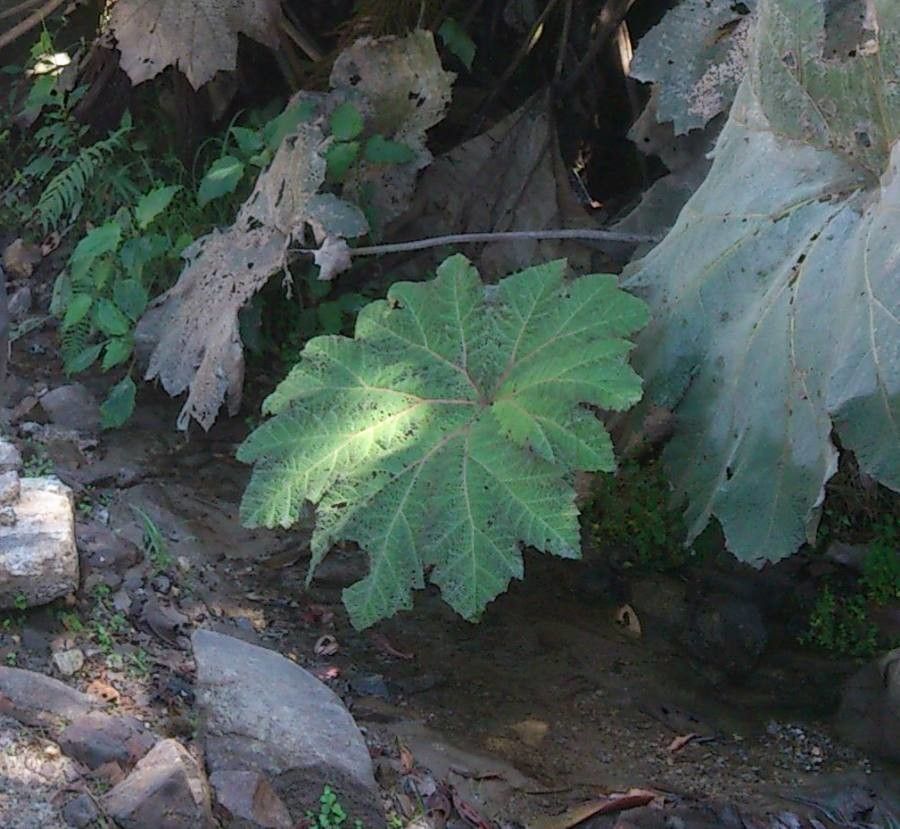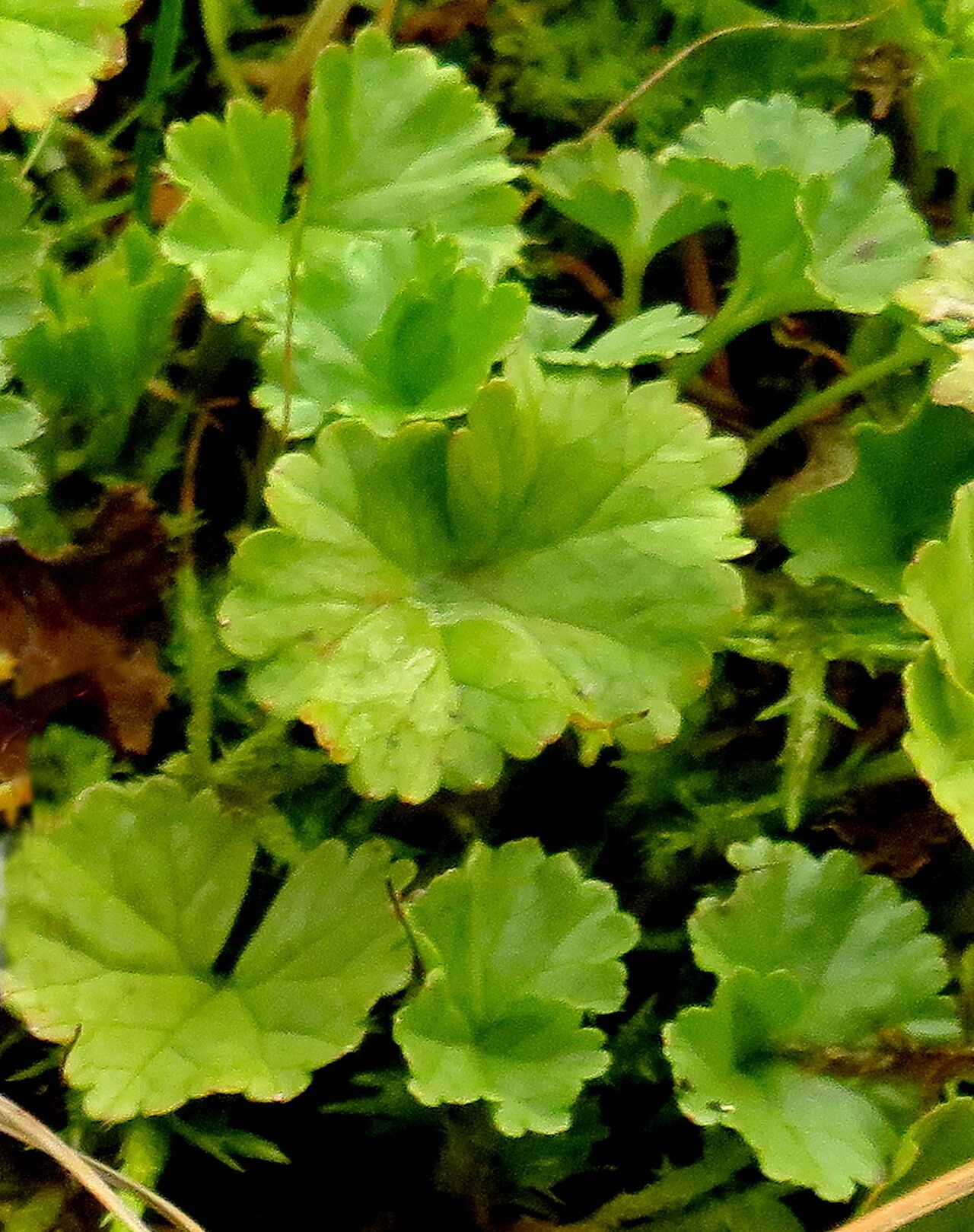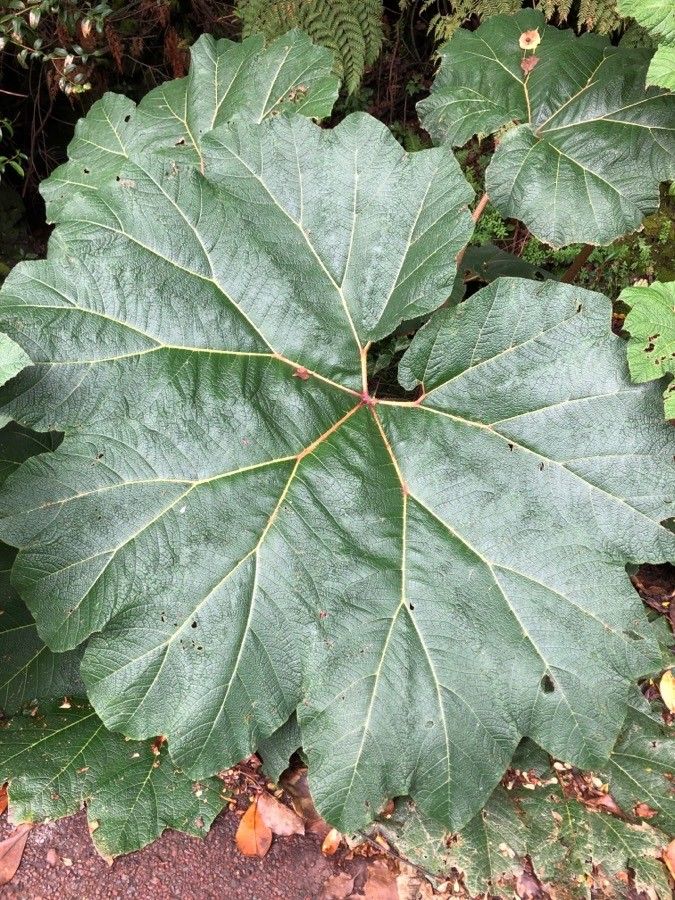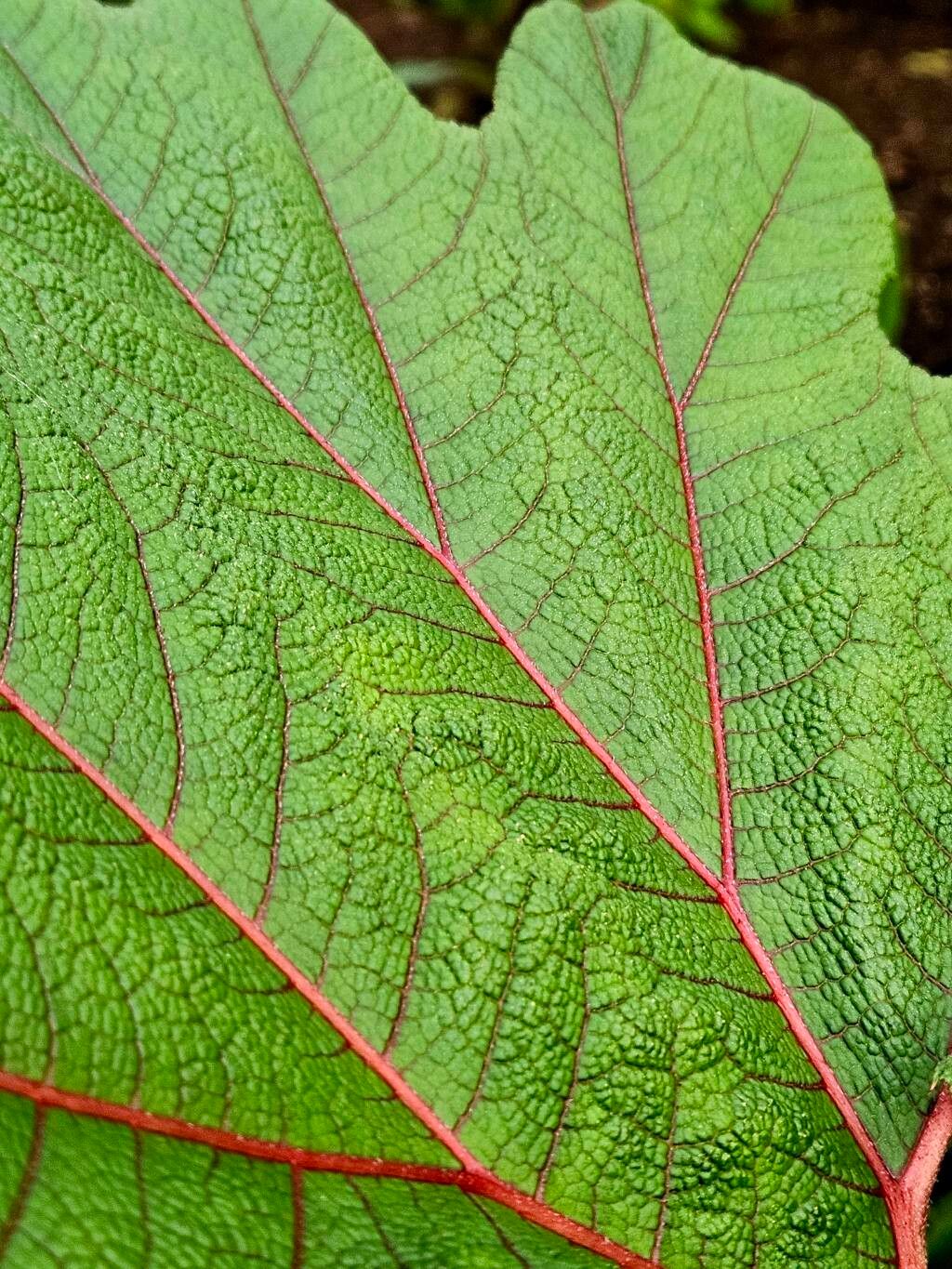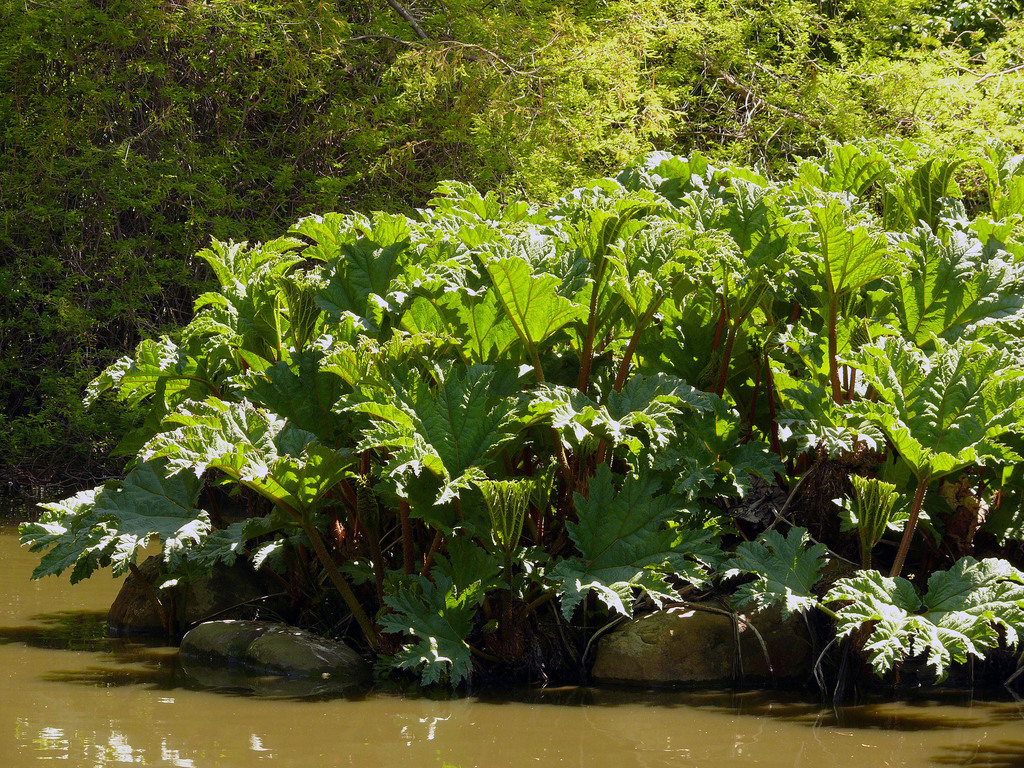
Gunnera tinctoria, commonly known as Chilean rhubarb or giant rhubarb, is a large herbaceous perennial plant native to South America. Belonging to the Gunneraceae family, this plant can grow up to 2-3 meters in height and spread 4-5 meters wide. Its enormous leaves can reach up to 2 meters in diameter, making it a striking addition to any garden or landscape.
Gunnera tinctoria thrives in moist soil and partial shade but can also tolerate full sun as long as the soil remains consistently moist. While it is primarily cultivated for its ornamental appeal, indigenous people of South America have also utilized it for its medicinal properties.
The leaves of Gunnera tinctoria contain high levels of tannins and have been used as a natural dye source for centuries. Depending on the mordant used, the dye can produce a range of colors from yellow-brown to dark brown.
In summary, Gunnera tinctoria is an impressive plant with both decorative and practical applications, making it a valuable addition to any garden or landscape design project.
Chilean rhubarb is fairly resistant to disease and typically does not suffer from many illnesses. Still, it can be affected by pests and diseases present in its environment. Such infections tend to be mild. Regarding upkeep, this plant demands a moderate level of care. It should be pruned on a regular basis to preserve a neat appearance and support healthy growth. Applying fertilizer can also encourage it to bloom. Chilean rhubarb is appropriate for anyone with outdoor areas like a garden or patio and does not need extensive gardening experience. It may require more attention if cultivated indoors.
How to keep Gunnera Tinctoria.
Light
Chilean rhubarb grows best with ample light, though it can tolerate full sun for prolonged periods. Having originally thrived in habitats with variable light, Chilean rhubarb benefits from sunlight at various stages of its development. However, too little or overly intense sun can harm its health.
Water
Chilean rhubarb flourishes in consistently moist soil, similar to its humid native habitat. To maintain optimal moisture, it needs to be watered weekly but can withstand short periods of dryness. Recreating natural rain cycles by providing plenty of water without causing waterlogging is beneficial for its growth.
Humidity
This plant will thrive in moderate humidity, which is probably the level in your home. However, misting it a few times a week can be very beneficial. Make sure the room has good ventilation.
Temperature
Chilean rhubarb is native to habitats where temperatures range from 50 to 95 °F (10 to 35 ℃). It prefers mild climates. If necessary, temperature adjustments should be made according to the season.
Fertilizer
One application of fertilizer in spring is generally enough for Chilean rhubarb, although repeated feedings can maximize growth. Fertilize about once every month to a month and a half. Feeding improves the leaves' appearance and function, maintaining even color and a healthy texture. It also encourages root development and nutrient uptake, supporting the plant's long-term health.
Pruning
Pruning Chilean rhubarb regularly from early to late spring helps maintain its health and appearance. By removing dead leaves and old stems, you encourage new growth, prevent disease, and improve the plant's structure. For the best results, use clean and sharp tools. This will ensure your plant remains robust and attractive.
Botanical profile.
- Plant Type
- Herb
- Life Cycle
- Perennial
- Hardiness Zone
- 6-9
- Mature Height
- 1.52 m
- Mature Spread
- 2.44 m
- Leaf Color
- Green, Red
- Leaf Type
- Deciduous
- Flower Color
- Green, Red, Yellow, Brown
- Flower Size
- 0.20 cm to 0.25 cm
- Bloom Time
- Late spring, Early summer, Mid summer
- Planting Time
- Spring
- Harvest Time
- Mid summer
- Native Area
- Argentina, Chile
Other names.
Reader questions.
How should I water my Chilean rhubarb plant?
To ensure the health of the Chilean rhubarb when watering, it is best to use filtered water at room temperature. This is because tap water may contain harmful particles. The water should be at room temperature or slightly warm as the plant is accustomed to a warm environment and cold water can be a shock to it. It is recommended to avoid overhead watering and instead, apply the filtered room temperature water directly to the soil until it is fully soaked. This allows the roots to absorb moisture and nutrients, aiding in their growth and overall health.
Why should I apply fertilizer to my Chilean rhubarb plant?
The main structure of the Chilean rhubarb is made up of its leaves. Fertilizing it is one of the most effective ways to ensure that the leaves not only look great but also function well. Proper fertilization maintains the consistent color and healthy texture of the leaves. Additionally, fertilization benefits the plant underground by promoting the growth of new roots and maintaining the existing ones. This fosters overall plant health and improves its ability to absorb nutrients from the soil in the long term.
What are the sunlight requirements for Chilean rhubarb?
Chilean rhubarb thrives under varying light conditions due to its native growth environments. It responds well to generous light exposure and can endure full sun for extended periods. However, too little or too much sun can negatively affect its health. Ideally, plants should receive partial to full sun, with partial sun defined as 3-6 hours of sunlight and full sun as over 6 hours. Observing how sunlight moves through your garden helps in placing your plants in locations that offer a balance of light and shade, essential for their growth and happiness.
What is the indigenous environment for Chilean Rhubarb?
Chilean Rhubarb, scientifically known as Gunnera tinctoria, thrives in environments that provide temperatures ranging from 50 to 95 °F (10 to 35 °C). It is suited to mild climates and has a strong resistance to cold, typically not requiring special frost protection measures. Despite its cold resilience, it's important to take precautions if winter temperatures are anticipated to fall below -25°C, by covering the plant with soil or straw to provide cold protection. Additionally, watering the plant abundantly before the first freeze in autumn to ensure the soil remains moist can help prevent drought and water scarcity during the winter and early spring.
What should I do if I give my Chilean rhubarb too much or too little water?
Overwatering and underwatering can both harm your Chilean rhubarb, but overwatering is a more common issue. When the plant receives too much water, its stems and leaves may wilt and turn yellow. Overwatering for a long period can also cause root rot, mold, and mildew, which can be fatal to the plant. Underwatering is less common because the plant can tolerate drought, but it's still possible. In that case, the leaves will become brittle and brown. It's important to recognize the signs of overwatering early on. Diseases like root rot may not be fixable if you wait too long. If you see signs of overwatering, reduce your watering and check the soil's quality. If the soil doesn't drain well, replace it with a loose, well-draining potting mix. If you notice signs of underwatering, water more regularly until the signs subside.
When should I put fertilizer on my Chilean rhubarb?
If you have Chilean rhubarb, it will start growing new leaves in early spring. This is when you should start fertilizing it for the year. Usually, one application of fertilizer is enough for the rhubarb to grow well. However, if you want it to grow even more, you can fertilize it multiple times during spring and early summer. In this case, you should feed the rhubarb about once every month to a month and a half.
How does artificial lighting affect indoor Chilean rhubarb plants?
Indoor Chilean rhubarb plants require adequate lighting for optimal growth, especially when natural sunlight is insufficient, like in winter or less sunny areas. Artificial lights, such as LEDs, provide a vital solution by promoting faster, healthier growth. These lights should be chosen based on the type that best suits the plant's needs and mimics natural sunlight in terms of intensity and duration. Full sun plants need 30-50W/sq ft, partial sun plants 20-30W/sq ft, and full shade plants 10-20W/sq ft of artificial light. The light source should be placed 12-36 inches above the plant to mimic natural sunlight, and plants most often require 8-12 hours of light per day.
What should I do if my Chilean Rhubarb is exposed to low temperatures?
Chilean Rhubarb is cold-tolerant, best thriving when the temperature remains above 10°C. During winter, it's essential to keep the temperature above -15°C. If the temperature falls below -25°C, there may not be noticeable changes during winter, but sprouting during spring could be affected, decreasing or possibly not occurring. The solution for sprouting issues in spring is to remove any parts of the plant that have failed to sprout.
How many times a week should I water my Chilean rhubarb?
If your Chilean rhubarb is in a pot, the most precise way to determine if it needs water is by checking the soil with your finger. If the top two to three inches of soil are dry, it's time to water. For Chilean rhubarb grown outdoors in the ground, the same method applies. When the first few inches of soil have dried out, it's time to water. During spring and early fall, watering once a week is usually sufficient. In extremely hot weather, you may need to water twice a week or more. However, it's worth noting that mature, well-established Chilean rhubarb is quite resistant to drought.
When is it best not to fertilize my Chilean rhubarb?
During the late fall and winter, your Chilean rhubarb will go into a dormant phase and stop growing. It's best not to fertilize it during this time. When spring and summer come, if you choose to fertilize, gradually reduce the amount as summer approaches and the rhubarb's growth slows down. In general, it's not a good idea to fertilize when the weather is unusually hot or the soil is extremely dry, as this can stress the rhubarb and cause it to die prematurely.
What are the symptoms of insufficient light in indoor Chilean rhubarb?
When grown indoors under insufficient light, Chilean rhubarb may exhibit several symptoms, including smaller new leaves, leggy or sparse growth, faster leaf drop, and halted or delayed growth. Additionally, new leaves may appear lighter in color or pale, indicative of a lack of chlorophyll and essential nutrients. Addressing these light deficiencies through strategic placement in sunnier spots or the use of artificial lighting can help mitigate these symptoms and promote healthier growth.
How do I care for Chilean Rhubarb in high temperatures?
During the summer, it's critical to maintain the temperature below 35°C for Chilean Rhubarb. Temperatures exceeding 38°C can cause the leaves to lighten in color, become prone to curling, susceptible to sunburn, and, in severe cases, cause the entire plant to wilt and dry. To mitigate these issues, trim away sunburned and dried-up parts of the plant. Move the plant to a location with shade from the midday and afternoon sun, or use a shade cloth. Ensure the soil remains moist by watering the plant in the morning and evening.