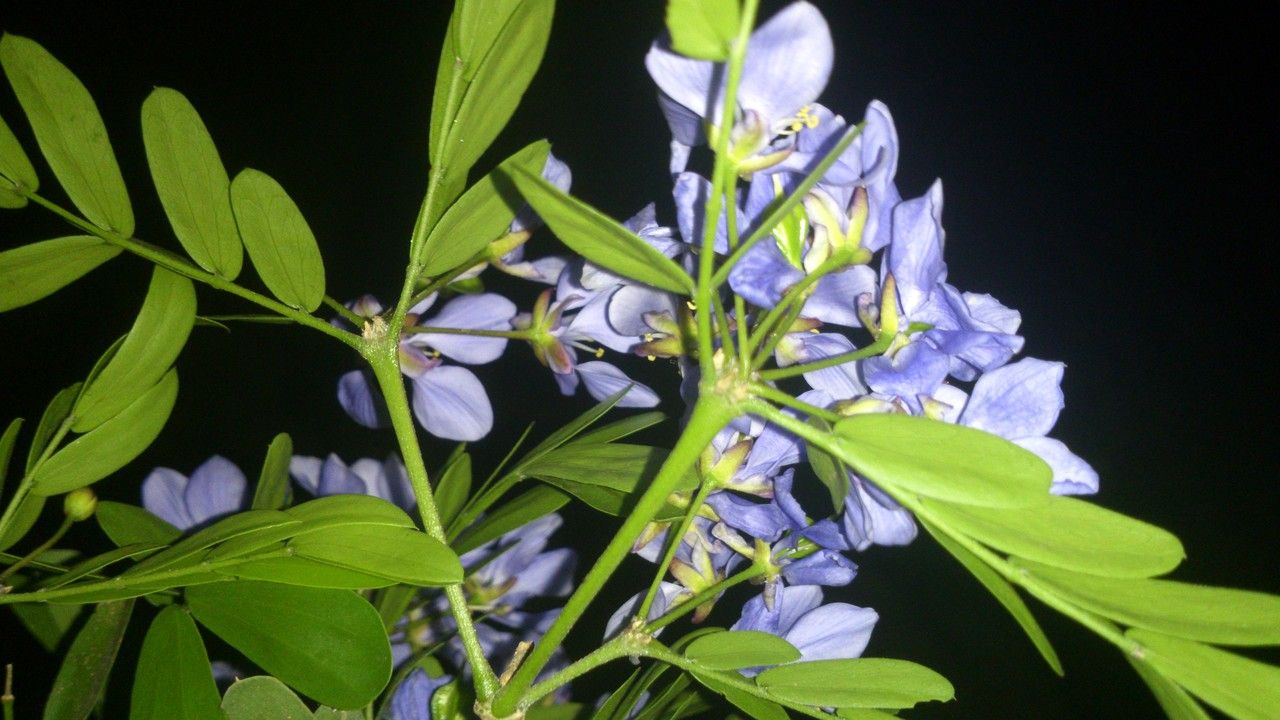
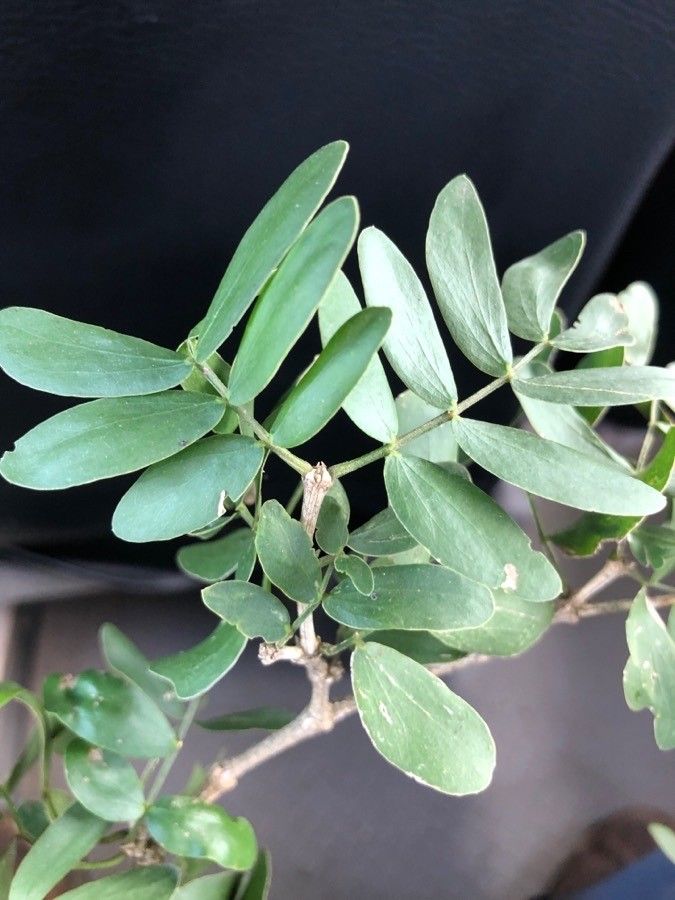
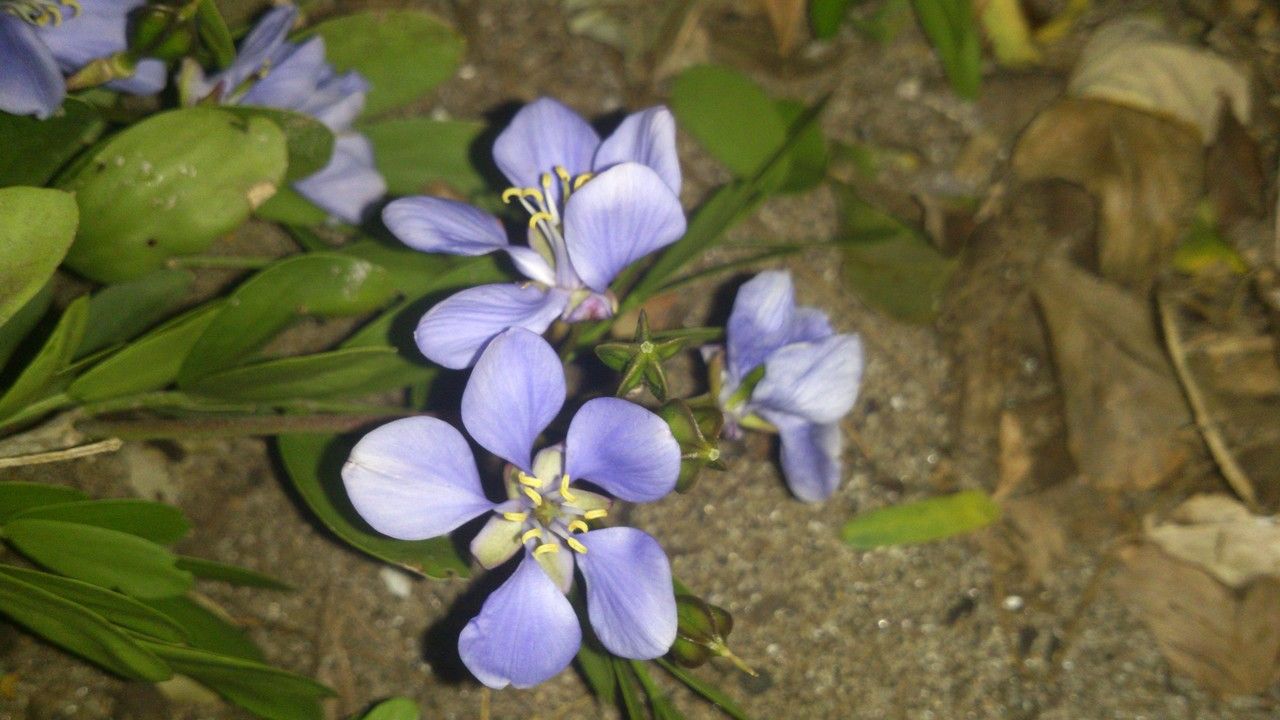
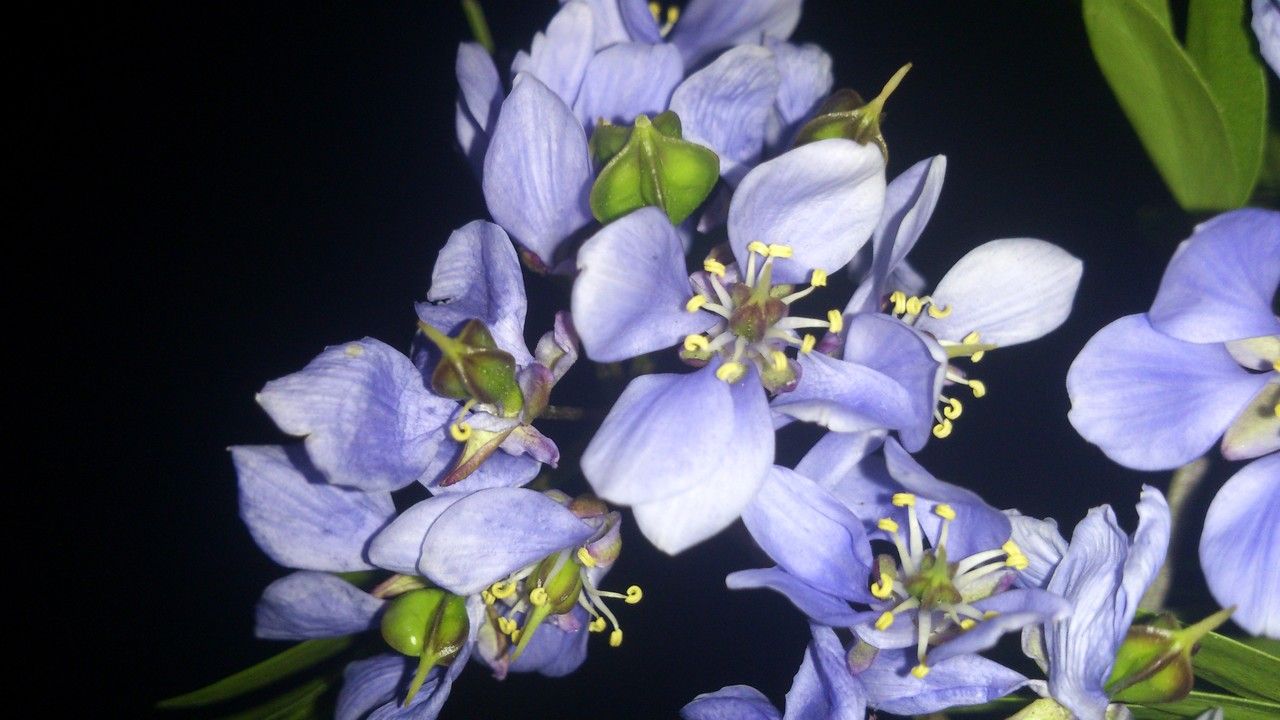
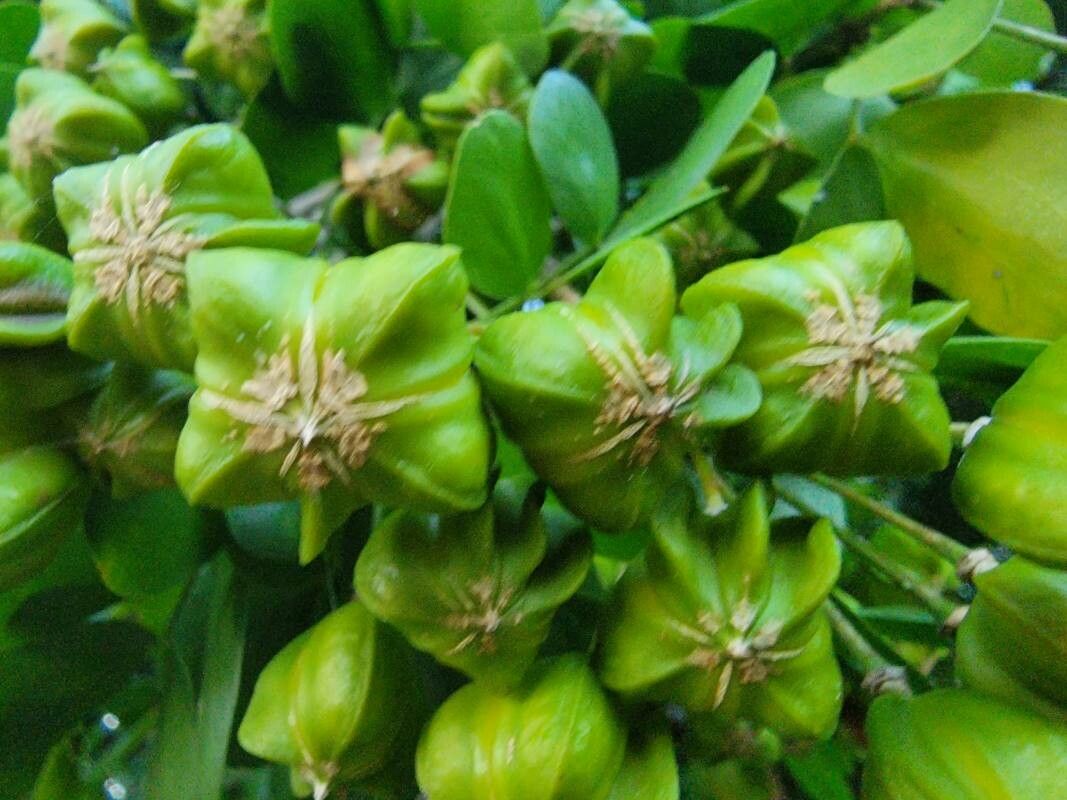
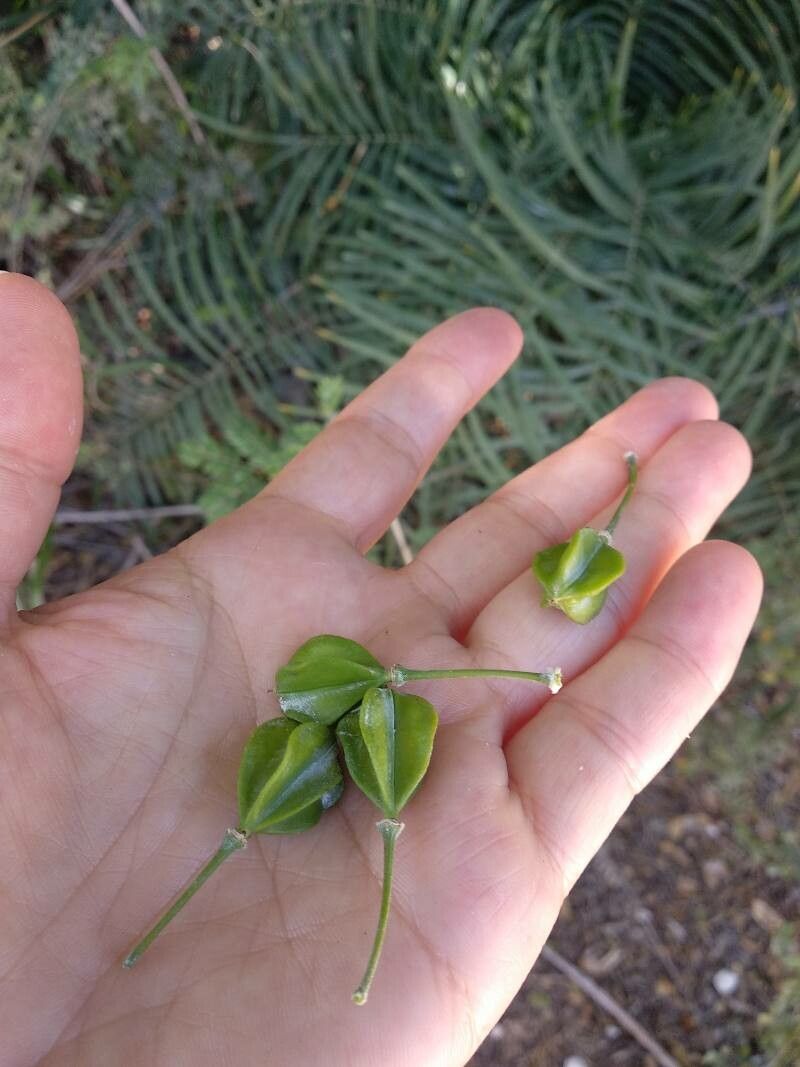
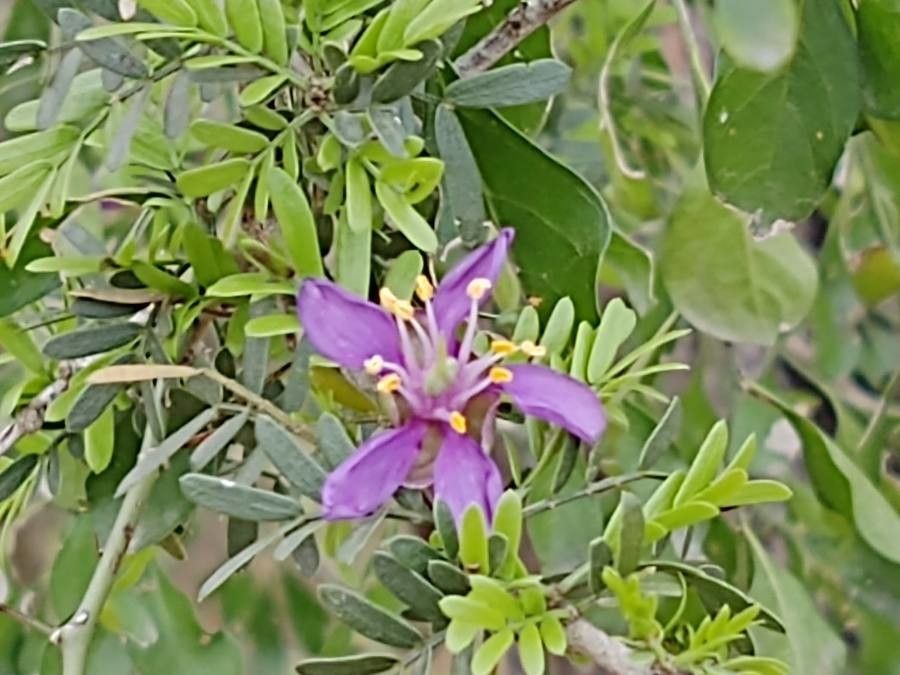
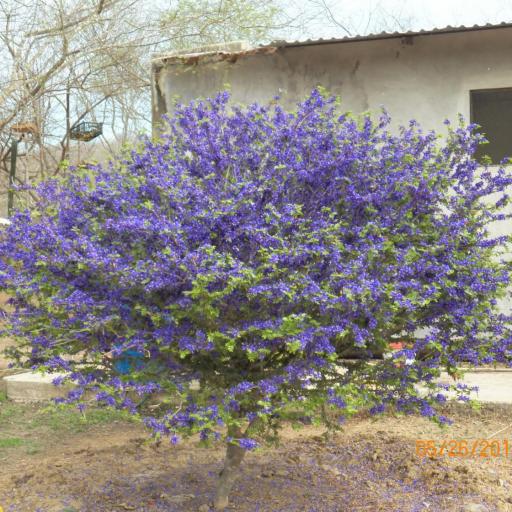
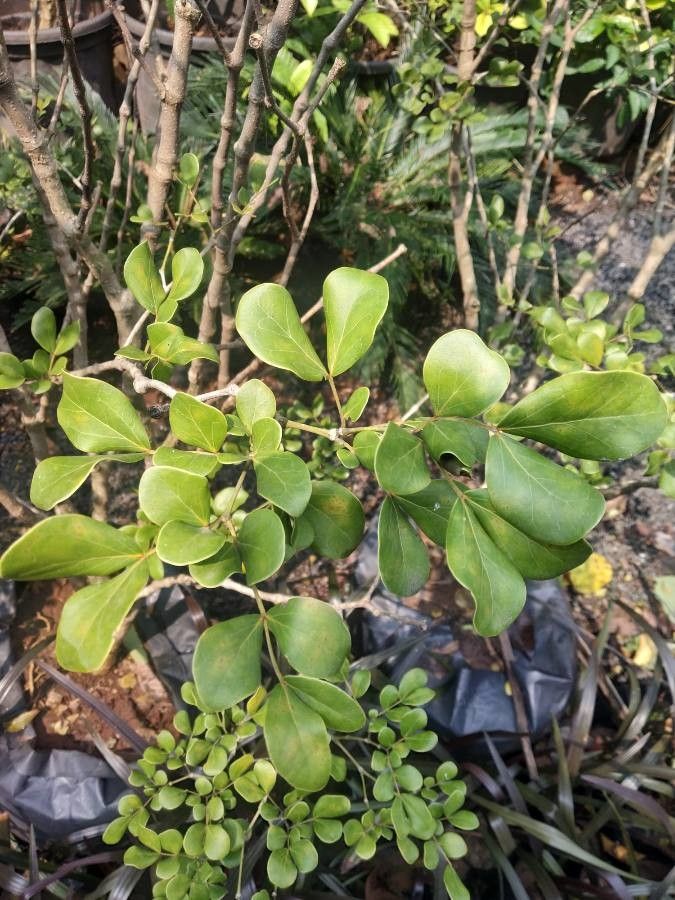
Guaiacum sanctum, commonly known as holywood, lignum vitae or holywood lignum-vitae, is a species of flowering plant in the creosote bush family, Zygophyllaceae. It is native to tropical America, from Mexico through Central America, Florida, the Caribbean, and northern South America. It has been introduced to other tropical areas of the world. It is currently threatened by habitat loss in its native region, and as such, is currently rated near threatened on the IUCN Red List. Guaiacum sanctum is the national tree of the Bahamas.
Holywood is quite resistant to disease and usually does not develop illnesses. Regarding care, this plant is fairly low-maintenance. When grown outdoors it needs little watering, and larger specimens generally do not require pruning. Smaller plants, however, should be pruned after they have finished blooming. Holywoodt is suitable for anyone with an outdoor area, such as a garden or deck, and does not demand extensive gardening experience.
How to keep Guaiacum Sanctum.
Light
Holywood flourishes in plentiful sunshine. In its native habitat it grows exposed to the full strength of all-day sun. It can also tolerate somewhat reduced light, although that may influence its growth. Too much or too little sunlight can produce physiological stress.
Water
Holywood is native to arid regions, making it highly drought-tolerant and capable of thriving with minimal moisture. It typically needs watering just once every 1-2 weeks, making it an excellent choice for xeriscaping. Its growth cycle naturally aligns with seasonal rain patterns, requiring even less attention during wetter periods.
Temperature
Holywood originates from temperate regions where temperatures range from 68 to 100.4°F (20 to 38°C). It prefers warm conditions. Care should be taken to keep temperatures within this range, because Holywood is sensitive to temperature changes.
Fertilizer
The best time to fertilize a Holywood is in early spring as it breaks dormancy. This encourages overall growth and flower formation. Fertilizing improves the foliage, stems, and branches, and encourages flowers that are larger, more colorful, and longer-lasting. It helps transport nutrients from the roots to the blooms and enhances the plant’s health and resistance to disease.
Pruning
Hollywood is known for its glossy, dark green leaves and dense canopy. Pruning it during the dormant season, which spans from early to late winter, promotes healthier growth, improves air circulation, and encourages blooming. Be sure to sterilize your tools to prevent infections, which will enhance both the aesthetic appeal and overall health of the plant.
Botanical profile.
- Plant Type
- Tree, Shrub
- Life Cycle
- Perennial
- Genus
- Guaiacum
- Family
- Zygophyllaceae
- Hardiness Zone
- 10-12
- Mature Height
- 3.05 m to 9.14 m
- Mature Spread
- 2.44 m to 3.66 m
- Leaf Color
- Green
- Leaf Type
- Evergreen
- Flower Color
- Blue, Purple
- Flower Size
- 2.54 cm
- Bloom Time
- Late spring, Summer, Early fall
- Planting Time
- Spring, Summer, Autumn
- Harvest Time
- Late summer, Fall
- Native Area
- Bahamas, Cuba, Honduras, Mexico, Guatemala, El Salvador, Nicaragua, Costa Rica, Panama
Other names.
Reader questions.
How should I water my Hollywood plant?
Watering your Holywood plant doesn't require any special tools. You can use common watering tools like watering cans, hoses, or even cups to moisten the soil. It's important to apply the water directly to the soil and make sure all areas are equally moistened to ensure every part of the root system receives the water it needs. Using filtered water is recommended as tap water may contain harmful particles. Additionally, using water at or slightly above room temperature is beneficial as excessively cold or hot water may shock the Holywood. However, the Holywood generally responds well to any type of water.
Why do I need to add fertilizer to my Holywood plant?
In order to ensure the health and well-being of your Holywood, fertilization plays a crucial role. By providing the necessary energy and nutrients, you can help your Holywood develop lush foliage, strong stems, and branches. Among the various benefits of fertilization, the production of beautiful and long-lasting flowers stands out. This is due to the ability of the right fertilizer to facilitate the transfer of fuel from the roots to the flowers through the stems. Additionally, proper fertilization supports the overall health of the plant, making it more resilient against diseases.
What are the sunlight requirements for Holywood (Guaiacum sanctum)?
Holywood requires full sun, meaning it thrives in conditions where it receives more than 6 hours of direct sunlight daily. It can also grow under partial sun, receiving about 3-6 hours of sunlight. The plant is native to environments with intense daylong sun but can adapt to lesser light, although this may impact its growth and overall health. Monitoring the movement of sunlight through your garden to find spots offering an ideal balance of light for Holywood is recommended.
What is the ideal temperature range for Holywood?
Holywood thrives in temperate environments with temperatures ranging from 68 to 100.4°F (20 to 38°C). It is fond of warm climates and is sensitive to temperature changes. It is crucial to maintain the temperature above 20°C, especially during winter, to support its growth. Temperatures approaching 5°C or lower are detrimental to the plant, and care should be taken to protect it from cold.
What should I do if I give my Holywood plant too much water or too little water?
Outdoor plants, especially newly planted ones or seedlings, can suffer from lack of watering. It's important to remember to water them consistently for a few months when they are small or newly planted, as they need time for their roots to establish. Once the roots are established, the plants can rely on rain for moisture. When you have Holywood plants in pots, overwatering is more likely to happen. If you accidentally overwater your Holywood, act immediately to fix the situation. First, stop watering the plant to limit the effects of overwatering. Then, remove the Holywood from the pot to check its roots. If there is no root rot, you can put the plant back in the pot. However, if there are signs of root rot, trim away the affected roots and consider applying a fungicide to prevent further damage. Lastly, repot the Holywood in well-draining soil. In the case of underwatering, simply water the Holywood plant more frequently. Underwatering is usually an easy problem to fix. If you notice the plant's leaves drooping, drying out, or falling off, increase the watering frequency. Make sure to correct your watering routine as soon as you see signs of underwatering.
When should I fertilize my Hollywood plant?
The best time to fertilize a Holywood is in early spring when it is coming out of its dormant phase and preparing to bloom. This will provide the necessary energy for growth and flower development. However, it is also beneficial to give it a smaller feeding in the fall. Some gardeners choose to fertilize it during planting, but this is not always required.
How can artificial lighting be used for indoor Holywood plants?
Indoor Holywood plants can benefit significantly from artificial lighting, especially when natural sunlight is insufficient. LED lights are recommended due to their ability to provide specific wavelengths needed by the plants. Full sun plants require 30-50W/sq ft, partial sun plants need 20-30W/sq ft, and full shade plants require 10-20W/sq ft of artificial light. The light source should be placed 12-36 inches above the plant and kept on for 8-12 hours per day to mimic natural daylight hours, promoting healthier growth.
How should I care for Holywood in the autumn and winter?
In the autumn, it is recommended to bring outdoor-grown Holywood indoors to protect it from cold temperatures. Place it near a bright window for sufficient sunlight but keep it away from heaters to avoid excessive dryness. During winter, maintaining temperatures above 20°C is beneficial for Holywood's growth. This helps in preventing any damage due to cold and ensures the plant's well-being.
How often should I give water to my Holywood plant?
If your area receives enough rainfall, most outdoor plants can grow normally without additional watering. However, if your area lacks rainfall, you should water your plants every 2 weeks in the spring and fall, and more often in the summer. In winter, when plants grow slower and require less water, you should water them sparingly or not at all. Young or newly planted Holywood plants need more frequent watering to help them establish and grow. For potted plants, there are two main methods to determine how often to water your Holywood. The first is to follow a set watering schedule, such as once every week or every other week. However, this approach may not consider the specific growing conditions of your Holywood. Another approach is to monitor the moisture in the soil. It is recommended to wait until the top two to four inches of soil, about ⅓ to ½ depth of the pots, have completely dried out before watering again. The frequency of watering may also need to be adjusted depending on the season, as the water needs of the plant will be highest during summer.
When should I not put fertilizer on my Holywood plant?
During the winter, Holywood plants enter a dormant phase, similar to many other plants. This means that they don't require additional nutrients from fertilization to promote new growth. In fact, fertilizing during this time can increase the risk of overfertilization and its negative effects. The best times to feed Holywood plants are in early spring and fall. This means that during most of the spring and summer seasons, fertilization is not necessary. Additionally, it is advisable to refrain from feeding the plant if it is subjected to extremely hot or dry conditions.
What are the signs of insufficient light in Holywood plants?
Symptoms of light deficiency in Holywood include smaller new leaves, leggy growth, premature leaf drop, delayed growth or a complete stop in new leaf production, lighter-colored or pale new leaves, chlorosis or yellowing of leaves, sunscald, leaf curling, wilting, and leaf scorching. These signs indicate that the plant is not receiving adequate sunlight, leading to stress and potentially affecting its health and growth.
What should I do if Holywood is exposed to low temperatures?
If Holywood is exposed to temperatures below its tolerance level, immediate action is needed to mitigate damage. Trimming off frost-damaged parts and moving the plant to a warmer indoor environment can help. Placing it near a south-facing window ensures it gets enough sunlight without being too close to heaters or air conditioning vents, which could dry out the air excessively.