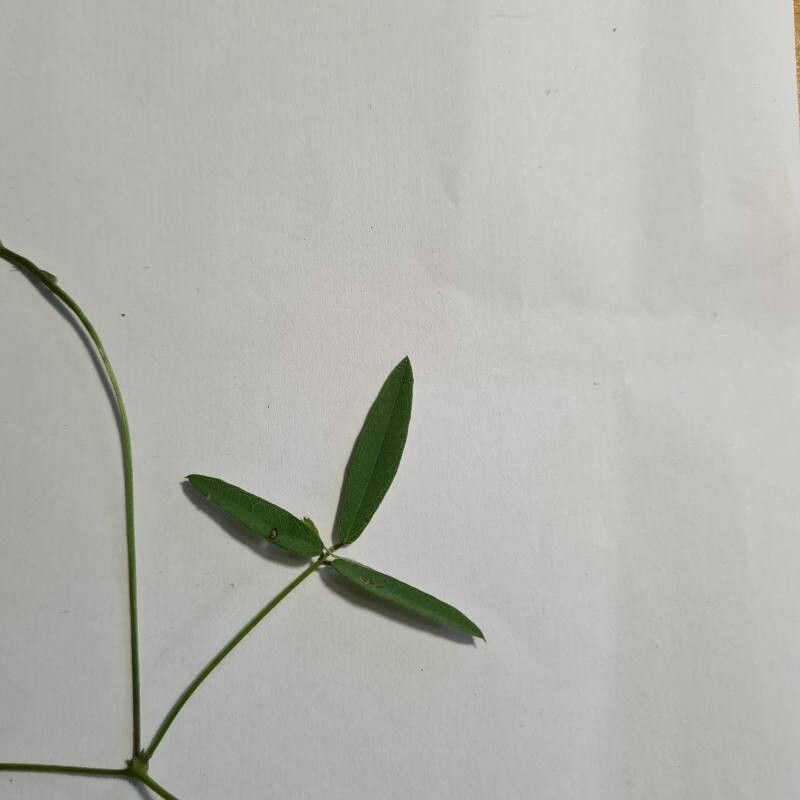
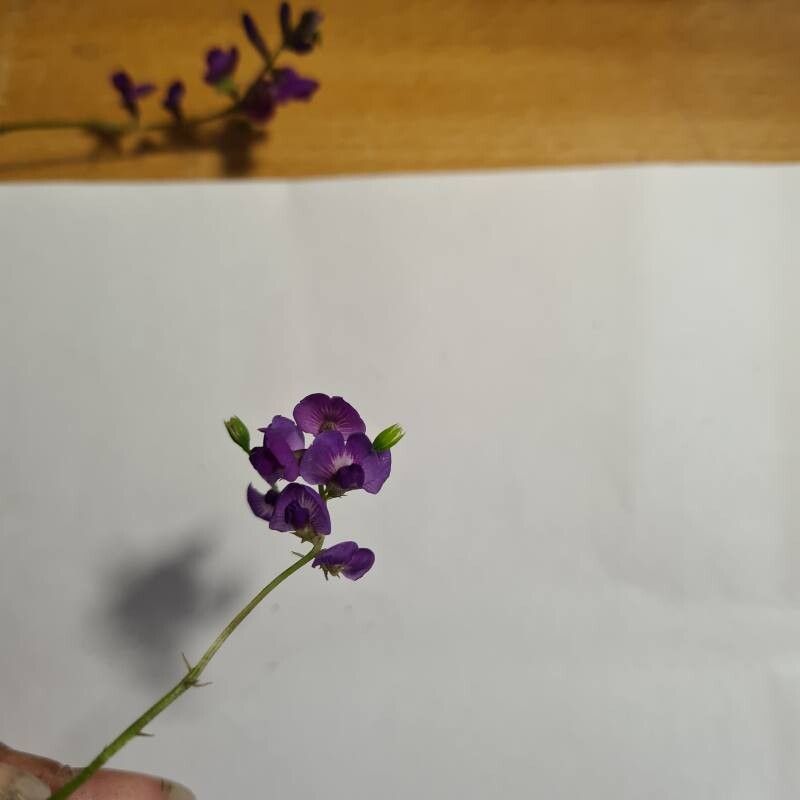
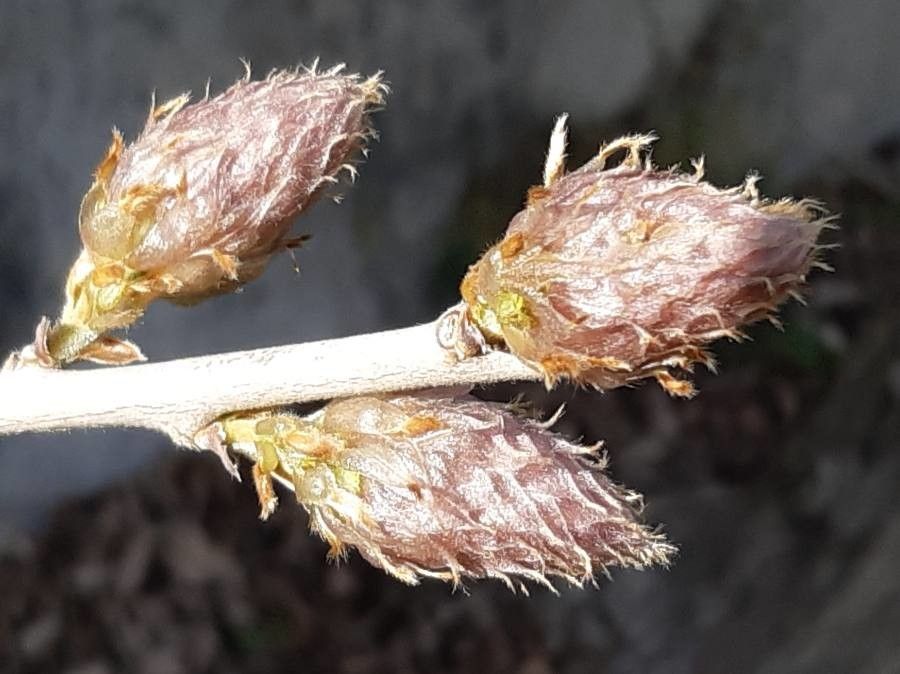
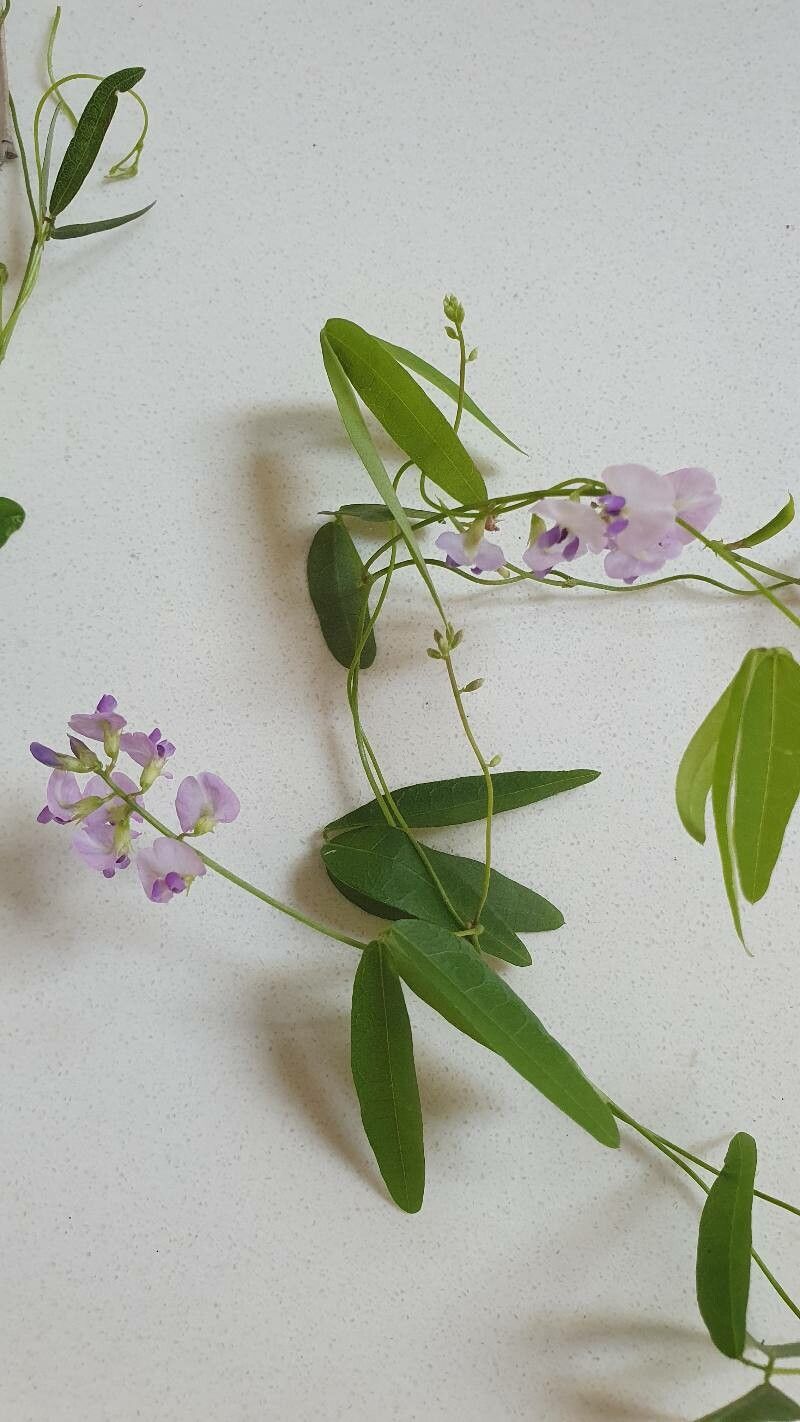
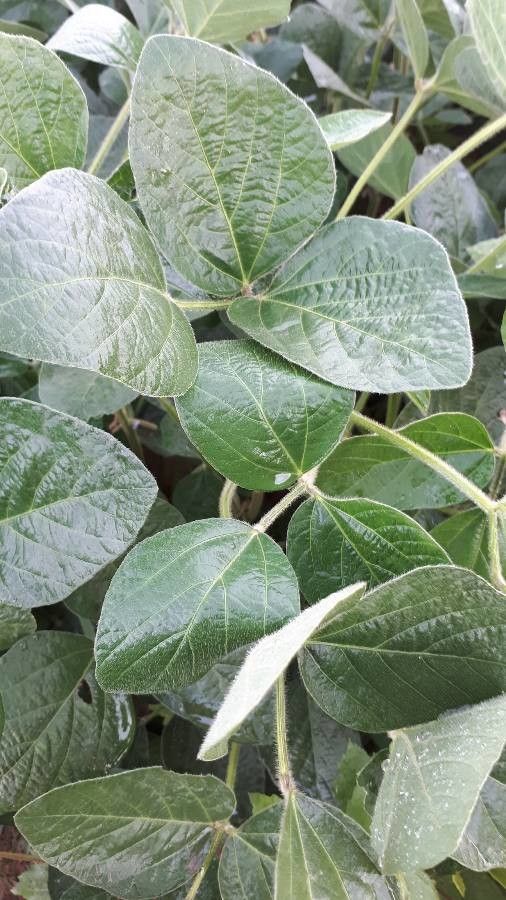
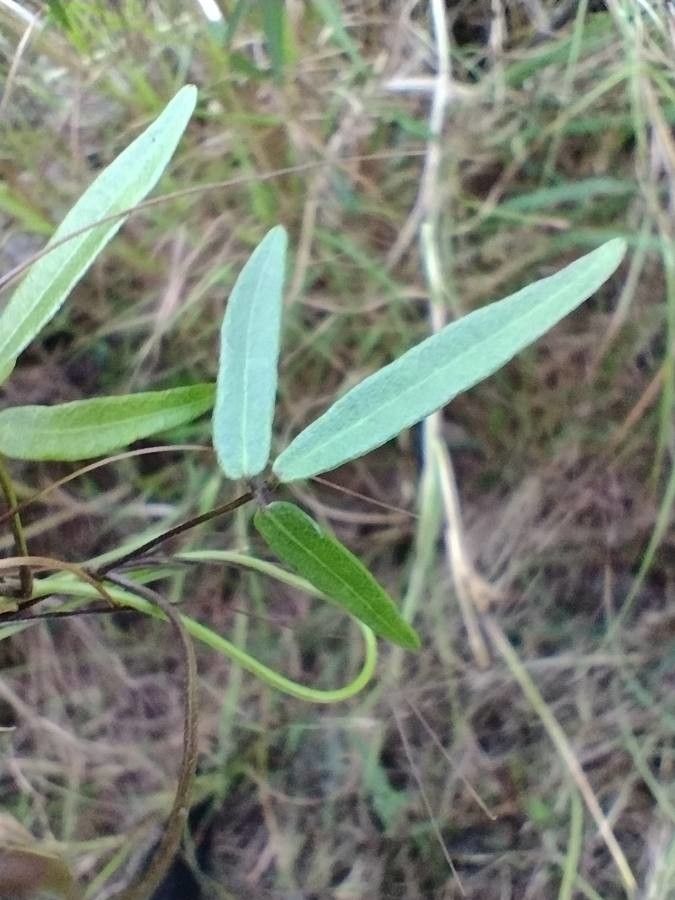
Glycine tabacina, commonly known as variable glycine, is a scrambling plant in the bean family found in Australia. It grows in areas of high rainfall, ranging to semi-arid areas. The leaves are in threes, 7 cm long by 2 cm wide. Bluish to purple flowers form on racemes in the warmer months. The bean pod is up to 3 cm long. The habitat is among grasses, often in open country.
Variable glycine has good resistance to disease and is generally not prone to illnesses. However, it can be susceptible to pests and diseases present in its surroundings. These infections are usually not severe. In terms of care, this plant requires medium maintenance. It needs regular pruning to preserve a good appearance and healthy growth. Fertilization can also help promote flowering. Variable glycine is suitable for anyone with outdoor space, such as a garden or patio, and does not require a lot of care experience. It may need more attention when grown indoors.
How to keep Glycine Tabacina.
Light
Glycine, a variable species, benefits greatly from direct sunlight but can also acclimate to mildly shaded environments. Changes in seasonal conditions may require moving between locations, especially with pot-grown individuals. Lack of adequate light could restrict growth and overall health.
Water
Variable glycine thrives in humid environments, drawing water from the air. It prefers consistent moisture levels and requires weekly watering to stay healthy. Being evergreen, it benefits from rainwater, which boosts its growth cycle when cultivated outdoors.
Temperature
Glycine variable showcases impressive resilience to temperature, with the capacity to endure rising temperatures and substantial fluctuations in temperature. During periods of high heat, it is crucial to focus on the plant's hydration needs and ensure it gets sufficient shade to avert sun damage. On the other hand, Glycine variable's ability to withstand extreme cold is limited. While it can survive in mildly cold conditions, unbearably cold surroundings could result in freeze-related injuries.
Fertilizer
The optimal time to fertilize Variable glycine is in the early spring when the flowers are beginning to develop. The appropriate fertilizer promotes superior blossoms and aids Variable glycine in producing attractive flowers. Providing fertilization during the initial spring period guarantees outstanding flowers throughout the season and supplies energy for inactive growth stages.
Pruning
Variable glycine has delicate, trailing stems and small purple flowers. To encourage better growth and blooming, prune it from early to late spring. Begin by removing dead parts, then lightly trim any overgrown stems. Always use clean, sharp tools for effective pruning and to help prevent disease.
Botanical profile.
- Plant Type
- Herb
- Life Cycle
- Perennial
- Genus
- Glycine
- Family
- Fabaceae
- Hardiness Zone
- 9-10
- Mature Height
- 10 cm to 30 cm
- Mature Spread
- 0.49 m to 1.52 m
- Leaf Color
- Green, Dark Green
- Leaf Type
- Deciduous
- Flower Color
- Purple, Pink
- Flower Size
- 1.02 cm to 5.08 cm
- Bloom Time
- Summer, Early fall, Mid fall
- Planting Time
- Spring, Summer
- Harvest Time
- Late summer, Fall, Early winter
- Native Area
- Vanuatu, Fiji, Japan, China
Other names.