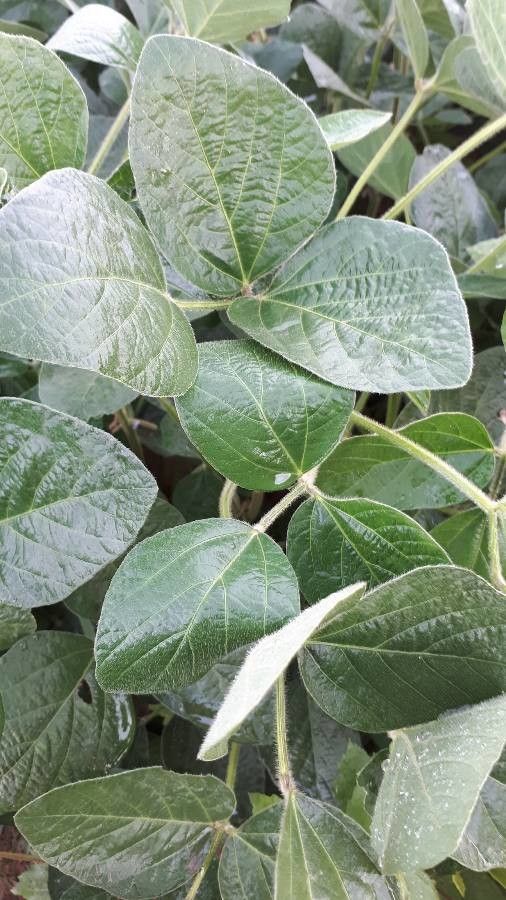
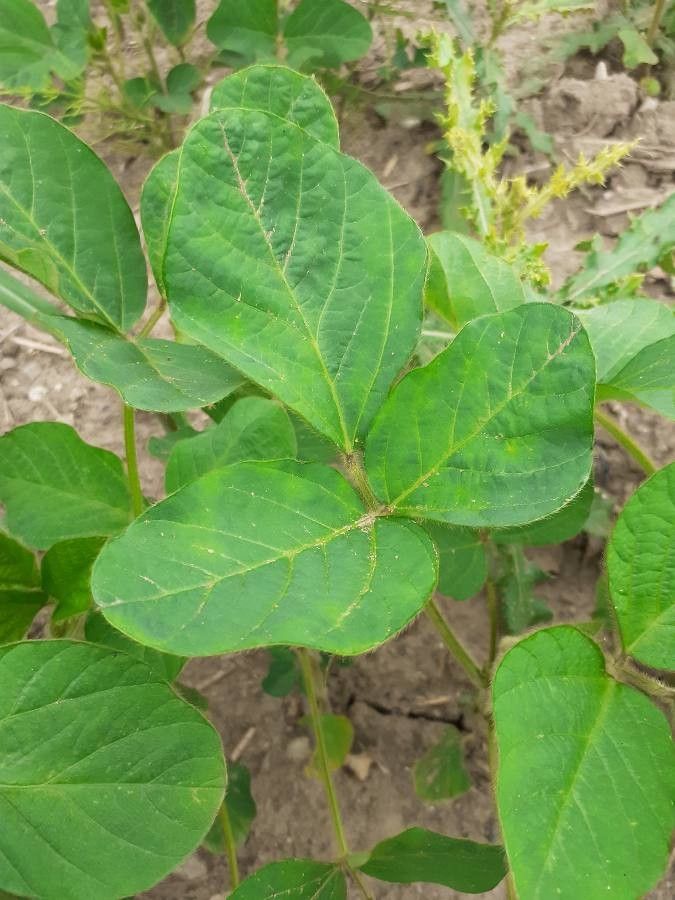
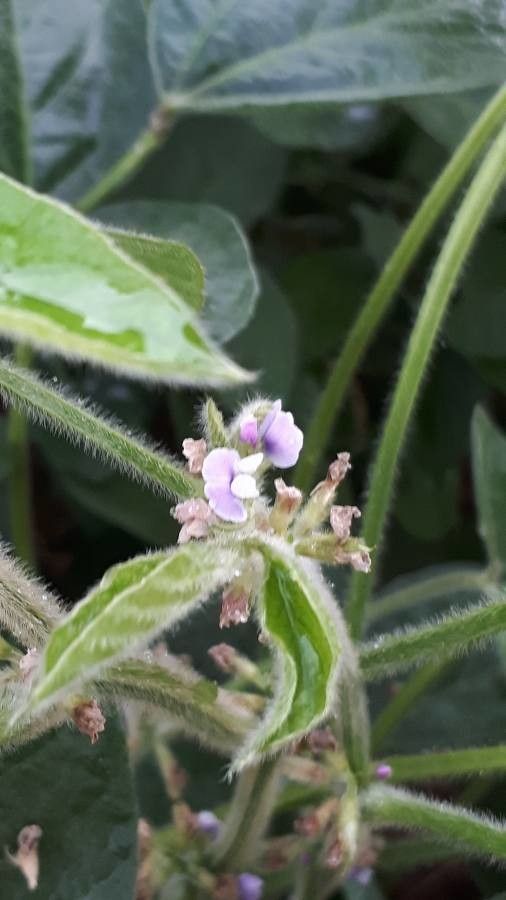
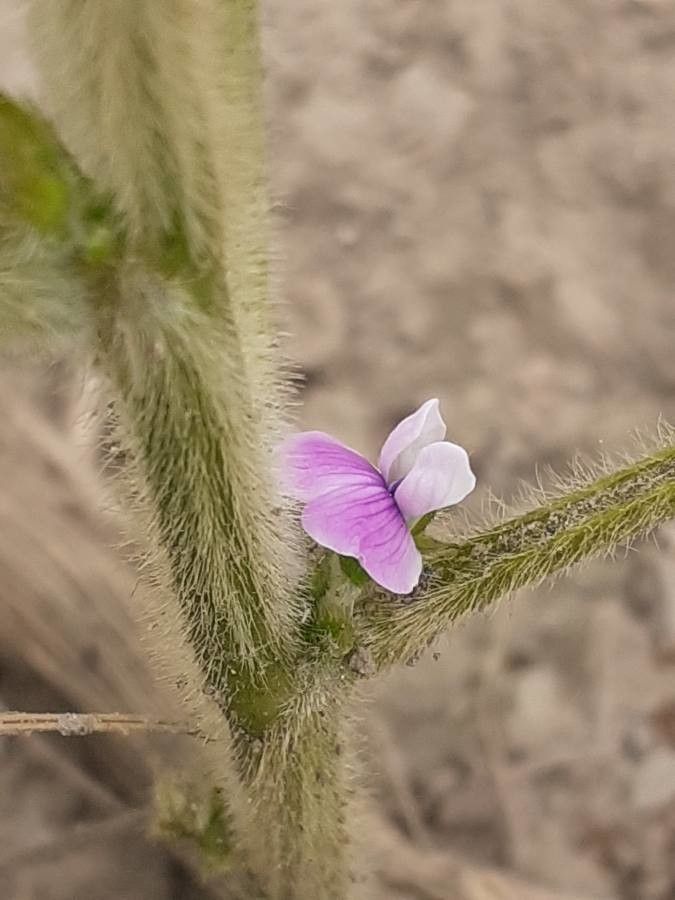
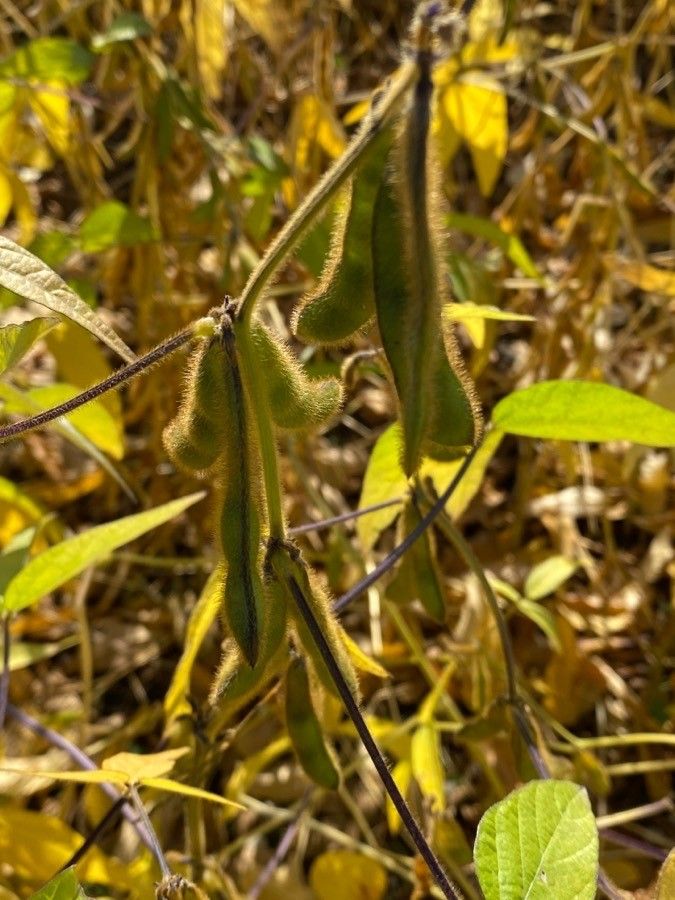
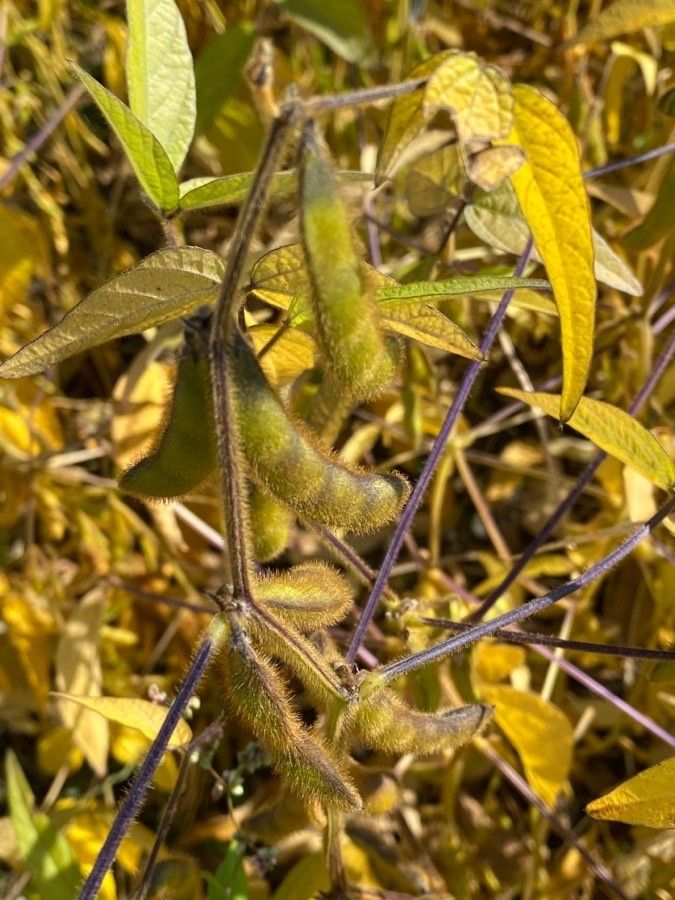
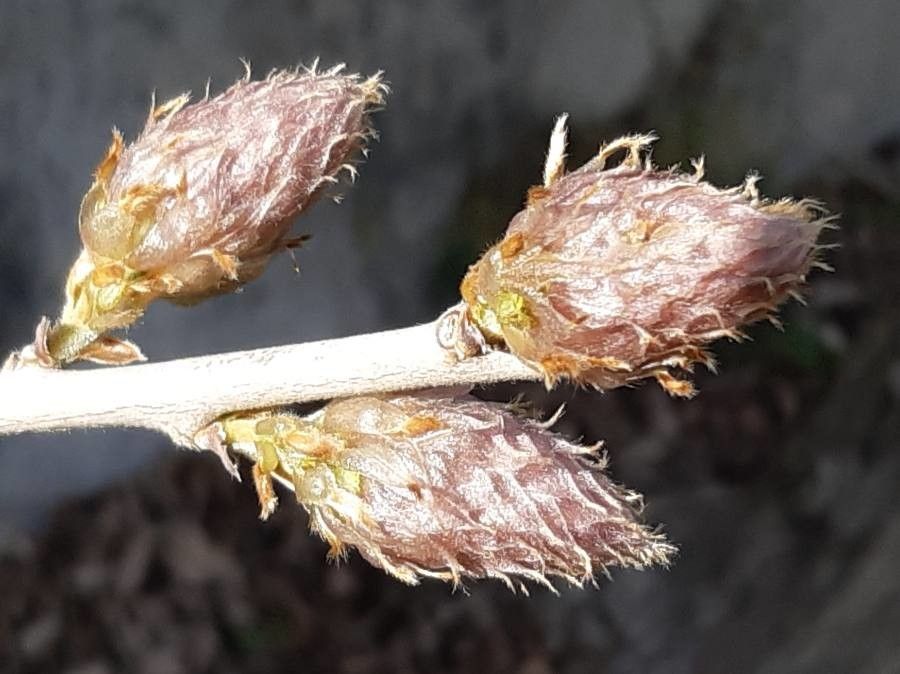
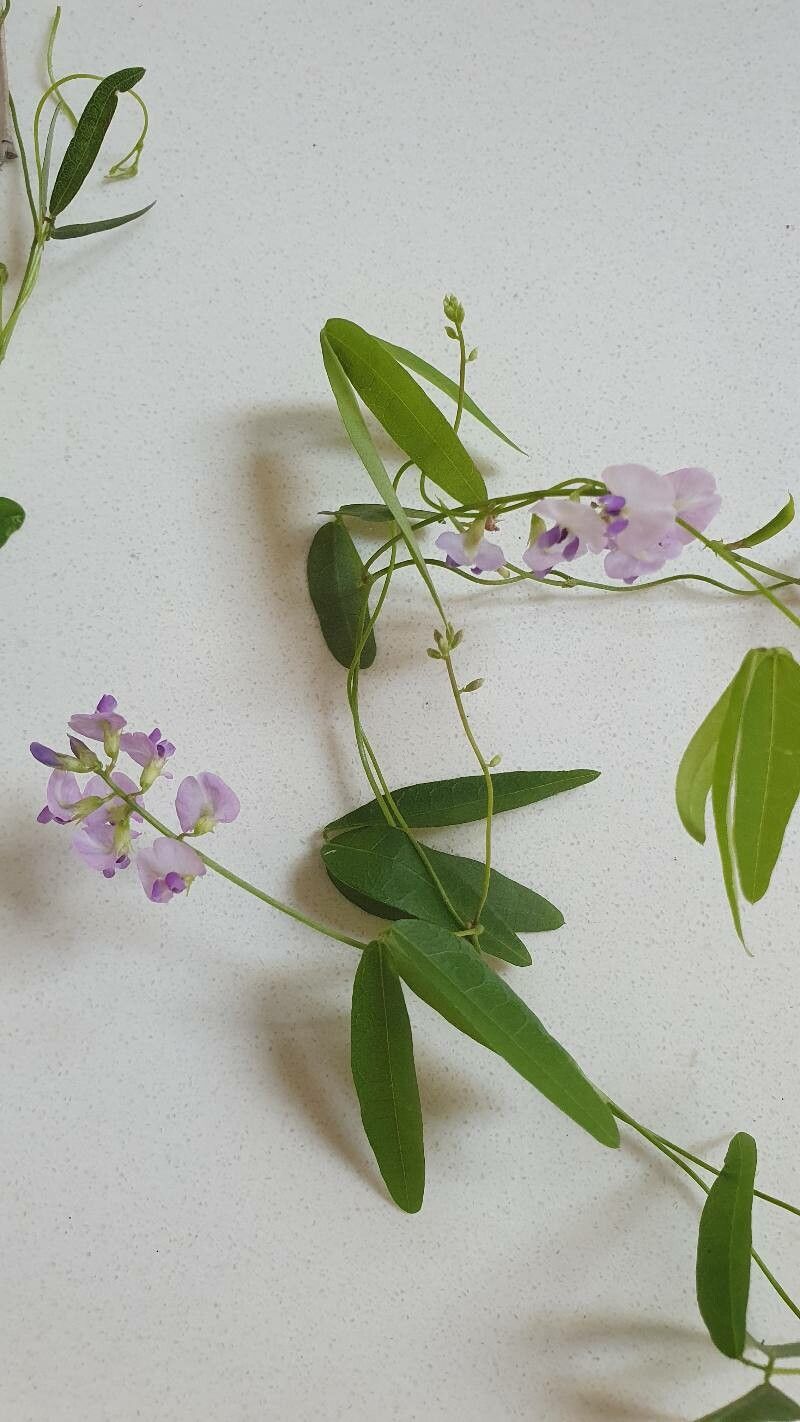
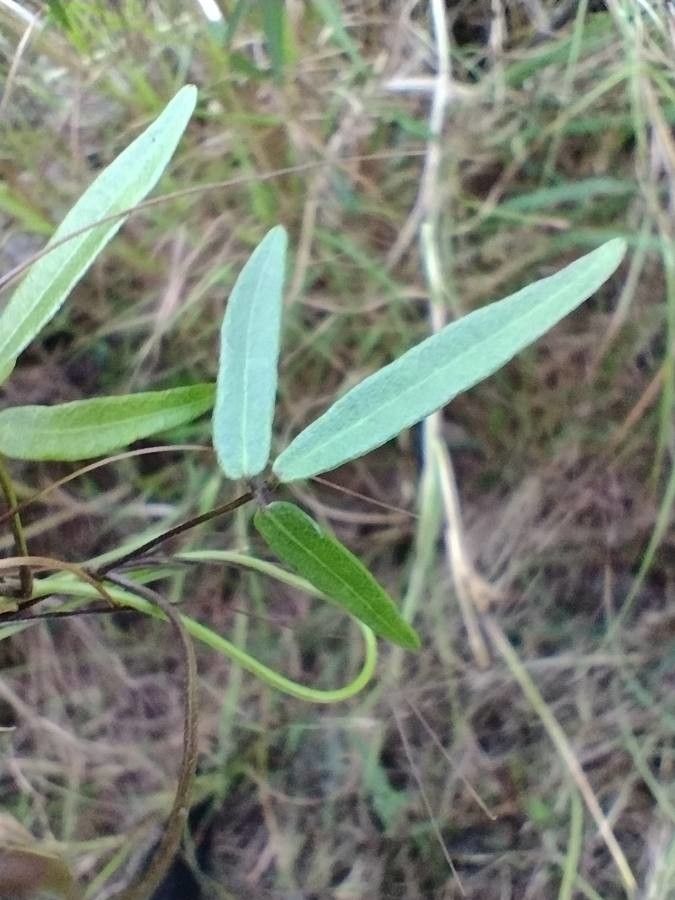
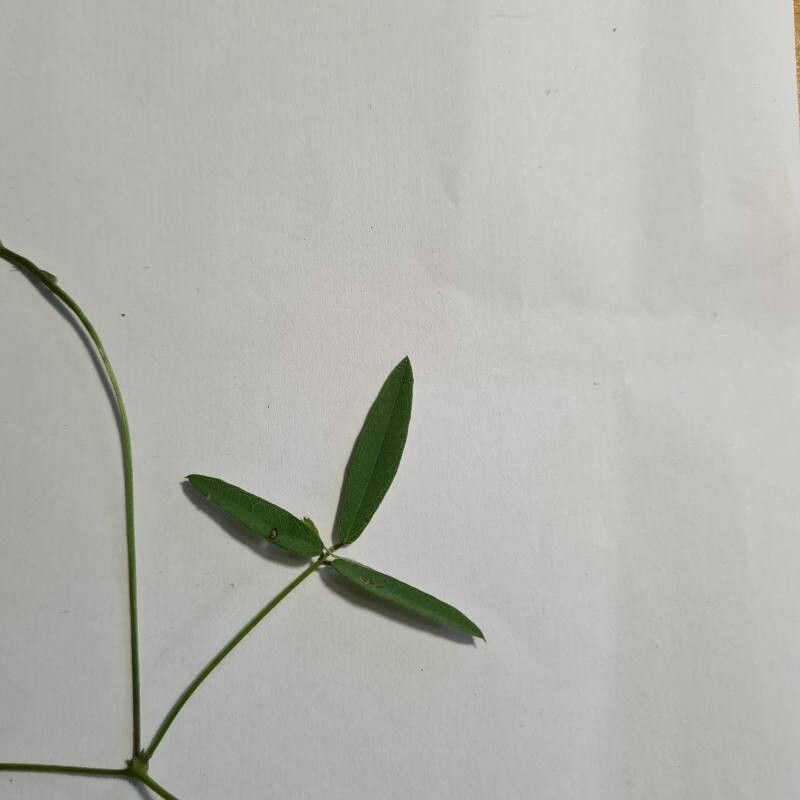
Glycine max, commonly known as soybean, is a legume native to East Asia. This annual plant can grow up to 2 meters tall and features a taproot system. Its leaves are trifoliate, and it produces small flowers that are either white or purple. The fruit of the soybean plant is a pod containing 2-4 seeds.
Soybeans are an important crop globally due to their high protein content and oil production. They are used in a variety of food products, including tofu, soy milk, and edamame. Additionally, soybeans have industrial applications, such as in the production of biodiesel.
The cultivation of soybeans requires warm temperatures along with adequate rainfall or irrigation during the growing season. They can thrive in various soil types but prefer well-drained soils with high fertility.
Soybean plants have been genetically modified for resistance to herbicides and pests, which has increased their yield potential. However, these genetic modifications have also raised concerns about their environmental impact and food safety.
Overall, Glycine max is critically important in agriculture worldwide due to its versatility in both food production and industrial uses. However, the challenges associated with genetic modification practices necessitate careful consideration by farmers, scientists, and policymakers alike.
Soybean has moderate resistance to diseases but can be vulnerable to problems like leaf spot. Its susceptibility to insect pests varies by variety, though most have lower resistance to pests. For care, soybean requires regular watering and fertilization, as well as frequent removal of yellow leaves. It is important to manage pests and diseases when they occur and to harvest the plant promptly. Soybean is suitable for people who can devote some time and energy to routine care.
How to keep Glycine Max.
Light
Soybean prospers when exposed to unrestricted sunlight each day. This plentiful light supports its healthy growth. Originally coming from areas with abundant sun, every stage of the soybean's development benefits from ample light. Excessive sun does not harm it, but inadequate light can impede growth and productivity.
Water
Soybeans thrive in moderately moist soils and do best with consistent watering, ideally about twice a week. Although they are somewhat drought-resistant, they greatly benefit from rainwater during the growing season. This helps support optimal growth and maintain their delicate water balance.
Temperature
Soybean naturally occurs in environments with temperatures ranging from 68 to 100 °F (20 to 38 ℃). This range of temperatures supports its growth. Seasonal changes may necessitate moving it to warmer areas during cold weather.
Fertilizer
For optimal growth, soybean needs three fertilizer applications: one before planting, a second about one month after seedlings emerge, and a third 1 to 1.5 months after the second. Some soybean varieties also benefit from extra fertilizer at planting to promote rapid growth.
Pruning
Most soybean varieties only reach a maximum height of 2 feet tall and do not need pruning. If you have a tall, bushy variety, you may cut it back to prevent excessive growth.
Pot & Repot
When repotting Soybean, choose a pot that’s 1–2 inches (2.5–5.1 cm) larger in diameter and has good drainage. Use a well-draining potting mix and consider adding perlite for extra drainage. Repot in spring or early summer, water thoroughly afterward, and place it in a shady spot at first.
Toxicity
Soybeans are not poisonous when cooked. For the most part, pets can eat small amounts of cooked soybeans so long as they don’t have any allergy to them. However, raw soybeans contain lectins and saponins that are toxic when ingested in large quantities. You may experience excessive weight loss, nausea, abdominal pain, gas, diarrhea, and vomiting.
Further reading →
The toxicity and danger assessments provided are for reference only. We do not assure their accuracy, so it's crucial not to depend on them. Seek professional advice when necessary for accurate guidance.
Botanical profile.
- Plant Type
- Herb
- Life Cycle
- Annual
- Genus
- Glycine
- Family
- Fabaceae
- Hardiness Zone
- 2-11
- Mature Height
- 0.61 m to 1.83 m
- Mature Spread
- 30 cm to 37 cm
- Leaf Color
- Green
- Leaf Type
- Deciduous
- Flower Color
- White, Purple
- Flower Size
- 2.54 cm
- Bloom Time
- Early summer, Mid summer
- Planting Time
- Spring, Summer
- Harvest Time
- Mid summer
- Native Area
- Japan, China
Other names.
Reader questions.
How should I water my Soybean?
The Soybean has specific watering needs that are important to consider. Not only does it require a certain amount of water, but the way you provide that water is also crucial. If you don't water the Soybean correctly, it could potentially harm your tomatoes. The best method for watering Soybean is to directly apply the water to the soil in a slow and gentle manner. Avoid pouring all the water at once or using overhead watering. While it's important to water slowly, it's also necessary to water deeply to ensure that all the soil surrounding the Soybean is adequately moist.
Why is it important to add fertilizer to my Soybean plants?
Some plants can get all the nutrients they need naturally, without any added fertilizers. Soybean, on the other hand, benefits from fertilization because it increases the amount of harvest. Like all plants, soybean needs nutrients to support its growth and internal processes that lead to edible seeds. Nutrients help plants grow, produce flowers, perform photosynthesis, and ultimately yield seeds or fruits. If a plant lacks nutrients, it may have fewer branches, smaller seeds, and lower protein content in the end product.
What are the sunlight requirements for soybeans?
Soybeans require full sun, meaning they thrive best with more than 6 hours of sunlight daily. They can also tolerate partial sun, which equates to about 3-6 hours of sunlight. It's essential to observe the way sunlight moves through your garden to ensure plants receive the ideal balance of light and shade, thus promoting their health and happiness.
What is the ideal temperature range for growing soybeans?
Soybeans thrive in environments where temperatures range between 68 to 100°F (20 to 38°C). This warmth is crucial for their growth, and during the winter, it's beneficial to maintain temperatures above 20°C. To prevent freezing damage, the minimum temperature should be kept above the freezing point, particularly when outdoor temperatures approach -5°C (25°F). In such cold conditions, it is advisable to bring soybeans indoors or offer protection through measures like temporary greenhouses or wrapping the plant with plastic film or fabric.
What should I do if I give my soybean plant too much water or too little water?
If you've overwatered your Soybean and are worried about disease, take immediate action. The best solution is to remove the plant from its current spot and let the roots dry out a bit before replanting it in a new location with well-draining soil. If you're growing in pots, consider moving the plant to a larger pot with better drainage. On the other hand, if you've underwatered your Soybean, simply water it more frequently.
When should I fertilize my Soybean for the best results?
The best time to fertilize Soybean is generally in the spring. Many types of Soybean thrive with three main fertilizer treatments during the growing season. The first treatment should be done before planting the seeds. The second treatment should be applied about a month after the seedlings emerge, followed by a final treatment about 1 to 1.5 months after the second one. Additionally, certain types of Soybean benefit from a fertilizer boost at the time of planting. Nutrients are necessary for all stages of the growth cycle. It is crucial for some types of Soybean to receive enough nutrients to reach full size quickly, as they can go from seed to harvest in as little as a month.
How essential is sunlight for soybean growth?
Sunlight is critically essential for soybean growth, with the plant benefitting from unrestrained exposure daily. Originating from regions abundant in sunlight, soybeans utilize ample light at every growth stage for healthy development. While excessive sunlight doesn't pose a risk, insufficient light can significantly hinder growth and productivity.
How do soybeans react to low temperatures, and what can be done?
Soybeans have moderate tolerance to low temperatures but perform best within 20°C to 38°C. During winter, temperatures should remain above 0°C to avoid damage. Exposure to temperatures below -40°C results in darkening leaves. In severe cases, you might observe water-soaked necrosis, wilting, and drooping, with leaf color turning to brown. To remedy frost damage, trim away affected parts, relocate the plant to a warmer indoor setting, or create a makeshift greenhouse. For indoor care, place the soybean near a south-facing window to ensure enough sunlight, or use supplemental lighting if natural light is insufficient.
How frequently should I give water to my Soybean?
Soybean plants need a lot of water during their growing season. To meet this need, you should water them frequently from spring to summer. In the beginning, watering once or twice a week is sufficient. As the season goes on, increase the frequency, potentially needing to water twice a day or more during hot summer weather. Once the plants have finished their main growth phases, you can scale back watering to about once a week until the end of the season.
When is the best time to not add fertilizer to my Soybean?
To ensure the health and strength of Soybean plants, it is important to feed them regularly. However, there are certain risks associated with over-fertilization and fertilizing at the wrong time. It is best to avoid fertilizing when the soil is dry or the weather is excessively hot or cold. Additionally, take care to prevent fertilizers from coming into direct contact with seeds, as this can hinder their germination. It is also important to check whether the fertilizer is safe to be in direct contact with the plant, as contact with leaves and fruits can potentially cause damage. Some fertilizers are only safe to be used near the plants in the soil, and should not be applied over the tops of actively growing plants.
What should I do if natural sunlight is insufficient for my indoor soybean plants?
When natural sunlight is inadequate, especially during winter or in spaces with less sun, artificial lighting becomes crucial for indoor soybeans' growth. Optimal growth is achieved through LED lights, which can provide specific light wavelengths. Full sun plants need 30-50W/sq ft, partial sun plants require 20-30W/sq ft, and full shade plants need 10-20W/sq ft of artificial light. Light sources should be placed 12-36 inches above the plant, mimicking natural sunlight for 8-12 hours per day.
What should be done if soybeans experience high temperatures?
When temperatures rise above the soybean's comfort zone of below 38°C, especially exceeding 43°C, the plant's growth might slow down, leaves can lighten in color, and the risk of sunburn increases. Addressing sunburn involves trimming the damaged parts and moving the plant to a shaded area, particularly away from the harsh afternoon sun. Additionally, watering the plant in the morning and evening helps keep the soil appropriately moist, further aiding in cooling and recovery.