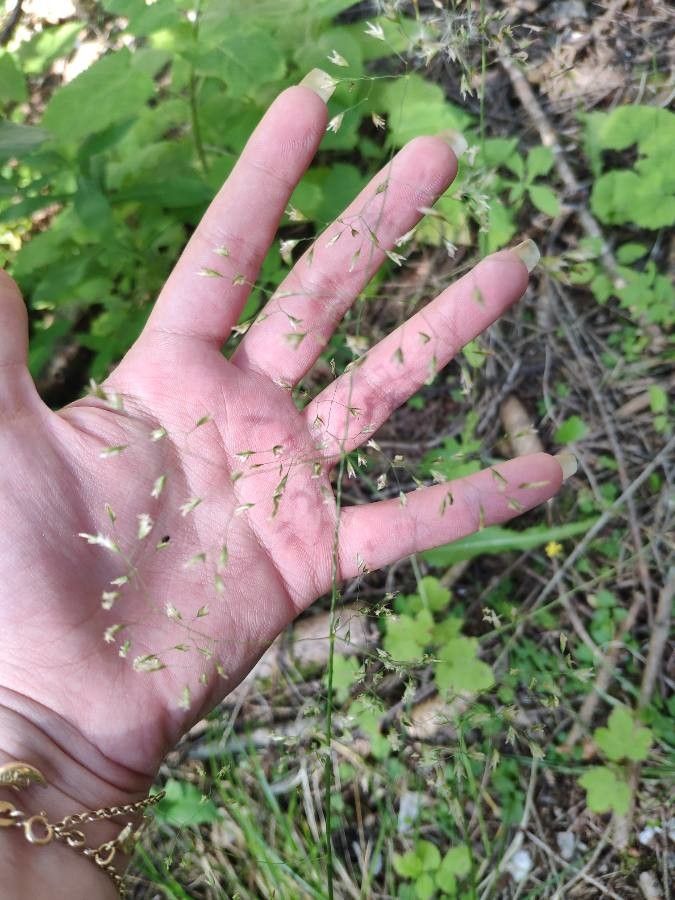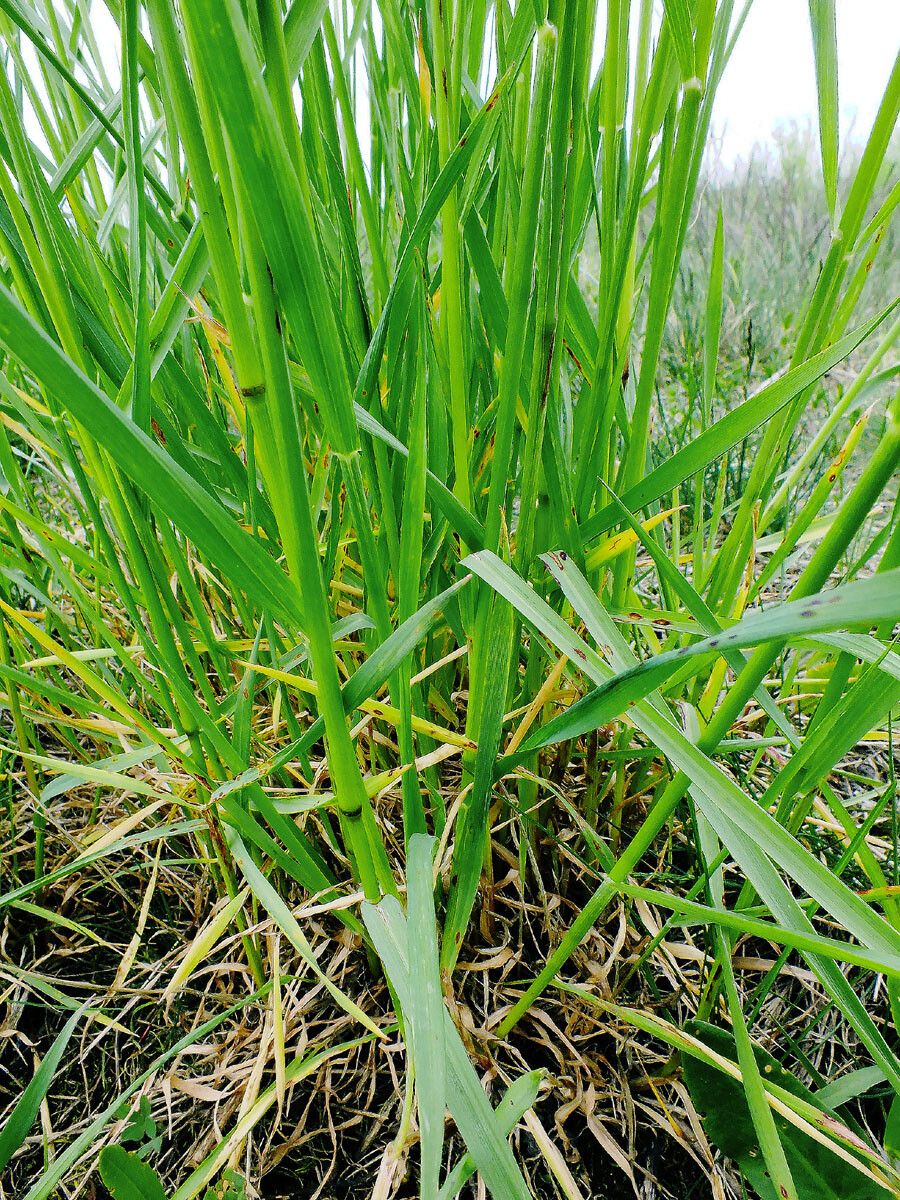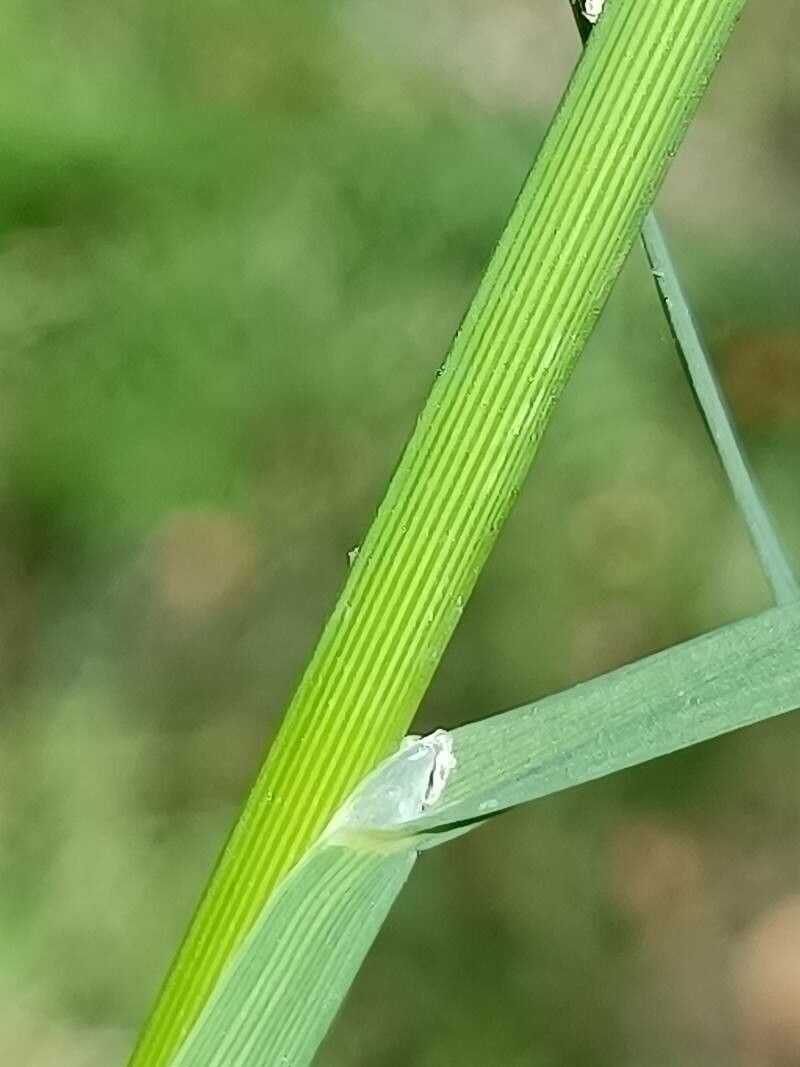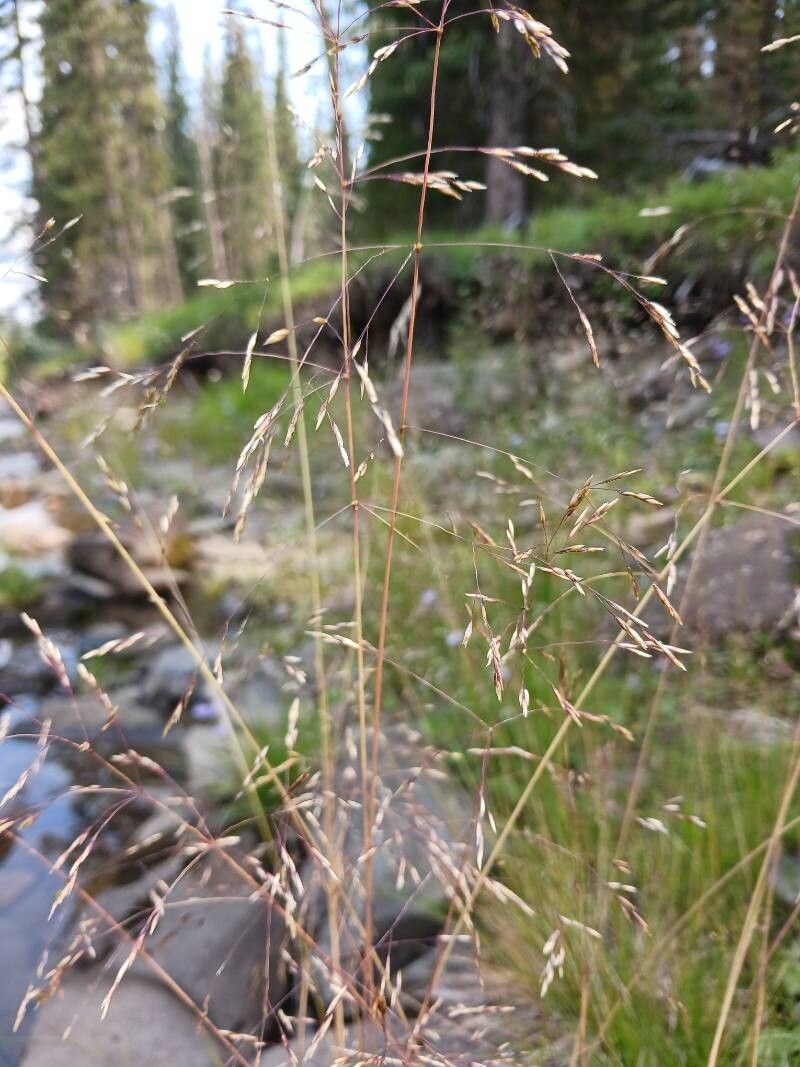
Glyceria grandis is a species of grass known by the common name American mannagrass. It is native to Canada and the United States, where it is widespread in distribution. It is most commonly found in wet areas such as riverbanks and ponds.
American manna grass has strong resistance to disease and is typically not vulnerable to illnesses. In terms of care, this plant is fairly low-maintenance. When grown outdoors it needs little watering, and larger specimens generally do not require pruning. However, smaller specimens should be pruned after they have finished blooming. American manna grass is suitable for anyone with an outdoor area, like a garden or a deck, and does not demand much gardening experience.
How to keep Glyceria Grandis.
Light
American manna grass is native to sunny habitats, such as the shallow margins of ponds and lakes. It prefers full sun, although it can also tolerate partial sun.
Temperature
American manna grass can tolerate a broad range of temperatures, though its distribution can still be limited by different combinations of moisture and heat. It performs best in warm summer conditions with sufficient rainfall or irrigation. Extended stretches of cloudy, rainy weather or prolonged high temperatures raise the chance that American manna grass will die. In winter, adequate protection from cold improves the plant’s survival rate.
Botanical profile.
- Plant Type
- Grass
- Life Cycle
- Perennial
- Genus
- Glyceria
- Family
- Poaceae
- Hardiness Zone
- 3-9
- Mature Height
- 0.91 m to 1.52 m
- Mature Spread
- 30 cm to 61 cm
- Leaf Color
- Green
- Leaf Type
- Semi-evergreen
- Flower Color
- White, Yellow, Green, Brown
- Flower Size
- 0.20 cm to 0.25 cm
- Bloom Time
- Early summer, Mid summer
- Planting Time
- Spring, Summer, Autumn
- Harvest Time
- Late summer, Early fall