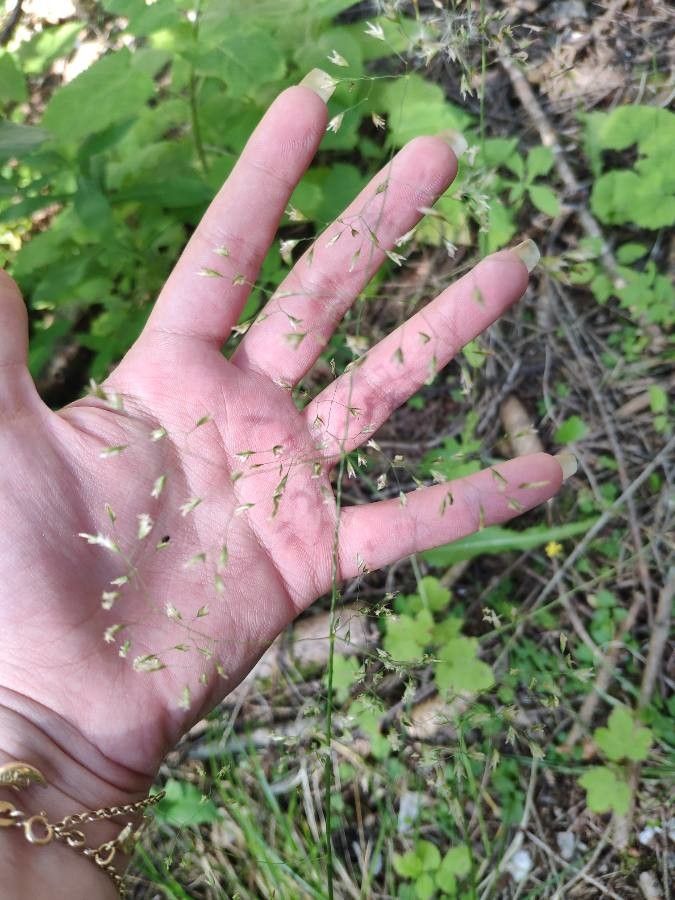
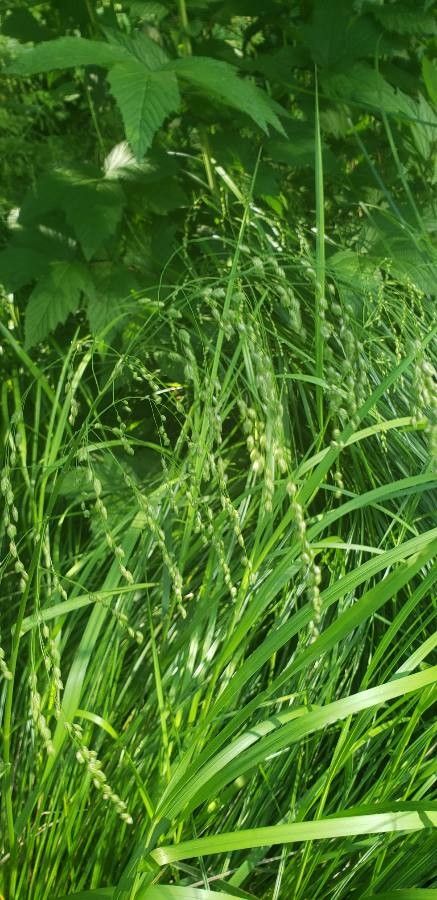
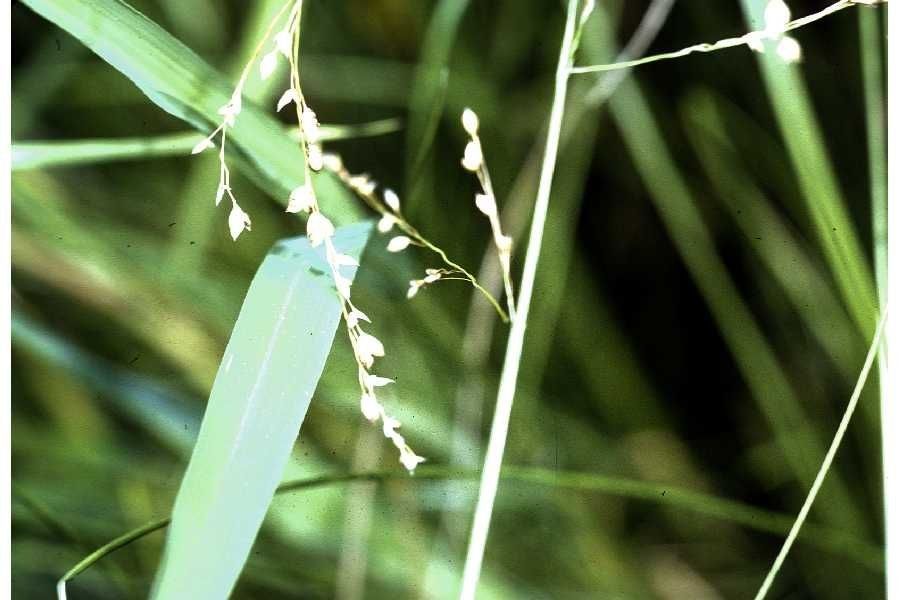
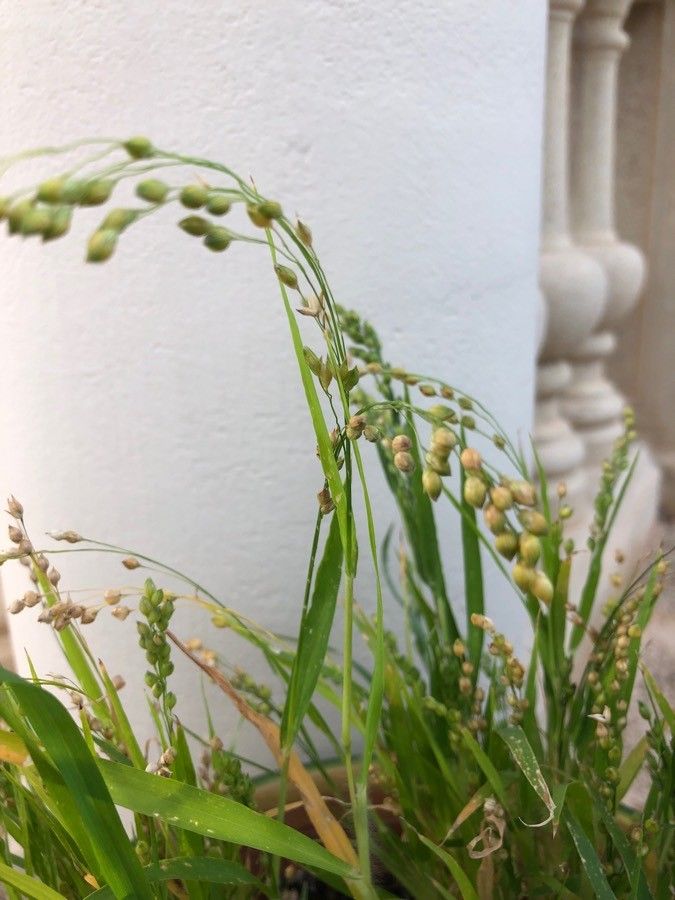
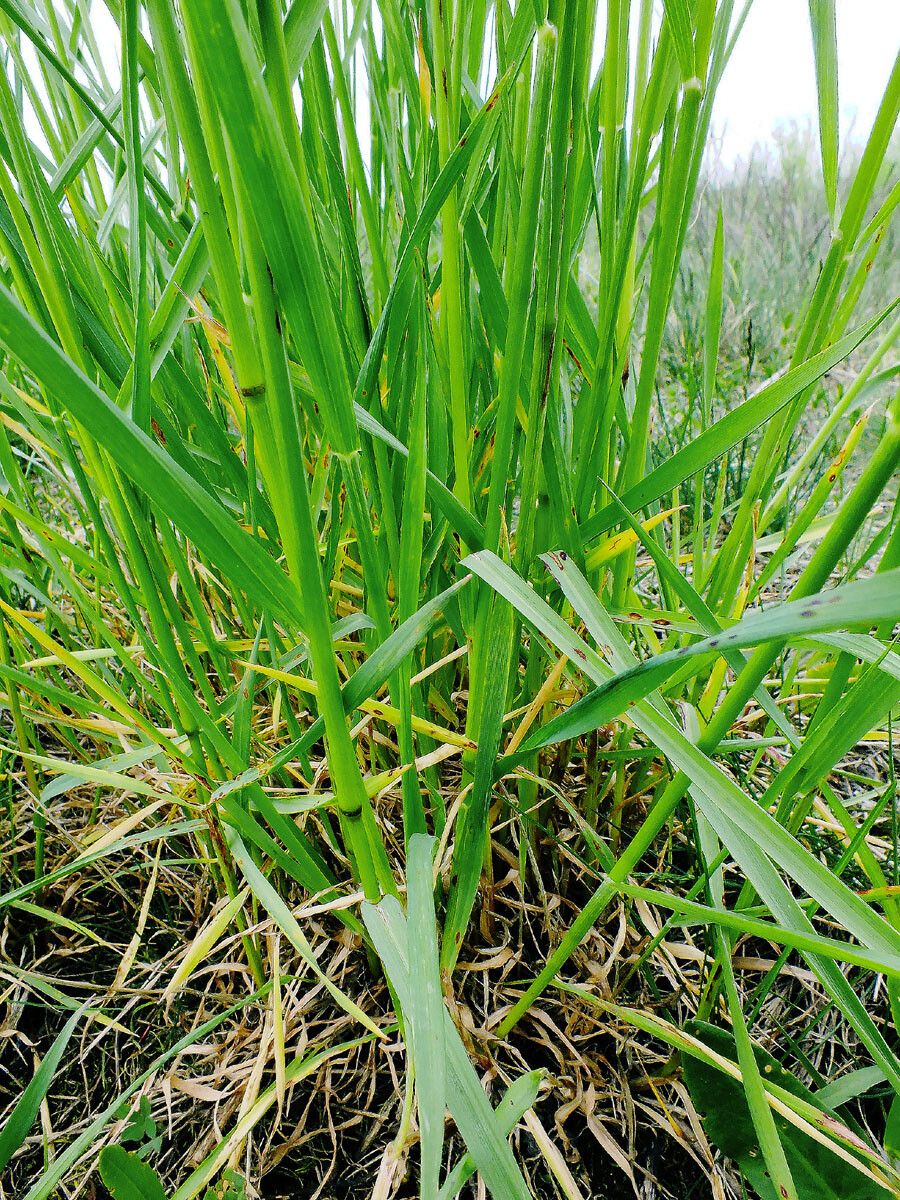
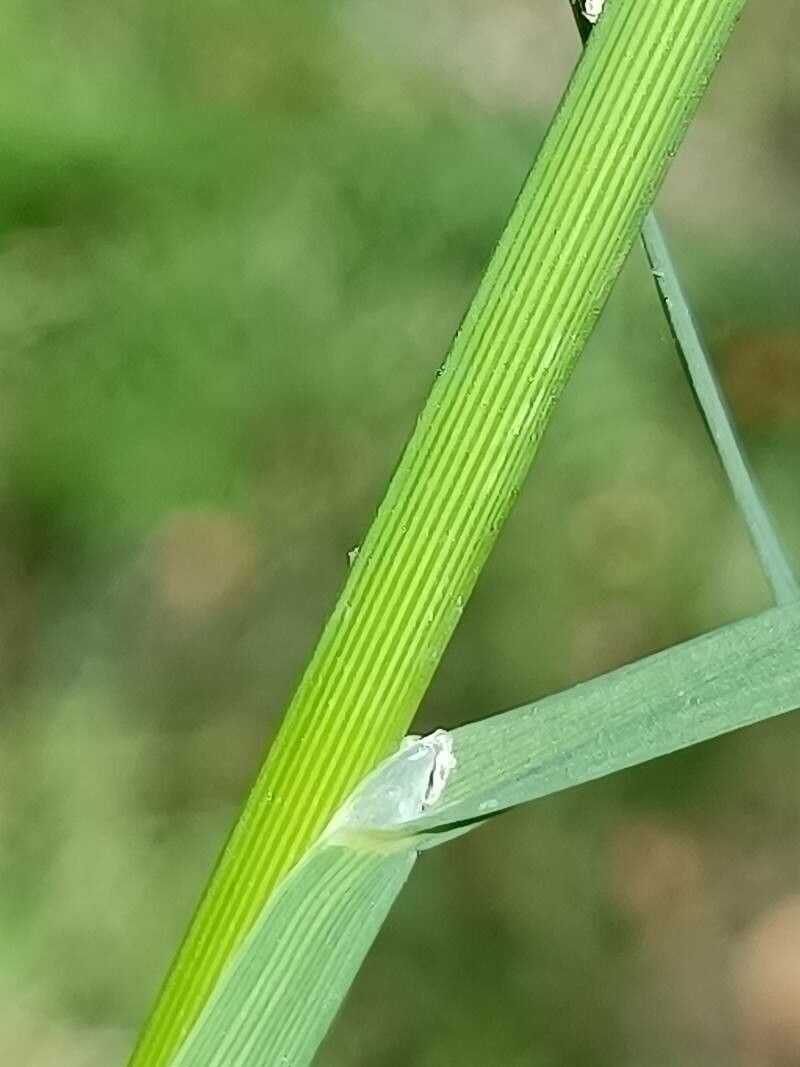
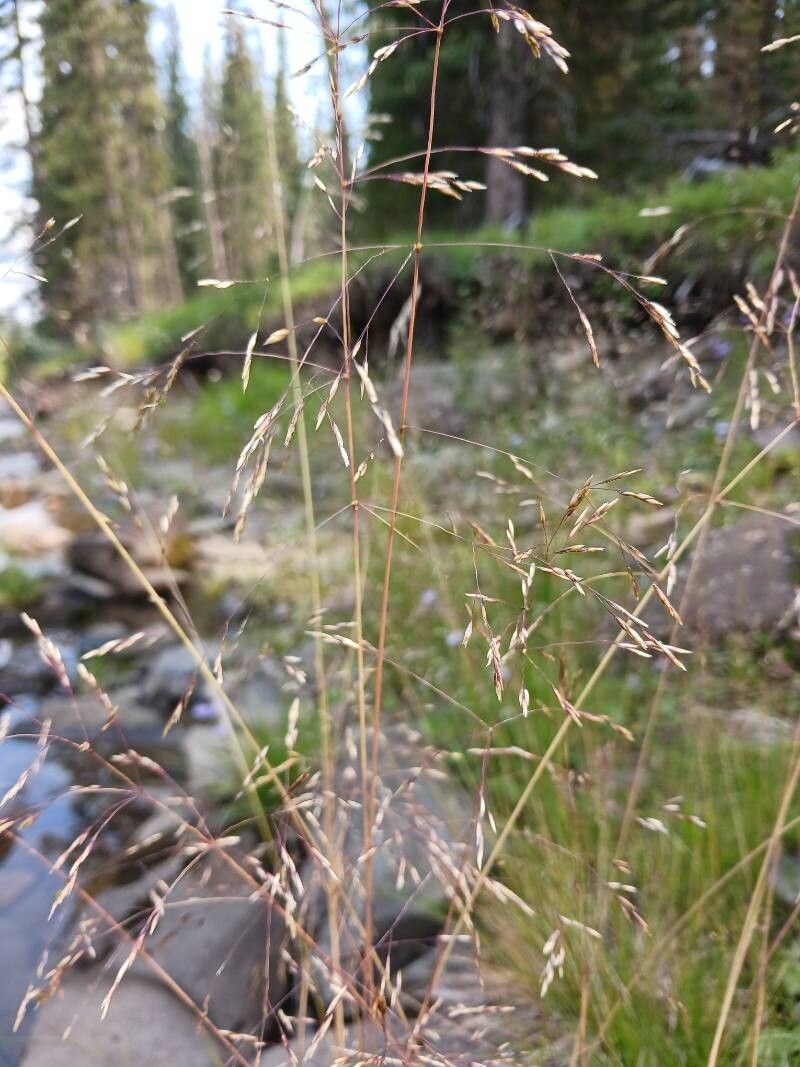
Glyceria canadensis is a species of grass in the genus Glyceria which is known by the common name rattlesnake mannagrass. It is native to North America, from British Columbia to Newfoundland and south to North Carolina. It is commonly found in wet areas.
Rattlesnake mannagrass is resistant to disease and is usually not susceptible to illnesses. As for care, the plant is fairly low-maintenance. Planted outdoors, it needs minimal watering, and larger plants generally do not require pruning. Smaller plants, however, should be pruned after they have finished flowering. Rattlesnake mannagrasst is suitable for anyone with an outdoor area, such as a garden or deck, and does not demand much plant-care experience.
How to keep Glyceria Canadensis.
Light
Rattlesnake mannagrass comes from sunny habitats, such as the shallow margins of ponds and lakes. It prefers full sun but can also tolerate partial sun.
Temperature
Rattlesnake mannagrass is native to cooler climate regions and performs best at temperatures between 32 and 95 °F (0 to 35 ℃). It is advisable to monitor seasonal temperature fluctuations to ensure continued growth.
Pruning
To encourage new growth, maintain the plant's shape, and improve air circulation, prune rattlesnake mannagrass in early spring by trimming away old foliage and the tallest stems. Regular pruning not only boosts the plant’s vigor but also helps reduce the risk of disease. Make sure to make clean cuts at the base for the most effective removal of dead growth after winter.
Botanical profile.
- Plant Type
- Grass
- Life Cycle
- Perennial
- Genus
- Glyceria
- Family
- Poaceae
- Hardiness Zone
- 3-9
- Mature Height
- 0.61 m to 1.52 m
- Mature Spread
- 30 cm to 61 cm
- Leaf Color
- Green
- Leaf Type
- Deciduous
- Flower Size
- 0.25 cm to 0.51 cm
- Bloom Time
- Early summer, Mid summer
- Planting Time
- Spring, Summer, Autumn
- Harvest Time
- Late summer, Early fall
Other names.
Reader questions.
What is the native climate for Rattlesnake mannagrass?
Rattlesnake mannagrass, scientifically known as Glyceria canadensis, is native to the colder climate regions. It thrives best within a temperature range of 32 to 95 °F (0 to 35 °C). The plant exhibits strong cold resistance, allowing it to grow without special frost protection in most winter conditions. However, to ensure sustained growth, it's recommended to monitor seasonal temperature changes.
How should Rattlesnake mannagrass be protected in extreme winter conditions?
Although Rattlesnake mannagrass has strong cold resistance, in extreme winter conditions where temperatures are expected to drop below -35°C, it is crucial to provide cold protection. This can be accomplished by covering the plant with insulating materials such as soil or straw. Additionally, watering the plant abundantly before the first freeze in autumn is advised to keep the soil moist and prevent drought and water scarcity during winter and early spring.
What are the signs of Rattlesnake mannagrass being affected by low temperatures?
Rattlesnake mannagrass is inherently cold-tolerant, ideally kept above 0°C during winter. However, when temperatures fall below -35°C, there may not be any noticeable changes immediately, but a decrease in sprouting, or in some cases, no sprouting may occur in the spring. To address this, removing parts that have failed to sprout in the spring is recommended.
What symptoms indicate Rattlesnake mannagrass is suffering from high temperatures?
In high temperatures, especially above 35°C, Rattlesnake mannagrass may show several symptoms indicating stress. These include leaves becoming lighter in color, prone to curling, and susceptible to sunburn. In severe cases, the plant may wilt and become dry. To combat these issues, trim away sunburned and dried parts, move the plant to a shaded location, or use a shade cloth to mitigate direct sunlight. Ensuring the soil remains moist through morning and evening watering is also beneficial.