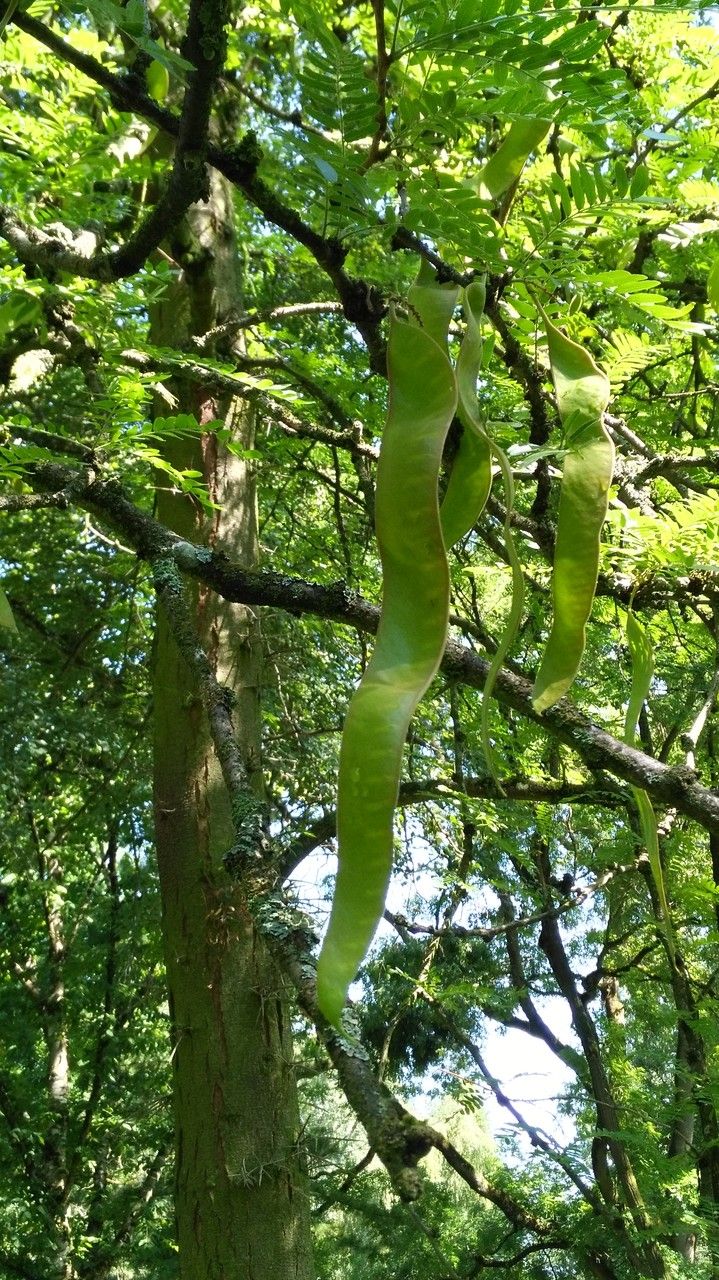
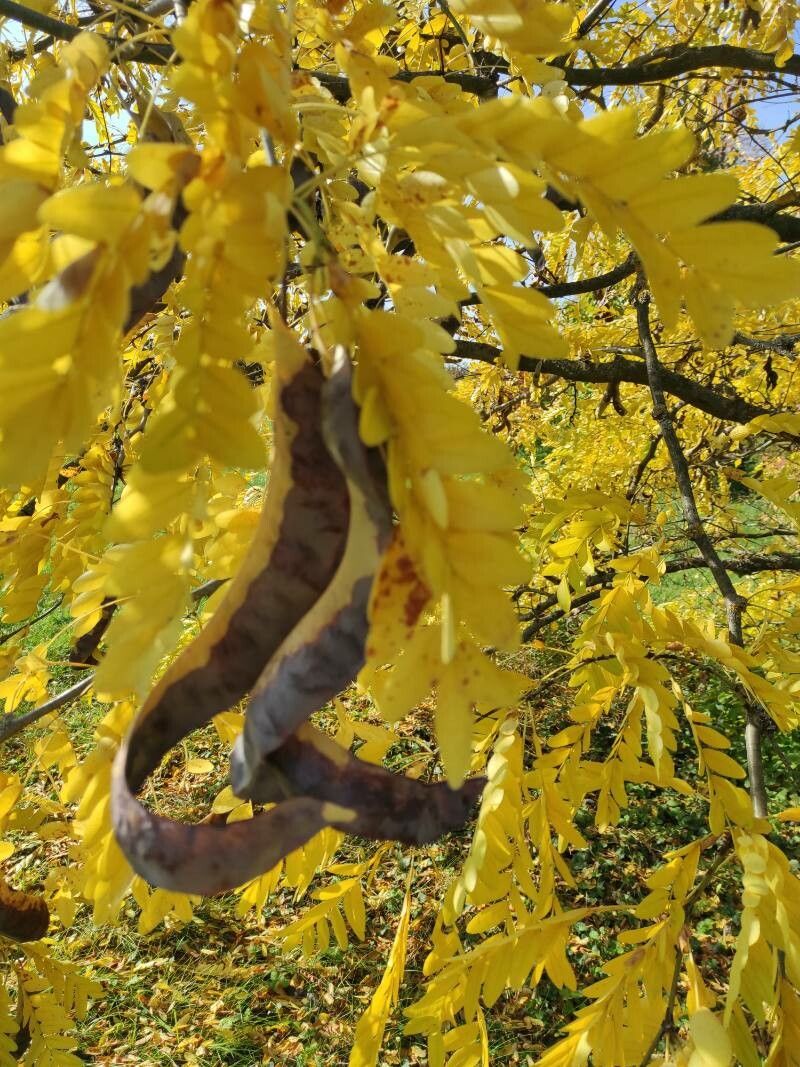
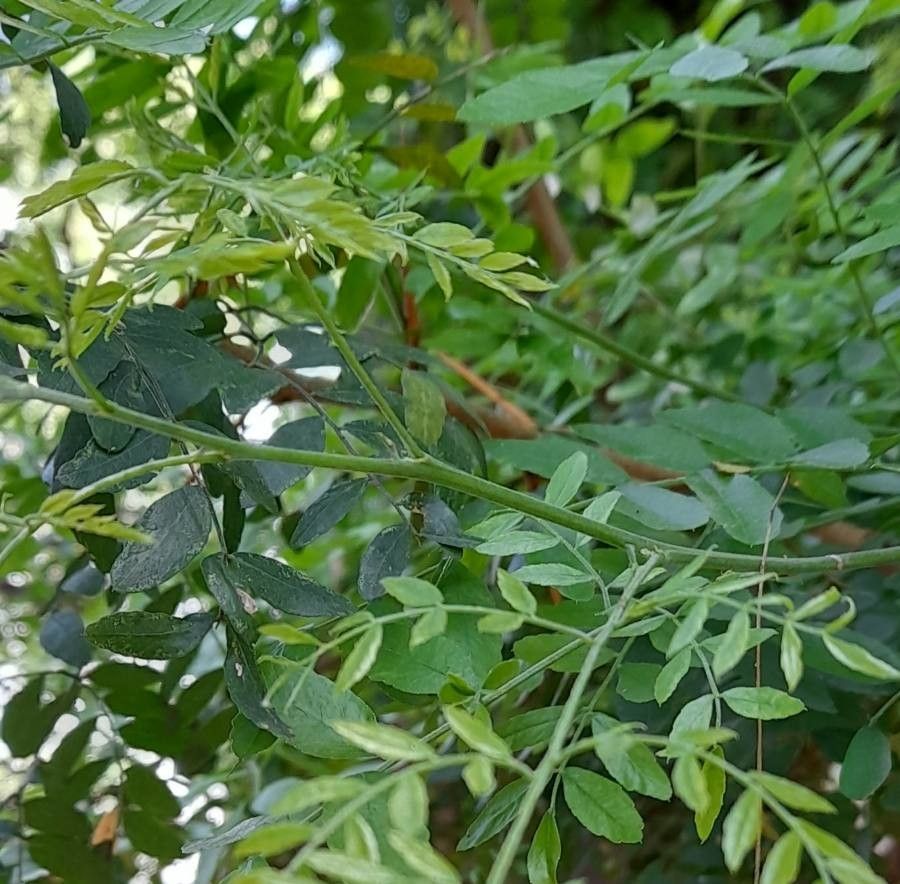
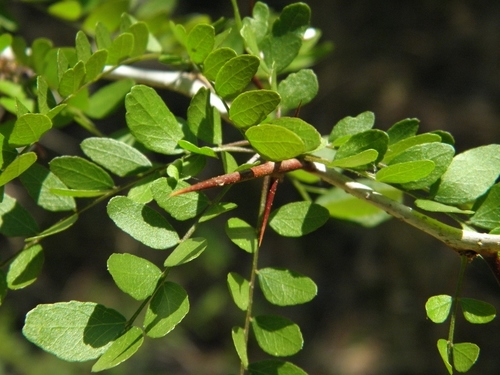
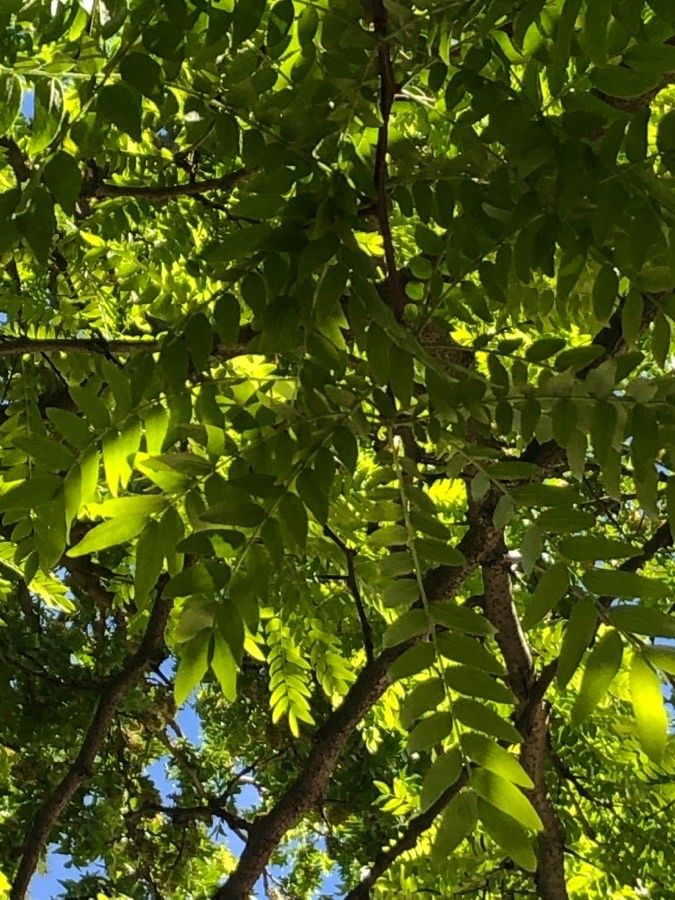
Gleditsia japonica, the Japanese locust, is a species of flowering plant in the family Fabaceae, native to the eastern Himalayas, central and southern China, Manchuria, Korea, and central and southern Japan. It is used as a street tree in a number of cities in China and Europe.
The Japanese honey locust has strong resistance to disease and is generally not susceptible to illnesses. In terms of care, this plant is fairly low-maintenance. When grown outdoors it needs little watering, and larger specimens typically do not require pruning. Smaller plants, however, should be pruned after they finish blooming. The Japanese honey locust is suitable for anyone with an outdoor area, such as a garden or deck, and does not demand extensive gardening experience.
How to keep Gleditsia Japonica.
Light
The Japanese honey locust comes from open habitats, like sunlit meadows and forest margins, that provide abundant light. It does best in Full Sun but can also withstand Partial Sun, adapting well to a range of sunlight conditions.
Water
The Japanese honey locust thrives in moist environments and requires consistent watering, ideally about twice a week. While it is resilient to short periods of dryness, it is best suited for outdoor cultivation, where it can take advantage of natural rainfall. During the dormant period in cooler months, its need for water decreases.
Temperature
The Japanese honey locust is highly adaptable to a variety of climate conditions, from blazing summers to cold winters. Nevertheless, it has a preferred temperature range for optimal growth. If temperatures become too high, the plant is vulnerable to heat and humidity stress that can cause it to die. In areas where temperatures approach the lower limit of its cold tolerance, providing insulation to protect the plant is important.
Fertilizer
Fertilize your Japanese honey locust in early spring to encourage healthy growth. Regular feeding boosts overall health, producing vigorous growth, better tolerance of harsh conditions, and increased resistance to diseases and pests. Keep to a regular fertilization schedule for your Japanese honey locust to preserve vibrant, deep-colored foliage and a lush appearance.
Pruning
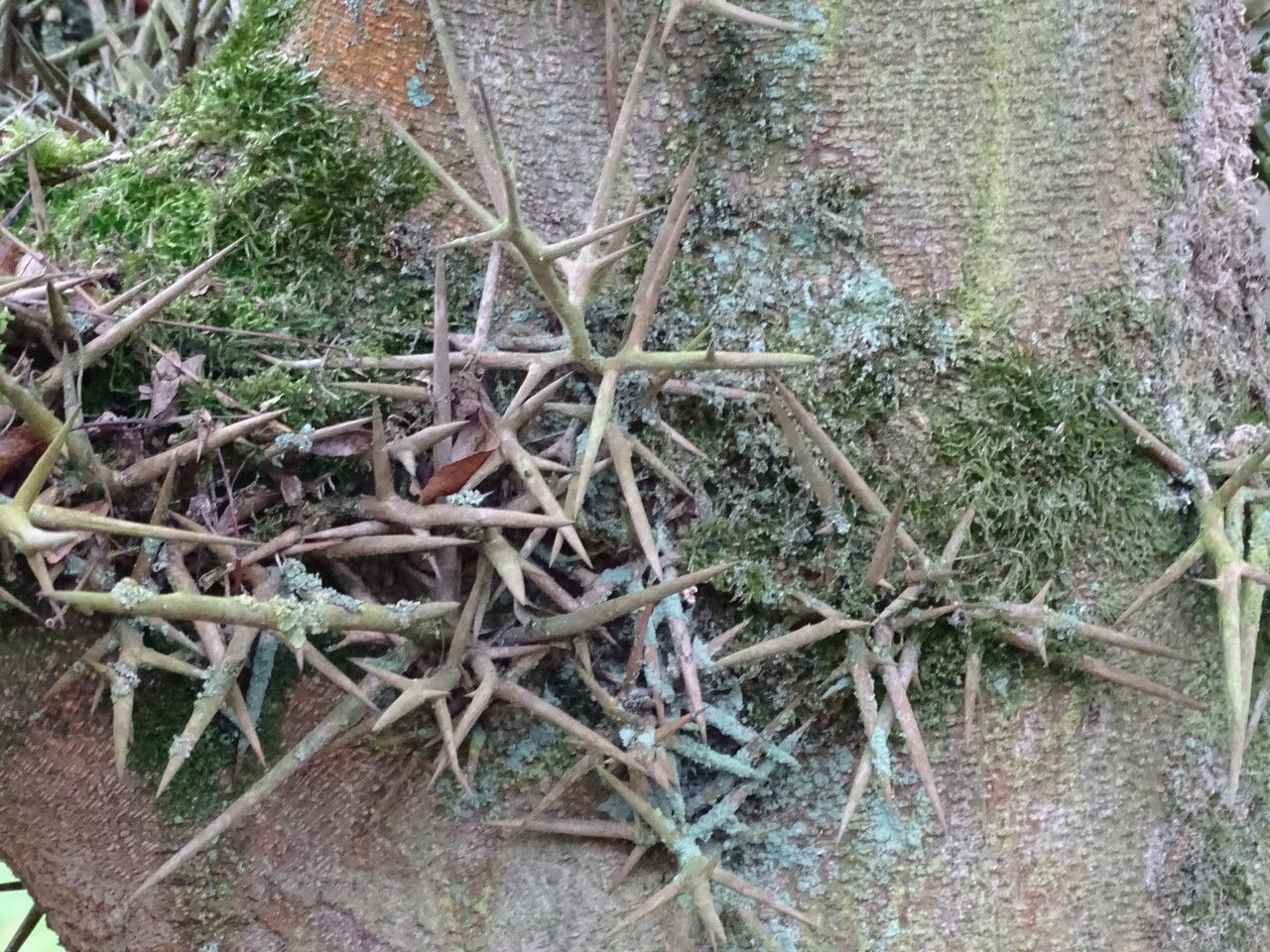
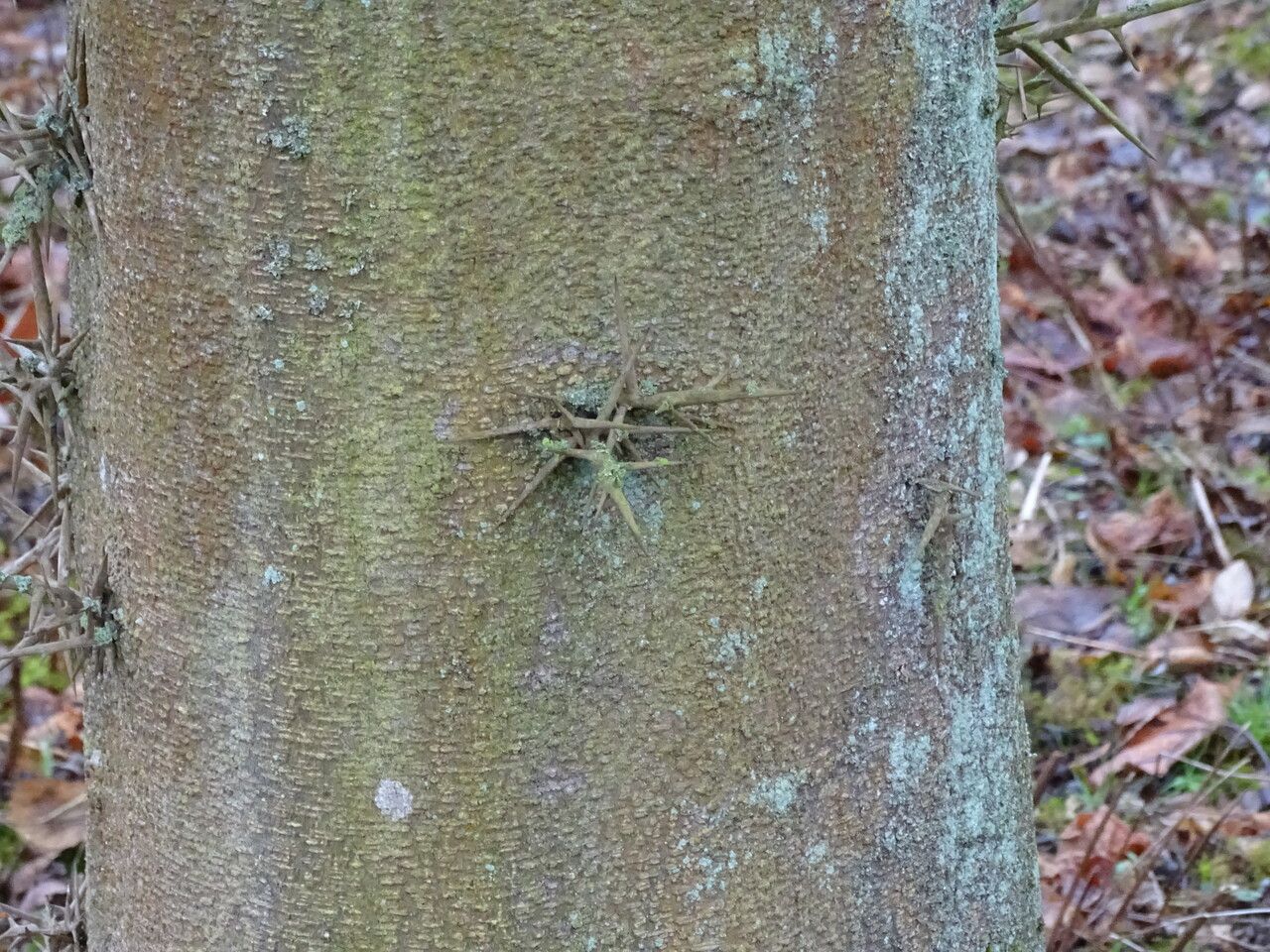
The Japanese honey locust is a deciduous tree known for its thorny branches and attractive foliage. To maintain its shape, remove dead branches, and improve air circulation, it is best to prune in early spring. However, avoid excessive pruning to minimize stress on the tree. Regular care ensures healthy growth and enhances its ornamental appeal. For tailored advice, consult local horticultural guidelines.
Botanical profile.
- Plant Type
- Tree
- Life Cycle
- Perennial
- Genus
- Gleditsia
- Family
- Fabaceae
- Hardiness Zone
- 5-9
- Mature Height
- 20.12 m
- Mature Spread
- 11.89 m
- Leaf Color
- Green
- Leaf Type
- Deciduous
- Flower Color
- Yellow
- Flower Size
- 5.08 cm to 20.32 cm
- Bloom Time
- Late spring, Early summer
- Planting Time
- Spring, Summer, Autumn
- Harvest Time
- Late summer, Early fall, Mid fall
- Native Area
- Koppen, Japan, South Korea, China
Other names.
Reader questions.
What are the sunlight requirements for a Japanese honey locust (Gleditsia japonica)?
The Japanese honey locust (Gleditsia japonica) thrives under specific sunlight conditions to ensure its happiness and growth. It requires full sun, which is defined as receiving more than 6 hours of direct sunlight daily, for optimal growth. However, it can also tolerate partial sun, meaning it can grow in areas that receive about 3-6 hours of sunlight each day. It's essential to observe how sunlight moves through your garden throughout the day to select the best spots that offer a good balance of light and shade suitable for your Japanese honey locust.
What is the Japanese honey locust?
The Japanese honey locust, also known by its botanical name Gleditsia japonica, is a plant species. Unfortunately, there was no information provided regarding its essentials, such as its characteristics, uses, or any additional details, nor were there details provided about its symptoms or aspects of care and maintenance.