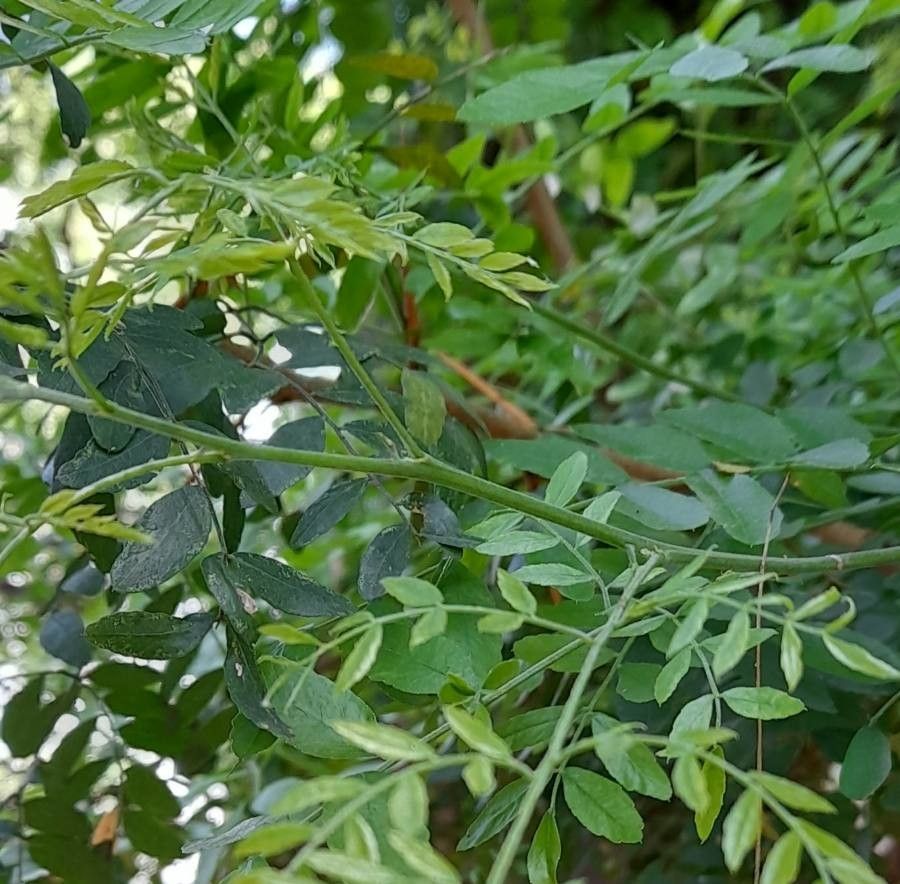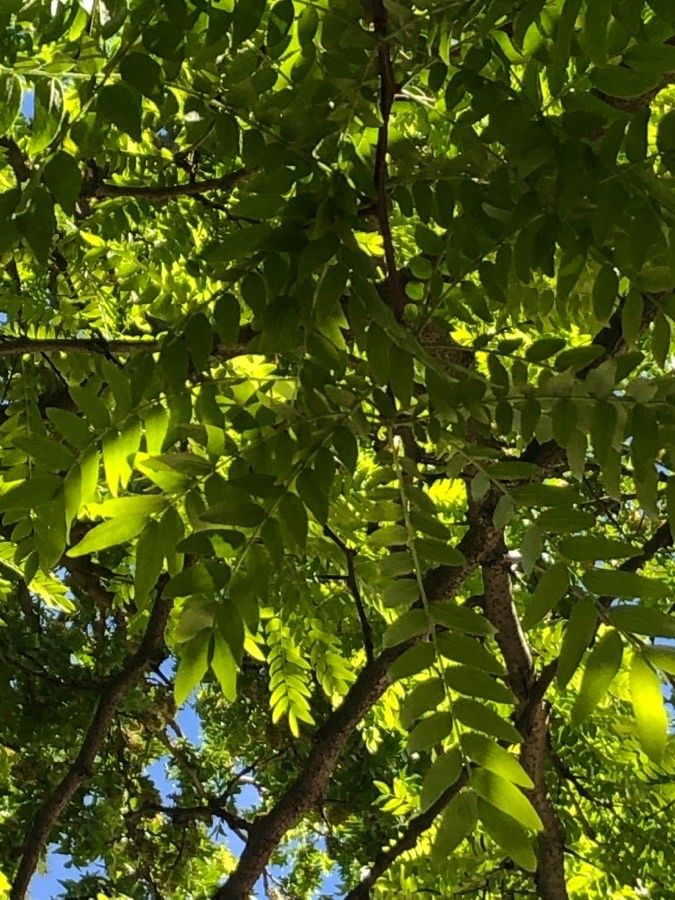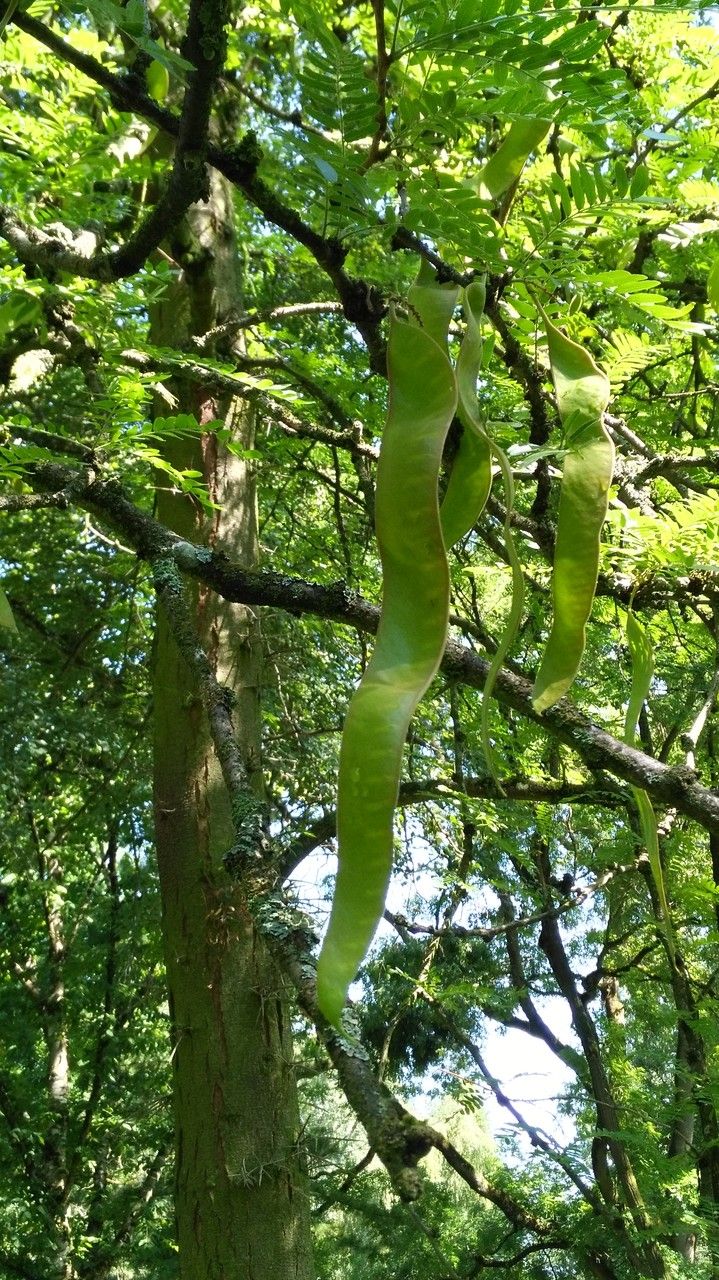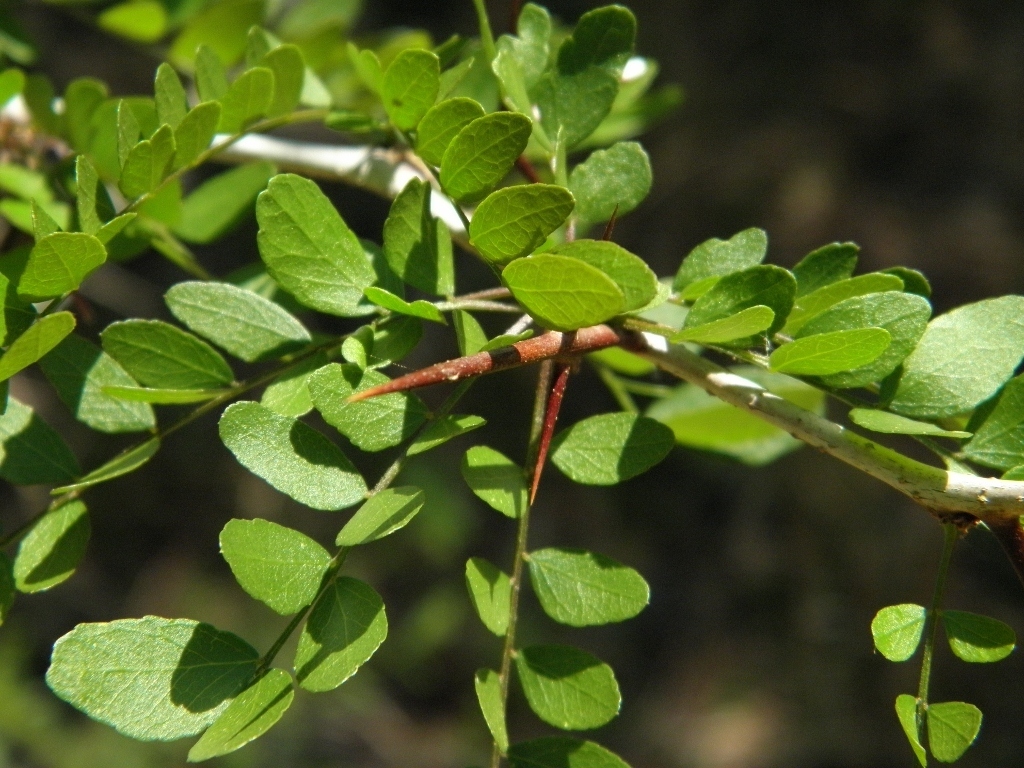
Gleditsia aquatica, commonly known as the water locust or swamp locust, is a deciduous tree species in the Fabaceae family. Native to the southeastern United States, it thrives in wetlands, swamps, and along riverbanks. The tree can reach heights of up to 30 meters and has a trunk diameter of up to 1 meter.
The leaves of Gleditsia aquatica are pinnately compound and comprise 8-14 oblong leaflets, each about 5-10 cm long. The tree’s bark is grayish-brown, featuring deep furrows and ridges.
Small, greenish-yellow flowers appear in clusters during late spring or early summer. The fruit of this plant is a flat pod, measuring about 15-30 cm long, and contains several seeds.
Gleditsia aquatica has multiple uses, including as an ornamental plant due to its attractive foliage, and for erosion control along riverbanks, thanks to its deep root system that helps stabilize soil. Additionally, Native Americans have employed it for medicinal purposes to treat ailments such as fever and diarrhea.
Overall, Gleditsia aquatica plays an important ecological role by providing habitat for various wildlife species, such as birds, and by contributing to maintaining water quality through its ability to absorb excess nutrients from the wetlands where it naturally grows.
Water locust shows strong resistance to disease and is generally unlikely to suffer from illnesses. As for upkeep, this plant is fairly low-maintenance. Planted outdoors, it needs only light watering, and larger plants typically do not require pruning. Smaller plants, however, should be pruned after they have bloomed. Water locustt is appropriate for anyone with an outdoor area, such as a garden or deck, and does not demand much care experience.
How to keep Gleditsia Aquatica.
Light
The water locust comes from open habitats, such as sunny meadows and forest edges, which provide abundant light. It does best in full sun but can also tolerate partial sun, adapting well to a range of light conditions.
Water
Originating from wetland regions, the water locust thrives in moist environments and prefers consistent hydration, typically requiring watering twice a week. While it is moderately drought-tolerant, it performs best outdoors where it can benefit from natural rainfall and its affinity for wet soil conditions.
Temperature
Water locust adapts well to temperature, tolerating high heat and wide temperature fluctuations. In hot conditions, attention should be paid to watering and appropriate shading should be provided to prevent sunburn. However, water locust is relatively less tolerant of low temperatures; while it can endure some cold, excessively low temperatures may cause frost damage.
Fertilizer
Fertilize your Water locust in early spring to encourage healthy growth. Regular fertilization improves its overall health, producing vigorous growth, greater resilience in challenging conditions, and improved disease and pest resistance. Maintain a consistent fertilization schedule for your Water locust to keep foliage vibrant, richly colored, and lush in appearance.
Pruning
Water locust benefits from early spring pruning to remove any dead or damaged branches. This process improves air circulation and allows more sunlight to reach the plant, which helps maintain its shape, prevents disease, and promotes healthy growth. For effective pruning and quicker healing, be sure to use clean, sharp tools.
Botanical profile.
- Plant Type
- Tree, Shrub
- Life Cycle
- Perennial
- Genus
- Gleditsia
- Family
- Fabaceae
- Hardiness Zone
- 5-9
- Mature Height
- 14.94 m to 20.12 m
- Mature Spread
- 10.06 m to 14.94 m
- Leaf Color
- Light Green, Green
- Leaf Type
- Deciduous
- Flower Size
- 0.51 cm to 0.76 cm
- Bloom Time
- Mid spring, Late spring
- Planting Time
- Spring, Summer
- Harvest Time
- Late summer, Early fall, Mid fall
- Native Area
- Mexico
Other names.
Reader questions.
What are the sunlight requirements for a Water Locust (Gleditsia aquatica)?
The Water Locust (Gleditsia aquatica) thrives in various sunlight conditions, requiring either full sun or partial sun. Full sun means the plant should receive above 6 hours of sunlight daily, while partial sun refers to about 3-6 hours of sunlight each day. It's important to observe the way sunlight moves through your garden to ensure you're choosing spots that offer a balance of light and shade, which is crucial for the happiness and health of your Water Locust.
What is the name and botanical name of the plant being described?
The plant being described is called the Water locust, with its botanical name being Gleditsia aquatica.