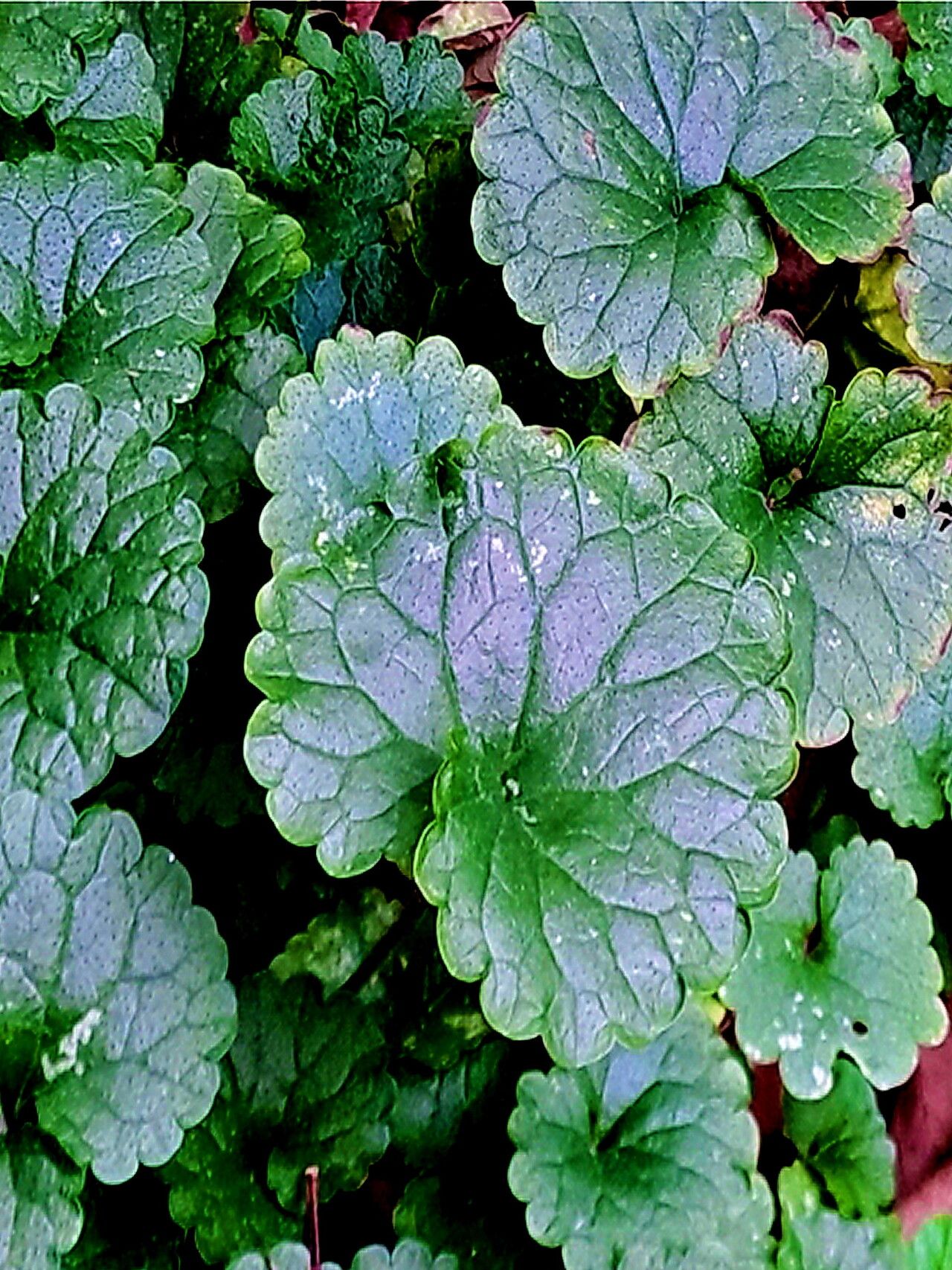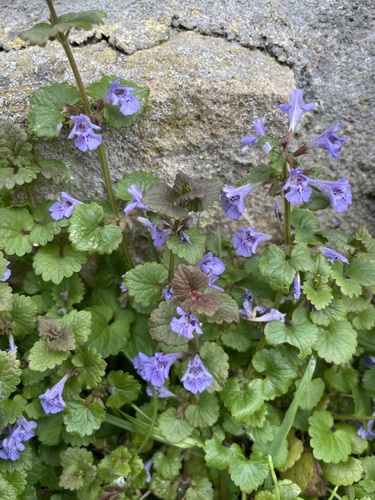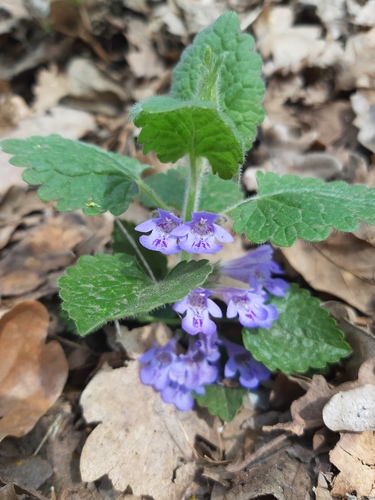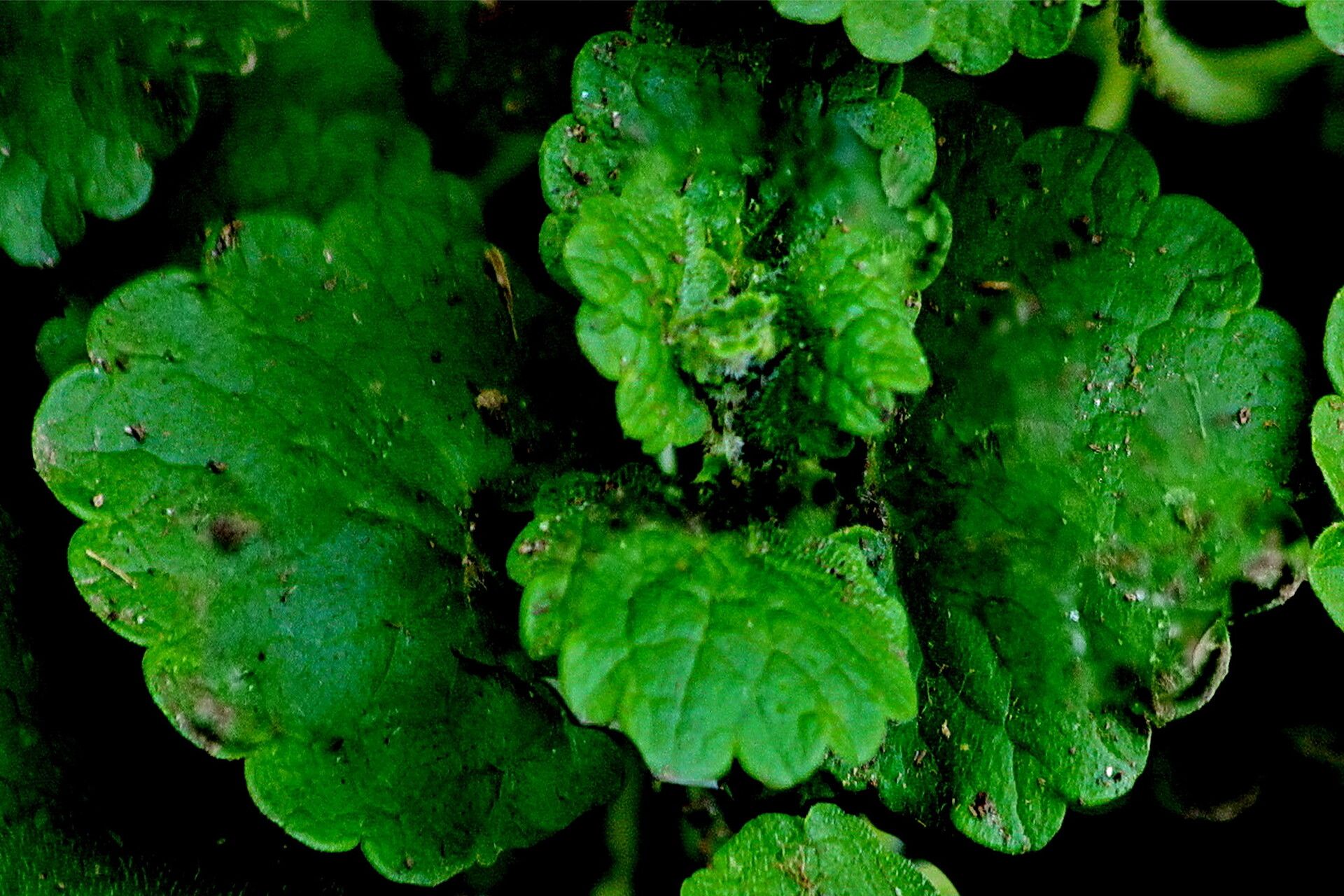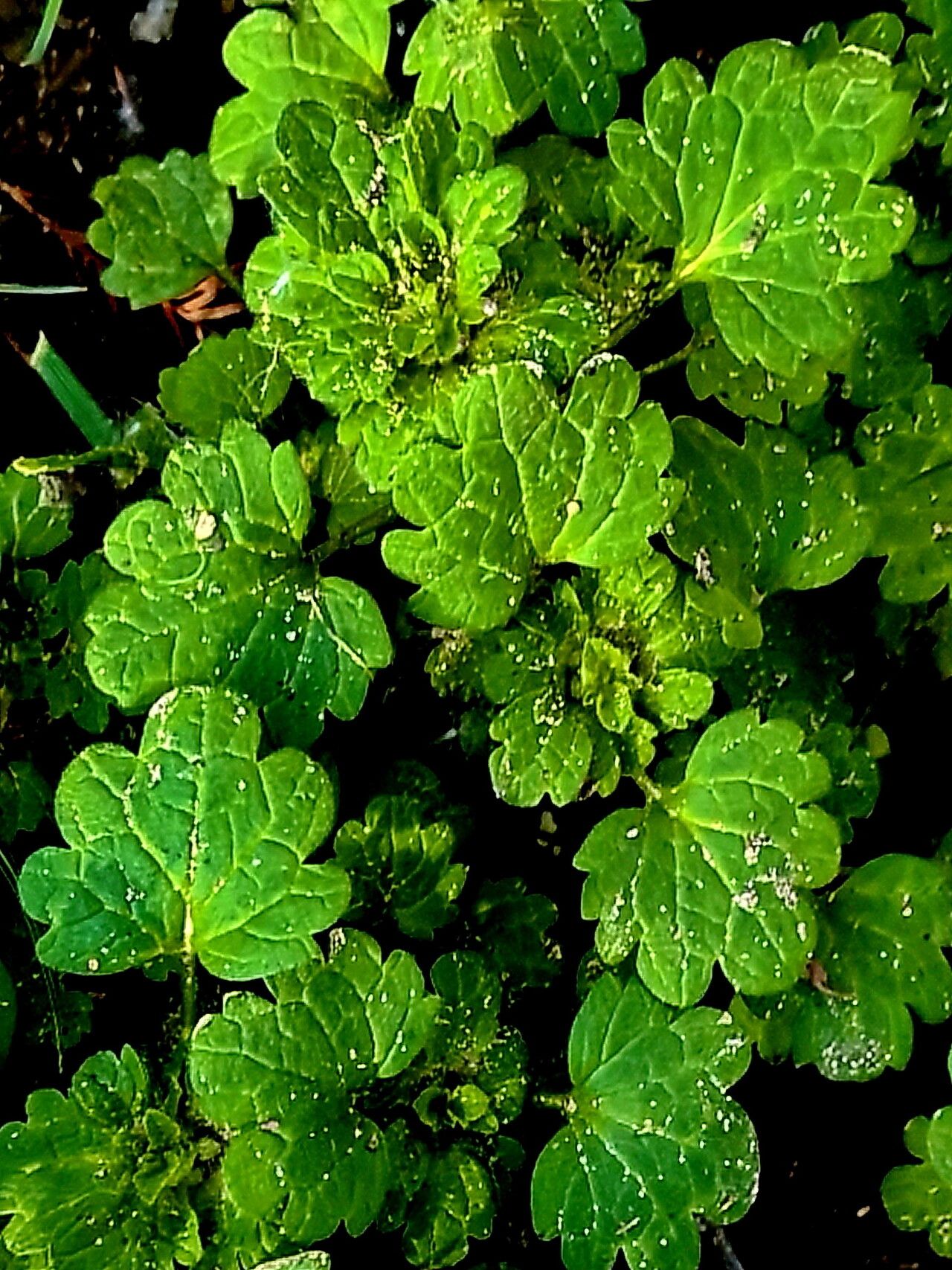
Glechoma longituba has strong disease resistance and is generally not likely to develop illnesses. Nevertheless, it can be affected by pests and diseases present in its environment. Such infections are usually mild. Regarding care, this plant has moderate maintenance needs. It should be pruned regularly to keep an attractive appearance and support healthy growth. Fertilizing can also encourage flowering. Glechoma longituba is appropriate for anyone with outdoor space, like a garden or patio, and does not require much gardening experience. It may need more attention if cultivated indoors.
How to keep Glechoma Longituba.
Light
Glechoma longituba naturally occurs in settings like forest understories and rocky terrains, where it is naturally shaded. Although it prefers partially sunny conditions, it exhibits versatility and resilience by adapting to fully sunny or fully shaded conditions.
Temperature
Glechoma longituba is native to areas with moderate climates, performing optimally in temperatures ranging from 59 to 89.6 °F (15 to 32 ℃). It may be necessary to make seasonal changes to the temperature to mimic its natural habitat conditions.
Fertilizer
The optimal period to apply fertilizer to a Glechoma longituba is during the initial days of spring, when the plant comes out of dormancy and begins to grow actively. This feeding provides crucial nutrients for its healthy development. While Glechoma longituba doesn't require a lot of fertilization, applying it annually can improve its longevity and help produce more vibrant, enduring blooms.
Botanical profile.
- Plant Type
- Herb
- Life Cycle
- Perennial
- Genus
- Glechoma
- Family
- Lamiaceae
- Hardiness Zone
- 8
- Mature Height
- 20 cm to 40 cm
- Mature Spread
- 30 cm to 61 cm
- Leaf Color
- Green, Blue
- Leaf Type
- Semi-evergreen
- Flower Color
- White, Purple
- Flower Size
- 1.52 cm to 2.03 cm
- Bloom Time
- Early spring, Mid spring
- Planting Time
- Spring, Summer, Autumn
- Harvest Time
- Late spring, Early summer
- Native Area
- Russia, Koppen, Vietnam, China