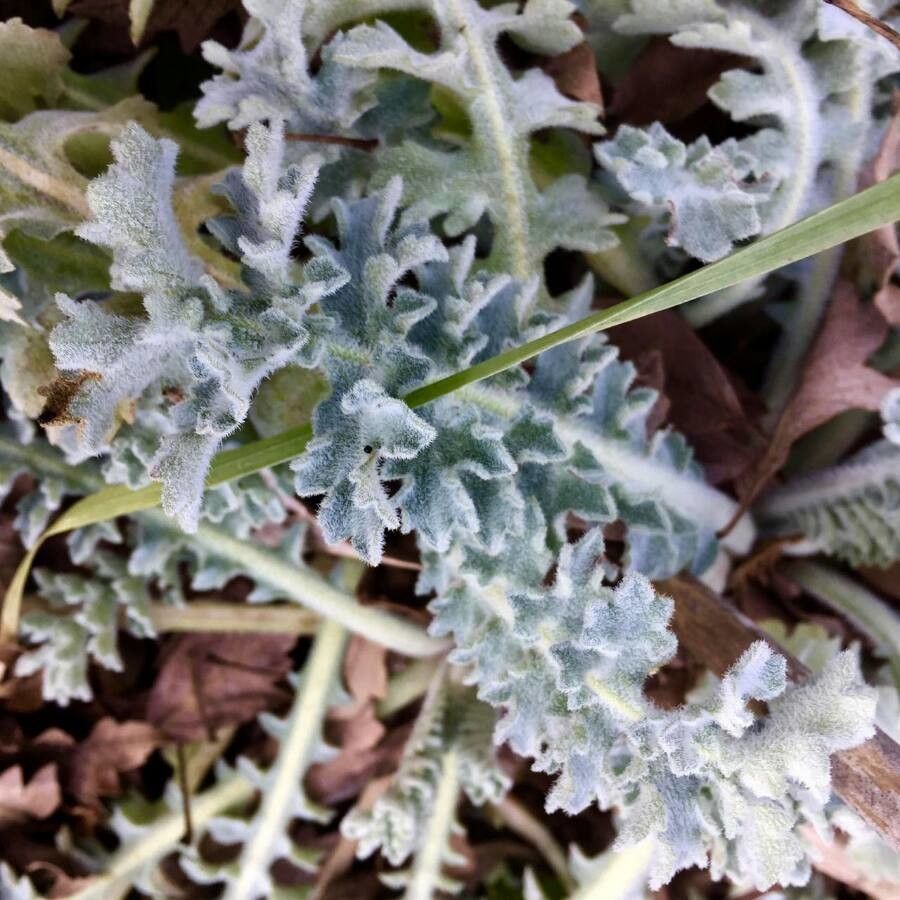
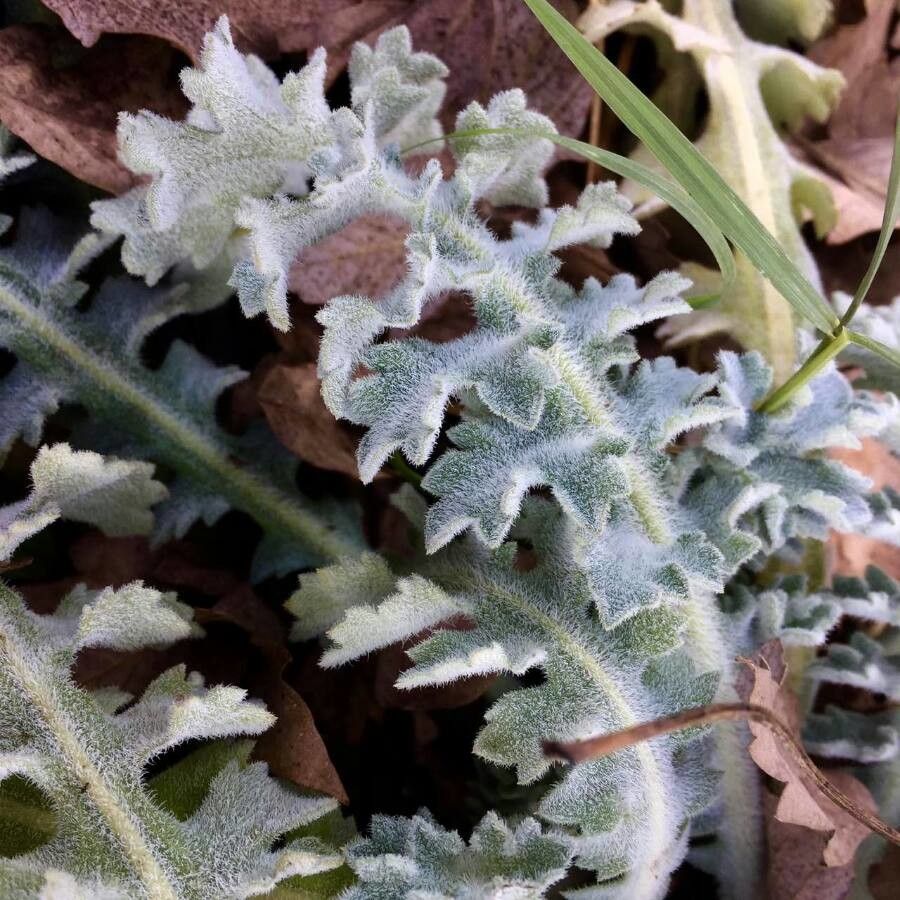
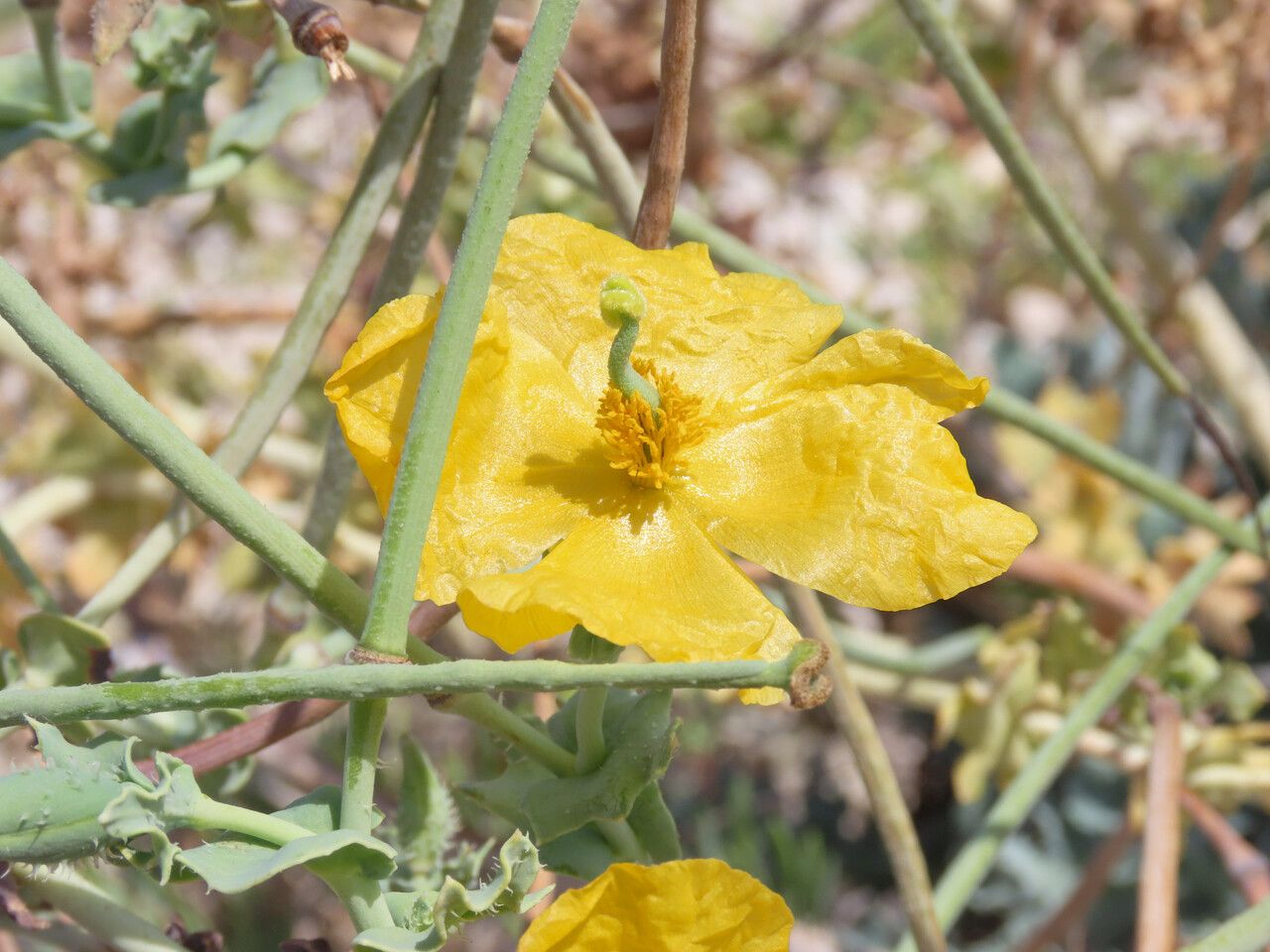
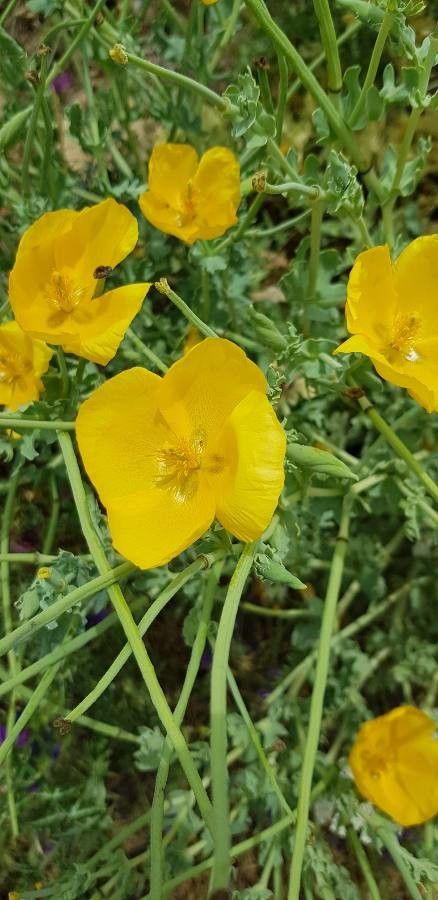
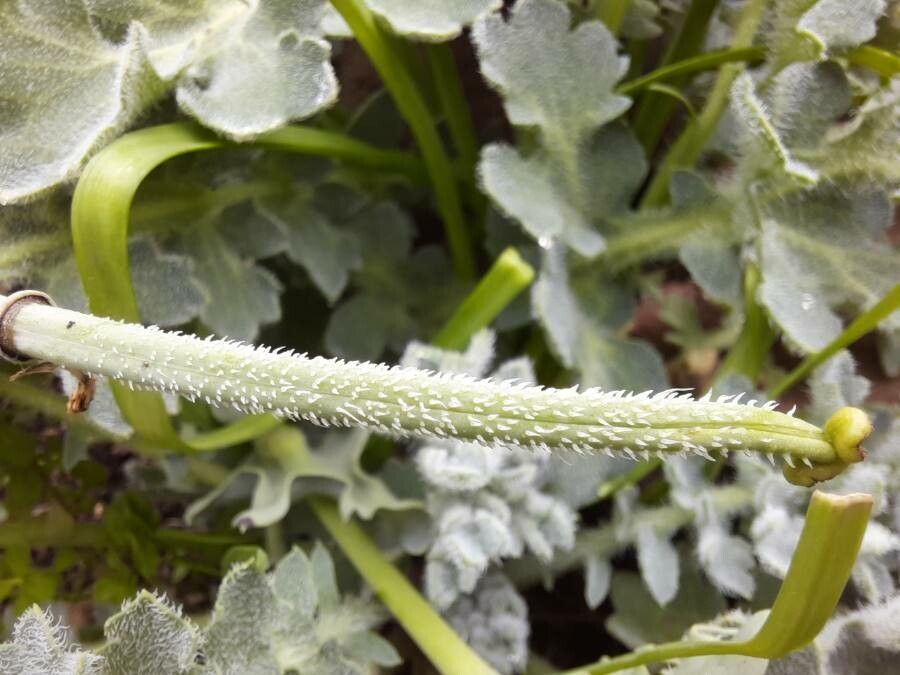
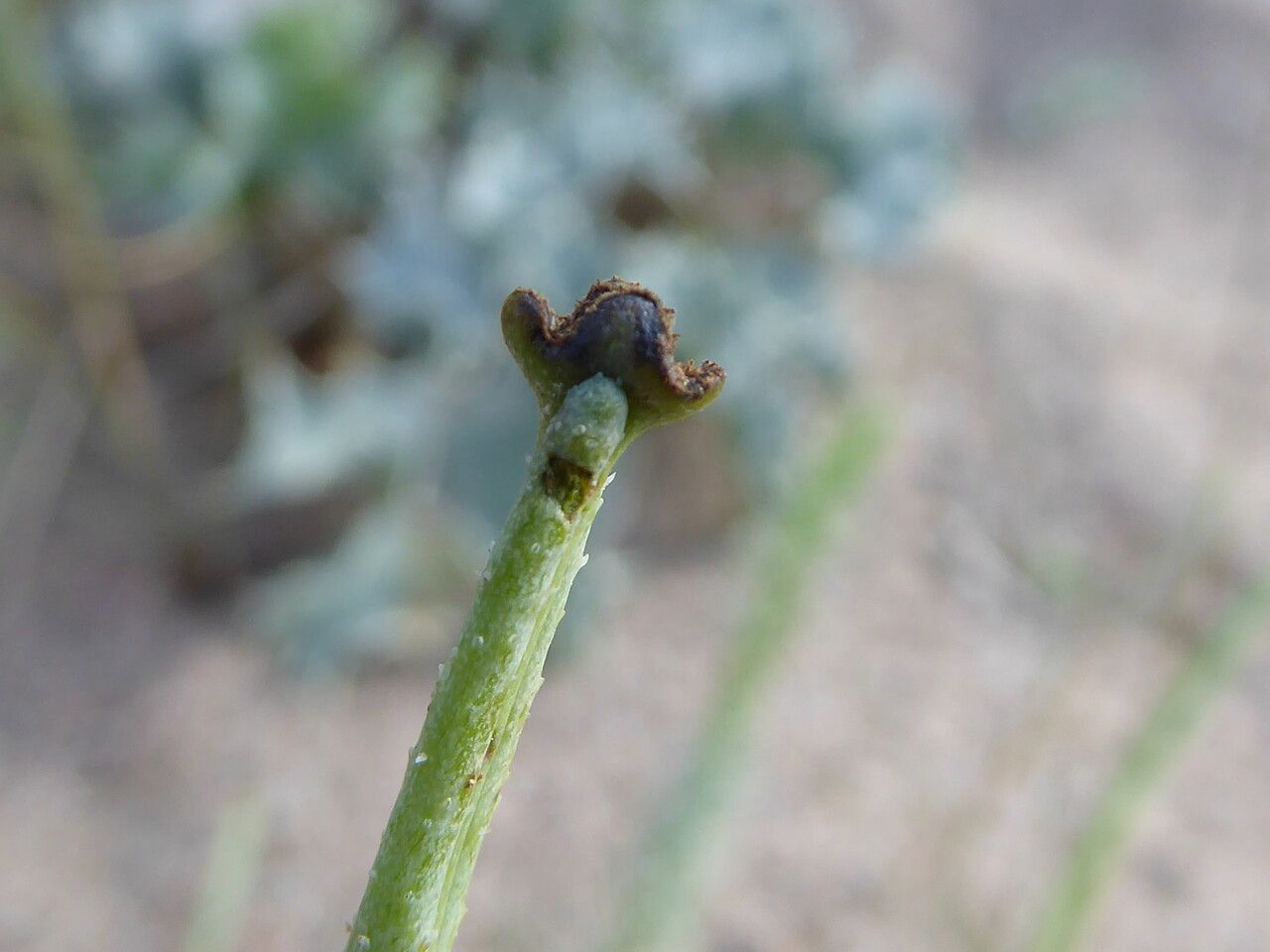
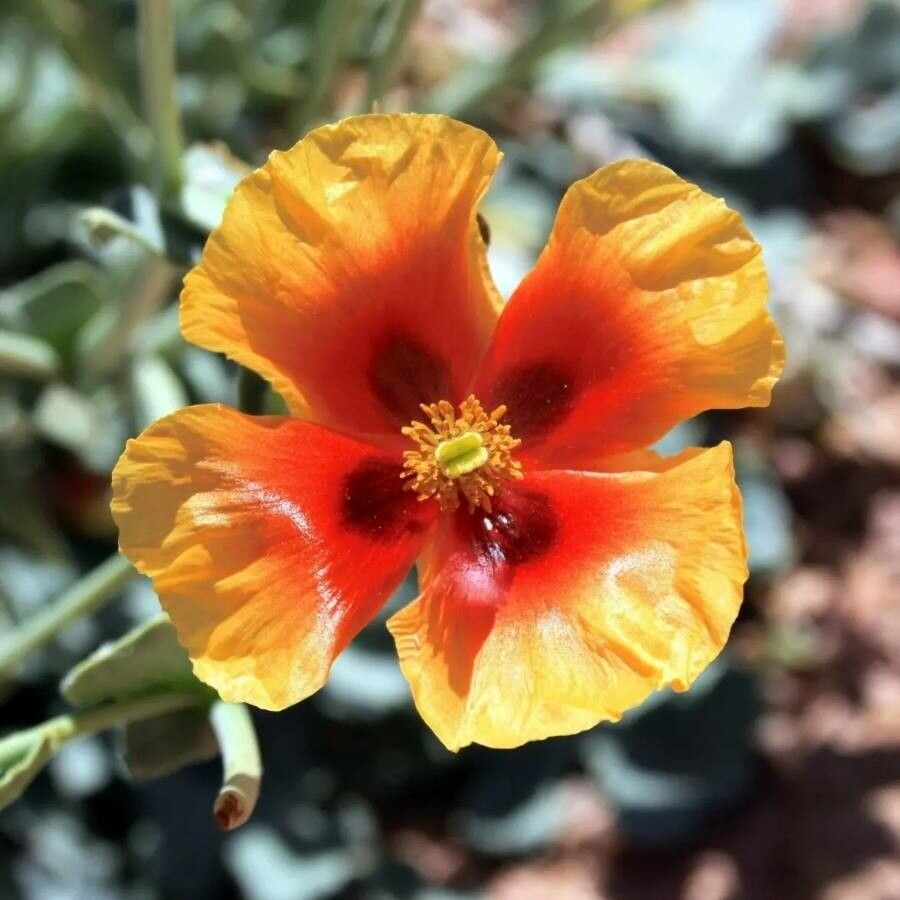
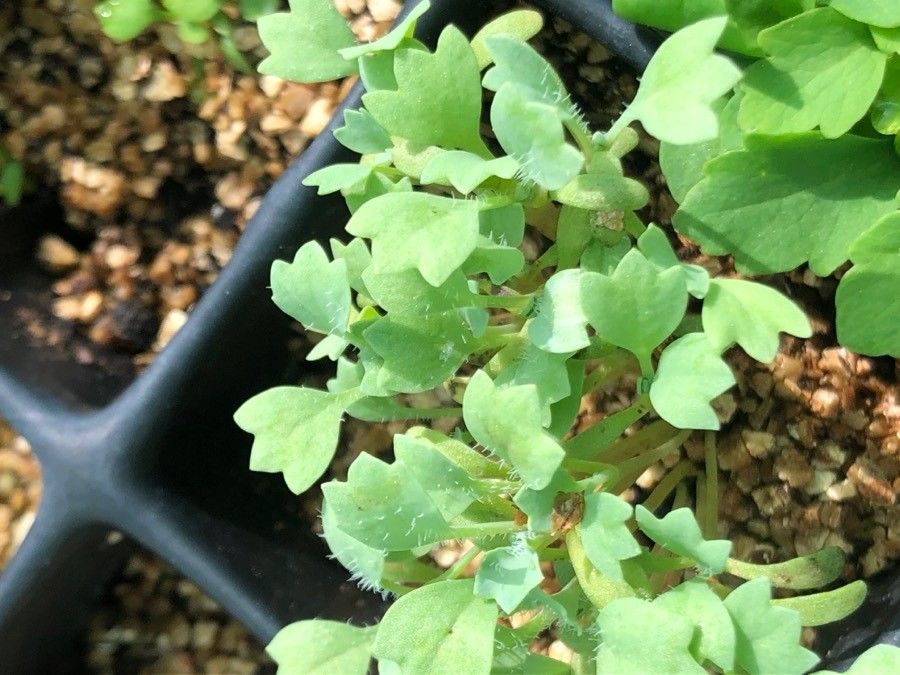
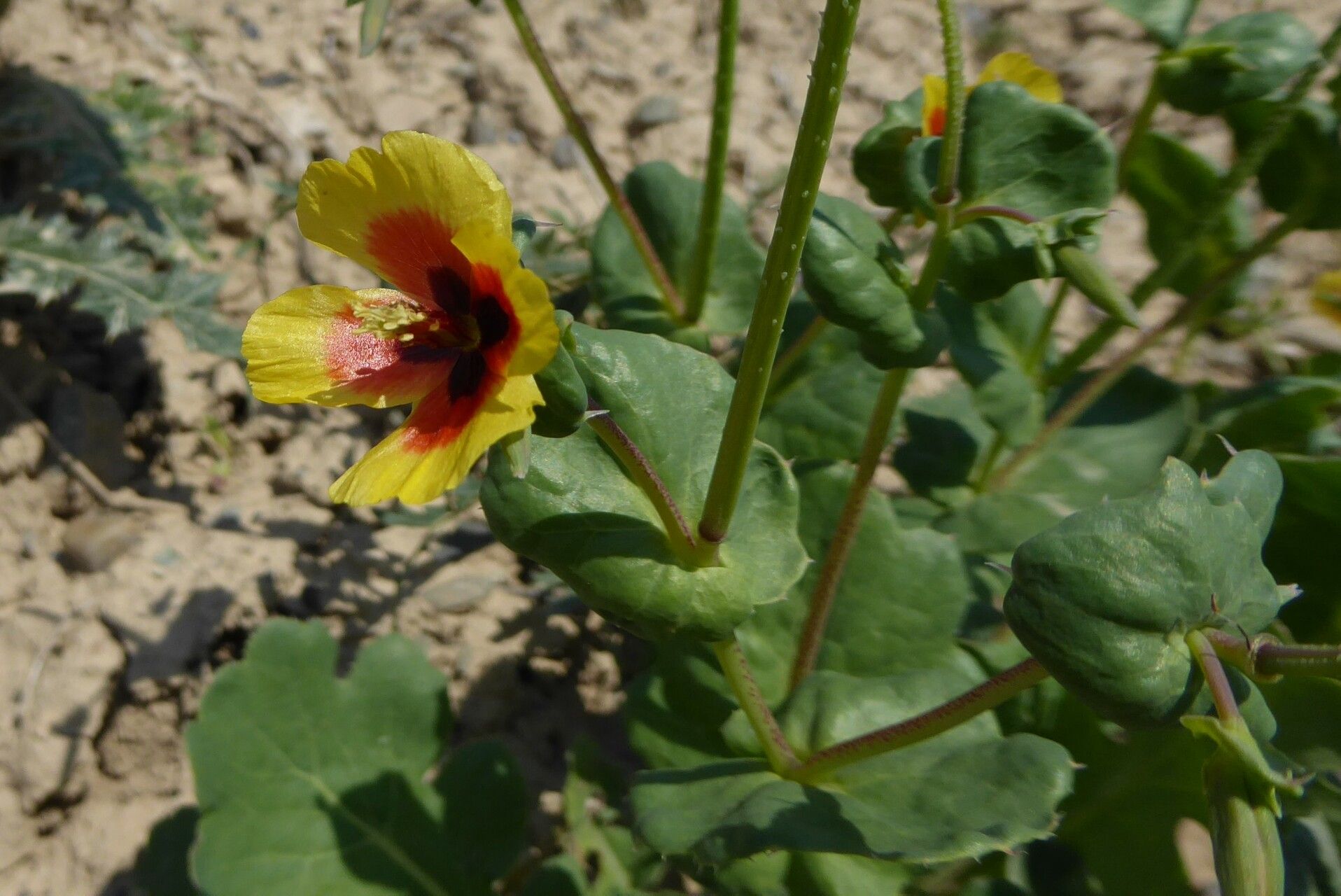
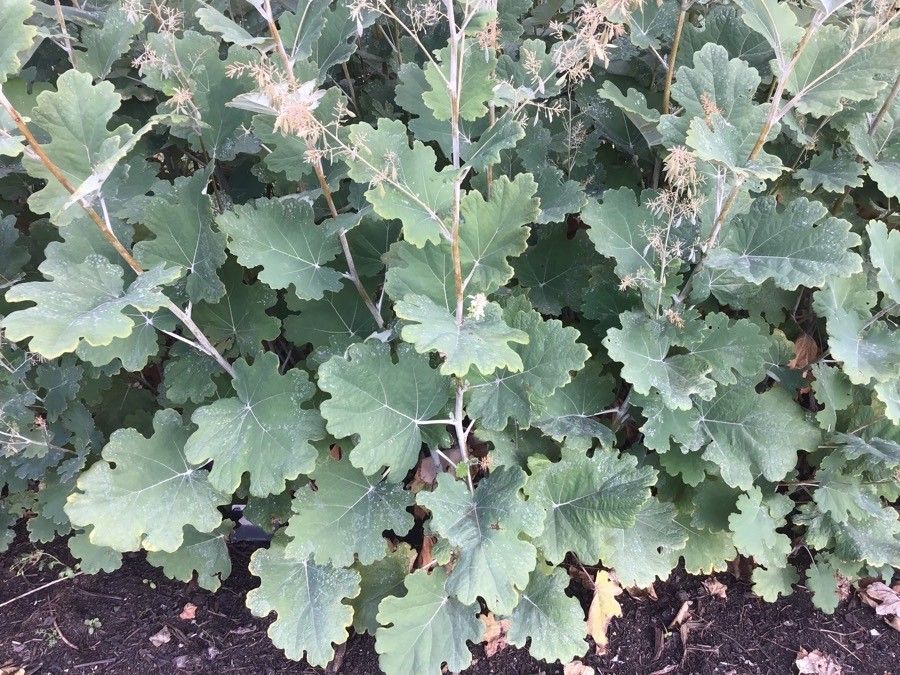
Glaucium flavum, commonly known as the yellow horned poppy, is a perennial plant in the Papaveraceae family. Native to the Mediterranean region, it thrives in diverse habitats such as rocky slopes, coastal cliffs, and disturbed areas. This plant can reach a height of up to 1 meter and is characterized by its distinctive yellow flowers and long, curved seed pods that resemble horns.
The yellow horned poppy has been used for medicinal purposes for centuries, thanks to its analgesic and sedative properties. It contains alkaloids such as glaucine, which have been employed in traditional medicine to relieve pain.
Beyond its medicinal uses, Glaucium flavum is also cultivated as an ornamental plant, prized for its attractive flowers. It requires full sun exposure and well-drained soil but can tolerate drought conditions once established.
Despite its hardiness and many benefits, Glaucium flavum should be handled with care due to the toxic nature of its alkaloids. Contact with the plant can cause skin irritation, and ingesting it in large quantities can lead to poisoning.
The yellow horned poppy is fairly disease-resistant and is generally not prone to illness. However, it can be vulnerable to pests and diseases present in its surroundings. These problems are typically mild. As for care, the plant needs moderate maintenance. It should be pruned regularly to preserve a neat appearance and support healthy growth. Applying fertilizer can also help encourage flowering. The yellow horned poppy is a good choice for anyone with outdoor space, such as a garden or patio, and does not demand extensive gardening experience. It may require extra care if grown indoors.
How to keep Glaucium Flavum.
Light
The yellow horned poppy comes from a habitat where unfiltered sunlight bathes the plant for most of the day. This exposure supports its vigorous growth. Its different growth stages do not require changes in sunlight exposure. Excessive sunlight does not harm it, while insufficient sunlight can negatively affect its health.
Water
The yellow horned poppy is a resilient plant that thrives in coastal areas, especially in sandy and saline soils. It requires minimal watering, only once every 1-2 weeks, and it prefers well-draining soil to prevent root rot. This makes it an excellent choice for xeriscaping or coastal gardens, as it is both drought-tolerant and well-suited to tidal environments.
Temperature
Yellow horned poppy originates from habitats with average temperatures of 68 to 95 °F (20 to 35 ℃). It grows best within that range, and any temperature adjustments should aim to keep it within those limits in all seasons for optimal growth.
Fertilizer
For the Yellow horned poppy, the primary time to apply fertilizer is in early spring as the flowers begin to form. The appropriate fertilizer promotes better blooms and helps the Yellow horned poppy produce lovely flowers. Fertilizing in early spring ensures excellent flowers throughout the season and supplies energy for dormant growth phases.
Botanical profile.
- Plant Type
- Herb
- Life Cycle
- Perennial, Biennial, Annual
- Genus
- Glaucium
- Family
- Papaveraceae
- Hardiness Zone
- 6-9
- Mature Height
- 91 cm
- Mature Spread
- 61 cm
- Leaf Color
- Green, Blue, Gray
- Leaf Type
- Deciduous
- Flower Color
- Yellow
- Flower Size
- 5.08 cm to 7.62 cm
- Bloom Time
- Mid spring, Late spring, Summer, Early fall
- Planting Time
- Spring, Autumn
- Harvest Time
- Summer, Fall
- Native Area
- Libya, Turkey, Slovakia, Montenegro, Croatia, Morocco, Slovenia, Russia, Germany, Romania, Belgium, Netherlands, France, Portugal, Tunisia, Bulgaria, Greece, Serbia, Lebanon, Norway, Syria, Italy, Spain, Denmark, Albania, Ireland, United Kingdom, Algeria
Other names.
Reader questions.
How should I water my Yellow horned poppy?
To properly water the Yellow horned poppy, it is recommended to use filtered water at room temperature. Tap water may contain harmful particles for the plant. Using room temperature water is important because the Yellow horned poppy originates from a warm environment and cold water can be shocking to its system. It is also advised not to water the plant from above, as it can lead to issues with the foliage. Instead, water the plant by applying filtered room temperature water directly to the soil until it is completely soaked. This method is beneficial as it provides moisture to the roots, allowing them to spread and gather necessary nutrients from the soil.
Why should I add fertilizer to my Yellow horned poppy plant?
Ensuring that the leaves of the Yellow horned poppy look great and serve their function is crucial. Fertilization is an impactful way to achieve this. Proper fertilization results in consistent color and a healthy texture of the leaves. Additionally, fertilization helps the Yellow horned poppy below the soil's surface. It aids in generating new roots and maintaining the existing ones. As a result, fertilization not only promotes immediate plant health but also enhances the plant's ability to absorb soil nutrients in the long run.
What are the sunlight requirements for the Yellow Horned Poppy?
The Yellow Horned Poppy thrives in an environment where it receives continuous sunlight for most of the day. It requires full sun, which is above 6 hours of sunlight daily, for robust growth. The different stages of its growth do not necessitate variations in sunlight exposure. While excessive sunlight doesn't harm it, a lack of sunlight can negatively affect its health. It's essential to watch the sunlight's movement through your garden to choose spots that offer a perfect balance of light and shade, ensuring the plant's happiness.
What is the ideal temperature range for growing Yellow horned poppy?
Yellow horned poppy, botanically known as Glaucium flavum, thrives best in environments where the average temperature is between 68 to 95 °F (20 to 35 °C). Maintaining this temperature range throughout all seasons is crucial for optimal growth. The plant has strong cold resistance, so special frost protection measures are usually not necessary during winter. However, in cases where winter temperatures are expected to drop below -25°C, providing cold protection by covering the plant with materials like soil or straw is important. Additionally, watering the plant abundantly before the first freeze in autumn is recommended to ensure the soil remains moist and to prevent drought and water scarcity during winter and early spring.
How often should I give water to my Yellow horned poppy?
If your Yellow horned poppy is in a pot, the most precise way to determine if it needs water is to check the soil by sticking your finger into it. If the top two to three inches of the soil feel dry, it's time to water it. If you are growing your Yellow horned poppy outdoors in the ground, you can use the same method to test the soil. Once again, if the top few inches of soil have dried out, it's time to water the plant. Normally, during the spring and early fall, watering once a week is sufficient. However, during extremely hot weather, you may need to water it twice a week or more. Nevertheless, mature and well-established Yellow horned poppies are quite resilient and can endure drought conditions.
When should I fertilize my Yellow horned poppy for the best results?
If you grow your Yellow horned poppy outdoors, you'll see new growth in early spring. This is when you should start fertilizing. Usually, one application of fertilizer is enough. But if you want to maximize growth, you can fertilize multiple times throughout the spring and early summer, about once every month to a month and a half.
How can artificial lighting benefit indoor Yellow Horned Poppy plants?
Indoor Yellow Horned Poppy plants require adequate lighting for optimal growth, especially when natural sunlight is insufficient, like in winter or in less sunny spaces. Artificial lights are a vital solution, providing a means to promote faster, healthier growth. LED lights, being popular for indoor plant lighting, can be customized to provide specific wavelengths needed by plants. Full sun plants need 30-50W/sq ft, partial sun plants need 20-30W/sq ft, and full shade plants need 10-20W/sq ft of artificial light. It's important to place the light source 12-36 inches above the plant and mimic the natural day length, usually providing 8-12 hours of light per day.
How does low temperature affect Yellow horned poppy and what are the solutions?
Yellow horned poppy is cold-tolerant and shows optimal growth when the temperature is above 20°C. It should ideally be kept above 0°C during winter. When temperatures fall below -25°C, the plant might not show noticeable changes immediately, but there may be a decrease in sprouting or even no sprouting during the following spring. In such cases, it is advised to remove any parts of the plant that have failed to sprout in spring as a solution to this issue.
How much water does my Yellow horned poppy require?
To water your Yellow horned poppy effectively, make sure the first two to three inches of soil are dry. Then, give the plant a thorough watering that fully saturates the soil. Aim to add enough water that it begins to drain out of the pot's drainage holes. If you don't see any excess water draining, you may have underwatered the plant. However, be cautious not to let water accumulate in the soil as it can harm the plant. On the other hand, if water isn't draining properly, it might indicate poorly draining soil, which is not good for the plant's health. If the plant is located outside, receiving about 1 inch of rain per week should be sufficient.
When is it a bad idea to fertilize my Yellow horned poppy?
During late fall and winter, your Yellow horned poppy goes into a dormant phase and stops growing. It's important to avoid fertilizing it during this time. In spring and summer, if you choose to fertilize, start reducing the amount as summer approaches since the growth rate of your Yellow horned poppy slows down. Generally, it's not recommended to fertilize your Yellow horned poppy during extremely hot weather or when the soil is very dry. Fertilizing in those conditions can stress the plant and cause it to die prematurely.
What are the symptoms of inadequate lighting for Yellow Horned Poppy?
Symptoms of inadequate lighting in Yellow Horned Poppy include smaller new leaves, leggy or sparse growth, faster leaf drop, slower or no new growth, and lighter-colored new leaves. Chlorosis, or the loss of leaf green color turning yellow, indicates a breakdown of chlorophyll affecting the plant's ability to photosynthesize. Sunscald, visible as pale or necrotic areas on plant tissue, damages the plant under intense sunlight. Leaf curling, wilting, and leaf scorching are also symptoms that show when the plant is exposed to extreme sunlight conditions or insufficient sunlight.
How does high temperature affect Yellow horned poppy and what are the solutions?
During summer, it is crucial to keep the temperature below 35°C for the Yellow horned poppy. Temperatures exceeding 38°C can cause the leaves to become lighter in color, prone to curling, susceptible to sunburn, and in severe cases, the entire plant may wilt and become dry. To mitigate these effects, trim away the sunburned and dried-up parts of the plant. Moving the plant to a location that provides shade during the midday and afternoon sun, or using a shade cloth to create shade, can also be beneficial. Additionally, watering the plant in the morning and evening to keep the soil moist is recommended as a solution to counter the detrimental effects of high temperatures.