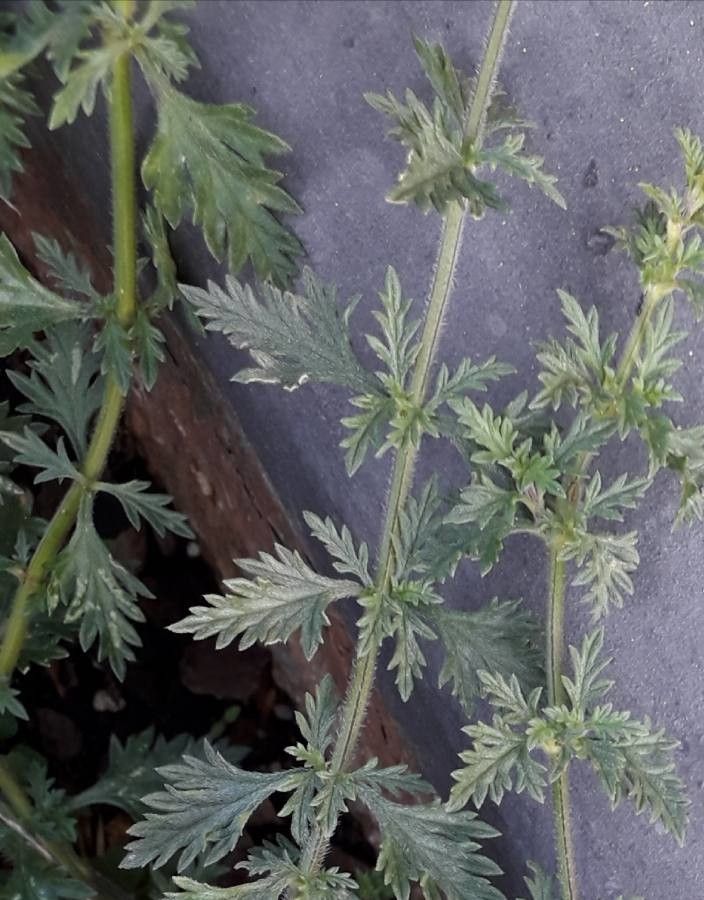
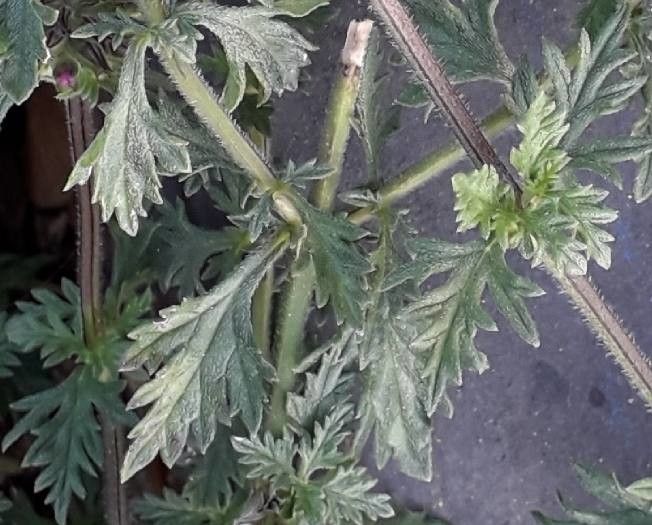
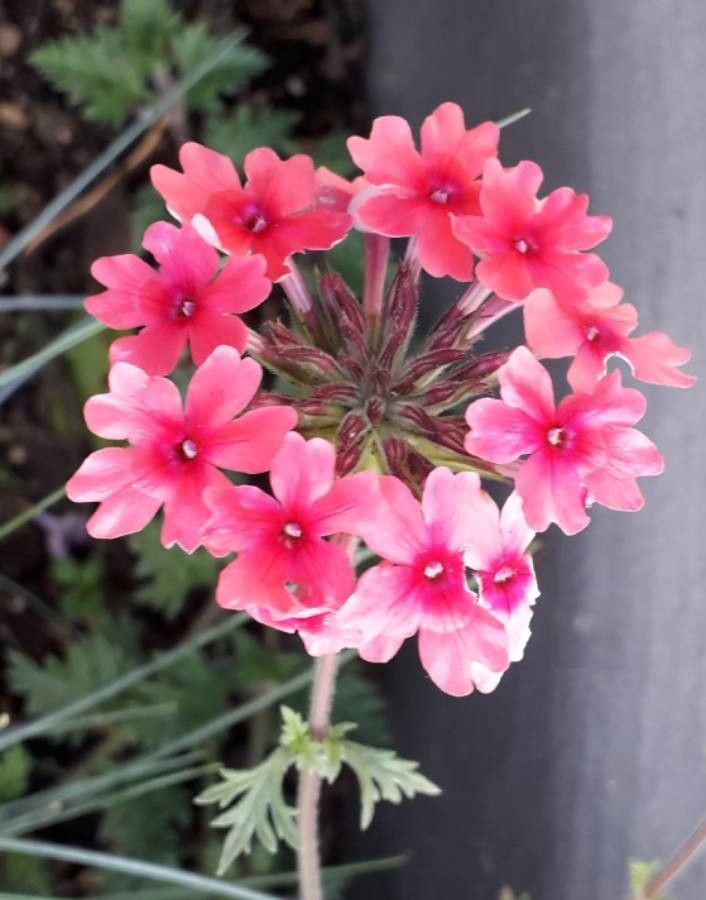
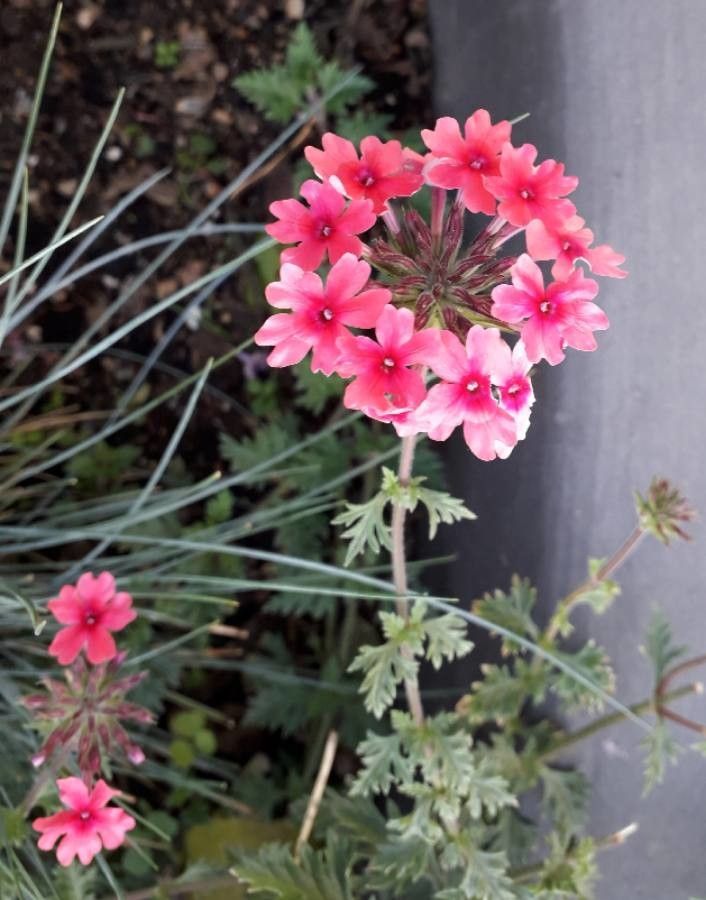
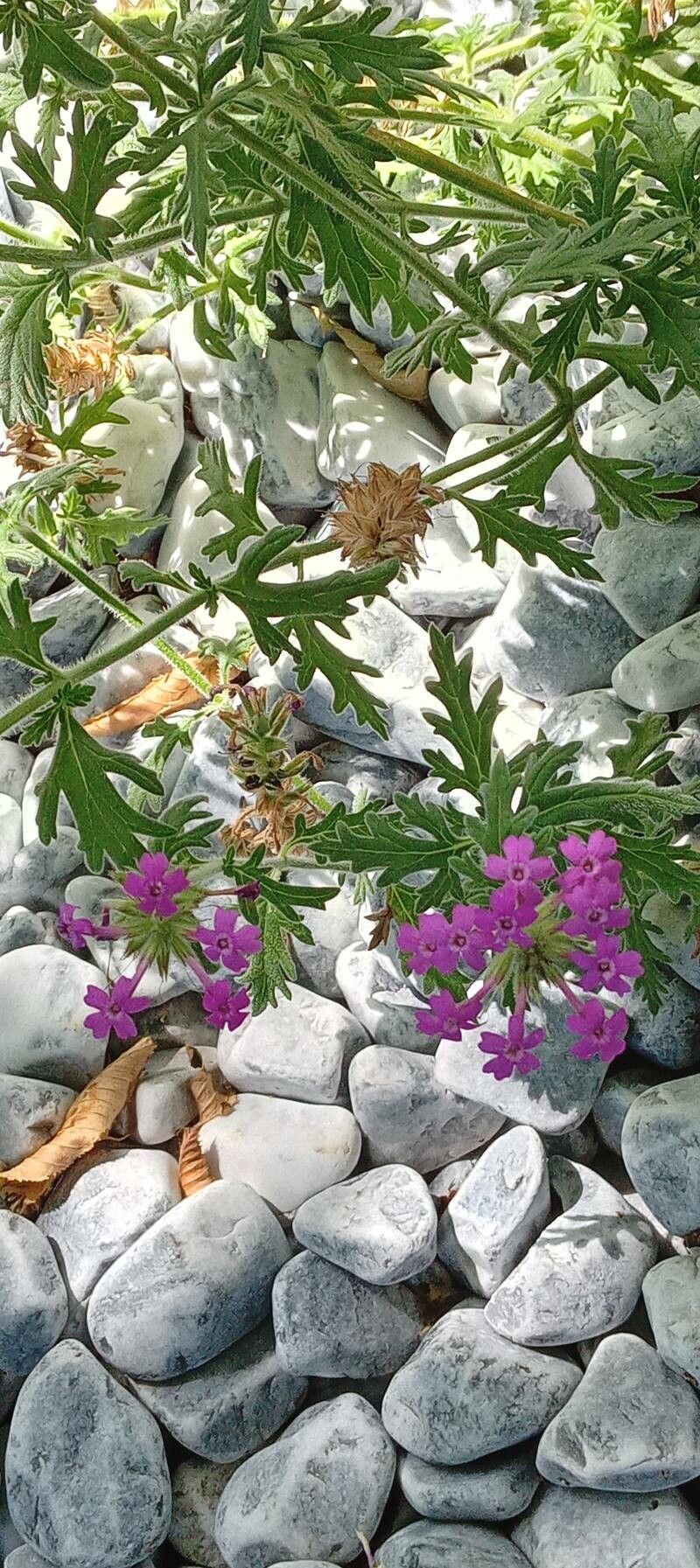
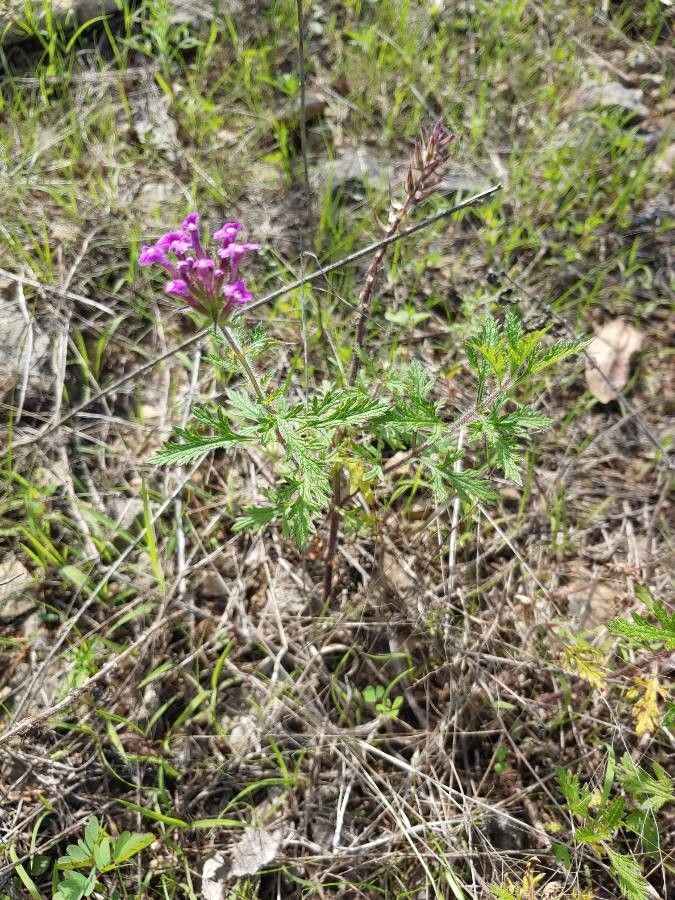
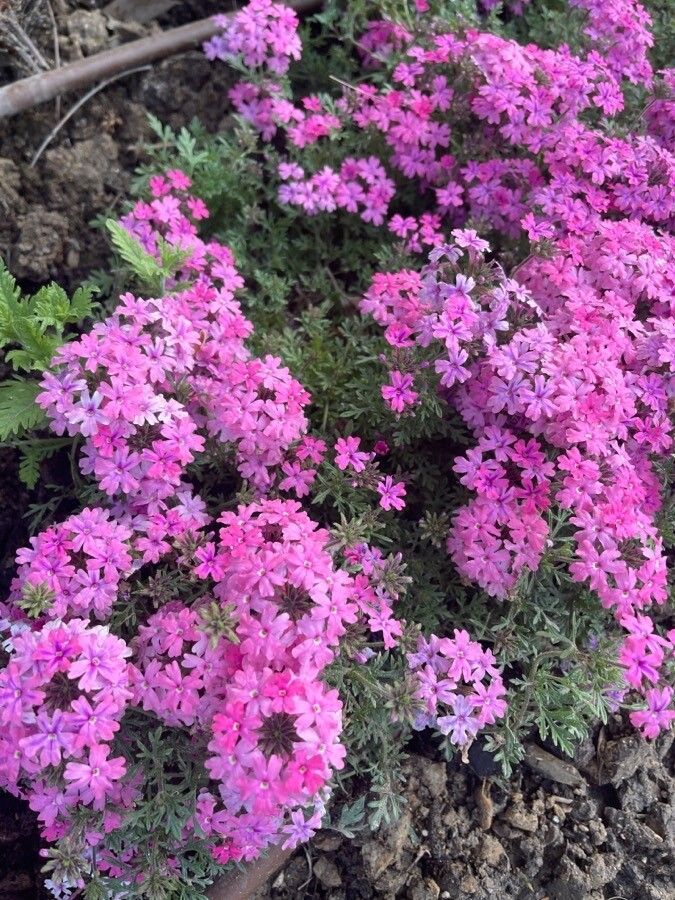
Glandularia canadensis, commonly known as rose vervain or Canadian mock vervain, is a herbaceous perennial plant that belongs to the family Verbenaceae. Native to North America, it thrives in various habitats such as prairies, meadows, and open woods.
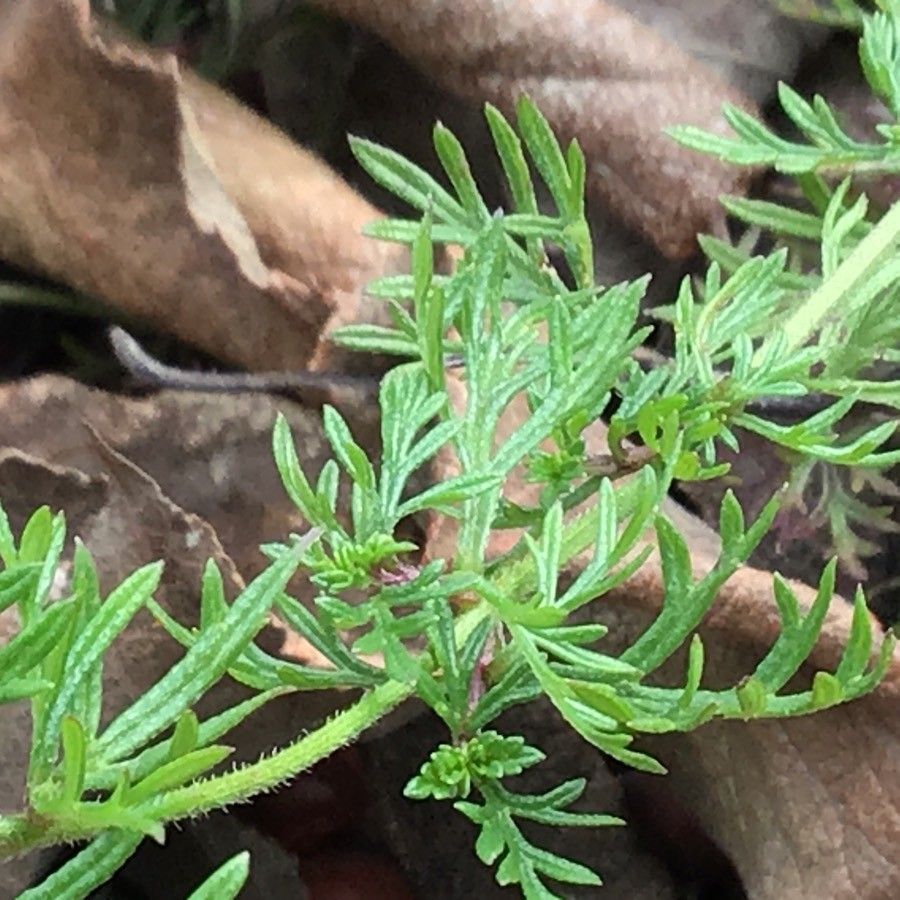
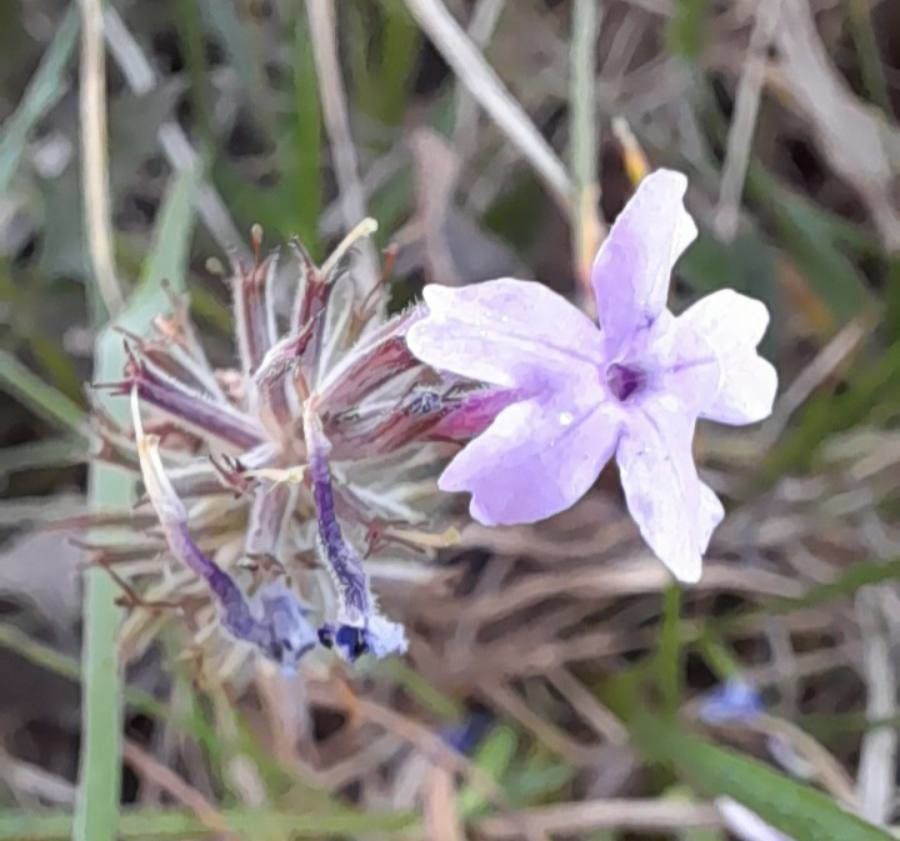
The plant can grow up to 60 cm tall with a spreading habit, characterized by numerous branches. Its leaves are opposite, toothed or lobed, and have a hairy surface that gives them a grayish-green appearance. The flowers are small, pinkish-purple, and feature five petals arranged in clusters at the top of the stems.
Glandularia canadensis is particularly attractive to pollinators like bees and butterflies, thanks to its nectar-rich flowers. Additionally, it has medicinal properties that Native Americans have traditionally used to treat ailments such as headaches, fevers, and respiratory problems.
This plant prefers full sun exposure but can tolerate partial shade. It thrives in well-drained soils with moderate moisture levels. Easy to grow from seeds or cuttings, Glandularia canadensis requires regular pruning during the growing season to maintain its shape.
Overall, Glandularia canadensis is an excellent addition for gardeners seeking low-maintenance plants that offer beautiful blooms while attracting pollinators to their gardens.
Rose mock vervain is fairly disease-resistant and generally does not suffer from many illnesses. Nonetheless, it can be vulnerable to pests and diseases present in its environment, although such infections are typically mild. Regarding care, the plant requires moderate maintenance. Regular pruning is necessary to preserve a tidy appearance and support healthy growth. Fertilizing can also help encourage flowering. This plant is well suited for anyone with outdoor space, such as a garden or patio, and does not demand extensive plant-care experience. It may need more attention if grown indoors.
How to keep Glandularia Canadensis.
Light
Rose mock vervain flourishes with ample sunlight, which encourages healthy growth and bright blooms. It can tolerate moderate shade, but that lessens its vigor. Excessive exposure can cause wilting. In its native environments, this plant receives substantial daily sun.
Water
Rose mock vervain grows best in well-drained soil with moderate moisture. Once it is established, the plant can resist drought to some extent. To keep it healthy, it's helpful to water it weekly. As an herbaceous perennial, it is well-suited for outdoor cultivation, where it can benefit from natural rainfall, reducing the need for additional watering.
Temperature
Rose mock vervain is a plant native to temperate regions and is best grown in temperatures of 68 to 95 °F (20 to 35 ℃). Seasonal temperature adjustments are advisable, particularly during excessively hot or cold periods.
Fertilizer
Early spring, when Rose mock vervain is coming out of dormancy and beginning active growth, is the best time to fertilize. Fertilizing supplies essential nutrients needed for healthy development. While Rose mock vervain has fairly low fertilizer requirements, applying fertilizer annually can boost its survival and encourage better, longer-lasting blooms.
Pruning
Rose mock vervain is a perennial plant celebrated for its vibrant blooms and spreading growth habit. To keep it healthy and looking its best, prune it from early to late spring. During pruning, remove any dead stems to improve air circulation and reduce the risk of disease. Regular pruning encourages strong growth and helps control the plant's spread, enhancing the appearance of your garden. Be sure to use clean, sharp tools for the best results.
Pot & Repot
When repotting Rose mock vervain, select a pot 1-2 inches (2.5–5.1 cm) larger with ample drainage. Use a well-draining potting mix. Repot in spring or fall, ensuring the root ball sits slightly lower than the rim of the flower pot. Water thoroughly after repotting and place in a warm spot with indirect sunlight.
Botanical profile.
- Plant Type
- Herb
- Life Cycle
- Perennial, Annual
- Genus
- Glandularia
- Family
- Verbenaceae
- Hardiness Zone
- 5-9
- Mature Height
- 15 cm to 46 cm
- Mature Spread
- 30 cm to 61 cm
- Leaf Color
- Green
- Leaf Type
- Deciduous
- Flower Color
- Purple, Lavender, Pink
- Flower Size
- 1.27 cm
- Bloom Time
- Late spring, Summer
- Planting Time
- Spring
- Harvest Time
- Summer, Early fall
Other names.
Reader questions.
What are the sunlight requirements for Rose mock vervain?
Rose mock vervain requires full sun, which means it needs above 6 hours of sunlight daily to thrive optimally. However, it can also grow in partial sun, receiving about 3-6 hours of sunlight. Observing how sunlight moves through your garden will help you select the ideal spots that provide a balance of light and shade, ensuring your plants grow healthily.
What is the ideal temperature range for cultivating Rose mock vervain?
Rose mock vervain is best cultivated in temperate environments with a temperature range of 68 to 95 °F (20 to 35 °C). It is important to adjust the planting location seasonally, especially during excessively hot or cold weather, to maintain this ideal temperature range for optimal growth.
What are the essentials for growing Rose mock vervain?
Rose mock vervain thrives best with abundant exposure to sunshine, which supports its healthy growth and vibrant flowering. While the plant can tolerate moderate shade, its vitality and blooming may be compromised. Excessive exposure, however, may lead to wilting. In its native environment, Rose mock vervain absorbs significant daily sun. For indoor plants lacking natural sunlight, especially during winter or in dim locations, artificial lighting can be a beneficial supplement to promote faster and healthier growth. LED lights are a popular and effective option for providing the necessary wavelengths of light, with full sun plants requiring 30-50W/sq ft, partial sun plants needing 20-30W/sq ft, and full shade plants needing 10-20W/sq ft of artificial light. Positioning the light source 12-36 inches above the plant for 8-12 hours per day can mimic natural sunlight conditions.
Does Rose mock vervain have cold resistance?
Yes, Rose mock vervain has strong cold resistance and special frost protection measures are usually not required during winter. However, in regions where winter temperatures are expected to drop below -25°C, it is important to provide cold protection by covering the plant with soil or straw. Additionally, watering the plant abundantly before the first freeze in autumn to ensure the soil remains moist and enters a frozen state helps prevent water scarcity during winter and early spring.
What are common symptoms of light deficiency in Rose mock vervain?
Symptoms of light deficiency in Rose mock vervain include smaller new leaves compared to mature ones, leggy or sparse growth, faster leaf drop, halted growth, and lighter-colored new leaves. These signs indicate that the plant is not receiving adequate sunlight. Excessive sunlight can lead to chlorosis, where leaves lose their green color, sunscald that damages plant tissues, leaf curling as a defense mechanism against water loss, wilting due to increased transpiration, and leaf scorching characterized by brown, dry edges on leaves. These symptoms can affect the plant's photosynthesis process and overall health.
How does low temperature affect Rose mock vervain, and what are the recommended solutions?
Rose mock vervain is cold-tolerant and thrives best when the temperature remains above 20°C, requiring temperatures to be kept above 0°C during winter. If temperatures fall below -25°C, you might not notice immediate changes during winter, but there could be a decrease in sprouting or no sprouting in the spring. The recommended solution for non-sprouting plants in spring is to remove any parts that have failed to sprout to encourage new growth.
What are the solutions for improving light conditions for Rose mock vervain?
To optimize growth for indoor Rose mock vervain, gradually move the plant to a sunnier location each week until it receives at least 6 hours of direct sunlight daily, preferably by a south-facing window. For plants that are large or hard to move, consider using artificial light, keeping a lamp on for at least 8 hours daily or investing in professional grow lights.Outdoors, carefully transition your plants to sunnier spots weekly to avoid sunburn. It's worth noting that parts of the plant already affected by low light may not recover, but new growth should be healthy post adjustment.For ground plants, minimize obstructions by pruning trees if they block sunlight or transplant smaller plants during their dormant period to locations with better sunlight exposure and good drainage.
What should be done if Rose mock vervain experiences high temperatures?
During the summer, it's important to keep the Rose mock vervain's temperature below 35°C. If the temperature exceeds 38°C, the plant's leaves may lighten in color, curl, become prone to sunburn, and, in severe cases, the entire plant may wilt and dry. To mitigate these issues, trim away sunburned and dried-up parts, move the plant to a shadier location or use a shade cloth to reduce sun exposure, and water the plant in the morning and evening to keep the soil moist.
What is the botanical name of Rose mock vervain?
The botanical name of Rose mock vervain is Glandularia canadensis. This name helps in accurately identifying the plant in scientific research and horticulture.