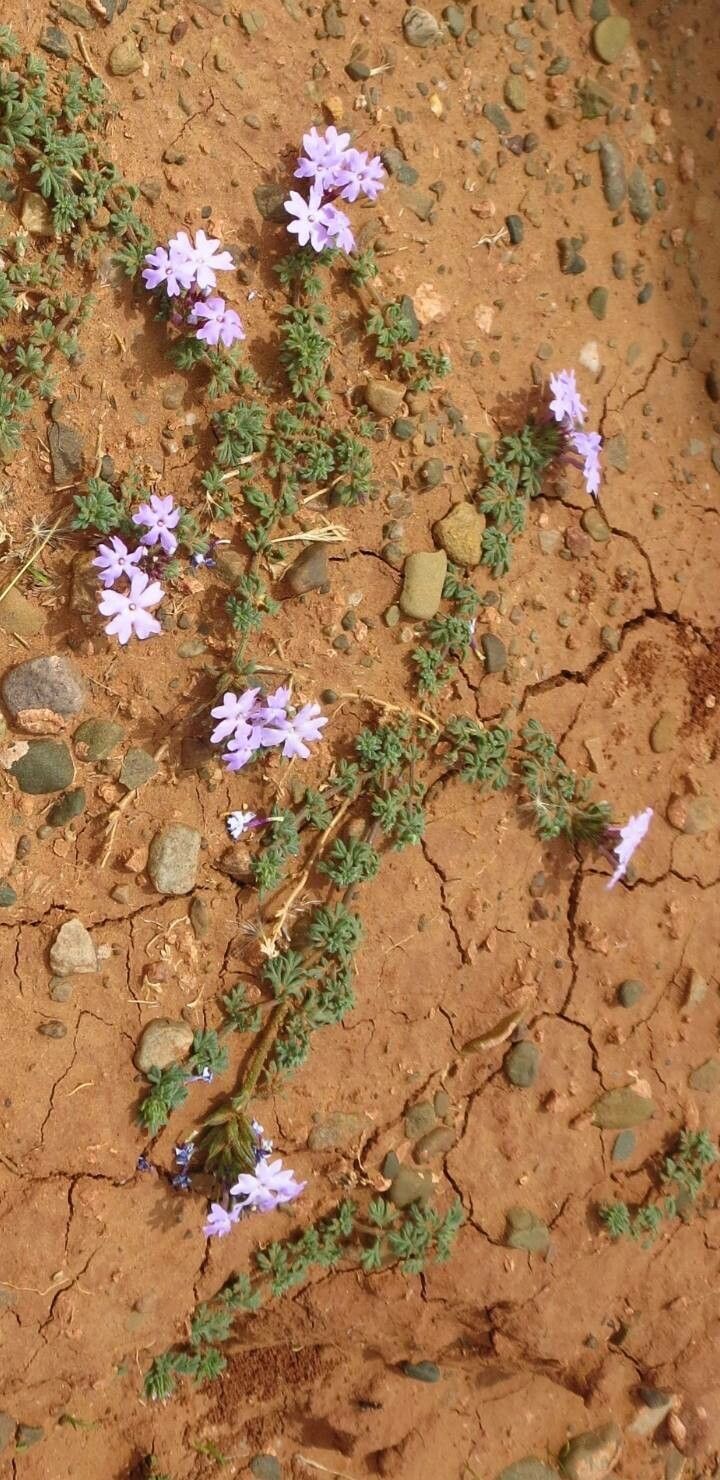
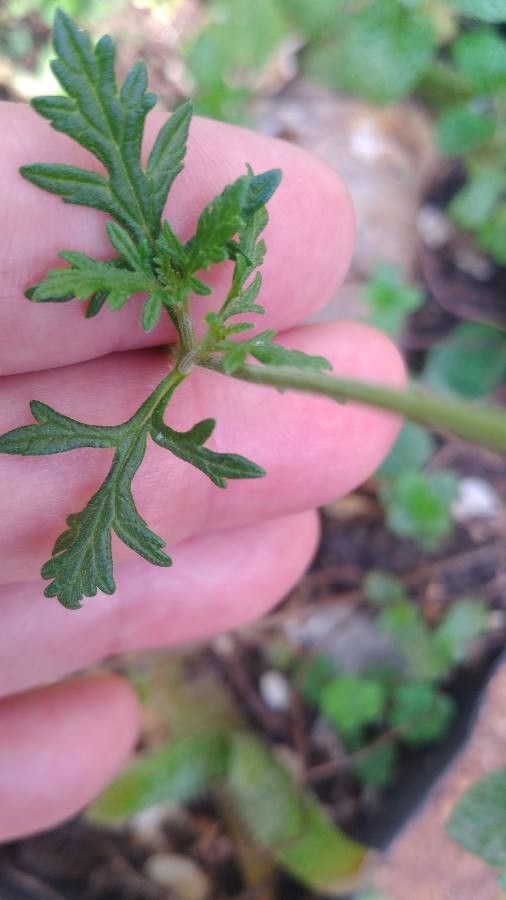
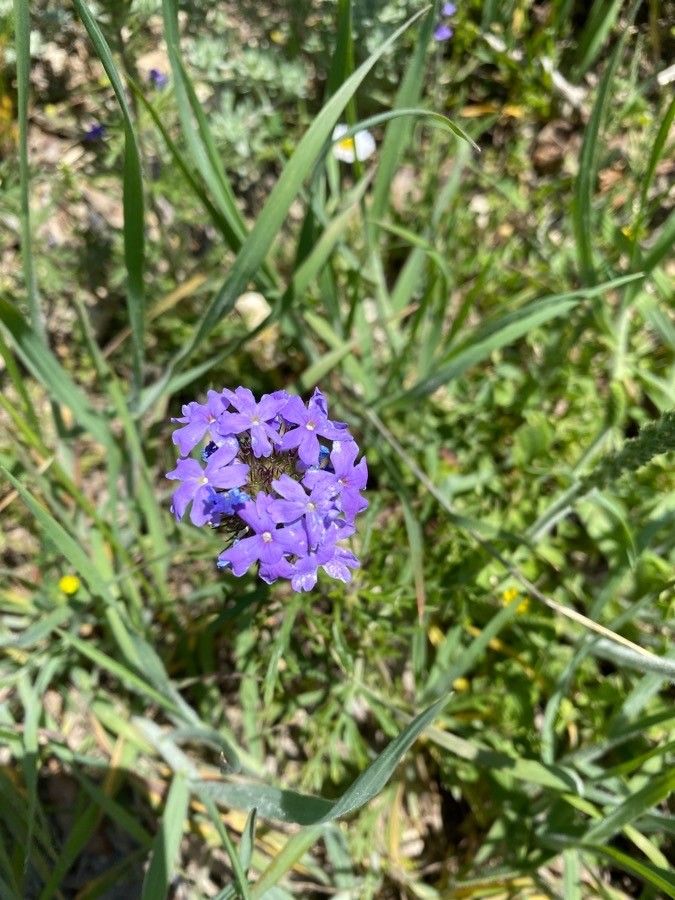
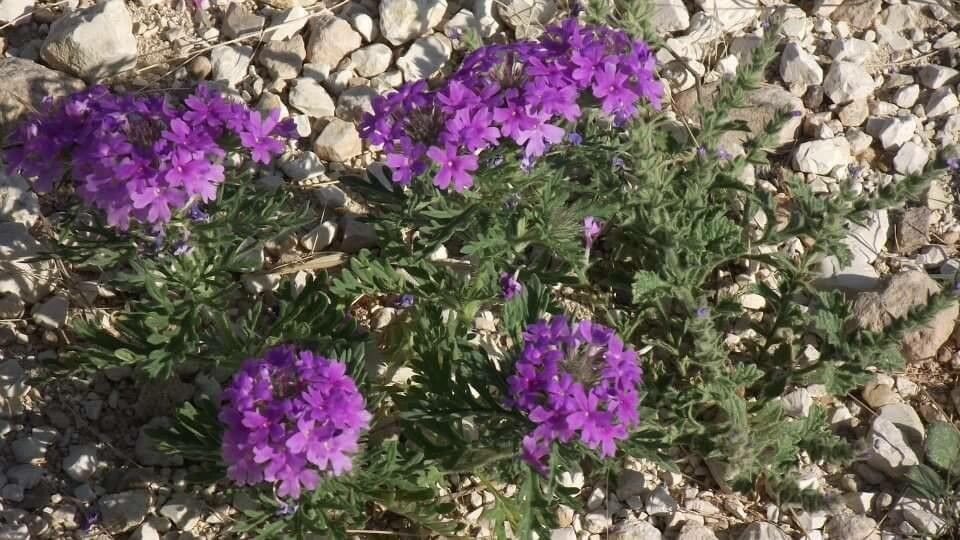
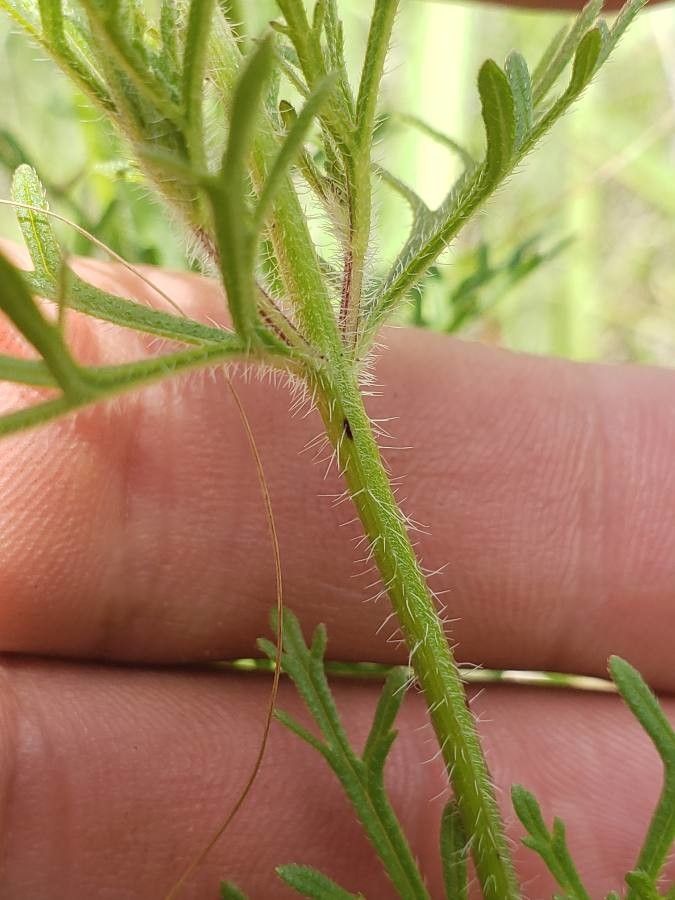
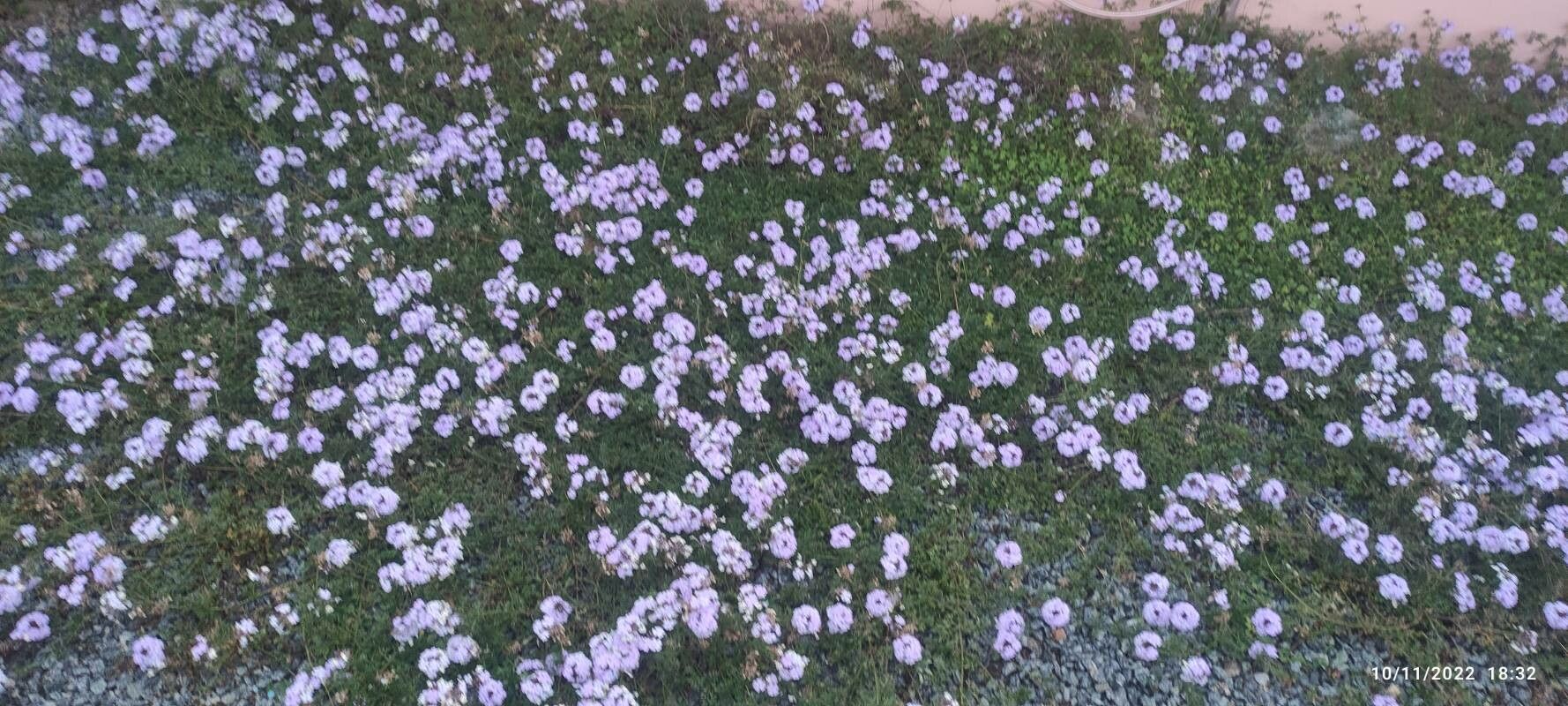
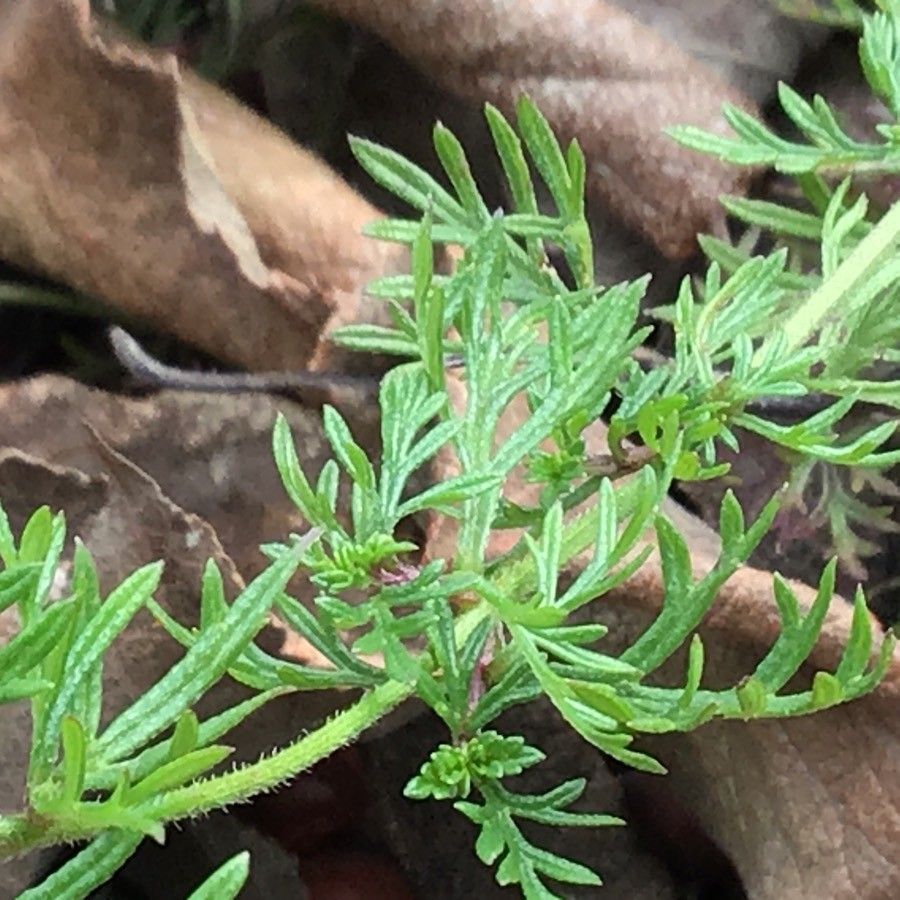
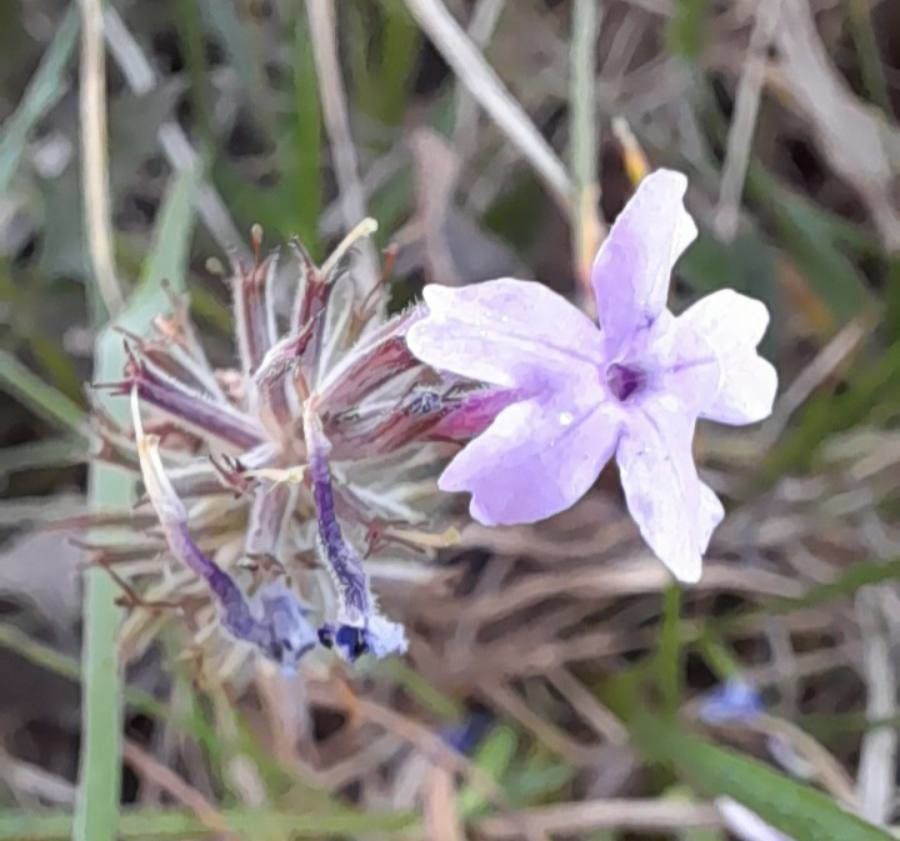
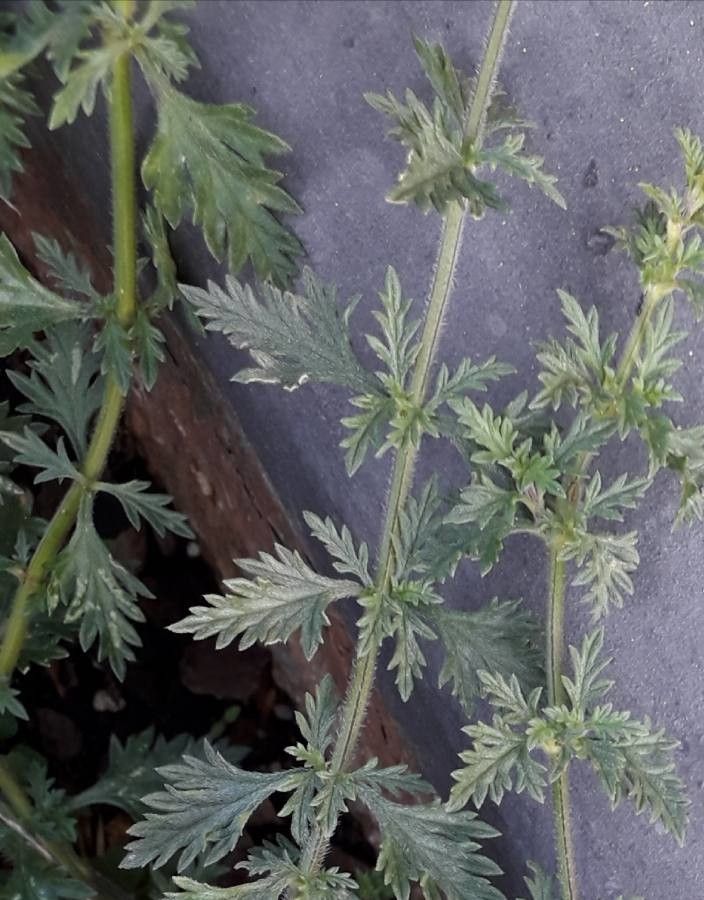
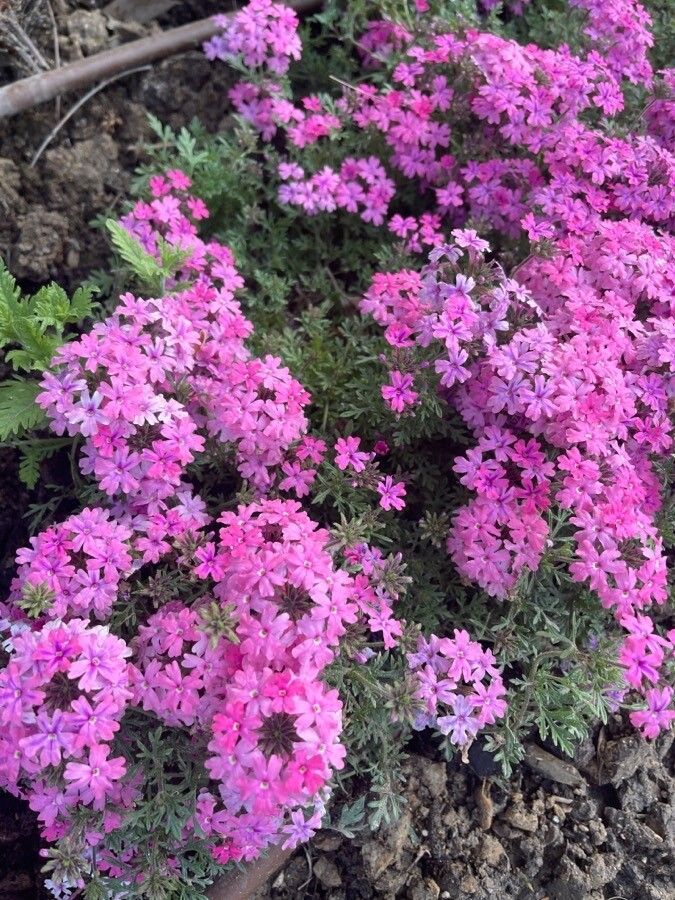
Glandularia bipinnatifida, commonly known as Dakota mock vervain, is a perennial flowering plant native to North America. A member of the Verbenaceae family, it is typically found in the Great Plains region of the United States. The plant grows to a height of 1-2 feet and features a spreading habit with finely divided, green leaves. Its small, pinkish-purple flowers are arranged in clusters at the tops of long stems that rise above the foliage.
Glandularia bipinnatifida thrives in full sun and well-drained soil conditions, though it can also tolerate some shade. Due to its low maintenance requirements and attractive appearance, this plant is a popular choice for rock gardens, borders, or ground cover. It blooms from late spring through fall, adding color and interest to gardens for an extended period.
Furthermore, Glandularia bipinnatifida attracts pollinators such as bees and butterflies, making it an excellent choice for wildlife gardens or naturalized areas within landscapes and public spaces.
Prairie verbena is fairly resistant to diseases and typically does not suffer from them. Still, it can be affected by pests and diseases present in its environment. When infections occur, they are generally mild. Regarding maintenance, this plant needs a moderate level of care. Regular pruning is necessary to keep it looking good and to support healthy growth. Applying fertilizer can also encourage more blooms. Prairie verbena is appropriate for anyone with outdoor space like a garden or patio and does not demand extensive gardening experience. It may need extra attention if grown indoors.
How to keep Glandularia Bipinnatifida.
Light
Prairie verbena is a plant that thrives when exposed to plentiful sunlight. Although it can tolerate areas with weaker sun, it achieves its best growth with strong sun exposure. Still, too much sun or too little can inhibit its growth or cause damage.
Water
Dakota mock vervain, native to prairies and open woodlands, thrives in well-drained environments and can withstand occasional droughts. Watering it weekly encourages steady growth without causing waterlogging. Its robust root system efficiently uses rainfall, reducing the need for additional watering during its growing season.
Temperature
Prairie verbena naturally occurs in habitats with temperatures between 68 and 95 °F (20 to 35 °C). Because it prefers this warm climate, prairie verbena may require help adjusting temperatures during colder seasons to recreate its native conditions.
Fertilizer
The best time to fertilize Prairie verbena is in early spring, as it is coming out of dormancy and starting active growth. Fertilization supplies essential nutrients needed for healthy development. Although Prairie verbena has fairly low fertilizer requirements, applying fertilizer annually can improve its survival and encourage better, longer-lasting blooms.
Pruning
Dakota mock vervain features fern-like leaves and vibrant flowers. To encourage growth and enhance blooming, prune it from early to late spring. Deadheading and trimming leggy stems can improve its shape and lower the risk of disease. Always use clean, sharp tools for pruning to prevent infections.
Pot & Repot
When repotting Prairie verbena, pick a pot 1-2 inches (2.5–5.1 cm) larger that has good drainage. Use a well-draining potting mix. Repot in spring or fall, making sure the root ball sits slightly below the rim of the flower pot. Water thoroughly after repotting and place in a warm spot with indirect sunlight.
Botanical profile.
- Plant Type
- Herb
- Life Cycle
- Perennial, Annual
- Genus
- Glandularia
- Family
- Verbenaceae
- Hardiness Zone
- 7-10
- Mature Height
- 30 cm
- Mature Spread
- 61 cm
- Leaf Color
- Green, Blue
- Leaf Type
- Deciduous
- Flower Color
- Purple, Lavender
- Flower Size
- 1.02 cm
- Bloom Time
- Mid spring, Late spring, Early summer
- Planting Time
- Spring
- Harvest Time
- Early summer, Mid summer
- Native Area
- Honduras, Mexico, Guatemala
Other names.
Reader questions.
What is the native environment temperature range for Dakota mock vervain?
Dakota mock vervain, scientifically known as Glandularia bipinnatifida, thrives in environments where the temperature ranges between 68 to 95 °F (20 to 35 °C). This warm-climate range is preferred for its natural growth and may require temperature adjustments in colder seasons to closely mimic its native habitat conditions.
Does Dakota mock vervain require frost protection measures in winter?
Dakota mock vervain has strong cold resistance and typically does not require special frost protection measures during winter. However, if winter temperatures are expected to drop below -15°C, it is crucial to provide cold protection to safeguard the plant. This can be accomplished by covering the plant with insulating materials such as soil or straw. Additionally, watering the plant abundantly before the first freeze in autumn is recommended to ensure the soil stays moist and freezes, helping to prevent drought and water scarcity for the plant during the colder months.
What should be done when Dakota mock vervain experiences temperatures below its tolerated range?
Dakota mock vervain is cold-tolerant and flourishes best when temperatures stay above 20°C and are kept above 0°C during winter. If temperatures fall below -15°C, the plant may not show immediate changes but could experience reduced or no sprouting in spring. In such cases, it is advisable to remove any parts of the plant that have failed to sprout in spring, as this can encourage new growth and vitality in the plant.
How to care for Dakota mock vervain in high temperatures?
In high temperatures, especially during summer when it is advisable to keep Dakota mock vervain below 35°C, precautions should be taken if the temperature exceeds 41°C. Signs of stress may include leaves turning lighter, curling, being prone to sunburn, and the plant wilting or drying out completely in severe cases. To mitigate these issues, trim away the sunburned and dried-up parts of the plant, relocate it to a shaded area away from the intense midday and afternoon sun, or utilize a shade cloth. Ensuring the soil remains moist by watering in the morning and evening is also crucial for the plant's well-being during hot periods.