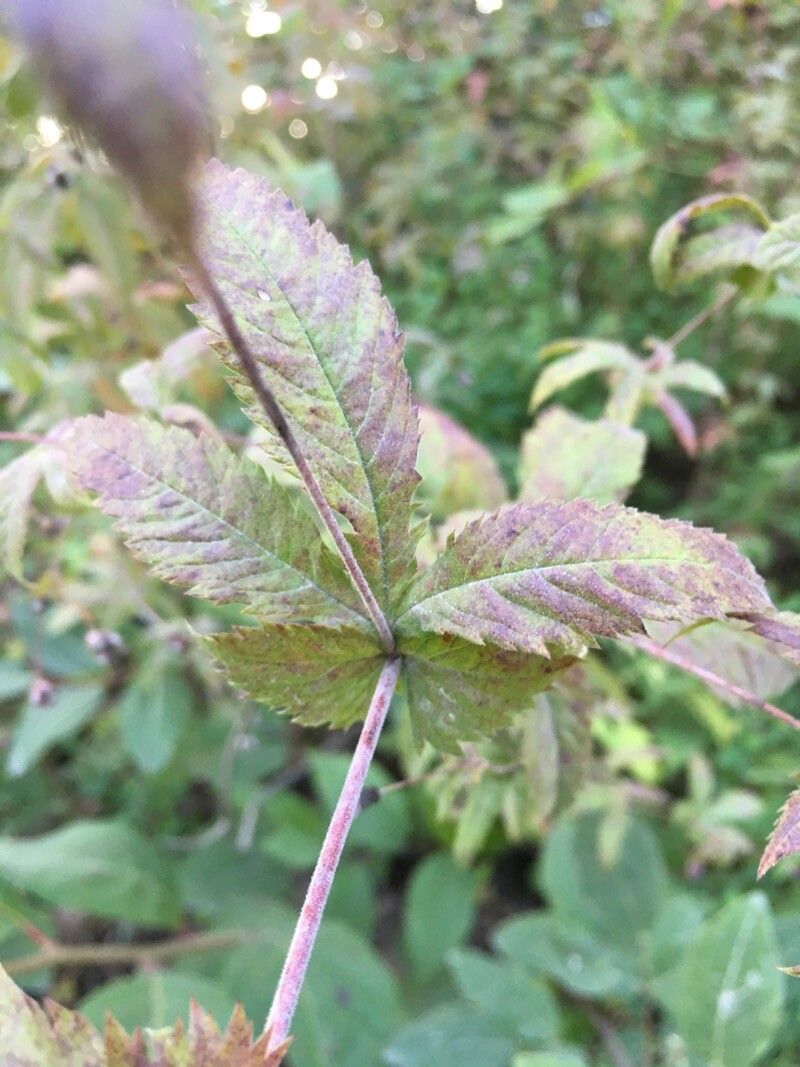
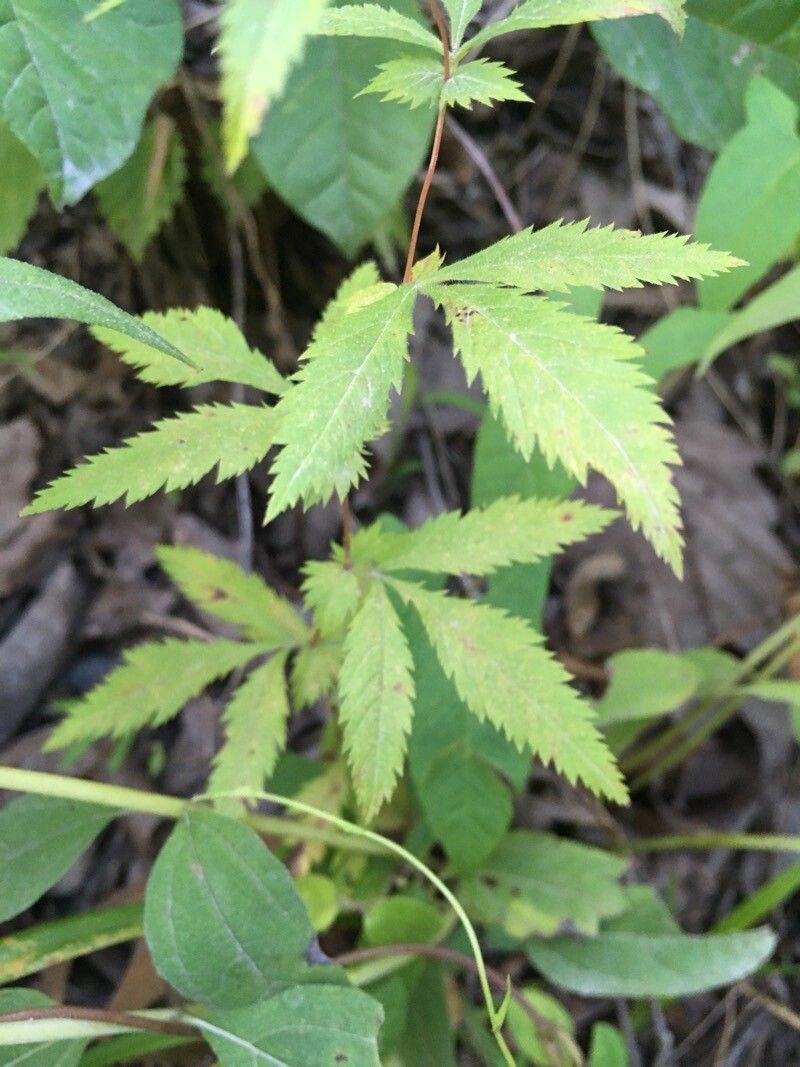
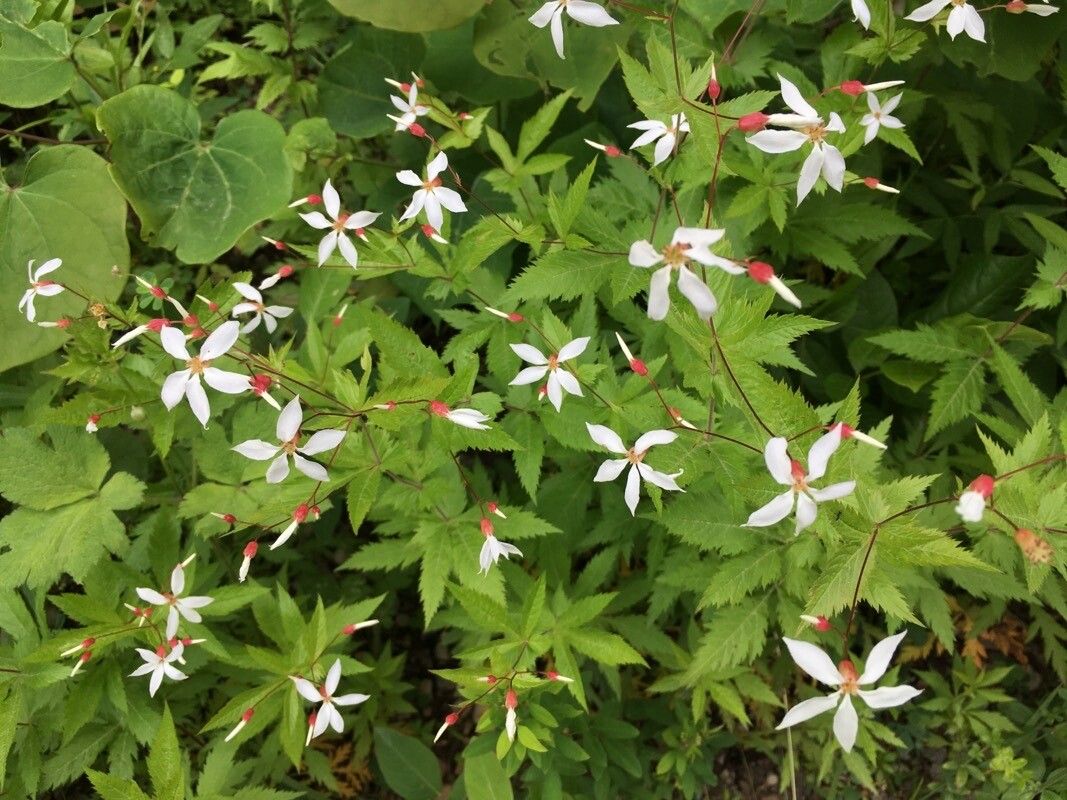
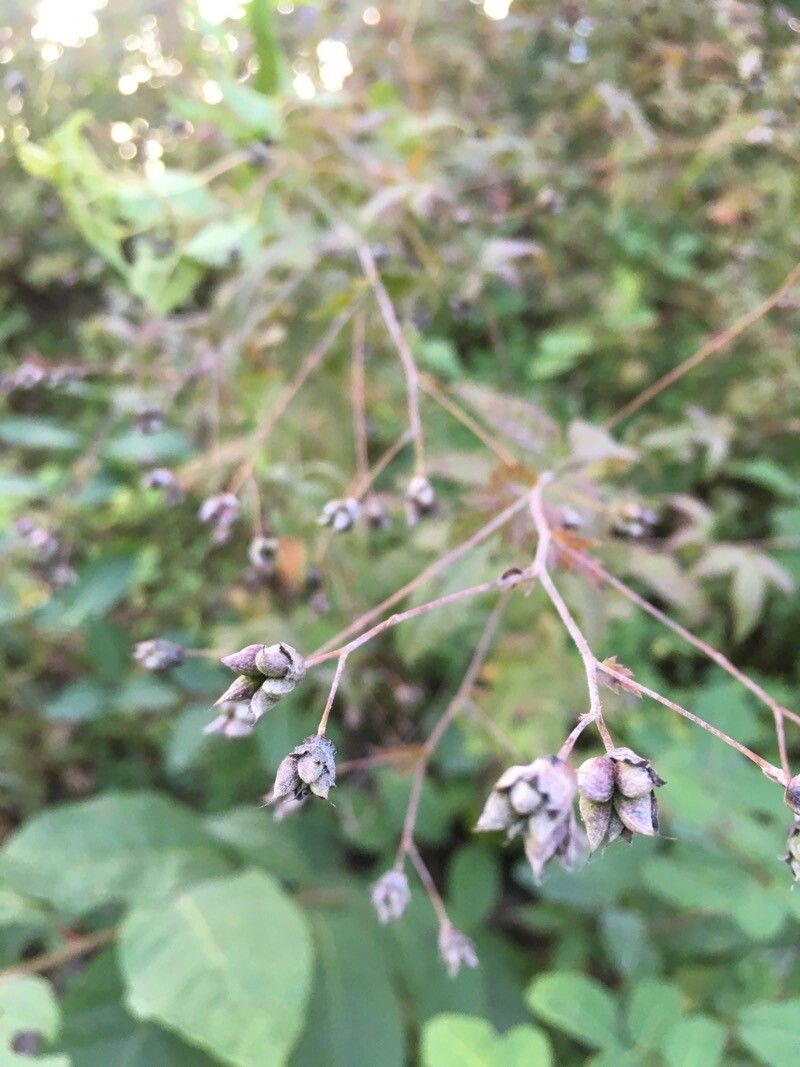
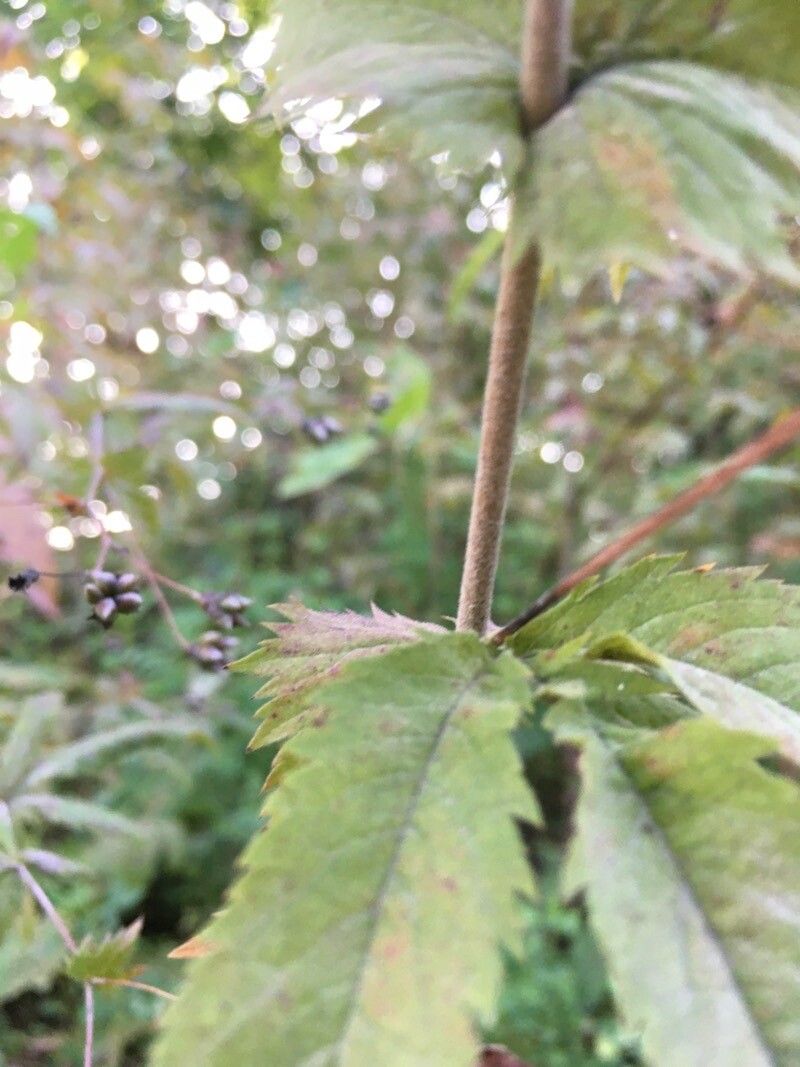
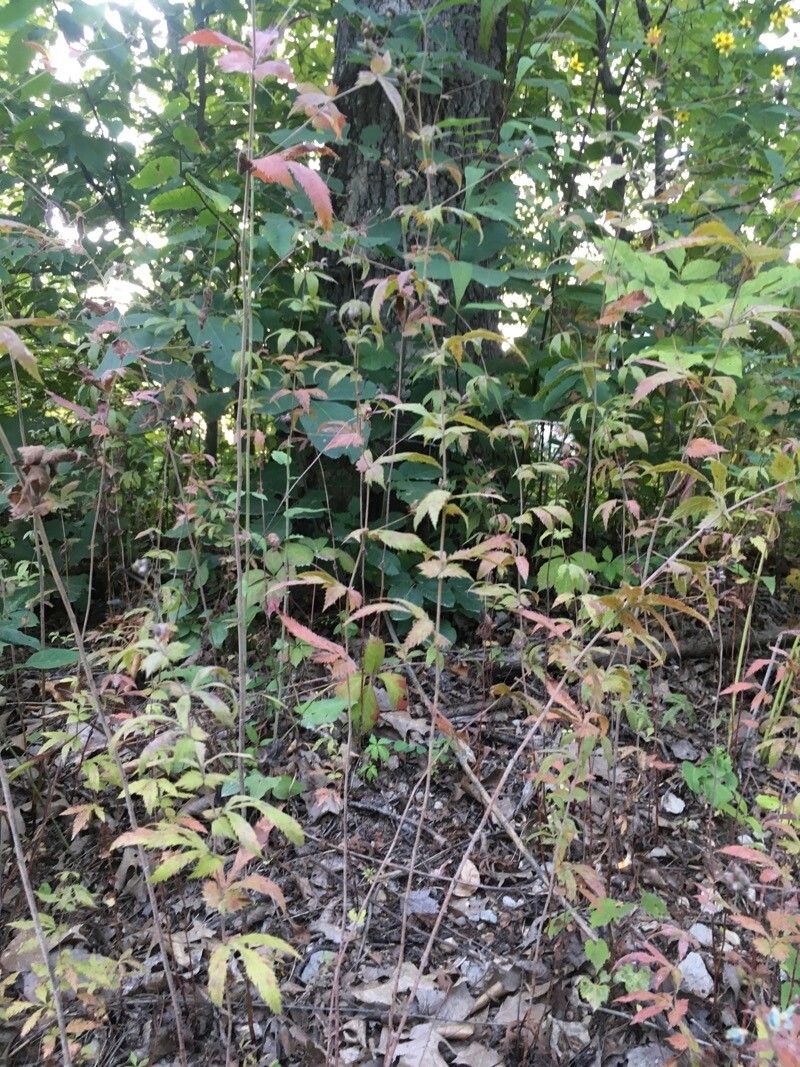
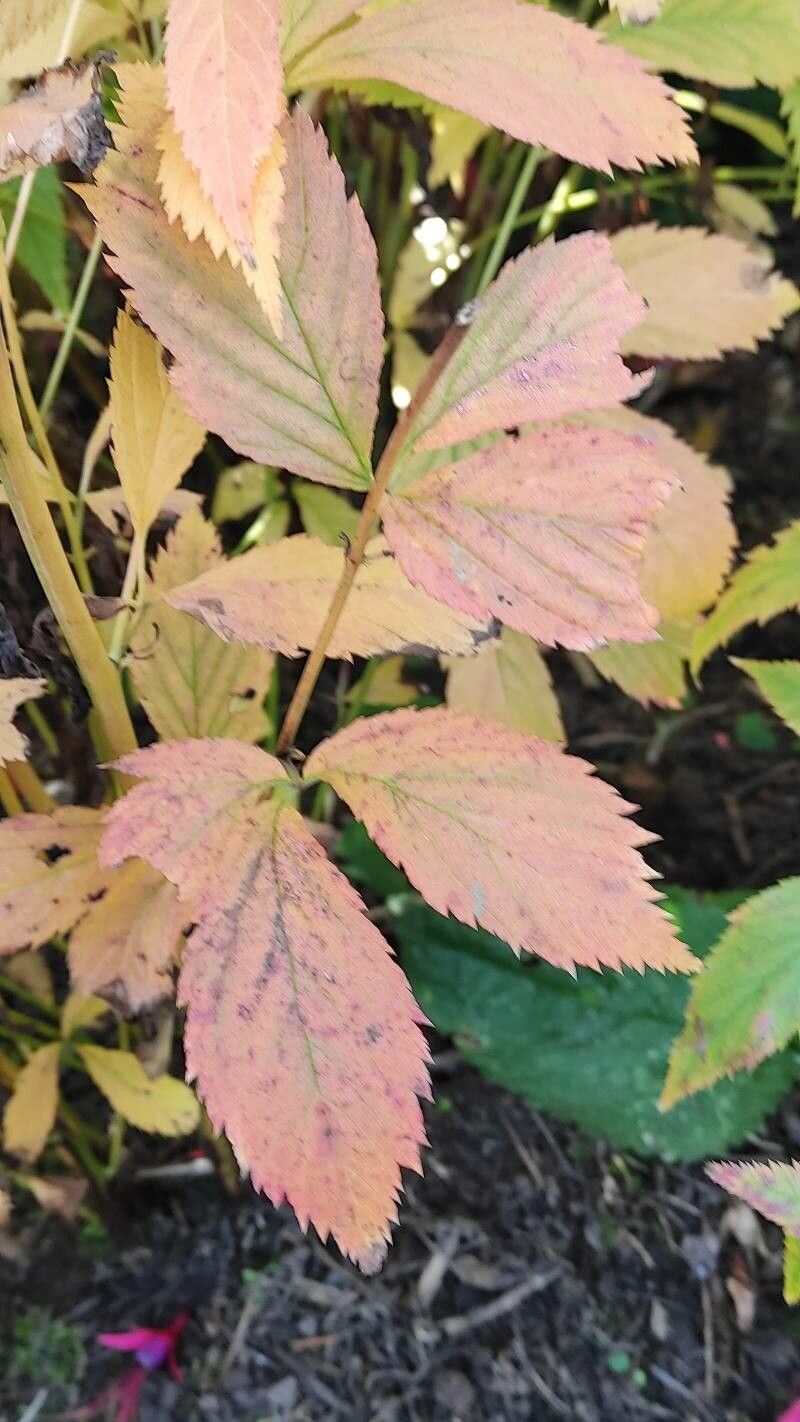
Gillenia stipulata, or American ipecac, is an herbacious perennial plant in the genus Gillenia, in the family Rosaceae, native to the United States from Texas to the west and south, New York to the North, and North Carolina to the east. The species grows in dry uplands and open woods, usually on acidic soils. It reaches a height of about 1 metre (3.3 ft) and has white flowers with 5 very narrow petals spaced widely apart.
American ipecac is disease-resistant and generally not prone to illnesses. However, it can be vulnerable to pests and diseases present in its environment. These problems are typically not severe. For care, this plant needs moderate maintenance. It should be pruned regularly to preserve a tidy appearance and support healthy growth. Fertilizing can also encourage flowering. American ipecac is appropriate for people with outdoor spaces like a garden or patio and does not require extensive gardening experience. It may demand more care when grown indoors.
How to keep Gillenia Stipulata.
Light
American ipecac does best with plenty of sunlight but can also tolerate sites that receive the full range of sun exposure. Native to habitats with varied light conditions, it adjusts well to different levels of sunlight. Excessive exposure can damage the leaves, while too little light limits its growth.
Water
American ipecac thrives in conditions similar to the understory of its native deciduous forests, preferring moderate moisture and well-draining soil. To keep the plant healthy, water it weekly, ensuring it stays hydrated without becoming waterlogged. Once the plant is established, it has a moderate tolerance for drought and can benefit from natural rainfall when grown outside.
Temperature
American ipecac is native to environments where temperatures range from 41 to 89.6 °F (5 to 32 ℃). It thrives best within that range. To help it adapt to different seasons, gradually adjust its exposure to extreme temperature changes.
Fertilizer
The best time to fertilize an American ipecac is in early spring, when it is coming out of dormancy and beginning active growth. Fertilizing supplies essential nutrients for healthy growth. Although American ipecac has relatively low fertilizer requirements, applying fertilizer once a year can improve its survival and encourage better, longer-lasting flowers.
Pruning
American ipecac benefits from pruning between early and late spring. This process involves removing dead branches and thinning the inner growth to enhance air circulation and reduce the risk of disease. To prevent infections and encourage healthy, vigorous blooms, it is crucial to use sharp, sterilized tools, in line with horticultural best practices.
Botanical profile.
- Plant Type
- Herb, Shrub
- Life Cycle
- Perennial
- Genus
- Gillenia
- Family
- Rosaceae
- Hardiness Zone
- 4-8
- Mature Height
- 61 cm to 91 cm
- Mature Spread
- 46 cm to 61 cm
- Leaf Color
- Green
- Leaf Type
- Deciduous
- Flower Color
- White
- Flower Size
- 2.54 cm to 7.62 cm
- Bloom Time
- Mid spring, Late spring
- Planting Time
- Spring, Summer
- Harvest Time
- Summer
Other names.