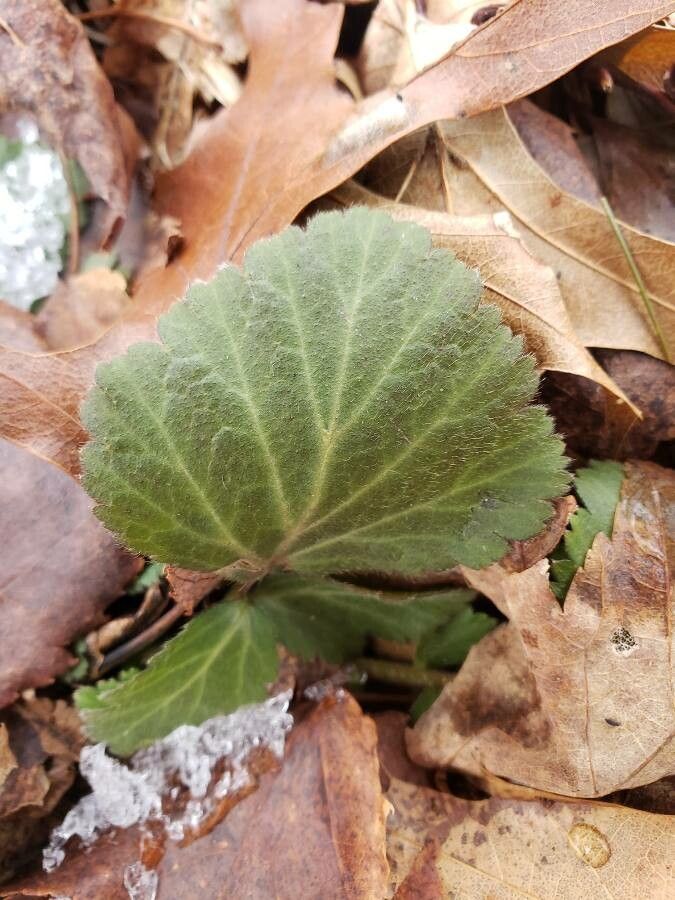
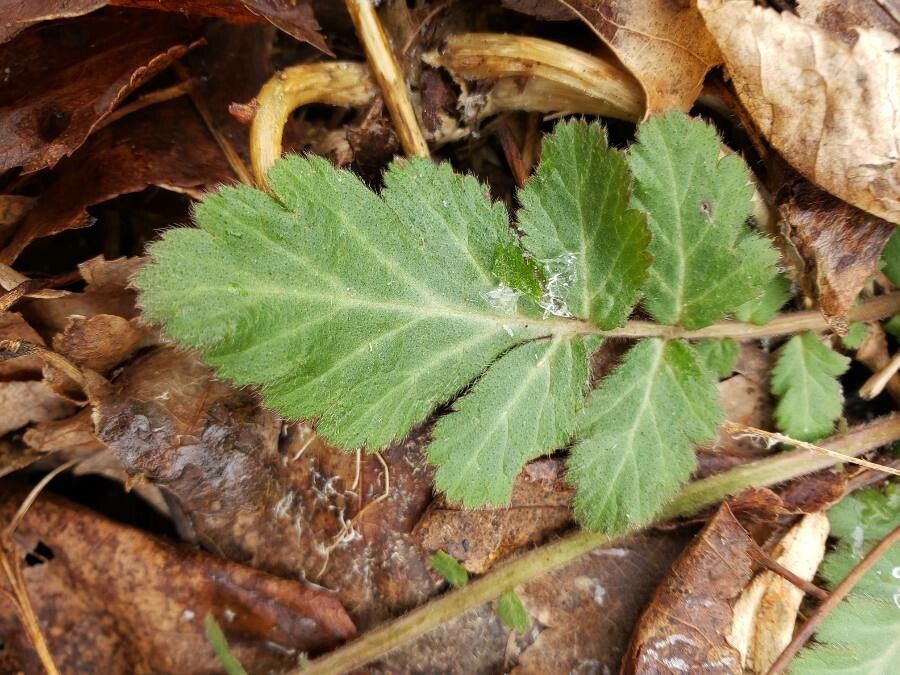
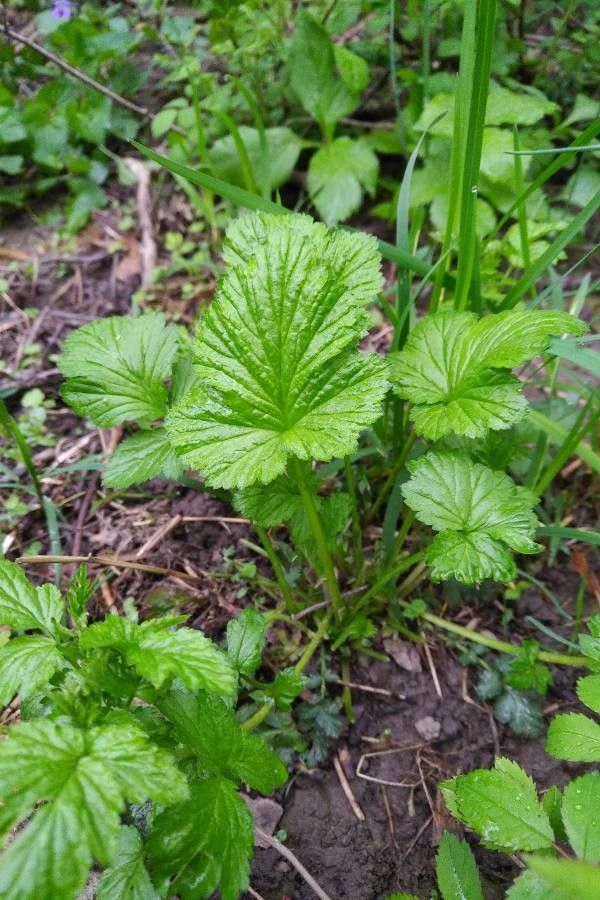
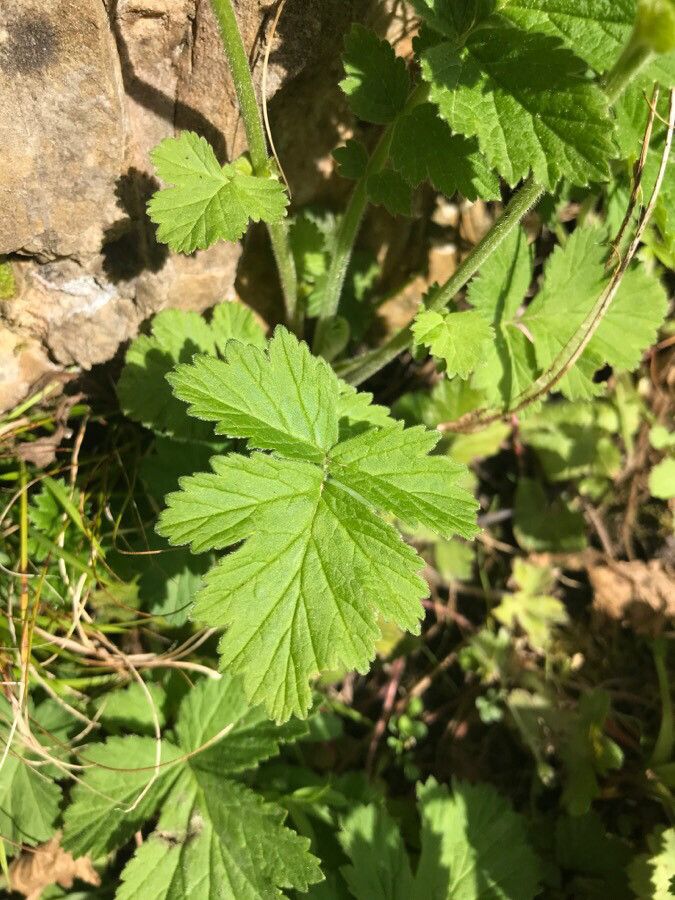
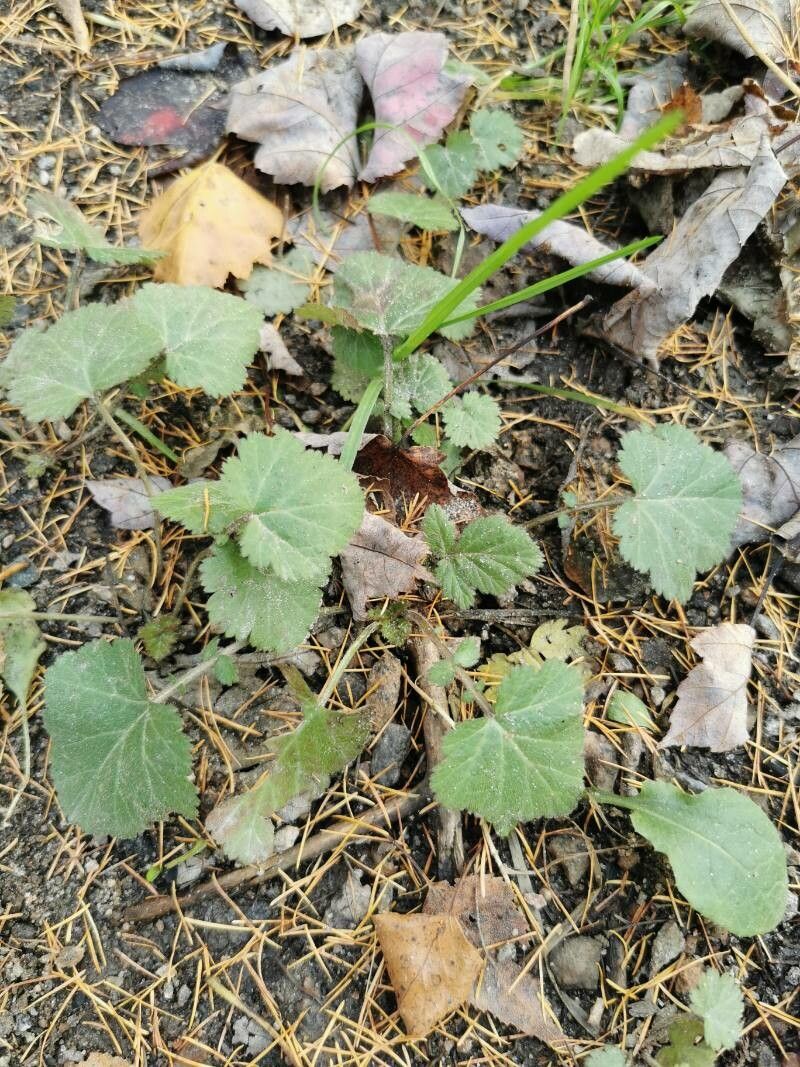
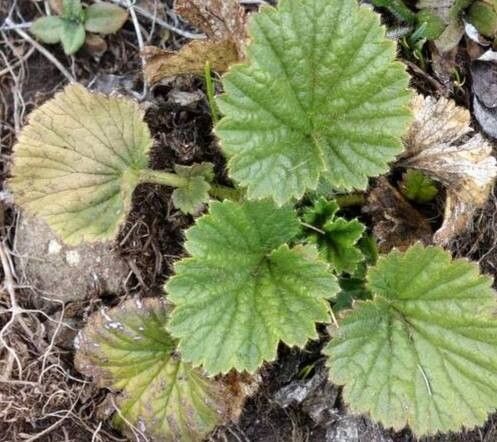
Geum virginianum, commonly known as Virginia avens, is a herbaceous perennial plant in the rose family. Native to North America, it thrives in various habitats, including meadows, woodlands, and rocky slopes. The plant can grow up to 60 cm tall, featuring deeply lobed basal leaves with toothed edges, while the smaller stem leaves have fewer lobes.
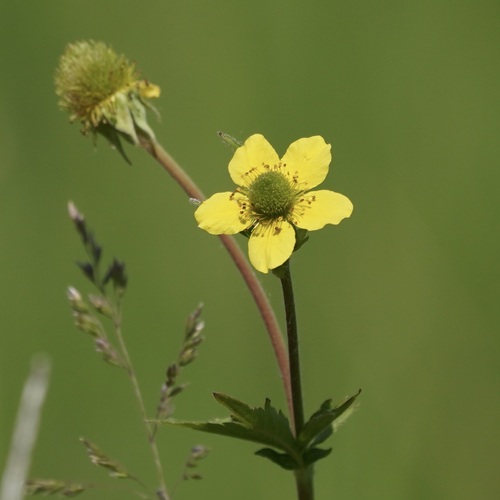
The flowers of Geum virginianum are small, with colors ranging from white to pale yellow, and comprise five petals. These blooms appear from May to July, perched on long stalks above the foliage. The plant produces small achenes as fruit, each adorned with feathery hairs to aid in wind dispersal.
Native Americans have historically used Geum virginianum for medicinal purposes to treat ailments such as diarrhea, fever, and sore throat. Additionally, the plant attracts pollinators like bees and butterflies, enhancing ecological benefits.
In cultivation, Geum virginianum prefers moist soil in partial shade but can tolerate full sun if provided with adequate water. It can be propagated by seed or through the division of clumps in early spring or fall.
Overall, Geum virginianum is a beautiful native perennial that adds interest to any garden while offering ecological benefits through its attraction of pollinators.
White avens is fairly disease-resistant and typically does not suffer from many illnesses. Still, it can be affected by pests and diseases present in its environment. Such problems are generally mild. Regarding care, the plant demands moderate attention. It should be pruned on a regular basis to preserve its appearance and encourage healthy growth. Applying fertilizer can also help increase flowering. White avens is well suited for anyone with outdoor areas like a garden or patio and does not need extensive gardening experience. It can be more demanding if cultivated indoors.
How to keep Geum Virginianum.
Light
White avens prefers sunny environments, though it can adapt to different light levels and can even do well in fairly shaded areas. Its growth stages are not strongly dependent on sunlight. However, too little or too much sun can negatively impact its health and development.
Temperature
White avens, native to temperate regions, prefers temperatures between 41 and 89 ℉ (5 to 32 ℃). In hotter areas it may benefit from partial shade during the summer months to prevent heat stress. In colder areas it can withstand winter temperatures as low as 23 ℉ (-5 ℃) and may appreciate a layer of mulch to protect its roots from freezing.
Fertilizer
For White avens, a single fertilizer application in spring is generally adequate, though repeated feedings can maximize growth. Apply fertilizer every month to every month and a half. Fertilization improves the leaves' appearance and function, maintaining even color and a healthy texture. It also promotes root development and nutrient uptake for the plant's long-term health.
Botanical profile.
- Plant Type
- Herb
- Life Cycle
- Perennial
- Genus
- Geum
- Family
- Rosaceae
- Hardiness Zone
- 4-8
- Mature Height
- 30 cm to 91 cm
- Mature Spread
- 30 cm to 91 cm
- Leaf Color
- Green
- Leaf Type
- Semi-evergreen
- Flower Color
- White
- Flower Size
- 0.25 cm to 0.76 cm
- Bloom Time
- Late spring, Early summer, Mid summer
- Planting Time
- Spring, Autumn
- Harvest Time
- Early summer, Mid summer
- Native Area
- Mexico
Other names.