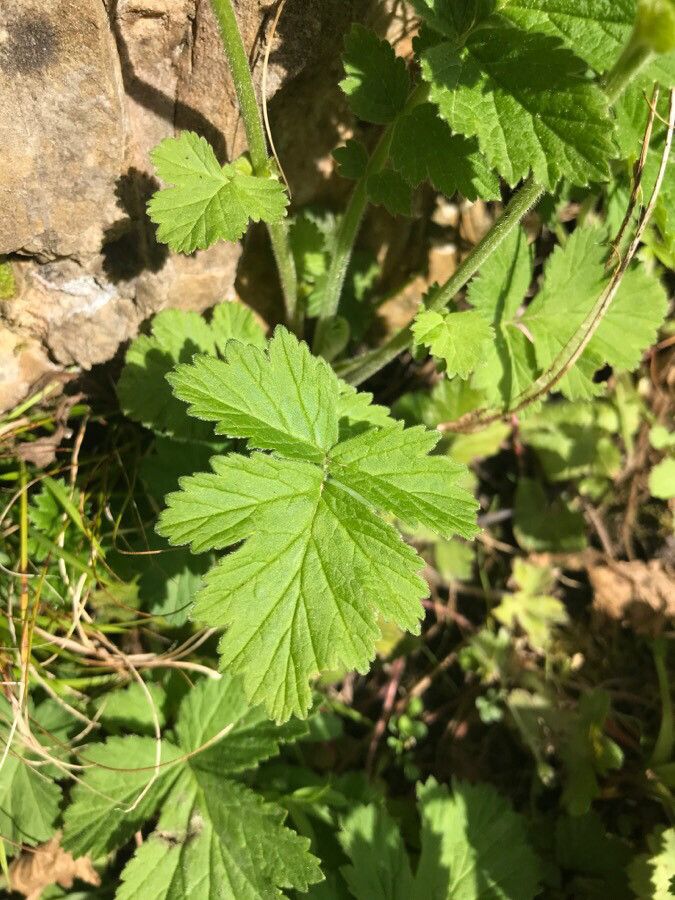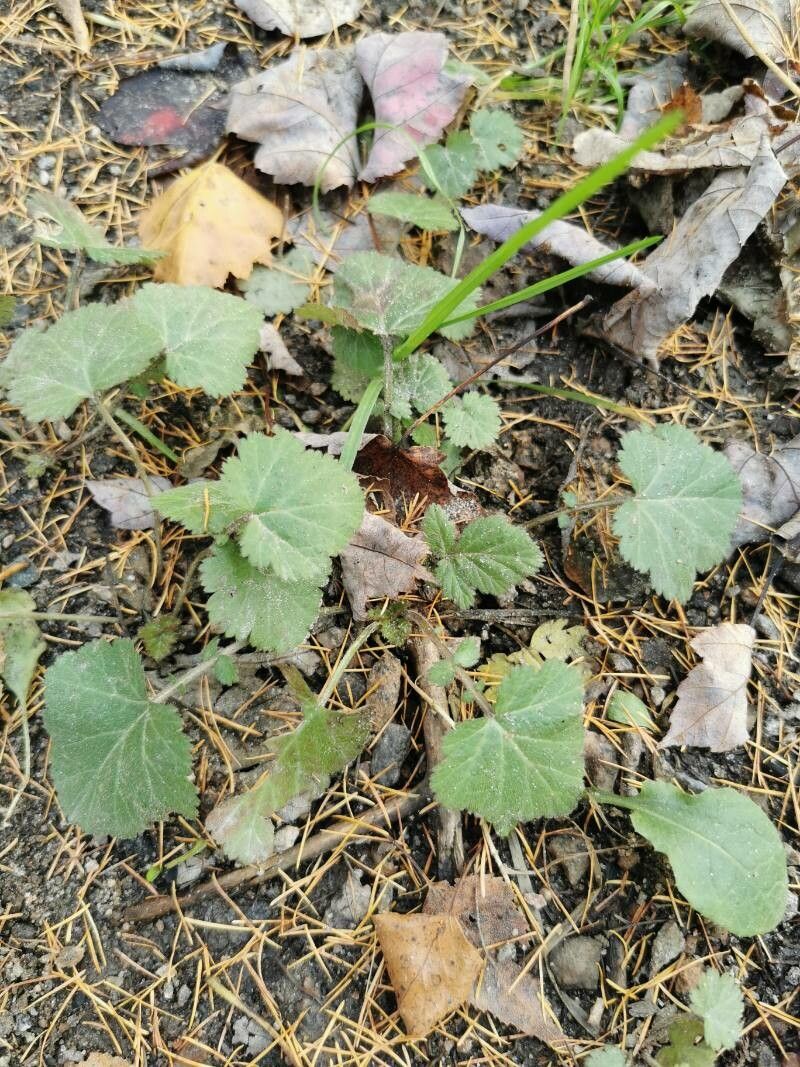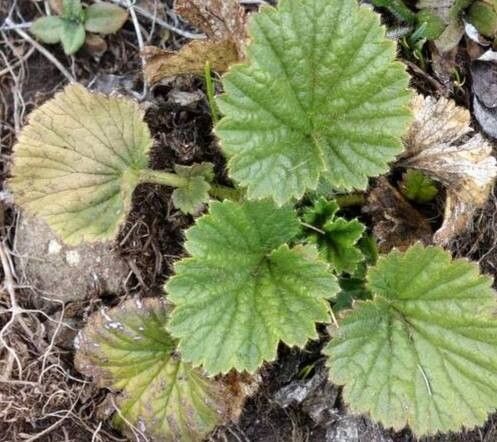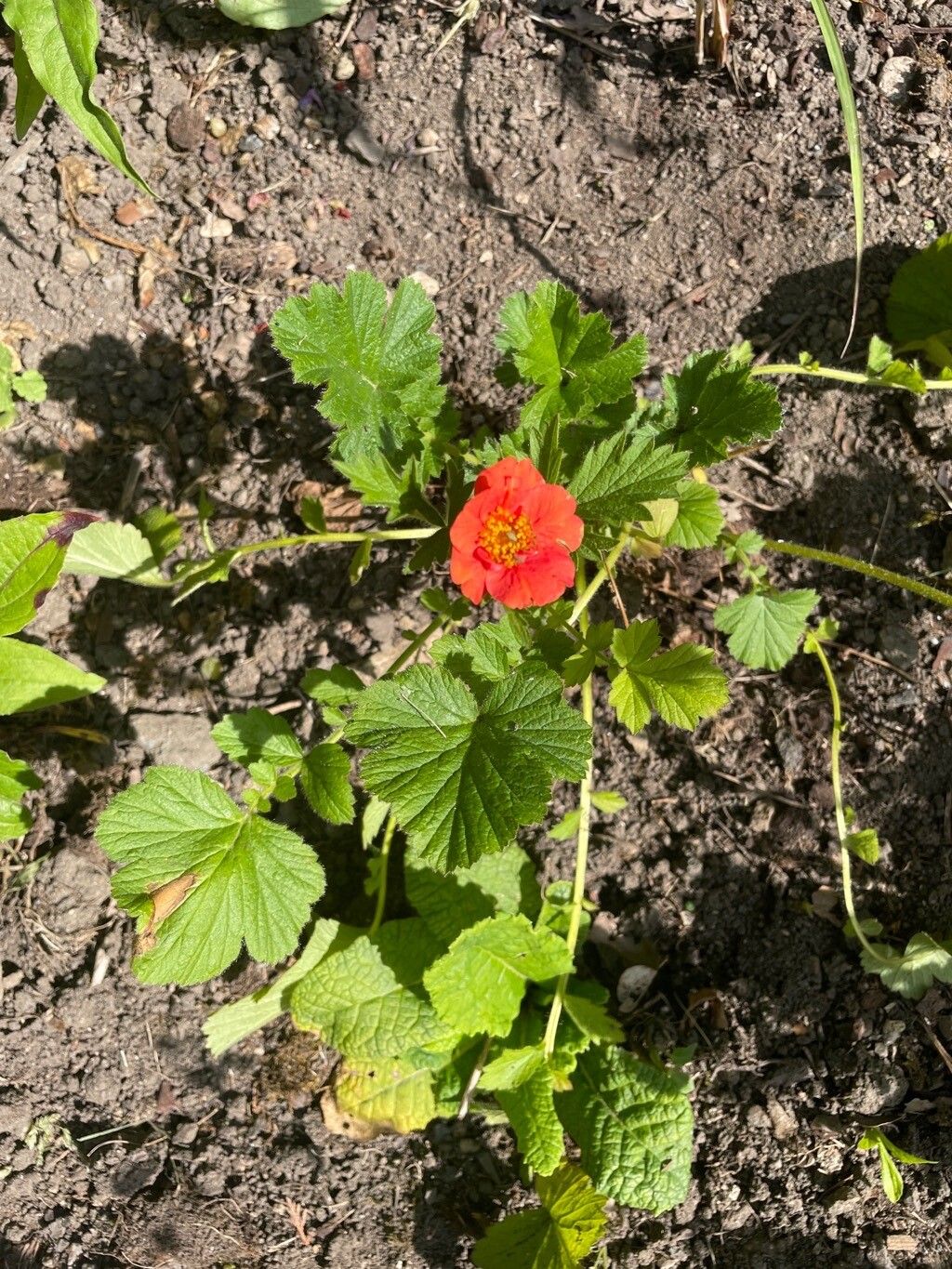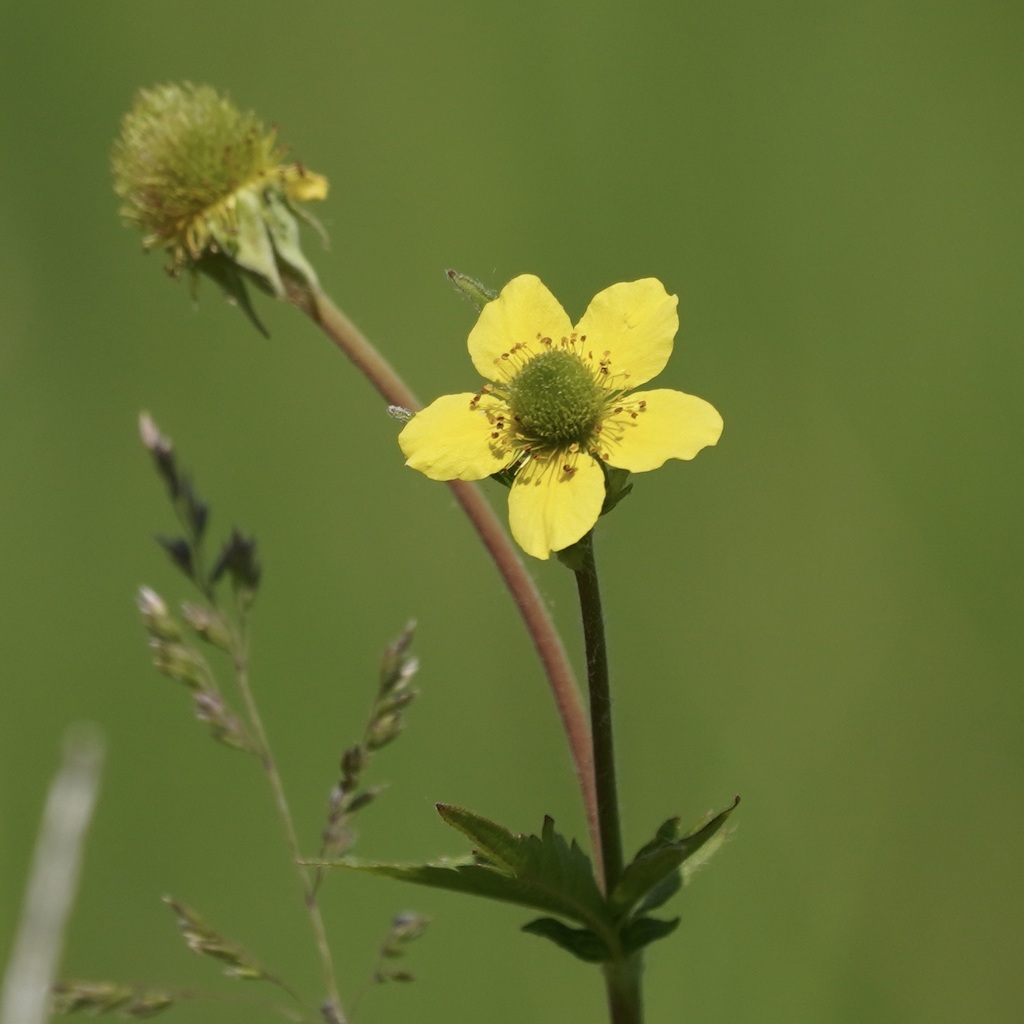
Geum aleppicum, commonly known as Aleppo avens, is a perennial herbaceous plant in the Rosaceae family. Native to North America, it thrives in diverse habitats such as meadows, prairies, and open woodlands. This plant can grow up to 60 cm tall and features a basal rosette of pinnately divided leaves with toothed leaflets.
From May to July, Geum aleppicum produces small, yellow flowers with five petals. Its fruit is an achene equipped with feathery hairs for wind dispersal.
Traditionally, this plant has been used for its anti-inflammatory properties and as a remedy for diarrhea. Additionally, it attracts pollinators such as bees and butterflies.
Geum aleppicum grows well in full sun or partial shade and prefers well-drained soil. It requires moderate watering but is drought-tolerant once established. The plant can be propagated easily from seeds or by dividing clumps every few years.
Overall, Geum aleppicum is an attractive perennial with medicinal benefits. It enhances garden beauty while supporting pollinator populations.
Yellow avens has strong resistance to disease and is generally not vulnerable to illnesses. Still, it can be affected by pests and diseases present in its environment. Such infections are typically mild. Regarding care, this plant needs moderate maintenance. It should be pruned regularly to preserve a good appearance and encourage healthy growth. Applying fertilizer can also help stimulate flowering. Yellow avens is appropriate for anyone with outdoor space, like a garden or patio, and does not demand extensive gardening experience. It may need more attention if cultivated indoors.
How to keep Geum Aleppicum.
Light
Yellow avens grows best with abundant sunlight, though it can also tolerate moderate light. Native to sun-drenched habitats, the plant's health and growth depend on this level of illumination. Both excessive and insufficient light can negatively affect its wellbeing.
Water
Yellow avens thrives in moist environments similar to its native habitat and requires consistent watering every week. Although it prefers well-hydrated soil, it can tolerate short dry spells. When cultivating yellow avens outdoors, take natural rainfall into account, especially during the growing season when its need for moisture increases.
Temperature
Yellow avens can tolerate a wide range of temperatures, but its distribution may still be restricted by specific combinations of moisture and heat. It does best in warm summers with sufficient rainfall or watering. Long stretches of cloudy, rainy weather or prolonged high temperatures increase the chance of Yellow avens dying. In winter, proper protection from cold can raise the plant’s survival rate.
Fertilizer
The best time to fertilize Yellow avens is in early spring, when it is coming out of dormancy and entering a period of active growth. Fertilization supplies essential nutrients needed for healthy growth. Although Yellow avens has relatively low fertilizer requirements, applying fertilizer once a year can improve its survival and encourage better, longer-lasting flowers.
Botanical profile.
- Plant Type
- Herb
- Life Cycle
- Perennial
- Genus
- Geum
- Family
- Rosaceae
- Hardiness Zone
- 3-7
- Mature Height
- 0.52 m to 1.07 m
- Mature Spread
- 20 cm to 40 cm
- Leaf Color
- Green
- Leaf Type
- Evergreen
- Flower Color
- Yellow
- Flower Size
- 2.03 cm
- Bloom Time
- Late spring, Early summer, Mid summer
- Planting Time
- Autumn, Winter
- Harvest Time
- Mid summer
- Native Area
- Turkey, Mexico, Slovakia, Romania, Poland, Belarus, Ukraine, China, Uzbekistan, Russia, Lithuania, Hungary, Kyrgyzstan, Kazakhstan, Japan, Estonia, Mongolia, Koppen, Bhutan, Azerbaijan, South Korea, Latvia, Moldova
Other names.
Reader questions.
How should I water my Yellow avens?
To properly water the Yellow avens, it is recommended to use filtered water that is at room temperature. Tap water may contain harmful particles, so using filtered water is preferable. The ideal temperature is room temperature or slightly warmer, as this plant is accustomed to warm environments and cold water may cause shock. Overhead watering should be avoided to prevent foliage issues. Instead, gently pour the filtered room temperature water onto the soil until it is completely soaked. This method benefits the plant by moisturizing the roots and facilitating their spread, ensuring they can gather the necessary nutrients from the soil.
What are the sunlight requirements for Yellow avens?
Yellow avens, or Geum aleppicum, thrives best in environments that receive copious amounts of sunlight. It requires full sun, which means above 6 hours of sunlight daily, although it can also accommodate partial sun, about 3-6 hours of sunlight. Originating in environments rich in sunshine, the health and growth of Yellow avens are significantly dependent on adequate light exposure. It's essential to observe how sunlight moves through your garden, selecting spots that offer a perfect balance of light and shade to ensure the plant's happiness.
What do I need to do if I give my Yellow avens too much or too little water?
Both overwatering and underwatering can harm the health of your Yellow avens, but overwatering is a more common problem. When this species gets too much water, its stems and leaves may wilt and turn yellow. Overwatering over time can also cause diseases like root rot, mold, and mildew, which can kill your plant. Underwatering is less common for Yellow avens because it can tolerate drought well. However, underwatering is still possible, and in such cases, the leaves may become brittle and brown. It's important to promptly recognize the signs of overwatering when caring for your Yellow avens. Some diseases caused by overwatering, like root rot, may become irreversible if left unattended. If you notice early signs of overwatering, reduce your watering schedule immediately. Additionally, assess the soil quality where your Yellow avens is growing. If it drains poorly, replace it with loose, well-draining potting mix. Conversely, if you see signs of insufficient watering, simply water more regularly until those signs disappear.
How does artificial lighting affect the growth of indoor Yellow avens?
For indoor Yellow avens that don't receive sufficient natural sunlight, especially during winter or in less sunny spaces, artificial lighting serves as a crucial alternative. It promotes faster, healthier growth by supplementing necessary light. LED lights are a popular choice due to their ability to provide specific wavelengths needed by plants. Full sun plants require 30-50W/sq ft of artificial light, partial sun plants need 20-30W/sq ft, and full shade plants should have 10-20W/sq ft. The light source should be placed 12-36 inches above the plant to mimic natural sunlight. Most plants will thrive with 8-12 hours of artificial light per day.
How much water does my Yellow avens need and how often?
If your Yellow avens plant is in a pot, the most precise way to determine if it needs water is to check the soil. Simply insert your finger into the soil and if the top two to three inches feel dry, it's time to water it. If you have planted your Yellow avens outdoors in the ground, you can use a similar method to check the soil. Again, if you find that the top few inches of soil have dried out, it's a sign that the plant needs watering. In the spring and early fall, watering once a week is often sufficient. However, during extremely hot weather, you may need to water it twice or even more frequently per week. It's worth noting that mature and well-established Yellow avens plants have a remarkable ability to endure drought.
What are the symptoms of improper sunlight exposure for Yellow avens?
When Yellow avens doesn't receive adequate sunlight, it may exhibit symptoms such as smaller, matured leaves, leggy or sparse growth, faster leaf drop, slower or no new growth, and lighter-colored new leaves indicating a lack of chlorophyll. Excessive sunlight can lead to chlorosis, where leaves lose their green color and turn yellow, sunscald that damages plant tissues, leaf curling as a defense mechanism, wilting due to increased water loss, and leaf scorching characterized by brown, dry edges on leaves.
How much water does my Yellow avens plant need?
To water your Yellow avens effectively, it's important to be generous with the amount of water you provide. Make sure the top two to three inches of soil are dry before watering, and then thoroughly soak the soil. You should add enough water to completely saturate the soil and to allow excess water to drain out through the holes at the bottom of the pot. If you don't see water draining out, it means you haven't watered enough. However, be careful not to let water accumulate in the soil, as this can harm the plant. On the other hand, if water is not draining properly, it may indicate that the soil doesn't drain well, which is not good for the plant's health. If your Yellow avens is planted outside, it generally needs about 1 inch of rain per week.
What are the solutions for Yellow avens experiencing light-related issues?
To address light-related issues in Yellow avens, gradually move the plants to a location where they'll receive at least 6 hours of direct sunlight daily, especially if indoor. Use south-facing windows and keep curtains open for maximum sunlight. If the plant is large or not easily movable, consider using artificial lights for at least 8 hours daily. Outdoors, avoid sudden changes in light intensity to prevent sunburn. Reduce obstructions by pruning trees and, if necessary, transplant smaller plants during their dormant period to a sunnier location with good drainage. Note that parts of the plant affected by insufficient light may not recover, but new growth should be healthy with improved light conditions.
How do I water my Yellow avens as they grow?
The water needs of the Yellow avens can vary depending on its growth stages. When the plant is in its early years or has just been transplanted, it requires more water than usual. During this time, it focuses its energy on developing new roots, which need additional moisture to support future growth. As the plant matures, it will require less water. However, during the bloom period, when the plant is developing flowers, it may need more water due to the high moisture requirements for flower development.
How often should I water my Yellow avens throughout the year?
The water needs of the Yellow avens vary depending on the time of year. During the hottest months, which is summer, you may need to water the plant more than once a week, depending on how quickly the soil dries out. On the other hand, during winter, the plant goes into a dormant phase and requires much less water. In fact, you may not need to water it at all during winter. If you choose to water it during this time, do so only about once a month to avoid the risk of disease.
What's the difference between watering my Yellow avens inside and outside?
If you are a gardener living in non-temperate and non-tropical regions, it is common to grow the Yellow avens indoors. However, it is important to note that soil in a container can dry out faster than ground soil. If you have drying elements like air conditioning units, your Yellow avens may need more frequent watering compared to if it were planted outside. In that case, you may not need to water your Yellow avens much if you receive regular rainfall, as that can be enough to keep the plant alive. On the other hand, if you grow the plant indoors, you will need to water it more often since you can't rely on rainwater soaking the soil.