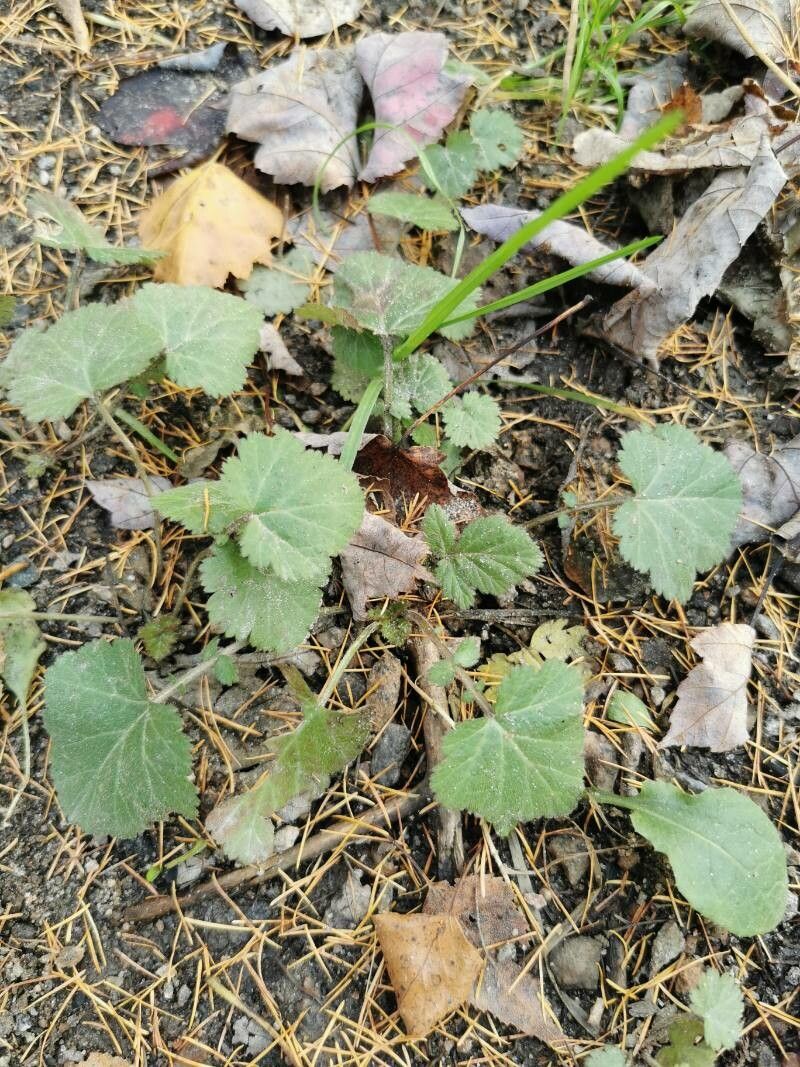
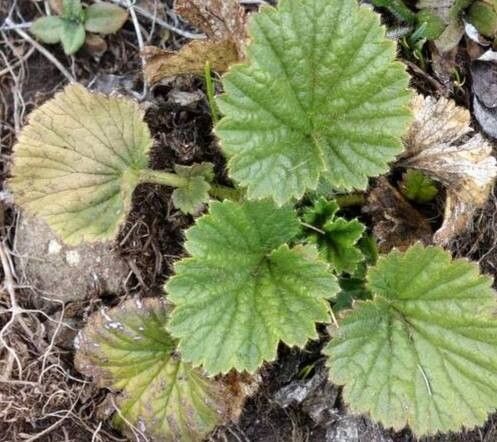
Geum triflorum, commonly known as prairie smoke or three-flowered avens, is a perennial herbaceous plant that belongs to the rose family. Native to North America, it thrives in prairies, meadows, and open woodlands.
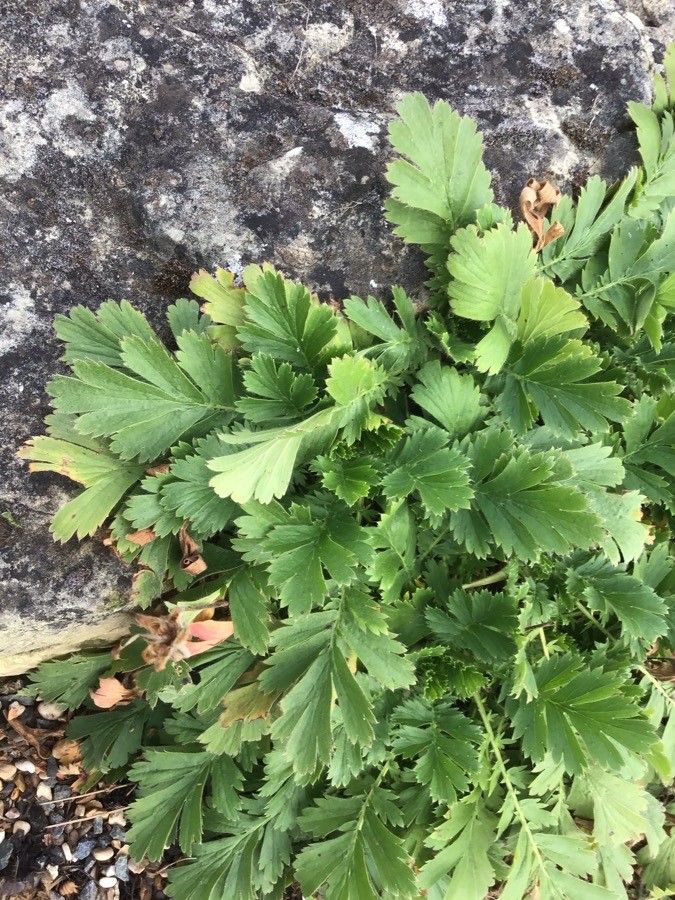
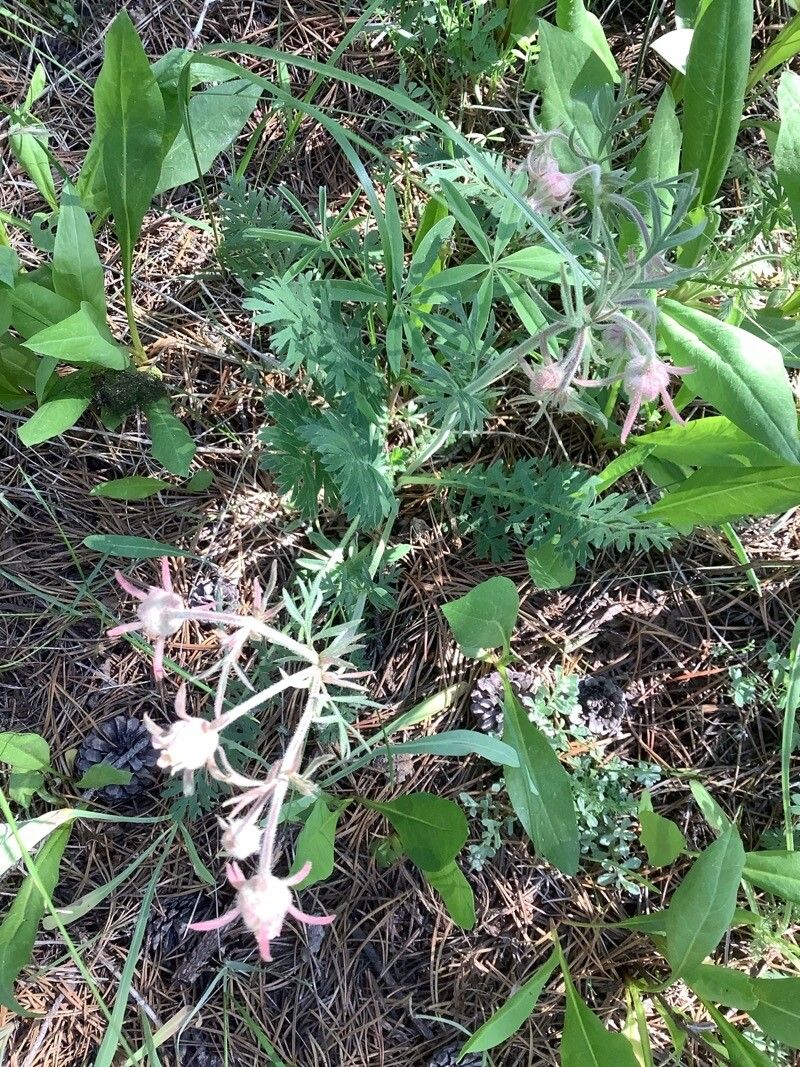
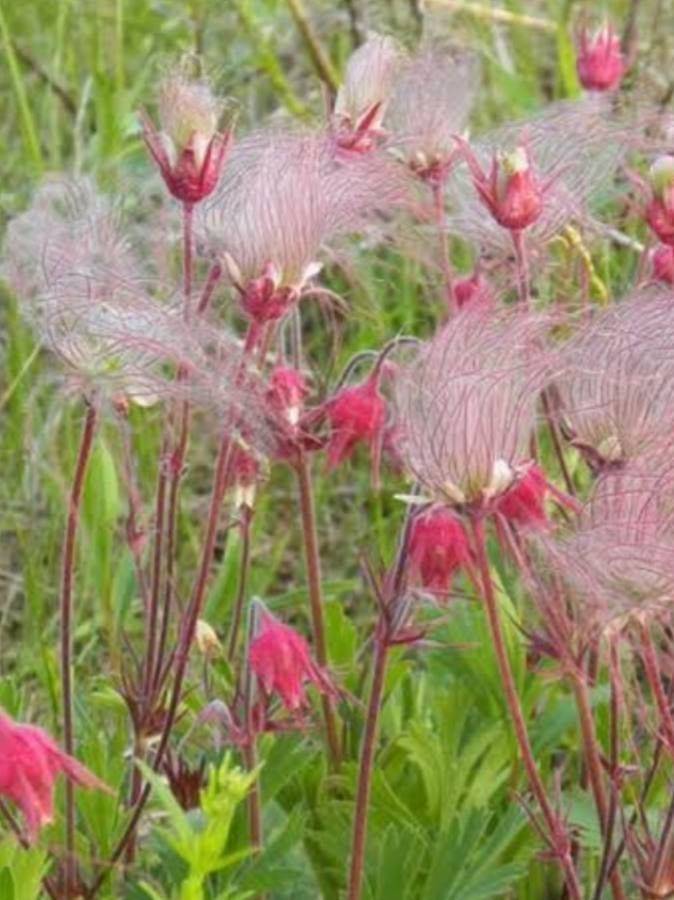
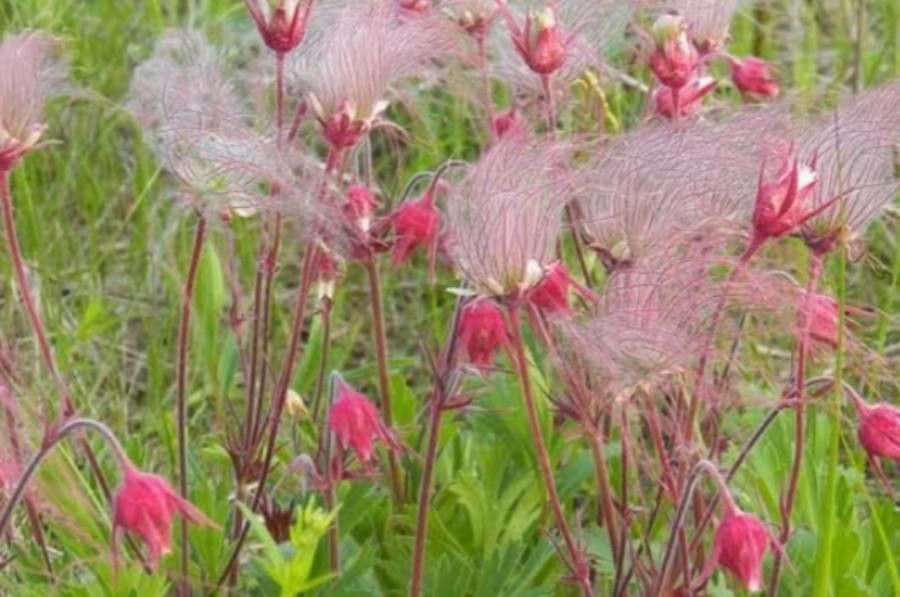
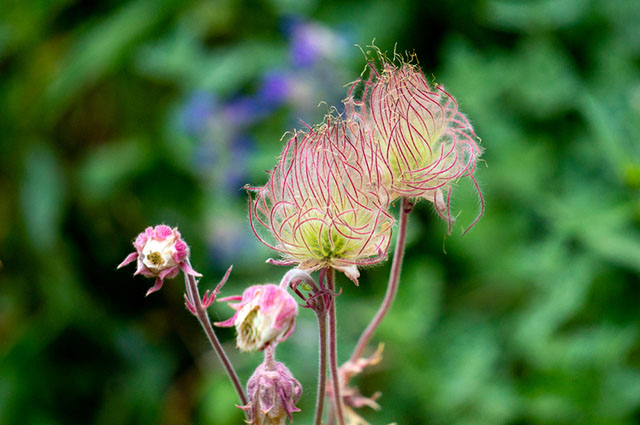
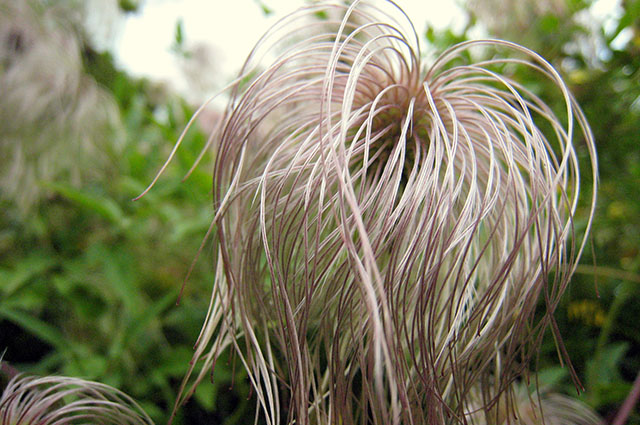
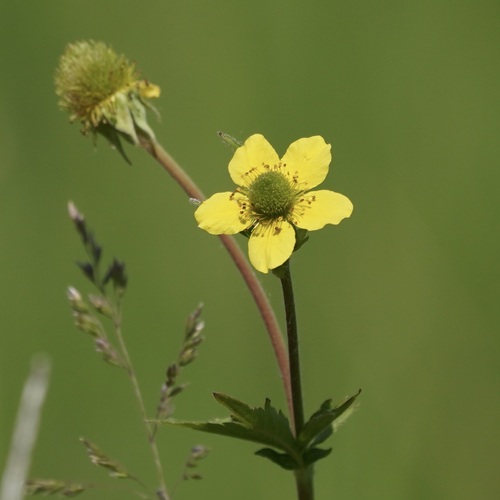
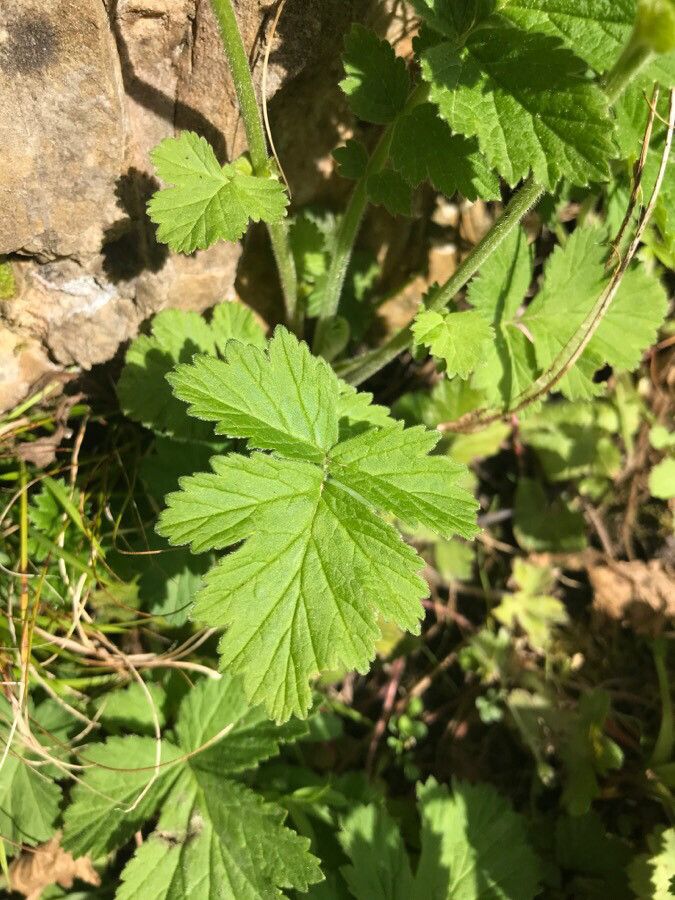
The plant grows up to 30 cm tall and features basal leaves that are pinnately divided into three leaflets. These green leaves have a slightly hairy texture. The flowers of Geum triflorum are distinctive and appealing, showcasing a pinkish-red hue that transforms into a feathery plume of silky hairs as they mature.
Geum triflorum typically blooms from late spring through early summer, with flowers emerging on long stalks above the foliage. The plant prefers well-drained soils and flourishes in full sun or partial shade.
For centuries, Native American tribes have utilized Geum triflorum for its medicinal properties, particularly its anti-inflammatory effects, which can help alleviate pain caused by arthritis and other inflammatory conditions.
Overall, Geum triflorum is an attractive perennial plant with unique pinkish-red flowers that enhance the beauty of any garden while offering medicinal benefits when used appropriately.
Prairie Smoke is fairly disease resistant and typically not prone to illnesses. However, it can be affected by pests and diseases present in its surroundings. These problems are usually not serious. In terms of care, this plant requires moderate maintenance. It should be pruned regularly to maintain a neat appearance and healthy growth. Fertilizing can also help encourage flowering. Prairie Smoke is suitable for people with outdoor spaces like a garden or patio and does not demand extensive gardening experience. It may require more attention when grown indoors.
How to keep Geum Triflorum.
Light
Prairie Smoke grows best when exposed to a plentiful amount of light for most of the day, though it can tolerate periods of reduced illumination. Native to open habitats, it is adapted to intense light. Both excessive and insufficient light can harm its healthy growth, especially during critical stages of development.
Water
Prairie Smoke, native to the North American prairies, thrives best in well-drained soils with moderate moisture levels. It benefits from weekly watering but is resilient enough to withstand drought conditions. During dry spells, it conserves water by curling its leaves, making it a hardy perennial herb ideal for outdoor cultivation.
Temperature
Prairie Smoke is native to temperate regions. It grows best in temperatures between 32 and 90 °F (0 to 32 ℃). Adapted to seasonal shifts, if temperatures fall too low during the colder months, consider providing a protective cover.
Fertilizer
For Prairie Smoke, the primary time to apply fertilizer is in early spring when the flowers are forming. The correct fertilizer promotes better blooms and helps Prairie Smoke produce attractive flowers. Fertilizing in early spring ensures strong flowers during the season and supplies energy for dormant growth phases.
Pruning
Prairie Smoke is known for its unique, smoke-like seed heads and delicate foliage. To keep your plants healthy and promote blooming, prune Prairie Smoke in early to late spring. Focus on removing dead or damaged growth, while keeping the healthy stems intact. Regular pruning boosts the plant's vigor, so be sure to use clean tools to prevent disease.
Botanical profile.
- Plant Type
- Herb
- Life Cycle
- Perennial
- Genus
- Geum
- Family
- Rosaceae
- Hardiness Zone
- 3-7
- Mature Height
- 20 cm to 52 cm
- Mature Spread
- 30 cm
- Leaf Color
- Green
- Leaf Type
- Deciduous
- Flower Color
- Pink
- Flower Size
- 2.54 cm
- Bloom Time
- Mid spring, Late spring, Early summer
- Planting Time
- Spring
- Harvest Time
- Early summer, Mid summer
- Native Area
- North America
Other names.
Reader questions.
What is the most effective way to water my Prairie Smoke plant?
To ensure the health of the Prairie Smoke plant, it is recommended to use filtered water at room temperature or slightly warmer. Tap water may contain harmful particles, so using filtered water is preferable. The Prairie Smoke plant is accustomed to a warm environment, so cold water can be a shock to its system. It is advised to refrain from overhead watering as it can cause issues with the foliage. Instead, carefully water the soil with your filtered room temperature water until it is completely soaked. This method helps to properly moisten the roots and promote the spread and nutrient collection of the plant.
Why do I have to give fertilizer to my Prairie Smoke plant?
Fertilization is important for Prairie Smoke and other plants because it provides necessary nutrients for growth. Although Prairie Smoke has low fertilization needs and can survive without it, annual fertilization can greatly benefit the plant. It helps keep the plant alive and may also improve the quality and longevity of its flowers. Therefore, those who want their Prairie Smoke to thrive should make sure to fertilize it every year.
What are the sunlight requirements for Prairie Smoke (Geum triflorum)?
Prairie Smoke requires full sun, which is above 6 hours of direct sunlight daily, for optimal growth. It can also tolerate partial sun, approximately 3-6 hours of sunlight. It's important to observe the movement of sunlight in your garden and select locations that offer the right balance of light and shade to ensure the health and happiness of your plants.
What is Prairie Smoke and where is it native to?
Prairie Smoke, scientifically known as Geum triflorum, is native to regions with a temperate climate. It is well-adapted to the seasonal changes typical of these areas, thriving in temperatures that range from 32 to 90 °F (0 to 32 °C). This plant demonstrates significant cold tolerance, making it a robust choice for gardeners within its preferred temperature range.
What do I need to do if I give my Prairie Smoke plant too much or too little water?
Overwatering is a more common issue for Prairie Smoke than underwatering. When the plant receives too much water, its stems and leaves may wilt and turn yellow. Overwatering can also lead to diseases like root rot, mold, and mildew, which can be fatal. Underwatering is less likely, but when it happens, the leaves become brittle and brown. It's important to recognize the signs of overwatering early, as some diseases may not be fixable if you wait too long. Reduce watering and check the soil if you suspect overwatering. If the soil doesn't drain well, replace it with a loose, well-draining mix. If your Prairie Smoke needs more water, increase watering until the signs of underwatering disappear.
When should I fertilize my Prairie Smoke plant?
The best time to fertilize a Prairie Smoke is in the late winter to early spring when the plant is transitioning from dormancy to active growth. This encourages healthy growth and a strong start for the season. Fertilizing in the fall is also acceptable, but it is not recommended during the summer or winter months.
How does sunlight affect the growth of Prairie Smoke?
Prairie Smoke thrives best when it receives a generous amount of light for most of the day, but it can survive in areas with less light. Originating from open habitats, it is well-adapted to high light conditions. Both excessive and insufficient light can negatively impact its growth, especially during critical growth phases. When natural sunlight is limited, artificial lighting, such as LED lights, can be used to supplement light, with specific wattages recommended depending on the plant's sunlight needs.
Does Prairie Smoke require any special care during winter?
Prairie Smoke is highly cold-tolerant and does not generally require additional frost protection measures during the winter months. However, to help it cope with the colder weather, it is advised to water the plant generously before the first freeze of autumn. This ensures the soil around it remains moist as it enters into a frozen state, thereby preventing drought and water scarcity during the winter and early spring. Despite its cold tolerance, in extremely cold conditions where temperatures drop excessively, protecting the plant with a cover might be considered.
How many times should I water my Prairie Smoke plant?
If your Prairie Smoke plant is in a pot, the best way to determine if it needs water is to stick your finger into the soil. If the top two to three inches of soil are dry, it's time to water it. If you have your Prairie Smoke plant planted outdoors, you can use the same method to test the soil. When the top few inches of soil are dry, it's time to water it. In the spring and early fall, you'll typically need to water it about once a week using this method. However, during very hot weather, you may need to increase your watering frequency to about twice a week or more. It's worth noting that mature, well-established Prairie Smoke plants have an impressive ability to withstand drought.
When is the best time to not use fertilizer on my Prairie Smoke?
To ensure optimal growth, fertilize your Prairie Smoke only in late winter or early spring. This plant requires minimal fertilization, and one feeding per year is sufficient. Overfertilization can occur if you continue to fertilize throughout spring, summer, and fall. However, if you didn't fertilize in the spring, it is okay to feed the plant in the fall. During the winter, when the Prairie Smoke is in a dormant growth phase and not producing new growth, there is no need to fertilize.
What symptoms indicate insufficient light for Prairie Smoke?
Symptoms of light deficiency in Prairie Smoke include new leaves growing smaller than older ones, leggy or sparse growth, early leaf drop to conserve resources, slower or halted growth, paler new leaves indicating a lack of chlorophyll, and conditions such as chlorosis, sunscald, leaf curling, wilting, and leaf scorching from excessive sunlight.
How should I care for Prairie Smoke in low temperatures?
Prairie Smoke is extraordinarily cold-tolerant, capable of withstanding temperatures down to -35°C. Below this threshold, while the plant might not show immediate damage during winter, it could lead to decreased sprouting or a complete lack of sprouting come spring. In such cases, the recommended care is to remove any parts of the plant that have failed to sprout in spring, ensuring it remains healthy and ready for the next growing season.