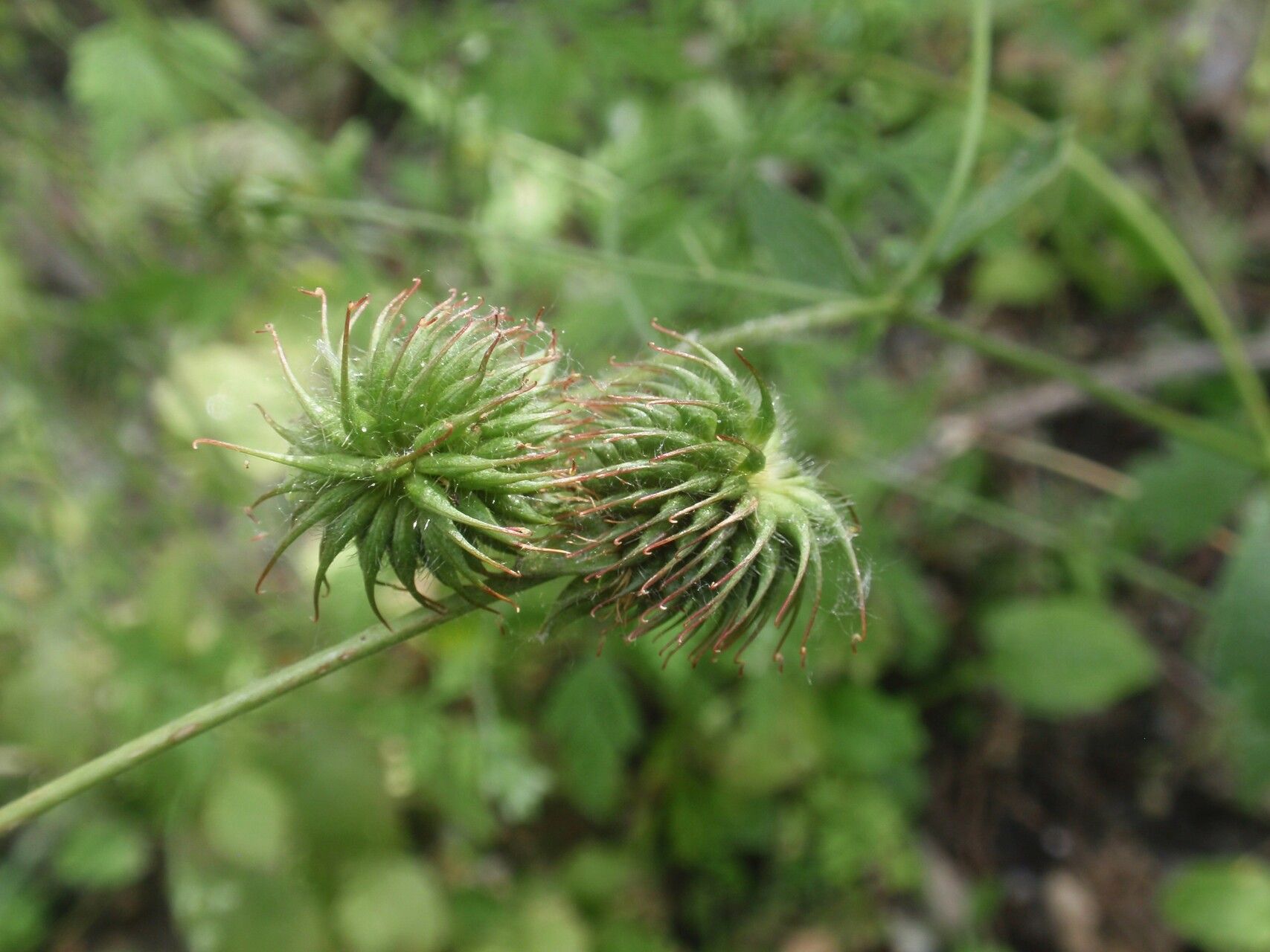
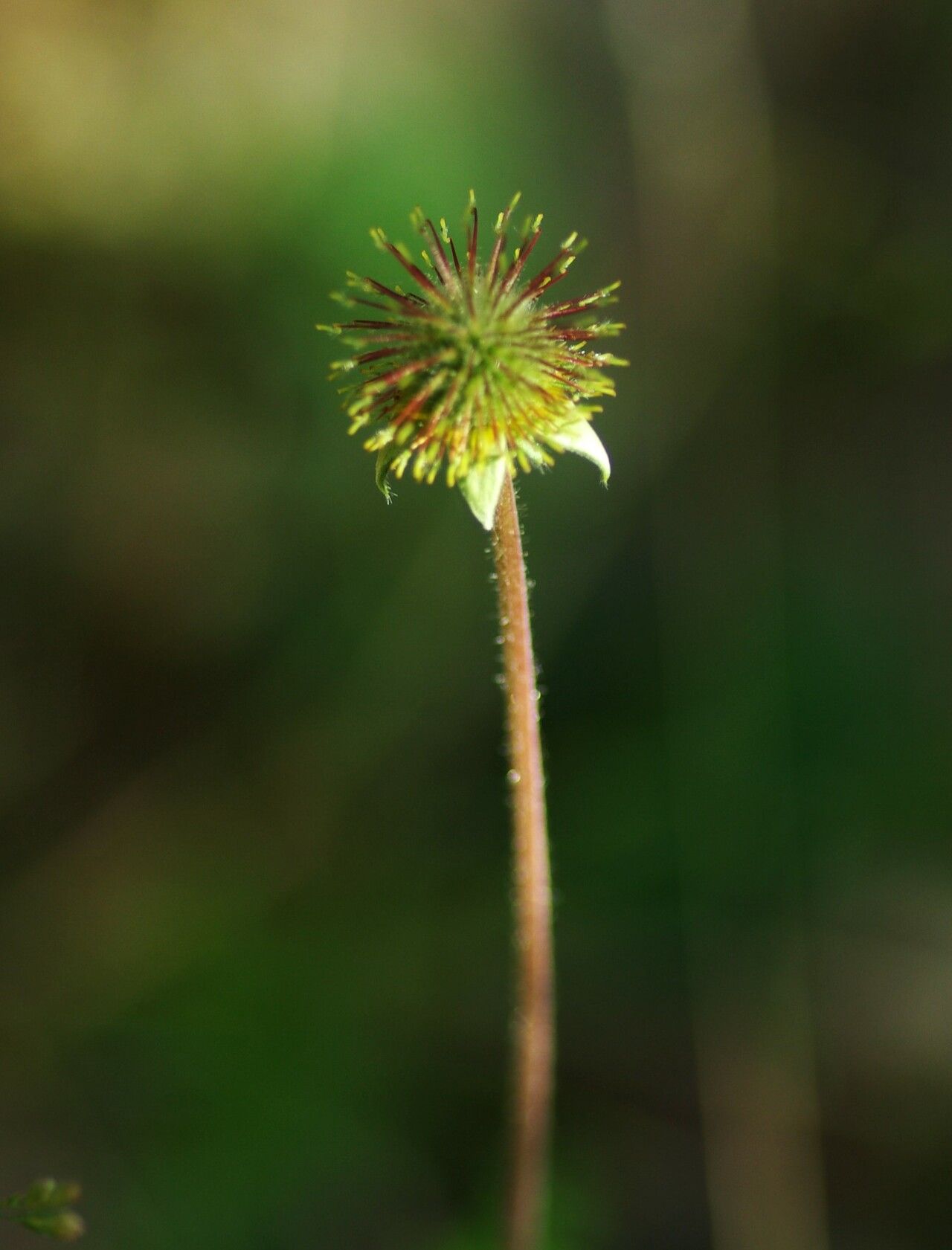
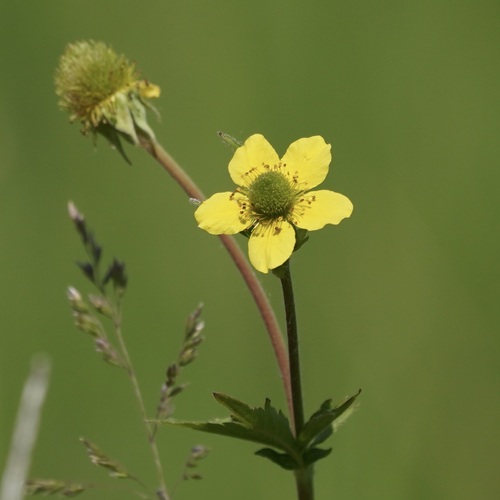
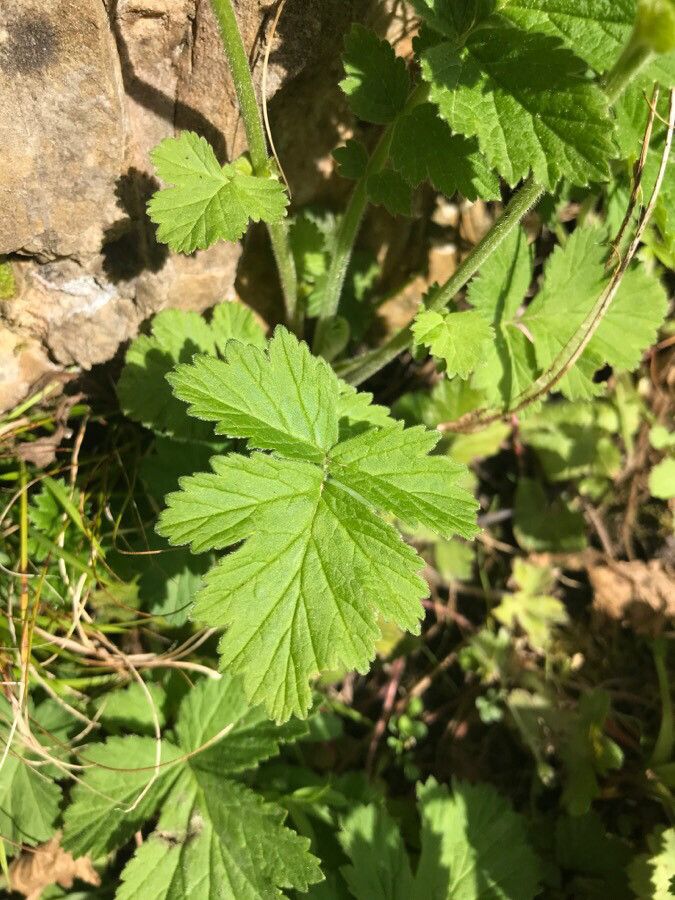
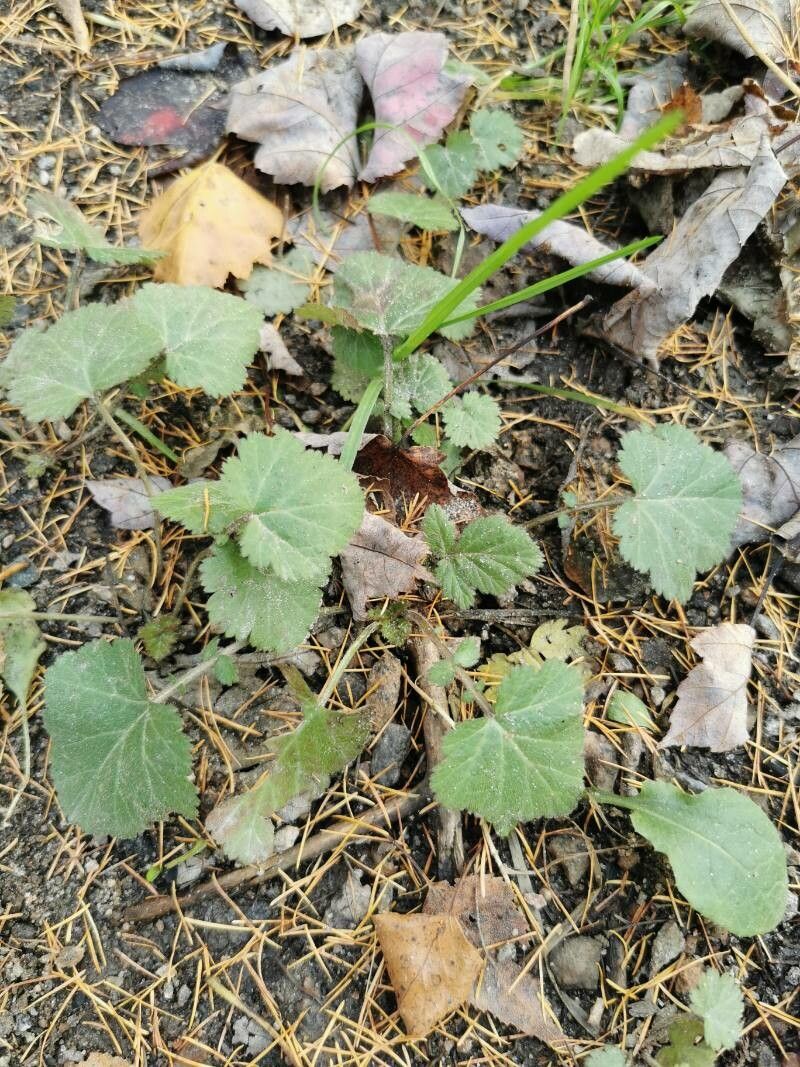
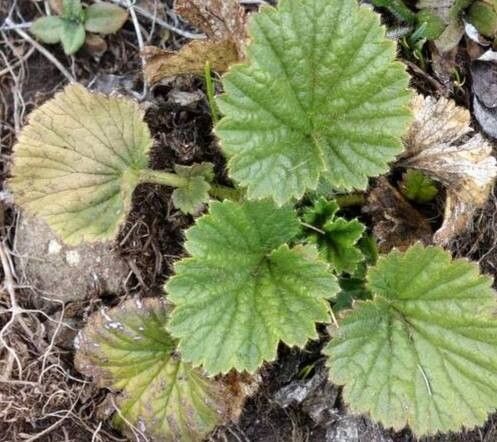
Geum hispidum shows good resistance to disease and is generally unlikely to suffer from them. Still, it can be affected by pests and diseases present in its environment. These problems are usually not serious. For care, this plant requires a moderate level of attention. It should be pruned regularly to keep a neat appearance and encourage healthy growth. Fertilizing can also help boost flowering. Geum hispidum is suitable for anyone with an outdoor area, such as a garden or patio, and does not need extensive care experience. It may require more attention when kept indoors.
How to keep Geum Hispidum.
Light
Geum hispidum naturally occurs in places like forest understories and rocky habitats, where it experiences natural shade. It favors partial sun but can tolerate full sun or full shade, reflecting its hardy and adaptable nature.
Temperature
Geum hispidum can tolerate a wide range of temperatures, though its distribution may still be restricted by particular combinations of moisture and heat. It performs best in warm summer conditions with sufficient rainfall or watering. Extended stretches of cloudy, rainy weather or prolonged high temperatures increase the likelihood of Geum hispidum dying. In winter, adequate protection from cold can boost the plant's survival rate.
Fertilizer
Typically, a single fertilizer application in spring is enough for Geum hispidum, though repeated feedings can maximize growth. Apply fertilizer every month to every month and a half. Fertilization improves the leaves' appearance and function, encouraging even color and a healthy texture. It also promotes root development and nutrient uptake for long-term plant health.
Botanical profile.
- Plant Type
- Herb
- Life Cycle
- Perennial
- Genus
- Geum
- Family
- Rosaceae
- Hardiness Zone
- 4-8
- Mature Height
- 30 cm to 61 cm
- Mature Spread
- 20 cm to 40 cm
- Leaf Color
- Green, Dark Green
- Leaf Type
- Deciduous
- Flower Color
- Yellow, Orange
- Flower Size
- 1.02 cm to 2.03 cm
- Bloom Time
- Mid spring, Late spring, Early summer
- Planting Time
- Spring, Summer
- Harvest Time
- Summer
- Native Area
- Spain, Portugal, Sweden, France